
Photo by Port of San Diego on Openverse
Your gut does far more than process meals. It influences your energy, appetite, mood, immune defenses, and even how easily you maintain a healthy weight. That is why so many people who begin a clean eating journey discover that better digestion is often the first sign they are on the right track. When your meals are built around organic food, your body gets fewer unnecessary additives and more of the nutrient-dense ingredients that support a calmer, happier digestive system.
If you have ever felt bloated after a supposedly healthy meal, or noticed that your cravings spike when your diet gets too processed, you are not alone. The modern food environment can make nutrition feel complicated, but gut health does not need to be a mystery. A steady focus on organic vegetables, fiber-rich whole foods, fermented ingredients, and balanced portions can create a noticeable shift in the way you feel from morning to night.
Think of this as more than a detox diet or a temporary reset. The goal is to build a healthy lifestyle that works in real life, whether you are cooking at home, eating between meetings, or trying to lose weight without sacrificing satisfaction. What would happen if your meals were designed to nourish your microbiome, support digestion, and keep you energized for the whole day? That is exactly the direction this guide will take.
Why gut health is the foundation of a clean eating lifestyle
The gut is where much of your nutrition story begins. It is responsible for breaking down food, absorbing nutrients, and communicating with the rest of the body through a complex network of nerves, hormones, and microbes. When digestion runs smoothly, it is easier to feel light, focused, and in control of cravings. When it is off balance, even the best intentions can feel frustrating.
Many people assume weight loss is only about calories, but digestion plays a major role in how your body uses food. A sluggish gut can leave you feeling bloated, uncomfortable, and less motivated to stay consistent with healthy habits. On the other hand, a diet centered on organic food and simple, clean eating can make meals more satisfying and easier to digest.
How the gut affects energy, appetite, and mood
Your gut and brain are in constant communication. If digestion is slow or inflamed, you may notice low energy, poor focus, and stronger cravings for sugar or refined snacks. This is one reason nutrition experts often encourage people to eat more whole foods rather than relying on processed products, even when those products are marketed as health foods.
A balanced gut can support:
- More stable energy throughout the day
- Better satiety after meals
- Improved regularity and less bloating
- Stronger immune function
- Better adherence to a weight loss plan
Is it possible to feel the effects of digestion in your mood as well as your stomach? Absolutely. Many people notice that when they eat in a cleaner, more intentional way, they become calmer and more focused.
Why organic food is a smart choice for digestive wellness
Organic food is not a magic fix, and it is important to say that clearly. But choosing organic ingredients can be a meaningful part of a healthy diet because it often means fewer synthetic pesticides, fewer artificial additives, and a greater emphasis on minimally processed foods. For people committed to clean eating, that difference can matter.
When your meals are built from simple ingredients, your digestive system has less to sort through. That does not mean every non-organic food is unhealthy, but an organic-first approach can make it easier to focus on quality, freshness, and balance.
Less exposure to unnecessary additives
Many packaged foods contain preservatives, emulsifiers, flavor enhancers, and excess sugar alcohols that can be hard on sensitive digestive systems. Some people tolerate these ingredients well, but others experience bloating, discomfort, or irregularity. Choosing organic staples like oats, greens, beans, and produce can reduce your exposure to those extras and keep your meals closer to their natural state.
More emphasis on real nutrition
Organic eating tends to encourage better habits overall. Once you start buying more organic vegetables, fruits, eggs, yogurt, seeds, and whole grains, your cart naturally shifts away from ultra-processed foods. That can improve your intake of fiber, magnesium, potassium, antioxidants, and other nutrients linked to healthy digestion.
This is where the benefits often compound. You are not just removing less desirable items from your plate. You are making room for the foods your gut actually recognizes as fuel.
The best organic foods for gut health and weight loss
When people hear the phrase weight loss, they often think about restriction. But the most sustainable approach is usually the opposite: choosing foods that keep you full, support digestion, and help your body function more efficiently. Organic food can absolutely fit that model.
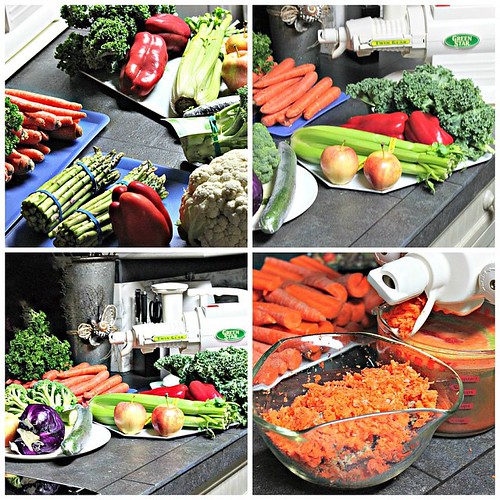
[IMAGE: organic vegetables]
The following foods are particularly helpful when your goal is to improve digestion while maintaining a clean eating routine.
Leafy greens
Spinach, kale, arugula, romaine, and Swiss chard are rich in fiber, water, and micronutrients. They add volume to meals without weighing them down, which is ideal if you want to feel satisfied without overeating. Add them to salads, smoothies, soups, or sautéed bowls with olive oil and garlic.
Cruciferous vegetables
Broccoli, cauliflower, Brussels sprouts, and cabbage bring impressive nutrition to the table. They support the body with fiber and beneficial plant compounds, and they are a staple in many clean eating meal plans. If they sometimes feel hard to digest, try roasting them well, serving them in smaller portions, or pairing them with herbs like ginger and cumin.
Fermented foods
Fermented foods can be a valuable part of an organic diet because they bring naturally occurring beneficial bacteria to the table. Look for organic kefir, plain yogurt, sauerkraut, kimchi, miso, or tempeh. Start slowly if you are new to them, especially if your digestive system is sensitive.
Apples, berries, and citrus
Fruits can support digestion when they are chosen in whole form rather than as juice. Apples provide pectin, berries deliver antioxidants and fiber, and citrus fruits offer hydration and brightness. These are easy to keep on hand for snacks, breakfast bowls, and quick additions to salads.
Oats, chia seeds, and flaxseed
These foods are especially useful in a healthy lifestyle because they make meals more filling and support regularity. Oats offer beta-glucan fiber, chia seeds absorb liquid and expand, and flaxseed contributes both fiber and healthy fats. Try them in overnight oats, smoothies, or homemade baked goods.
Legumes
Lentils, chickpeas, black beans, and white beans are some of the most underrated tools for clean eating and weight loss. They are high in fiber and plant-based protein, which helps stabilize hunger. If beans are new to your routine, start with smaller servings and increase gradually.
Ginger, garlic, and fresh herbs
These ingredients do more than make food taste better. Ginger can be soothing, garlic adds depth and beneficial compounds, and herbs like parsley, dill, basil, and cilantro brighten dishes while keeping sodium in check. They are perfect for a gentle detox diet focused on real food rather than deprivation.
How to build gut-friendly meals that actually satisfy
The most effective nutrition plan is the one you can repeat. Instead of chasing perfection, create a few simple meal formulas that support digestion and keep you comfortable. A plate built this way can be colorful, satisfying, and practical enough for everyday life.
[IMAGE: healthy meal]
Use the plate method for balance
A simple and effective structure looks like this:
- Half the plate with organic vegetables
- One quarter with protein such as eggs, fish, tofu, yogurt, or legumes
- One quarter with smart carbohydrates like quinoa, sweet potato, brown rice, or oats
- A small amount of healthy fat from avocado, olive oil, nuts, or seeds
This approach supports digestion because it prevents meals from becoming too heavy in one category. It also makes weight loss more realistic, since balanced meals are easier to enjoy without constant snacking afterward.
Include color at every meal
Color matters because it usually signals nutrient variety. A bright bowl of greens, orange carrots, purple cabbage, and red peppers does more than look beautiful. It delivers a wider range of vitamins and plant compounds that support a healthy gut environment. If your plate is always beige, your nutrition may be too.
Do not fear fat, but choose it carefully
Healthy fats help you absorb fat-soluble vitamins and stay satisfied, but the portion matters. Extra virgin olive oil, walnuts, chia, flax, and avocado are excellent options for a clean eating pattern. Heavy fried foods, on the other hand, can leave digestion feeling sluggish, especially when paired with low fiber intake.
Keep portions realistic
Even organic food can work against you if the portions are oversized. Gut-friendly eating is not about eating endlessly because the ingredients are natural. It is about giving your body enough, but not so much that digestion becomes uncomfortable. Slow down, chew thoroughly, and notice when you are satisfied rather than stuffed.
A gentle detox diet approach that supports the body instead of stressing it
Detox diet trends often get attention because they promise quick results, but the truth is more grounded. Your liver, kidneys, skin, and digestive tract already work hard to process and eliminate waste. The best way to support that system is not through extremes, but through hydration, fiber, micronutrients, and consistency.
That is why a gentle detox diet based on organic food is so appealing. It reduces dietary clutter and prioritizes meals that are easy for the body to handle. Rather than relying on juices alone or skipping meals, you are building a more sustainable routine.
Foods that naturally support the body’s cleansing systems
Consider these daily allies:
- Leafy greens for magnesium and fiber
- Beets for natural plant compounds and color
- Lemons and limes for hydration and flavor
- Cucumbers and celery for water content
- Ginger and turmeric for a warm, soothing quality
- Flax and chia for bowel regularity
A sensible detox diet is less about removing every indulgence and more about creating a rhythm that helps your digestive system breathe. Ask yourself: after a meal, do you feel energized and clear, or heavy and sluggish? That answer is often the best guide.
Hydration changes everything
Digestion needs water. Fiber without enough fluid can make bloating worse instead of better, so aim to drink consistently throughout the day. Add lemon slices, cucumber, or mint if plain water feels boring. Herbal teas can also support a calm evening routine and help you transition away from late-night snacking.
Organic meal prep ideas for a calmer gut and busier schedule
People often know what to eat. The challenge is making it happen when life gets busy. That is where meal prep becomes one of the strongest tools in any healthy lifestyle plan. If you prepare a few essentials in advance, you are far less likely to reach for random convenience foods that do not support digestion.
Meal prep does not need to take over your weekend. It can be as simple as roasting vegetables, cooking one grain, preparing one protein source, and washing greens so they are ready to use. Even thirty to forty-five minutes of focused prep can save you from days of disorganized eating.
Build a small weekly prep list
- Wash and chop salad greens
- Roast broccoli, carrots, and zucchini
- Cook a batch of quinoa or brown rice
- Prepare lentils, eggs, tofu, or grilled chicken
- Mix a simple olive oil and lemon dressing
- Stock up on berries, apples, and bananas
With these basics ready, you can assemble lunches and dinners in minutes. That ease matters, because consistency is what turns nutrition advice into real results.
Sample meal combinations
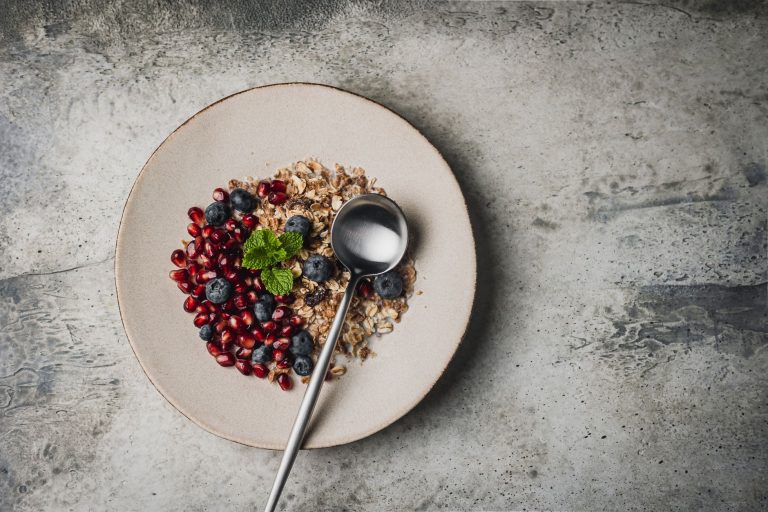
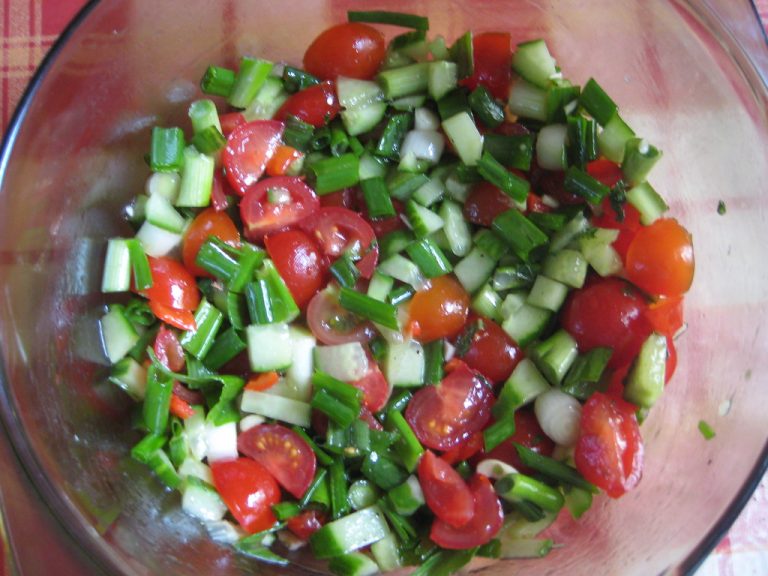
Try a quinoa bowl with roasted vegetables, avocado, pumpkin seeds, and tahini. Or make a large salad with leafy greens, chickpeas, shredded carrots, cucumber, olives, and a simple lemon dressing. A breakfast bowl of plain organic yogurt, berries, chia, and oats can also be a strong way to start the day. These meals are not complicated, but they are deeply supportive of digestion and long-term weight loss goals.
What to eat for breakfast, lunch, and dinner on a gut-friendly organic routine
Once you understand the basic structure, it becomes easier to choose meals that feel good in your body. The best clean eating routine is flexible, not rigid. You do not need a long list of rules; you need a few dependable anchors.
Breakfast ideas
Morning meals should be satisfying without being too heavy. If breakfast is too sweet or too processed, your blood sugar can rise and fall quickly, leading to cravings later. Instead, focus on protein, fiber, and slow-burning energy.
- Organic oatmeal topped with chia, cinnamon, and berries
- Greek yogurt with flaxseed, walnuts, and sliced apple
- Vegetable omelet with spinach, herbs, and avocado
- Smoothie with greens, cucumber, banana, and unsweetened kefir
Lunch ideas
Lunch works best when it is substantial enough to keep you focused through the afternoon without feeling sleepy afterward. If you often experience a post-lunch crash, try reducing heavy dressings, oversized portions, or excess refined starches.
- Salad with salmon, greens, cucumber, and pumpkin seeds
- Lentil soup with carrots, celery, and herbs
- Turkey or tofu wrap with avocado and shredded vegetables
- Grain bowl with roasted cauliflower, chickpeas, and tahini
Dinner ideas
Evening meals should help you unwind rather than overload your system. Keep dinner flavorful, but simpler than lunch if you tend to digest more slowly at night. A calm, balanced dinner can also improve sleep, which in turn supports digestion and weight control.
- Baked fish with asparagus and sweet potato
- Stir-fried vegetables with tempeh and brown rice
- Stuffed peppers with beans, herbs, and quinoa
- Soup with organic vegetables, garlic, and leafy greens
Does every meal need to be different? Not at all. Repeating a few nourishing combinations can make healthy eating feel much easier and less stressful.
Common organic diet mistakes that can slow digestion and weight loss
Switching to organic food is a powerful step, but there are still some mistakes that can interfere with progress. The most common problem is replacing a processed diet with an organic version of the same habits. Organic cookies are still cookies. Organic soda is still soda. Clean eating works best when the entire pattern changes.
Eating too little fiber
Many people reduce calories without realizing they also reduced fiber. That can create constipation, cravings, and discomfort. Include vegetables, seeds, beans, fruits, and whole grains so your digestive system has what it needs to move smoothly.
Overdoing fruit juice and smoothies
Fresh smoothies can be nutritious, but they should not become a hidden sugar source. Use whole ingredients, include greens, and add protein or fat for balance. Juice, even when organic, is easy to overconsume and often less filling than whole fruit.
Ignoring food sensitivities
Some people feel better with yogurt and kefir, while others need to limit dairy. Some thrive on beans, while others need smaller portions. Organic food supports a healthy lifestyle, but your personal tolerance matters just as much. Pay attention to how you feel after eating, and adjust rather than forcing a one-size-fits-all plan.
Trying to be perfect
Perfection is one of the fastest ways to abandon a nutrition plan. If your goal is long-term gut health, you need flexibility. A mostly organic, mostly whole-food approach is far more powerful than an all-or-nothing standard that collapses under real life.
Overeating healthy snacks
It is easy to mindlessly eat nuts, dried fruit, seed crackers, or granola because they feel virtuous. But even nourishing foods need portion awareness. If you snack all day, give your digestive system a break by building more satisfying meals instead.
How to shop for organic food without wasting money
One of the biggest barriers to organic eating is the assumption that it must be expensive and difficult. In practice, a smart shopping strategy can keep costs manageable while still giving you access to excellent nutrition.
Prioritize the foods you eat most often
If your budget is limited, start with the items you buy frequently: leafy greens, berries, apples, oats, eggs, milk or yogurt, and the vegetables you use every week. This creates the biggest impact without overwhelming your wallet.
Buy frozen when it makes sense
Frozen organic vegetables and fruits can be excellent choices. They are often picked at peak ripeness and can save time in the kitchen. Keep frozen spinach, broccoli, berries, and cauliflower rice on hand for quick meals and easy sides.
Watch for simple ingredient lists
When reading labels, the shorter the list, the better. Whole oats should look like oats. Plain yogurt should not be loaded with unnecessary sweeteners. Salsa, broth, nut butter, and cereal should all reflect a clean eating mindset, not a chemistry experiment.
Ask yourself a practical question in the store: will this food make it easier to build a balanced meal at home? If the answer is yes, it probably belongs in your cart.
Simple daily habits that improve digestion more than you might expect
Food matters, but so does the way you eat and live. A healthy lifestyle is built on habits that support the body from multiple angles. If your meals are excellent but your routine is chaotic, your digestion may still struggle.
[IMAGE: fitness lifestyle]
Eat slowly and chew thoroughly
Digestion begins in the mouth. When you eat too quickly, you swallow more air and give your stomach extra work. Slow meals are not just more pleasant; they are often gentler on the gut and better for appetite control. Put the fork down between bites. Notice flavor. Let your body register fullness.
Move your body every day
Movement helps keep digestion active and supports blood sugar balance. You do not need an intense workout to benefit. A walk after meals, light stretching, yoga, or a strength session can all contribute to better digestion and a healthier metabolic rhythm. This is one reason organic food and fitness often go hand in hand in a sustainable weight loss plan.
Protect your sleep
Poor sleep can increase cravings, disrupt hunger hormones, and make it harder to follow through on your nutrition goals. If you want better digestion, take sleep seriously. Avoid heavy late-night meals, create a screen-free wind-down routine, and keep your evenings predictable when possible.
Manage stress in practical ways
Stress can show up in the gut quickly. Tension may affect appetite, regularity, and your ability to enjoy meals. Breathing exercises, journaling, time outdoors, and realistic expectations all support a calmer digestive environment. A clean eating plan works best when your mind is not constantly in survival mode.
Who can benefit most from an organic gut-health approach?
Almost anyone can benefit from eating more whole, organic foods, but this approach is especially helpful for people who feel bloated often, struggle with irregularity, want to lose weight without extreme dieting, or are rebuilding their habits after a period of heavy processed food intake. It can also be a smart choice for families who want a more stable, nourishing routine.
That said, digestive symptoms that are persistent, severe, or unusual should always be discussed with a healthcare professional. Nutrition is powerful, but it is not a substitute for medical care when something deeper may be going on. If your body gives you frequent warning signs, listen to it instead of hoping the problem will disappear on its own.
Still, for many people, the path forward is surprisingly simple: eat more real food, choose organic when you can, build balanced meals, hydrate well, and stay consistent long enough for the results to show up. That alone can transform the way your gut feels and how your body responds to food.
The beauty of this approach is that it does not ask you to live in extremes. It asks you to be thoughtful, steady, and willing to choose nutrition that supports the way you want to feel. When organic food, clean eating, and a realistic healthy lifestyle come together, digestion often improves, energy becomes more dependable, and weight loss feels less like a battle and more like a natural byproduct of better choices. If you are ready to keep building a more vibrant routine, explore more expert articles on DietOrganic and use each meal as another chance to feel lighter, stronger, and more at home in your body.
About the Author