

Photo by SodexoUSA on Openverse
If you have been trying to lose weight without living on bland salads and constant hunger, organic food may give you a better starting point than another strict plan ever could. The right organic foods support clean eating, stable energy, smarter portion control, and a healthier relationship with food. Instead of chasing extremes, you can build a healthy diet around ingredients that feel fresh, satisfying, and genuinely nourishing. That is what makes this approach so effective for real life. Can weight loss feel easier when your meals are less processed, more colorful, and better balanced? For many people, the answer is yes.
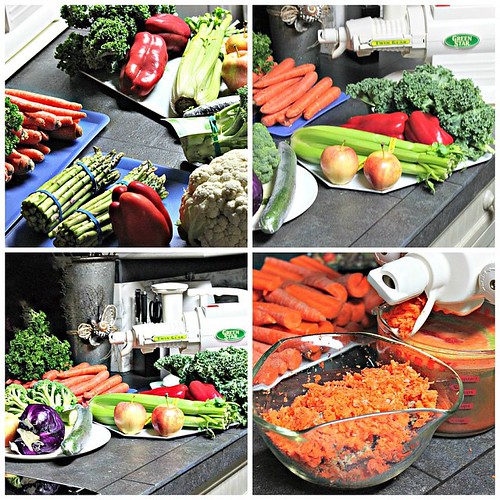
In this guide, we will look at the best organic foods for weight loss, how to use them in everyday meals, and where people usually go wrong when they try to eat clean. You will also see why organic food can fit beautifully into a detox diet, an active routine, and a long-term healthy lifestyle. [IMAGE: organic vegetables]
Why organic food and weight loss work well together
Weight loss is not only about calories. It is also about consistency, appetite control, food quality, and the way your meals make you feel one hour later, three hours later, and at the end of the day. Organic food often helps because it encourages a return to simple ingredients. When you fill your kitchen with organic vegetables, fruit, grains, proteins, and healthy fats, you naturally reduce exposure to the hyper-palatable products that make overeating so easy.
That does not mean organic food is magic. A basket of organic cookies is still a basket of cookies. But when organic choices replace ultra-processed staples, many people notice more steady energy, fewer cravings, and better digestion. Those changes matter because nutrition is not only about short-term restriction. It is about creating an environment where your body can settle into balance.
Cleaner ingredient lists make clean eating easier
One of the biggest advantages of organic food is simple: the ingredient list is often shorter and easier to trust. You are more likely to see apples, oats, lentils, spinach, or olive oil than flavor enhancers, stabilizers, and hidden sugars. For anyone trying to follow clean eating principles, that simplicity can be a game changer. Why? Because the more familiar your food looks, the easier it is to make smart choices without overthinking every bite.
Clean eating is not about perfection. It is about choosing foods that feel close to their natural form most of the time. That shift alone can change how you shop, cook, and snack. It can also make a healthy diet feel more elegant and less like a punishment.
Better satiety from real ingredients
Satiety is the feeling of being comfortably full, not stuffed or deprived. This is where many weight loss plans fail. They cut calories too aggressively, and the result is constant hunger. Organic food helps because it often comes from meals built around fiber, protein, and naturally satisfying fats. Think roasted organic vegetables, eggs, beans, yogurt, nuts, seeds, and fruit. These foods take longer to eat and digest, which helps your body register fullness more effectively.
Have you noticed that a real meal keeps you going far longer than a snack bar or a packet of flavored crackers? That is satiety at work. When your healthy lifestyle includes meals that truly satisfy, weight loss becomes less about white-knuckling through the day and more about steady, sensible choices.
Less mindless snacking, more intentional eating
Ultra-processed snacks are designed to be eaten quickly and repeatedly. Organic whole foods invite a different rhythm. You wash berries, slice cucumber, roast sweet potatoes, or prepare oats. That small amount of effort creates a pause between impulse and action. And that pause is powerful. It gives you a chance to ask whether you are truly hungry or just bored, stressed, or thirsty.
- Real food is harder to overeat than highly processed food.
- Fiber-rich meals support digestion and stable energy.
- Simple ingredients make portion awareness more natural.
- Consistent meal quality supports long-term weight loss.
The best organic foods for weight loss
If you want the biggest results from clean eating, focus on foods that are nutrient-dense, filling, and versatile. The goal is not to live on a tiny list of diet foods. The goal is to choose organic foods that make meals richer in nutrition without adding unnecessary calories. The following categories are especially useful for a healthy lifestyle and a sustainable weight loss plan.
1. Organic leafy greens and cruciferous vegetables
Spinach, kale, arugula, romaine, broccoli, cauliflower, cabbage, and Brussels sprouts deserve a regular place on your plate. They are low in calories, high in volume, and packed with vitamins, minerals, and plant compounds that support overall nutrition. Because they add bulk without heavy energy load, they can help you feel full while keeping meals lighter.
Try using leafy greens as the base of a salad, folding them into omelets, blending them into soups, or sautéing them with garlic and olive oil. Cruciferous vegetables are especially helpful when roasted, because the heat brings out their natural sweetness and makes them more satisfying. A bowl of roasted broccoli with lemon and seeds can feel far more appealing than a dry diet side dish ever could.
2. Organic berries and low-sugar fruits
Berries are one of the smartest fruit choices for weight loss. Blueberries, raspberries, strawberries, and blackberries offer fiber, antioxidants, and natural sweetness without the sugar load of many dessert-style snacks. Apples, pears, kiwis, and citrus fruit also fit beautifully into a balanced organic diet.
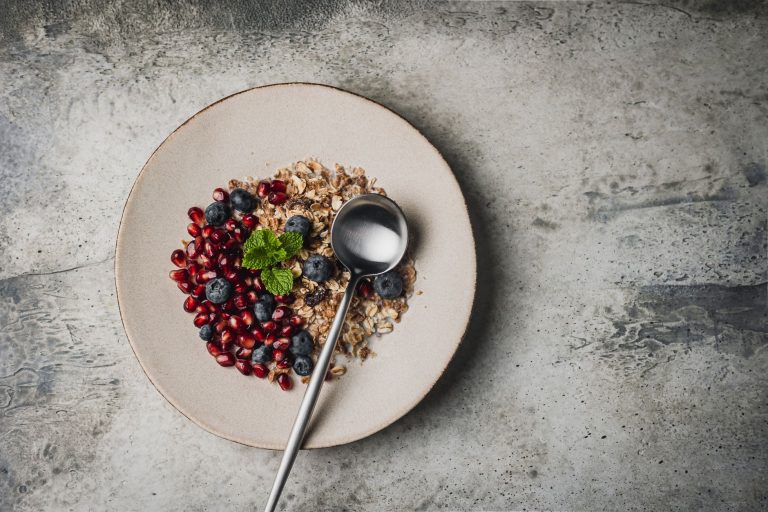
If you are building a detox diet using organic foods, fruit can be a useful bridge between hydration and nourishment. It gives your body water, fiber, and micronutrients, which is much more effective than trying to cleanse with juice alone. A handful of organic berries over Greek yogurt or oatmeal can satisfy a sweet craving and keep your eating pattern grounded in real nutrition.
3. Organic proteins that support fullness
Protein is one of the most important nutrients for weight loss because it supports muscle maintenance and helps control hunger. Organic eggs, plain Greek yogurt, cottage cheese, chicken, turkey, tofu, tempeh, lentils, chickpeas, and edamame are all excellent options. If you are following a plant-forward healthy diet, beans and legumes can be especially valuable because they offer both protein and fiber.
Protein does not need to be complicated. It just needs to be present at most meals. Think eggs with spinach in the morning, lentil soup at lunch, or salmon with vegetables at dinner. When protein is balanced across the day, people often report fewer cravings and better focus. That is one reason organic food can support weight loss without making the process feel extreme.
4. Smart organic fats in the right amount
Healthy fats are essential, but portion size matters. Avocados, extra virgin olive oil, walnuts, chia seeds, flaxseeds, almonds, and pumpkin seeds can all fit into a clean eating plan. These foods improve satisfaction and help the body absorb certain vitamins. The key is to use them deliberately rather than adding them in large amounts by habit.
A teaspoon of olive oil on roasted vegetables, a few slices of avocado in a salad, or a tablespoon of seeds on breakfast bowls can transform a meal. Organic food that includes good fats tastes richer and keeps you full longer, which often prevents late-night snacking. [IMAGE: healthy meal]
5. Whole grains and slow-digesting carbs
Carbohydrates are not the enemy of weight loss. In fact, the right carbohydrates can support energy, training, and satisfaction. Organic oats, quinoa, brown rice, buckwheat, and whole-grain sourdough can help create balanced meals that do not leave you depleted. For many people, cutting carbs too aggressively leads to poor adherence and rebound eating.
Instead, think of slow-digesting carbs as the foundation of a stable routine. A breakfast of organic oats with chia seeds and berries can keep you going for hours. Quinoa bowls with roasted vegetables and chickpeas can make lunch feel substantial without being heavy. When carbs are paired with protein and fiber, they are far more helpful than harmful.
A practical plate formula you can use today
If you want an easy way to structure your meals, use this simple formula: half the plate non-starchy vegetables, one quarter protein, one quarter smart carbohydrates, plus a small amount of healthy fat. This approach works well for organic meal prep because it removes guesswork. You do not need to calculate every gram. You only need to build meals that are naturally balanced and visually satisfying.
For example, a dinner plate might include roasted organic cauliflower, grilled chicken, quinoa, and avocado slices. A breakfast bowl might include oats, yogurt, berries, and seeds. Does this sound too simple to be effective? Simplicity is often what makes a healthy lifestyle sustainable.
How to build clean eating meals that support weight loss
The best organic food strategy is not a list of random superfoods. It is a rhythm. When your meals follow a clear pattern, nutrition becomes easier, grocery shopping becomes faster, and cravings become more predictable. That is why clean eating is less about rules and more about structure. Once you understand the structure, you can adapt it to your schedule, your culture, and your taste preferences.
Start with protein, then add color
Protein first is a useful habit because it keeps meals anchored. After that, add colorful vegetables and one smart carb or healthy fat depending on your appetite and activity level. This method works in both lunch and dinner. It also prevents the common mistake of building meals around bread, pasta, or snack foods and then trying to fix hunger later with willpower.
Ask yourself: what would this plate look like if it were designed for energy and not just convenience? That question alone can change how you cook. It can lead you toward lean proteins, fiber-rich vegetables, and organic food that gives you more than empty comfort.
Use flavor to make healthy food enjoyable
A healthy diet should taste good. If it does not, it will not last. The good news is that organic ingredients often shine when you season them well. Fresh herbs, garlic, lemon, ginger, cumin, turmeric, paprika, black pepper, sesame, and apple cider vinegar can all add depth without turning a meal into a calorie bomb.
One reason people abandon weight loss plans is boredom. They repeat the same plain chicken and lettuce until they cannot stand it. Instead, build flavor intentionally. Roast vegetables until they caramelize. Add citrus zest to dressings. Mix yogurt with herbs and garlic for a quick sauce. Enjoying food is not the opposite of discipline. It is part of it.
Meal timing that supports real-life consistency
Meal timing does not need to be rigid, but it should match your day. If you train in the morning, a protein-rich breakfast may help. If you work long hours, a planned lunch and snack can stop you from arriving at dinner exhausted and ravenous. Organic meal prep helps here because it removes friction. When good food is already waiting in the fridge, the odds of grabbing fast food drop dramatically.
- Keep washed greens ready to use.
- Cook a grain and a protein at the start of the week.
- Wash fruit so it is easy to grab.
- Portion nuts, seeds, and yogurt into small containers.
A smarter detox diet using organic foods
The word detox is often misused. Your body already has sophisticated detoxification systems, especially your liver, kidneys, digestive tract, lungs, and skin. No tea or powder can replace those systems. But an organic detox diet can still mean something useful: eating in a way that reduces burden, supports digestion, and gives your body the raw materials it needs to function well.
That version of detox is practical, not dramatic. It focuses on hydration, fiber, antioxidants, and whole-food simplicity. If your meals are heavy in ultra-processed products, alcohol, refined sugar, and low-quality oils, shifting toward organic food can help you feel noticeably lighter and more energetic.
What an effective detox diet actually looks like
Instead of severe restrictions, think of a reset built around vegetables, fruit, herbs, lean protein, and plenty of water. Organic cucumbers, celery, leafy greens, citrus, berries, parsley, mint, ginger, and fermented foods can all support a fresher-feeling routine. These foods are not magic, but they are useful because they are hydrating, nutrient-dense, and easy to digest for many people.
You do not need to starve to reset your habits. In fact, that often backfires. A better detox diet focuses on consistent nourishment, cleaner ingredients, and fewer unnecessary extras. The result is often better digestion, less bloating, and a clearer sense of appetite.
Hydration is part of nutrition
People often mistake thirst for hunger. If you feel foggy, snacky, or sluggish, start with water. Herbal teas, sparkling water with citrus, and water-rich organic fruits and vegetables can help you stay hydrated without adding much energy. A tall glass of water before meals may also support portion awareness, especially when your day is busy.
Think of hydration as part of your weight loss toolkit, not an afterthought. The more hydrated you are, the more responsive your body tends to feel during exercise, digestion, and concentration. That matters when you are trying to build a healthy lifestyle that lasts longer than a Monday motivation burst.
Support digestion with fiber and probiotics
Organic food for gut health overlaps strongly with weight loss. Fiber feeds beneficial gut bacteria and helps keep digestion regular. Fermented foods such as plain yogurt, kefir, sauerkraut, kimchi, and miso can complement fiber-rich meals. Together, they help create a more balanced digestive environment.
Good digestion does not just feel better. It can make clean eating easier to maintain because your body is less likely to respond to meals with bloating, sluggishness, or discomfort. When people say they feel more in control after changing their diet, digestion is often part of the story.
Organic meal prep ideas that save time and support weight loss
Healthy eating falls apart when it is too inconvenient. That is why organic meal prep is one of the most practical ways to stay consistent. You do not need a color-coded plan or a full day in the kitchen. You need a few reliable building blocks that make it easy to assemble meals in minutes.
Prep proteins, vegetables, and one versatile carb
Choose one or two proteins, a tray or two of vegetables, and one grain or starchy vegetable that can be used several ways. For example, you might roast chicken, bake sweet potatoes, and steam broccoli. Later, those same ingredients can become a lunch bowl, a dinner plate, or a quick wrap. This kind of repetition is useful, not boring, because it removes decision fatigue.
Use a rotation so your menu does not become stale. One week might feature salmon and quinoa; another might feature turkey meatballs and brown rice; another might focus on lentils and roasted vegetables. The goal is not to reinvent every meal. The goal is to make nutritious choices almost automatic.
Keep smart snacks within reach
Snacking is not the enemy. Unplanned snacking is. Organic snacks can be highly effective when they are chosen with intention. A snack should bridge the gap between meals, not become a second lunch. Some of the best options include apple slices with almond butter, plain yogurt with berries, carrots with hummus, a boiled egg, or a small handful of nuts.
- Organic fruit for quick sweetness
- Vegetable sticks with bean dip
- Greek yogurt with cinnamon
- Roasted chickpeas for crunch
- Chia pudding with berries
Prep breakfast so mornings are easier
Breakfast can set the tone for your entire day. If you start with sugar and low protein, hunger tends to come back quickly. If you start with a more balanced meal, it is easier to stay focused and avoid random grazing. Overnight oats, egg muffins, yogurt bowls, and chia puddings are all good organic breakfast ideas for energy and weight control.
When breakfast is ready before you are tired, rushed, or distracted, your nutrition improves almost effortlessly. That is the kind of quiet win that builds a healthy lifestyle without drama.
How to buy organic food without overspending
Many people assume organic food is out of reach, but strategy matters more than sticker shock. You do not need to buy everything organic all at once. You need to be thoughtful about where your money goes so that clean eating stays realistic and enjoyable.
Prioritize the foods you eat most often
If you eat apples, spinach, berries, or oats every week, those are good places to start. Prioritize the items that appear most frequently in your routine. That way, your budget supports the foods that actually shape your nutrition instead of getting spread too thin across novelty items.
This is especially useful if you are following a weight loss plan. The foods you eat regularly have the biggest impact on your results, so they deserve the most attention.
Shop seasonally and use frozen options
Seasonal organic produce often costs less and tastes better. When a fruit or vegetable is in season, it usually needs less intervention to look and taste good. Frozen organic vegetables and berries are also excellent choices. They are picked at peak ripeness, convenient to store, and ideal for smoothies, soups, and quick side dishes.
Frozen food is not a compromise when it is handled well. It is one of the smartest ways to keep a healthy diet stocked even when your week is busy.
Buy in forms that save time and waste
Pre-washed greens, chopped vegetables, and bulk grains can save time if you know you will actually use them. The same goes for larger containers of yogurt, oats, or beans. The best purchase is not always the cheapest per ounce. It is the one that helps you avoid takeout, waste less food, and stay consistent with clean eating.
- Choose seasonal produce whenever possible.
- Use frozen berries and vegetables for convenience.
- Buy pantry staples in bulk if they fit your routine.
- Focus on foods you will truly cook and eat.
Organic foods that help with cravings and emotional eating
Weight loss is rarely only physical. Stress, fatigue, habit, and emotion all shape how we eat. If you have ever found yourself reaching for snacks after a difficult meeting or late at night while scrolling your phone, you already know this. Organic food can help, but the real change comes from pairing food quality with self-awareness.
Choose foods that calm, not spike, your appetite
Meals based on fiber, protein, and healthy fats tend to stabilize appetite better than refined carbohydrates alone. That can help reduce the emotional roller coaster that leads to grazing. Organic oatmeal with berries, eggs with avocado, soup with lentils, and salads with chickpeas are all examples of meals that soothe hunger without triggering a crash.
When cravings hit, ask what kind of support you need. Are you tired, thirsty, stressed, or truly hungry? That question can prevent many unnecessary calories and help you respond with more intelligence and less guilt.
Use warm food when you need comfort
Comfort eating does not always mean overeating. Sometimes it simply means choosing warm, nourishing food that feels grounding. Organic soups, stews, roasted vegetables, baked apples, and herbal tea can satisfy the need for comfort while still supporting clean eating. This is especially useful in cooler seasons, when salads alone may not feel fulfilling enough.
A healthy diet should include emotional satisfaction. If your meals make you feel supported, you are far more likely to stay consistent long enough for weight loss to happen naturally.
Keep trigger foods out of sight, not necessarily forever
You do not need to ban every indulgence. But if certain foods lead you to overeat, keep them less accessible during your reset phase. This is not a moral judgment; it is environment design. If you know you will mindlessly eat chips or sweets once opened, make it harder to reach for them.
Instead, make the healthy choice the easy choice. Fill the front shelf with fruit, yogurt, cut vegetables, and prepared meals. Put the convenience on the side of your goals.
Organic food myths that can slow your progress
When people start a clean eating journey, they often carry a few myths that make the process harder than it needs to be. Clearing those up can save time, money, and frustration. Weight loss works best when your expectations are realistic and your nutrition strategy is flexible.
Myth 1: Organic means unlimited
Organic does not mean calorie-free. Nut butters, granola, dark chocolate, cheese, and baked goods can all be organic and still very energy dense. If your goal is weight loss, portion size still matters. It is easy to overeat healthy foods when they are delicious and convenient. The solution is not fear. It is awareness.
Myth 2: You need a perfect detox diet
There is no perfect detox and no need to live on liquids. A practical detox diet using organic foods should feel restorative, not punishing. If your plan is so restrictive that you dread it, it will probably not last. Better to create a gentle, repeatable pattern than to chase a dramatic short-term reset that leaves you drained.
Myth 3: All organic snacks are automatically healthy
Organic cookies are still cookies. Organic chips are still chips. Organic labels can make processed foods feel more wholesome than they are. When buying snacks, read the nutrition facts and ingredient list. Ask yourself whether the snack actually supports your goals or simply makes you feel better in the moment.
Myth 4: You need to eat less and less
Extreme calorie cutting often leads to burnout. A healthier path is to improve food quality first, then adjust portions as needed. Many people find that when they switch to whole organic foods, they naturally eat appropriate amounts without forcing starvation. This is one of the best-kept secrets of sustainable weight loss.
How fitness lifestyle habits amplify the results
Organic food is powerful, but it works even better when paired with movement, sleep, and stress management. Your body is not a spreadsheet. It responds to the whole pattern of your day. If nutrition improves while sleep is poor and stress is high, results can stall. But if clean eating comes with a more active rhythm, progress often feels smoother and more visible. [IMAGE: fitness lifestyle]
Strength training supports body composition
For people focused on weight loss, strength training is one of the smartest habits to add. It supports lean mass, which helps the body look more toned as fat comes down. It also improves glucose handling and can increase the number of calories burned during recovery. That does not mean you must become a gym enthusiast. It simply means that a few consistent sessions per week can make your nutrition efforts more effective.
Fuel your workouts with organic food that gives you energy before and after exercise. A banana with yogurt before a walk, or a salmon and rice bowl after strength training, can be more helpful than a dramatic fast.
Walking is underrated
Not every healthy lifestyle habit needs to be intense. Daily walking supports digestion, mood, and calorie use without adding stress. It also pairs beautifully with clean eating because it helps regulate appetite and gives structure to the day. If you are trying to lose weight, do not overlook the power of a 20-minute walk after lunch or dinner.
Sometimes the simplest routine wins: organic meals, regular steps, and enough sleep. No drama required.
Sleep and stress affect hunger
When sleep is short, hunger hormones can increase and willpower can decrease. Stress can also push people toward high-sugar comfort foods. That is why a truly effective healthy diet includes more than food selection. It includes a bedtime routine, screen boundaries, hydration, and moments of calm. The more regulated your nervous system feels, the easier it becomes to choose nourishing foods.
Ask yourself: is my body asking for food, or is it asking for rest? That question can shift the entire day.
A one-day organic eating pattern you can actually follow
If you want a practical example, here is what a balanced day might look like. This is not a rigid prescription, but a useful template for clean eating and weight loss.
Breakfast
Organic oats cooked with cinnamon, topped with berries, chia seeds, and a spoon of yogurt. Add coffee or tea if you like, but keep sweeteners modest. This meal offers fiber, protein, and slow energy, which makes it ideal for busy mornings.
Lunch
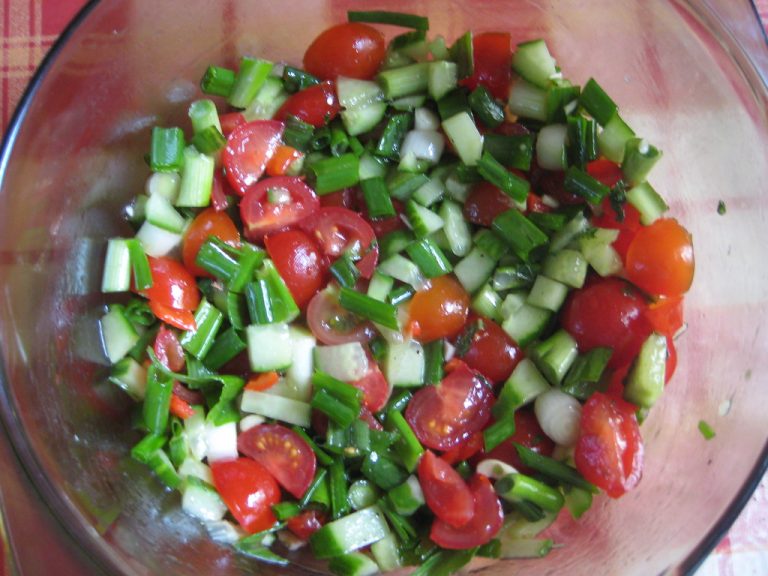
A big bowl of mixed greens, grilled chicken or chickpeas, quinoa, cucumber, tomato, olive oil, and lemon. This is the kind of lunch that feels fresh, colorful, and satisfying without weighing you down. If you work from home, it is easy to prepare. If you work outside, it packs well.
Snack
An apple with almond butter or carrot sticks with hummus. The goal is to prevent the late-afternoon crash that can lead to overeating at dinner.
Dinner
Roasted salmon or tofu, broccoli, carrots, and sweet potato. Finish with herbal tea if you want something warm and calming. This meal supports recovery, fullness, and digestion.
Optional evening reset
If you tend to snack late at night, brush your teeth after dinner, keep the kitchen tidy, and choose tea or water. Small environmental cues often work better than raw discipline.
What to remember when choosing organic foods for weight loss
The smartest approach is not to search for a single miracle ingredient. It is to build a pattern of meals that are simple, satisfying, and easy to repeat. Organic food shines when it supports that pattern. A kitchen stocked with vegetables, fruit, protein, grains, and healthy fats makes clean eating feel natural. A life built around motion, sleep, and consistency turns nutrition into a lifestyle rather than a temporary project.
When you choose foods that help you feel energized instead of depleted, you stop fighting your body and start working with it. That shift can change everything. The best weight loss plans are often the ones that look calm from the outside but feel quietly powerful from the inside. Keep building meals that taste good, satisfy hunger, and respect your goals, and you will notice that healthy choices begin to feel less like rules and more like self-respect. If you want more practical guidance on organic food, nutrition, clean eating, and healthy lifestyle ideas, keep exploring DietOrganic for more expert articles that make everyday wellness feel a little more elegant and a lot more doable.
About the Author