
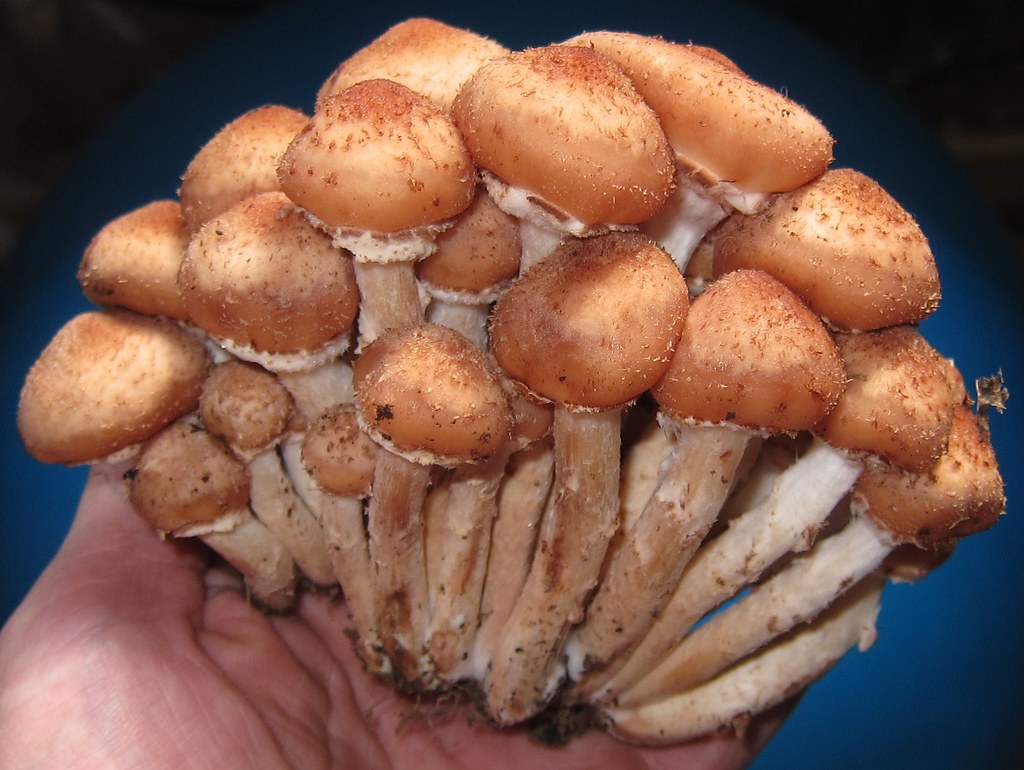
Photo by Charles de Mille-Isles on Openverse
Your gut does far more than digest food. It influences how you absorb nutrients, how steady your energy feels, how satisfied you feel after meals, and even how easily you stick to a healthy lifestyle. That is why so many people who focus on clean eating eventually come back to one question: which organic foods actually help the gut work better?
The answer is both simple and encouraging. A well-chosen organic diet can support digestion, reduce unnecessary exposure to certain additives, and make healthy food feel more satisfying and sustainable. When your meals are built around fiber-rich produce, fermented foods, quality proteins, and nourishing fats, your body often responds with less bloating, more regularity, and better overall comfort. Could your current eating pattern be working against your digestion without you realizing it?
[IMAGE: organic vegetables]
This guide explores the best organic foods for gut health, how to combine them into meals that feel realistic, and how clean eating can fit into a busy life without becoming restrictive. You will also find practical advice for weight loss, nutrition, and meal planning, plus the most common mistakes people make when they try to start a detox diet or gut-friendly routine too quickly. If you want healthier digestion without chasing trends, you are in the right place.
Why Gut Health Matters More Than Most People Think
Digestion is often treated like a background process, but it affects nearly every part of daily life. When the gut is irritated, sluggish, or out of balance, people may notice bloating, irregular bowel movements, food cravings, fatigue, or a sense that meals never quite feel satisfying. On the other hand, when digestion runs smoothly, it becomes much easier to maintain a healthy diet, enjoy clean eating, and stay consistent with long-term weight loss goals.
Gut health is not just about comfort after meals. It also shapes how efficiently your body uses nutrition. A balanced digestive system helps break down food properly, absorb vitamins and minerals, and support the environment where beneficial bacteria thrive. That internal environment matters more than most people realize, especially if your diet has been heavy in processed foods, excess sugar, or very low fiber.
The Gut-Weight Loss Connection
People often look for quick fixes when they want weight loss, but sustainable results usually come from habits that support digestion first. Why? Because when your meals are easier to digest and more nutrient-dense, it is often easier to manage appetite, reduce overeating, and avoid the crash that follows highly refined snacks. A gut-friendly organic food pattern can help you feel full on fewer empty calories and make healthy choices feel naturally rewarding.
Of course, no single food causes weight loss on its own. Still, a cleaner diet built around organic food can be a powerful framework for people who want steady progress without extreme restriction. When your digestion improves, your body often feels lighter, your meals become more satisfying, and your motivation tends to rise.
Why Organic Food Fits a Gut-Friendly Lifestyle
Organic food is not a magic solution, but it can be a helpful part of a thoughtful nutrition plan. Many people choose organic produce to reduce exposure to synthetic pesticides and to support a cleaner eating routine. For some individuals, that sense of simplicity matters. When your food choices feel clear and intentional, it becomes easier to build a sustainable healthy lifestyle.
Organic options can be especially useful when you are eating more fruits, vegetables, grains, and herbs. Since these foods are the backbone of a gut-friendly pattern, choosing organic versions where possible can make the process feel more aligned with your values. And when healthy eating feels meaningful, it is far more likely to last.
Best Organic Foods for Better Digestion
If your goal is better gut health, start with foods that bring fiber, hydration, beneficial compounds, and gentle nourishment. The best organic foods for digestion are not complicated. In many cases, they are the same whole foods people have relied on for generations.
1. Organic Leafy Greens
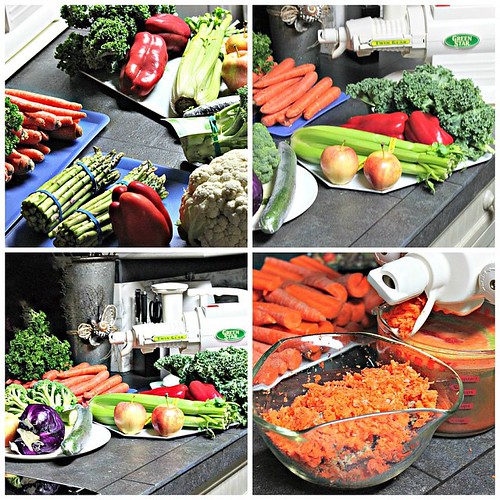
Spinach, kale, arugula, romaine, and Swiss chard are packed with fiber, water, and antioxidants. These greens help support regular digestion while adding volume to meals without many calories. That makes them especially useful for anyone focusing on weight loss through clean eating.
- Stir organic spinach into eggs or soups
- Use kale as the base of a grain bowl
- Add arugula to sandwiches for a peppery, fresh bite
2. Organic Cruciferous Vegetables
Broccoli, cauliflower, Brussels sprouts, and cabbage offer fiber and plant compounds that support overall nutrition. They can be extremely satisfying when cooked well, though some people with sensitive digestion may need to start with small portions. Roasting or steaming often makes them easier to tolerate than eating them raw.
For better digestion, try cooking these vegetables with olive oil, garlic, or ginger. The goal is not to overwhelm the gut but to feed it gently and consistently.
3. Organic Berries
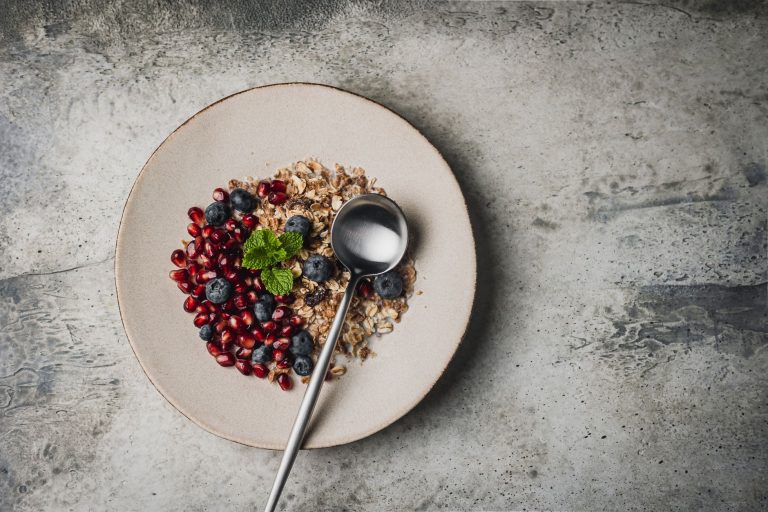
Blueberries, raspberries, blackberries, and strawberries are naturally rich in fiber and antioxidants. They are a smart choice for organic breakfast ideas, post-workout snacks, or dessert alternatives when you want something sweet without leaning into added sugar. Their fiber helps support fullness, while their bright flavor makes healthy meals feel more enjoyable.
Have you ever noticed how a bowl of fresh berries can feel both indulgent and clean at the same time? That is exactly why they fit so well into a gut-friendly healthy diet.
4. Organic Apples and Pears
Apples and pears provide soluble fiber, especially when eaten with the skin on. This type of fiber helps support regular bowel movements and may contribute to a healthier balance in the digestive tract. Choose organic versions when possible, wash them well, and pair them with protein or healthy fat for a more stable snack.
Try sliced apple with almond butter, or pair pear with plain yogurt and cinnamon for a simple, satisfying option.
5. Organic Oats
Plain organic oats are a powerful pantry staple for gut health. They are comforting, affordable, and easy to customize. Oats provide soluble fiber that can support digestion and help you feel full longer, which is valuable if you are trying to manage weight loss without feeling deprived.
Choose steel-cut or rolled oats with minimal ingredients, and build them with digestive-friendly toppings like chia seeds, berries, or ground flaxseed. A balanced bowl can be both satisfying and supportive of a clean eating routine.
6. Fermented Organic Foods
Fermented foods are often associated with gut-friendly eating because they bring beneficial bacteria and diverse flavor. Organic yogurt, kefir, sauerkraut, kimchi, miso, and tempeh can be useful additions if they fit your preferences and tolerance. Start small if your digestion is sensitive, since fermented foods can be intense at first.
Not all fermented foods work for everyone, and that is okay. The key is to introduce them slowly and notice how your body responds. A healthy lifestyle is never about forcing foods that make you uncomfortable.
7. Organic Ginger and Turmeric
These two ingredients are popular in both traditional wellness routines and modern nutrition plans. Ginger can be soothing for the stomach, while turmeric is often included in anti-inflammatory organic diet plans. You can use fresh ginger in tea, smoothies, soups, and stir-fries. Turmeric works well with warm dishes, especially when paired with black pepper and healthy fats.
These flavors can add depth to meals while making a detox diet feel more like real food and less like a gimmick.
[IMAGE: healthy meal]
How to Build Gut-Friendly Organic Meals
Healthy digestion is easier to maintain when your meals are built around a simple structure. Instead of chasing perfection, aim for balance. A meal that includes fiber, protein, healthy fat, and hydration-supporting ingredients is more likely to satisfy you and less likely to trigger energy dips later.
The Basic Formula
Use this easy framework to create meals that support a healthy diet:
- Half the plate: organic vegetables or leafy greens
- One quarter: organic protein such as eggs, lentils, yogurt, tofu, tempeh, or fish
- One quarter: organic whole grains or starchy vegetables
- Add: healthy fats like avocado, olive oil, nuts, or seeds
This structure works because it keeps blood sugar steadier, increases satisfaction, and supports better nutrition overall. It also makes clean eating feel practical rather than overly rigid.
Breakfast Ideas That Support Digestion
Breakfast is an opportunity to set the tone for the day. If you start with sugary pastries or highly processed foods, you may find yourself hungry again too soon. But when you begin with organic food that includes fiber and protein, your body often feels steadier for hours.
- Organic oats with chia seeds, cinnamon, and blueberries
- Greek yogurt with berries and ground flaxseed
- Veggie omelet with spinach, mushrooms, and herbs
- Smoothie with kale, banana, ginger, and unsweetened kefir
Would you rather spend the morning fighting cravings, or feel comfortably satisfied until lunch? That is the real power of a gut-friendly breakfast.
Lunch and Dinner Ideas That Keep You Comfortable
Later in the day, digestion often benefits from meals that are warm, colorful, and not overly heavy. Think roasted vegetables, simple grains, lean proteins, and flavorful herbs. You do not need complicated recipes to eat well. In fact, some of the best meals for digestion are the simplest.
- Grain bowl with quinoa, roasted broccoli, chickpeas, and tahini
- Salmon with steamed greens and sweet potato
- Brown rice with sautéed cabbage, ginger, and tofu
- Chicken soup with carrots, celery, herbs, and leafy greens
These meals are not only nourishing, but they are easy to adjust depending on appetite, season, and personal preference. That flexibility is essential for a healthy lifestyle.
Snacks That Support Rather Than Sabotage
Snack choices can make or break a clean eating plan. A snack should ideally bridge meals, not send your energy into a spiral. When you choose organic food with fiber, protein, or healthy fat, you are more likely to stay satisfied and avoid random grazing.
- Apple slices with almond butter
- Plain organic yogurt with berries
- Carrot sticks with hummus
- Handful of walnuts and pumpkin seeds
- Chia pudding with unsweetened milk and cinnamon
Organic Foods and the Role of Fiber
If one nutrient deserves special attention for gut health, it is fiber. Fiber helps keep digestion moving, supports more stable blood sugar, and contributes to a feeling of fullness that can make weight loss more manageable. A lot of people think they are eating enough, but in reality they are under-consuming fiber because their meals are dominated by refined grains or convenience foods.
Organic fruits, vegetables, legumes, nuts, seeds, and whole grains can help close that gap naturally. The beauty of fiber-rich eating is that it often improves several goals at once. Better digestion. Fewer cravings. More satisfying meals. Better nutrition. That combination is what makes clean eating so effective when it is done well.
How Much Fiber Do You Need?
Needs vary by person, but many adults benefit from gradually increasing fiber intake through whole foods. The keyword is gradually. If you increase fiber too quickly, you may feel bloated or uncomfortable. Start by adding one extra serving of vegetables at lunch, or swap one refined snack for fruit and nuts. Small changes often create the best long-term results.
Just as important as fiber is water. Fiber works best when your body has enough fluid to move it through the digestive tract comfortably. That is one reason why a healthy diet and hydration should always go together.
What to Drink for Better Digestion
Food gets most of the attention, but beverages matter too. If you want to support a gut-friendly routine, choose drinks that hydrate without flooding the body with sugar or artificial ingredients. A simple detox diet should focus on nourishment, not extreme cleansing.
Best Gut-Friendly Drink Options
- Water with lemon or cucumber
- Unsweetened herbal tea
- Ginger tea
- Plain kefir or probiotic yogurt drinks
- Green smoothies made with vegetables and fruit
These options can be refreshing and functional, especially when paired with a meal plan built around organic food. If your current routine includes frequent sugary drinks, changing that one habit may have a surprisingly fast effect on how you feel.
Do Detox Drinks Really Help?
Many people search for detox diet shortcuts, but the body already has a natural detoxification system through the liver, kidneys, digestive tract, and skin. The role of a detox drink is not to replace those systems. Instead, it can be to support hydration and create healthier habits that reduce the burden on the body. A drink made with ginger, lemon, cucumber, or mint may feel cleansing, but the real benefit comes from consistent nutrition over time.
So ask yourself: are you looking for a quick reset, or a sustainable pattern that keeps working month after month?
Common Mistakes People Make on a Gut-Friendly Clean Eating Plan
Even a good plan can go off track if it becomes too extreme or too complicated. Many people start with excitement, then quit because the routine feels overwhelming. The better approach is to avoid the mistakes that make clean eating harder than it needs to be.
1. Changing Too Much at Once
If you overhaul every meal overnight, your digestion may struggle to adapt. Start with one or two meals per day and build from there. Sustainable nutrition is usually created through gradual progress.
2. Not Eating Enough
Some people cut calories aggressively in the name of weight loss, only to end up tired, hungry, and frustrated. A gut-friendly plan should leave you nourished, not depleted. Skipping meals or eating too little can backfire and make cravings worse.
3. Relying on Processed Health Foods
Not everything labeled “healthy” supports digestion. Some bars, flavored yogurts, protein snacks, and packaged meals contain added sugars, gums, or artificial sweeteners that may not sit well with everyone. Reading labels is part of smart clean eating.
4. Ignoring Personal Tolerance
One person may thrive on fermented foods, while another feels better with smaller amounts. Some people do well with raw vegetables; others need them cooked. The best organic diet is the one your body can actually tolerate and enjoy.
5. Forgetting Enjoyment
If healthy food feels joyless, the plan probably will not last. Flavor matters. Texture matters. Satisfaction matters. A sustainable healthy lifestyle includes meals you genuinely look forward to eating.
Smart Grocery Strategies for Organic Food Shopping
A gut-friendly routine becomes easier when your kitchen supports it. If your fridge and pantry are stocked with the right ingredients, healthy choices happen almost automatically. That is one of the most underrated parts of weight loss and clean eating: convenience.
What to Buy First
- Organic leafy greens
- Organic berries and apples
- Organic oats, quinoa, and brown rice
- Organic eggs, yogurt, or plant-based protein sources
- Organic herbs, ginger, garlic, and turmeric
- Nuts, seeds, olive oil, and avocado
These ingredients can be mixed and matched throughout the week. You do not need an elaborate grocery cart to eat well. You need a reliable one.
How to Shop More Efficiently
Plan meals before you shop. Choose a few breakfasts, lunches, dinners, and snacks that share ingredients. This reduces waste and saves time. If you are trying to build a healthy diet on a busy schedule, smart shopping may be the difference between consistency and chaos.
Many people spend too much energy trying to find perfect foods and not enough energy building repeatable systems. Yet repetition can be powerful. When you have a few favorite organic food combinations that support your digestion, healthy eating becomes effortless instead of exhausting.
[IMAGE: fitness lifestyle]
How Gut Health Supports Everyday Energy and Movement
Digestive comfort affects more than the stomach. It influences whether you feel like walking after lunch, showing up for a workout, or simply making it through the afternoon without reaching for sugar. That is why gut-friendly nutrition is often tied to better fitness lifestyle habits as well.
When meals are balanced and easier to digest, you may notice more stable energy during exercise and fewer crashes afterward. For people trying to combine organic food with regular movement, this can be a major advantage. You do not need perfect supplements or complicated timing. You need meals that support your body rather than burden it.
Pre-Workout and Post-Workout Food Ideas
Before a workout, choose something light and easy on the stomach if needed, such as a banana with nut butter or yogurt with berries. After exercise, aim for a combination of protein and carbohydrates that helps restore energy and supports recovery. A smoothie with kefir, spinach, and fruit can work well, as can eggs with vegetables and toast made from whole grain bread.
Movement and nutrition work best together. When both support digestion, the body often feels more capable, resilient, and balanced.
A Simple 3-Day Reset Using Organic Foods
Although long-term consistency matters most, a short reset can help you reconnect with healthier habits. This is not a crash detox diet or a starvation plan. It is simply a gentle way to focus on real food, hydration, and regular meals so your digestion can settle.
Day 1
- Breakfast: Oats with blueberries, chia seeds, and cinnamon
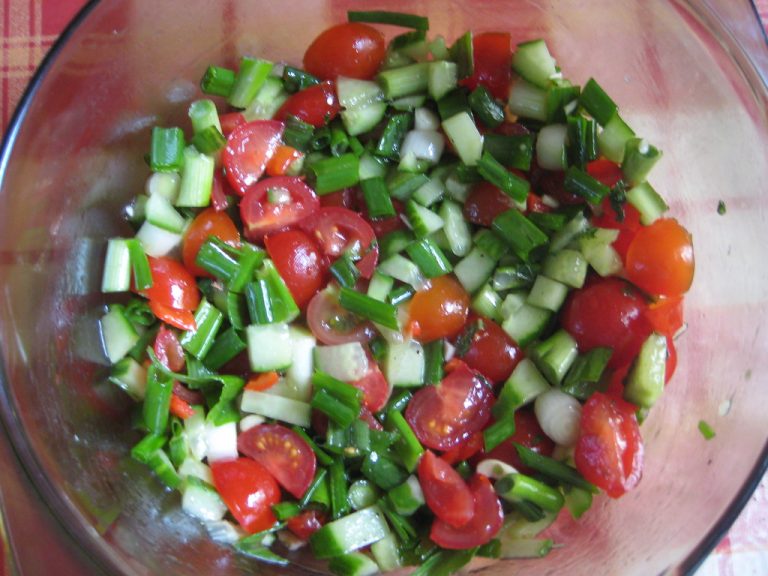
- Lunch: Mixed greens salad with chickpeas, avocado, cucumber, and olive oil dressing
- Dinner: Salmon with roasted carrots and steamed broccoli
- Snack: Apple with almond butter
Day 2
- Breakfast: Yogurt with raspberries and flaxseed
- Lunch: Quinoa bowl with roasted cauliflower, herbs, and tahini
- Dinner: Chicken soup with vegetables and greens
- Snack: Carrot sticks with hummus
Day 3
- Breakfast: Veggie omelet with spinach and mushrooms
- Lunch: Brown rice with tofu, cabbage, and ginger
- Dinner: Baked sweet potato with lentils and sautéed kale
- Snack: Pear and walnuts
This type of reset works because it is realistic. You are not cutting out entire food groups without reason, and you are not chasing a miracle. You are simply giving your body a better environment to function in.
How to Make Organic Eating Affordable and Sustainable
One of the biggest myths about organic food is that it must be expensive. While some items cost more, a thoughtful strategy can make clean eating much more manageable. In fact, many of the most gut-friendly foods are budget-friendly when purchased in season or in bulk.
Practical Ways to Save Money
- Buy organic produce that is in season
- Choose frozen organic vegetables and berries
- Focus on staple items like oats, rice, beans, and lentils
- Cook in batches and use leftovers creatively
- Prioritize organic versions of foods you eat most often
Affordability is not just a budget issue; it is a sustainability issue. If a plan costs too much or takes too much effort, it usually fades quickly. A healthy lifestyle should be something you can repeat for months and years, not just a week.
When Organic Food Becomes a Long-Term Habit
The real benefit of organic food for gut health is not found in one perfect meal. It comes from patterns. Repeated choices. Small wins. Better breakfasts. More vegetables. Fewer ultra-processed snacks. That is how nutrition begins to change the way your body feels day after day.
As your routine becomes more consistent, you may notice that your relationship with food changes too. You start listening to hunger cues more clearly. You feel less pulled by random cravings. Meals become something that support you rather than something you have to recover from. Isn’t that the kind of balance most people are actually searching for?
A gut-friendly organic diet can be a powerful anchor for weight loss, energy, and overall well-being, but only if it remains grounded in real life. Choose foods you enjoy. Build meals you can repeat. Stay flexible. And remember that better digestion is often the result of simple habits done well, not dramatic extremes.
If you are ready to keep refining your healthy lifestyle, explore more of the latest articles on DietOrganic for practical ideas, expert nutrition guidance, and inspiring ways to make clean eating feel natural every single day.
About the Author