

Photo by keram on Pixabay
Gut health has become one of the most talked-about topics in modern nutrition, and for good reason. When your digestion is calm, steady, and well-supported, everything from energy to skin clarity to appetite can feel more balanced. That is where organic food can make a meaningful difference. Not because it is magical, but because a cleaner, less processed way of eating often gives your body the conditions it needs to function well. If you have been looking for a practical clean eating approach that supports digestion, weight loss, and a healthier daily routine, this guide will help you make sense of it all without overwhelm.
Think about how often digestive discomfort shows up in everyday life. Bloating after lunch, irregular bowel movements, sudden cravings, sluggish mornings, or that heavy feeling after dinner can all be signs that your gut needs more support. What if your meals could do more than simply fill you up? What if they could help you feel lighter, more energized, and more in control of your health? Organic foods, especially when chosen strategically, can become the foundation of a healthy diet that supports both the microbiome and long-term weight management.
Why Gut Health Shapes Your Energy, Appetite, and Weight
Your gut is more than a digestion center. It is a busy ecosystem where food is broken down, nutrients are absorbed, and trillions of microbes help influence everything from immunity to inflammation. When this system is working well, you usually feel it: smoother digestion, steadier energy, fewer cravings, and a more comfortable relationship with food. When it is not working well, the signs can be hard to ignore. Why do some people feel hungry all the time while others stay satisfied for hours? Why does one meal leave one person energized and another person bloated? The answer often starts in the gut.
The microbiome is part of your nutrition story
The gut microbiome is made up of bacteria, fungi, and other microorganisms that live in your digestive tract. Some of these microbes support health, while others can create problems when they become too dominant. A diet rich in organic food, fiber, and minimally processed ingredients helps feed the beneficial bacteria that assist with digestion and nutrient absorption. In simple terms, a healthier microbiome can help your body use food more efficiently.
That matters for weight loss too. When gut function is balanced, you are more likely to experience stable appetite cues and fewer intense cravings. You may also notice that your body responds better to portion control because you feel nourished instead of deprived. Clean eating is not about restriction; it is about choosing food that works with your body instead of against it.
Common signs your digestion needs attention
Most people do not think about gut health until discomfort becomes regular. Paying attention early can make healthy changes easier. You might want to support your digestion if you often experience:
- Bloating or abdominal discomfort after meals
- Infrequent, irregular, or urgent bowel movements
- Excessive cravings for sugar or ultra-processed food
- Low energy even after eating enough calories
- Brain fog or difficulty concentrating
- Feeling overly full after smaller meals
- Skin issues that seem connected to diet
These symptoms do not always point to a single cause, but they are often a clue that your nutrition, hydration, stress level, or meal composition needs adjusting. Could your plate be missing fiber? Are you eating too fast? Are your meals too low in whole foods and too high in processed ingredients? Honest answers can reveal the next step.
Why Organic Food Can Support a Healthier Digestive System
Organic food is not automatically healthier in every situation, but it often fits naturally into a clean eating pattern. Many organic products are grown with fewer synthetic pesticides and are usually less likely to be heavily processed. That does not make them perfect, but it can make them a smart foundation for people who want to focus on nutrition, digestion, and overall wellness. A healthy lifestyle begins with consistent habits, and choosing more whole, organic foods is one of the easiest habits to build.
Cleaner ingredient lists make better habits easier
One of the biggest benefits of organic eating is the simplicity it encourages. When you fill your kitchen with organic vegetables, grains, legumes, fruit, nuts, and seeds, you naturally reduce the number of ultra-processed foods in your day. That can mean fewer additives, less added sugar, and more of the natural fiber your gut thrives on. Instead of constantly trying to control cravings, you begin feeding your body in a way that keeps hunger and energy more predictable.
For many people, this shift feels surprisingly practical. You do not need a complicated detox diet or a long list of rules. You need meals that are easy to digest, satisfying to eat, and flexible enough to repeat. That is what makes organic food so valuable in a real-world healthy diet. It helps remove noise from the plate so your body can focus on what matters most: nourishment.
Organic eating can be a gateway to clean eating
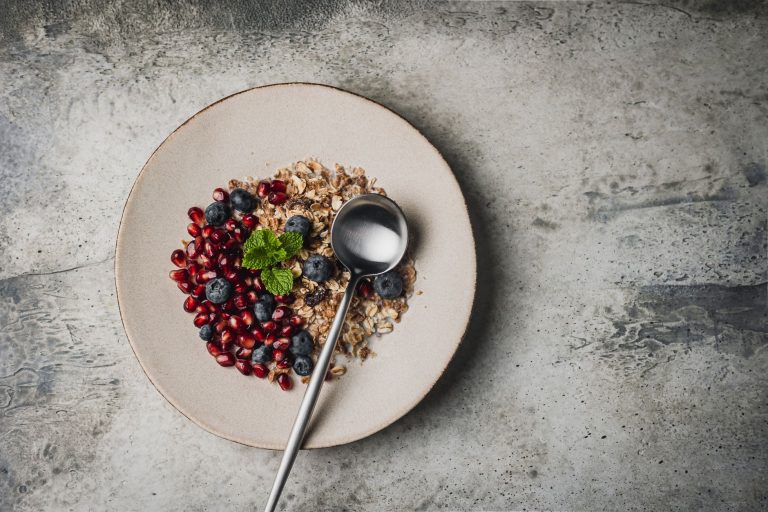
Clean eating is often misunderstood as a strict set of restrictions, but in reality it is a pattern centered on food quality. Organic choices often make it easier to stay aligned with that pattern. A bowl of oats with berries and chia seeds, a salad built with leafy greens and beans, or a roasted vegetable plate with olive oil and herbs can all support gut health while still tasting satisfying. Do you notice how these meals feel different from a snack-heavy, packaged-food day? They are usually more filling, more balanced, and easier on digestion.
That is why the best organic diet plans are not extreme. They are built around repeatable meals, smart grocery choices, and a realistic approach to everyday life. The goal is not to chase perfection. The goal is to create digestion-friendly habits that feel good enough to keep.
The Best Organic Foods for Gut Health
If you want to improve digestion naturally, start by building meals around foods that nourish the microbiome and support regular bowel function. The right mix of fiber, antioxidants, plant compounds, and healthy fats can transform how your body feels after eating. Below are some of the most useful organic foods to keep in regular rotation.
- Leafy greens: Spinach, kale, arugula, and Swiss chard offer fiber, magnesium, and plant compounds that support digestion.
- Cruciferous vegetables: Broccoli, cauliflower, cabbage, and Brussels sprouts bring both fiber and natural detox-supportive compounds.
- Organic berries: Blueberries, raspberries, blackberries, and strawberries are rich in antioxidants and gentle fiber.
- Apples and pears: These fruits contain soluble fiber that helps feed beneficial gut bacteria.
- Oats: Especially when organic, oats provide beta-glucan fiber that helps with fullness and regularity.
- Legumes: Lentils, chickpeas, black beans, and kidney beans are excellent for fiber and plant protein.
- Fermented foods: Sauerkraut, kimchi, kefir, yogurt, and miso can add helpful live cultures.
- Seeds: Chia, flax, pumpkin, and sunflower seeds offer fiber, minerals, and healthy fats.
- Herbs and spices: Ginger, turmeric, fennel, cinnamon, parsley, and peppermint can support digestive comfort.
- Avocados: Their fiber and healthy fats make them satisfying and easy to pair with other foods.
These foods are not only gut-friendly; they are also versatile enough to fit breakfast, lunch, dinner, and snacks. The more often you use them, the easier clean eating becomes. You stop forcing healthy habits and start building meals that actually taste like something you would want to eat again tomorrow.
Fermented foods deserve a place on the plate
Fermented foods often stand out because they bring a different kind of support to the table. Foods such as plain yogurt, kefir, kimchi, and sauerkraut can introduce beneficial bacteria that may help maintain a balanced gut environment. When paired with fiber-rich organic foods, they create a more complete nutrition strategy. If you are new to fermented foods, start small. A tablespoon of sauerkraut with lunch or a small serving of plain kefir in a smoothie is often enough to begin.
Not everyone tolerates fermented foods in the same way, and that is okay. The point is to observe how your body responds. Better digestion should feel comfortable, not forced. If something leaves you bloated or unsettled, scale back and explore other options. Nutrition is personal, and a professional approach always respects that reality.
Fiber is the quiet hero of gut health
Many people focus on protein, but fiber is often the missing piece when digestion feels off. Fiber helps move waste through the digestive tract, supports satiety, and nourishes beneficial gut bacteria. Organic vegetables, fruit, beans, seeds, and whole grains all contribute to your daily fiber intake. If you have been eating a low-fiber diet, increase your intake gradually and drink enough water to match the change. Too much fiber too quickly can cause discomfort, which is the opposite of what you want.
Ask yourself this: how many of your daily meals contain at least two fiber-rich ingredients? A salad with greens and chickpeas. Oats with berries and flax. A roasted vegetable bowl with lentils. These combinations are simple, but they are powerful because they keep the digestive system moving without making meals feel heavy.
[IMAGE: organic vegetables]
How to Build a Gut-Friendly Organic Plate Every Day
A successful healthy diet is usually not built around rare superfoods. It is built around a few reliable plate formulas that can be repeated with different ingredients. When your pantry and fridge are organized around organic food, meal planning becomes less stressful and more satisfying. The key is balance: fiber, protein, healthy fats, and enough hydration.
A simple plate formula for digestion and fullness
Think of each meal as a structure rather than a random collection of ingredients. A balanced organic plate often includes:
- One or two servings of non-starchy vegetables
- A source of plant or clean animal protein
- A modest portion of healthy fat
- A fiber-rich carbohydrate if needed for energy
- Hydrating foods or beverages alongside the meal
This kind of meal supports stable blood sugar, which can reduce the sudden hunger that often leads to overeating. It also makes the meal more satisfying, which is one reason people find clean eating easier when the plate is built thoughtfully. A bland, restrictive plan is hard to maintain. A well-balanced organic meal is something you can look forward to.
Breakfast ideas that support digestion
Breakfast can be a difficult meal for people with sensitive digestion. Heavy processed foods, sugary cereals, or pastries may leave you tired and hungry before lunch. An organic breakfast, however, can set the tone for the day. Try combinations such as:
- Oats with berries, chia seeds, and plain yogurt
- Eggs with sautéed spinach and avocado
- Greek yogurt with walnuts, cinnamon, and sliced pear
- Smoothies made with organic greens, berries, flax, and unsweetened kefir
These meals are easy to digest because they are built from whole ingredients rather than packaged shortcuts. They also help reduce the likelihood of a mid-morning sugar crash. What does your current breakfast look like? If it is mostly refined carbs, this may be the easiest place to improve your nutrition quickly.
Lunch and dinner that keep you light but satisfied
Lunch and dinner are where many people unintentionally overload their digestion. Large portions, fried foods, and excess refined starch can leave the body working harder than necessary. Instead, keep meals colorful and steady. A healthy meal might include a lentil bowl with roasted carrots, greens, and tahini. Another option could be baked salmon with broccoli and quinoa. For plant-based eaters, tofu or tempeh with cabbage, mushrooms, and brown rice can be deeply satisfying.
When meals are centered on organic vegetables, digestion often feels calmer. The plate becomes less about excess and more about support. That is a major shift if your old pattern was eating on autopilot.
Breakfast, lunch, and dinner examples
Breakfast: Organic oats topped with blueberries, flaxseed, and a spoonful of almond butter.
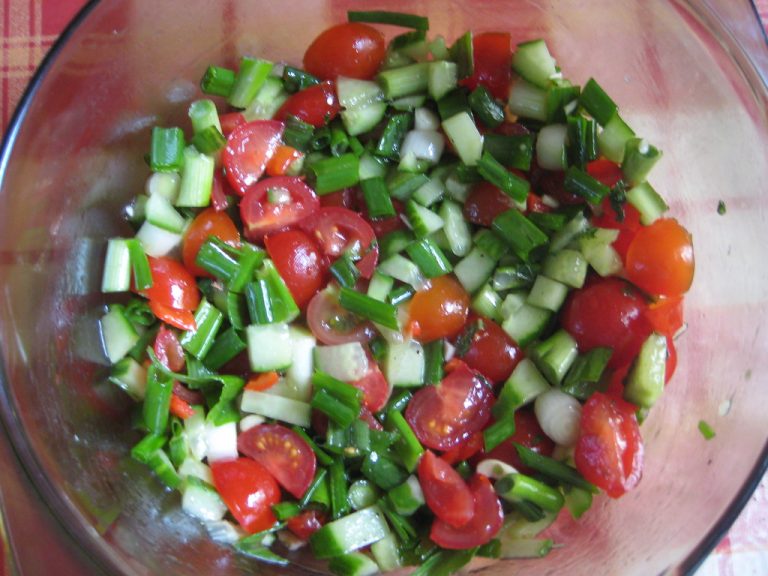
Lunch: Mixed greens, chickpeas, cucumber, avocado, pumpkin seeds, and lemon-olive oil dressing.
Dinner: Roasted broccoli, sweet potato, and grilled chicken or tofu with fresh herbs.
Snack: Apple slices with nut butter or plain yogurt with cinnamon.
These are not fancy recipes, and that is the point. A healthy lifestyle becomes sustainable when it is convenient enough to repeat during a busy week.
[IMAGE: healthy meal]
Organic Foods That Support Weight Loss Without Harsh Restriction
Weight loss tends to become easier when digestion and hunger are stable. That is why a gut-friendly approach often works better than a rigid calorie-cutting plan. If your meals leave you bloated, unsatisfied, or craving more food an hour later, sticking to a plan becomes much harder. A diet built on organic food, fiber, and protein can help you feel nourished while naturally lowering the urge to overeat.
Why satiety matters more than willpower
Many people think weight loss is mostly about discipline. In reality, satiety plays a huge role. When you feel full and comfortable after eating, you are less likely to graze, snack emotionally, or seek out ultra-processed foods later. Organic meals rich in vegetables, whole grains, legumes, and healthy fats provide volume and nutrients without relying on excess calories. That does not mean you should eat as much as you want without awareness, but it does mean that food quality can make portion control easier.
Have you noticed how some foods seem to disappear from your system quickly while others keep you satisfied for hours? That difference is often the result of fiber, protein, and food structure. A smoothie made from fruit alone may spike hunger later, while the same smoothie with greens, chia, and yogurt may provide much steadier fuel. Small changes, repeated daily, are what create sustainable weight loss.
Smart organic snack ideas for better control
Snacking is not the enemy. Poorly planned snacking is. If you often find yourself reaching for chips, cookies, or vending-machine food, prepare snacks that support digestion and energy instead. Good options include:
- Celery sticks with hummus
- Organic berries with plain yogurt
- Roasted chickpeas with spices
- Apple slices with almond butter
- Carrot sticks with guacamole
- Pumpkin seeds and walnuts in a small portion
These snacks are helpful because they combine fiber, healthy fats, and a bit of protein. They also fit well into a clean eating pattern. When your snacks are built this way, you are less likely to arrive at the next meal overly hungry and more likely to make balanced choices.
Healthy weight loss starts with a calmer digestive rhythm
If your body feels inflamed, sluggish, or constantly depleted, fat-loss efforts can become frustrating. That is why some detox diet trends fail: they focus on rapid change instead of daily consistency. A better approach is to support your body with enough nourishment to function well. Organic foods can help by reducing dependence on processed meals and by encouraging you to eat more produce, more fiber, and more real nutrients.
In practical terms, that means weight loss becomes a byproduct of a well-supported body. You are no longer forcing progress. You are creating a lifestyle where healthier choices are simply easier to maintain.
Daily Habits That Make Organic Eating Work Better
Food matters, but habits matter just as much. Even the best organic diet will struggle if you eat too quickly, stay dehydrated, sleep poorly, or carry chronic stress all day. Digestion is a full-body process. When your nervous system is under pressure, your gut often feels it first.
Hydration, chewing, and meal timing
Water supports digestion by helping food move through the digestive tract. It also works with fiber to keep bowel movements regular. Most people need more fluids than they think, especially if they are increasing vegetables, legumes, and whole grains. Drink steadily throughout the day instead of waiting until you feel thirsty.
Chewing is another underrated habit. When you eat quickly, your stomach has to work harder. Slower eating gives your digestive system more time to prepare for incoming food. It can also help you notice fullness before you overeat. Meal timing matters too. If you go too long without eating, you may arrive at the next meal overly hungry and more likely to choose convenient processed food.
Stress and sleep affect digestion more than you think
Stress changes the way your body processes food. A tense nervous system can affect appetite, motility, and how comfortable you feel after eating. Sleep matters as well because poor rest can influence hunger hormones and cravings. You might do everything right with your meal plan and still struggle if you are chronically exhausted.
That is why a healthy lifestyle includes more than groceries. Try asking yourself: are you eating in a rush, skipping meals, or sleeping less than you need? Small improvements in sleep and stress management can make the benefits of organic food much more noticeable.
Movement helps the gut do its job
Gentle movement encourages circulation and can support regular digestion. You do not need an intense workout to see benefits. A walk after meals, light stretching, yoga, or a short strength session can all help. Movement also supports weight loss by increasing daily energy expenditure and improving mood, which can reduce stress-eating.
[IMAGE: fitness lifestyle]
A Simple Three-Day Organic Gut Reset for Busy People
If you feel overwhelmed by the idea of changing everything at once, start with a short reset. This is not a crash detox diet. It is a practical, nourishing way to give your gut a break from unnecessary junk while you build momentum. The goal is to simplify, not starve.
Day one: focus on hydration and fiber
Begin the day with water and a fiber-rich breakfast such as oats with berries and flax. Keep lunch simple with a large salad or vegetable bowl that includes protein. For dinner, choose a warm meal like roasted vegetables and lentils or grilled fish with greens. Limit sugary drinks and ultra-processed snacks. The idea is to create a calm day for your digestion.
Day two: add fermented foods and gentle cooking methods
Include one serving of fermented food if you tolerate it well. You might add plain yogurt to breakfast, sauerkraut to lunch, or kefir as a snack. Choose steamed, roasted, or lightly sautéed vegetables instead of heavily fried dishes. These cooking methods tend to be easier on digestion while still bringing out great flavor.
Day three: balance every meal
By the third day, you should be settling into a rhythm. Aim for balanced meals with vegetables, protein, healthy fats, and smart carbohydrates. Keep your portions mindful and eat slowly. Notice how your energy changes. Do you feel less bloated? Is your hunger more predictable? These are small signals that your food choices are supporting you.
A reset like this works best when it teaches you something about your body. If a simple, organic, clean eating pattern feels better than your usual routine, that is useful information. You can then build from there rather than reverting to all-or-nothing thinking.
Common Organic Diet Mistakes That Can Slow Progress
Even with the best intentions, it is easy to make choices that interfere with digestion and weight loss. Organic food can be part of a healthy diet, but the overall pattern still matters. A few common mistakes are especially worth avoiding.
- Eating too few calories: Under-eating can leave you tired, hungry, and more likely to binge later.
- Relying on packaged organic snacks: Organic does not automatically mean nutrient-dense or low in sugar.
- Skipping protein: Meals without enough protein may not keep you satisfied.
- Jumping too quickly into high fiber: Increase gradually to avoid discomfort.
- Ignoring hydration: Fiber needs water to work well.
- Expecting instant results: Gut health improves through consistency, not quick fixes.
Clean eating should feel supportive, not punishing. If your plan feels too strict, it will usually be hard to maintain. The most successful approach is the one you can repeat on ordinary weekdays, when you are tired, busy, or not especially motivated. That is where real change happens.
Can organic food fix everything on its own?
Probably not, and that honesty is important. Organic food can be a powerful part of a better nutrition plan, but it is not a cure-all. If you have ongoing digestive symptoms, food intolerances, or a medical condition, professional guidance can help you create a more personalized strategy. Still, for many people, moving toward cleaner meals, more fiber, and fewer processed products is one of the most effective starting points.
The beauty of this approach is that it is not complicated. You do not need to count every gram or chase the latest trend. You need a kitchen full of nourishing ingredients and a routine that makes eating well feel natural.
How to Make This Lifestyle Feel Sustainable
Sustainability is what separates a temporary burst of motivation from lasting health. The most effective organic diet is the one you can follow without burnout. That means making the food enjoyable, the routines practical, and the expectations realistic. If your plan is too rigid, it will fight against your real life. If it is too vague, it will never become a habit. The sweet spot is somewhere in the middle.
Start with a few reliable staples
You do not need a pantry full of exotic ingredients. Keep a simple list of organic staples on hand:
- Leafy greens
- Berries
- Oats
- Chickpeas or lentils
- Eggs or a plant protein you enjoy
- Avocados
- Seeds and nuts
- Plain yogurt or kefir
- Broccoli, carrots, and cabbage
- Olive oil and basic herbs
With these ingredients, you can assemble breakfasts, lunches, and dinners without having to think too hard. Less decision fatigue often means better nutrition. It also makes it easier to stay committed when life gets busy.
Make your environment support your goals
One of the easiest ways to stay consistent is to make the healthier choice the convenient choice. Wash your vegetables when you get home from the market. Portion out snacks in advance. Keep water within reach. Place fruit where you can see it. These tiny details make a surprisingly big difference in how often you choose organic foods over convenience foods.
Do you want more confidence around food? Then reduce the friction between intention and action. The less effort required to make a healthy meal, the more likely you are to follow through.
Enjoy the process, not just the outcome
Healthy eating is easier to sustain when it feels rewarding. Try new recipes. Explore seasonal produce. Make breakfast look as good as it tastes. Sit down for meals instead of eating in a rush. These are simple habits, but they turn nutrition into an experience rather than a chore. When that happens, the benefits go beyond digestion. You begin to feel more grounded in your own lifestyle.
Organic food, clean eating, and better digestion do not have to be separate goals. They can work together to support a healthier, lighter, more energetic version of daily life. Start with one meal, one grocery list, one habit at a time, and keep building from there. If you are ready to keep going, explore more articles on DietOrganic for practical healthy diet ideas, weight loss support, and recipes that make good nutrition feel genuinely enjoyable.
About the Author