
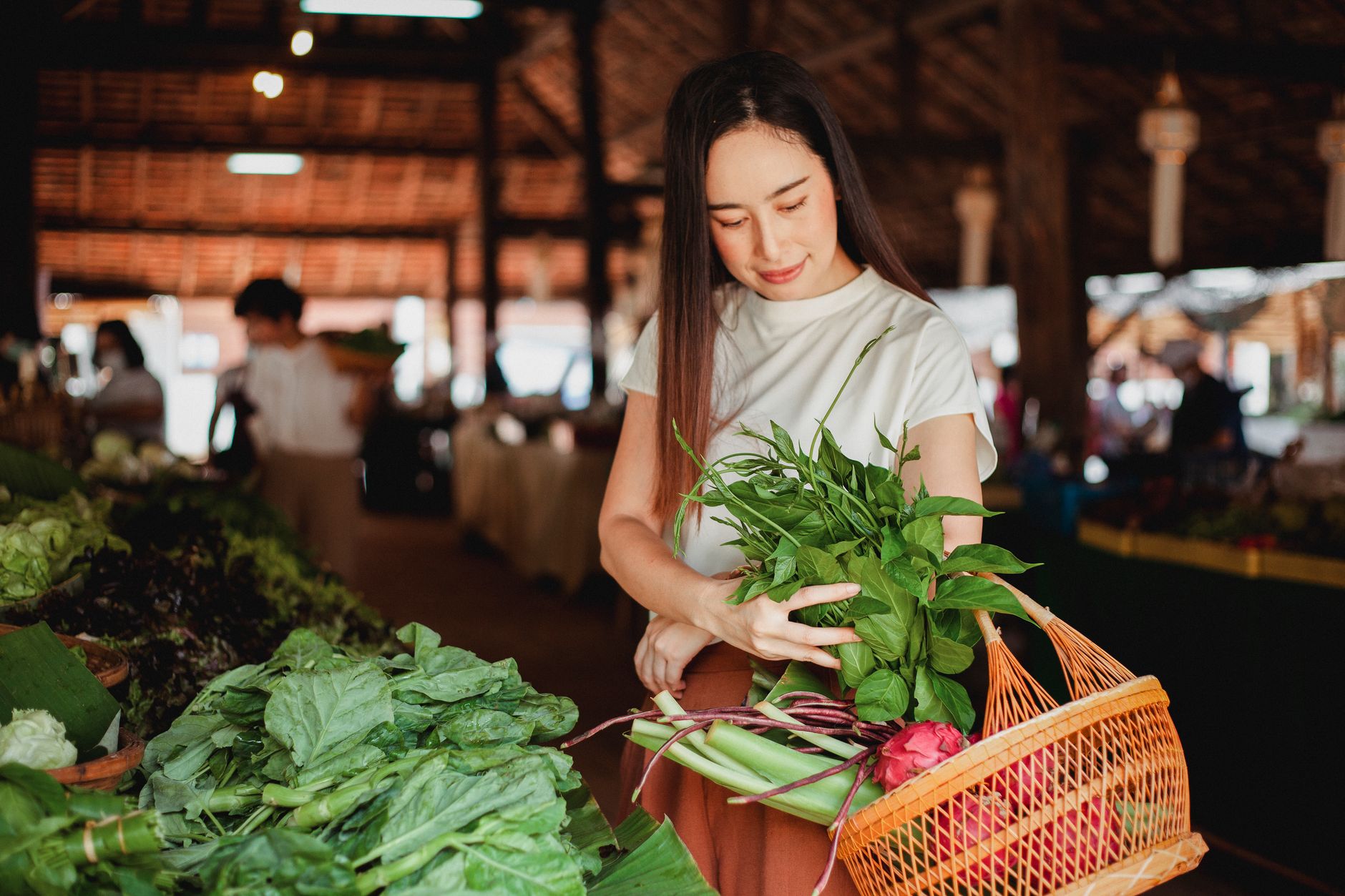
Photo by Sam Lion on Pexels
If you have ever felt bloated after a meal, sluggish by midafternoon, or strangely hungry even after eating enough, your gut may be asking for more attention. Digestive health is not just about comfort; it influences energy, immunity, mood, skin, and even the way your body manages weight. That is why so many people are turning to organic food as part of a cleaner, more thoughtful way of eating. When your meals are built around fresh produce, fermented staples, fiber-rich plants, and simple ingredients, your body can often respond with better balance and less stress.
But what does a gut-friendly approach really look like in everyday life? Is it expensive? Is it complicated? Do you need a full detox diet to feel better? Not at all. In many cases, the most effective strategy is also the most practical one: choose organic foods that are easier to digest, easier to combine, and easier to enjoy consistently. That is the heart of a sustainable healthy lifestyle. It is not about chasing perfection. It is about giving your body the nutrition it needs to function well, meal after meal.
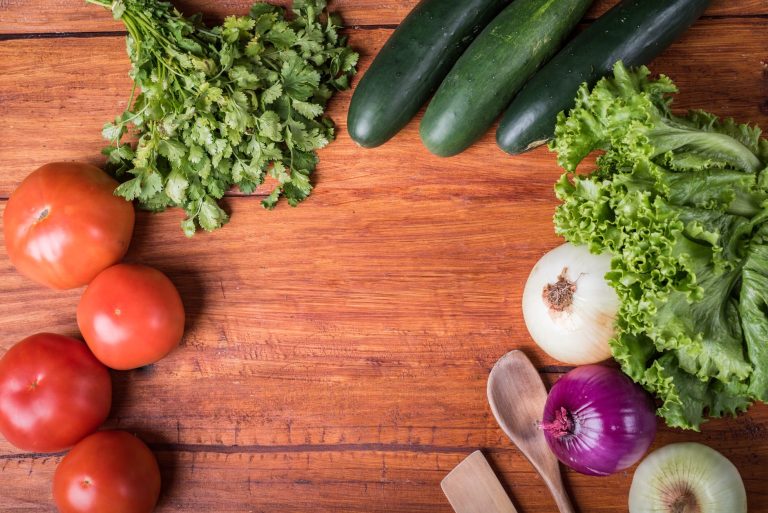
[IMAGE: organic vegetables]
Why gut health deserves a place at the center of clean eating
The gut is home to trillions of microorganisms that help break down food, support nutrient absorption, and communicate with the rest of the body. When that environment is balanced, digestion tends to feel smoother, cravings may become more manageable, and overall wellness can improve. When it is out of balance, you may notice bloating, irregular bowel movements, low energy, or even brain fog. Is it any wonder that gut health has become one of the most important topics in nutrition?
Clean eating is often described as a simple way to eat more whole foods and fewer heavily processed products, and that description is accurate. Yet the idea becomes more powerful when you view it through the lens of digestive health. Choosing organic food does not magically solve every problem, but it can reduce exposure to certain pesticides and artificial additives while encouraging a more nutrient-dense diet. For many people, that shift alone makes a noticeable difference.
Signs your digestive system may need support
Not every symptom is dramatic. In fact, some of the most common signs of digestive stress are easy to overlook because they become part of daily routine. Ask yourself whether any of these feel familiar:
- Frequent bloating after meals
- Uncomfortable gas or stomach pressure
- Irregular bowel movements
- Cravings for sugar soon after eating
- Low energy despite adequate sleep
- Skin that seems more reactive than usual
- A feeling of heaviness after rich or processed foods
If several of these symptoms sound familiar, it may be time to look not only at what you eat, but also at how often you eat, how you prepare meals, and whether your food choices support balance. Sometimes the smartest weight loss strategy is not a strict diet at all, but a better relationship with digestion.
The best organic foods for gut health
Some foods are especially valuable when your goal is to support digestion naturally. These are not trendy miracle ingredients. They are practical, nutrient-dense options that have earned their place in a healthy diet because they help nourish the gut from different angles. The most effective meals often combine fermented foods, fiber-rich produce, prebiotics, and healthy fats in the right proportions.
Fermented foods that bring helpful bacteria to the table
Fermented foods are among the most well-known allies of digestive wellness because they can contain live cultures that support a healthy microbial environment. If you are new to them, start slowly. The goal is not to overwhelm your system, but to introduce foods that encourage balance. Popular options include plain yogurt with live cultures, kefir, sauerkraut, kimchi, miso, and certain fermented vegetables.
What makes these foods so useful in a clean eating plan? They offer flavor, variety, and function at the same time. Instead of reaching for heavily processed condiments or sugary snacks, you can use a spoonful of fermented vegetables to brighten a meal or a small serving of kefir as part of breakfast. This is how a detox diet should really work in daily life: not through deprivation, but through smarter choices that support the body’s natural systems.
How to introduce fermented foods without discomfort
Some people assume that if a food is healthy, more must be better. In gut health, that is not always true. Start with a small portion and pay attention to how you feel. For example, add one tablespoon of sauerkraut to a lunch bowl, or choose plain yogurt at breakfast instead of a sweetened version. If your digestion responds well, you can gradually increase the amount.
A few simple tips can make the process easier:
- Choose plain or unsweetened varieties whenever possible
- Introduce one fermented food at a time
- Pair them with fiber-rich meals rather than eating them alone
- Watch for excess sodium in packaged options
- Keep portions modest if your stomach is sensitive
Fiber-rich organic produce that feeds your gut bacteria
Fiber is one of the most important nutrients for digestive health, and organic produce makes it easier to build a habit around whole, minimally processed ingredients. Fiber helps move food through the digestive tract, supports regularity, and feeds beneficial bacteria in the colon. Without enough of it, even the best clean eating plan can feel incomplete.
For many people, the easiest way to improve nutrition is to fill half the plate with vegetables and fruit. The beauty of organic produce is that it often tastes fresher and encourages more intentional shopping and cooking. When you are surrounded by crisp greens, berries, carrots, squash, and apples, it becomes easier to form a healthy lifestyle around real food instead of packaged alternatives.
Best fiber-friendly organic foods to keep on hand
- Leafy greens such as spinach, kale, and arugula
- Cruciferous vegetables like broccoli, cauliflower, and Brussels sprouts
- Root vegetables including carrots, beets, and sweet potatoes
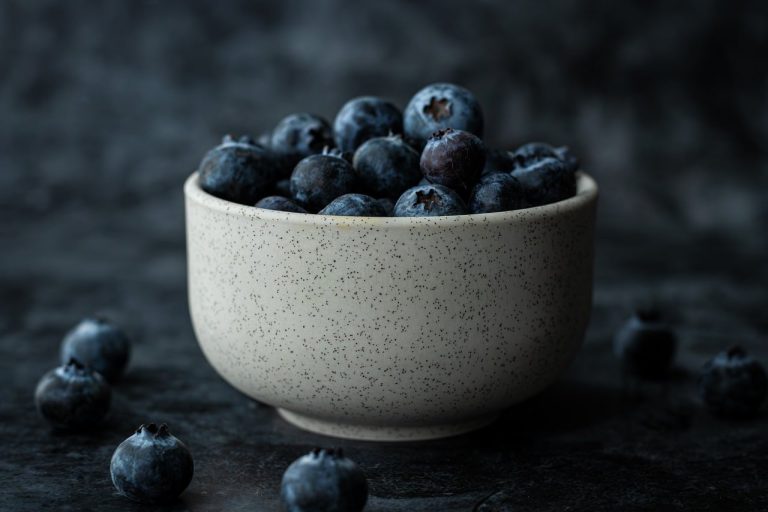
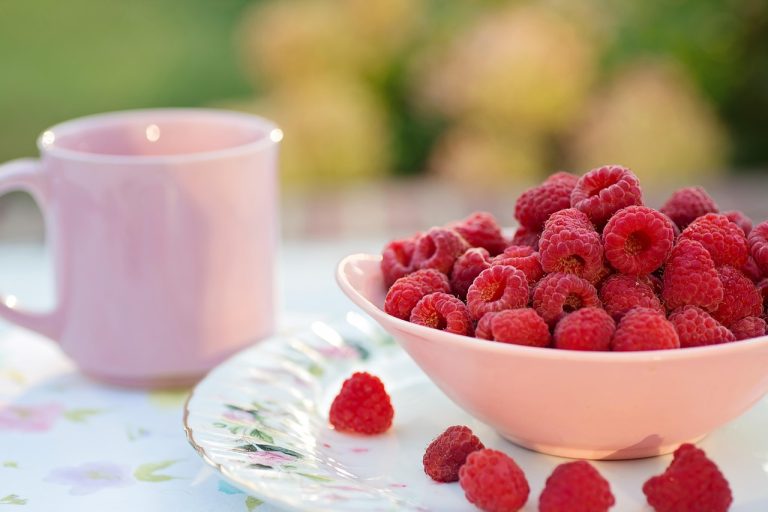
- Fruit such as berries, pears, apples, and kiwi
- Seeds like chia and flaxseed
- Whole grains such as oats, quinoa, and brown rice
Why do these foods matter so much for gut health? Because they offer a steady source of nourishment without overwhelming the digestive system. When combined with adequate water intake and balanced meals, fiber can help support everything from regular bowel movements to stable appetite control, which can be especially helpful for weight loss.
Prebiotic foods that nourish the beneficial microbes already inside you
While fermented foods bring helpful organisms to the table, prebiotic foods feed the ones that are already there. This makes them a powerful part of any organic food strategy. Think of prebiotics as the fuel that helps your gut bacteria do their best work. They are naturally found in foods like garlic, onions, leeks, asparagus, bananas, oats, and Jerusalem artichokes.
These foods do more than support digestion. They also help shape a more stable internal environment, which may affect appetite, mood, and even how satisfied you feel after a meal. If you have ever wondered why some healthy diets leave you feeling calm and energized while others seem to trigger cravings, the answer may lie partly in the gut.
Easy ways to add prebiotics to everyday meals
- Cook onions and garlic into soups, stews, and sautés
- Add oats and chia seeds to breakfast bowls
- Use asparagus or leeks as a side dish with dinner
- Blend slightly green bananas into smoothies
- Mix onions, herbs, and olive oil into salads
One of the best things about prebiotic foods is that they fit naturally into a clean eating pattern. You do not need supplements or complicated routines to start. You simply need to build meals around ingredients that nourish rather than drain your system.
How to build a gut-friendly plate with organic food
Healthy eating becomes much easier when you stop thinking in terms of restriction and start thinking in terms of structure. A gut-friendly plate is balanced, colorful, and satisfying. It contains the kind of nutrition that helps digestion work smoothly while still supporting weight loss and long-term energy. [IMAGE: healthy meal]
A useful question to ask at every meal is this: does this plate help my body feel calmer, lighter, and better supported? If the answer is yes, you are likely on the right track. If the answer is no, the meal may be too processed, too low in fiber, or too heavy in ingredients that do not agree with you.
The 3-part formula for balanced digestion
For most people, a practical organic meal starts with three core elements:
- Vegetables and fruit: for fiber, antioxidants, and hydration
- Protein: to support fullness and stable blood sugar
- Healthy fats and smart carbohydrates: to provide energy without the crash
For example, a lunch bowl might include roasted organic vegetables, grilled chicken or chickpeas, avocado, quinoa, and a spoonful of fermented cabbage. A breakfast bowl might combine plain yogurt, berries, oats, walnuts, and chia seeds. A dinner plate might feature baked salmon, steamed greens, sweet potato, and olive oil. Simple? Yes. Effective? Very often, absolutely.
What to reduce if your gut feels overloaded
Clean eating is not only about what you add. It is also about what you reduce. Highly processed foods, excess sugar, refined snacks, and greasy takeout meals can crowd out more nourishing choices and leave the gut feeling strained. That does not mean you can never enjoy a treat, but it does mean your baseline matters.
Try limiting the following when possible:
- Sugary drinks and desserts eaten daily
- Packaged snacks with long ingredient lists
- Deep-fried foods eaten frequently
- Heavy sauces made with excess refined oil or sugar
- Artificially flavored products with little nutritional value
If you are exploring a detox diet, keep it gentle and realistic. Your body already has a sophisticated detoxification system involving the liver, kidneys, and digestive tract. Support it with hydration, fiber, vegetables, herbs, and rest rather than extreme restrictions. A healthy diet should help you feel nourished, not depleted.
Sample plate combinations that feel satisfying and light
Sometimes the simplest ideas are the most useful. Here are a few combinations that can work well for a healthy lifestyle:
- Spinach salad with avocado, cucumber, grilled salmon, and pumpkin seeds
- Warm oats with blueberries, flaxseed, almond butter, and plain kefir on the side
- Brown rice bowl with roasted broccoli, chickpeas, carrots, and tahini dressing
- Vegetable soup with lentils, garlic, herbs, and a slice of whole-grain toast
These combinations deliver flavor and structure while staying aligned with organic food principles. They also make healthy eating feel satisfying, which is essential if you want long-term results rather than short-lived motivation.
Organic foods and weight loss: why gut health changes the game
Many people approach weight loss as though success depends only on calories. Calories matter, of course, but so does digestion. If your meals leave you bloated, overly hungry, or tired, it becomes much harder to stay consistent. That is why gut-friendly organic foods can make the process feel more natural. They help you feel nourished, which can reduce the urge to overeat later.
What happens when meals are built around fiber, protein, and healthy fats? Appetite often becomes easier to manage. Cravings may soften. Energy may become steadier. And because many organic foods are less processed, they often encourage slower, more mindful eating. That is not a trivial benefit. The pace at which you eat can shape how full you feel and how well your body responds to the meal.
Smart snack ideas that support digestion and satiety
If your schedule makes it hard to sit down for three balanced meals, strategic snacks can help you avoid the crash-and-crave cycle. Keep your snacks simple, fresh, and useful rather than mindless. A healthy snack should support your nutrition, not derail it.
- Apple slices with almond butter
- Plain yogurt with berries and cinnamon
- Carrot sticks with hummus
- Walnuts and a small pear
- Cucumber slices with avocado mash
- Chia pudding made with unsweetened milk
These snacks are especially helpful if you are working on weight loss because they balance hunger without relying on ultra-processed convenience foods. They also fit beautifully into a clean eating routine, where the goal is to eat in a way that feels structured but not rigid.
Why consistency matters more than perfection
One of the biggest misconceptions in nutrition is that progress comes from doing everything right. In reality, it often comes from doing a few things consistently. If you eat a gut-friendly breakfast four or five days a week, that matters. If you stock your kitchen with organic vegetables, whole grains, and fermented foods, that matters. If you choose water over soda most of the time, that matters.
Ask yourself: what is one habit you can repeat without stress? Maybe it is adding greens to lunch. Maybe it is eating a protein-rich breakfast. Maybe it is replacing one packaged snack with fruit and seeds. These small actions may seem modest, but they create a healthier pattern over time.
A simple organic routine for busy days
A healthy lifestyle does not require elaborate recipes or hours in the kitchen. In fact, the most effective routines are often the ones that fit into real life. When you know what to eat, when to prep, and how to keep things simple, you are far more likely to stay on track. [IMAGE: fitness lifestyle]
A practical day of gut-supportive eating
Here is how a balanced day could look without becoming complicated:
Morning: Start with water, then eat a breakfast that includes protein, fiber, and a little healthy fat. Think oats with chia and berries, or plain yogurt with fruit and seeds.
Midday: Build lunch around vegetables, lean protein, and a smart carbohydrate such as quinoa or brown rice. Add olive oil, herbs, or fermented vegetables for extra flavor and support.
Afternoon: Choose a snack only if you are truly hungry. Aim for something that steadies appetite, not something that triggers another craving cycle.
Evening: Keep dinner satisfying but not overly heavy. Many people sleep better when the final meal is balanced rather than greasy or overly sugary.
This kind of rhythm is especially useful if you are focused on weight loss because it reduces the chance of impulsive eating later in the day. It also supports cleaner digestion, which is an important but often overlooked part of nutrition.
Meal prep that makes gut health easier
Meal prep does not need to mean preparing identical containers for the entire week. A smarter method is to prep ingredients that can be mixed and matched. That way, you stay flexible while still making healthy choices fast.
Try prepping these items once or twice a week:
- Roasted organic vegetables
- A grain such as quinoa, rice, or oats
- Washed greens and chopped herbs
- Hard-boiled eggs or cooked lentils
- A fermented side like sauerkraut or kimchi
- Washed fruit for easy snacking
When your refrigerator contains ready-to-use healthy ingredients, clean eating becomes far less stressful. You are no longer negotiating with hunger while standing in front of the pantry. You already have a plan, which is often half the battle.
Common clean eating mistakes that can slow digestion
Even well-intentioned healthy eaters can make mistakes that interfere with gut health. The good news is that most of them are easy to correct once you know what to look for. If your meals are technically clean but still leave you feeling off, one of these issues may be the reason.
Overdoing raw food without enough variety
Raw vegetables are nutritious, but too much raw food can be difficult for some people to digest, especially if you already have a sensitive stomach. Cooked vegetables are often easier on the system and can still deliver excellent nutrition. A mix of raw and cooked foods tends to work best for most people.
Not eating enough protein
Many people who switch to clean eating focus heavily on produce but forget protein. Without enough protein, meals may not feel satisfying, which can lead to snacking, low energy, or stronger cravings later. Include eggs, fish, yogurt, beans, lentils, tofu, poultry, or other reliable protein sources in your routine.
Choosing organic food but still relying on packaged convenience
Organic snacks can still be ultra-processed. A granola bar, cookie, or frozen meal may be organic but not necessarily supportive of digestion. Always look beyond the label. Does the food help your body feel nourished, or is it simply a better-marketed version of the same problem?
Ignoring sleep, stress, and movement
Gut health is not created by food alone. Poor sleep and chronic stress can disrupt digestion and appetite regulation. Gentle movement, regular sleep, and stress management all support the same goal: a calmer, more responsive body. That is why a true healthy lifestyle goes beyond the plate.
Shopping smarter: what to buy for a gut-friendly organic kitchen
If you want to make organic food a real part of your life, start at the grocery store. The foods you bring home will shape your habits more than any meal plan ever will. A well-stocked kitchen makes healthy eating feel normal, and normal is powerful.
Before you shop, make a list based on meals you actually eat. The goal is not to buy every superfood on the shelf. The goal is to choose ingredients you can combine into balanced meals all week long.
A starter grocery list for digestive wellness
- Organic leafy greens and cruciferous vegetables
- Organic berries, apples, bananas, and citrus fruit
- Oats, quinoa, brown rice, and whole-grain bread
- Plain yogurt, kefir, or other fermented dairy alternatives
- Lentils, beans, tofu, eggs, fish, or poultry
- Garlic, onions, ginger, turmeric, and fresh herbs
- Olive oil, avocado, nuts, and seeds
- Sauerkraut, kimchi, or miso
The ideal kitchen is not glamorous. It is functional. It contains ingredients that help you build meals quickly without resorting to low-quality takeout or highly processed foods. And that kind of practicality is what makes a nutrition plan sustainable.
Storage and prep tips that save time
Wash and dry greens as soon as you get home. Roast a tray of vegetables for easy lunches and dinners. Keep fruit visible on the counter. Store cooked grains in clear containers in the refrigerator. Place fermented foods at eye level so you remember to use them. These tiny systems can transform the way you eat because they remove friction from healthy decisions.
[IMAGE: healthy meal]
How gut-friendly organic eating supports the whole body
Digestive health does not exist in isolation. When your gut works better, many other parts of life may feel easier too. Energy can become more stable. Meals can feel more satisfying. Skin may look calmer. Exercise may feel less heavy. Even your mindset around food can shift from reactive to relaxed. That is a powerful return on simple, consistent habits.
This is one reason so many people pair organic food with an active routine. When nutrition is aligned with movement, hydration, and rest, your body has a better chance of doing what it is designed to do. You do not need extreme rules. You need a pattern that supports balance.
For example, a person who eats a fiber-rich breakfast, enjoys a balanced lunch, walks after meals, and drinks enough water often experiences a very different day from someone who skips meals and relies on quick snacks. Which version feels more like a sustainable healthy lifestyle? The answer is usually obvious once you experience the difference.
Where fitness fits into gut wellness
Movement supports digestion by helping circulation, reducing stress, and encouraging regularity. A hard workout is not required. In fact, walking, stretching, yoga, and light strength training can all contribute to better digestion and overall well-being. Physical activity also helps many people feel more connected to their food choices, which can indirectly support weight loss and long-term habit building.
The link between movement and nutrition is one reason a balanced routine can feel so rewarding. You are not simply trying to eat less. You are helping your body function better, which often leads to better choices naturally.
Make your next meal count
The beauty of a gut-friendly approach is that it does not ask you to reinvent your life overnight. It asks you to start where you are and make the next meal a little better than the last one. That might mean more vegetables, fewer packaged snacks, better hydration, or a serving of fermented food with lunch. Small shifts matter because they are repeatable, and repeatable habits are what change health over time.
If you have been waiting for the perfect moment to begin, you already have enough information to start today. Choose one organic food to add, one processed item to reduce, and one meal to make more balanced. Then notice how your body responds. Does your digestion feel calmer? Do your cravings ease a little? Do you feel more in control of your nutrition?
The most reliable path to better digestion is not dramatic. It is steady. It is thoughtful. And it begins with the everyday foods you place on your plate. When your kitchen is built around organic food, clean eating stops feeling like a short-term challenge and starts becoming a way of living that supports your energy, your waistline, and your well-being in a far more lasting way. If you want more expert guidance on organic food, healthy diet strategies, detox diet ideas, and practical nutrition tips, explore more articles on DietOrganic and keep building the version of wellness that feels truly sustainable.
About the Author