
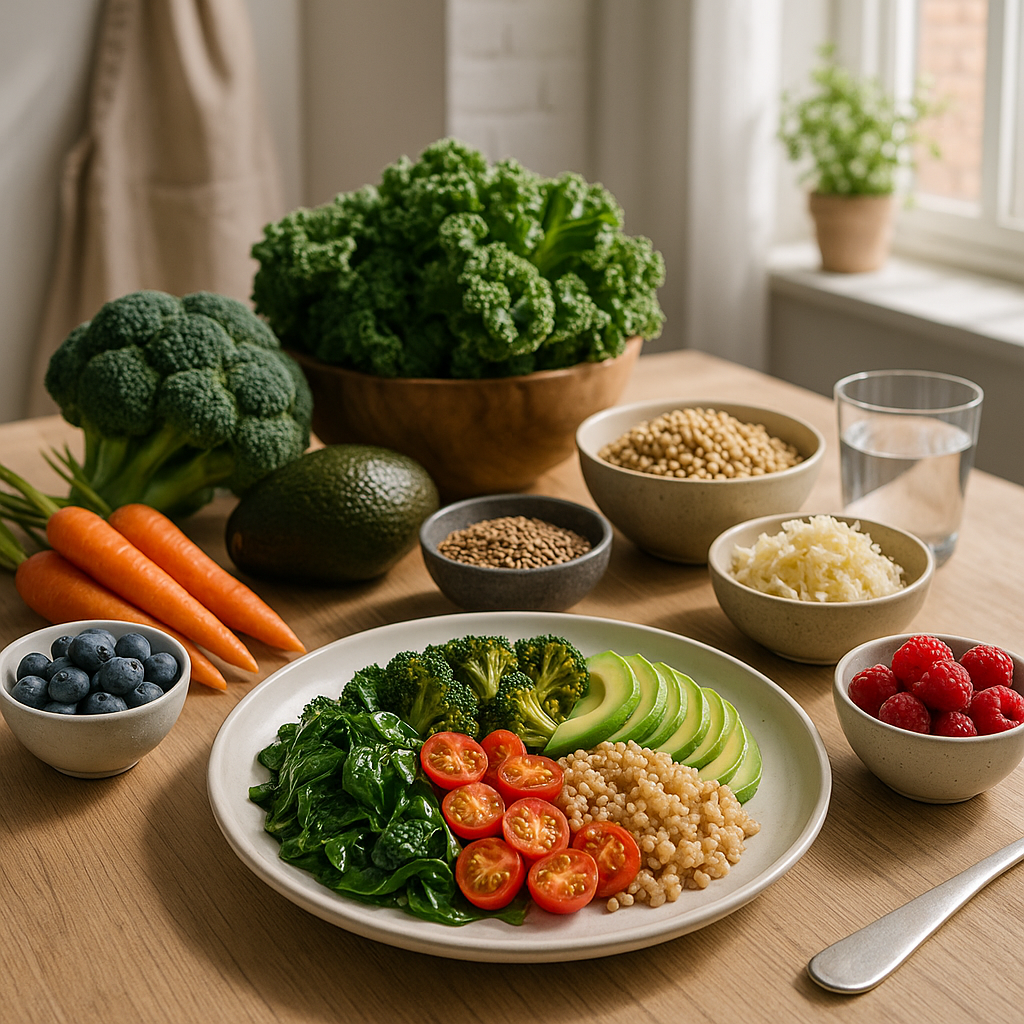
Good digestion affects far more than comfort after a meal. It influences your energy, your mood, your cravings, and even how confidently you move through the day. Have you ever felt bloated after eating, sluggish in the afternoon, or strangely hungry soon after a meal that should have been satisfying? Those are the kinds of clues many people ignore until their body starts asking for more support. This is where organic food and clean eating can make a meaningful difference. When your meals are built from nutrient-dense, minimally processed ingredients, your gut has a better chance to function smoothly, and your overall healthy lifestyle starts to feel more natural.
The connection between gut health and weight loss is not about chasing a dramatic fix. It is about reducing daily irritation, feeding the beneficial bacteria that support digestion, and choosing foods that leave you energized instead of depleted. A thoughtful organic diet can help you create that balance without turning your life into a restrictive detox diet. In fact, the most effective approach is often the simplest one: real food, steady habits, and a little consistency. What if better digestion could begin with the next grocery trip?
Why Gut Health Shapes So Much of Your Wellbeing
Your gut is more than a place where food is broken down. It is a complex ecosystem where enzymes, microbes, nutrients, and the lining of the digestive tract all work together. When that system is supported, the benefits can be felt everywhere. When it is stressed, the effects often show up in ways that seem unrelated at first. Energy dips, skin flare-ups, irregular bowel movements, cravings for sugar, and a stubborn feeling of heaviness can all be linked to digestive imbalance.
The gut microbiome, which is the community of bacteria and other microorganisms living in the digestive tract, plays a major role in how well you absorb nutrients and regulate inflammation. A diverse microbiome thrives on a diverse diet. That means organic food rich in fiber, plant compounds, and natural color is not just visually appealing; it can actively support healthier digestion. Could your food choices be making your gut stronger every day?
Common Signs Your Gut May Need Support
Not every symptom means you need a complete overhaul, but a few patterns can tell you it is time to pay attention:
- Frequent bloating after meals
- Irregular bowel movements or constipation
- Sudden food sensitivities
- Low energy after eating
- Cravings for sweets or refined snacks
- Brain fog or trouble focusing
- Skin issues that seem tied to your diet
- A heavy feeling even when you have not overeaten
If one or more of those feels familiar, the answer may not be to eat less. It may be to eat better. That is an important distinction in any healthy diet focused on sustainable weight loss and better nutrition.
How Organic Food Supports a Healthier Gut
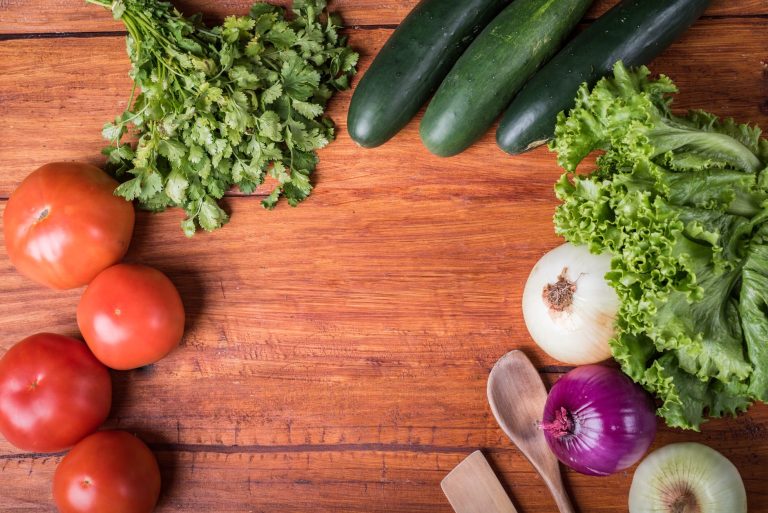
Organic food is often associated with better ingredient quality, fewer synthetic pesticide residues, and more intentional farming methods. For digestion, those differences matter because the gut can be sensitive to what is in your food just as much as what is missing from it. Clean eating with organic ingredients removes a layer of unnecessary exposure while making it easier to focus on foods that nourish the body from the inside out.
Another advantage is that organic food tends to encourage a more plant-forward plate. Once people begin choosing organic vegetables, fruit, grains, and protein sources, they often eat more whole foods simply because those foods become the center of the meal. That shift alone can improve nutrition, reduce dependence on ultra-processed snacks, and help create the feeling of lightness people often want from a detox diet without the harshness of one.
[IMAGE: organic vegetables]
The Fiber Advantage
Fiber is one of the most important nutrients for gut health, yet it is also one of the most overlooked. It feeds beneficial gut bacteria, supports regular bowel movements, and helps you feel full after meals. Organic food naturally makes it easier to get more fiber because it puts fruits, vegetables, legumes, seeds, and whole grains at the center of your plate.
Some of the best fiber-rich organic foods for digestion include:
- Leafy greens such as spinach, kale, and arugula
- Berries, especially raspberries, blackberries, and blueberries
- Apples and pears with the skin on
- Chia seeds and ground flaxseed
- Lentils, chickpeas, and black beans
- Oats, quinoa, and brown rice
Fiber does not work like a quick-fix supplement. It works best when you eat it consistently, drink enough water, and pair it with meals that are easy to digest. Have you been giving your gut the steady fuel it actually needs?
Why Organic Matters for Sensitive Digestion
Some people notice that their digestive system feels calmer when they shift toward organic food. That can happen for several reasons. Lower exposure to pesticide residues may help sensitive individuals feel more comfortable. In addition, many organic meals are prepared from simpler ingredients, which means fewer additives, less artificial flavoring, and fewer compounds that can make food harder to tolerate.
This does not mean every non-organic food is bad or that organic is magic. It means that for anyone trying to improve gut health, the quality of ingredients can influence how the body responds. If your stomach often reacts to processed sauces, artificial sweeteners, or packaged snacks, a cleaner pantry can make a surprisingly big difference.
A simple grocery rule
When in doubt, ask yourself whether the food looks more like a plant, a whole grain, or a real protein source than a laboratory creation. If the ingredient list reads like a science project, your gut may prefer a simpler choice.
Best Organic Foods for Gut Health
Not every organic food supports digestion in the same way. The best options are the ones that combine fiber, micronutrients, hydration, and natural compounds that reduce inflammation. The good news is that these foods can be delicious, easy to prepare, and flexible enough for nearly any healthy lifestyle.
1. Leafy Greens
Spinach, kale, Swiss chard, and romaine lettuce are rich in magnesium, folate, and chlorophyll. They help support regularity and provide a gentle base for meals. Leafy greens are also easy to add to omelets, soups, smoothies, and grain bowls.
Try this: build a salad with organic greens, cucumber, avocado, pumpkin seeds, and olive oil. A meal like that can feel light without leaving you hungry an hour later.
2. Cruciferous Vegetables
Broccoli, cauliflower, cabbage, and Brussels sprouts are nutritional powerhouses. They contain compounds that support detoxification pathways in the body and offer substantial fiber. For some people, these vegetables can be intense if eaten in large amounts raw, so cooking them lightly can make them much easier to digest.
Tip: roast organic broccoli with olive oil and garlic, or steam cauliflower and blend it into a creamy soup. Clean eating does not have to be bland to be effective.
3. Berries
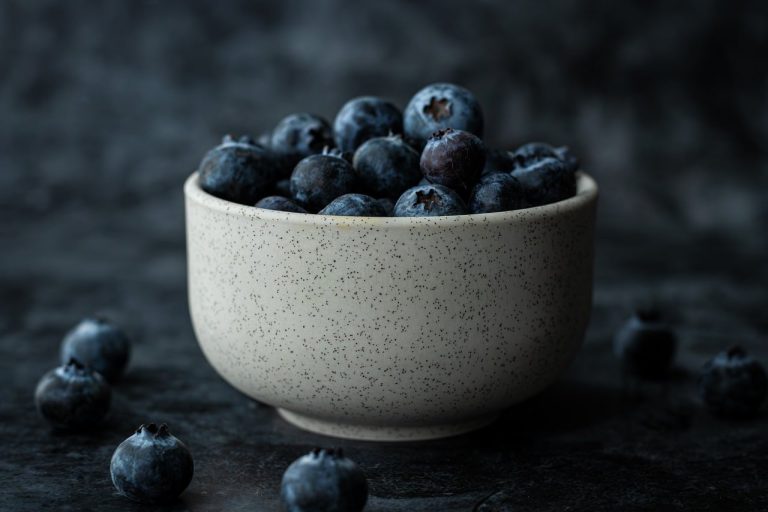
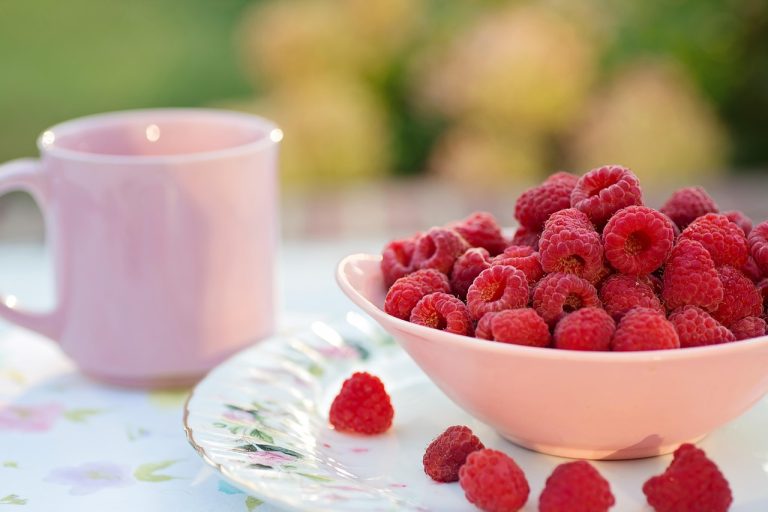
Berries are one of the most useful foods for gut health because they are high in antioxidants and natural fiber while remaining relatively low in sugar. Blueberries, raspberries, and blackberries can be added to oatmeal, yogurt, or a smoothie. Their bright color is a sign of the plant compounds that help support overall nutrition.
If you want a sweet option without leaning into dessert habits, berries can be one of the best organic food swaps you make.
4. Fermented Foods
Fermented foods can support a healthy microbiome by introducing helpful bacteria and offering digestive variety. Organic yogurt, kefir, sauerkraut, kimchi, and miso are common choices. Start slowly if you are not used to them, especially if your digestive system is sensitive.
Pair fermented foods with simple, whole ingredients. A spoonful of sauerkraut next to roasted vegetables, or plain kefir with berries, can be a smart addition to a clean eating routine.
5. Seeds and Nuts
Chia seeds, flaxseed, pumpkin seeds, walnuts, and almonds provide healthy fats, minerals, and satiety. They are useful for stable energy and better digestion when eaten in balanced amounts. Ground flaxseed is especially helpful because it adds fiber without requiring much prep.
One small habit can make a big difference: sprinkle seeds over salads, oats, soups, or smoothies. That simple step can improve both texture and nutrition.
6. Whole Grains and Legumes
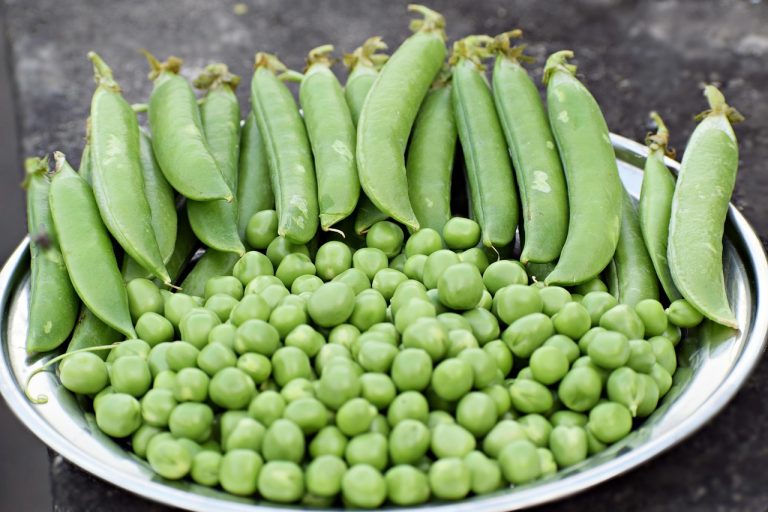
Organic oats, quinoa, brown rice, lentils, chickpeas, and black beans are excellent for gut health when prepared well. They provide slow-digesting carbohydrates and the kind of fiber that helps beneficial bacteria thrive. If you have not eaten many legumes before, increase them gradually to give your gut time to adapt.
Soaking, rinsing, and cooking them thoroughly can help reduce discomfort and make them much more digestible. Sometimes the difference between feeling heavy and feeling nourished is simply how the food is prepared.
[IMAGE: healthy meal]
Build a Clean Eating Plate That Feeds Digestion
One of the easiest ways to support gut health is to stop thinking about food as isolated ingredients and start building meals with balance. A meal that contains fiber, protein, healthy fats, and hydration will usually support digestion better than a meal built around one dominant category. This is also one of the most effective strategies for weight loss because it helps control appetite naturally.
A balanced organic plate might look like this:
- Half the plate filled with vegetables
- One quarter filled with protein such as eggs, salmon, tofu, or lentils
- One quarter filled with whole grains or starchy vegetables
- A small amount of healthy fat from avocado, seeds, nuts, or olive oil
When meals are balanced, you are less likely to experience the blood sugar swings that can lead to cravings, fatigue, and impulsive snacking. Clean eating becomes easier when your plate works with your body rather than against it.
What a Gut-Friendly Day Might Look Like
Here is a simple example of an organic diet built around digestion:
- Breakfast: Organic oats with berries, chia seeds, and plain yogurt
- Lunch: Quinoa bowl with greens, roasted carrots, chickpeas, and tahini
- Snack: An apple with almond butter
- Dinner: Baked salmon or tofu with broccoli, sweet potato, and olive oil
This kind of menu is not flashy, but it is deeply practical. It offers the kind of steady support that improves digestion over time.
A Gentle Organic Reset Instead of an Extreme Detox Diet
The word detox diet gets used so often that it can start to sound like a shortcut. In reality, your liver, kidneys, skin, and digestive system already work together to remove waste. What many people actually need is not an extreme cleanse but a reset that gives the body a break from excess sugar, alcohol, ultra-processed food, and overeating. That is where organic food can shine.
A gentle reset might last three to seven days and focus on nourishing, easy-to-digest meals. You are not starving yourself. You are simply reducing the noise so your system can recover and settle down.
During a gentle reset, focus on:
- Organic vegetables cooked simply
- Hydrating fruits like cucumber, melon, and berries
- Simple proteins such as eggs, fish, tofu, or plain yogurt
- Herbal teas and plenty of water
- Modest portions that leave you comfortable, not stuffed
Would your body feel better if you gave it a short break from overly rich meals and constant snacking? For many people, the answer is yes.
Foods That Are Better Left Out During a Reset
To support digestion, it helps to temporarily limit foods that can make bloating, inflammation, or cravings worse:
- Refined sugar and candy
- Fried foods
- Alcohol
- Ultra-processed snacks
- Artificial sweeteners if they bother your stomach
- Heavy cream sauces and overly rich fast food
This is not about perfection. It is about giving your gut a calm environment so it can work more efficiently.
Organic Meal Prep Ideas for Busy People
Healthy eating becomes much easier when your fridge is stocked with ready-to-eat options. If you wait until you are hungry and tired to make a decision, convenience will usually win. That is why meal prep is one of the most underrated tools for clean eating and better nutrition.
Meal prep does not mean spending your entire Sunday in the kitchen. Even one hour of preparation can set up several days of better choices. The goal is to make the healthy option the easy option.
[IMAGE: healthy meal]
Easy Prep Staples to Make in Advance
- Roasted vegetables such as carrots, zucchini, cauliflower, and bell peppers
- Cooked grains like quinoa, brown rice, and oats
- Washed salad greens and chopped cucumbers
- Hard-boiled eggs or grilled tofu
- Containers of berries, apples, or pears
- Small jars of chia pudding or yogurt parfaits
- Soup made with lentils, vegetables, and herbs
You can mix and match these ingredients all week. For example, roasted vegetables become a lunch bowl, leftover quinoa becomes a breakfast porridge base, and soup becomes a quick dinner when you are too busy to cook.
How to Keep Meal Prep Interesting
The biggest reason people stop meal prepping is boredom. The solution is variety, not complexity. Switch sauces, spices, and textures rather than cooking entirely different meals every day.
- Use lemon and dill one day, cumin and coriander the next
- Try tahini, pesto, yogurt sauce, or olive oil vinaigrette
- Alternate between warm meals and cold bowls
- Rotate vegetables according to the season
Small changes like these keep your organic diet enjoyable, which makes it far more likely to last.
Organic Food and Weight Loss: Where the Real Connection Happens
Organic food does not automatically cause weight loss, and anyone claiming that it does is oversimplifying a very personal process. But organic food can support weight loss in a meaningful way when it helps you eat more whole foods, reduce empty calories, and feel satisfied with less struggle. That is a far more realistic and useful conversation.
Gut health matters here because digestion influences satiety. When meals are high in fiber and protein, blood sugar tends to stay steadier and cravings often become easier to manage. If your body is well nourished, you may naturally snack less, overeat less, and recover faster from stressful days. That is the kind of sustainable change people want when they search for healthy diet solutions.
[IMAGE: fitness lifestyle]
Why Weight Loss Often Feels Easier With Better Digestion
- You feel full longer after meals
- You are less likely to crave highly processed snacks
- Your energy stays more stable throughout the day
- You may experience less bloating and water retention
- Healthy meals become more routine and less emotional
These changes may seem small, but they matter. Over time, small advantages can shape a body and lifestyle that feel easier to maintain.
The Best Mindset for Organic Weight Loss
Instead of asking, How do I eat as little as possible? ask, How do I eat in a way that supports my gut, my energy, and my life? That question encourages nourishment rather than restriction. It turns weight loss into a byproduct of better habits instead of a battle with your own appetite.
If you can focus on consistency rather than intensity, your results are more likely to last. That is one reason clean eating works so well when it is built around organic food and realistic routines.
Common Organic Diet Mistakes to Avoid
Even people with the best intentions can make choices that hold them back. If your goal is better digestion, one mistake can undo much of the benefit of your healthy lifestyle efforts. The good news is that these mistakes are easy to correct once you recognize them.
1. Eating Too Much Fiber Too Quickly
Fiber is helpful, but your gut may need time to adjust. If you suddenly triple your intake, bloating can increase. Add fiber gradually and drink enough water.
2. Assuming Organic Automatically Means Healthy
Organic cookies are still cookies. Organic chips are still chips. A cleaner label does not change the fact that ultra-processed food can challenge digestion and weight loss goals. Clean eating still depends on the overall quality of your meals.
3. Ignoring Protein
People sometimes focus only on vegetables and forget that protein helps with satiety and muscle maintenance. A gut-friendly meal should also keep you satisfied.
4. Not Chewing Enough
Digestion begins in the mouth. If you eat in a rush, even the best organic food can feel heavy. Slow down, chew thoroughly, and notice your meal.
5. Treating Health Like a Temporary Project
Extreme detox diet trends often create a cycle of restriction and rebound. A more effective approach is to build repeatable habits that fit your real life.
Ask yourself: are you creating a lifestyle you can sustain, or just a plan you can survive for a week?
A Simple 7-Day Rhythm for a More Comfortable Gut
You do not need a complicated program to make progress. A one-week rhythm can help you ease into better digestion without overwhelm. Think of it as a practical guide rather than a strict plan.
Day 1 and Day 2: Reset the Plate
Focus on simple meals with cooked vegetables, fruit, lean protein, and water. Reduce highly processed foods and notice how your body responds.
Day 3 and Day 4: Add More Variety
Introduce different colors, such as red peppers, purple cabbage, and orange carrots. Diversity helps both your microbiome and your appetite stay engaged.
Day 5: Include a Fermented Food
Add a small serving of yogurt, kefir, sauerkraut, or kimchi. Start slowly if you are not used to fermented foods.
Day 6: Improve Meal Timing
Notice whether long gaps between meals are causing overeating later. A steady rhythm may support better digestion and better control over cravings.
Day 7: Review What Felt Best
Which foods made you feel light, energized, and satisfied? Which meals left you sluggish or bloated? The answers can guide your next grocery list.
How to Choose Better Organic Foods at the Store
A smart shopping strategy makes clean eating much easier. The store is where your nutrition habits are decided long before cooking begins. If your cart is full of simple, versatile ingredients, your meals will be easier to build and your gut will likely thank you.
Use this approach when shopping:
- Shop the perimeter first where fresh foods are usually found
- Choose produce in multiple colors
- Read labels and keep ingredient lists short
- Choose proteins that are minimally processed
- Buy enough for several meals, not just one
- Prioritize items you know you will actually eat
If your pantry supports your goals, healthy decisions become less dependent on willpower. That is one of the simplest ways to build a strong organic diet.
Foods That Improve Digestion Without Making Life Complicated
Sometimes the best foods for digestion are also the easiest to prepare. You do not need rare ingredients or expensive powders to feel better. You need consistency, variety, and meals that your body can actually use.
- Organic apples for pectin and gentle fiber
- Cooked carrots for easy-to-digest vegetables
- Bananas for a soft, portable snack
- Plain yogurt for protein and probiotics
- Oatmeal for soluble fiber and lasting fullness
- Ginger and peppermint tea for a soothing ritual
- Cooked squash for comfort and hydration
The simplest foods are often the most sustainable. That matters when you are building a healthy lifestyle you can actually keep.
Bring It All Together in a Way That Feels Real
A gut-friendly organic food routine does not need to be rigid, expensive, or trendy. It needs to be practical. When you eat more fiber, more whole plants, enough protein, and fewer ultra-processed foods, digestion usually improves and weight loss becomes less of a guessing game. The body often responds well to calm, steady support.
That is the real promise of clean eating. Not perfection. Not punishment. Not a dramatic detox diet that leaves you exhausted. Just meals that help you feel comfortable, clear-headed, and more in control of your choices. Isn’t that a much more appealing way to care for yourself?
Start small if you need to. Add one organic vegetable to dinner, swap one packaged snack for fruit and nuts, or prepare breakfast the night before. These tiny decisions accumulate quickly, and before long they can reshape your nutrition, your energy, and the way you think about food. If you want more practical ideas for organic food, healthy diet habits, and clean eating inspiration, keep exploring the latest articles on DietOrganic and let each meal move you one step closer to feeling your best.
About the Author