
If you have been searching for a healthier way to eat that actually feels sustainable, organic food may be the missing piece in your routine. A truly gut-friendly approach is not just about cutting calories or following the latest detox diet trend. It is about nourishing your digestive system with clean eating habits, nutrient-dense meals, and the kind of nutrition that supports balance from the inside out. And when your gut is happier, your energy, cravings, immunity, and even your weight loss progress can start to change in noticeable ways.
What makes gut health such a powerful topic in a healthy lifestyle conversation? Because your digestive system does far more than process food. It helps absorb nutrients, influences inflammation, shapes your mood, and plays a major role in how your body stores or burns energy. When the gut is under stress, even the most disciplined healthy diet can feel frustrating. But when you feed it well, the results can be impressive. Could the simplest upgrade to your routine be choosing better organic food, not stricter rules?
This guide explores how organic food supports gut health, how clean eating can improve digestion, and why a balanced, food-first approach may be more effective than chasing extreme detox promises. If your goals include better digestion, less bloating, more steady energy, and realistic weight loss, this is the place to start.
Why Gut Health Deserves a Central Place in Your Healthy Lifestyle
The gut is often described as the body’s control center, and that is not an exaggeration. It is where food is broken down, nutrients are absorbed, and a huge portion of the immune system does its work. Your gut also communicates with the brain through a complex network often called the gut-brain axis. That means the food you eat can influence not only digestion but also stress response, focus, and appetite.
When your digestive system is functioning well, you are more likely to feel satisfied after meals, experience fewer energy crashes, and maintain better control over food cravings. That is why clean eating is so closely connected to gut health. It removes many of the additives, excess sugars, and highly processed ingredients that can irritate digestion and disrupt balance.
What Happens When the Gut Is Out of Balance?
A gut that is out of balance may show up in subtle or obvious ways. Some people notice bloating after meals. Others deal with constipation, loose stools, indigestion, frequent cravings, or poor tolerance to certain foods. A less obvious sign can be fatigue, especially if nutrient absorption is not efficient. Over time, these issues can make healthy habits harder to maintain.
Ask yourself: are you eating in a way that truly supports digestion, or just following a plan that looks healthy on paper? There is a difference between eating less and eating well. A gut-friendly organic food approach focuses on nourishment, not deprivation.
How Gut Health Supports Weight Loss
Weight loss is often presented as a math problem, but the body does not work that simply. Digestion, hormone regulation, inflammation, sleep, and stress all influence how your body handles food. A healthier gut can improve satiety signals, reduce bloating, and help you feel more in control of your eating patterns. That does not mean organic food is magic. It means it creates better conditions for your body to respond to your healthy diet efforts.
When digestion is smoother, many people naturally eat more intentionally. They feel less driven by cravings and more aware of what truly satisfies them. That is one reason a gut-focused clean eating strategy often supports long-term weight loss more effectively than restrictive dieting.
The Best Organic Foods for a Gut-Friendly Diet
Not all organic food is automatically gut-friendly, but certain categories can make a major difference. The key is to combine foods that feed beneficial bacteria, support regularity, and reduce unnecessary digestive stress. A well-designed healthy diet should include a variety of fiber-rich, fermented, and anti-inflammatory choices.
Fermented Organic Foods That Add Beneficial Bacteria
Fermented foods are powerful because they can introduce live cultures that help support microbial diversity in the digestive tract. When included consistently, they may help improve digestion and support a more balanced gut environment.
Organic yogurt and kefir
Look for unsweetened organic yogurt or kefir with live active cultures. These foods can be easy to digest for many people and work well at breakfast or as a snack. Pair them with berries, seeds, or oats for a more complete meal.
Sauerkraut and kimchi
Organic sauerkraut and kimchi are flavorful additions that can be served in small amounts alongside lunch or dinner. Their tangy profile can add interest to simple meals while supporting your gut health goals. Just choose refrigerated versions when possible, since heat can reduce live cultures.
Miso and tempeh
Miso and tempeh fit beautifully into an organic vegan diet or plant-forward healthy lifestyle. They are versatile, satisfying, and rich in fermentation-related benefits. A miso soup or tempeh stir-fry can be both comforting and nutritious.
Prebiotic Organic Foods That Feed Good Bacteria
If probiotics are the bacteria, prebiotics are the fuel that helps them thrive. These are specific fibers and plant compounds that beneficial microbes love. Including prebiotic-rich organic food in your clean eating routine is one of the smartest ways to support digestion naturally.
Garlic, onions, and leeks
These aromatic vegetables are kitchen staples for a reason. They add depth to flavor while helping feed gut-friendly bacteria. They are easy to include in soups, stews, salads, and roasted dishes.
Asparagus and artichokes
Both asparagus and artichokes are excellent choices for a gut-supportive nutrition plan. They are fiber-rich and can help you build satisfying meals without relying on heavy processed ingredients.
Bananas, apples, oats, and flaxseed
These everyday foods can be powerful allies. Slightly green bananas, apples with the skin, organic oats, and ground flaxseed all contribute different forms of fiber that help support regularity and feed healthy gut bacteria. A bowl of organic oats with banana slices and flaxseed is a simple example of clean eating done well.
Fiber-Rich Organic Foods That Keep Digestion Moving
Fiber is one of the most important nutrients for gut health, yet many people still do not get enough. Organic food choices make it easier to build meals around vegetables, fruits, beans, lentils, nuts, seeds, and whole grains. These foods support digestion, help with satiety, and can make a healthy diet more effective for weight loss.
Great fiber-rich options include:
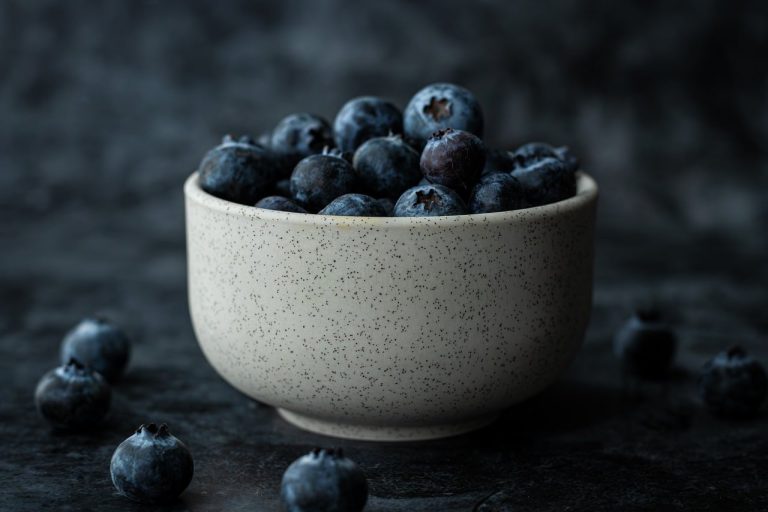
- Organic berries
- Leafy greens such as spinach and kale
- Chia seeds
- Lentils and beans
- Brown rice and quinoa
- Carrots, beets, and sweet potatoes
- Avocados
A high-fiber approach should still be balanced. Too much fiber too quickly can cause bloating, especially if your body is not used to it. The goal is steady improvement, not digestive overload.
What a Gut-Friendly Organic Meal Plan Can Look Like
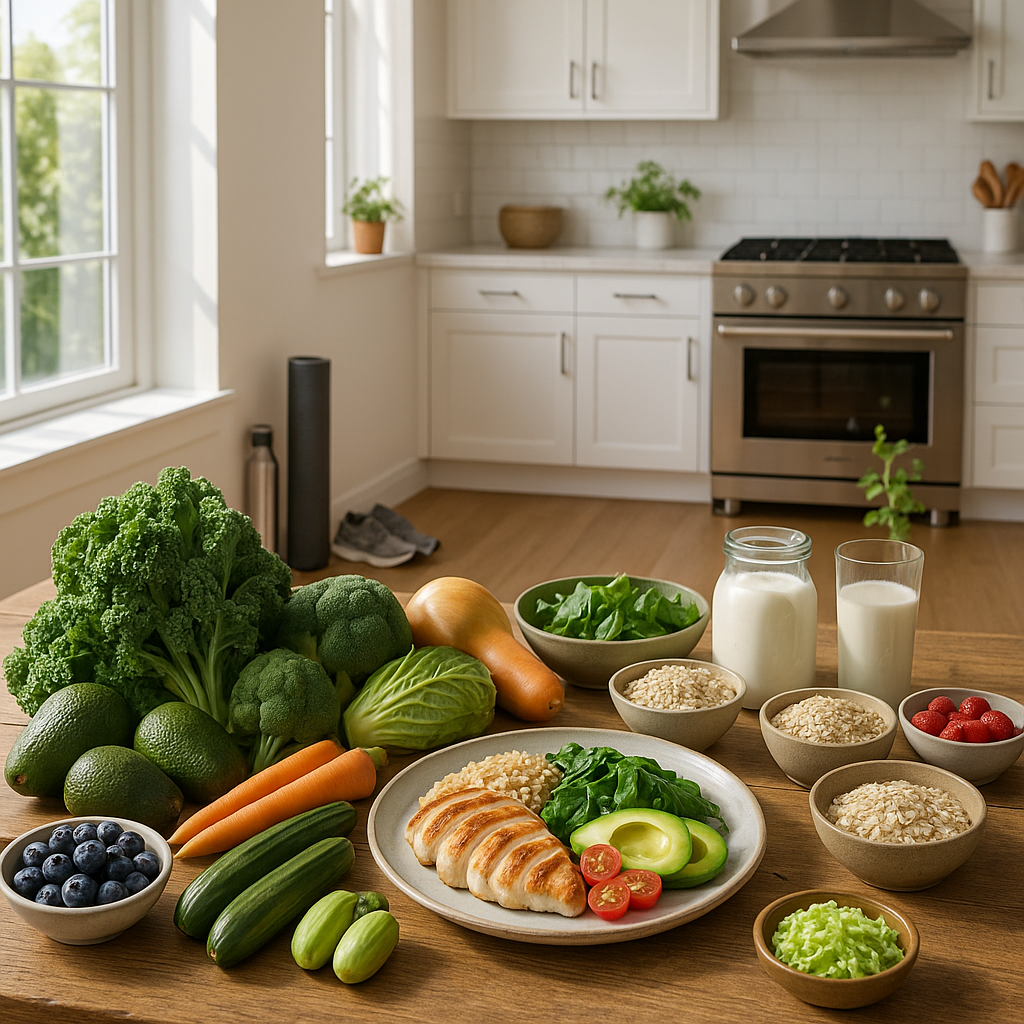
You do not need a complicated detox diet to support your digestive system. In fact, some of the most effective changes come from simple, repeatable meals built from clean ingredients. A gut-friendly organic meal plan should feel realistic enough that you can maintain it during a busy week.
[IMAGE: healthy meal]
Breakfast Ideas That Support Digestion and Energy
A nourishing breakfast can set the tone for the entire day. Instead of starting with refined sugar or ultra-processed convenience foods, choose a combination of protein, fiber, and healthy fat.
- Organic yogurt with chia seeds, blueberries, and walnuts
- Warm oatmeal with cinnamon, flaxseed, and sliced banana
- Veggie omelet with spinach, mushrooms, and avocado
- Green smoothie with leafy greens, kefir, cucumber, and berries
These meals are satisfying without being heavy. They support stable energy and may reduce the mid-morning urge to snack. Have you noticed how breakfast affects your cravings later in the day?
Lunch Ideas for Clean Eating and Better Balance
Lunch is a great opportunity to include a mix of fiber, protein, and fermented or prebiotic ingredients. A thoughtful lunch can help you avoid the afternoon slump and keep your focus on your healthy lifestyle goals.
- Quinoa bowl with roasted vegetables, chickpeas, sauerkraut, and olive oil
- Turkey or tofu salad with leafy greens, avocado, seeds, and fermented vegetables
- Lentil soup with carrots, celery, onions, and herbs
- Brown rice bowl with salmon, asparagus, and steamed greens
These meals are satisfying enough to support weight loss without feeling restrictive. They also make clean eating easier because they are flavorful, colorful, and varied.
Dinner Ideas That Feel Light but Satisfying
Evening meals should help you feel nourished without leaving you sluggish. For better digestion, keep dinner balanced and avoid overwhelming portions late at night.
- Baked fish with sweet potatoes and sautéed kale
- Tempeh stir-fry with broccoli, garlic, and brown rice
- Grilled chicken with roasted carrots, zucchini, and tahini dressing
- Vegetable stew with beans and herbs
Many people assume that a detox diet must mean skipping dinner or drinking only juices. That is not the case. A smart detox diet is really about lowering the body’s burden, not starving it. Whole organic food is usually the better answer.
Healthy Snacks That Support the Gut
Snacking can either help or hurt your nutrition goals. When chosen well, snacks prevent energy dips and keep you from arriving at meals overly hungry. Here are a few gut-friendly ideas:
- Apple slices with almond butter
- Carrot sticks with hummus
- Organic kefir or yogurt
- Handful of walnuts and berries
- Chia pudding with cinnamon
The best snacks are simple, minimally processed, and easy to portion. They help you stay consistent without making your healthy diet feel complicated.
How Clean Eating Helps the Gut Rebuild Balance
Clean eating is more than a trendy phrase. At its core, it means choosing foods in their most natural, minimally processed form and reducing ingredients that do not contribute meaningful nutrition. This approach is especially valuable for gut health because the digestive system tends to respond better to real food than to chemical-heavy products.
When you shift toward clean eating, you usually reduce hidden sugars, refined oils, artificial flavors, and additives that can irritate digestion in some people. You also create more room for nutrient-dense organic food that supports your body instead of challenging it.
What to Reduce for Better Digestion
You do not need to ban every packaged product, but it helps to be selective. Consider limiting foods that are especially likely to disrupt your gut-friendly routine:
- Ultra-processed snack foods
- Sugar-heavy breakfast cereals
- Sodas and sweetened drinks
- Artificial sweeteners that upset digestion
- Highly refined baked goods
- Deep-fried fast food
These foods can crowd out better choices and make it harder for your digestive system to function smoothly. If your goal is better nutrition, healthier energy, and weight loss support, reducing these items can have a meaningful impact.
Why Organic Food Is a Smart Clean Eating Upgrade
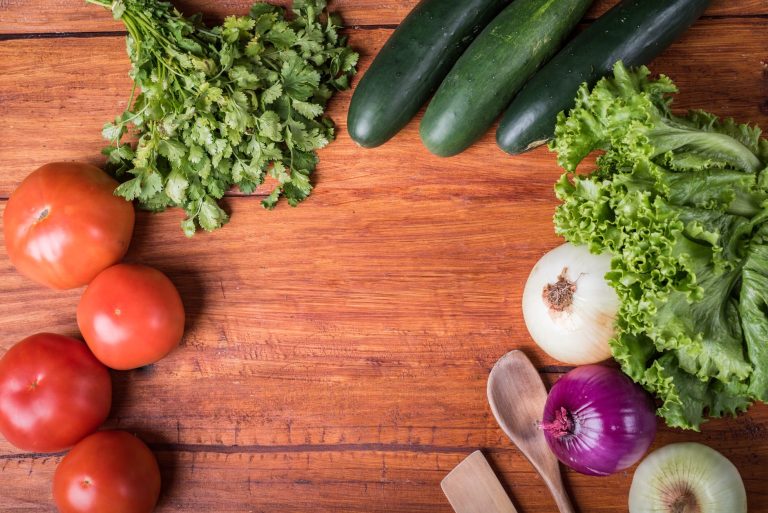
Organic food is not automatically perfect, but it often gives you a cleaner baseline. Fewer pesticide residues, less exposure to unnecessary additives, and a stronger emphasis on whole ingredients can all make it easier to stay aligned with a healthy diet. For people who are serious about clean eating, that added consistency matters.
Organic vegetables, fruits, dairy, eggs, and grains can be integrated into meals in ways that feel practical rather than restrictive. That makes the habit more sustainable, and sustainability is one of the most important ingredients in long-term nutrition success.
[IMAGE: organic vegetables]
Can an Organic Diet Support Weight Loss Without Feeling Like a Diet?
Yes, and that is one of the biggest advantages. A well-structured organic diet can support weight loss by helping you feel more satisfied, reducing cravings, and making your meals more nutrient-dense. Instead of focusing on how little you can eat, you focus on how well you can eat. That shift often changes everything.
Why Organic Meals May Improve Satiety
Whole organic foods often contain more fiber, water, and natural structure than processed foods. That means they tend to digest more slowly and keep you satisfied for longer. A meal built around roasted vegetables, lean protein, healthy fats, and whole grains usually does a much better job of managing appetite than a highly refined meal with similar calories.
How Better Digestion Can Reduce Cravings
Cravings are not always about willpower. They may be influenced by blood sugar swings, insufficient protein, poor sleep, stress, or digestive imbalance. When your gut is supported with organic food and clean eating habits, cravings often become easier to understand and manage.
Ask yourself this: are you truly hungry, or are you reacting to instability in your routine? Sometimes the best weight loss strategy is not more restriction but more nourishment.
What a Realistic Weight Loss Mindset Looks Like
A healthy lifestyle is not built on punishment. It is built on consistency, balance, and meals that you can enjoy repeatedly. The most effective plans are the ones you can live with. Organic food helps because it encourages you to think in terms of quality, not just quantity.
- Eat enough protein to stay satisfied
- Include vegetables at most meals
- Use healthy fats in moderation
- Keep sugar lower without becoming obsessive
- Support digestion with fiber and hydration
- Move your body regularly
This is the kind of structure that makes healthy weight loss feel achievable instead of draining.
The Role of Hydration in a Gut-Friendly Detox Diet
Hydration is one of the most overlooked parts of a detox diet and a healthy lifestyle. Water supports digestion, nutrient transport, waste elimination, and energy regulation. If you are eating more fiber, you will need more fluid to help everything move comfortably through the system.
Some people turn to extreme juice cleanses when they want to reset their eating habits. But a smarter detox diet is one that gently supports the body’s natural processes every day. That means hydration, regular meals, fiber, and enough rest.
Simple Gut-Supportive Drinks
If plain water feels boring, try making hydration more appealing without loading it with sugar.
- Water with cucumber and mint
- Warm lemon water in the morning
- Unsweetened herbal teas
- Infused water with berries and basil
- Light broths made with organic vegetables
These drinks can complement clean eating and help you stay consistent with your nutrition goals.
How Stress, Sleep, and Movement Affect Digestion
Gut health is not just about the plate in front of you. Stress, sleep, and exercise all influence digestion in real ways. If your routine is chaotic, even a strong organic food plan may only go so far. That is why a whole-person healthy lifestyle matters.
Stress and the Digestive System
High stress can interfere with stomach acid production, digestion, and bowel regularity. It can also increase the urge to eat emotionally or skip meals entirely. A calm nervous system creates a better environment for digestion.
Try simple stress-reducing habits such as walking after meals, taking a few deep breaths before eating, or creating a quiet breakfast routine. These small choices can improve how your body handles food.
Sleep and Appetite Regulation
Poor sleep can affect hunger hormones and increase cravings for processed foods. If you are trying to support weight loss and gut health at the same time, sleep becomes non-negotiable. Your body recovers, repairs, and resets during rest.
Going to bed on time may not sound as exciting as the latest superfood, but it may be even more important.
Fitness Lifestyle and Digestion
Movement supports circulation, metabolism, and bowel regularity. You do not need exhausting workouts to benefit. Daily walking, strength training, yoga, and light cardio can all support a healthy lifestyle and improve how you feel after eating.
[IMAGE: fitness lifestyle]
Common Organic Diet Mistakes That Can Hurt Gut Health
Even a well-intentioned organic diet can fall short if it is unbalanced. Many people make the mistake of assuming that anything organic is automatically healthy in all amounts. But nutrition still matters, and your gut needs variety, balance, and consistency.
Too Much Fiber Too Fast
If you suddenly double your fiber intake, you may feel bloated or uncomfortable. Increase fiber gradually and drink enough water. Your gut bacteria need time to adjust.
Skipping Protein
A lot of clean eating plans emphasize plants but forget protein. Protein helps with satiety, muscle maintenance, and stable energy. Make sure your meals include enough of it, whether from eggs, yogurt, fish, poultry, tofu, tempeh, beans, or legumes.
Relying on Packaged Health Foods
Some products are marketed as healthy but still contain a long list of ingredients that do not serve your gut. Always check labels. Does the product actually support your nutrition goals, or is it just wearing a healthy halo?
Thinking Detox Has to Mean Restriction
A detox diet should support the body, not stress it. Skipping meals, overdoing cleanses, or cutting too much food can backfire. A nourishing organic food approach is usually more effective and far more sustainable.
Smart Grocery Shopping for a Gut-Friendly Organic Diet
A strong healthy diet starts in the grocery store. If your kitchen is filled with supportive ingredients, it becomes much easier to make good choices during the week. Think of your shopping cart as the beginning of your success.
What to Buy More Often
- Organic leafy greens
- Seasonal vegetables
- Fresh fruit with high fiber
- Organic eggs or plant proteins
- Plain yogurt or kefir
- Beans, lentils, and oats
- Nuts, seeds, and healthy oils
How to Read Labels Like an Expert
Choose products with short ingredient lists whenever possible. The closer a food is to its natural form, the more likely it is to fit a clean eating plan. Watch for hidden sugar, excess sodium, and ingredients that make a product seem healthier than it really is.
Seasonal and Local Benefits
Seasonal produce often tastes better, may be more affordable, and can fit beautifully into an organic food routine. Local produce can also feel fresher and more inspiring to cook with. When your ingredients are appealing, healthy eating becomes far easier to maintain.
Easy Meal Prep Ideas That Make Healthy Eating Realistic
Meal prep is one of the most reliable ways to stay consistent with gut-friendly nutrition. You do not need to spend all Sunday cooking. A few strategic steps can save time and reduce decision fatigue during the week.
Prep Once, Eat Well All Week
- Roast a tray of organic vegetables
- Cook a grain such as quinoa or brown rice
- Prepare a protein source like chicken, tofu, or lentils
- Wash and dry leafy greens
- Make one simple dressing or sauce
- Keep fermented foods ready to add at mealtime
This type of preparation helps you build balanced meals quickly, which is essential when your schedule is busy. Clean eating is much easier when the foundation is already in place.
Mix and Match for Variety
You do not need a new recipe every day. Instead, use the same ingredients in different combinations. Roasted vegetables can become a bowl, a salad topping, or a side dish. Lentils can be turned into soup one night and salad the next. The more flexible your plan, the less likely you are to abandon it.
How to Know If Your Gut-Friendly Routine Is Working
The signs of progress may be subtle at first. You may notice less bloating, more regular digestion, better energy after meals, or fewer cravings for processed snacks. Some people also report clearer skin and a more stable mood when they keep up with a nutrition-focused organic diet.
Progress does not require perfection. If you are eating more whole organic food, improving your clean eating habits, and giving your body a chance to recover from constant processed-food overload, you are already moving in the right direction.
Look for These Positive Changes
- More regular digestion
- Less heaviness after meals
- Steadier energy throughout the day
- Reduced desire for sugary foods
- Improved meal satisfaction
- Better consistency with weight loss habits
These are the kinds of results that make a healthy lifestyle feel rewarding rather than forced. Wouldn’t you rather build a routine that supports your body naturally?
Bringing It All Together in a Way That Lasts
The best organic food strategy for gut health is not the most dramatic one. It is the one you can follow in real life. A balanced approach built on clean eating, high-quality nutrition, adequate hydration, and regular movement can support digestion while also making weight loss feel more manageable. You do not need to live on salads or follow a harsh detox diet to feel better. You need meals that nourish your gut, calm your cravings, and fit your actual life.
If you begin with one breakfast swap, one better lunch, or one grocery change this week, you are already making progress. Small improvements add up when they are repeated often enough. And that is the real power of a healthy lifestyle: not perfection, but momentum. Keep choosing organic food that works with your body, stay curious about what helps you feel your best, and explore more expert articles on DietOrganic to keep building a cleaner, stronger, and more confident routine.
About the Author