
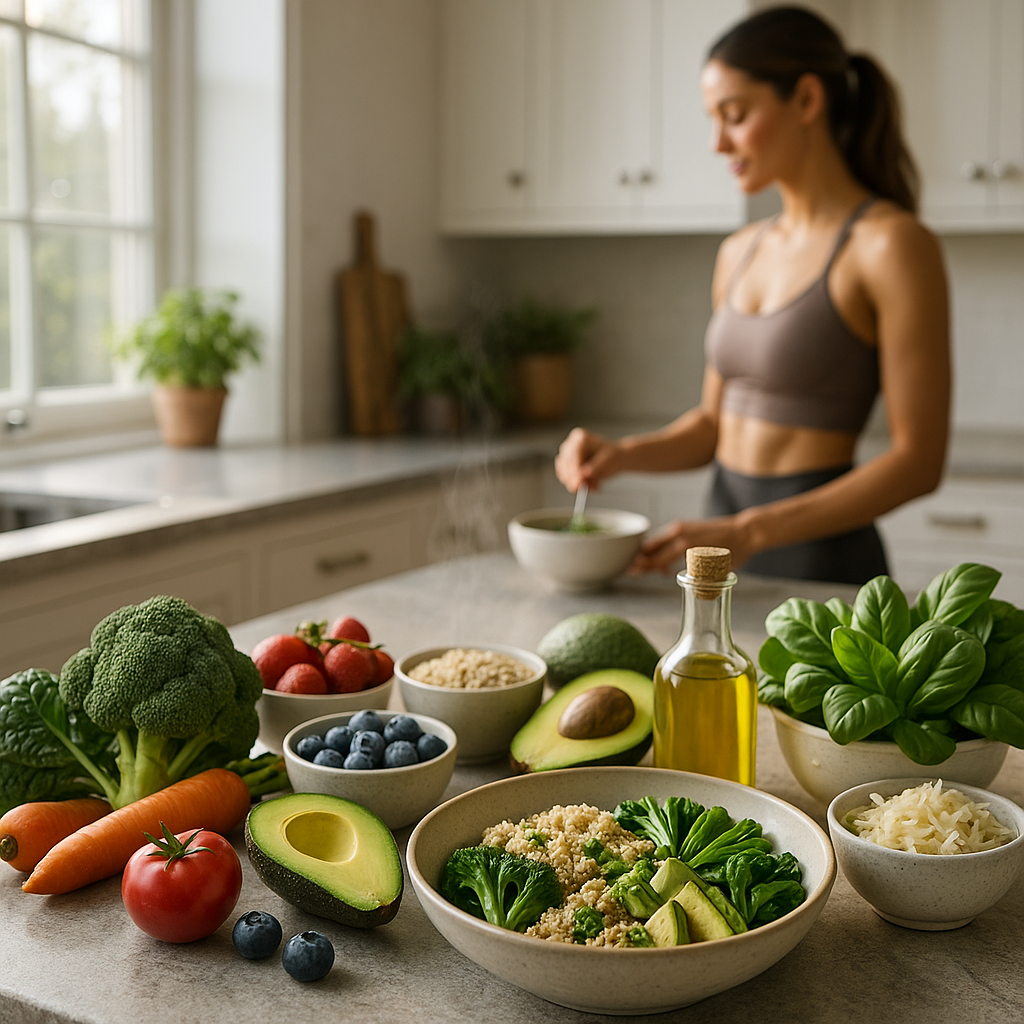
When people think about weight loss, they often focus on calories, workouts, or the latest trend in nutrition. Yet one of the most powerful influences on body composition, energy, and long-term wellness is far less dramatic: the health of your digestive system. If your meals leave you bloated, sluggish, or craving sugar an hour later, the problem may not be willpower at all. It may be the quality of the food on your plate.
That is where organic food and clean eating come together in a practical, sustainable way. By choosing organic ingredients that are closer to their natural state, you give your body fewer synthetic additives to process and more nutrients to use. For many people, this approach supports digestion, steadier energy, improved metabolism, and a healthier relationship with food. And yes, it can also support weight loss without turning meals into punishment.
Have you ever noticed that some meals feel satisfying for hours while others seem to trigger cravings almost immediately? That difference often comes down to fiber, protein, healthy fats, and the quality of the ingredients. A clean eating approach built around organic food can help you create meals that feel nourishing instead of restrictive, which is exactly why this style of eating is becoming a cornerstone of modern healthy lifestyle habits.
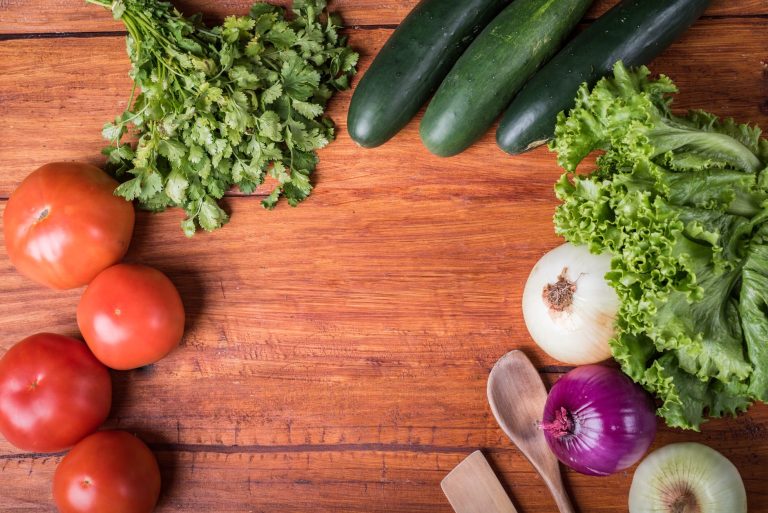
[IMAGE: organic vegetables]
Why Gut Health Matters More Than Most Diet Plans Admit
Your gut does far more than digest food. It plays a central role in nutrient absorption, immune function, inflammation, hormone balance, and even mood. The gut microbiome, which is the ecosystem of bacteria and other microorganisms in your digestive tract, thrives when it receives the right fuel. When that ecosystem is supported, people often notice fewer digestive issues, better regularity, and more stable appetite signals.
That matters for weight loss because the body rarely responds well to chronic stress, erratic eating patterns, or overly processed meals. If your digestion is sluggish, you may feel inflamed, less energetic, and more likely to reach for quick fixes that do not actually help. Clean eating built around organic food can be a gentler and more effective approach because it focuses on real nourishment rather than deprivation.
Think about it this way: what is easier to sustain over time, a plan built around rigid rules or a plan built around satisfying, naturally flavorful foods? Most people do better when the path feels realistic. Organic food can make healthy eating feel richer and more enjoyable, which improves consistency, and consistency is where real results happen.
What Makes Organic Food So Valuable for a Healthy Diet?
Organic food is grown and produced according to standards that limit synthetic pesticides, herbicides, and genetically modified ingredients in many categories. While no food is perfect, many people choose organic because they want fewer chemical residues and more confidence in what they are eating. For a healthy diet, that can be an important psychological and practical advantage.
Organic produce also tends to be fresher for some shoppers because it often moves through shorter supply chains. More importantly, organic eating encourages attention to ingredient quality. When you choose organic vegetables, fruits, grains, dairy, and protein sources, you naturally start building meals from more whole, recognizable ingredients. That is the essence of clean eating.
The benefit is not only what you avoid. It is also what you add. Organic food often forms the foundation of meals that are rich in fiber, vitamins, minerals, and antioxidants. These nutrients support energy production, digestion, and recovery, which is especially important if you are trying to lose weight without feeling depleted.
Organic Eating Encourages Better Food Choices
Once a person begins shopping intentionally for organic staples, their pantry often changes in a positive way. Instead of ultra-processed snacks and packaged meals loaded with excess sodium and sugar, the kitchen starts to fill with fresh produce, whole grains, nuts, seeds, legumes, and clean proteins. This shift changes not only the contents of your meals but also the way you think about food.
Suddenly, the question is no longer, “What quick thing can I eat?” It becomes, “What nutrient-dense meal can I build?” That mindset matters because healthy lifestyle changes are not just about discipline; they are about design. Your environment shapes your habits, and organic food can help shape a healthier environment in your home.
The Best Organic Foods for Gut Health and Weight Loss
Some organic foods are especially valuable because they combine digestive support with satiety and nutrient density. When these foods become regular features in your meals, they can help you feel full longer, reduce overeating, and improve the overall quality of your nutrition.
1. Organic Leafy Greens
Spinach, kale, arugula, romaine, and Swiss chard are packed with fiber, magnesium, folate, and plant compounds that support overall wellness. Leafy greens are light enough to digest comfortably for many people, yet substantial enough to contribute to fullness when paired with protein and healthy fats.
Try adding them to smoothies, omelets, salads, soups, or warm grain bowls. If you are focused on weight loss, these vegetables are especially helpful because they add volume without adding excess calories. Why not use them as the base of more meals this week?
2. Organic Fermented Foods
Fermented foods can be powerful allies for gut health because they may introduce beneficial microorganisms that help maintain a balanced digestive environment. Organic yogurt, kefir, sauerkraut, kimchi, miso, and tempeh are all worth considering if they fit your diet.
Start with small servings, especially if fermented foods are new to you. Some people notice improved digestion quickly, while others need time to adjust. Pairing fermented foods with fiber-rich meals can create a strong foundation for clean eating and digestive resilience.
3. Organic Berries
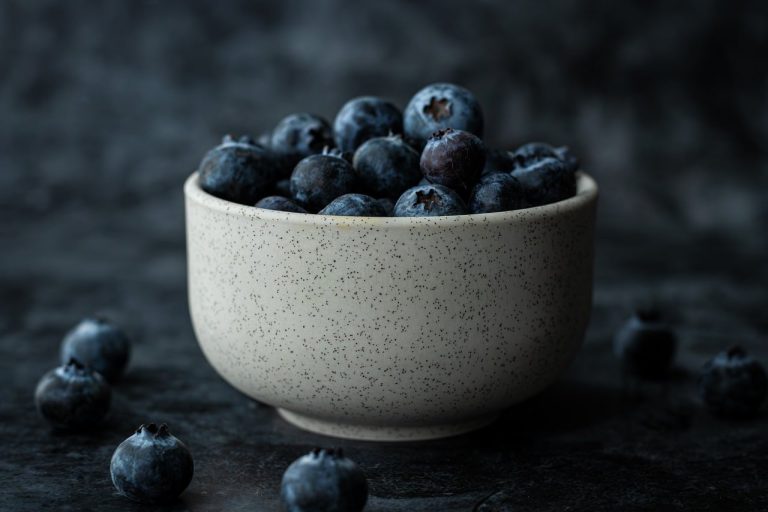
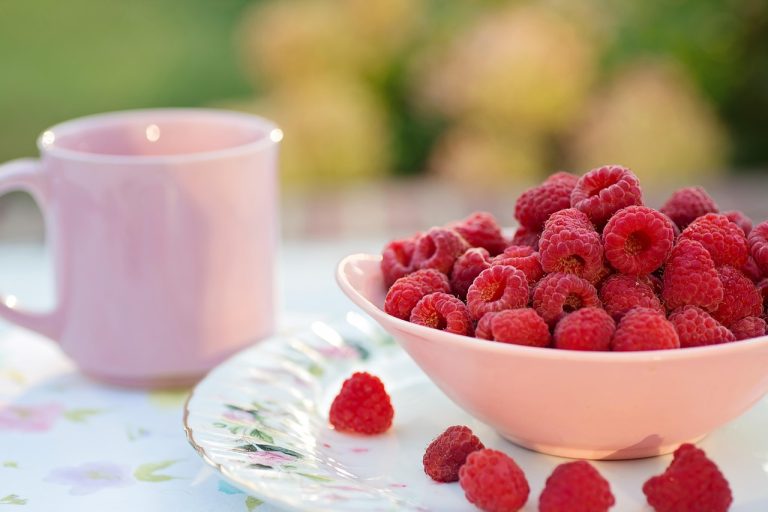
Blueberries, raspberries, strawberries, and blackberries provide antioxidants, vitamin C, and fiber. They are sweet enough to satisfy cravings but generally lower in sugar than many desserts and packaged snacks. Their fiber supports digestion, while their antioxidants help protect cells from oxidative stress.
Berries are ideal for breakfast bowls, chia pudding, yogurt parfaits, or simple snacks. If you want a food that feels indulgent without derailing your healthy diet, berries are a smart option.
4. Organic Apples and Pears
These fruits are often overlooked, yet they are excellent for gut health because they provide soluble fiber, especially pectin. Soluble fiber helps slow digestion and support more stable blood sugar levels, which can reduce the urge to snack constantly.
An apple with nut butter or a sliced pear with a handful of walnuts can be a simple, satisfying bridge between meals. Clean eating does not have to be complicated; sometimes the best solution is beautifully simple.
5. Organic Oats and Whole Grains
Organic oats, quinoa, brown rice, buckwheat, and millet offer complex carbohydrates and fiber that help keep you satisfied. Whole grains can be especially valuable if you are active, because they support energy needs without the crash that often follows refined carbohydrates.
For gut health, choose portions that feel supportive rather than excessive. A balanced plate with whole grains, vegetables, protein, and fat can help stabilize appetite and fuel your day more effectively than a carb-heavy meal on its own.
6. Organic Avocados and Olive Oil
Healthy fats are essential for hormone health, satiety, and nutrient absorption. Organic avocados and extra-virgin olive oil are particularly useful in a clean eating pattern because they make meals more satisfying and more flavorful. When your meals satisfy you, you are less likely to overeat later.
A drizzle of olive oil over vegetables or a few slices of avocado with eggs or salad can completely change the experience of a meal. Weight loss should not mean dry, joyless food. It should mean smart, nourishing combinations that your body actually wants.
7. Organic Legumes
Lentils, chickpeas, black beans, and cannellini beans are rich in fiber and plant-based protein. They support digestive health, help regulate appetite, and provide long-lasting energy. For many people, legumes are one of the most affordable ways to eat clean without sacrificing nutrition.
If your digestion is sensitive, begin with smaller portions and cook them well. Season them with herbs like cumin, ginger, fennel, or turmeric to create meals that are both flavorful and easier on the gut.
8. Organic Ginger and Turmeric
These roots are small but mighty. Ginger is commonly used to support digestion and comfort, while turmeric is widely appreciated for its role in an anti-inflammatory diet. Both can be added to teas, dressings, soups, and smoothies.
For a healthy lifestyle, keeping these ingredients on hand makes it easier to build a detox diet or clean eating routine that feels grounded and intentional rather than extreme.
[IMAGE: healthy meal]
How Organic Food Supports a Cleaner, More Stable Appetite
Many people do not struggle with hunger as much as they struggle with unstable appetite. One meal leaves them full, the next leaves them searching for snacks, and the cycle continues. Organic food can help interrupt this pattern when it is used to build balanced meals with enough protein, fiber, and fat.
Why does this matter for weight loss? Because constant cravings make consistency harder. If your meals keep you genuinely satisfied, you are less likely to reach for sugary snacks or oversized portions later in the day. That makes clean eating feel less like a strategy and more like a natural rhythm.
Balanced Meals That Actually Work
A smart plate usually includes three things: protein, fiber-rich plants, and a source of healthy fat. For example, organic salmon with roasted vegetables and quinoa, or lentil soup with leafy greens and olive oil, or eggs with avocado and berries. Simple combinations like these can produce better results than chasing food trends.
Ask yourself this before each meal: will this keep me satisfied for the next few hours? If the answer is no, the meal may need more protein, more fiber, or more fat. This kind of awareness can transform your relationship with food without requiring a strict diet mentality.
Organic Clean Eating Habits That Support Weight Loss
It is easy to assume weight loss comes from cutting food aggressively, but the more sustainable path usually involves improving food quality and meal structure. Clean eating does not mean fear-based eating. It means building a routine that supports the body instead of confusing it.
- Choose whole organic ingredients more often: The fewer the ingredients, the easier it is to recognize what you are eating.
- Eat enough protein at each meal: This helps preserve lean mass, support satiety, and prevent energy dips.
- Prioritize fiber daily: Vegetables, fruit, legumes, seeds, and whole grains help keep digestion moving.
- Stay hydrated: Digestion depends on water, and many people mistake thirst for hunger.
- Reduce ultra-processed foods: Even occasional shifts away from heavily packaged foods can improve how you feel.
- Plan ahead: A clean kitchen makes clean eating easier during busy days.
These habits are simple, but their impact is significant when repeated consistently. That is the real secret behind a healthy diet: not perfection, but repetition of good choices.
A Practical Organic Meal Pattern for a Busy Day
One of the biggest barriers to healthy eating is not lack of knowledge. It is lack of time. If you want organic food to become part of a realistic healthy lifestyle, you need meal patterns that are quick enough to repeat.
Morning
Begin with a breakfast that steadies energy instead of spiking it. Organic oats topped with berries, chia seeds, and Greek yogurt can be a strong option. If you prefer savory food, try eggs with spinach, tomatoes, and avocado. A balanced breakfast can reduce cravings and support focus for the rest of the day.
Midday
Lunch should feel satisfying without making you sleepy. A salad bowl with organic greens, quinoa, chickpeas, cucumber, carrots, pumpkin seeds, and olive oil dressing provides fiber, protein, and healthy fats. If you need more substance, add grilled chicken, tofu, or salmon.
Afternoon
This is often the danger zone for mindless snacking. Instead of reaching for packaged foods, choose an apple with almond butter, kefir with berries, or a small handful of walnuts and carrots. A snack should support your day, not create a new crash.
Evening
Dinner can be simple and still feel elegant. Roast organic vegetables, serve them with a protein source, and add a modest portion of whole grains or legumes. Soup is also a wonderful evening option because it can be gentle on digestion while still offering deep nourishment.
[IMAGE: fitness lifestyle]
What to Avoid If You Want Better Digestion and Steadier Energy
Clean eating is not about fear, but certain habits can make digestion harder and weight loss more frustrating. If you often feel bloated, tired, or ravenous after meals, one of these patterns may be getting in the way.
Overreliance on Processed Health Foods
Not every food labeled natural, vegan, or low-fat is truly supportive of a healthy diet. Many packaged bars, snacks, and ready-made meals contain added sugar, refined oils, and long ingredient lists that can work against your goals. Read labels carefully and ask whether a product actually resembles real food.
Not Eating Enough
Some people try to lose weight by eating too little, only to trigger intense hunger later. This can backfire by slowing energy, increasing stress, and leading to rebound eating. Organic food should support your body, not leave it underfed.
Too Much Random Snacking
Even healthy snacks can become a problem if they are constant and unplanned. Snacking without intention makes it harder to understand your true hunger. Try to create meals that are satisfying enough to carry you to the next one.
Ignoring Fiber
Protein gets a lot of attention, but fiber is equally important for gut health. A meal without vegetables, fruit, legumes, or whole grains may feel incomplete, even if it looks balanced on paper. Fiber is one of the simplest ways to improve digestion and support fullness.
How to Build an Organic Grocery List That Actually Helps You
The easiest diet to follow is the one that begins before you are hungry. A thoughtful grocery list saves time, lowers stress, and reduces the chance of impulse purchases. If your pantry is stocked with clean staples, you are much more likely to make healthy choices when life gets busy.
- Organic leafy greens such as spinach, kale, and arugula
- Organic berries, apples, pears, and citrus
- Organic oats, quinoa, brown rice, and legumes
- Organic eggs, yogurt, kefir, tofu, or clean proteins of choice
- Avocados, olive oil, nuts, seeds, and nut butters
- Fermented foods like sauerkraut, kimchi, or miso
- Ginger, turmeric, garlic, and fresh herbs
With a list like this, meal planning becomes much easier. You do not need an elaborate system to eat well. You need a set of ingredients that can be combined in multiple ways without stress.
Can Organic Food Support a Detox Diet Without Extremes?
Many people use the phrase detox diet to describe a reset, but your body already has its own detoxification systems through the liver, kidneys, lungs, skin, and digestive tract. The most effective way to support those systems is not through extreme cleanses. It is through steady nourishment.
Organic food can be part of that support because it often emphasizes fresh produce, hydration, fiber, and fewer heavily processed ingredients. Instead of chasing dramatic detox claims, focus on habits that help your body do its job well. That means vegetables, fruits, clean proteins, water, and fewer synthetic additives.
A gentle reset may include more greens, more broth-based meals, more herbs, and more home-cooked foods. But the goal should always be resilience, not deprivation. The best detox diet is one that you can maintain while feeling energized, not one that leaves you exhausted and obsessed with food.
The Role of Nutrition Timing in a Healthy Lifestyle
Sometimes the difference between feeling great and feeling off is not only what you eat but when and how you eat it. Long gaps between meals can trigger overeating later, while constant grazing can make it hard to recognize hunger and fullness. The right rhythm looks different for everyone, but awareness is key.
If you train in the morning, you may need a more substantial breakfast. If your workday is long and demanding, a well-planned lunch and snack might prevent evening overeating. The point is not to follow a rigid schedule. The point is to notice what keeps your energy steady and your digestion calm.
Questions Worth Asking Yourself
Do I usually feel energized after I eat, or heavy and tired? Do I get cravings because I am hungry, bored, stressed, or undernourished? Am I eating enough vegetables and fiber, or am I relying on convenience foods more often than I realize? These questions are simple, but they reveal patterns that can help you make smarter decisions.
How Organic Food Fits Into Real Weight Loss
Weight loss becomes much more achievable when the body is well-fed, the digestive system is comfortable, and meals are satisfying. Organic food supports this process by making it easier to build meals from whole, nutrient-dense ingredients. When paired with portion awareness, movement, sleep, and stress management, the results can be powerful.
It is important to remember that healthy weight loss is rarely dramatic from one week to the next. More often, it shows up as fewer cravings, better digestion, steadier energy, and a more natural appetite. Those changes may seem subtle, but they create momentum. They allow a healthy diet to become a lifestyle instead of a temporary challenge.
And what is more motivating than feeling better in your own body? When your meals begin to support you, your choices become easier. You are not fighting yourself at every turn. You are working with your body, and that changes everything.
Simple Organic Recipe Ideas for Daily Clean Eating
If you want to put these ideas into practice, start with meals that are easy to repeat and easy to enjoy. Clean eating works best when it does not feel like a chore. The more pleasant your meals are, the more likely you are to stick with them.
Breakfast Ideas
Organic yogurt with berries, chia seeds, and walnuts. Oatmeal with apple slices, cinnamon, and almond butter. Veggie omelet with spinach, mushrooms, and herbs. These breakfast ideas support digestion and provide steady energy without feeling heavy.
Lunch Ideas
Quinoa bowl with roasted vegetables and chickpeas. Turkey or tofu salad with avocado and pumpkin seeds. Lentil soup with a side of fermented vegetables. Lunch should help you stay focused and satisfied through the rest of the day.
Dinner Ideas
Salmon with broccoli and sweet potato. Tempeh stir-fry with organic vegetables and brown rice. Chicken soup with ginger, garlic, and leafy greens. Dinner can be nourishing, comforting, and aligned with your weight loss goals all at once.
Snack Ideas
Carrots with hummus, berries with kefir, celery with nut butter, or a pear with a few almonds. A good snack should feel clean, simple, and useful, not like a sugar trap dressed up as health food.
How to Make Organic Eating Affordable and Sustainable
One of the biggest myths about organic food is that it is only for people with unlimited time or money. In reality, a smart approach can make clean eating both affordable and practical. The key is to prioritize the foods you eat most often and buy strategically.
Frozen organic vegetables, seasonal produce, bulk grains, dried legumes, and store-brand organic staples can make a huge difference. It is also helpful to plan meals around the ingredients you already have rather than buying random products that may go unused. Waste is expensive, and planning reduces waste.
Choose a few high-impact organic foods first: berries, leafy greens, eggs, oats, yogurt, and olive oil are great starting points. From there, build outward. Sustainable nutrition is built on habits you can afford to repeat.
The Mindset Shift That Makes Clean Eating Stick
The most successful healthy lifestyle changes usually begin with identity. Instead of asking, “What diet can I force myself to follow?” try asking, “What kind of eater do I want to become?” That subtle shift can be transformative. It moves the focus from control to care.
When you see organic food as a way to nourish your body, protect your energy, and support weight loss naturally, you stop treating food like an enemy. You begin to choose meals that help you feel clear, comfortable, and grounded. That is a much more sustainable relationship with nutrition than chasing extremes.
Clean eating is not about eating perfectly. It is about eating in a way that makes your life feel better, your digestion feel calmer, and your goals feel more reachable. If you keep that perspective, each meal becomes an opportunity rather than a test.
If you are ready to keep building a healthier routine, the best next step is to keep learning, experimenting, and paying attention to how your body responds. Explore more DietOrganic articles for practical guidance on organic food, nutrition, healthy lifestyle habits, and clean eating ideas that make everyday meals easier to enjoy and easier to sustain.
About the Author