
If your body has been asking for a pause, you are not alone. There is a particular kind of exhaustion that comes from too many processed meals, too much sugar, rushed lunches, late-night snacking, and a calendar that never seems to slow down. You may feel bloated before noon, heavy after dinner, and somehow still unsatisfied even when you have eaten plenty. The good news is that a reset does not have to be extreme to be effective. The Organic Reset Diet is a calm, structured way to return to real food, steady energy, better digestion, and a lighter, more balanced rhythm.
Think of it as a premium clean eating plan built around organic food, simple meals, and supportive habits that can help your body feel less overwhelmed. It is not a punishment. It is not a crash detox diet. It is a 14-day reset designed to make healthy eating feel easier, more elegant, and more sustainable. For many people, this kind of organic nutrition reset becomes the first real step back toward a healthier lifestyle that actually feels livable.
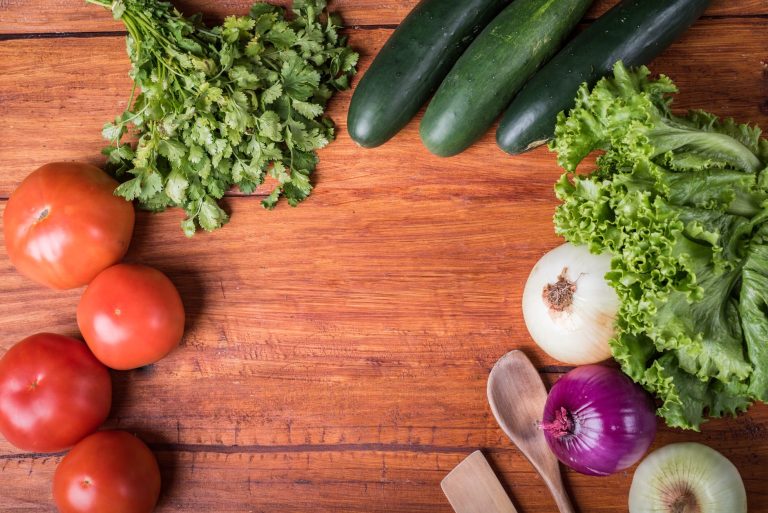
[IMAGE 1: Fresh organic vegetables on a kitchen counter]
Image Alt Text: Fresh organic vegetables arranged on a bright kitchen counter for a clean eating reset.
Image Caption: Real food is where every reset begins.
What the Organic Reset Diet Actually Is
The Organic Reset Diet is a short-term healthy meal plan focused on whole, minimally processed ingredients, with an emphasis on organic food whenever possible. The goal is simple: reduce the noise in your diet so your body can settle into a more natural rhythm. That means fewer packaged foods, fewer artificial additives, fewer sugar spikes, and more anti-inflammatory foods, fiber-rich plants, quality protein, healthy fats, and hydration.
Unlike extreme detox trends that promise dramatic changes overnight, this plan is built on realistic habits. It supports gut health, steadier blood sugar, improved digestion, and the kind of natural weight loss that tends to happen when you eat more consistently and more mindfully. The idea is not to starve yourself or chase perfection. It is to give your system a break from the ingredients that often leave people feeling puffy, tired, and out of sync.
You can also think of it as an organic diet reset. For 14 days, you return to basics: vegetables, fruits, lean proteins, legumes, whole grains, healthy fats, herbs, and plenty of water. These foods are satisfying, colorful, and naturally nourishing. They help you build a cleaner pattern without turning your kitchen into a place of stress.
Who the Organic Reset Diet Is For
This plan is for people who want to feel better without taking an extreme approach. It is ideal if you are tired of grazing on convenience foods, if your energy crashes every afternoon, or if you feel bloated after meals and want to simplify your routine. It can also be a helpful starting point if you are trying to build a more organic nutrition habit and want a clear, manageable plan instead of vague advice.
It may be especially useful for people who:
- Want to clean up their eating without counting every calorie
- Feel weighed down by processed foods and excess sugar
- Want to focus on gut health and more balanced digestion
- Need a practical reset before returning to a normal routine
- Prefer simple, elegant meals made with organic ingredients
- Are looking for a natural weight loss approach that feels gentle and sustainable
It is not the right choice for everyone, especially if you have a medical condition, are pregnant or breastfeeding, or have a history of disordered eating. In those cases, personalized guidance matters. And for everyone else, it is worth remembering that healthy change is not about doing everything perfectly for two weeks. Results vary, and the most meaningful shifts usually come from consistency.
[IMAGE 2: Healthy organic breakfast bowl with berries, seeds, and oats]
Image Alt Text: Organic breakfast bowl with berries, seeds, and oats for a clean eating morning routine.
Image Caption: A nourishing breakfast can set the tone for the entire day.
The Main Benefits of an Organic Reset
People often start a reset because they want weight loss, but the deeper benefits are usually what make it worth repeating. When you build meals around organic food and simple whole ingredients, you often notice changes far beyond the scale.
1. More steady energy
When meals are built around protein, fiber, and healthy fats, blood sugar tends to feel smoother. That can mean fewer crashes, fewer cravings, and less of that foggy, dragging feeling that comes from eating too much sugar or too many refined carbs.
2. Less bloating
Many people feel lighter when they reduce ultra-processed foods, excess sodium, carbonated drinks, and heavy late-night meals. A supportive organic diet can also encourage better hydration and more regular digestion.
3. Better gut health
Fiber from vegetables, berries, beans, lentils, seeds, and whole grains helps feed the beneficial bacteria in the gut. That matters for digestion, appetite regulation, and even how comfortable you feel after eating.
4. More mindful eating
A reset can help you notice your habits again. You become more aware of hunger, fullness, cravings, and emotional eating patterns. That awareness is often more valuable than any quick fix.
5. Natural weight loss support
When you remove many of the most calorie-dense, highly processed foods and replace them with nutrient-rich meals, weight loss may follow naturally. The keyword is may. Your body is not a machine, and the best results come from realistic habits, not pressure.
[IMAGE 3: Woman preparing a clean organic lunch in a bright kitchen]
Image Alt Text: Woman preparing a clean organic lunch with fresh vegetables in a bright kitchen.
Image Caption: Simple meal prep turns healthy intentions into daily action.
Your 14-Day Organic Reset Plan
The plan below is intentionally simple. You do not need a complicated detox, expensive powders, or a long list of rules. You just need a structure that helps you make better choices with less effort. Each day includes a focus, plus ideas for breakfast, lunch, dinner, and snacks. Feel free to repeat meals that work for you. Repetition is not boring when it makes healthy living easier.
Days 1 to 3: Clear the clutter and simplify
The first three days are about removing friction. You are not trying to impress anyone. You are trying to make the kitchen work for you instead of against you.
Day 1: Reset your environment
Start by clearing obvious trigger foods from your pantry and refrigerator. Set out easy options instead: washed fruit, chopped vegetables, hummus, yogurt, eggs, oats, nuts, and herbs. Your first day should feel grounding, not strict.
Breakfast: Organic oats with blueberries, chia seeds, cinnamon, and a spoon of almond butter.
Lunch: Mixed greens with grilled chicken, cucumber, avocado, pumpkin seeds, olive oil, and lemon.
Dinner: Baked salmon with roasted zucchini, carrots, and quinoa.
Snack: An apple with a handful of walnuts.
Day 2: Hydrate with intention
Hydration can change the way this entire reset feels. Water, herbal tea, and water-rich foods help you feel more awake and less puffy. Add lemon, mint, or cucumber if that makes water more appealing.
Breakfast: Greek yogurt with raspberries, flaxseed, and oats.
Lunch: Lentil soup with a side salad and olive oil dressing.
Dinner: Turkey lettuce wraps with avocado, tomato, and brown rice.
Snack: Cucumber slices with hummus.
[IMAGE 5: Organic detox water with lemon, cucumber, and mint]
Image Alt Text: Organic detox water with lemon, cucumber, and mint on a clean table.
Image Caption: Hydration becomes easier when it feels fresh and inviting.
Day 3: Build balanced plates
Today is about learning the shape of a balanced meal. A good reset plate usually includes protein, vegetables, healthy fat, and a modest portion of slow-digesting carbs.
Breakfast: Eggs with sautéed spinach, tomatoes, and a slice of sprouted grain toast.
Lunch: Quinoa bowl with roasted vegetables, chickpeas, and tahini dressing.
Dinner: Chicken breast with steamed broccoli and sweet potato.
Snack: A pear with sunflower seeds.
Days 4 to 7: Nourish and stabilize
By now, your body may be settling into the rhythm of the reset. The next few days focus on stable energy, better digestion, and more satisfying meals. This is where the organic diet starts to feel less like a challenge and more like a system.
Day 4: Prioritize protein
Protein helps keep you full and supports steady energy. Organic eggs, poultry, fish, tofu, tempeh, Greek yogurt, beans, and lentils are all useful choices.
Breakfast: Veggie omelet with mushrooms, spinach, and herbs.
Lunch: Tuna salad served over arugula with olives and cherry tomatoes.
Dinner: Stir-fried tofu with broccoli, snap peas, and brown rice.
Snack: Hard-boiled eggs or a small handful of almonds.
Day 5: Focus on anti-inflammatory foods
Anti-inflammatory foods can make the reset feel especially supportive. Think leafy greens, berries, turmeric, ginger, olive oil, walnuts, salmon, and colorful vegetables. You do not need to obsess over every ingredient. Just lean in toward variety and color.
Breakfast: Chia pudding with strawberries and cinnamon.
Lunch: Salmon salad with kale, cucumber, avocado, and sesame seeds.
Dinner: Turkey meatballs with roasted cauliflower and tomato sauce.
Snack: Blueberries with a few pumpkin seeds.
[IMAGE 7: Flat lay of anti-inflammatory organic foods]
Image Alt Text: Flat lay of anti-inflammatory organic foods including berries, greens, nuts, and herbs.
Image Caption: Color and variety bring natural nutrition to the table.
Day 6: Keep meals simple
One reason people abandon clean eating is that they make it too complicated. Today is a reminder that simple is powerful. A few ingredients, cooked well, can feel luxurious and satisfying.
Breakfast: Oatmeal with sliced banana, walnuts, and cinnamon.
Lunch: Chicken and vegetable soup with a side of sliced avocado.
Dinner: Cod with asparagus and roasted potatoes.
Snack: Carrot sticks with guacamole.
Day 7: Notice how your body feels
Day seven is a reflection day. Pay attention to energy, digestion, cravings, mood, and sleep. You may notice small changes before major ones. That is normal. This is not a race; it is a reset.
Breakfast: Smoothie with spinach, frozen berries, chia, and unsweetened yogurt.
Lunch: Brown rice bowl with grilled shrimp, cucumber, shredded carrots, and ginger dressing.
Dinner: Roast chicken with Brussels sprouts and mashed cauliflower.
Snack: A kiwi and a small handful of cashews.
[IMAGE 6: Healthy dinner plate with salmon, greens, and quinoa]
Image Alt Text: Healthy dinner plate with salmon, greens, and quinoa on a modern table.
Image Caption: Balanced dinners can feel elegant, comforting, and deeply satisfying.
Days 8 to 10: Support gut health and energy
The middle of the plan is a great time to lean into foods that support the digestive system. If your stomach tends to feel sensitive, these meals can help you stay comfortable while still feeling satisfied.
Day 8: Add fermented foods carefully
If you tolerate them well, small amounts of fermented foods like plain kefir, yogurt, sauerkraut, or kimchi can support gut health. Start slowly and notice how you respond.
Breakfast: Plain yogurt with berries, oats, and ground flax.
Lunch: Turkey and avocado wrap in a whole-grain or lettuce wrap with a side of sauerkraut.
Dinner: Grilled chicken with roasted carrots and wild rice.
Snack: Celery with almond butter.
Day 9: Keep blood sugar steady
Many cravings begin with uneven blood sugar. Make sure each meal has enough protein and fiber. This helps prevent the snacky, restless feeling that can lead to mindless eating.
Breakfast: Eggs, sautéed greens, and avocado.
Lunch: Black bean salad with corn, tomato, cilantro, and lime.
Dinner: Salmon with green beans and sweet potato wedges.
Snack: A handful of berries with a few Brazil nuts.
Day 10: Eat for calm, not for speed
Try to slow down today. Sit at a table if you can. Chew thoroughly. Put your phone away for at least one meal. You may notice that digestion feels better when the nervous system is not on high alert.
Breakfast: Warm oatmeal with chopped apple, cinnamon, and hemp seeds.
Lunch: Vegetable minestrone with a side of mixed greens.
Dinner: Turkey burger on a lettuce wrap with roasted squash.
Snack: A plum and a few pistachios.
[IMAGE 4: Colorful farmers market with fresh fruits and vegetables]
Image Alt Text: Colorful farmers market filled with fresh organic fruits and vegetables.
Image Caption: Shopping seasonally makes clean eating feel alive and beautiful.
Days 11 to 14: Lock in the habits
The last four days are not about doing more. They are about making the reset feel repeatable. This is where the Organic Reset Diet starts to shift from a short plan into a more natural way of living.
Day 11: Plan tomorrow today
When healthy food is ready, you are far more likely to eat it. Choose one item to prep now: washed greens, roasted vegetables, cooked quinoa, boiled eggs, or a pot of soup.
Breakfast: Chia bowl with blueberries and coconut flakes.
Lunch: Grain bowl with chickpeas, cucumber, roasted beets, and tahini.
Dinner: Baked trout with broccoli and brown rice.
Snack: Sliced bell peppers with hummus.
Day 12: Make dinner your anchor meal
A lot of people feel best when dinner is warm, balanced, and not too heavy. Use dinner to signal the body to slow down. This can support better sleep and reduce late-night cravings.
Breakfast: Veggie scramble with tomatoes and herbs.
Lunch: Chicken salad with apples, celery, and walnuts.
Dinner: Organic turkey chili with beans and a simple side salad.
Snack: Unsweetened yogurt or a small orange.
Day 13: Keep it social
A healthy lifestyle is easier to maintain when it still feels connected to real life. If you are eating with family or friends, keep the plate simple and enjoy the company rather than trying to make the meal perfect.
Breakfast: Overnight oats with raspberries and seeds.
Lunch: Chicken and avocado salad with olive oil and herbs.
Dinner: Grilled shrimp, roasted vegetables, and quinoa pilaf.
Snack: Grapes and a few almonds.
Day 14: Reflect and choose what stays
On the final day, ask yourself what felt easiest. Was it breakfast prep? Drinking more water? Eating more vegetables? That is the real gift of a reset: it shows you what actually works in your life.
Breakfast: Smoothie bowl with spinach, berries, flax, and yogurt.
Lunch: Lentil and vegetable bowl with olive oil and lemon.
Dinner: Roast chicken, Brussels sprouts, and baked sweet potato.
Snack: A peach or apple with a spoon of nut butter.
[IMAGE 8: Person grocery shopping for organic ingredients]
Image Alt Text: Person grocery shopping for organic ingredients at a well-stocked market.
Image Caption: Smart shopping is the quiet foundation of an easier week.
What to Avoid During the 14 Days
You do not need to fear food to benefit from this reset. The idea is simply to remove the ingredients that most often make people feel sluggish, bloated, or off balance. Avoiding a few common triggers can make the entire experience smoother.
- Ultra-processed packaged foods
- Refined sugar and candy
- Soda and sugary drinks
- Frequent alcohol
- Deep-fried foods
- Artificial sweeteners if they upset your digestion
- Excessive takeout meals
- Mindless grazing while distracted
Also try to reduce the habits that make clean eating harder: skipping meals and then overeating later, staying up too late, relying on caffeine to replace breakfast, and treating the reset like a test you can fail. The best detox diet approach is the one that feels calm enough to continue.
Common Mistakes People Make
Even a simple healthy meal plan can feel frustrating if you approach it the wrong way. The good news is that most mistakes are easy to fix once you notice them.
Trying to be too strict
When people become overly rigid, they often rebound quickly. A reset should feel supportive, not punishing. Progress is better than perfection.
Eating too little
Some people assume less food means faster results. In reality, under-eating can leave you tired, irritable, and more likely to binge later. Balanced meals are more sustainable.
Forgetting protein
If your meals are mostly fruit or salad, you may feel hungry an hour later. Include protein at each meal to support fullness and energy.
Not planning ahead
Healthy choices are much easier when your kitchen is ready. A little prep time can save you from defaulting to processed snacks or skipped meals.
Expecting dramatic changes in a few days
Some people feel lighter within a week, while others need longer to notice changes. Results vary. Water retention, sleep, stress, cycle changes, and activity levels all matter. Stay consistent and let the plan do its work.
Using the reset as a reset button only
The most useful organic diet plans do not end when the two weeks are over. They teach you what to keep. That is where the real value lives.
How to Make the Organic Reset Diet Work in Real Life
A beautiful plan is only valuable if you can live with it. The goal is not to create a perfect wellness fantasy. The goal is to build something practical, especially when life gets busy.
Shop with a short list
Keep your grocery list focused on core ingredients: leafy greens, berries, apples, bananas, cucumbers, carrots, avocado, eggs, chicken, salmon, yogurt, beans, oats, quinoa, brown rice, nuts, seeds, olive oil, lemons, ginger, and herbs. A simple basket is easier to use than a crowded one.
[IMAGE 9: Simple healthy organic snacks on a wooden table]
Image Alt Text: Simple healthy organic snacks arranged on a wooden table.
Image Caption: Small, ready-to-eat options keep the day on track.
Build a two-step meal routine
Choose one easy breakfast and one repeatable lunch you can rely on for several days. Then rotate dinners. This reduces decision fatigue and makes organic nutrition feel less demanding.
Make snacks intentional
Snacks are helpful when they prevent a crash, not when they become a habit of constant nibbling. Pair fruit with protein or fat, such as apple and nut butter, yogurt and berries, or carrots and hummus.
Prep one anchor meal
Soup, roasted vegetables, or a grain bowl can become your safety net. When the day gets messy, that one prepared meal keeps you from ordering something that does not match your goals.
Plan for real schedules
If you work long hours, travel, or care for a family, do not wait for the perfect moment. Pack food in advance, keep emergency snacks in your bag, and accept that your healthy lifestyle may look different on different days. Consistency matters more than aesthetics.
Let the reset fit your taste
You do not need to eat food you dislike to be healthy. Prefer savory breakfasts? Make eggs and greens. Prefer sweet? Try oats, berries, and seeds. The best healthy meal plan is the one you can actually repeat.
7 Simple Organic Swaps That Can Change Your Week
Small changes often create the biggest momentum. These swaps are easy, realistic, and surprisingly effective when you use them consistently.
- Swap sugary cereal for organic oats with berries and seeds
- Swap soda for sparkling water with lemon and mint
- Swap chips for sliced cucumbers with hummus
- Swap white toast for sprouted grain or whole-grain toast
- Swap creamy bottled dressing for olive oil, lemon, and herbs
- Swap dessert every night for fruit and yogurt on most nights
- Swap takeout lunch for a grain bowl made at home
These swaps may look small, but they can change how you feel by the end of the week. They also make an organic food routine more affordable and less intimidating.
[IMAGE 10: Calm wellness lifestyle image with tea, fruit, and sunlight]
Image Alt Text: Calm wellness lifestyle scene with tea, fruit, and soft sunlight.
Image Caption: A gentle reset can feel peaceful, not restrictive.
FAQ: The Organic Reset Diet
Is the Organic Reset Diet a detox diet?
It can be thought of as a gentle detox diet in the broadest sense, but it is not a harsh cleanse or a starvation plan. It is really a clean eating reset built around whole organic food, hydration, and balanced meals that support your body naturally.
Will I lose weight in 14 days?
Some people do notice natural weight loss during the reset, especially if they were eating a lot of processed food before. But results vary. The main goal is to support better habits, steadier energy, less bloating, and a healthier relationship with food.
Do I need to buy everything organic?
No. If you cannot buy everything organic, focus on what is realistic. Many people choose organic for produce they eat often or for foods that matter most to them, then build the rest of the plan around whole ingredients.
Can I exercise during the reset?
Yes, but keep it moderate if your energy is lower than usual. Walking, light strength training, stretching, yoga, and gentle cycling can pair well with the plan. The goal is to support your body, not exhaust it.
What if I feel hungry between meals?
That usually means your meals need a little more protein, fiber, or healthy fat. Add eggs, yogurt, beans, avocado, nuts, seeds, or more vegetables. A well-built organic diet should feel nourishing, not restrictive.
Can I repeat the plan after 14 days?
Absolutely. Many people use the reset as a starting point and then repeat parts of it whenever they feel off track. You do not need to live in a permanent reset. You just need a structure you can return to whenever your habits start to drift.
A Healthier Rhythm You Can Actually Keep
The Organic Reset Diet works best when you see it as a reset in rhythm, not a temporary performance. The real win is not just two weeks of eating well. It is discovering that your body responds beautifully to simplicity, consistency, and organic nutrition that feels calm rather than chaotic. You may be surprised by how much lighter your meals feel when they are built from real ingredients and how much steadier your days become when you stop feeding every craving on autopilot.
Perhaps the most important lesson is this: healthy living does not have to be loud, strict, or complicated. It can be quiet, beautiful, and deeply practical. One breakfast, one shopping trip, one dinner, one better choice at a time, your body begins to notice the difference. And over time, those small choices become the kind of healthy lifestyle that feels less like effort and more like home.
Keep Exploring With DietOrganic
If this 14-day plan gave you a fresh sense of possibility, keep the momentum going with more nourishing, realistic, and inspiring healthy articles on DietOrganic. The next small shift you make may be the one that changes your week, your energy, and the way you care for yourself long after the reset is over.
About the Author