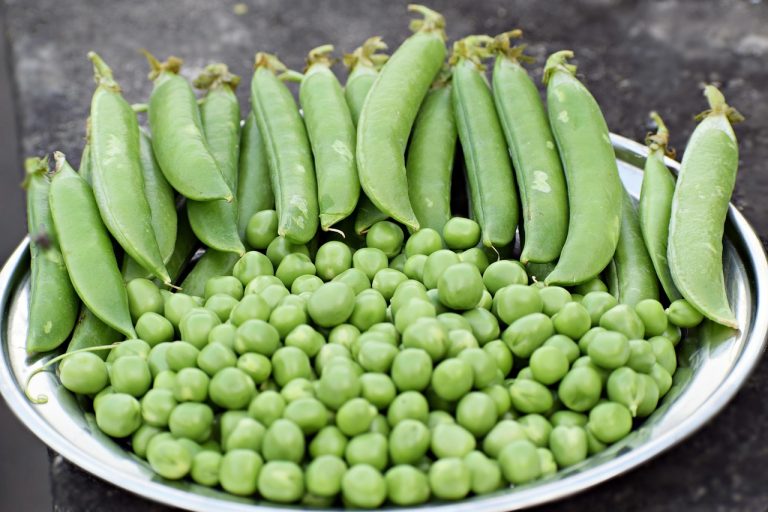


Photo by Istvan Szabo on Pexels
If you have ever tried to improve your nutrition, lose weight, or simply feel better in your own body, you have probably noticed something important: when your digestion is off, everything feels harder. Energy dips, cravings rise, bloating becomes routine, and even the most carefully planned healthy diet can feel frustrating. That is why gut health has become one of the most talked-about topics in modern nutrition. It is not just a trend. It is the foundation of how your body absorbs nutrients, manages appetite, supports immunity, and responds to clean eating.
Organic food fits naturally into that picture. Fresh organic produce, minimally processed ingredients, and simple whole-food meals can reduce the noise in your system and help you create a calmer, more balanced way of eating. But what does that really look like in everyday life? How do you build meals that feel satisfying, support digestion, and still align with weight loss goals without falling into restriction? And can a thoughtful approach to organic food actually make a difference in the way you feel from morning to night?
This guide explores exactly that. Instead of pushing extremes, it focuses on practical nutrition choices that support digestion, healthy weight management, and long-term wellness. If your goal is a more grounded, sustainable healthy lifestyle, the answer may be simpler than you think: eat more of the foods your gut recognizes as real, fresh, and nourishing.
Why Gut Health Matters More Than Most Diet Trends Think
Your gut is doing far more than breaking down breakfast. It plays a major role in nutrient absorption, immune function, hormonal communication, and even mood regulation. When digestion is steady, the rest of your body tends to cooperate. When it is not, even a nutritious meal can leave you feeling heavy, uncomfortable, or oddly unsatisfied.
That is why so many people who focus only on calories miss the bigger picture. A clean eating plan that ignores digestion may look good on paper but still leave you bloated, constipated, or reaching for snacks an hour later. Have you ever followed a healthy diet and still felt like something was off? Often, the issue is not effort. It is the quality and balance of the foods being eaten.
The gut-weight connection
Weight loss is not just about eating less. It is also about how efficiently your body uses the food you eat and how well you regulate hunger and fullness. A well-functioning gut can help support that process in several ways:
- It helps you absorb vitamins, minerals, and amino acids more effectively.
- It supports steady blood sugar, which may reduce intense cravings.
- It influences hormones linked to appetite and satiety.
- It reduces the likelihood of digestive discomfort that can sabotage consistency.
When your meals are built around organic food and fiber-rich ingredients, you are more likely to feel satisfied with less guesswork. That matters if your goal is sustainable weight loss rather than short-lived dieting results.
Signs your digestion may need support
You do not need a medical degree to notice when your gut is asking for help. Common signs include frequent bloating, irregular bowel movements, sluggish energy after meals, excessive gas, unexplained cravings, or the sense that food is
About the Author