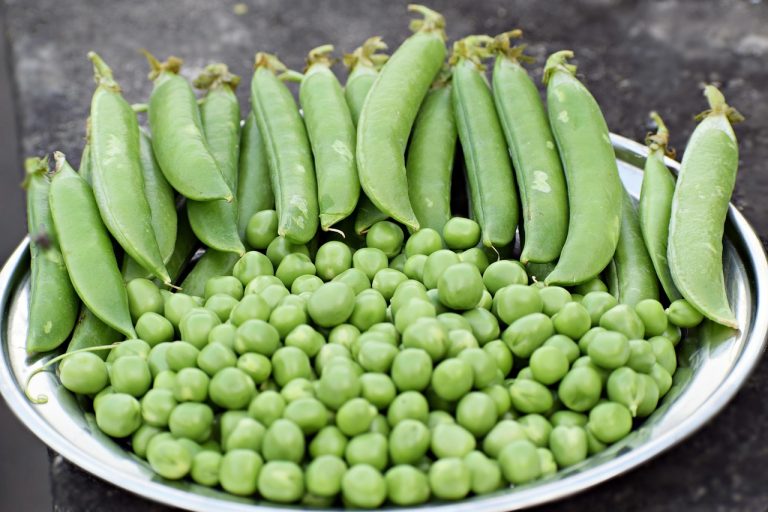

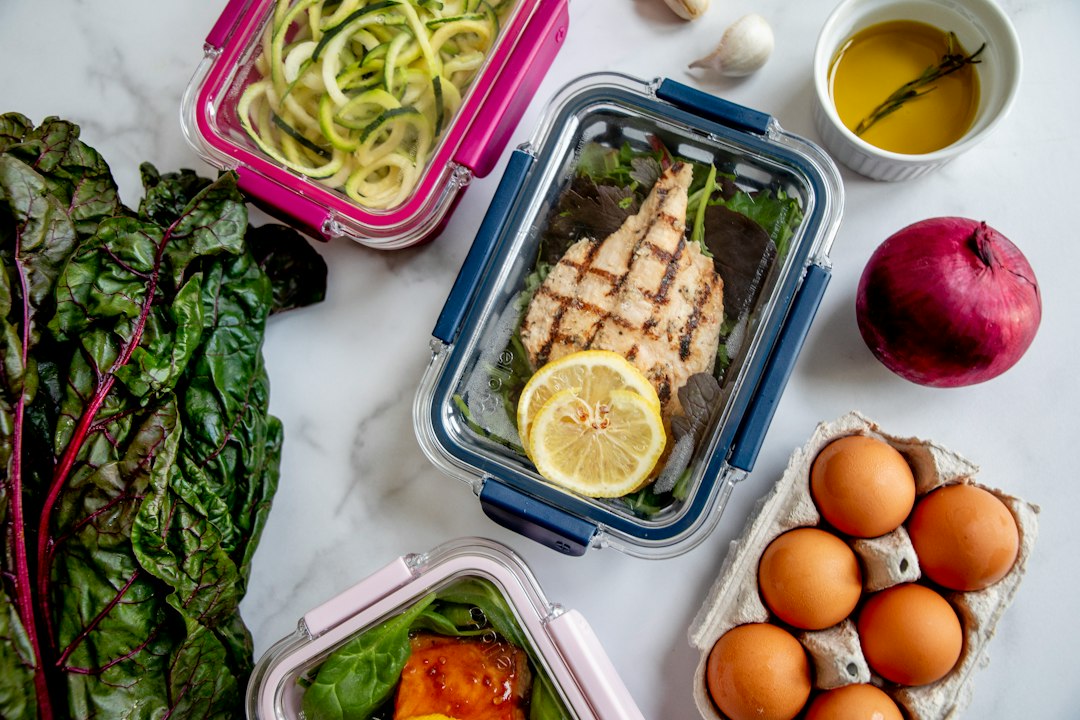
Photo by Ello on Unsplash
Your gut does far more than process meals. It influences how comfortably you digest food, how steady your energy feels, how often you crave sugar, and even how easily you maintain a healthy weight. That is why more people are turning to organic food and clean eating as part of a smarter, more sustainable healthy lifestyle. When the plate is filled with nourishing ingredients instead of ultra-processed products, the body often responds with less bloating, better regularity, and a greater sense of balance. Have you ever noticed that some meals leave you light and focused while others leave you sluggish and uncomfortable?
This guide explores organic foods for gut health through a practical, expert lens. You will learn which foods can support digestion, how to build meals that feel satisfying without heaviness, and why a thoughtful approach to nutrition can help with weight loss without extreme restriction. If you have been searching for a more realistic detox diet, the answer may not be a week of deprivation. It may be a consistent pattern of clean eating, better ingredient choices, and a calmer relationship with food.
Gut health is not about perfection. It is about giving your digestive system fewer obstacles and more support. That means choosing foods that feed beneficial bacteria, limiting common irritants, and creating daily habits that help the body do what it already knows how to do. The result can be noticeable: better digestion, fewer cravings, more stable appetite, and a healthier relationship with food overall.
Why Gut Health Matters More Than Most People Realize
The digestive system is often treated like an afterthought until something feels wrong. Yet the gut is central to how the entire body functions. It helps absorb nutrients, regulates the gut microbiome, and communicates constantly with the brain and immune system. When digestion is strong, your meals work harder for you. When digestion is under pressure, even a seemingly healthy diet can feel uncomfortable.
Many people come to organic food for weight loss, but they stay for the broader benefits. Less processed food often means less sodium, fewer additives, fewer artificial sweeteners, and more naturally nourishing ingredients. For many people, that combination leads to less bloating and a more predictable appetite. If you have ever wondered why a salad one day feels energizing and the next leaves you puffy, the answer may lie in the overall quality of the ingredients and the way they interact with your body.
Gut health also affects daily performance in subtle ways. Poor digestion can show up as fatigue, brain fog, cravings, irregular bowel movements, skin flare-ups, or a general sense that you never quite feel your best. Clean eating and organic nutrition are not magic, but they can remove some of the friction that keeps your body from functioning smoothly.
Signs Your Gut May Need More Support
Your body usually gives clues long before digestion becomes a major issue. The question is whether you are listening. Do you feel unusually bloated after meals? Are cravings driving your food choices even when you are not truly hungry? These signs may suggest that your gut needs more fiber, more hydration, less processed food, or a more balanced routine.
- Frequent bloating or abdominal discomfort after eating
- Constipation, loose stools, or inconsistent bowel habits
- Gas, cramping, or a heavy feeling after meals
- Strong sugar cravings or energy crashes between meals
- Skin issues that seem to worsen with certain foods
- Feeling tired even after a full night of sleep
None of these symptoms automatically point to one specific cause, but they are worth paying attention to. A healthy lifestyle is not built on guesswork; it is built on observation. When you learn how your body responds to different foods, you can make more informed choices and avoid repeating the same uncomfortable patterns.
Why People Confuse Gut Symptoms With a Lack of Willpower
When digestion is off, people often assume they are simply overeating or making poor choices. In reality, a stressed digestive system can affect hunger hormones, cravings, and even the timing of appetite. You may feel like you need a snack when what you really need is a meal with better fiber, more protein, and less refined sugar.
This is one reason a clean eating approach can be so helpful. It shifts the focus away from punishment and toward support. Instead of asking, why am I failing? you begin asking, what does my body need to feel better? That question alone can change the way you shop, cook, and eat.
How Organic Food Supports a Healthier Microbiome
Organic food is often discussed in terms of pesticide exposure, but the benefits go beyond that. A gut-friendly diet thrives on real food: vegetables, fruit, legumes, fermented foods, healthy fats, and whole grains. Organic choices can make these staples more appealing and, for many people, easier to trust. When you reduce the number of synthetic additives in your routine, you create more room for foods that support digestion rather than compete with it.
There is also a psychological advantage to choosing organic ingredients. Many people find it easier to commit to healthy eating when the food on their plate feels intentional and high quality. That sense of care matters. Nutrition is not only about biochemistry; it is also about behavior. When food feels nourishing, people tend to prepare it more consistently and eat with more attention.
For anyone trying to improve weight loss results without relying on harsh detox diet trends, organic food can provide a calmer path. It is less about drastic cuts and more about upgrading what you already eat. That small shift can have a surprisingly large effect on digestion, satiety, and long-term adherence.
The Organic Advantage on the Plate
Organic farming practices do not guarantee that every product is healthier in every circumstance, but they do support a cleaner ingredient profile and often a more thoughtful food system. For gut health, this matters because the fewer unnecessary extras you consume, the less work your body has to do processing them. Clean eating becomes simpler when the base ingredients are already close to their natural form.
- Fewer pesticide residues on many fruits and vegetables
- Less reliance on synthetic preservatives and additives
- Better alignment with whole-food cooking habits
- More nutrient-dense meal planning opportunities
- A cleaner foundation for a healthy lifestyle
Do you need every item in your kitchen to be organic? Not necessarily. A practical, sustainable approach is usually better than an all-or-nothing rule. Many people start with the produce they eat most often, then gradually expand from there. The goal is not perfection. The goal is to create a pattern of better nutrition that you can maintain.
Which Organic Foods Are Worth Prioritizing First?
If your budget is limited, focus on the foods you eat daily and the produce you tend to consume without peeling or cooking. Berries, leafy greens, apples, grapes, and bell peppers are common starting points. These items can be part of a gut-friendly organic food plan that feels realistic instead of overwhelming.
- Berries for antioxidant-rich snacking
- Leafy greens for fiber and micronutrients
- Apples and pears for soluble fiber
- Spinach, kale, and arugula for everyday meals
- Root vegetables for satisfying roasted dishes
The Best Organic Foods for Gut Health
The most effective way to support digestion is to build meals around ingredients that feed beneficial bacteria and move smoothly through the digestive tract. That usually means fiber-rich vegetables, moderate portions of fermented foods, and a steady intake of simple whole foods. The following categories are especially useful if you want better digestion without complicated rules.
Leafy Greens and Cruciferous Vegetables
Leafy greens are one of the easiest ways to improve the nutritional quality of your meals. They are rich in fiber, magnesium, folate, and plant compounds that support overall wellness. Cruciferous vegetables such as broccoli, cauliflower, cabbage, and Brussels sprouts can also help diversify the gut-friendly nutrients in your diet. When they are cooked well and paired with healthy fats, they become even more satisfying.
Some people worry that these vegetables cause gas or bloating. That can happen, especially if you increase fiber too quickly. The answer is not to avoid them forever. It is to introduce them gradually, cook them properly, and notice which forms your body tolerates best. A healthy diet is personalized.
Easy Organic Greens to Rotate Through the Week
- Spinach in omelets, soups, and smoothies
- Kale massaged into salads or baked into chips
- Arugula with citrus and olive oil
- Broccoli roasted with garlic and lemon
- Cauliflower mashed, steamed, or blended into soups
[IMAGE: organic vegetables]
Fermented Foods That Add Beneficial Bacteria
Fermented foods deserve their reputation in any gut health conversation. They can help support microbial diversity and add flavor to a clean eating routine without relying on heavy sauces or processed condiments. The key is to choose products with live cultures and minimal added sugar. Organic versions can be especially appealing because the ingredient list tends to stay simple.
Examples include plain yogurt, kefir, sauerkraut, kimchi, miso, and some types of tempeh. If you are new to fermented foods, begin with small amounts. A spoonful of sauerkraut or a small serving of kefir may be enough to start. More is not always better, especially if your digestive system is sensitive.
How to Start Slowly Without Feeling Overwhelmed
- Add one fermented food to one meal per day
- Choose plain, unsweetened versions when possible
- Pair fermented foods with fiber-rich meals
- Increase portion sizes gradually
- Track how your body responds over time
Fiber-Rich Fruits That Feed Good Bacteria
Fruit is often unfairly treated as a problem food, but the right fruit can be a valuable part of a balanced nutrition plan. Many fruits contain soluble fiber, which helps support digestion and contributes to a feeling of fullness. For people focused on weight loss, this can be especially useful because it offers sweetness without the crash that often follows dessert-heavy meals.
Apples, pears, berries, kiwi, and citrus fruits can all fit comfortably into a gut-friendly routine. They are easy to snack on, quick to prepare, and satisfying when combined with protein or healthy fat. A handful of berries with yogurt or a sliced apple with nut butter is a simple example of clean eating that feels complete.
- Berries for antioxidants and gentle sweetness
- Apples for pectin and satisfying crunch
- Pears for soft texture and fiber
- Kiwi for a refreshing digestive-friendly option
- Oranges and grapefruits for hydration and vitamin C
Seeds, Nuts, and Whole Grains
Seeds and whole grains can support satiety, digestive regularity, and steady energy. Chia seeds and flaxseed are especially useful because they absorb water and create a more filling texture in meals. Oats, quinoa, buckwheat, and brown rice can also help when you want more substantial meals that still fit into a healthy lifestyle.
These foods are particularly valuable if your weight loss plan has been too aggressive. When meals are too small or too low in fiber, cravings often rise later in the day. A more balanced approach may actually help you stay on track more easily than restrictive dieting ever could.
- Chia seeds in overnight oats or yogurt bowls
- Ground flaxseed mixed into smoothies
- Oats for a simple breakfast or snack
- Quinoa in lunch bowls and salads
- Almonds, walnuts, and pumpkin seeds for crunch
Herbs and Spices That Support Digestion
Many people overlook herbs and spices, yet they can be powerful tools in a gut-friendly kitchen. Ginger can feel warming and soothing. Turmeric is widely used in anti-inflammatory eating patterns. Fennel and peppermint are often used to ease digestive discomfort. Garlic and onion can also feed beneficial bacteria, although some sensitive stomachs may need to test them carefully.
Organic herbs and spices bring intensity to meals without requiring sugary sauces or heavy seasoning mixes. This is especially useful when you want your meals to taste satisfying while staying aligned with a clean eating and detox diet style of eating.
- Ginger in teas, soups, and stir-fries
- Turmeric with black pepper for savory dishes
- Fennel in roasted vegetables or tea
- Peppermint as a soothing after-meal tea
- Cinnamon in breakfast bowls and smoothies
A Clean Eating Plate That Feels Good After Every Meal
People often think a healthy meal has to be complicated, but the most effective meals are usually the simplest. A clean eating plate is built around a few reliable components: vegetables for fiber, protein for satiety, smart carbohydrates for energy, and healthy fats for flavor and balance. When these elements are in place, digestion tends to feel more stable and meals become easier to repeat.
This matters for weight loss because consistency beats intensity. You do not need a completely different life to eat well. You need a system that fits your routine. That is the real secret behind sustainable nutrition. If lunch leaves you hungry an hour later, it was not truly balanced. If dinner leaves you heavy and sluggish, it may have been too rich or too large for your current needs.
Ask yourself: what does a meal look like when it actually supports my energy instead of draining it? The answer will likely include color, texture, and a reasonable portion of each food group.
The Ideal Balance on One Plate
- Half the plate: vegetables and leafy greens
- One quarter: clean protein such as eggs, fish, tofu, lentils, or yogurt
- One quarter: smart carbohydrates such as quinoa, oats, sweet potato, or brown rice
- Small addition: olive oil, avocado, nuts, or seeds
This structure is flexible enough to work for breakfast, lunch, and dinner. It also makes meal planning easier because you are no longer trying to invent a new eating pattern every day. You simply rotate ingredients and keep the formula intact.
Examples of Organic Meals That Support Digestion
A gut-friendly breakfast might be organic oats topped with berries, chia seeds, and plain yogurt. A balanced lunch might be a grain bowl with roasted vegetables, avocado, greens, and grilled salmon or chickpeas. For dinner, think of a warm soup or sautéed vegetables with quinoa and a simple protein. These meals are comforting, practical, and easier to digest than many restaurant options.
[IMAGE: healthy meal]
- Breakfast: oatmeal with berries, flaxseed, and yogurt
- Lunch: quinoa bowl with greens, chickpeas, cucumber, and olive oil
- Dinner: roasted salmon with broccoli, carrots, and sweet potato
- Snack: apple slices with almond butter
Foods and Habits That Can Disrupt Digestion
A healthy lifestyle is not only about what to add. It is also about what to reduce. If you are trying to improve gut health, some foods and habits can quietly sabotage your progress. You do not need to ban every indulgence forever, but it helps to know which patterns are most likely to interfere with digestion, energy, and weight loss.
Ultra-processed snacks, excess sugar, and heavy late-night meals can all make the gut work harder than it needs to. Alcohol can also irritate digestion in some people. Artificial sweeteners, while marketed as diet-friendly, sometimes create more discomfort than they solve. The more you observe your body, the clearer these patterns become.
Common Triggers to Watch Carefully
- Ultra-processed packaged foods
- Added sugars in drinks, desserts, and sauces
- Artificial sweeteners in diet products
- Large portions eaten too quickly
- Late-night eating when the body is winding down
- Alcohol consumed frequently or in large amounts
If these foods are part of your routine, there is no need for shame. The better question is, which changes would make the biggest difference first? Perhaps it is replacing one snack with fruit and nuts. Perhaps it is cooking dinner earlier. Perhaps it is choosing organic ingredients more often so your meals feel cleaner and easier to trust.
When Healthy Food Still Feels Hard to Digest
Some people react to foods that are generally considered healthy. Raw vegetables may feel too rough, legumes may cause gas, or dairy may not agree with the gut. This does not mean you are doing clean eating wrong. It may simply mean that your digestive system needs gentler preparation methods, smaller portions, or a slower adjustment period.
Listen to the Form, Not Just the Food
Cooked vegetables may be easier to digest than raw ones. Soaked oats may feel better than dry cereal. Blended soups may be gentler than large salads. The healthiest choice is not always the most fashionable one; it is the one your body can actually use well.
A 3-Day Organic Gut Reset for Busy People
Although no food can truly detox the body on its own, a short reset can help you step away from heaviness and return to simpler, more supportive meals. Think of this as a practical detox diet style approach without extremes. The goal is to reduce inflammation triggers, increase hydration, and give your digestion a break from excess sugar, fried foods, and long ingredient lists.
This reset is designed for real life. It does not require special powders or complicated recipes. It simply emphasizes organic food, balanced meals, and a calmer rhythm. You can repeat it anytime your body feels overloaded, bloated, or out of sync.
Day 1: Keep It Gentle
Start with soft textures, warm meals, and simple flavors. The idea is to soothe rather than overwhelm. Drink plenty of water and pay attention to how quickly or slowly you eat. Slow meals often feel better immediately.
- Breakfast: oats with berries and chia seeds
- Lunch: vegetable soup with quinoa
- Dinner: steamed fish or tofu with carrots and spinach
- Snack: kefir or plain yogurt with cinnamon
Day 2: Increase Fiber Wisely
On the second day, build more variety. Add a larger portion of vegetables, one serving of fermented food, and a fruit snack. Your body may feel lighter simply because your meals are cleaner and more structured.
- Breakfast: yogurt bowl with berries, flaxseed, and walnuts
- Lunch: salad with greens, roasted vegetables, chickpeas, and olive oil
- Dinner: brown rice bowl with broccoli, avocado, and eggs or tempeh
- Snack: apple with almond butter
Day 3: Restore Balance and Energy
By day three, the emphasis should be on satisfaction and sustainability. Choose meals that make you feel energized rather than restricted. This is the point where many people realize that a healthier routine does not require constant hunger or complicated rules.
- Breakfast: green smoothie with protein, spinach, and berries
- Lunch: quinoa bowl with salmon, cucumber, herbs, and lemon
- Dinner: roasted vegetables with lentils and tahini
- Snack: kiwi, pumpkin seeds, or a small portion of sauerkraut with a meal
At the end of the reset, ask yourself what felt best. Was it the warm meals? The lower sugar intake? The steadier energy? Those answers are more useful than any generic detox promise.
How Gut Health Can Support Weight Loss Without Extreme Dieting
Weight loss becomes much more manageable when digestion is working in your favor. A healthier gut can support better appetite regulation, fewer cravings, and a more natural sense of fullness. That is not the same as fast results, but it is usually the kind that lasts. A body that digests well tends to respond better to a healthy diet over time.
People often focus on calories alone, yet the quality of those calories matters. A bowl of organic vegetables, protein, and fiber can satisfy you far longer than a highly processed low-calorie snack. That is why clean eating often works better than strict calorie cutting. When your meals are more nourishing, you are less likely to overeat later.
Better digestion can also affect how you move. If you are not weighed down by bloating or energy crashes, you may feel more willing to walk, train, stretch, or simply stay active. That is one of the hidden benefits of a gut-friendly nutrition plan: it supports the rest of your healthy lifestyle too.
Why Steady Digestion Helps Fat Loss
- It supports more predictable hunger and fullness cues
- It reduces the urge to snack in response to crashes
- It may improve meal satisfaction and adherence
- It can make movement feel easier and more natural
- It helps your body respond better to consistent nutrition
For many people, the best weight loss strategy is not a dramatic detox diet. It is a routine that makes good nutrition feel normal. That is why organic food, balanced meals, and better digestion are so powerful together. They create momentum.
[IMAGE: fitness lifestyle]
Shopping List and Meal Prep Tips for Organic Eating
The easiest way to make gut-friendly eating a habit is to keep the right foods visible and ready. When your kitchen is stocked with simple ingredients, clean eating stops feeling like a project. You do not have to wonder what to eat because the answer is already in your fridge or pantry.
Meal prep does not need to be elaborate. In fact, the more complicated it becomes, the less likely it is to last. The best system is the one you repeat. Prepare a few core ingredients, then mix and match them through the week. This saves time, reduces stress, and makes healthy food far more convenient than takeout.
What to Buy First
- Organic leafy greens such as spinach, kale, and arugula
- Seasonal vegetables like broccoli, carrots, zucchini, and peppers
- Organic fruit such as berries, apples, pears, and kiwi
- Plain yogurt, kefir, or fermented plant-based alternatives
- Oats, quinoa, brown rice, and other whole grains
- Chia seeds, flaxseed, nuts, and olive oil
- Ginger, turmeric, garlic, and fennel for flavor
Simple Meal Prep Habits That Save Time
- Wash and dry greens as soon as you get home
- Roast a tray of vegetables for lunches and dinners
- Cook one grain at the beginning of the week
- Keep fermented foods at eye level in the fridge
- Prepare two or three snacks so you are not reaching for packaged foods
These habits support nutrition without making your week feel rigid. They also make it easier to stay on track when life gets busy, which is when most healthy routines fall apart. A practical plan always beats a perfect one.
A Smarter Budget Approach to Organic Food
Organic food can feel expensive if you try to buy everything at once. A better strategy is to focus on the foods that matter most to your routine and buy seasonally whenever possible. Frozen organic vegetables can also be a smart option because they are convenient, affordable, and usually picked at peak freshness.
Seasonal produce, store brands, and bulk grains can help you build a clean eating plan without overspending. The result is a healthier lifestyle that fits real life, not a fantasy budget.
Myths About Organic Food and Digestion
There is a lot of conflicting advice around organic food, gut health, and detox diets. Some of it is useful. Some of it is simply noise. If you want a sustainable routine, it helps to separate helpful facts from clever marketing.
Myth: Organic Means Automatically Healthy
Organic cookies are still cookies. Organic soda is still soda. Organic labels matter, but they do not replace the need for balance, fiber, and moderation. A truly healthy diet depends on the overall pattern of eating, not only the label on one product.
Myth: Raw Is Always Better for Digestion
Raw vegetables are nutritious, but they are not always the best choice for every gut. For some people, lightly cooked vegetables are gentler and easier to digest. Cooking can also make certain nutrients more accessible. Clean eating should never be so rigid that it ignores how your own body responds.
Myth: A Detox Diet Needs to Be Extreme
Your body already has natural detoxification systems, including the liver, kidneys, and digestive tract. The purpose of a detox diet style reset is not to replace those systems. It is to support them by reducing excess sugar, processed food, and digestive stress. In that sense, organic food and good nutrition are the real long-term detox strategy.
When to Ask for Professional Support
Most digestive discomfort improves with better food choices, more hydration, and a calmer eating routine. Still, some symptoms deserve medical attention. If you experience persistent or severe digestive issues, do not assume food alone is the answer. A professional can help you rule out underlying conditions and design a plan that fits your needs.
It is especially important to seek support if your symptoms are new, intense, or interfering with daily life. Nutrition matters, but it is only one piece of the picture. True wellness means paying attention to the whole body.
Red Flags Not to Ignore
- Blood in the stool
- Unexplained weight loss
- Severe or persistent abdominal pain
- Ongoing diarrhea or constipation
- Vomiting, fever, or dehydration
If you notice any of these signs, talk to a qualified healthcare professional. Gut health advice is most powerful when it is paired with real medical guidance when needed.
Bringing It All Together
Improving gut health does not require a dramatic overhaul. It starts with better food choices, more consistency, and a little more curiosity about how your body responds. Organic food can make that process easier by giving you a cleaner foundation for meals that support digestion, energy, and long-term weight loss. When you combine thoughtful nutrition with clean eating habits, the results often show up in ways that go beyond the scale: fewer cravings, steadier mood, better comfort after meals, and a stronger sense of control over your day.
The real value of this approach is not just that it sounds healthy; it is that it can become normal. A healthy lifestyle built on organic ingredients, balanced meals, and practical meal prep does not depend on motivation alone. It becomes part of your routine. And when food starts working with your body instead of against it, you may find that wellness feels less like a challenge and more like a rhythm worth keeping. If you enjoyed this guide, keep exploring more articles on DietOrganic for more clean eating ideas, weight loss support, and nutrition strategies you can actually use.
About the Author