
Photo by thebittenword.com on Openverse
If you have ever felt bloated after meals, sluggish in the afternoon, or oddly hungry even when you have eaten enough, your gut may be trying to tell you something. A healthy digestive system is about much more than comfort. It shapes energy, immunity, cravings, mood, and even how effectively your body manages weight loss. That is why more people are turning to organic food as a smarter, cleaner way to support gut health and build a healthier lifestyle without relying on extremes.
What makes this approach so appealing is its simplicity. You do not need a complicated detox diet or a cabinet full of supplements to begin. You need nutrient-dense organic food, a few smart habits, and a realistic plan that fits real life. Could a more balanced, gut-friendly way of eating help you feel lighter, calmer, and more energized? For many people, the answer is yes.
This guide explores how organic food can support digestion, why clean eating matters for the microbiome, and which foods deserve a regular place on your plate. Along the way, you will find practical advice you can use immediately, from breakfast ideas to grocery shopping tips, plus a few simple ways to make weight loss feel more natural and sustainable.
Why Gut Health Deserves More Attention
Your gut is home to trillions of bacteria, fungi, and other microorganisms that make up the gut microbiome. This community helps break down food, produce key nutrients, regulate inflammation, and communicate with the rest of the body. When the microbiome is balanced, digestion tends to be smoother, cravings may be easier to manage, and energy often feels steadier throughout the day.
When the gut is out of balance, the effects can show up in many ways. Bloating, constipation, loose stools, acid reflux, brain fog, frequent snack cravings, and skin flare-ups can all be linked to digestive stress. That is why gut health is now considered a cornerstone of nutrition rather than a niche wellness trend. If your digestion is struggling, your whole routine can feel off.
This is where organic food can play a powerful role. Organic produce is grown without synthetic pesticides and fertilizers, and organic animal products follow stricter standards for feed and medication use. While no single food can transform the gut overnight, choosing cleaner ingredients more often can reduce unnecessary exposure and support a more nutrient-rich, less processed eating pattern.
How Organic Food Supports a Healthy Digestive System
The connection between organic food and gut health is not based on magic. It is based on quality, variety, and consistency. The best organic food choices tend to be closer to their natural state, which means they usually deliver more fiber, more micronutrients, and fewer additives that can irritate digestion in sensitive individuals.
Many ultra-processed foods contain emulsifiers, artificial sweeteners, refined oils, and excess sugar, all of which may disturb the balance of the gut microbiome when consumed frequently. A clean eating approach built around organic food helps limit those ingredients while encouraging the kinds of whole foods that feed beneficial bacteria.
There is another important point: organic food often encourages more intentional eating. People who shop for seasonal organic produce usually cook more at home, eat more vegetables, and prepare meals with fewer hidden ingredients. That shift alone can improve nutrition dramatically and make a healthy lifestyle feel more natural.
Why the Organic Label Matters for Gut Health
The organic label is not a guarantee of perfect health, but it does reflect a stronger commitment to agricultural practices that avoid synthetic pesticides and genetic modification. For many people, that means fewer residues on food and a cleaner baseline for digestion. If you already deal with bloating, food sensitivities, or a reactive stomach, this matters more than you might think.
Some people find that once they switch to organic food, they feel more comfortable after meals simply because they are eating more fresh produce and fewer packaged items. Is that always due to the organic label itself? Not entirely. Often, the biggest shift comes from the overall pattern: more fiber, more plants, better fats, and fewer fillers.
In other words, organic food is not just a label. It is a gateway to cleaner eating habits that make digestion easier to support in the long run.
The Best Organic Foods for Gut Health
When people think about gut health, they often focus on yogurt or probiotics alone. But a thriving microbiome needs a broader mix of foods. The most effective organic food choices for digestion include fiber-rich vegetables, fermented foods, prebiotic ingredients, healthy fats, and hydration-supporting produce.
Think of your gut like a garden. Probiotics are the beneficial seeds, but fiber is the fertilizer and organic variety is the environment that lets everything grow better. The more diverse your plate, the more resilient your digestion can become.
1. Fermented Organic Foods
Fermented foods are some of the most valuable additions to a gut-friendly clean eating plan. They naturally contain live cultures or beneficial compounds formed during fermentation, which can help support microbial diversity and digestion.
Organic options are especially appealing because they often come with fewer additives and a shorter ingredient list. Look for products with minimal processing and no unnecessary sugars.
- Organic plain yogurt with live cultures
- Organic kefir
- Sauerkraut made with organic cabbage
- Organic kimchi
- Miso paste from organic soy or chickpeas
- Tempeh made from organic soybeans
Want an easy starting point? Add one spoonful of sauerkraut to lunch or a small glass of kefir with breakfast. Small steps can have a meaningful impact when done consistently.
2. Fiber-Rich Organic Produce
Fiber is one of the most important nutrients for gut health because it helps keep digestion moving and feeds beneficial bacteria. Organic fruits and vegetables are ideal because they are often eaten with the skin on or in less processed forms, which preserves more of the natural fiber.
Excellent choices include leafy greens, cruciferous vegetables, berries, apples, pears, carrots, beets, zucchini, and sweet potatoes. These foods not only support digestion but also contribute to weight loss by improving satiety.
- Spinach and kale for magnesium and fiber
- Broccoli and cauliflower for cruciferous support
- Blueberries and raspberries for antioxidants
- Apples with the skin on for soluble fiber
- Avocados for fiber and healthy fats
- Sweet potatoes for gentle, satisfying carbohydrates
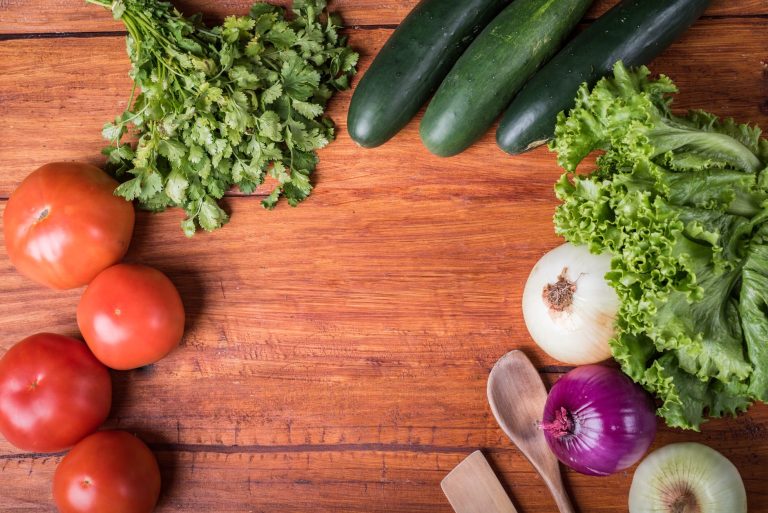
[IMAGE: organic vegetables]
If you are trying to eat cleaner without feeling restricted, this is one of the easiest places to start. Fill half your plate with organic vegetables and let the rest of the meal build around them.
3. Prebiotic Organic Foods
Prebiotics are specific fibers that feed beneficial gut bacteria. Think of them as fuel for your internal ecosystem. The more often you include prebiotic foods, the more support you give the microbes that help with digestion and nutrient absorption.
Many prebiotic foods are already easy to find in organic form. The best part is that they are simple to use in everyday meals, which makes them perfect for a practical healthy lifestyle plan.
- Organic garlic
- Organic onions
- Organic leeks
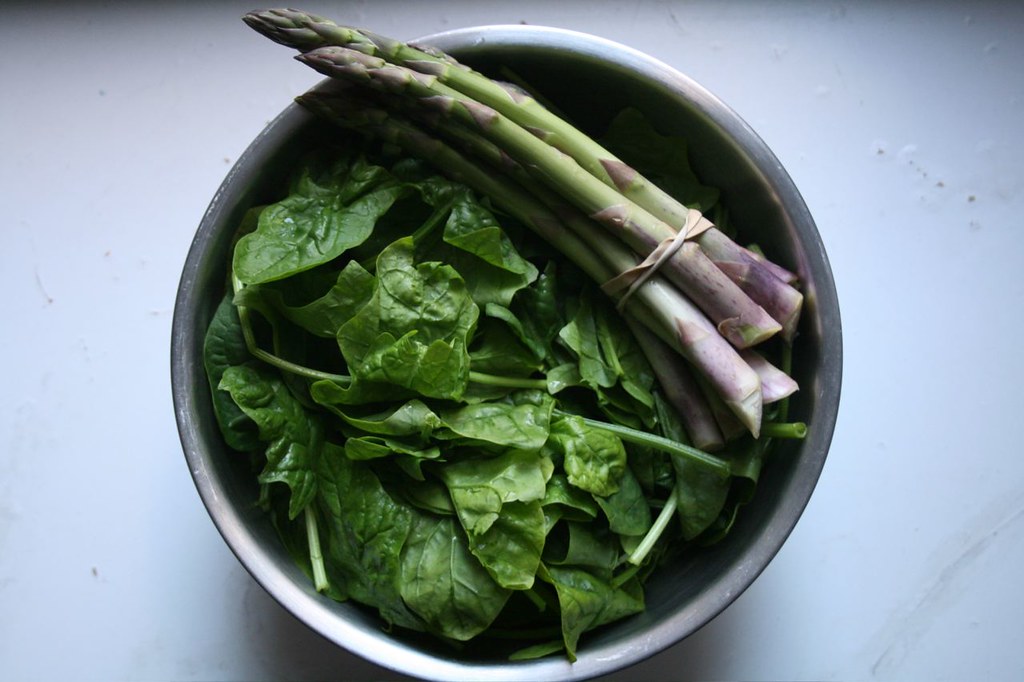
- Organic asparagus
- Organic bananas, especially slightly green ones
- Organic oats
- Organic flaxseeds and chia seeds
Try adding garlic and onions to soups, oats to breakfast bowls, or flaxseeds to smoothies. These small choices create a strong foundation for a detox diet that focuses on nourishment instead of restriction.
4. Healthy Organic Fats
Healthy fats are essential for hormone balance, inflammation control, and the absorption of fat-soluble vitamins. When digestion is sensitive, the right fats can make meals more satisfying and less likely to trigger intense hunger later on.
Organic options such as avocados, walnuts, chia seeds, hemp seeds, olive oil, and coconut products can support a more stable eating pattern. These fats are also useful for weight loss because they help you feel full longer, which can reduce mindless snacking.
For example, a simple salad made with organic greens, avocado, pumpkin seeds, and olive oil can feel far more filling than a low-fat meal built around refined carbohydrates. That is the power of balanced nutrition.
5. Gentle Proteins That Support Digestion
Protein matters for muscle repair, metabolic health, and appetite control. For some people, too much heavily processed protein can create digestive discomfort, but organic whole-food proteins are usually easier to integrate into a balanced plan.
- Organic eggs
- Organic Greek yogurt
- Organic chicken or turkey
- Wild-caught fish where appropriate
- Organic tofu and tempeh
- Organic lentils and beans, if well tolerated
If you notice bloating after beans, start slowly and choose smaller servings. Gut health is not about forcing every food into your diet at once. It is about listening to your body and building tolerance gradually.
How Clean Eating Improves Digestion and Weight Loss
Clean eating does not have to be rigid or boring. At its core, it simply means choosing foods that are minimally processed, nutrient-dense, and easy for the body to use well. This approach is particularly helpful for anyone trying to improve digestion while also working toward weight loss.
Why does it work? Because clean eating naturally lowers the intake of ingredients that can drive inflammation, blood sugar swings, and overeating. When meals are built around organic food, protein, vegetables, and healthy fats, the body often responds with better satiety and steadier energy.
A healthy gut can also make weight loss feel more manageable. When digestion is smoother, you are less likely to feel trapped in the cycle of bloating, cravings, and emotional eating. Instead of chasing rapid fixes, you begin to notice patterns: which foods energize you, which foods leave you heavy, and what type of routine supports your best self.
[IMAGE: healthy meal]
The Hidden Advantage of Better Digestion
When your digestive system works efficiently, your meals are more satisfying. Nutrients are absorbed more effectively, and your body may signal fullness at the right time. This can help reduce overeating without relying on willpower alone.
People often assume weight loss is only about calories, but digestion influences how food feels in your body. If a meal leaves you bloated and uncomfortable, you may snack later just to feel better. If a meal supports stable blood sugar and comfortable digestion, you are more likely to stay on track naturally.
That is why a gut-friendly organic food routine can be such a powerful long-term strategy. It supports both comfort and results.
Foods That May Disrupt Gut Health
Supportive foods matter, but so does reducing the items that strain digestion. You do not have to eliminate everything you love, yet paying attention to common triggers can make a big difference.
Some people are more sensitive than others, but the following foods are frequent troublemakers for gut balance when eaten often:
- Highly processed snack foods
- Excess refined sugar
- Artificial sweeteners for some individuals
- Deep-fried foods
- Alcohol in large amounts
- Heavy sauces made with industrial oils
- Low-fiber packaged meals
This does not mean you need to live in a state of restriction. The goal is to create a daily pattern where gut-supportive choices are the norm and disruptive foods are occasional, not constant. A thoughtful detox diet should never be about starvation or punishment. It should be about reducing the noise so your body can function clearly.
A Practical Organic Food Routine for Better Gut Health
Many wellness plans fail because they are too complicated. If you want real change, your routine needs to be simple enough to repeat. The most effective organic food habits are the ones you can do on busy weekdays, not just when motivation is high.
Below is a straightforward framework that supports digestion, clean eating, and weight loss without creating unnecessary stress.
Start the Morning with Fiber and Protein
Breakfast is often where digestion sets the tone for the day. Instead of reaching for pastries or sugary cereal, build a breakfast that combines fiber, protein, and a little healthy fat. This helps stabilize energy and reduces mid-morning crashes.
- Organic Greek yogurt with berries and chia seeds
- Oatmeal with flaxseed, walnuts, and cinnamon
- Eggs with spinach and avocado
- Smoothie with kefir, banana, and greens
Do you notice how these breakfasts are satisfying without being heavy? That is the sweet spot for digestive comfort.
Build Lunch Around Plants
A lunch built around organic vegetables and a quality protein source can prevent the afternoon slump. Try grain bowls, big salads, vegetable soups, or roasted veggie plates with fish, eggs, chicken, tofu, or legumes.
Add a fermented side if possible. A small serving of kimchi or sauerkraut can give your meal an extra digestive lift. If you prefer something lighter, a soup with leeks, carrots, and lentils can be both comforting and gut-friendly.
Make Dinner Gentle, Not Heavy
Late-night overeating often begins with an overly restrictive day. If meals are too small or too low in nutrients, dinner becomes the moment where willpower disappears. Instead, aim for a balanced plate that leaves you satisfied but not stuffed.
Good dinner combinations include:
- Grilled organic salmon with steamed broccoli and quinoa
- Organic chicken with roasted sweet potatoes and greens
- Tempeh stir-fry with garlic, asparagus, and brown rice
- Vegetable soup with beans and olive oil
Think of dinner as a chance to calm the nervous system as much as to nourish the body. A lighter, cleaner evening meal often improves sleep, and better sleep supports gut health too.
Choose Snacks That Truly Support You
Snacking is not the enemy. Unplanned snacking is the problem. If your snacks are built from whole organic food, they can help keep your blood sugar steady and prevent overeating later.
- Apple slices with almond butter
- Organic carrots with hummus
- Plain kefir or yogurt with berries
- Hard-boiled eggs
- Walnuts and pumpkin seeds
- Cucumber slices with guacamole
These snacks are easy, portable, and aligned with clean eating. They also fit naturally into a healthy lifestyle because they do not require perfection or complicated prep.
Gut-Friendly Organic Meal Ideas for Real Life
If you want to make this approach sustainable, you need meals that fit your schedule. Healthy routines are built on convenience as much as intention. The following ideas are designed to be realistic, satisfying, and easy to repeat.
Breakfast Ideas
- Organic yogurt parfait with berries, oats, and flaxseed
- Vegetable omelet with spinach, onion, and mushrooms
- Warm oatmeal with banana, chia seeds, and cinnamon
- Green smoothie with kefir, avocado, and cucumber
Lunch Ideas
- Quinoa bowl with roasted vegetables, chickpeas, and tahini
- Leafy green salad with organic chicken, avocado, and seeds
- Vegetable soup with lentils and herbs
- Brown rice bowl with tempeh, broccoli, and fermented vegetables
Dinner Ideas
- Baked fish with sweet potato and asparagus
- Turkey lettuce wraps with shredded carrots and cucumber
- Tofu stir-fry with garlic, ginger, and mixed greens
- Stuffed bell peppers with quinoa and vegetables
Snack Ideas
- Fresh fruit with nuts
- Olives and hummus
- Celery with nut butter
- Plain yogurt with cinnamon
One of the easiest ways to stay consistent is to repeat a few meals you genuinely enjoy. Do you really need twenty complicated recipes, or do you need five reliable ones that support your body every week?
Hydration, Herbs, and Small Daily Habits That Matter
Gut health is not only about food. Hydration, movement, stress, and sleep all influence digestion. If you ignore these habits, even the best organic food plan will feel incomplete.
Water helps move fiber through the digestive system, while herbal teas can soothe the stomach and support comfort after meals. Ginger, peppermint, fennel, and chamomile are all popular choices for a gentle detox diet approach that focuses on daily support rather than aggressive cleansing.
[IMAGE: fitness lifestyle]
Movement matters too. A short walk after meals can aid digestion and help regulate blood sugar. That does not mean you need an intense workout every day. Even a ten-minute walk or a few stretches can make a difference.
Stress management is equally important. When the body stays in a constant state of tension, digestion can slow down. Slower breathing, better sleep, and fewer rushed meals may be just as valuable as the food itself.
Organic Grocery Shopping Tips for a Gut-Friendly Kitchen
Shopping with intention makes clean eating far easier. If your kitchen is stocked with the right ingredients, better choices happen automatically. That is why grocery planning is one of the strongest tools for health and weight loss.
Here are a few practical strategies to make your kitchen more gut-friendly:
- Shop the perimeter of the store first, where fresh food is usually found
- Choose seasonal organic produce when possible for better taste and value
- Read labels carefully on yogurts, sauces, and packaged snacks
- Keep a few fermented foods in the fridge at all times
- Buy versatile staples like oats, lentils, eggs, and leafy greens
- Prepare ingredients in batches so meals are easier to assemble
If you have ever opened the fridge and felt unsure what to eat, you know how powerful preparation can be. A well-stocked kitchen reduces decision fatigue and supports a healthier lifestyle without much effort.
Common Organic Diet Mistakes to Avoid
Even a high-quality organic food routine can go wrong if it becomes too narrow or too idealized. Many people start with enthusiasm and then feel frustrated when they do not get instant results. The key is to avoid common mistakes that can undermine gut health.
1. Eating Too Little
Some people cut calories so aggressively that digestion and energy both suffer. Undereating can slow the body, increase cravings, and make it harder to stick with a healthy routine. Sustainable weight loss works best when meals are satisfying and balanced.
2. Relying on Processed Health Foods
Not every product with an organic label is automatically good for you. Organic cookies, bars, chips, and sweet drinks can still be highly processed. The label matters, but the ingredient list matters more.
3. Forgetting Fiber
A gut-friendly plan without enough fiber is incomplete. If your plate is mostly protein and fat, digestion may become sluggish. Make vegetables, fruit, and whole grains a daily priority.
4. Switching Everything at Once
You do not need to overhaul your entire life in one week. In fact, doing so often leads to burnout. Start with one breakfast, one lunch, and one snack you can improve, then build from there.
5. Treating Detox as a Short-Term Fix
A detox diet should be understood as a way to reduce burden on the body, not as a punishment or a crash cleanse. Your liver, kidneys, and digestive system already detoxify every day. The real goal is to support them with consistent nutrition, hydration, and rest.
A Simple 3-Day Reset With Organic Food
If you want to feel the benefits quickly, a short reset can help you reconnect with what your body needs. This is not a starvation plan. It is a clean eating reset built around organic food, hydration, and gut-friendly meals.
Day 1
- Breakfast: Oats with chia, berries, and plain yogurt
- Lunch: Large salad with greens, avocado, cucumber, and chicken
- Dinner: Vegetable soup with lentils and olive oil
- Snack: Apple with almond butter
Day 2
- Breakfast: Kefir smoothie with banana and spinach
- Lunch: Quinoa bowl with broccoli, tempeh, and sauerkraut
- Dinner: Salmon with roasted sweet potato and asparagus
- Snack: Walnuts and berries
Day 3
- Breakfast: Eggs with greens and avocado
- Lunch: Lentil soup with herbs and side salad
- Dinner: Turkey or tofu stir-fry with vegetables and brown rice
- Snack: Carrots with hummus
This kind of reset can help you notice how your body responds to cleaner meals. Do you feel lighter? More focused? Less bloated? Those signals matter more than any trend or marketing claim.
How to Make Organic Food Affordable
One of the biggest myths about organic food is that it is always out of reach. While some items are expensive, many strategies can make organic eating far more accessible.
Prioritize the foods you eat most often. If you consume apples, spinach, oats, eggs, and yogurt regularly, start by choosing organic versions of those staples. Buy frozen organic vegetables when fresh options are costly. Shop seasonal produce, compare bulk prices, and reduce waste by planning meals around what you already have.
It also helps to focus on nutrient density rather than volume. A smaller amount of high-quality organic food can be more satisfying than a larger amount of ultra-processed food. In the long run, better digestion, better energy, and fewer cravings can support both wellness and your grocery budget.
The Bigger Picture: Gut Health as a Foundation for Wellness
Gut health is not a side issue. It influences how you think, how you feel, how you eat, and how you show up every day. When your meals are built around organic food and clean eating principles, you give your body a better chance to function smoothly.
This is especially important if your goals include weight loss, better energy, or a more balanced relationship with food. The most effective nutrition strategy is rarely the most extreme one. It is the one you can maintain, enjoy, and trust over time. That is why a gut-friendly organic food approach stands out: it is practical, nourishing, and deeply connected to a healthy lifestyle.
So where do you begin? Start with one meal. Add more vegetables. Choose one fermented food. Drink more water. Walk after dinner. Build a kitchen that makes good choices easier. Over time, those small decisions become a pattern, and that pattern becomes your new normal.
If you are ready to keep improving your nutrition, explore more articles on DietOrganic and keep building a routine that supports digestion, clean eating, and lasting wellness one thoughtful meal at a time.
About the Author