

Photo by Munazir Bhat on Pexels
If you have been trying to improve your digestion, lose weight without feeling deprived, or simply build a cleaner way of eating, your gut may be the place to start. A healthy digestive system does more than help you process meals. It influences cravings, energy, immune response, skin clarity, and even how satisfied you feel after eating. That is why a thoughtful organic food routine can be such a powerful part of a healthy diet. Instead of chasing extreme rules, you can focus on clean eating, better nutrition, and small daily habits that support your body from the inside out.
What makes this approach especially appealing is its balance. You are not relying on a harsh detox diet or a complicated plan that leaves you hungry by midafternoon. You are choosing organic foods that are naturally rich in fiber, beneficial bacteria, antioxidants, and hydration. You are also reducing some of the common irritants found in heavily processed meals. The result can be easier digestion, better energy, and a more sustainable path toward weight loss. Could your next meal do more than fill you up? Could it help your gut feel calmer and more efficient? The answer is often yes.
Why Gut Health Matters More Than Most People Realize
Your gut is home to trillions of microorganisms that help break down food, support nutrient absorption, and communicate with the rest of your body. This ecosystem, often called the gut microbiome, is deeply connected to how you feel every day. When it is well fed, balanced, and supported, you are more likely to experience steady digestion, fewer cravings, and better appetite control. When it is neglected, the effects can show up as bloating, sluggishness, irregularity, or that frustrating feeling of never quite feeling satisfied.
That is one reason organic food can fit so well into a healthy lifestyle. Organic ingredients are often less processed and are more likely to be eaten in their whole form, which naturally supports clean eating. A diet built around vegetables, fruits, legumes, seeds, herbs, and fermented foods can deliver the kind of nutrition your gut thrives on. And when your digestion improves, your body may become more efficient at using the energy you give it, which can support weight loss in a realistic, sustainable way.
The Link Between Digestion, Cravings, and Weight Loss
Many people think weight loss is only about calories, but digestion plays a surprisingly important role. If your body is not breaking down food well, absorbing nutrients efficiently, or regulating blood sugar smoothly, you may feel hungrier than expected. You may also notice stronger sugar cravings or a desire to snack late at night. A balanced gut can help smooth these patterns by supporting better satiety signals and steadier energy.
Have you ever eaten a meal that looked healthy on paper but still left you bloated, tired, or unsatisfied? That often happens when the meal lacks fiber, probiotics, or enough healthy fats and protein. Organic food gives you a strong foundation, but the way you combine ingredients matters just as much. The goal is not to eat less food. The goal is to eat smarter food that your body can actually use well.
Why Organic Food Fits a Gut-Friendly Approach
Organic food is not a magic solution, but it can be a meaningful part of a gut-focused plan. Choosing organic produce, dairy, eggs, and grains where appropriate may help reduce exposure to certain pesticides and additives that some people prefer to avoid as they simplify their nutrition. More importantly, the organic label often nudges people toward whole foods instead of packaged products. That shift alone can improve digestion and support clean eating habits.
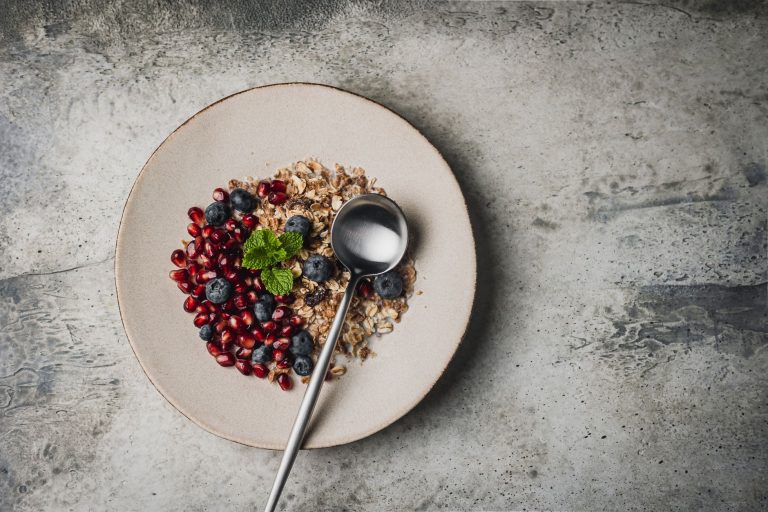
Think about the difference between a boxed breakfast pastry and a bowl of organic oats topped with fruit and seeds. One is likely to spike energy and leave you hungry again soon, while the other delivers fiber, steady fuel, and better support for the microbiome. The choice is not only about being organic. It is about choosing foods that work with your body instead of against it.
The Best Organic Foods for Gut Health
When people ask what to eat for better digestion, the answer is not usually one single superfood. It is a pattern. The best organic foods for gut health tend to fall into a few categories: fermented foods, fiber-rich vegetables, prebiotic fruits and grains, and supportive fats and proteins. Each group plays a different role, and together they create a more complete nutrition strategy.
Fermented Foods That Add Beneficial Bacteria
Fermented foods are some of the most valuable additions to a gut-friendly organic diet because they can introduce live cultures that help support microbial diversity. If your digestion feels off, these foods are often a smart place to start, especially in modest portions. They can be savory, tangy, refreshing, and surprisingly versatile.
Top fermented organic foods to try
- Organic plain yogurt or kefir with live cultures
- Sauerkraut made with simple ingredients and no added sugar
- Kimchi for a spicy, flavorful probiotic boost
- Miso added to soups or dressings after cooking
- Tempeh as a protein-rich fermented staple
Start slowly if you are new to fermented foods. A small spoonful of sauerkraut or a half cup of kefir can be enough to begin with. Too much too soon may feel intense for sensitive stomachs. Why rush? The goal is consistency, not overwhelm.
Fiber-Rich Organic Vegetables That Feed Good Bacteria
Fiber is one of the most important nutrients for gut health because it helps keep digestion moving and feeds the beneficial microbes in your intestines. Organic vegetables are especially valuable in a clean eating plan because they can be eaten generously and combined in endless ways. The more colors you include, the wider the variety of plant compounds you provide.
The best vegetables for gut support are often the ones that deliver both soluble and insoluble fiber. Soluble fiber helps soften the digestive process and supports blood sugar balance, while insoluble fiber helps keep everything moving. That combination matters if you are also trying to support weight loss, because you are more likely to stay full and satisfied.
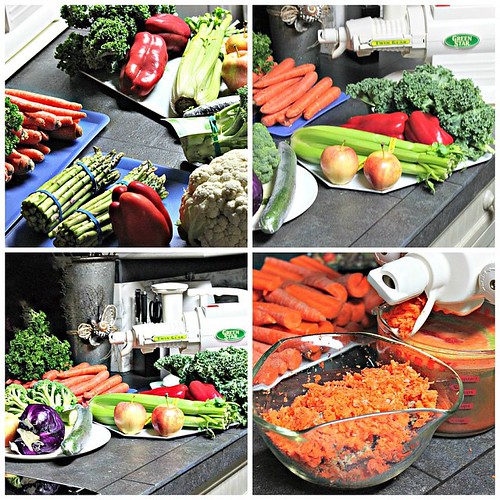
- Leafy greens such as spinach, kale, and arugula
- Broccoli, cauliflower, and Brussels sprouts
- Carrots, beets, and sweet potatoes
- Asparagus and artichokes, which contain prebiotic compounds
- Cucumber, celery, and zucchini for hydration and variety
[IMAGE: organic vegetables]
One of the simplest ways to improve nutrition is to make vegetables the centerpiece of your plate rather than a side note. Could your lunch become a colorful salad instead of a quick sandwich? Could your dinner include two vegetables instead of one? Small upgrades like these can have a real impact on digestion over time.
Prebiotic Organic Foods That Feed the Microbiome
Prebiotics are different from probiotics. While probiotics are beneficial bacteria, prebiotics are the fibers and plant compounds that feed those bacteria. Without prebiotics, even the best probiotic foods may not be enough. A gut-friendly clean eating routine includes both.
Some of the best organic prebiotic foods are easy to find and affordable. They do not require a complicated detox diet. They simply need to show up regularly in your meals.
- Organic oats
- Bananas, especially slightly green ones
- Apples with the skin on
- Onions and garlic
- Flaxseeds and chia seeds
- Legumes such as lentils and chickpeas
These foods help beneficial bacteria flourish, which can support healthier digestion, steadier energy, and even improved appetite regulation. If you are trying to lose weight, that combination can be especially helpful because it encourages fullness without relying on heavy portions.
Supportive Organic Proteins and Fats
Gut health is not only about bacteria and fiber. You also need enough protein and healthy fats to feel satisfied and maintain stable energy. The wrong type of meal can leave you grazing all afternoon. The right one can keep you focused and calm between meals.
Organic protein sources can include eggs, Greek yogurt, tempeh, tofu, legumes, and in some diets wild fish or pasture-raised poultry. Healthy fats from avocado, olive oil, walnuts, chia seeds, and hemp seeds can help slow digestion just enough to promote fullness. That is especially useful if your goal is weight loss through a healthy diet rather than aggressive restriction.
Try to build meals with all three elements: fiber, protein, and healthy fat. When you do, clean eating becomes much more satisfying and far more sustainable.
How to Build a Gut-Friendly Organic Plate
The easiest way to stick with healthy eating is to make it practical. You do not need a perfect meal plan or expensive ingredients. You need a repeatable structure that helps you decide what to eat when you are busy, tired, or tempted by convenience food. A gut-friendly plate usually follows a simple formula: plenty of plants, a quality protein, a source of healthy fat, and a portion that leaves you comfortably full.
A Simple Plate Formula for Clean Eating
- Half the plate: organic vegetables or leafy greens
- One quarter of the plate: organic protein or fermented protein-rich foods
- One quarter of the plate: smart carbohydrates such as oats, quinoa, brown rice, or sweet potato
- A small addition: healthy fats such as olive oil, seeds, avocado, or nuts
This structure supports nutrition without feeling restrictive. It also works well for people who want weight loss because it naturally encourages portion awareness while still feeling generous and satisfying. Isn’t it easier to stay consistent when your meals already have a built-in rhythm?
What a Gut-Friendly Breakfast Can Look Like
Breakfast is often where people either set themselves up for steady energy or start the day with a blood sugar roller coaster. A pastry, flavored coffee, or sweet cereal may taste good in the moment, but it rarely supports digestion or fullness. An organic breakfast built with fiber and protein can do much more for your day.
Breakfast ideas
- Organic oats topped with chia seeds, berries, and plain yogurt
- Vegetable omelet with spinach, mushrooms, and avocado
- Kefir smoothie with banana, flaxseed, and a handful of greens
- Whole-grain toast with nut butter and sliced apple
These meals are simple, but they check the right boxes for clean eating, gut support, and better appetite control. If you often feel hungry an hour after breakfast, take that as useful feedback. Your body may be asking for more fiber, protein, or both.
What a Lunch or Dinner Might Look Like
Lunch and dinner should ideally be the meals where your organic food routine shines. This is the perfect time to build a colorful bowl or plate that feels nourishing rather than complicated. The more you cook at home, the easier it becomes to create meals that suit your digestion.
Lunch and dinner ideas
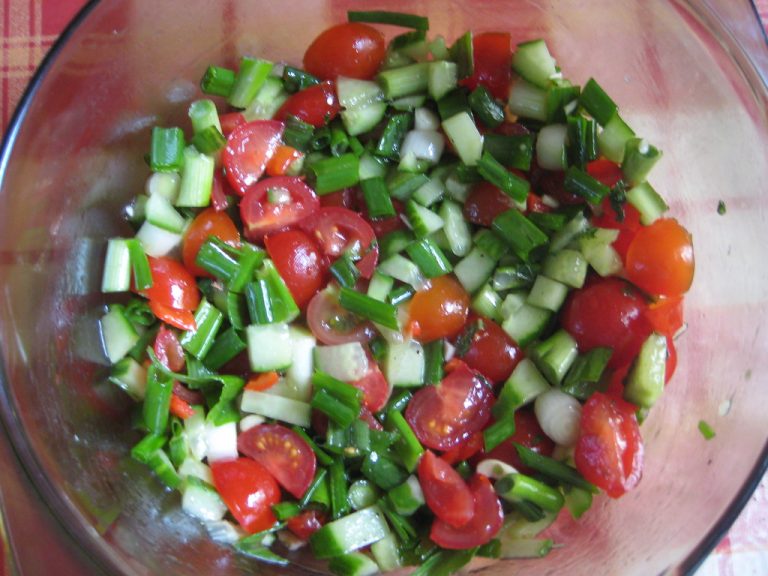
- Big salad with mixed greens, chickpeas, cucumber, pumpkin seeds, and olive oil dressing
- Roasted vegetables with quinoa, tempeh, and sauerkraut
- Soup made with lentils, carrots, celery, garlic, and herbs
- Baked salmon or tofu with broccoli and sweet potato
[IMAGE: healthy meal]
A useful habit is to include at least one ingredient that supports the microbiome and one that keeps you full for hours. For example, pair lentils with greens, or yogurt with berries and seeds. That combination is a small but meaningful form of nutrition strategy.
Smart Snacks for Digestion and Weight Loss
Snacks are not the enemy. Poorly chosen snacks are. If you are trying to support gut health while managing weight, it helps to choose snacks that are small, balanced, and minimally processed. A snack should bridge the gap between meals, not derail your appetite or create another blood sugar spike.
- Apple slices with almond butter
- Plain organic yogurt with cinnamon
- Carrot sticks with hummus
- A handful of walnuts and pumpkin seeds
- Chia pudding with unsweetened almond milk
Notice that these ideas are all real food. That is the heart of clean eating. You are not counting every bite or obsessing over trends. You are simply making the next choice a little more supportive than the last.
A Gentle Organic Reset for Better Digestion
Some people search for a detox diet when they feel bloated, sluggish, or out of rhythm. While the body already has natural detoxification systems, there is value in giving those systems a break from heavy, processed, and overly sugary foods. A gentle organic reset is not about starvation. It is about simplifying what you eat so your gut can settle down and do its job more efficiently.
If your meals have become chaotic, even a two- or three-day reset can help you notice how much better you feel when food is simple and fresh. This can be especially useful if you want to return to a healthy lifestyle after a period of travel, stress, or indulgence.
Three-Day Reset Principles
- Choose organic vegetables at most meals
- Include one fermented food each day
- Avoid excess sugar, alcohol, and highly processed snacks
- Drink plenty of water and herbal teas
- Keep meals balanced with protein and healthy fats
What you are really doing here is reducing friction. When you remove common digestive irritants and add foods that support balance, your body often responds quickly. Many people feel lighter, more focused, and less bloated within a few days.
Sample Day on a Gentle Reset
Morning: Warm lemon water, followed by oatmeal with chia seeds, blueberries, and yogurt.
Lunch: Mixed greens with roasted vegetables, lentils, avocado, and olive oil.
Snack: Cucumber slices with hummus or a small handful of nuts.
Dinner: Miso soup with tofu, mushrooms, and steamed greens, plus a side of quinoa.
This kind of day is simple, affordable, and surprisingly satisfying. It is also a far more realistic path than any rigid cleanse that leaves you tired and irritable.
What to Limit if You Want Better Digestion
Supporting your gut is not only about what you add. It also depends on what you reduce. You do not need to live by strict food rules, but being honest about your triggers can make a huge difference. Some foods are simply harder to digest or more likely to crowd out better choices.
Common Foods That Can Disrupt the Gut
- Ultra-processed packaged foods
- Added sugar in drinks, desserts, and sauces
- Deep-fried foods eaten often
- Alcohol in excess
- Artificial sweeteners that upset sensitive stomachs
- Large portions eaten very quickly
There is no need to demonize every treat. The issue is frequency and balance. If your daily pattern is built on convenience foods, your digestion may struggle to recover. But if those foods appear occasionally while your overall diet is centered on organic food and clean eating, your gut is likely to have an easier time.
Pay Attention to Food Sensitivities
Even healthy ingredients can cause discomfort for some people. Dairy, gluten, beans, and raw vegetables may be difficult to tolerate depending on the individual. Rather than assuming every symptom means you are doing something wrong, pay attention to patterns. Keep a food and symptom journal if necessary. Ask yourself: do you feel better after cooked vegetables than raw ones? Does yogurt help you, or does it cause discomfort? Those details matter.
The best nutrition plan is one your body can live with consistently. Organic food should help you feel supported, not stressed.
Lifestyle Habits That Make Organic Nutrition Work Better
Food matters, but so do the habits around food. A healthy lifestyle is built on more than ingredients. Sleep, stress management, movement, and hydration all shape the way your gut functions. If you eat beautifully but sleep poorly and stay under chronic stress, your digestion may still feel off.
Five Daily Habits That Support Gut Health
- Eat slowly and chew thoroughly
- Drink water throughout the day, not all at once
- Take a walk after meals to support digestion
- Prioritize seven to nine hours of sleep
- Manage stress with breathing, journaling, or time outdoors
[IMAGE: fitness lifestyle]
Movement is especially underrated. A short walk after dinner may help reduce bloating and improve blood sugar response. Gentle exercise does not need to be intense to be effective. In fact, if you are focused on weight loss, steady routines often work better than punishing workouts that leave you exhausted and ravenous.
Hydration and the Gut
Water helps move fiber through the digestive tract and supports every system involved in nutrient delivery. Herbal teas such as ginger, peppermint, or fennel can also feel soothing after meals. If you are increasing fiber through organic foods, hydration becomes even more important. Otherwise, your efforts may backfire and lead to discomfort rather than relief.
A helpful rule is to drink consistently throughout the day and observe how your body responds. Sometimes the simplest nutrition fix is not another supplement. It is just better hydration.
Common Mistakes People Make with Organic Food and Gut Health
It is easy to assume that buying organic automatically means eating in a gut-friendly way, but that is not always true. A bag of organic chips is still a processed snack. A smoothie can still be overloaded with fruit and too little protein. Even very clean ingredients can be used in a way that does not support your goals.
Frequent Mistakes to Avoid
- Eating too little food and then overeating later
- Skipping protein while focusing only on vegetables
- Using fruit-heavy smoothies as a full meal
- Replacing all foods with juice or detox drinks
- Ignoring portion size because the food is organic
- Changing too much too quickly and giving up early
Organic food works best when it is part of a thoughtful routine, not a rigid identity. You do not need to eat perfectly. You need to eat in a way that respects your digestion and supports your goals. That is a much more sustainable way to approach clean eating and nutrition.
Why Slow Progress Often Lasts Longer
Many people want fast results, especially when weight loss is a priority. But digestion improves best when the changes are steady. If you swap one or two meals a day for more whole, organic choices, you may notice improvements without feeling overwhelmed. Over time, these small shifts compound into a major transformation.
Think of this as a long game. The aim is not just to drop a few pounds. The aim is to build a body that feels strong, calm, and well fueled. That is the kind of result people remember.
A Sample Day of Organic Clean Eating for Gut Health and Weight Loss
If you prefer practical examples, here is a simple day that brings together the ideas in this article. It is balanced, nutrient-dense, and easy to adapt based on your preferences.
Breakfast
Organic oats cooked with cinnamon, topped with chia seeds, blueberries, and a spoonful of plain yogurt. This meal gives you fiber, probiotics, and slow-release energy.
Lunch
A large salad of mixed greens, roasted carrots, cucumber, chickpeas, avocado, and olive oil dressing. Add a small serving of quinoa if you want more staying power.
Snack
An apple with almond butter or a small cup of kefir. Simple, satisfying, and easy on the stomach.
Dinner
Roasted salmon, tofu, or tempeh with steamed broccoli, sweet potato, and a side of sauerkraut. This meal combines protein, fiber, and fermentation in a way that feels nourishing rather than heavy.
Evening
Herbal tea and a short walk or light stretching. Sometimes the digestive system needs calm as much as it needs food.
Meal plans like this are not designed to be dramatic. They are designed to be livable. If you can repeat a routine several times a week, it becomes part of your healthy lifestyle instead of another temporary fix.
How to Make This Approach Work in Real Life
The best nutrition strategy is the one you can actually follow on your busiest days. To make organic food and clean eating practical, focus on preparation and simplicity. Keep a few key ingredients on hand. Cook once and eat twice. Build meals around foods that you genuinely enjoy.
- Wash and prep vegetables at the start of the week
- Cook a batch of grains or lentils in advance
- Keep yogurt, kefir, or fermented vegetables ready to use
- Stock up on seeds, nuts, and herbs for easy toppings
- Choose two or three repeatable meals you can rely on
This is how a health-forward routine becomes sustainable. You remove friction. You make the healthy choice the easy choice. And when that happens, weight loss and better digestion often follow naturally, without the mental strain that usually comes with restrictive diets.
When you begin choosing organic foods with your gut in mind, you are doing more than upgrading ingredients. You are building a calmer, more intelligent way of eating that supports digestion, energy, and long-term results. That shift can change the way you feel after every meal, and it can also change how confident you feel about food itself. If you enjoyed this guide, explore more articles on DietOrganic for fresh ideas on organic food, healthy diet strategies, detox diet inspiration, and practical clean eating tips that fit real life.
About the Author