
Photo by Chantal Garnier on Unsplash
Your gut does far more than digest lunch. It influences how you absorb nutrients, how steady your energy feels, how often you crave sugar, and even how easily you manage your weight. That is why so many people looking for a healthier lifestyle are turning to organic food and clean eating as a long-term strategy rather than a temporary reset. When the foods on your plate support digestion, the rest of your body often feels the difference too.
If you have been trying to improve your nutrition, lose weight, or simply feel lighter and more comfortable after meals, a gut-focused approach can be a powerful place to start. The right organic foods can help feed beneficial bacteria, calm digestive irritation, and make healthy habits easier to sustain. And unlike restrictive trends, this approach can be practical, satisfying, and deeply nourishing.
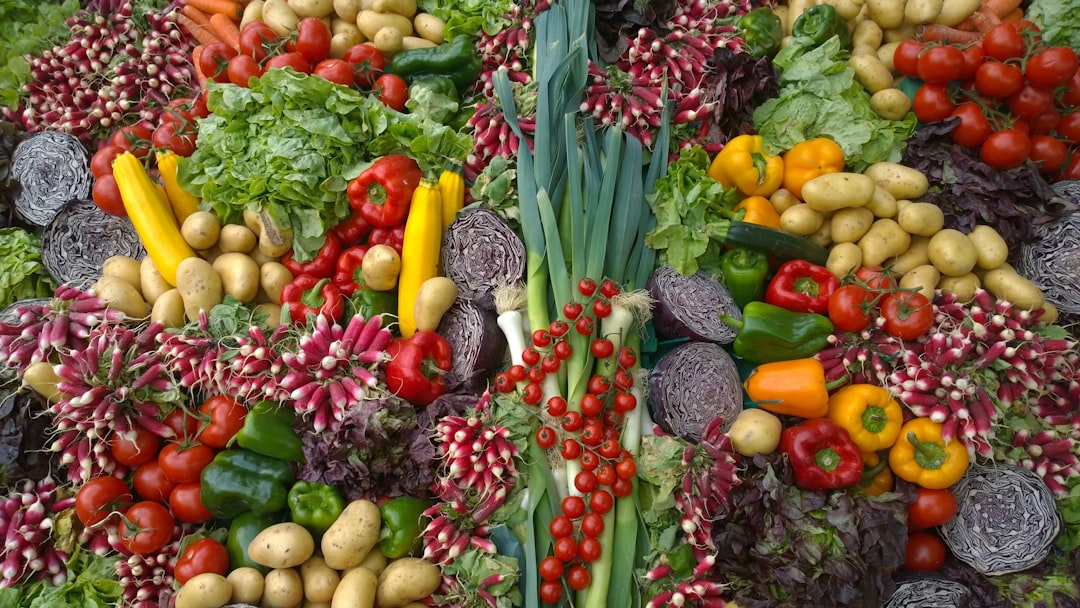
[IMAGE: organic vegetables]
So what actually helps the gut, and which organic foods deserve a place in your daily routine? How do you build meals that support digestion without making food feel complicated? The answer begins with understanding that a healthy gut is not built on one superfood alone. It is built on patterns: fiber-rich produce, fermented foods, wholesome proteins, healthy fats, and steady hydration. When those patterns are repeated, your digestion, metabolism, and overall nutrition can improve together.
Why Gut Health Matters in a Clean Eating Routine
The gut is often described as the body’s second brain, and for good reason. It plays a central role in breaking down food, absorbing vitamins and minerals, regulating inflammation, and communicating with the immune system. If digestion is sluggish or inconsistent, even the healthiest meal may not leave you feeling your best. Bloating, fatigue, cravings, and irregular bowel movements are often signs that your gut needs more support.
Clean eating is helpful here because it removes some of the common digestive stressors found in heavily processed foods. Excess additives, refined sugar, and low-fiber meals can make the digestive system work harder than necessary. By contrast, organic food choices often encourage simpler ingredient lists, fresher produce, and more intentional meal planning. That combination can be very supportive when your goal is better nutrition and easier digestion.
There is also a practical weight loss benefit. A gut that functions more smoothly tends to support more stable hunger signals and less emotional snacking. When meals are balanced and satisfying, it becomes easier to stay on track without feeling deprived. Who would not want a healthy lifestyle that feels nourishing rather than punishing?
The Best Organic Foods for Gut Health
Not every healthy food acts in the same way, and a smart organic diet plan focuses on variety. Some foods feed beneficial gut bacteria, some soothe the digestive tract, and others help keep bowel movements regular. The best results come when you combine these foods consistently rather than eating them only occasionally.
1. Organic leafy greens
Spinach, kale, Swiss chard, romaine, and arugula are all excellent choices for clean eating. These greens provide fiber, folate, magnesium, and plant compounds that support digestion and overall nutrition. Their fiber helps move food through the digestive tract, while their nutrients support the body’s natural detox diet processes.
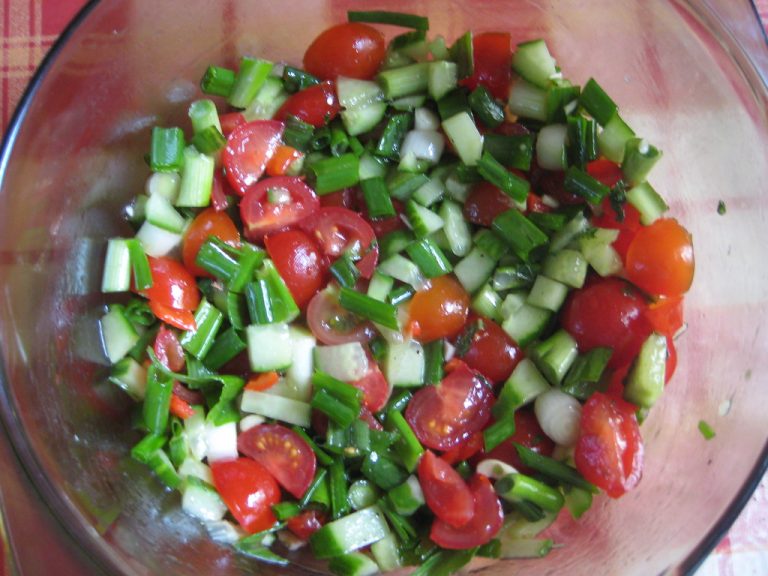
Leafy greens are also extremely versatile. You can add them to smoothies, sauté them with garlic and olive oil, layer them in grain bowls, or use them as a base for salads. If you struggle to eat enough vegetables, starting with one organic green serving a day is a simple but meaningful step.
2. Fermented organic foods
Fermented foods are a cornerstone of gut health because they naturally contain beneficial bacteria. Organic yogurt, kefir, sauerkraut, kimchi, miso, and tempeh can help introduce more microbial diversity into the diet. That diversity matters because a more balanced gut environment often supports better digestion and stronger resilience.
Not all fermented foods are created equal, though. Look for products with live and active cultures and minimal added sugar. An organic yogurt with berries, for example, can make a smart breakfast or snack. A spoonful of sauerkraut can brighten a grain bowl or sandwich. Small portions go a long way, so there is no need to overwhelm your plate.
3. Organic apples and pears
These fruits are gentle, easy to enjoy, and rich in soluble fiber, especially pectin. Soluble fiber acts like a soft gel in the digestive tract, helping feed beneficial bacteria and support regularity. Apples and pears are also convenient for busy days when you need a portable option that feels light but satisfying.
For the most gut-friendly approach, eat them with the skin when possible, since much of the fiber is found there. Pairing fruit with nuts, seeds, or yogurt can make the snack more balanced and help prevent quick energy spikes. This is clean eating at its simplest: whole ingredients, easy combinations, and reliable nutrition.
4. Organic oats and chia seeds
Oats and chia seeds are two of the most valuable pantry items for gut support. Oats contain beta-glucan, a type of soluble fiber that can help nourish the gut microbiome. Chia seeds absorb liquid and form a gel-like texture that may support smoother digestion and a feeling of fullness.
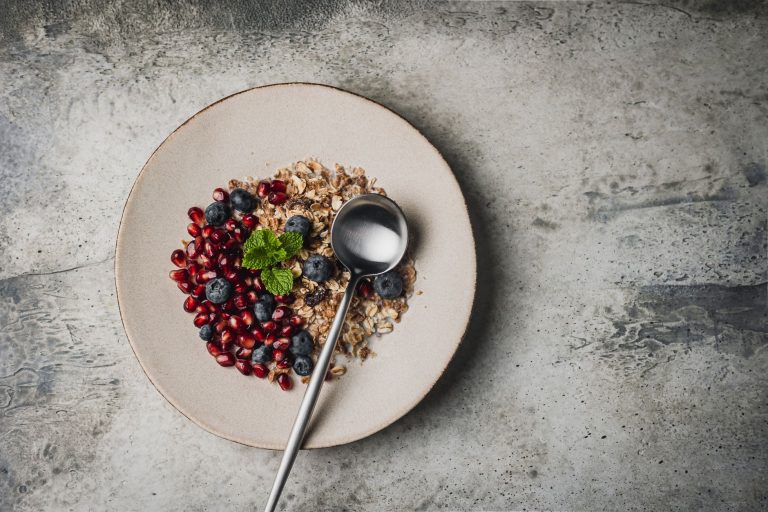
Try overnight oats with almond milk, cinnamon, chia, and berries for a breakfast that fits weight loss goals without leaving you hungry by mid-morning. Or stir chia into smoothies and yogurt for an effortless nutrition boost. If you have been searching for healthy breakfast ideas, this pairing deserves a place near the top of your list.
5. Organic berries
Blueberries, raspberries, blackberries, and strawberries provide fiber, antioxidants, and a naturally sweet flavor that works beautifully in a clean eating plan. Their color signals a rich supply of plant compounds that may help calm inflammation, which matters because inflammation and digestive discomfort often travel together.
Berries are especially useful for weight loss because they satisfy a sweet craving without the heavy sugar load of desserts. They are delicious in smoothies, yogurt bowls, salads, and even savory dishes. A small bowl of organic berries can feel indulgent while supporting your nutritional goals.
6. Organic avocados
Avocados are rich in healthy fats and fiber, making them one of the most useful foods for gut support. Their creamy texture helps meals feel satisfying, and their nutrient density makes them a smart choice when you want energy that lasts. Healthy fats also support absorption of fat-soluble vitamins, which means the rest of your meal may become more useful to the body.
Try avocado on whole-grain toast, in a salad, blended into a creamy dressing, or alongside eggs and vegetables. If your diet has been too low in fat, adding modest portions of avocado can make clean eating feel easier and more complete.
7. Organic garlic and onions
Garlic and onions are flavorful staples that also contain prebiotic fibers. Prebiotics feed beneficial bacteria already living in the gut, helping them thrive. This is one reason traditional cuisines often rely on these ingredients in soups, stews, and sauces. They do more than improve taste; they help create a digestive-friendly foundation.
If you are sensitive to raw onion or garlic, try cooking them gently to reduce intensity. Roasting, sautéing, or simmering can bring out the flavor while making them easier to digest. Their contribution to nutrition is quietly powerful, especially when combined with other organic foods.
8. Organic sweet potatoes
Sweet potatoes offer fiber, potassium, and a soft texture that many digestive systems tolerate well. They are comforting, versatile, and naturally sweet without needing extra sugar. Because they are satisfying, they can also be helpful for weight loss when you need a filling carbohydrate that supports stable energy.
Roast them, mash them, cube them for bowls, or bake them as a side dish. A sweet potato paired with leafy greens and a protein source can make a balanced meal that supports both clean eating and nutrient intake.
9. Organic seeds and nuts
Pumpkin seeds, flaxseeds, walnuts, almonds, and sunflower seeds bring fiber, minerals, and healthy fats to the table. Flaxseeds in particular are often recommended for digestion because they contain soluble fiber and plant compounds that can help support regularity. Pumpkin seeds bring magnesium and zinc, two nutrients that play supportive roles in overall wellness.
Keep portions moderate, especially if your goal is weight loss, because nuts and seeds are calorie-dense. A small handful or a tablespoon added to meals can be enough to provide benefits without overwhelming your daily energy target.
10. Organic bone broth or vegetable broth
Warm broth can be soothing when your digestion feels off or your appetite is low. Organic bone broth is often appreciated for its comforting nature, while vegetable broth can be a lighter choice in a detox diet or plant-forward routine. Either can serve as a base for soups, grain bowls, or simple recovery meals.
Broth is not a magic cure, but it can be a useful hydration and nourishment tool. On busy days, sipping broth can be an easy way to stay anchored to your healthy lifestyle without needing a complicated recipe.
How Organic Food Supports Weight Loss Without Extreme Rules
Many people think weight loss requires eating less and suffering more, but the more sustainable approach usually looks very different. When meals are rich in fiber, protein, and healthy fats, appetite tends to feel more manageable. Organic food is not automatically lower in calories, but it often encourages whole ingredients that are easier to portion and more satisfying to eat.
That satisfaction is important. A person who feels satisfied after meals is less likely to keep searching for snacks an hour later. A balanced organic diet can help create that feeling through smart combinations: vegetables for volume, protein for structure, fats for satiety, and fermented foods or fiber-rich foods for digestive support.
Have you noticed that some meals leave you energized while others make you want to lie down? The difference is often not just calories, but quality. Clean eating helps you choose foods that provide better nutrition and more stable energy, which can naturally support your weight loss efforts over time.
What a gut-friendly weight loss plate looks like
A practical meal does not need to be perfect. It needs balance. A simple framework can make decision-making easier:
- Half the plate: organic vegetables, especially leafy greens, cruciferous vegetables, or cooked root vegetables
- One-quarter of the plate: protein such as eggs, Greek yogurt, tempeh, salmon, chicken, or lentils
- One-quarter of the plate: fiber-rich carbohydrates such as quinoa, oats, sweet potato, or brown rice
- Small addition: healthy fats like avocado, olive oil, seeds, or nuts
- Optional support: fermented food such as sauerkraut, kefir, or yogurt
This style of eating feels more like nourishment than restriction. It also keeps the focus on consistency, which is far more important than perfection.
Why fiber is the quiet hero
Fiber helps regulate digestion, supports blood sugar stability, and keeps meals satisfying longer. It also acts as food for gut bacteria. Because many processed diets are low in fiber, switching to more organic whole foods can create a noticeable improvement in how your body feels.
For weight loss, this matters in a very practical way. Fiber-rich meals can reduce the urge to overeat because they take longer to digest and help maintain fullness. That does not mean fiber alone causes weight loss, but it does help create the conditions for better control and stronger habits.
Clean Eating Habits That Make Gut Health Easier
Even the best organic foods work better when supported by consistent habits. If your meals are rushed, dehydrating, or too low in variety, your gut may still feel under pressure. A true healthy lifestyle includes more than ingredients. It includes rhythm, timing, and a little planning.
1. Eat at regular times
Digestive systems appreciate routine. Eating at roughly consistent times can help your body know when to expect nourishment, which may reduce erratic hunger and snacking. You do not need a rigid schedule, but a predictable rhythm often helps both digestion and energy.
2. Chew more slowly
Digestion begins in the mouth. Chewing thoroughly breaks food down and gives your body more time to recognize fullness. It also reduces the burden on the stomach and intestines. This simple habit is easy to overlook, yet it can change how meals feel almost immediately.
3. Drink enough water
Hydration supports every stage of digestion, from swallowing to bowel regularity. If your diet is high in fiber but low in fluids, you may feel more bloated instead of less. Keep water nearby throughout the day, and consider herbal teas or warm water in the morning if that feels soothing.
4. Limit ultra-processed foods
One of the most helpful clean eating shifts is reducing ultra-processed foods that are high in refined ingredients and low in useful nutrients. These products often crowd out the foods that support the gut. You do not need to eliminate every convenience item, but making organic whole foods the default can shift your nutrition dramatically.
5. Pay attention to food sensitivity
Some people feel better when they limit certain foods, even if those foods are generally considered healthy. Dairy, gluten, or high-FODMAP ingredients may be irritating for some digestive systems. The key is to observe how you feel after meals rather than following trends blindly. What supports one person’s gut health may not support yours in the same way.
Organic Foods That Can Support a Detox Diet Naturally
The word detox is often misused, but your body does have built-in detoxification systems, especially in the liver, kidneys, skin, and digestive tract. A sensible detox diet does not mean starvation or juice-only plans. It means reducing the burden of low-quality foods and increasing the availability of nutrient-dense organic foods that support normal function.
In that sense, the most useful detox diet is one that is sustainable. Vegetables, fruits, herbs, water-rich foods, and adequate protein all play a role. So do foods rich in sulfur compounds, antioxidants, and fiber. Rather than chasing extremes, focus on meals that make your body’s everyday processes easier.
Best organic foods for gentle detox support
- Broccoli, cauliflower, Brussels sprouts, and cabbage
- Leafy greens like kale, spinach, and parsley
- Cucumbers, celery, and zucchini for hydration
- Beets for color, fiber, and plant compounds
- Lemon, ginger, and mint for flavor and freshness
- Green tea for a lighter beverage option
These foods do not cleanse the body in a dramatic or magical sense, but they can support your system by reducing unnecessary load and increasing nutrient intake. That is the kind of detox support that fits real life.
Breakfast, Lunch, and Dinner Ideas for a Gut-Friendly Organic Diet
Many healthy eating plans fail because they sound good in theory but feel impractical at 7 a.m. or 8 p.m. This is where simple meal ideas can make a real difference. A gut-friendly organic diet should feel doable on a weekday, not just impressive on paper.
Breakfast ideas
Breakfast is an opportunity to begin the day with fiber, protein, and steady energy. If you usually skip breakfast or rely on sugary pastries, small changes can go a long way.
- Organic overnight oats with chia, berries, and cinnamon
- Greek yogurt with flaxseed, walnuts, and sliced pears
- Scrambled eggs with spinach, avocado, and tomatoes
- Smoothie with kefir, banana, berries, and leafy greens
[IMAGE: healthy meal]
Lunch ideas
Lunch works best when it offers enough substance to keep you focused without making you sluggish. A balanced bowl or salad can be ideal.
- Quinoa bowl with roasted vegetables, chickpeas, and sauerkraut
- Turkey or tempeh wrap with greens, avocado, and cucumber
- Lentil soup with carrots, celery, garlic, and a side salad
- Salmon over mixed greens with olive oil and lemon dressing
Dinner ideas
At dinner, many people overeat because they are tired and undernourished by the end of the day. A well-composed organic meal can help prevent that pattern.
- Roasted chicken, sweet potatoes, and Brussels sprouts
- Stir-fried tofu with broccoli, garlic, and brown rice
- Baked fish with asparagus and a quinoa salad
- Vegetable soup with beans, herbs, and a slice of whole-grain toast
These meals are not complicated, but they are complete. That is often the difference between a plan that lasts and a plan that fades by Thursday.
Organic Snacks That Support Digestion Instead of Disrupting It
Snacking is not the enemy. Unhelpful snacking habits are. When you choose snacks with fiber, protein, and healthy fats, you can stabilize energy and prevent overeating later. If your goal is weight loss, snacks should support your main meals rather than compete with them.
Some of the best options include:
- Apple slices with almond butter
- Carrot sticks with hummus
- Plain organic yogurt with berries
- Pumpkin seeds and a small handful of walnuts
- Celery with avocado
- Homemade chia pudding
The key question is simple: does this snack help me feel nourished, or is it just filling time? That small shift in awareness can transform how you eat throughout the day.
Foods and Habits to Reduce If Your Gut Feels Off
Sometimes gut health improves more from subtraction than addition. If bloating, sluggishness, or discomfort are common for you, it may be worth examining what is regularly showing up on your plate.
Common troublemakers
- Highly refined sugary snacks
- Large amounts of fried foods
- Alcohol in excess
- Very low-fiber meals
- Artificially flavored, heavily processed products
- Eating too quickly or while highly stressed
Reducing these triggers does not have to feel harsh. The most effective healthy lifestyle changes are often gradual, realistic, and repeatable. Try swapping one habit at a time, such as replacing a packaged snack with fruit and nuts, or choosing water instead of a sweetened drink a few times a week.
How to Build a Weekly Gut-Healthy Organic Food Routine
Planning ahead is one of the most underrated tools for clean eating. When your kitchen is stocked, good choices become easier than bad ones. A weekly routine can also reduce decision fatigue, which is a hidden obstacle to healthy eating.
Your simple weekly framework
- Choose 2 to 3 vegetables to prep in advance, such as broccoli, carrots, and greens
- Pick 2 proteins you can use in different meals, such as eggs and salmon or tofu and chicken
- Prepare 1 or 2 gut-friendly grains like oats, quinoa, or brown rice
- Keep fermented foods on hand for easy small servings
- Wash fruit and chop snack vegetables so healthy choices are visible and ready
Simple systems create consistency. Consistency creates results. And results, over time, are what matter most.
Sample one-day organic gut-support menu
Morning: Warm water, then overnight oats with chia, blueberries, and walnuts
Midday: Quinoa bowl with roasted vegetables, grilled chicken, avocado, and sauerkraut
Snack: Pear with pumpkin seeds
Evening: Salmon, sweet potato, and sautéed spinach with garlic
Optional: Herbal tea after dinner
This kind of menu is balanced enough to support nutrition, light enough to support digestion, and practical enough to repeat.
What Experts Often Recommend for Long-Term Gut Support
Nutrition professionals often emphasize the same broad principles because they work: eat more plants, choose minimally processed foods, include fermented foods if tolerated, and maintain enough protein and hydration. Those recommendations may sound familiar, but their value lies in execution.
There is no need to chase a perfect detox diet or an extreme weight loss challenge. In many cases, the best results come from building a diet that is gentler, richer in nutrients, and more consistent over time. Organic foods are helpful not because they are fashionable, but because they often make it easier to stay close to the source of the food itself.
[IMAGE: fitness lifestyle]
When your meals are built around real ingredients, you are more likely to eat mindfully, digest comfortably, and feel energized enough to move your body. That connection between food and activity is one of the quiet foundations of a healthy lifestyle. After all, how often do we underestimate the effect of a nourishing breakfast or a satisfying lunch on the rest of the day?
Making the Shift Without Feeling Overwhelmed
If your current routine is far from clean eating, the idea of changing everything at once can feel exhausting. The good news is that you do not need to overhaul your entire kitchen in a single weekend. Start with the simplest upgrades.
- Swap one packaged breakfast for oats or yogurt
- Add one extra vegetable serving each day
- Replace one sugary snack with fruit and nuts
- Include one fermented food a few times per week
- Drink an extra glass of water before lunch
These changes may look modest, but they are the kind that build momentum. A healthy lifestyle is rarely created by a single dramatic gesture. It is built through repetition, convenience, and food that truly supports the body.
Why Organic Choices Can Be a Smart Investment
Choosing organic food is often framed as a lifestyle statement, but it can also be a practical decision. Many people appreciate the emphasis on fewer synthetic inputs, fresher produce, and stronger alignment with clean eating values. For gut health, the bigger picture is that organic choices often make meal planning feel more intentional and less processed.
That does not mean every meal has to be fully organic to be beneficial. Even a partial shift can improve the overall quality of your diet. If your budget is limited, prioritize the foods you eat most often or the produce you consume with the skin on. A thoughtful approach is far more effective than an all-or-nothing mindset.
What matters most is pattern, not perfection. The body responds to repeated habits, and repeated habits are built from manageable decisions made on ordinary days.
Bringing It All Together for Better Digestion and Lasting Energy
A gut-friendly organic food routine can do more than improve digestion. It can support weight loss, enhance nutrition, and make healthy living feel more grounded and sustainable. By focusing on fiber-rich produce, fermented foods, nourishing fats, and balanced meals, you give your body the resources it needs to function well.
The real power of this approach lies in its simplicity. You do not need a harsh cleanse, a rigid detox diet, or a menu that leaves you feeling hungry and discouraged. You need food that works with your body instead of against it. You need meals that are satisfying enough to repeat and wholesome enough to trust.
So begin where you are. Add the organic vegetables. Try the yogurt or kefir. Build a bowl that actually fills you up. Ask yourself what your body feels like after a meal, not just what the meal looks like on a plate. When you start paying attention to those signals, clean eating becomes less of a trend and more of a personal standard worth keeping.
If you are ready to keep refining your routine, explore more articles on DietOrganic for practical ideas on organic food, nutrition, weight loss, and healthy lifestyle strategies that feel elegant, realistic, and genuinely supportive.
About the Author