
Photo by Anna Pyshniuk on Pexels
When people think about clean eating, they often focus on calories, carbohydrates, or the latest trend in weight loss. But there is a deeper question worth asking: how well is your body actually processing the food you eat every day? If digestion feels sluggish, energy drops after meals, or cravings seem impossible to control, your gut may be asking for a different kind of support. That is where organic food can make a real difference. By choosing nutrient-dense, minimally processed ingredients, you create a cleaner foundation for digestion, detox support, and long-term healthy lifestyle habits.
The connection between organic food and gut health is more than a marketing idea. A balanced digestive system helps you absorb nutrients more efficiently, regulate appetite, and maintain steadier energy throughout the day. It can also support healthy weight loss in a way that feels sustainable instead of extreme. Rather than chasing quick fixes, clean eating with organic ingredients gives your body the raw materials it needs to function better from the inside out. And the best part? You do not need a complicated routine to start. You need a simple plan, the right foods, and a few smart habits that you can actually maintain.
Why gut health matters more than most people realize
Your gut is not just where food is broken down. It is also where much of your nutrition is absorbed, where much of your immune system is supported, and where many of the signals that affect hunger and fullness begin. If the digestive environment is out of balance, even a healthy diet can feel less effective. Have you ever eaten a meal that should have been satisfying, yet you still felt bloated, tired, or hungry an hour later? That is often a sign that your digestive system needs better support.
Your digestive system influences energy, cravings, and metabolism
The gut plays a major role in how you feel after eating. When digestion is efficient, food moves through the system at a healthy pace, nutrients are absorbed more effectively, and waste is eliminated without unnecessary stress. When digestion is off, however, you may notice irregularity, heaviness, gas, sugar cravings, or a sense that your meals are not working for you. This can make weight loss feel frustrating, even when you are trying to eat well.
A clean eating approach built on organic food can help reduce the number of unnecessary irritants in your diet, while increasing the intake of vitamins, minerals, antioxidants, and fiber. That combination is especially valuable if you want a detox diet that feels gentle and realistic rather than harsh or restrictive. Your body already knows how to detoxify through the liver, kidneys, skin, and digestive tract. Your job is to support those systems with nourishing food.
Why organic food can be a smarter choice for digestion
Organic food is often chosen to reduce exposure to synthetic pesticides, herbicides, and highly processed additives. While every person has unique needs, many people prefer organic produce because it fits naturally into a clean eating lifestyle. Fewer artificial ingredients can mean fewer digestive triggers for people who are sensitive to certain additives, and a more whole-food-based menu can help the gut function more calmly and efficiently.
Think about the typical modern diet: packaged snacks, refined sugars, low-fiber meals, and long ingredient lists. What happens when those foods dominate the week? Digestive discomfort often follows. Organic food encourages a return to basics. Fresh vegetables, fruits, legumes, grains, nuts, seeds, herbs, and quality proteins can form a nutrition plan that supports both gut health and weight loss without feeling deprived.
The best organic foods for a healthier digestive system
Not every organic item is automatically gut-friendly, but many whole foods can make a meaningful difference when they become staples in your kitchen. The goal is not perfection. The goal is to build meals that are satisfying, nourishing, and easy to digest. Below are some of the most useful organic foods for daily gut support.
Fermented foods that support balance
Fermented foods are among the most valuable additions to a clean eating plan because they introduce beneficial bacteria and helpful compounds that can support digestive balance. Organic versions are especially appealing when you want to keep your nutrition routine as clean as possible.
- Organic plain yogurt or kefir
- Organic sauerkraut
- Organic kimchi
- Organic miso
- Organic tempeh
These foods are best used in small, consistent amounts. A spoonful of sauerkraut with lunch or a serving of kefir at breakfast can be more effective than overloading your plate. If you are new to fermented foods, start gradually and pay attention to how your body responds. Would your gut prefer a gentle introduction instead of a dramatic overhaul? Most likely, yes.
Fiber-rich organic fruits and vegetables
Fiber is one of the most important nutrients for digestion, blood sugar balance, and satiety. It helps keep things moving and supports a healthier environment for gut bacteria. Organic vegetables and fruits are an easy way to increase fiber without relying on processed products.
- Leafy greens such as spinach, kale, and arugula
- Cruciferous vegetables such as broccoli, cauliflower, and Brussels sprouts
- Apples, pears, and berries
- Carrots, beets, and sweet potatoes
- Avocados
These foods are especially useful if you are building a weight loss plan because they provide volume, nutrients, and satisfaction with fewer empty calories. They also pair beautifully with healthy fats and proteins, making meals more stable and energizing. A smoothie made with organic spinach, berries, chia seeds, and yogurt can be a refreshing way to begin the day, while roasted vegetables with olive oil can anchor dinner.
Prebiotic foods that feed beneficial bacteria
Prebiotics are not the same as probiotics. Instead of adding bacteria to the gut, they help feed the beneficial bacteria already there. This creates a more supportive digestive environment over time. Organic prebiotic foods are a smart part of any detox diet because they nurture balance naturally.
- Organic garlic
- Organic onions
- Leeks
- Asparagus
- Bananas, especially slightly green ones
- Oats
- Chia seeds
These foods are easy to use in simple recipes, from soups and stews to overnight oats and grain bowls. The beauty of prebiotic foods is that they work quietly in the background. You may not notice a dramatic shift overnight, but over time they can contribute to steadier digestion and a more comfortable daily rhythm.
Healthy fats and quality proteins
Many people focus so heavily on produce that they forget the importance of fat and protein. Yet these nutrients are essential for satiety, tissue repair, hormone balance, and stable energy. In a healthy diet, they help prevent the blood sugar spikes and crashes that can leave you reaching for snacks too quickly.
- Organic eggs
- Wild-caught fish
- Organic chicken and turkey
- Organic tofu or tempeh
- Nut butters with simple ingredients
- Seeds such as flax, hemp, and pumpkin
- Extra virgin olive oil and avocado oil
A balanced plate with protein, fiber, and healthy fat tends to support digestion better than a meal built around refined starch alone. It can also help with healthy weight loss because you are more likely to feel satisfied and less likely to snack impulsively later. That is one of the quiet strengths of clean eating: it supports your appetite without constant effort.
How to build a gut-friendly plate at every meal
You do not need a complicated meal plan to eat well. In fact, one of the smartest ways to stay consistent is to use a repeatable structure. When every meal follows the same basic logic, grocery shopping, prep, and decision-making become easier. That makes healthy lifestyle habits much more realistic on busy days.
Breakfast that starts digestion gently
Breakfast can set the tone for the day. If you begin with a sugar-heavy meal, you may feel hungry again quickly. If you begin with a balanced meal, you are more likely to stay focused and satisfied. What would happen if your first meal worked with your body instead of against it?
- Organic yogurt with berries, chia seeds, and walnuts
- Overnight oats with flaxseed, cinnamon, and sliced apple
- Vegetable omelet with spinach, mushrooms, and herbs
- Green smoothie with protein, avocado, and lemon
Each option delivers fiber, protein, and clean ingredients without being heavy. For people who struggle with morning bloating, a lighter breakfast can sometimes feel better than a large, dense one. The key is to observe what supports you, not just what sounds trendy.
Lunch and dinner that support digestion and weight loss
Lunch and dinner are ideal opportunities to build meals that are both satisfying and restorative. Aim for a colorful plate, plenty of plants, and enough protein to keep you full. This approach is especially useful if you are trying to lose weight without counting every bite.
- Salad bowls with leafy greens, grilled salmon, avocado, cucumber, and pumpkin seeds
- Grain bowls with quinoa, roasted vegetables, chickpeas, and tahini dressing
- Soups with carrots, celery, onions, garlic, lentils, and herbs
- Stir-fries with broccoli, mushrooms, tofu, and ginger
Notice how these meals naturally combine color, texture, and nutrition. They are appealing to the eye and practical for the body. A clean eating meal should feel nourishing, not punishing. If your plate is vibrant and balanced, you are more likely to stay consistent over the long term.
Snacks that keep the day stable
Snacking is not a problem when it is done intentionally. In fact, smart snacks can help prevent overeating later. The best organic snacks are simple, portable, and built from whole ingredients.
- Apple slices with almond butter
- Carrot sticks with hummus
- Organic yogurt with cinnamon
- Pumpkin seeds and berries
- Cucumber with guacamole
The goal is to avoid turning snacks into mini desserts. If you rely on packaged bars or sweetened treats, the blood sugar roller coaster can interfere with weight loss and digestion. Instead, ask yourself: will this snack help me feel steady for the next few hours?
A practical organic shopping list for gut health
If your kitchen is stocked with the right ingredients, healthy eating becomes much easier. A thoughtful grocery list can be one of the most powerful tools in a clean eating routine. It prevents last-minute decisions and makes it simpler to build nourishing meals even when you are short on time.
What to look for in the produce aisle
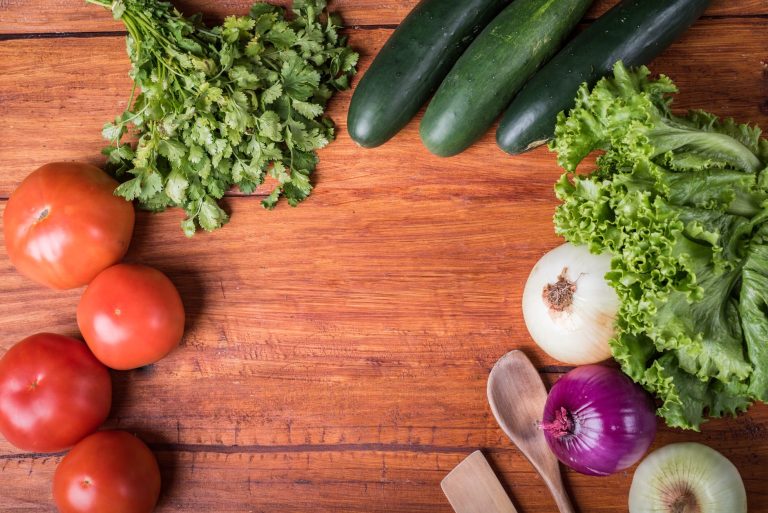
Choose seasonal organic vegetables and fruits whenever possible. Seasonal produce tends to taste better, offer more variety, and fit naturally into a balanced nutrition plan. The more your cart resembles a colorful market basket, the better.
- Leafy greens
- Cruciferous vegetables
- Cucumbers, zucchini, and celery
- Berries, apples, pears, and citrus
- Fresh herbs such as parsley, cilantro, dill, and basil
- Ginger and turmeric
[IMAGE: organic vegetables]
Pantry and fridge staples worth keeping on hand
Pantry staples make it easier to stay on track when life gets busy. Choose items that can be combined quickly for breakfast, lunch, or dinner.
- Oats, quinoa, brown rice, and lentils
- Chia seeds, flaxseed, and hemp seeds
- Organic nut butters
- Olive oil and avocado oil
- Fermented foods such as kimchi and sauerkraut
- Herbs, spices, and low-sodium broth
These ingredients make it possible to prepare meals with minimal effort. A simple broth-based soup, a grain bowl, or a quick salad can be assembled in minutes if your kitchen is already prepared. That is the difference between a diet that sounds good and a healthy lifestyle that actually works.
How organic food fits into a natural detox diet
The word detox is often overused, which can make it seem confusing or extreme. In reality, your body detoxifies every day. The liver processes compounds, the kidneys filter waste, the digestive system moves material through the body, and the skin and lungs also play supporting roles. The question is not whether you should force a detox. The question is how you can support your natural systems more effectively.
What a real detox diet looks like
A sensible detox diet is built around hydration, fiber, antioxidants, and reduced exposure to unnecessary additives. It is not about starving yourself or surviving on juice alone. In fact, those extremes often leave people feeling worse instead of better. A more sustainable approach includes:
- Plenty of water and herbal teas
- Organic vegetables at most meals
- High-fiber fruits and whole grains
- Clean proteins and healthy fats
- Minimal alcohol, excess sugar, and ultra-processed foods
This kind of eating pattern supports digestion and helps the body work more efficiently. It can also help reduce the bloating and sluggishness that often come from heavy, processed meals. If you have ever wondered why some detox plans feel unsustainable, the answer is usually simple: they are too extreme to last.
Foods that naturally support detox pathways
Certain organic foods are especially useful because they provide compounds the body can use during its normal detox processes. These include sulfur-rich vegetables, antioxidant-rich fruits, and hydrating produce.
- Broccoli, cauliflower, and Brussels sprouts
- Garlic and onions
- Beets and carrots
- Lemons and citrus fruits
- Cucumber, celery, and leafy greens
- Green tea and ginger tea
Rather than chasing a dramatic cleanse, think in terms of daily support. What would happen if your meals consistently made detoxification easier? Over time, that steady support can do more than any short-lived cleanse.
Meal prep ideas that make clean eating simple
Meal prep does not have to mean spending an entire Sunday in the kitchen. Even small amounts of preparation can make a dramatic difference. A few cooked grains, washed greens, roasted vegetables, and a protein source can turn into multiple meals with little effort. This is one of the easiest ways to stay on a healthy diet during a full week.
Simple prep steps that save time
- Wash and chop vegetables in advance
- Cook a grain such as quinoa or brown rice
- Roast a tray of mixed vegetables
- Prepare a protein such as eggs, lentils, chicken, or tofu
- Mix one or two dressings or sauces for the week
- Portion snacks into reusable containers
Once your basics are ready, meals come together quickly. You can build a grain bowl, a salad, a soup, or a stir-fry in minutes. That convenience matters because consistency is often the difference between progress and frustration.
A healthy one-day menu example
Here is how a gut-friendly clean eating day might look when everything is balanced and realistic:
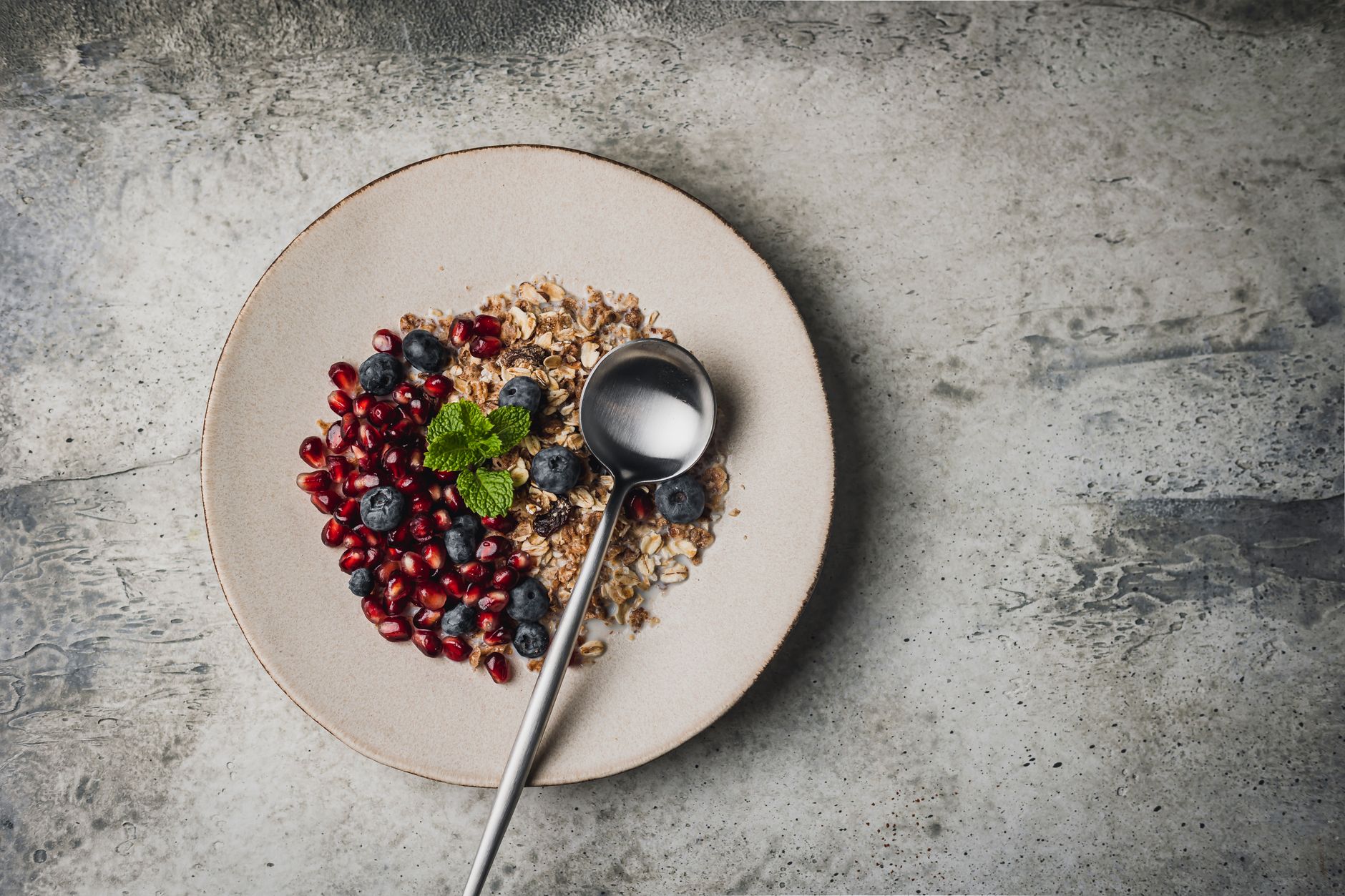
- Breakfast: Organic yogurt with berries, flaxseed, and walnuts
- Lunch: Quinoa bowl with roasted vegetables, chickpeas, and tahini dressing
- Snack: Apple slices with almond butter
- Dinner: Salmon with steamed broccoli, sweet potato, and olive oil
- Evening: Ginger tea or warm water with lemon
This is not a restrictive plan. It is a practical structure that supports digestion, energy, and healthy weight loss while still feeling satisfying. The more often you eat this way, the easier it becomes to trust your appetite and avoid overthinking every meal.
[IMAGE: healthy meal]
Clean eating habits that support digestion beyond the plate
Food matters, but lifestyle habits matter too. You can eat the best organic food in the world and still feel off if sleep is poor, stress is constant, or movement is missing from your routine. Healthy lifestyle habits help the digestive system do its job more effectively and make your nutrition plan feel more complete.
Hydration, sleep, and stress management
Water is essential for digestion. It helps move food through the system and supports regularity. If you are underhydrated, even a fiber-rich diet can feel less effective. Aim to drink consistently throughout the day, especially when increasing your intake of vegetables, grains, and seeds.
Sleep is just as important. Poor sleep can disrupt hunger hormones, increase cravings, and reduce the sense of control around food. Stress can have a similar effect by making digestion less efficient. Can you really expect your body to heal and reset if it never gets a chance to rest?
- Drink water first thing in the morning
- Eat at regular times when possible
- Pause for a few deep breaths before meals
- Protect your sleep routine as seriously as your food choices
- Reduce background stress where you can
Movement that helps the gut and supports weight loss
Gentle movement can encourage healthy digestion and improve how you feel after meals. This does not have to be an intense workout plan. A walk after dinner, light stretching, yoga, or a cycling session can be enough to help circulation and support metabolic health. Movement also plays a role in weight loss because it helps maintain energy balance and may improve consistency over time.
[IMAGE: fitness lifestyle]
Try pairing your clean eating routine with a simple movement habit. For example, walk for 15 minutes after lunch, stretch before bed, or use the morning to reset with a short mobility session. Small actions repeated often are more powerful than dramatic efforts that fade quickly.
Common mistakes people make with organic clean eating
Organic food can be a powerful part of a healthy diet, but there are a few common mistakes that make the experience less effective than it should be. Avoiding these missteps can help you get better results without feeling overly restricted.
Eating too much of any one food group
Even healthy foods can create problems if the balance is off. Too much raw produce may cause discomfort for some people. Too much fiber too quickly can lead to bloating. Too many nuts and seeds can add more calories than expected. A successful clean eating plan is balanced, not extreme.
Confusing organic with automatically healthy
An organic cookie is still a cookie. An organic snack bar can still be high in sugar and low in fiber. Organic food is a valuable choice, but it is not a free pass to ignore nutrition. Always check whether the food actually supports your goals. Does it help with satiety, digestion, and steady energy, or does it simply look healthy on the label?
Expecting a detox diet to do all the work
A detox diet works best when it is gentle and supportive, not punishing. If you are sleep-deprived, dehydrated, and stressed, no short-term plan will create lasting change. The real answer is a combination of nourishing food, movement, hydration, and consistency. That is how you build a healthy lifestyle that lasts longer than a trend.
Over-relying on processed organic packaged foods
It is easy to assume that anything labeled organic is automatically a good choice, but many packaged foods are still highly processed. Some contain refined oils, added sugars, or excessive sodium. Use them occasionally if they fit your routine, but let whole foods remain the centerpiece of your nutrition plan.
Simple recipes for a gut-friendly organic routine
If you want clean eating to feel enjoyable, the easiest strategy is to keep recipes simple. A few repeatable ideas can carry you through busy weeks without sacrificing quality. The goal is to make healthy food feel natural, not stressful.
Breakfast ideas that feel light but filling
- Overnight oats with chia, blueberries, and cinnamon
- Greek yogurt bowl with sliced pear and pumpkin seeds
- Green smoothie with spinach, avocado, banana, and protein
- Egg scramble with herbs, tomatoes, and mushrooms
Lunch and dinner recipes that support digestion
- Roasted vegetable quinoa bowl with lemon-tahini dressing
- Lentil soup with carrots, celery, garlic, and parsley
- Grilled fish with asparagus and sweet potato
- Tofu stir-fry with broccoli, ginger, and brown rice
These meals are flexible enough to fit different schedules and preferences. You can swap ingredients, adjust portions, and season them however you like. That flexibility is important because the best nutrition plan is the one you can actually repeat.
One easy recipe idea to keep in rotation
Try building a simple digestive-support bowl: start with a base of quinoa or greens, add a protein such as salmon, tofu, or chickpeas, then top with roasted broccoli, cucumber, avocado, and a spoonful of fermented sauerkraut. Finish with olive oil, lemon juice, and herbs. The result is colorful, satisfying, and deeply aligned with clean eating. It also delivers a strong mix of fiber, protein, healthy fat, and micronutrients in one meal.
When a meal looks this fresh, it tends to feel more energizing too. That is why organic food is often so effective in a healthy lifestyle routine: it makes the best choice the easiest choice.
How to make this approach sustainable
Sustainability matters because the body responds best to consistency. A plan that works for three days and collapses on day four is not much of a plan. The key is to make small habits feel normal enough that you can keep them going without pressure.
Start with one meal, not your entire life
If changing everything at once feels overwhelming, begin with one meal per day. Maybe breakfast becomes your clean eating anchor. Maybe lunch becomes your meal-prep success story. Once one meal feels stable, add the next. This gradual approach often works better than dramatic change because it respects real life.
Keep your goals practical and specific
Instead of saying you want to eat better, define what that means. Perhaps it means having organic vegetables at dinner five nights a week. Maybe it means replacing packaged snacks with fruit and nuts. Maybe it means drinking more water and cooking at home more often. Specific goals make progress easier to measure and more rewarding to maintain.
Use progress markers that are not just about the scale
Weight loss is only one sign that your routine may be working. Pay attention to other improvements too:
- More regular digestion
- Less bloating after meals
- Steadier energy during the day
- Fewer cravings between meals
- Better sleep and mood
These markers often tell a more complete story than the scale alone. A stronger relationship with food, better digestion, and more consistent energy are all signs that your body is responding well to your efforts.
If you are ready to keep building a healthier routine, continue exploring the other articles on DietOrganic for more clean eating ideas, organic food strategies, and practical nutrition guidance that fits real life. The small choices you make today can shape how you feel for weeks, months, and even years to come, and the most valuable part of that journey is learning how good healthy food can actually feel.
About the Author