
Photo by Nadine Primeau on Unsplash
When people talk about losing weight, they often focus on calories alone. But your body is not a calculator; it is a living system shaped by nutrition, digestion, hormones, and the daily choices you make around food. If you have been trying to slim down while also wanting more energy, better digestion, and fewer cravings, a smarter approach is to start with organic food and clean eating. Why? Because a healthy diet that supports your gut can influence everything from how you absorb nutrients to how satisfied you feel after a meal.
This is where organic food becomes more than a trend. For many people, choosing organic produce, whole grains, fermented foods, and clean protein sources creates a foundation for better digestion and more stable weight loss. It is not about perfection. It is about creating a healthy lifestyle that feels nourishing, sustainable, and realistic. And if you have ever wondered whether a detox diet should mean strict restriction or juice-only rules, the answer is much simpler: the best detox strategy is a daily pattern of clean eating that gives your body what it needs to work well.
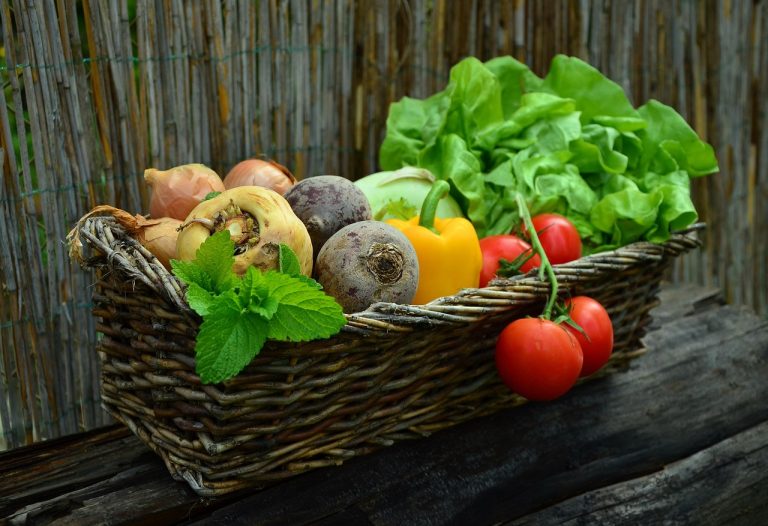
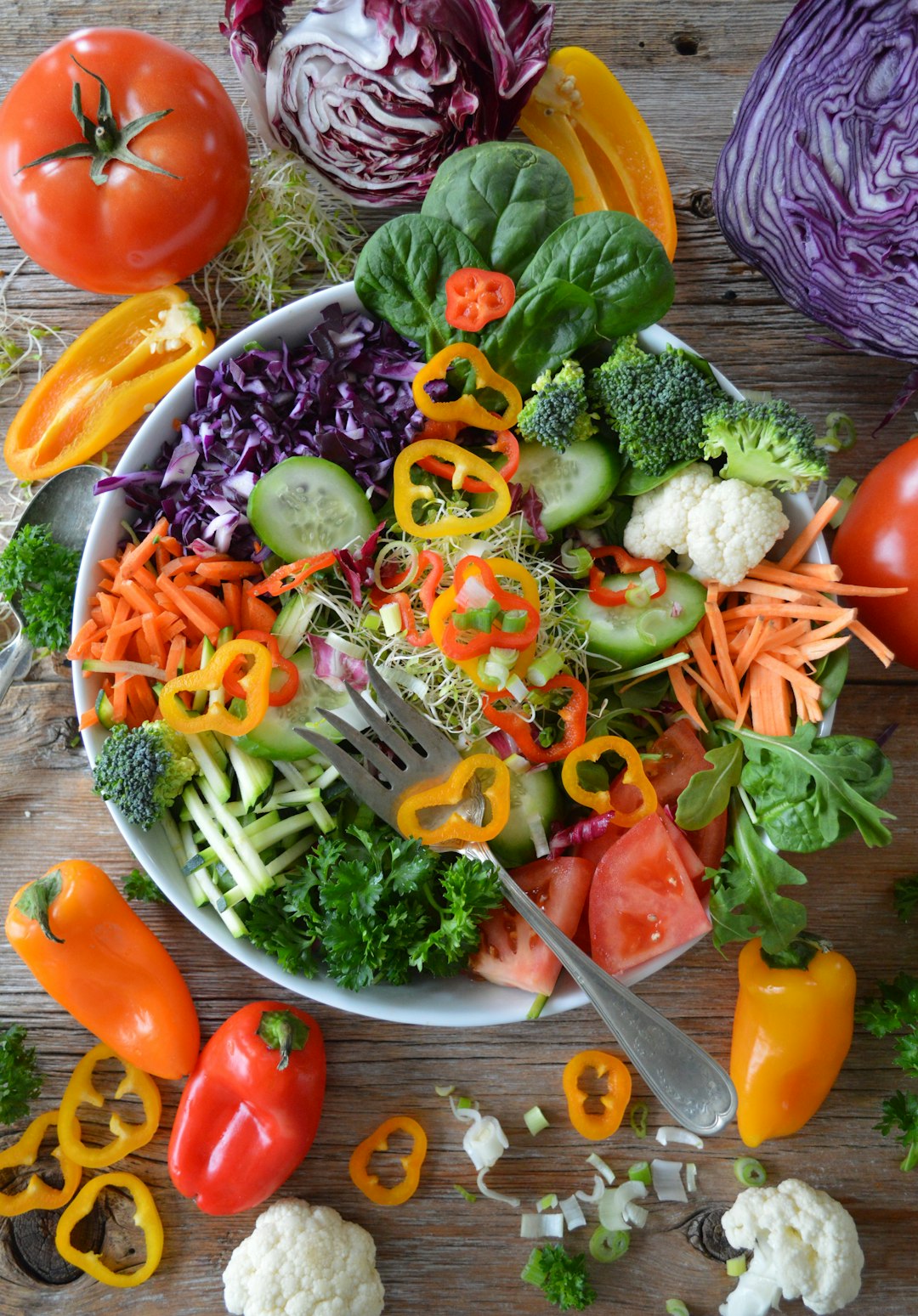
In this guide, you will learn how organic food can support gut health, why that matters for weight loss, which foods deserve a place on your plate, and how to build meals that taste good without making your routine complicated. [IMAGE: organic vegetables]
Why Gut Health Is the Missing Link in Weight Loss
Many people approach weight loss by cutting food groups, counting every bite, or chasing the newest detox diet. But if digestion is sluggish, bloating is constant, and cravings seem to control your day, your gut may be asking for attention. The digestive system does much more than process food. It helps regulate appetite, influences inflammation, supports immunity, and affects how efficiently your body uses nutrition.
Think about it: if your meals leave you tired, swollen, or unsatisfied, how likely are you to stay consistent? A healthy gut can make clean eating feel easier because your body is better able to handle fiber, absorb vitamins, and maintain steadier blood sugar. That means fewer energy crashes and less drive to reach for ultra-processed snacks late in the afternoon.
Gut health matters for weight loss because it can influence:
- Appetite control: A balanced gut helps support the hormones that tell you when you are full.
- Cravings: Stable digestion and blood sugar can reduce the urge to overeat sugary foods.
- Inflammation: Chronic inflammation can make it harder to feel your best and stay active.
- Nutrient absorption: Your body needs the right nutrients to fuel metabolism and recovery.
- Energy: A well-fed digestive system can help you feel lighter, clearer, and more focused.
If your goal is lasting weight loss, should you really ignore the system that decides how your food is processed? Probably not.
What Makes Organic Food a Better Choice for Clean Eating?
Organic food is produced according to standards that limit synthetic pesticides, certain fertilizers, genetically modified ingredients, and routine antibiotic use in animals. For a clean eating approach, that can matter because many people want to reduce exposure to unnecessary additives and focus on food in its most natural form.
While organic food is not magically healthier in every situation, it often fits beautifully into a healthy diet because it encourages more whole ingredients and fewer heavily processed products. When you choose organic vegetables, fruits, grains, and proteins, you are more likely to build meals around real nutrition rather than convenience foods that leave you hungry again an hour later.
Organic eating can support a healthy lifestyle in several practical ways:
- It encourages more whole foods and fewer packaged items.
- It can help you pay closer attention to ingredient quality.
- It often inspires better meal planning and more mindful shopping.
- It may reduce your intake of foods that are high in additives and low in nutrition.
That said, organic food works best when it is part of a balanced pattern, not a rigid rulebook. A bag of organic chips is still a snack food. A bowl of organic berries, leafy greens, and yogurt, on the other hand, is a nutrient-dense choice that supports clean eating and weight loss goals.
The Best Organic Foods for Gut Health
If you want to improve digestion and support healthy weight loss, focus on foods that feed beneficial gut bacteria, calm inflammation, and keep you satisfied. The following organic foods deserve special attention because they are easy to use, versatile, and rich in nutrition.
1. Organic leafy greens
Spinach, kale, arugula, and Swiss chard are some of the best foods for a healthy diet because they are low in calories and rich in fiber, folate, magnesium, and plant compounds that support overall wellness. They also add volume to meals, which helps you feel full without overeating.
Try adding organic leafy greens to omelets, smoothies, soups, grain bowls, and salads. If raw greens upset your stomach, lightly sauté them with olive oil and garlic for a gentler option.
2. Organic cruciferous vegetables
Broccoli, cauliflower, Brussels sprouts, and cabbage are powerful choices for clean eating. These vegetables contain fiber and compounds that support your body’s natural detox pathways. They also help diversify the plant foods in your diet, which is one of the simplest ways to support gut health.
For some people, cruciferous vegetables can cause bloating if introduced too quickly. The solution is simple: start with smaller portions, cook them well, and eat them consistently rather than only occasionally.
3. Organic berries
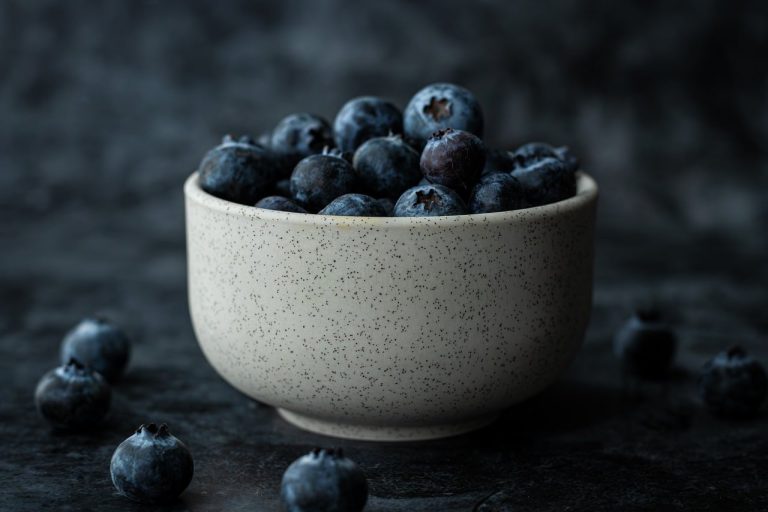
Blueberries, strawberries, raspberries, and blackberries are loaded with antioxidants and fiber. They add sweetness to a healthy lifestyle without the sugar crash that comes from desserts and candy. Berries also pair beautifully with yogurt, oatmeal, and chia pudding, making them a smart choice for breakfast or snacks.
Because berries are often on the list of produce most likely to retain residues, many clean eaters prefer organic versions when possible.
4. Organic fermented foods
Fermented foods are a cornerstone of gut-friendly nutrition. Organic yogurt, kefir, kimchi, sauerkraut, miso, and tempeh can help diversify the bacteria in your digestive system. This matters because a more diverse gut ecosystem is generally associated with better digestion and overall wellness.
Not all fermented foods are equal, though. Choose versions with live cultures and minimal added sugar. For example, plain organic yogurt with berries is a far better choice than a sweetened yogurt dessert marketed as healthy.
5. Organic oats and whole grains
Oats, quinoa, brown rice, buckwheat, and millet provide slow-digesting carbohydrates and fiber that help stabilize blood sugar and support fullness. A steady blood sugar response is helpful for weight loss because it can reduce the peaks and crashes that trigger cravings.
Whole grains can also act as fuel for beneficial gut bacteria. If you have been afraid of carbohydrates, remember that clean eating is not about removing every starch from your plate. It is about choosing better-quality carbs in sensible portions.
6. Organic legumes
Lentils, chickpeas, black beans, and kidney beans are excellent sources of fiber and plant protein. They can help you feel full longer, support digestion, and make meals more satisfying. For many people, legumes are one of the most affordable ways to build a healthy diet centered on organic food.
If beans usually make you feel uncomfortable, soak them well, rinse them thoroughly, and start with small servings. Your digestive system may adapt over time.
7. Organic healthy fats
Avocados, extra-virgin olive oil, walnuts, chia seeds, flaxseeds, and hemp seeds help support satiety and provide nutrients that many people underconsume. Healthy fats are especially useful in a clean eating plan because they make meals more satisfying, which can reduce snacking later in the day.
Fats do not make you gain weight by themselves. Overeating highly refined foods does. In fact, balanced portions of healthy fats can support a more stable appetite and a calmer relationship with food.
8. Organic lean proteins
Eggs, plain Greek yogurt, chicken, turkey, tofu, tempeh, and wild-caught fish can all play a role in a healthy lifestyle. Protein is critical for muscle maintenance, satiety, and recovery, especially if your weight loss plan includes walking, strength training, or other exercise. [IMAGE: healthy meal]
Protein is also useful because it helps create the feeling of a complete meal. When your breakfast has enough protein, for example, you are less likely to be starving before lunch.
How to Build a Clean Eating Plate That Supports Weight Loss
Clean eating becomes easier when you stop thinking in terms of restrictions and start thinking in terms of structure. A balanced plate gives your body the nutrition it needs while keeping meals enjoyable and simple enough to repeat.
Use the plate method
One of the most practical ways to build a healthy diet is to divide your plate into three parts:
- Half your plate: Organic vegetables, especially leafy greens and colorful non-starchy produce.
- One quarter: Lean protein such as eggs, fish, tofu, yogurt, poultry, or legumes.
- One quarter: Whole grains or starchy vegetables like quinoa, brown rice, sweet potatoes, or oats.
- Add a little fat: Avocado, olive oil, seeds, nuts, or a drizzle of tahini.
This format supports nutrition without forcing you to weigh every ingredient. It also makes food preparation less stressful, which is important if you want a healthy lifestyle that lasts longer than a short detox diet challenge.
Balance fiber and protein at every meal
Fiber is important for digestion, but too much fiber without enough protein can leave you feeling hungry again too soon. Protein helps maintain fullness, while fiber supports regularity and gut bacteria. Together, they create a more stable eating pattern that can support weight loss naturally.
Simple formula for a satisfying meal
Try this: organic vegetables + protein + fiber-rich carbs + healthy fat. What would that look like in real life? It could be a salmon bowl with greens, quinoa, avocado, and lemon; or a lentil soup with carrots, kale, and olive oil; or a yogurt bowl with berries, seeds, and oats.
Watch the hidden traps in
About the Author

About the Author