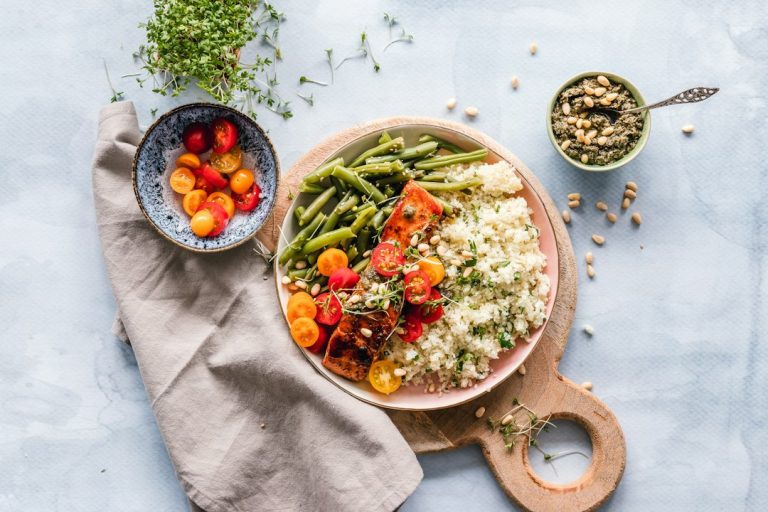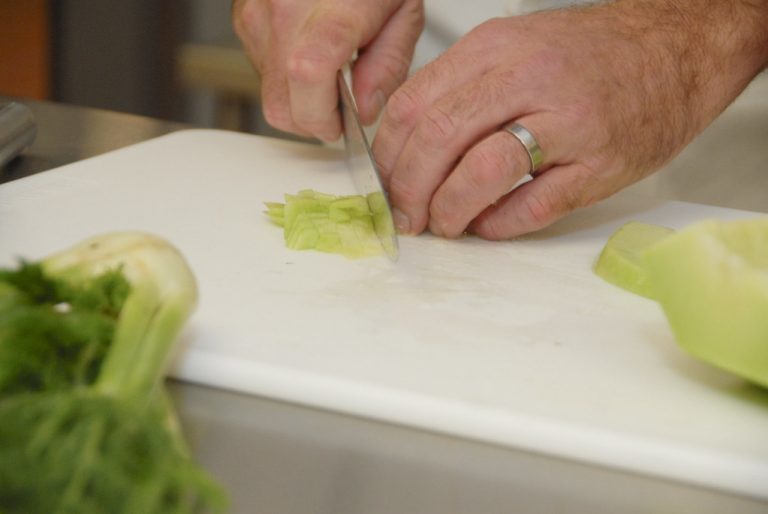


Photo by sofi5t on Pixabay
If you have ever felt bloated after a meal that looked healthy on the plate, you are not alone. The difference between simply eating well and truly nourishing your body often comes down to what supports your digestive system at a deeper level. That is where organic food can make a meaningful difference. A gut-friendly approach built around clean eating, smart nutrition, and everyday consistency can improve digestion, support a healthy lifestyle, and even make weight loss feel more natural. But what does that actually look like in real life, and how can you turn it into a routine that lasts?
The answer is more practical than trendy. You do not need an extreme detox diet or a rigid set of rules. Instead, you need meals that are rich in fiber, easy to digest, and made with ingredients that your body can recognize and use efficiently. Organic food often fits that model beautifully because it tends to be less processed and easier to build into balanced meals. When your plate is full of colorful vegetables, fermented foods, healthy fats, and high-quality plant proteins, your gut gets the support it needs to function well. And when digestion improves, many people notice steadier energy, fewer cravings, and better control over portion size. Could your healthiest weight loss strategy be the one that starts in the gut?
Why Gut Health Is the Hidden Engine of a Healthy Lifestyle
Your digestive system does much more than process food. It helps regulate energy, influences immunity, and plays a surprising role in mood and appetite. A balanced gut can make clean eating feel easier because you are not constantly fighting fatigue, discomfort, or the urge to snack on quick fixes. The microbiome, which is the community of beneficial bacteria in your digestive tract, thrives when you feed it a wide range of plant-based nutrients and avoid overly processed foods.
When the gut is in better shape, the ripple effect can be powerful. Bloating may become less frequent, regularity can improve, and your body may handle meals with more ease. That does not mean every digestive issue is solved by changing your menu, but it does mean the foods you choose matter more than many people realize. A healthy diet is not only about calories. It is also about how your body responds after the meal is over.
How the microbiome influences cravings, digestion, and energy
The bacteria in your gut help break down fiber, produce beneficial compounds, and communicate with systems that influence hunger and satisfaction. Have you ever noticed that a sugar-heavy day can leave you feeling tired and wanting more sugar the next day? That cycle is not just about willpower. It can be tied to how your gut and blood sugar respond to different foods.
Organic food that is rich in plant nutrients can help create a more stable environment. Think about berries, leafy greens, beans, seeds, and fermented vegetables. These are not glamorous trends. They are functional foods that support a more resilient digestive system. Over time, that resilience can make a healthy lifestyle feel less like a struggle and more like a natural rhythm.
Signs your gut may need more support
If you are wondering whether your digestion could use some help, pay attention to the patterns rather than the occasional off day. Common signs may include bloating after most meals, irregular bowel movements, frequent sugar cravings, sluggish energy, or feeling uncomfortably full after eating normal portions. None of these automatically point to a serious issue, but they can suggest your current routine is not working as well as it could.
The good news is that you can begin making supportive changes without overhauling everything at once. Small, steady shifts often create the most lasting results. That is one reason clean eating works so well when it is built around habits instead of extremes.
Why Organic Food Matters for Digestive Wellness
Organic food is not a magic solution, but it can make a meaningful contribution to a gut-focused approach. Many people choose organic produce because it aligns with cleaner ingredient choices and a more mindful relationship with food. In practical terms, that often means fewer synthetic pesticide residues, a simpler ingredient profile, and a stronger emphasis on whole foods. For a digestive system that is already working hard, those differences can matter.
When you are trying to reduce inflammation, improve digestion, or support weight loss, every meal is a chance to either add stress or add nourishment. Organic ingredients tend to fit naturally into a healthy diet because they are often used in their most recognizable form. A bowl of organic oats with berries, chia seeds, and plain yogurt is not just filling. It also provides fiber, probiotics, and micronutrients that support gut function.
It is also worth noting that organic eating can encourage better food choices overall. People who buy more organic produce often end up cooking more, eating more vegetables, and relying less on highly processed snacks. That pattern matters. Clean eating is not just about what you remove from the plate. It is about the quality and variety you add back in.
Fewer processed additives, more food integrity
Highly processed foods often contain ingredients that can be hard on digestion, especially when eaten frequently. Excess sugar, refined starches, and artificial flavor systems can crowd out the foods your body actually needs. Organic food does not automatically eliminate all problems, but it often nudges you toward a more whole-food pattern.
When your meals look more like vegetables, legumes, fruit, fermented foods, nuts, seeds, and quality proteins, your gut usually gets a better mix of fiber and beneficial compounds. That combination helps feed the bacteria that support digestive balance. Over time, this can make a noticeable difference in how light or heavy you feel after eating.
How organic choices support clean eating
Clean eating is often misunderstood as a restrictive diet, but it is really a practical way of choosing foods that are closer to their natural form. Organic produce, grass-fed dairy if you use it, organic eggs, and minimally processed pantry staples all fit into that philosophy. You are not chasing perfection. You are creating a kitchen that makes better decisions easier.
Ask yourself: if your pantry were designed to support energy, digestion, and weight management, what would it include? Chances are, it would not be packed with ultra-processed convenience foods. It would contain ingredients that can be combined quickly into meals that feel satisfying and nourishing. That is the real power of a thoughtful healthy diet.
[IMAGE: organic vegetables]
The Best Organic Foods for Gut Health
When people think about digestive wellness, they often focus on what to avoid. But the more helpful question is what to include. The right organic food choices can improve the texture, variety, and nutrient density of your meals. They can also give your gut microbiome the fuel it needs to do its job well. The key is balancing fiber, hydration, healthy fats, and fermented foods in a way that feels sustainable.
Below are some of the most useful categories to keep on repeat. If you are building a clean eating routine for weight loss or simply want to feel better after meals, these foods deserve a place in your weekly rotation.
Fermented foods that bring beneficial bacteria
Fermented foods are one of the most direct ways to support digestion. Organic yogurt with live cultures, kefir, sauerkraut, kimchi, miso, and tempeh can introduce beneficial bacteria and compounds that support balance in the gut. These foods are especially useful when paired with fiber-rich meals, because probiotics and prebiotics work best as a team.
Start slowly if you are new to fermented foods. A spoonful of sauerkraut or a small serving of kefir may be enough at first. Why begin gently? Because a sudden increase in fermentation-rich foods can feel intense for sensitive digestive systems. The goal is comfort and consistency, not a dramatic overnight transformation.
Fiber-rich vegetables that keep digestion moving
Organic vegetables are the backbone of gut-friendly nutrition. Leafy greens, broccoli, Brussels sprouts, carrots, beets, zucchini, and asparagus all contribute fiber, vitamins, and plant compounds that help feed beneficial bacteria. The more colors you eat, the more diverse your nutrient intake tends to be.
Fiber supports regularity and helps you feel satisfied after meals, which can be useful for weight loss. It also slows digestion enough to help keep blood sugar steadier. That means fewer crashes and fewer cravings. A plate built around vegetables is not boring when it is seasoned well and paired with the right proteins and fats.
Prebiotic fruits that feed the microbiome
Some fruits do more than satisfy a sweet tooth. Apples, bananas, kiwi, berries, and pears contain fibers and polyphenols that nourish gut bacteria. Organic fruit can be especially convenient as a snack or a breakfast addition because it is portable, naturally sweet, and easy to combine with other foods.
Try pairing fruit with protein or fat for better satiety. Apple slices with almond butter, berries with yogurt, or banana with chia pudding can keep your energy level more stable. This simple habit supports clean eating without making dessert feel forbidden.
Whole grains and legumes for lasting fullness
Organic oats, quinoa, brown rice, lentils, chickpeas, and black beans provide a useful blend of fiber and plant protein. These foods can anchor meals and reduce the urge to snack constantly. If your goal is healthy weight loss, meals that keep you full for several hours are far more effective than meals that leave you thinking about food again within an hour.
Legumes can also support the gut by feeding beneficial bacteria through resistant starch and fiber. If you are not used to eating them regularly, begin with smaller portions and rinse canned beans thoroughly. Your digestive system often adapts well when changes are gradual.
Seeds, nuts, herbs, and healthy fats
Chia seeds, flaxseed, pumpkin seeds, walnuts, olive oil, avocado, ginger, turmeric, and fresh herbs can elevate the nutritional profile of a meal without much effort. Seeds and nuts bring fiber and healthy fats, while herbs and spices add anti-inflammatory compounds and flavor. That flavor matters more than people think because food that tastes satisfying is easier to stick with.
Organic food does not have to be expensive or complicated. A tablespoon of ground flaxseed in oatmeal, a drizzle of olive oil over vegetables, or fresh ginger in a smoothie can all support digestion in small but meaningful ways. The best healthy diet is often the one that feels simple enough to repeat.
A practical gut-friendly grocery list
- Organic leafy greens such as spinach, kale, and arugula
- Organic berries, bananas, apples, kiwi, and pears
- Organic oats, quinoa, brown rice, and whole grain bread
- Organic lentils, chickpeas, and black beans
- Organic plain yogurt, kefir, sauerkraut, and kimchi
- Chia seeds, flaxseed, pumpkin seeds, and walnuts
- Olive oil, avocado, ginger, turmeric, and fresh herbs
This list is not exhaustive, but it gives you a strong starting point. If your kitchen contains these staples, you can build a wide variety of meals without falling back on processed convenience foods. That alone can change the way your body feels day after day.
A Simple Organic Menu for a Better-Digestion Day
One of the easiest ways to improve nutrition is to see how a full day of eating might look in practice. A gut-friendly menu does not need to be fancy. It needs to be balanced, satisfying, and easy to prepare. The following structure shows how organic food can fit into breakfast, lunch, dinner, and snacks without feeling restrictive.
Think of this as a template rather than a strict plan. You can swap ingredients based on season, preference, and budget. What matters is the pattern: fiber, protein, hydration, and enough variety to keep meals interesting.
[IMAGE: healthy meal]
Breakfast
Start with organic oats cooked in water or unsweetened milk, then add chia seeds, blueberries, cinnamon, and a spoonful of plain yogurt. This combination supports digestion, offers staying power, and tastes naturally sweet without needing much added sugar. If you prefer savory breakfast, try scrambled organic eggs with spinach, tomato, avocado, and a slice of whole grain toast.
Lunch
A nourishing lunch might include a quinoa bowl with roasted vegetables, chickpeas, cucumber, leafy greens, olive oil, lemon, and fresh herbs. If you want more protein, add salmon, tofu, or tempeh. The goal is to leave lunch satisfied but not heavy. Have you ever noticed how the wrong lunch can derail your afternoon energy? A balanced bowl can prevent that slump.
Snack
Choose one snack that combines fiber and protein. Good options include apple slices with almond butter, kefir with berries, carrot sticks with hummus, or a handful of walnuts with a kiwi. Snacks should support your healthy lifestyle, not sabotage your appetite for the next meal.
Dinner
For dinner, think of a plate built around cooked vegetables, a quality protein, and a smart carbohydrate. An example could be baked salmon with roasted Brussels sprouts, sweet potato, and a side salad dressed with olive oil. If you follow a plant-based pattern, tofu stir-fry with broccoli, mushrooms, and brown rice works beautifully. Cooked vegetables can be especially helpful for people with sensitive digestion because they are often easier to tolerate than huge raw salads at night.
Hydration throughout the day
Digestion depends on water as much as it depends on food. Sip water regularly, and consider herbal tea, lemon water, or ginger tea if that feels supportive. If you are trying to detox diet style habits, remember that hydration, fiber, and regular meals usually do far more good than any extreme cleanse. Your body already has detox systems. Your job is to support them, not overwhelm them.
How a Detox Diet Can Support Digestion Without Extremes
The term detox diet is often used in ways that create confusion. Some people picture juice fasts, severe restriction, or quick fixes that promise to reset the body in a few days. In reality, your liver, kidneys, digestive system, and lymphatic system are already doing detox work every day. What you can do is make their job easier by eating in a way that reduces unnecessary stress.
Organic food can be part of that process because it typically encourages more whole ingredients and fewer additives. Fresh vegetables, fruit, herbs, and filtered water support elimination and regularity. High-fiber foods help bind and move waste through the digestive tract. Fermented foods support the ecosystem that lives in your gut. That is a more sustainable version of detoxing, and it often feels better too.
What a true food-based detox approach looks like
A sensible detox diet is not about deprivation. It is about removing the habits that overload your body while increasing the foods that help it function smoothly. That can mean eating more vegetables, cutting back on excess alcohol, reducing ultra-processed snacks, and eating meals at regular times. It may also mean choosing organic food more often so your plate contains fewer artificial distractions and more natural nourishment.
Would you be willing to trade a harsh cleanse for a calmer, more consistent reset? Most people feel better when they do. Sustainable detox support usually looks like sleep, hydration, movement, and clean eating rather than dramatic rules. If you stay consistent for a week or two, the difference can be surprising.
Foods that gently support elimination
- Leafy greens such as spinach and kale
- Citrus fruits and berries
- Cucumbers, celery, and asparagus
- Chia seeds and ground flaxseed
- Warm ginger or mint tea
- Garlic, onion, and leeks in cooked meals
These foods are not miracles, but they help create the conditions for better digestion. When combined with enough protein and healthy fat, they also prevent the drained feeling that can come from overly restrictive detox plans.
Organic Meal Prep Ideas That Save Time and Support Weight Loss
Meal prep is one of the most underrated tools in nutrition. When healthy food is ready before hunger hits, you are far less likely to reach for whatever is quickest. This is especially important if weight loss is one of your goals. You do not need to prepare elaborate dishes for the entire week. A few versatile ingredients can cover many meals.
The smartest meal prep strategies are the ones you can repeat even during busy weeks. That means choosing foods that hold up well in the refrigerator, taste good when reheated, and can be assembled in different ways. Organic food can absolutely work in a meal prep routine, and it often makes the process feel fresher and more satisfying.
[IMAGE: fitness lifestyle]
Batch-cook versatile ingredients
- Roast a tray of organic vegetables such as carrots, cauliflower, and zucchini
- Cook a pot of quinoa, brown rice, or lentils
- Prepare a protein source such as baked chicken, tofu, salmon, or boiled eggs
- Wash and dry greens so salads and bowls are faster to assemble
- Mix a simple dressing with olive oil, lemon, and herbs
With these components ready, you can build lunch bowls, dinner plates, and even breakfast scrambles in minutes. That convenience is a major advantage because healthy habits often fail when they become too time-consuming.
Build three base meals from the same ingredients
For example, roasted vegetables, quinoa, and chickpeas can become a lunch bowl one day, a warm salad the next day, and a wrap filling later in the week. Add different sauces or herbs to change the flavor. This approach keeps clean eating from feeling repetitive, which is one of the biggest reasons people abandon it.
Why does this matter for weight loss? Because when your meals are easy to assemble, you are more likely to stay on track. You are also less likely to eat in a rushed or chaotic way, which often leads to overeating. Preparation creates calm, and calm supports better choices.
Smart storage tips
Use glass containers when possible, and store dressings separately so salads stay crisp. Keep a few ready-to-eat items on hand, such as washed berries, cut cucumbers, boiled eggs, and yogurt. If you can open the fridge and see nutritious options immediately, you remove one of the biggest barriers to a healthy lifestyle.
Lifestyle Habits That Make Organic Food Work Harder
Food is powerful, but it does not work in isolation. Your digestion, cravings, and energy are also influenced by sleep, stress, movement, and timing. That is why a healthy diet looks best when it is paired with lifestyle habits that support the whole body. If you eat clean but sleep poorly or remain sedentary all day, progress may feel slower than it should.
Think of your body as a system rather than a set of separate problems. When you reduce stress and move regularly, your digestion often improves. When you sleep enough, hunger regulation tends to become more stable. When you walk after meals, your body may process food more comfortably. These habits are simple, but simple is often what works.
Manage stress to protect digestion
Stress can disrupt digestion in very real ways. It may alter appetite, create tightness in the stomach, or worsen bloating and irregularity. Even the healthiest organic food can feel less effective if your nervous system is constantly on high alert. This is one reason mindful eating can matter so much.
Try slowing down for the first few bites, putting your fork down between mouthfuls, and giving yourself a break from screens during meals. These habits can help your body shift into a more relaxed state, which supports digestion. What if the most important ingredient in your meal was the environment in which you ate it?
Use movement as digestive support
You do not need intense exercise to support gut health. A daily walk, gentle stretching, yoga, or light strength training can all help circulation and bowel regularity. Movement also supports healthy weight management by improving energy use and helping you feel more connected to your body.
Consistency matters more than intensity. Ten to twenty minutes after meals can be enough to create a difference. Pairing that habit with organic food and balanced meals can make your healthy lifestyle feel much more natural.
Prioritize sleep and meal timing
Poor sleep can raise cravings and make it harder to make thoughtful food choices. Regular meal timing can also reduce the constant grazing that sometimes happens when routines are chaotic. If your mornings are rushed and your evenings are unpredictable, your digestion may pay the price. A stable rhythm helps the gut anticipate what comes next, which many people find calming.
Try eating at similar times most days and leaving a comfortable gap between dinner and bedtime. You do not need perfection. You need a rhythm that supports your body rather than confusing it.
Common Organic Diet Mistakes to Avoid
Even the best intentions can backfire if the plan is not balanced. People sometimes assume that as long as food is organic, more is automatically better. That is not always true. A gut-friendly approach still needs enough protein, enough calories, enough variety, and enough flexibility to fit real life.
If your goal is healthy weight loss, the wrong approach can leave you underfed and frustrated. If your goal is better digestion, a plan that is too raw, too restrictive, or too repetitive can create new problems. The key is to build a routine that is nourishing rather than punishing.
Eating too little in the name of clean eating
Clean eating should never turn into chronic under-eating. Some people cut out so many foods in an attempt to be pure or disciplined that they end up tired, hungry, and unable to sustain the plan. If your energy is crashing, your mood is low, or you are thinking about food all the time, your body may need more fuel, not less.
Ask yourself whether your meals are actually satisfying. Do they contain protein, fiber, and fat? Do they leave you calm and alert, or deprived and distracted? These are useful questions when cleaning up your diet.
Relying too heavily on raw vegetables
Raw salads are healthy, but they are not the only path to gut support. For some people, large amounts of raw cruciferous vegetables or cold meals can cause discomfort. Cooking vegetables often makes them easier to digest and can improve absorption of certain nutrients. Balance is more important than trendiness.
A warm bowl of roasted vegetables with quinoa and olive oil may support your body more effectively than a giant salad every day. Your gut will usually tell you what it prefers if you listen closely.
Forgetting protein and healthy fats
Fruit, vegetables, and grains are important, but they should not stand alone all day. Protein helps with satiety and tissue repair, while fats support hormones and absorb fat-soluble vitamins. A well-built organic food plan includes all three macronutrients in a thoughtful way. If not, you may find yourself hungry again long before your next meal.
Some of the easiest additions include eggs, Greek yogurt, tofu, tempeh, fish, chicken, nuts, seeds, avocado, and olive oil. These ingredients make meals more stable and more satisfying.
Believing every detox claim
The wellness world is full of promises, especially around detox diet products and quick resets. Be skeptical of anything that claims to fix digestion overnight. Real nutrition is slower, but it is far more reliable. Your body is not looking for punishment. It is looking for consistency, enough nutrients, and a lower load of processed food.
That is why organic food, when used intelligently, can be more valuable than a temporary cleanse. It supports your body on ordinary days, which is where the real transformation happens.
How to Build a Clean Eating Routine That Lasts
The most successful healthy lifestyle changes are the ones you can live with for months, not just days. If you want organic food to support gut health, digestion, and weight loss, the routine has to fit your actual life. That means starting with a few habits you can keep rather than trying to become a different person overnight.
Begin with one meal a day that is clearly balanced. Add a source of organic vegetables, a quality protein, and a fiber-rich carbohydrate. Keep one probiotic or fermented food in rotation. Drink water regularly. Walk after meals when possible. These simple steps may not sound dramatic, but they are the kind that quietly change how you feel.
Also pay attention to what your body is telling you. Does cooked food feel better than cold food? Do berries and yogurt work well, while certain raw vegetables cause discomfort? Does a bean-based lunch keep you energized, while a pastry leaves you tired? Those signals are useful. They help you customize nutrition instead of following a one-size-fits-all plan.
If you want lasting results, think in terms of patterns, not perfection. Organic food can help you eat more mindfully, support your gut, and make clean eating more satisfying. Combined with smart hydration, gentle movement, and realistic meal prep, it becomes part of a lifestyle rather than a passing trend. And that is the kind of shift that people actually maintain, the one that feels good in your body and fits the rhythm of your real day.
About the Author