
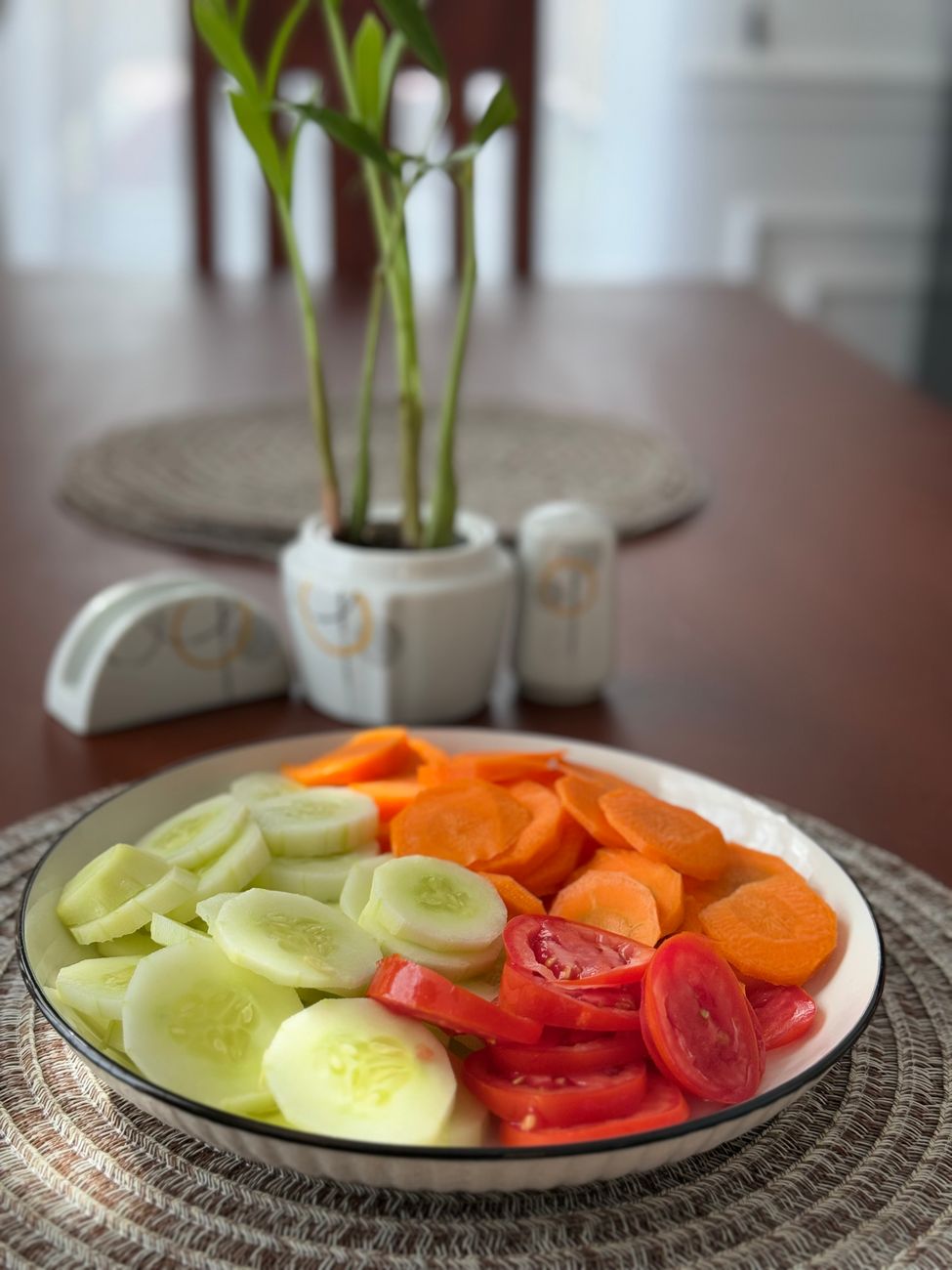
Photo by Maximiliana Eligi Mtenga on Pexels
When people talk about healthy eating, the conversation often jumps straight to calories, macros, or the latest detox diet trend. But if you want results that actually last, it may be time to ask a better question: what if the real starting point is your gut? A well-nourished digestive system can influence everything from energy and appetite to inflammation and mood, which is why the right organic food choices matter so much. Clean eating is not just about avoiding processed snacks or counting portions; it is about building a daily pattern that supports digestion, encourages balance, and makes weight loss feel more natural instead of forced.
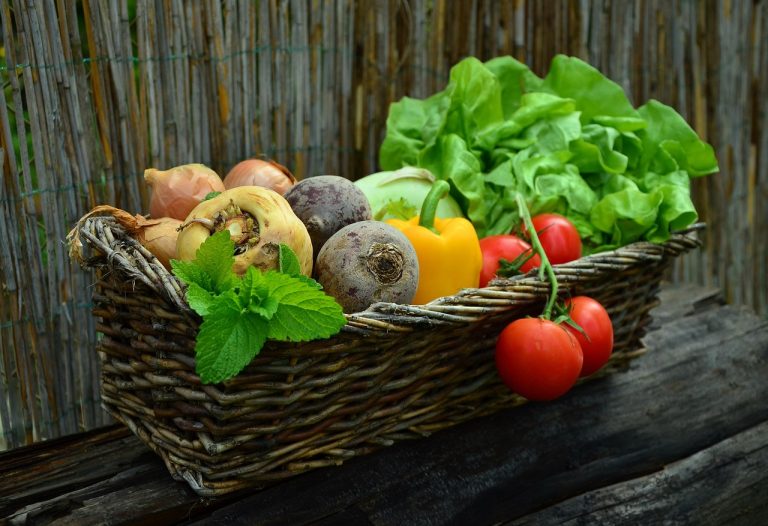
Organic foods are especially valuable here because they often fit more easily into a whole-food lifestyle. They invite you to eat closer to nature, with fewer artificial additives and a stronger emphasis on nutrient density. That does not mean every organic item is automatically healthy, and it certainly does not mean you need to chase perfection. It does mean that if you choose the right foods strategically, you can create a simple, satisfying way of eating that supports gut health, a cleaner routine, and a more sustainable path toward weight loss. [IMAGE: organic vegetables]
Why gut health changes everything
Your gut is far more than a food-processing system. It is home to trillions of microorganisms that interact with your immune system, your hormones, and even your cravings. When this ecosystem is in balance, digestion tends to feel smoother, bloating is often reduced, and your body may respond better to healthy nutrition overall. Have you ever noticed that when your meals are heavy, overly processed, or low in fiber, your whole day feels off? That is not coincidence.
A gut-friendly diet can help you feel lighter, more regular, and more in control of your appetite. For many people, that makes weight loss feel less like a battle and more like a natural side effect of better choices. The best part is that this does not require a complicated cleanse or a restrictive detox diet. It starts with better food quality, more fiber, more plant diversity, and fewer ingredients that work against your digestive comfort.
The gut-weight connection
Gut health and weight loss are linked in several practical ways. When your digestion is efficient, your body is better able to extract nutrients from food. Stable digestion can also help reduce random snacking, sugar cravings, and the urge to overeat in response to stress. A healthier gut environment may also support a more stable inflammatory response, which matters because chronic inflammation can make healthy change feel harder.
Think about it this way: if you constantly feel bloated, sluggish, or hungry an hour after eating, how easy is it to stay consistent with a healthy lifestyle? A gut-supportive organic food plan can help make consistency easier, and consistency is what drives visible results.
Why organic matters in a gut-friendly plan
Choosing organic food is not about perfection or fear. It is about reducing exposure to certain pesticides and additives while prioritizing whole, minimally processed ingredients. For many people, organic produce, legumes, grains, dairy, and proteins fit nicely into a clean eating pattern because they encourage simpler meals and a better ingredient list.
Organic foods can also make it easier to build habits around real cooking. When you focus on organic vegetables, fresh herbs, fermented foods, and whole grains, your meals naturally become more nutrient-dense. That matters if you are trying to support digestion, improve nutrition, and maintain a healthier body composition without relying on extreme dieting.
The best organic foods for gut health and weight loss
The most effective gut-friendly meals are usually not exotic or expensive. They are built from foods that are easy to digest, rich in fiber, and capable of feeding beneficial gut bacteria. The key is variety. Different fibers and plant compounds nourish different microbes, so the more diverse your plate, the more robust your gut support may be.
Below are some of the smartest organic foods to prioritize if your goal is better digestion with a clean eating approach that still supports weight loss.
1. Organic leafy greens
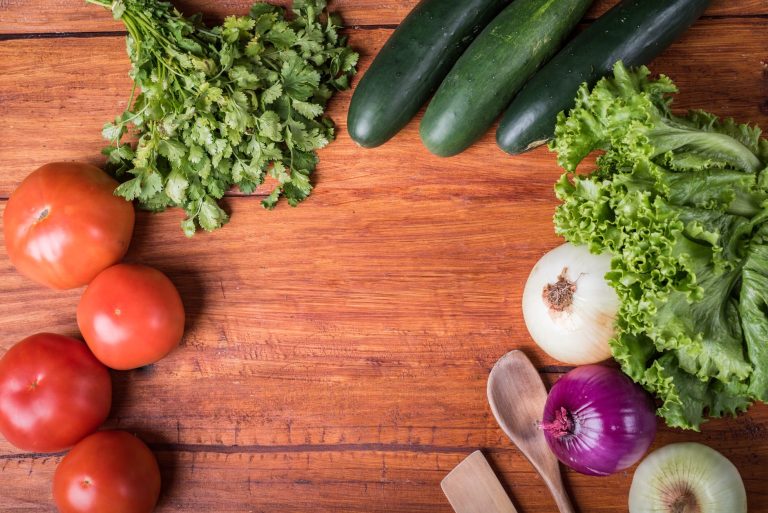
Spinach, arugula, kale, Swiss chard, and romaine are all excellent additions to a gut-friendly routine. They are light, nutrient-rich, and easy to include in salads, smoothies, soups, and sautés. Leafy greens provide fiber and plant compounds that support digestion without adding many calories, which makes them especially helpful for weight loss.
Try adding a generous handful to meals you already eat rather than treating greens like a side note. Could your breakfast omelet use spinach? Could your lunch bowl use arugula? Small upgrades matter more than occasional big changes.
2. Fermented organic foods
Fermented foods are some of the most powerful ingredients for a healthy lifestyle. Organic yogurt, kefir, sauerkraut, kimchi, miso, and tempeh can introduce beneficial bacteria and support digestive diversity. These foods are often associated with gut health because they may help create a more balanced internal environment when eaten regularly.
If you are new to fermented foods, start with small amounts. A spoonful of sauerkraut or a half cup of kefir can be enough at first. Some people feel better gradually increasing their intake rather than jumping in too quickly.
3. Organic berries
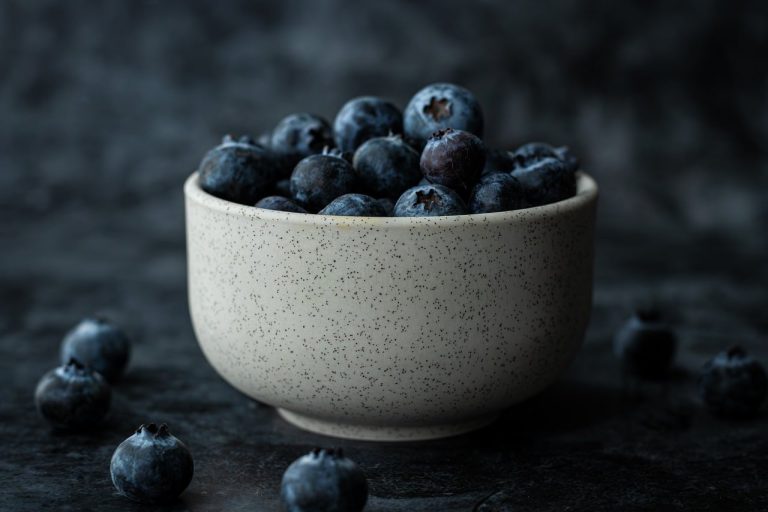
Blueberries, raspberries, blackberries, and strawberries are rich in antioxidants, fiber, and natural sweetness. They fit beautifully into a clean eating plan because they satisfy dessert-like cravings without the heaviness of refined sugar. For weight loss, berries are especially useful because they can make breakfast, snacks, and even salads feel more satisfying.
They also pair well with yogurt, oats, chia seeds, and nuts, making them one of the easiest organic food choices for busy people who want nutritious meals without much effort.
4. Organic oats and whole grains
Oats, quinoa, brown rice, barley, and buckwheat are excellent sources of soluble and insoluble fiber. Fiber helps support regular digestion, feeds beneficial bacteria, and can help you feel full longer. If you are trying to eat more cleanly while still losing weight, whole grains can be a stabilizing force because they make meals more complete and less likely to trigger post-meal hunger.
Look for minimally processed organic versions whenever possible. Steel-cut oats with cinnamon and berries, or a warm quinoa bowl with vegetables and herbs, can become breakfast or lunch staples that feel both satisfying and nourishing.
5. Organic legumes
Lentils, chickpeas, black beans, and white beans are fiber-rich, affordable, and incredibly versatile. They are among the best foods for gut health because they feed beneficial bacteria while also helping you stay full. For weight loss, that satiety can be a game changer.
If legumes tend to cause discomfort, begin with smaller servings, rinse canned varieties thoroughly, and cook them well. Your gut often adapts over time, especially when you introduce fiber gradually and consistently.
6. Organic apples and pears
Apples and pears provide soluble fiber, especially in the skin, along with natural sweetness and hydration. They make excellent snacks and can be paired with nut butter, yogurt, or seeds to create balanced mini-meals. Their pectin content is often discussed in gut health conversations because it may support beneficial fermentation in the digestive tract.
When you need something quick, simple, and portable, fruit like this can keep your clean eating plan realistic. The best healthy diet is the one you can actually maintain.
7. Organic ginger and turmeric
These two roots are used in both food and wellness traditions for good reason. Ginger can add warmth and support comfortable digestion, while turmeric is often valued as part of an anti-inflammatory eating pattern. Both are easy to use in teas, smoothies, soups, roasted vegetables, and grain bowls.
A little goes a long way. Fresh ginger sliced into hot water or turmeric added to a savory dish can make your meals feel more intentional and supportive.
8. Organic chia and flax seeds
Chia and flax seeds are small but powerful. They are rich in fiber and can help improve the texture and satiety of your meals. Chia seeds absorb liquid and form a gel-like consistency, which makes them ideal for puddings, overnight oats, and smoothie bowls. Ground flax can be sprinkled into yogurt, oats, or baked goods.
If your goal is better digestion and weight loss, these seeds are especially useful because they help you feel more satisfied with less food volume while supporting regularity.
9. Organic garlic and onions
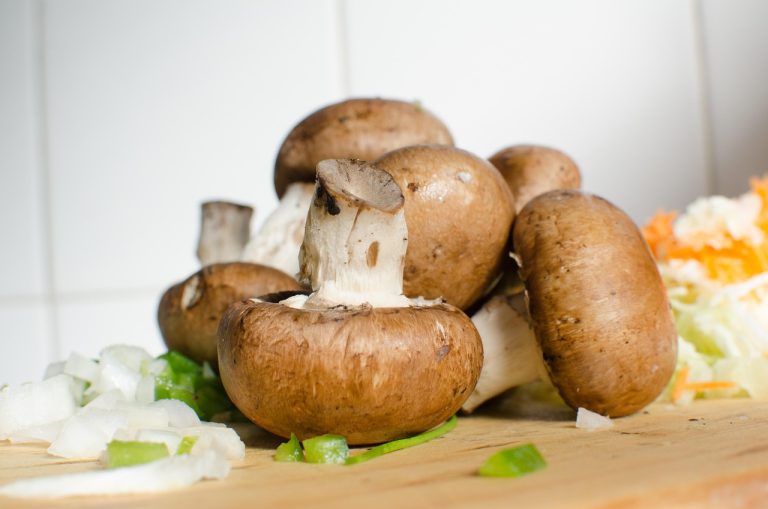
Garlic and onions are flavorful additions that also contain prebiotic compounds that feed beneficial gut bacteria. They create depth in soups, stir-fries, stews, and roasted dishes, helping clean eating feel less repetitive. These ingredients are staples in many healthy diets because they improve flavor without requiring heavy sauces or excess salt.
For sensitive stomachs, cooking them well can make them easier to digest than eating them raw.
10. Organic avocado
Avocado offers healthy fats, fiber, and a creamy texture that can make meals more satisfying. In a weight loss plan, that combination matters because people often struggle not with hunger alone, but with the feeling that healthy food is too light or not filling enough. Avocado helps close that gap.
Use it on toast, in salads, blended into dressings, or alongside eggs and vegetables. It can make simple meals feel complete without relying on ultra-processed ingredients. [IMAGE: healthy meal]
How to build a clean eating plate that supports digestion
A strong gut-friendly plan does not have to be complicated. In fact, the simpler your structure, the easier it is to stay consistent. A balanced plate can support nutrition, manage appetite, and make healthy eating feel more satisfying over time.
Here is an easy formula to use:
- Half your plate: organic vegetables, especially leafy greens and colorful produce
- One quarter: organic protein such as eggs, yogurt, fish, tofu, tempeh, chicken, or legumes
- One quarter: high-fiber carbohydrates like oats, quinoa, sweet potatoes, or brown rice
- Add healthy fats: avocado, seeds, olive oil, nuts, or tahini
This is not a rigid rule, but it is a practical starting point. The idea is to combine fiber, protein, and healthy fats so your meals support digestion and keep you full. If a meal leaves you hungry thirty minutes later, it is not helping your clean eating goals nearly as much as it could.
Smart breakfast ideas
Breakfast is often where healthy habits either gain momentum or fall apart. A gut-friendly organic breakfast should be easy to digest, balanced, and satisfying enough to prevent a midmorning crash.
- Organic Greek yogurt with berries, chia seeds, and flax
- Overnight oats made with organic oats, almond milk, cinnamon, and apple slices
- Veggie omelet with spinach, onions, and avocado
- Smoothie with kefir, berries, ginger, and leafy greens
Which breakfast would you actually look forward to eating three or four days a week? The best choice is usually the one that feels both delicious and realistic.
Lunch and dinner ideas for steady energy
Lunch and dinner should keep you energized, not weighed down. That means favoring meals that combine digestion-friendly ingredients with enough substance to prevent cravings later.
- Quinoa bowl with roasted vegetables, chickpeas, greens, and tahini
- Salmon with steamed broccoli, brown rice, and a lemon-herb dressing
- Tempeh stir-fry with garlic, bok choy, carrots, and sesame seeds
- Lentil soup with parsley, turmeric, and a side salad
These meals reflect clean eating without being bland. They also support weight loss because they emphasize volume, fiber, and protein rather than empty calories.
Gut-friendly snacks that do not derail progress
Snacking is not the enemy. Unplanned, low-nutrient snacking is the problem. When you keep a few smart organic food options on hand, you can support energy and appetite without throwing off your healthy diet.
- Apple slices with almond butter
- Organic yogurt with cinnamon
- Carrot sticks with hummus
- A handful of walnuts and berries
- Sauerkraut on whole-grain crackers
If your snacks are built around protein, fiber, and a little fat, they will do much more for you than a packaged bar that just happens to be organic.
Practical ways to make organic eating affordable and sustainable
One of the biggest myths about organic food is that it must be expensive and inconvenient. Yes, some organic products cost more, but smart planning can make a huge difference. The goal is not to buy every item in the store with an organic label. The goal is to prioritize the foods you eat most often and the foods that support your health goals most directly.
For many households, the most practical strategy is to focus on high-impact staples: leafy greens, berries, oats, apples, carrots, eggs, yogurt, beans, and frozen vegetables. Frozen organic produce can be especially helpful because it reduces waste, saves time, and still delivers quality nutrition.
Smart shopping strategies
- Buy frozen organic vegetables and berries for convenience
- Choose store-brand organic staples when possible
- Plan meals around a few core ingredients instead of many specialty items
- Batch cook grains and legumes to save time during the week
- Use herbs, spices, lemon, garlic, and ginger for flavor instead of expensive sauces
When your kitchen is stocked strategically, healthy eating becomes less of a decision and more of a routine. That is one of the most powerful shifts you can make for long-term nutrition and weight loss.
Simple meal prep habits that support clean eating
Meal prep does not have to mean spending your Sunday cooking six identical containers of food. It can be as simple as washing greens, roasting vegetables, cooking one grain, and preparing one protein source ahead of time. Even thirty minutes of preparation can transform your week.
- Wash and chop salad ingredients in advance
- Cook a pot of lentils or quinoa
- Roast a tray of vegetables with olive oil and herbs
- Prepare a jar of chia pudding or overnight oats
- Mix a homemade dressing for quick bowls and salads
These small habits keep you close to your clean eating goals when life gets busy. And when you are busy, convenient healthy food is not a luxury; it is a necessity.
Organic food mistakes that can slow your progress
Even the healthiest intentions can backfire if you approach them the wrong way. A lot of people buy organic food and assume they are automatically eating well, but the truth is more nuanced. The label alone does not guarantee balance, portion control, or digestive comfort.
Eating too much of even the healthiest foods
Organic cookies are still cookies. Organic chips are still chips. And even organic nut butters, granolas, and snack bars can add up quickly. If weight loss is one of your goals, you still need to respect portion size and overall energy balance. Healthy food can absolutely be overeaten.
Ask yourself: am I choosing this because it supports my body, or because it sounds healthier than it really is?
Relying on organic processed foods
Processed organic foods can have a place in a real life, but they should not dominate your plate. If you want the best results for gut health, focus on whole ingredients more often than packaged items. A clean eating pattern should be built on vegetables, fruit, protein, whole grains, legumes, seeds, and quality fats.
The more a food resembles its original form, the more likely it is to support digestion and satiety in a meaningful way.
Ignoring fiber diversity
Not all fiber is the same. If you eat the same few ingredients every day, your gut bacteria may not get the variety they need. Try rotating produce, grains, legumes, and seeds. One week you might focus on oats and berries, the next on quinoa and lentils, and the next on apples, flax, and fermented vegetables.
Diversity is one of the most underrated tools in nutrition. It also keeps meals interesting, which matters more than many people realize.
Moving too fast with a detox diet mindset
Some people approach gut health like a reset button, hoping a detox diet will fix everything in a few days. But sustainable change is usually slower and more effective. Your digestive system responds best to consistency, not dramatic swings. If you flood your body with fiber too quickly, or cut food groups too aggressively, you may feel worse before you feel better.
A better approach is to improve the quality of your meals gradually, drink enough water, and give your body time to adapt.
A realistic one-day organic gut health template
If you want a simple starting point, use this sample day as inspiration. It is designed to support digestion, feel satisfying, and align with a clean eating plan that can also support weight loss.
Morning
Begin with warm water and lemon or a cup of ginger tea if it feels good to you. Then have yogurt with berries, chia seeds, and oats, or a veggie omelet with avocado and a side of fruit. The goal is to start with food that gives you steady energy rather than a sugar spike.
Midday
Lunch could be a grain bowl with organic quinoa, roasted vegetables, chickpeas, greens, and tahini dressing. This kind of meal gives you fiber, protein, and healthy fats without feeling heavy. It is also easy to pack for work or prepare ahead of time.
Afternoon
If you need a snack, choose something that actually satisfies you. Apple slices with almond butter, kefir, or carrots with hummus can hold you over without derailing your appetite. This is especially useful if you tend to arrive at dinner overly hungry.
Evening
Dinner can be salmon with broccoli and sweet potato, or lentil soup with a side salad and olive oil dressing. Keep the meal simple, flavorful, and not too late if you notice that late eating affects your digestion. A calm, balanced evening meal often supports a calmer next morning.
[IMAGE: fitness lifestyle]
How to know your gut-friendly plan is working
Progress is not always visible on the scale right away, especially when you are improving digestion and reducing inflammation. So what should you watch for? Better digestion often shows up in subtle ways first.
- You feel less bloated after meals
- Your energy is steadier throughout the day
- You feel full longer after eating
- Your cravings are easier to manage
- Your bathroom routine becomes more predictable
- You feel less dependent on constant snacking
These signs matter because they suggest your body is responding well to the new pattern. If weight loss is part of your goal, these changes can create the conditions for more sustainable progress. Your body is not just losing weight; it is learning how to function more efficiently.
Why organic, gut-friendly eating is a long game worth playing
There is a reason so many people return to clean eating after trying more aggressive diets. Restrictive plans may produce short-term results, but they are often hard to maintain and can leave you feeling deprived. A gut-supportive organic food approach is different. It is built on pleasure, nourishment, and consistency rather than punishment.
That matters because real health is not just about looking a certain way. It is about waking up with more energy, enjoying meals without guilt, and trusting that your habits are actually supporting you. When your food choices align with your digestive health, your weight goals, and your desire for a healthier lifestyle, the process feels more sustainable. You do not need a perfect detox diet or a dramatic overhaul. You need a strong routine, good ingredients, and enough patience to let the body respond. If that is the kind of path you want, keep exploring DietOrganic for more ideas, because the next meal you build might be the one that changes how healthy feels in your everyday life.
About the Author