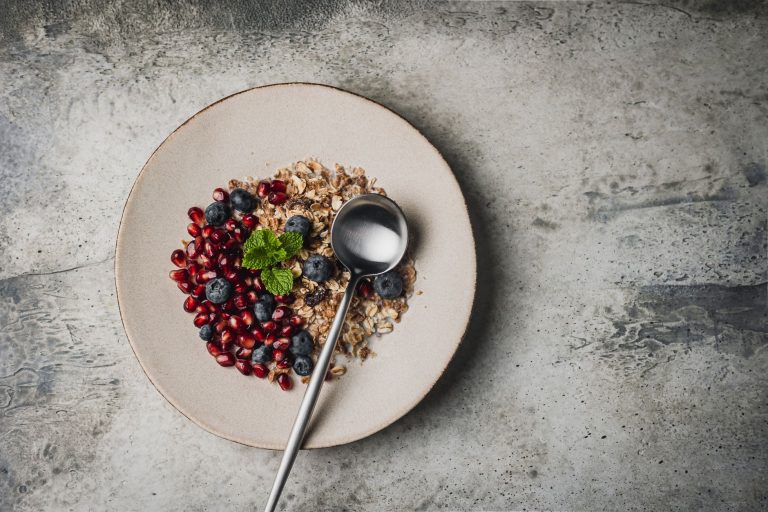


Photo by Kampus Production on Pexels
If you have been looking for a smarter way to support digestion, feel lighter after meals, and build a healthy lifestyle that actually lasts, organic food may be the missing piece. The gut is where so much of daily wellness begins: how you digest, how much energy you feel, how well you absorb nutrition, and even how easy it becomes to stay consistent with weight loss goals. When your meals are built around clean eating, whole ingredients, and carefully chosen organic foods, your body often responds with better balance, fewer cravings, and a more comfortable relationship with food.
This is not about chasing a short-lived detox diet or eliminating everything you enjoy. It is about understanding how organic food choices can simplify your routine and support your digestive system from the inside out. Are you dealing with bloating, sluggishness after meals, frequent snacking, or that heavy feeling that makes healthy habits harder to maintain? If so, a more organic, more intentional approach to nutrition can make a noticeable difference.
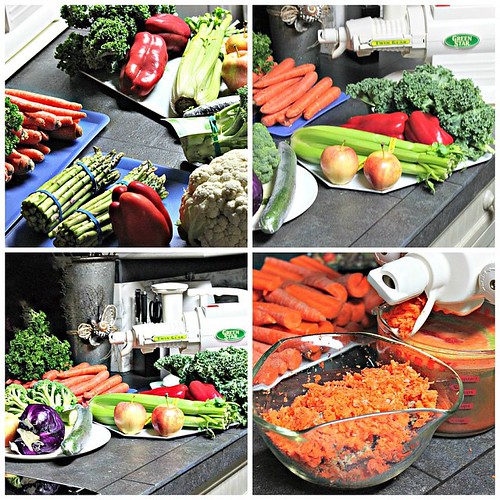
[IMAGE: organic vegetables]
In this guide, we will explore which organic foods are best for gut health, how to structure meals for better digestion, what to avoid if you want a calmer digestive system, and how to turn clean eating into a realistic everyday habit. You will also find practical tips that can support weight loss without making your diet feel restrictive. The goal is simple: create a healthy diet that feels nourishing, sustainable, and genuinely enjoyable.
Why Gut Health Matters So Much for Weight Loss and Energy
The gut is more than a place where food is broken down. It is an active system that helps regulate metabolism, immune function, appetite, and nutrient absorption. When your digestion is running smoothly, it becomes easier to get the most out of every meal. When it is not, even an apparently healthy diet can leave you feeling tired, bloated, or unsatisfied.
Many people focus on calories first and forget that the quality of those calories matters just as much. A clean eating plan built around organic food can support the gut in a way that processed meals often cannot. Why? Because your digestive system thrives on variety, fiber, hydration, and fewer unnecessary additives. That combination can help you feel lighter, more energized, and better able to stay on track with weight loss.
The gut-metabolism connection
Your gut microbiome, which is the community of beneficial bacteria in your digestive tract, plays a role in how efficiently your body uses energy. Research continues to show that a balanced microbiome can influence appetite signaling, inflammation, and even how certain nutrients are processed. While no single organic food will magically change your metabolism overnight, a consistent healthy lifestyle can create the conditions for better metabolic support over time.
Think about it this way: when digestion is sluggish, food may sit uncomfortably in the stomach, cravings may increase, and energy may dip. When digestion is supported with the right nutrition, you may feel more stable between meals and less tempted to reach for quick fixes.
Signs your gut may need more support
Not sure whether your digestive system is asking for help? Common signs can include:
- Bloating after meals
- Irregular bowel movements
- Frequent gas or discomfort
- Cravings for sugar or heavily processed food
- Low energy in the afternoon
- A feeling of heaviness even after moderate portions
If several of these sound familiar, a cleaner approach to eating may be worth trying. What if small daily changes could improve how you feel far more than another complicated trend ever could?
Why Organic Food Can Be a Better Choice for Digestion
Organic food is often associated with freshness, quality, and fewer artificial inputs. While organic does not automatically mean perfect, choosing organic produce and carefully sourced pantry staples can help reduce exposure to certain pesticides and additives that some people prefer to limit. For those focused on gut health, that can be a meaningful advantage.
A healthy diet is not only about what you add in, but also what you reduce. A cleaner ingredient list often means fewer synthetic preservatives, less hidden sugar, and less of the ultra-processed structure that can make digestion feel difficult. For many households, organic shopping also encourages more home cooking, and home cooking is one of the simplest ways to improve nutrition.
Fewer unnecessary extras
When you buy more organic food, you often build meals around single-ingredient foods: vegetables, grains, legumes, eggs, yogurt, nuts, seeds, and herbs. These are the kinds of ingredients that create a strong foundation for clean eating. They are easier to recognize, easier to combine, and usually easier on your body than products with long labels filled with emulsifiers, artificial colors, and excess sodium.
This matters because the digestive system can be sensitive to the way modern packaged foods are engineered. Even when a product looks healthy on the surface, it may contain ingredients that encourage overeating or interfere with satiety. By returning to simpler ingredients, you make it easier to eat in a way that supports weight loss and long-term balance.
Organic produce often encourages better habits
One underrated benefit of organic food is behavioral. People who shop for organic produce often end up preparing more meals at home, eating more vegetables, and paying more attention to seasonal ingredients. Those habits are powerful. They turn healthy lifestyle goals into consistent routines instead of temporary bursts of motivation.
That consistency matters more than perfection. A routine built on organic vegetables, fresh fruit, lean protein, and fiber-rich staples is more likely to support digestion than a strict detox diet that is impossible to follow for more than a few days.
The Best Organic Foods for Gut Health
If your goal is better digestion, there are several categories of organic food worth prioritizing. The most helpful foods for gut health usually share a few qualities: they contain fiber, natural enzymes, prebiotics, probiotics, water, and a wide range of micronutrients. Let’s look at the most effective choices.
1. Fermented foods
Fermented foods are one of the strongest allies in a gut-friendly diet. They provide beneficial bacteria that may help support balance in the digestive system. Organic versions are especially appealing because they tend to contain fewer unnecessary additives and a more straightforward ingredient profile.
- Organic plain yogurt with live cultures
- Kefir made from organic milk or plant-based ingredients
- Sauerkraut
- Kimchi
- Miso
- Tempeh
These foods can be introduced gradually. A few spoonfuls of sauerkraut with lunch or a bowl of organic yogurt in the morning is often enough to start. If fermented foods are new to you, begin slowly and listen to your body.
2. Fiber-rich organic vegetables
Fiber helps feed the beneficial bacteria in your gut and keeps digestion moving at a healthy pace. Organic vegetables are ideal because they are versatile, easy to cook, and naturally low in calories, which can support weight loss without leaving you undernourished.
- Leafy greens such as spinach, kale, and arugula
- Cruciferous vegetables such as broccoli, cauliflower, and Brussels sprouts
- Root vegetables such as carrots, beets, and sweet potatoes
- Light vegetables such as cucumber, zucchini, and celery
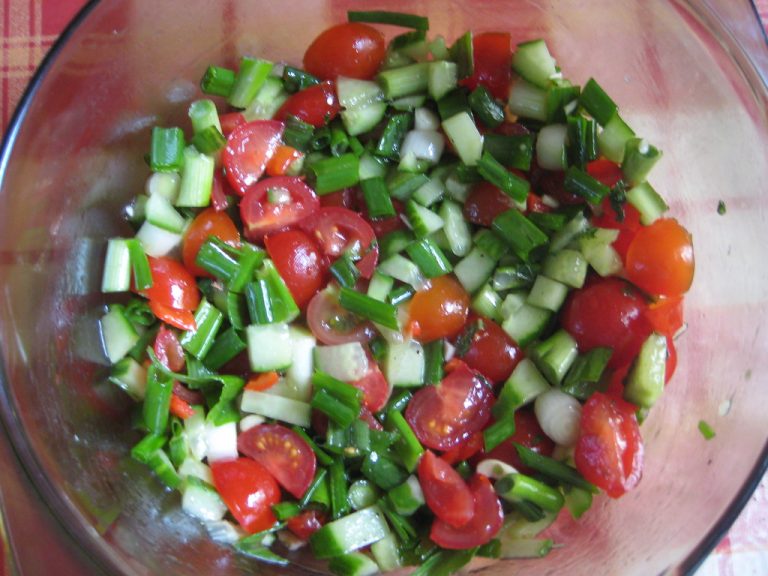
These ingredients are excellent for salads, soups, grain bowls, and roasted trays. [IMAGE: healthy meal] A colorful plate of vegetables not only looks appealing; it can also bring more variety to your digestive routine, which is important for microbiome diversity.
3. Prebiotic foods that feed good bacteria
Prebiotics are the fuel that helps healthy bacteria thrive. They are not the same as probiotics, but they are equally important. Organic prebiotic foods can help support a better balance in the gut and may contribute to improved satiety.
- Organic oats
- Bananas, especially slightly green ones
- Garlic
- Onions
- Leeks
- Asparagus
These ingredients are easy to add to a healthy diet. Stir oats into breakfast bowls, roast asparagus for dinner, or include garlic and onions in soups and sautés. Small choices like these can quietly improve nutrition every day.
4. Healthy fats that support absorption
Many vitamins need fat to be absorbed properly, which means healthy fats are essential in a gut-friendly organic food plan. They also help meals feel more satisfying, which can support weight loss by reducing the urge to snack too soon after eating.
- Avocados
- Extra-virgin olive oil
- Chia seeds
- Flaxseeds
- Walnuts
- Almonds
Use these foods in moderation and pair them with vegetables or whole grains. A salad with avocado and olive oil, for example, can feel much more complete than a bowl of greens alone.
5. Easy-to-digest proteins
Protein helps stabilize blood sugar, support recovery, and keep you full. For gut health, it is helpful to choose protein sources that are minimally processed and paired with simple seasonings rather than heavy sauces.
- Organic eggs
- Plain Greek yogurt
- Organic chicken or turkey
- Wild-caught fish
- Tofu and tempeh
- Lentils and chickpeas
Protein supports a healthy lifestyle by helping you stay satisfied between meals. That can be especially useful if you are trying to reduce mindless snacking or improve weight loss results without feeling deprived.
6. Hydrating fruits with digestive benefits
Fruits bring water, fiber, enzymes, and natural sweetness to a clean eating routine. They can also help you replace processed desserts with something lighter and more nourishing.
- Papaya
- Pineapple
- Berries
- Kiwi
- Apples
- Pears
Organic berries and apples are especially useful in a gut-supportive diet because they offer fiber without being heavy. Have you noticed how a fruit bowl often satisfies a sweet craving more gracefully than a packaged snack?
How to Build a Clean Eating Plate for Better Digestion
A healthy diet becomes much easier when you use a repeatable structure. You do not need to count every bite or follow a rigid detox diet to get results. Instead, learn how to assemble meals that are balanced, colorful, and easy for your body to process.
The simple plate formula
Try organizing your meals with this approach:
- Half the plate: organic vegetables and greens
- One quarter: quality protein
- One quarter: whole grains or starchy vegetables
- Plus: a source of healthy fat
This formula supports nutrition while keeping portions sensible. It also makes weight loss more manageable because the meal is filling without being overly dense in calories.
Breakfast ideas that feel light but satisfying
Breakfast sets the tone for the day, and it is often the easiest meal to improve. A sugar-heavy breakfast may lead to a crash, while a balanced organic food breakfast can help you stay focused for hours.
- Organic yogurt with berries, chia seeds, and oats
- Vegetable omelet with spinach and mushrooms
- Overnight oats with flaxseed and sliced banana
- Green smoothie with kale, apple, cucumber, and protein
These meals are practical, nourishing, and aligned with clean eating. They also work well for busy mornings when you need something fast but still want to protect your healthy lifestyle.
Lunch ideas that support stable energy
Lunch should leave you energized, not sleepy. An organic lunch built around fiber, protein, and healthy fats can help you avoid the afternoon slump.
- Grain bowl with quinoa, roasted vegetables, and tahini
- Chicken salad with avocado and pumpkin seeds
- Lentil soup with side greens
- Salmon with brown rice and steamed broccoli
These meals are excellent examples of nutrition that supports digestion without feeling complicated. When meals are satisfying, it is much easier to avoid vending machine snacks and processed foods.
Dinner ideas that are gentle on the stomach
Dinner is often where people drift away from their best intentions. After a long day, convenience can win. But with a little planning, dinner can become the most restorative meal of the day.
- Roasted vegetables with baked fish and olive oil
- Stir-fried tofu with ginger, garlic, and bok choy
- Turkey chili with beans and tomatoes
- Vegetable soup with whole-grain toast
Keep dinner simple, especially if you notice bloating or discomfort at night. Large portions, heavy sauces, and excessive salt can make digestion harder and interfere with restful sleep.
A Gentle Organic Reset Without Extreme Rules
People often search for a detox diet when they feel tired, puffy, or off track. While dramatic cleanses are rarely necessary, a gentle reset centered on organic food can be very effective. The purpose is not to punish the body. It is to simplify your meals so digestion can recover from overload.
During a reset, focus on familiar, whole ingredients and reduce highly processed foods for a few days. That can help you notice how your body responds when meals are cleaner and more balanced.
What a reset can look like
- Drink water consistently throughout the day
- Choose organic vegetables at most meals
- Include fermented food in one meal per day
- Reduce packaged snacks and sugary drinks
- Eat at regular times instead of grazing all day
- Keep meals simple and easy to digest
This kind of reset is not about deprivation. It is about removing noise so your system can do what it does best. In many cases, people feel clearer, less bloated, and more in control of appetite after only a short period of cleaner eating.
What to avoid during a gut-friendly reset
If your aim is better digestion and a healthier weight, certain foods may make your efforts harder:
- Ultra-processed snack foods
- Excess sugar and sweets
- Alcohol in large amounts
- Heavy creamy sauces
- Highly refined white bread and pastries
- Sweetened coffees and energy drinks
These foods are not forbidden forever, but they can crowd out the ingredients your gut actually needs. The question is not whether you can eat them occasionally; the question is whether they are helping you feel your best.
How to Shop for Organic Food Without Overspending
Many people assume organic food must be expensive, but smart shopping can make it far more accessible. In fact, a healthy diet often becomes more affordable when you stop buying impulse snacks and start planning around a simple list.
Prioritize the foods that matter most
If your budget is limited, begin with the produce you eat most often and the items most likely to be used raw, such as leafy greens, berries, and apples. These can be a good place to focus organic spending. For other items, you can choose conventional options if that helps your budget remain realistic.
Buy in seasons and use frozen options
Seasonal produce is usually more affordable and tastes better. Frozen organic vegetables and fruit can also be an excellent choice because they are picked at peak ripeness and are often more budget-friendly than fresh produce out of season.
Useful budget strategies include:
- Shopping farmers markets near closing time
- Buying larger bags of organic oats, beans, and rice
- Using frozen berries for smoothies
- Batch-cooking grains and vegetables
- Planning meals before shopping
These habits make clean eating practical. They also reduce food waste, which is a hidden cost in many households.
Think in meals, not just ingredients
One reason people overspend is that they buy random items without a plan. If you think in terms of meals, you are more likely to purchase only what you need. For example, if you buy organic spinach, eggs, sweet potatoes, and yogurt, you already have ingredients for breakfast, lunch, and dinner components. That is efficient nutrition with less waste.
A Sample Day of Organic Eating for Gut Health
Sometimes the simplest way to understand a healthy lifestyle is to see it in action. Here is a sample day built around organic food, clean eating, and supportive digestion.
Morning
- Warm water with lemon
- Organic oats topped with chia seeds, blueberries, and walnuts
- Herbal tea or plain coffee without excess sugar
Midday
- Salad with mixed greens, grilled chicken, avocado, cucumber, and olive oil dressing
- A small serving of sauerkraut on the side
- Fresh apple or pear
Afternoon
- Plain organic yogurt or a handful of almonds
- Water or sparkling water
Evening
- Baked salmon or tofu
- Roasted broccoli and carrots
- Quinoa or sweet potato
This type of day delivers fiber, protein, hydration, and variety. It is also realistic enough to repeat, which is the real secret behind any successful nutrition plan.
Common Organic Diet Mistakes That Can Slow Progress
Even a clean eating plan can become less effective if it is missing balance. Some people go all-in on organic food but still struggle with digestion or weight loss because their meals are too small, too repetitive, or too low in protein.
Skipping protein
When meals are mostly fruit or vegetables, you may feel hungry quickly. Protein is essential for satiety and stable energy. Without it, even the healthiest meal can leave you searching for snacks an hour later.
Overusing juices and smoothies
While juices and smoothies can be part of a healthy lifestyle, they should not replace most meals. Liquid calories are often less satisfying than solid foods, and too much fruit sugar without fiber can cause energy swings. If you enjoy smoothies, add protein, seeds, and greens to keep them balanced.
Assuming organic automatically means portion-free
Organic food is still food. Nuts, oils, granola, and dried fruit can be healthy, but they are also energy-dense. For weight loss, portion awareness still matters. A clean eating plan works best when it respects both quality and quantity.
Ignoring sleep and movement
Digestion is not only about food. Poor sleep and too little movement can slow your progress, increase cravings, and make bloating worse. That is why a complete healthy lifestyle matters more than any single meal.
[IMAGE: fitness lifestyle]
Lifestyle Habits That Support a Healthier Gut
If you want better digestion to last, pair your organic food choices with a few simple daily habits. These are not dramatic changes, but they can noticeably improve how your body feels.
Stay hydrated throughout the day
Water helps move food through the digestive tract and supports the body’s natural cleansing processes. Add cucumber, mint, lemon, or berries if plain water feels dull. The point is consistency, not perfection.
Move after meals
A short walk after eating can help digestion feel smoother and reduce that heavy, sluggish sensation. You do not need an intense workout every time. Ten to fifteen minutes of gentle movement can be surprisingly effective.
Eat more slowly
Fast eating often leads to overeating and discomfort. Slowing down gives your body time to recognize fullness, which can support weight loss and reduce bloating. Put the fork down between bites and take a breath. It sounds simple, but it can change the entire rhythm of a meal.
Protect your sleep
Sleep is one of the most underrated nutrition tools. When you are tired, cravings increase and digestion can feel less predictable. A regular sleep schedule, lighter evening meals, and reduced screen time before bed can all support better rest.
How Clean Eating Can Feel Enjoyable, Not Restrictive
One reason people give up on healthy eating is that they make it feel too strict. But organic food and clean eating are not meant to be punishment. They are meant to help you feel better in a way that is sustainable. That means choosing flavors you love, recipes you will repeat, and routines that fit your real life.
Start by making one meal per day more intentional. Add a vegetable you normally skip. Swap a sugary snack for fruit and yogurt. Replace a processed side with roasted organic vegetables. These small decisions create momentum, and momentum is what turns a nutrition goal into a habit.
The more you notice how your body responds, the easier it becomes to stay committed. Better digestion, steadier energy, and less bloating can be powerful motivators. When you feel that difference, clean eating stops being a trend and starts becoming your normal.
The strongest health changes usually begin quietly: a better breakfast, a more thoughtful grocery list, a short walk after lunch, a little more water, and a little less processed food. Over time, those choices build a digestive environment that feels calmer and a routine that supports weight loss without drama. If this approach resonates with you, keep exploring the other articles on DietOrganic and continue building a healthy lifestyle that feels smart, simple, and genuinely rewarding.
About the Author