
Photo by MabelAmber on Pixabay
What if weight loss felt less like a punishment and more like a carefully designed, nourishing routine? That is the promise of organic food when it is used intelligently, not as a trend, but as part of a realistic clean eating strategy. Instead of chasing extreme restrictions or a dramatic detox diet, you can build meals that support satiety, energy, digestion, and consistency. That matters, because the most effective healthy diet is rarely the most complicated one. It is the one you can repeat on busy weekdays, during travel, and in the real world.
Organic food is not a magic solution, and it does not erase the need for portion awareness, movement, sleep, and stress management. But it can make nutritious choices feel more natural. When your kitchen is filled with vibrant produce, quality proteins, and minimally processed staples, healthy decisions become easier. That is the heart of sustainable nutrition: creating an environment where your food works with your goals instead of against them.
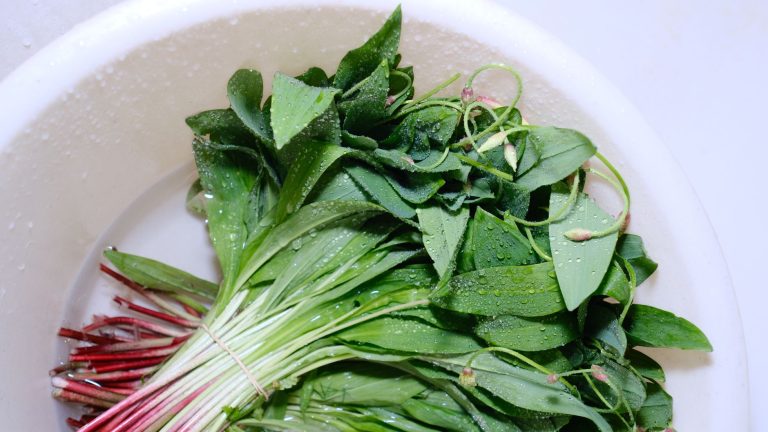
[IMAGE: organic vegetables]
In this guide, you will learn how organic food can support weight loss, which foods deserve a place on your plate, how to organize your meals for better results, and what mistakes to avoid if you want a healthy lifestyle that lasts. Ask yourself this: are you trying to lose weight quickly, or are you trying to change the way you eat for good? The answer changes everything.
Why Organic Food Can Support Smarter Weight Loss
The value of organic food goes beyond the label. For many people, choosing organic is really about choosing foods that feel cleaner, simpler, and more aligned with a healthy lifestyle. That usually means fewer ultra-processed ingredients, fewer added sugars, and more meals based on whole foods. When you eat this way consistently, your hunger becomes easier to manage and your nutrition becomes more dependable.
Weight loss often fails when meals are too refined, too small, or too unpredictable. A salad that looks healthy but leaves you hungry an hour later is not useful. A package of organic snacks that still behaves like a dessert is not a strategy. Real progress comes from eating in a way that keeps your body satisfied enough to avoid constant grazing. Organic food can help because it naturally pushes your choices toward vegetables, fruit, legumes, eggs, fish, poultry, yogurt, nuts, seeds, and grains with more fiber and better structure.
Less processed food often means better appetite control
Many people notice that when they switch to clean eating, cravings become more manageable. Why? Because meals built around whole organic food often contain more protein, more fiber, and less hidden sugar than convenience foods. Those three factors are powerful for weight loss. Protein helps preserve lean tissue, fiber slows digestion, and balanced meals stabilize energy, which can reduce the urge to snack impulsively.
That does not mean every organic product is ideal. Organic cookies are still cookies, and organic chips are still chips. The goal is not to replace one processed habit with a more expensive version of the same behavior. The goal is to use organic food as a tool for nutrition quality, not as a loophole.
Cleaner ingredients can make a healthy diet easier to sustain
For many households, the biggest challenge is not willpower. It is decision fatigue. When your pantry is filled with simple staples, you spend less time negotiating with yourself. Should you order takeout? Should you eat the protein bar? Should you snack again? A kitchen centered on organic vegetables, fruit, grains, and proteins makes the answer clearer. You have the ingredients to assemble a meal instead of defaulting to whatever is fast.
That simplicity matters because consistency, not intensity, drives long-term body composition changes. A clean eating pattern that is easy to repeat will outperform a strict plan that collapses after ten days.
Organic choices often encourage more mindful eating
There is also a psychological side to organic food. When people pay attention to sourcing, freshness, and quality, they often become more mindful of portion sizes and meal composition. Instead of eating on autopilot, they begin to notice texture, flavor, and fullness. That awareness can be a quiet advantage for weight loss. After all, how often do overeating habits happen because you were distracted, not because you were truly hungry?
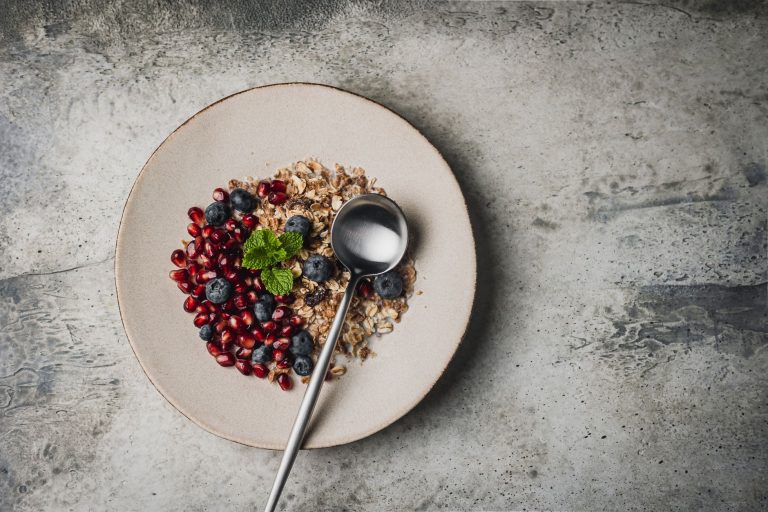
[IMAGE: healthy meal]
The Best Organic Foods to Prioritize for Weight Loss
If your goal is to lose weight without losing energy, choose foods that do more than just reduce calories. The best organic foods for weight loss are those that improve satiety, support digestion, and make it easier to eat enough protein and fiber. Think in categories, not in rules. A healthy diet is built from repeating patterns, not perfect days.
Leafy greens and cruciferous vegetables
Spinach, kale, arugula, romaine, broccoli, cauliflower, Brussels sprouts, and cabbage are excellent building blocks for a weight loss plan. They are naturally low in calories, high in volume, and packed with nutrients. That means you can eat satisfying portions without overloading your energy intake. They also help create a plate that feels abundant rather than restrictive.
Leafy greens are especially useful at lunch and dinner because they add texture and freshness to meals. Cruciferous vegetables, on the other hand, are fantastic roasted, steamed, or chopped into grain bowls. If your current meals feel too heavy, adding a large serving of organic vegetables can change the entire experience.
Best ways to use them
- Add spinach to smoothies, omelets, and soups.
- Roast broccoli with olive oil, garlic, and herbs.
- Use cabbage as a crunchy base for bowls and slaws.
- Build dinner plates around two or more vegetable colors.
Organic proteins that keep you full longer
Protein is one of the most important nutrients for weight loss because it supports fullness, helps reduce muscle loss during calorie reduction, and gives meals staying power. If you are constantly hungry an hour after eating, the problem may not be your discipline. The problem may be that your meal was too light on protein.
Look for organic eggs, Greek yogurt, cottage cheese, chicken breast, turkey, salmon, sardines, tofu, tempeh, lentils, black beans, and edamame. These foods are versatile enough to work in breakfast, lunch, dinner, and even post-workout meals. Which protein do you reach for most often? If the answer is only one or two, variety may help your nutrition feel less repetitive.
Simple protein targets for each meal
- Breakfast: eggs, yogurt, cottage cheese, or tofu scramble.
- Lunch: chicken salad, tuna bowl, lentil soup, or tempeh wrap.
- Dinner: salmon with vegetables, turkey lettuce wraps, or bean-based chili.
- Snack: yogurt with seeds, boiled eggs, or hummus with raw vegetables.
Fiber-rich fruits that satisfy without heaviness
Fruit often gets unfairly blamed in weight loss conversations. In reality, organic fruit can be a smart part of clean eating when it is used with intention. Berries, apples, pears, citrus fruits, kiwi, and stone fruits deliver fiber, water, antioxidants, and natural sweetness. That combination can reduce the urge to reach for sweets later in the day.
Berries are particularly useful if you want flavor without a calorie overload. Apples and pears are excellent for portable snacks because they are filling and easy to pair with protein or healthy fat. Fruit works best when it complements a meal instead of replacing one.
Smart fats that improve satisfaction
Many people fear fat when trying to lose weight, but the right fats support a healthy lifestyle by improving satisfaction and making meals taste good enough to repeat. Avocados, extra virgin olive oil, walnuts, almonds, chia seeds, flaxseeds, hemp seeds, and pumpkin seeds can all fit into a balanced organic food plan.
The key is portion awareness. Healthy fats are beneficial, but they are energy dense, so they should be used deliberately. A tablespoon of seeds or a quarter of an avocado can do a lot for texture and satiety without overpowering your calorie goals.
Fermented and gut-friendly foods
If digestion is sluggish, weight loss can feel harder than it should. Bloating, irregularity, and discomfort can make you feel off track even when your food choices are good. This is where organic fermented foods may help. Unsweetened yogurt, kefir, sauerkraut, kimchi, and miso can support gut health and add variety to your meals.
Gut-friendly foods are not a detox diet shortcut, but they can support smoother digestion and better meal comfort. When your body feels lighter and more regular, it is easier to stay committed to healthy habits.
How to Build a Weight Loss Plate with Organic Food
One of the easiest ways to make weight loss more sustainable is to stop thinking in terms of good foods and bad foods. Instead, build a repeatable plate that keeps hunger in check and gives your body the nutrients it needs. The most effective meals usually contain protein, fiber, color, and a controlled amount of healthy fat.
Here is a simple formula you can use at lunch or dinner:
- Half the plate: organic vegetables, preferably a mix of raw and cooked.
- One quarter of the plate: organic protein.
- One quarter of the plate: high-fiber carbohydrates such as quinoa, sweet potato, brown rice, or beans.
- One small addition: healthy fat from olive oil, avocado, nuts, or seeds.
This method supports nutrition without making meals feel rigid. It also makes portion sizes easier to judge without counting every bite. If you want to make clean eating more intuitive, this is a strong place to start.
Examples of balanced organic meals
A weight loss meal does not have to be tiny. It has to be balanced. For example, a bowl with organic salmon, quinoa, roasted Brussels sprouts, cucumber, and a lemon-olive oil dressing can be filling without being excessive. A lentil soup with carrots, celery, spinach, and a side salad can provide both comfort and structure. Even breakfast can follow this pattern: eggs, sautéed greens, avocado, and berries create a strong start to the day.
[IMAGE: fitness lifestyle]
What to drink with your meals
Hydration plays a bigger role in weight loss than many people realize. Sometimes thirst is mistaken for hunger, and sometimes a lack of fluid makes meals feel less satisfying. Water should be the default, but sparkling water, unsweetened herbal tea, and infused water with cucumber or lemon can also support a healthy lifestyle.
Avoid using drinks as hidden calorie delivery systems. Smoothies, juices, specialty coffees, and so-called wellness beverages can quietly undo progress if they are not carefully planned. If you are aiming for clean eating, treat drinks as part of your nutrition strategy, not as background extras.
Organic Meal Prep Ideas That Make Healthy Eating Easier
Meal prep is where weight loss becomes practical. Without a plan, even the best intentions can get lost in a busy week. With a plan, organic food becomes faster to use and less likely to go to waste. You do not need to cook every meal for the entire week. You just need a few building blocks ready to assemble.
Think of meal prep as creating options. The more prepared ingredients you have, the more likely you are to choose a healthy diet over convenience food. That is why a little organization can produce a surprisingly big difference.
A simple Sunday prep routine
- Wash and chop leafy greens, carrots, cucumbers, peppers, and celery.
- Roast a large tray of vegetables with olive oil and herbs.
- Cook one or two proteins, such as chicken, turkey, tofu, or lentils.
- Prepare one grain, such as quinoa, brown rice, or farro.
- Make one sauce or dressing, like tahini lemon, yogurt herb, or olive oil vinaigrette.
- Portion snacks into containers so they are easy to grab.
With those ingredients ready, lunch can become a bowl, salad, wrap, or soup in minutes. Dinner can be assembled without ordering takeout. That kind of friction reduction matters more than people think. When the healthy option is the easy option, consistency improves naturally.
Three organic meal prep combinations to try
1. Mediterranean bowl: organic chicken, cucumber, tomatoes, roasted zucchini, chickpeas, quinoa, and a lemon-olive oil dressing.
2. Protein-rich breakfast box: boiled eggs, berries, chia pudding, and sliced apple with almond butter.
3. Plant-based lunch kit: roasted sweet potato, tofu, kale, black beans, avocado, and salsa.
These meals are not flashy, but they are repeatable. And repeatable is what gets results.
What to Buy Organic First When You Are on a Budget
Many people want to eat more organic food but worry about cost. That concern is valid. The good news is that you do not need to buy everything organic to see benefits. A smarter approach is to prioritize the foods you eat most often and the ones most likely to be eaten raw or minimally cooked.
If your budget is limited, buy organic first in these categories:
- Leafy greens such as spinach, lettuce, and kale.
- Berries, especially strawberries and blueberries.
- Apples, pears, and grapes if you eat them regularly.
- Milk, yogurt, and eggs if they are staples in your diet.
- Foods you use every day, not just occasional treats.
Frozen organic vegetables and frozen organic fruit can also be very practical. They reduce waste, last longer, and often cost less than fresh produce. Canned organic beans, tomatoes, and fish are also budget-friendly choices that fit a clean eating plan.
When conventional produce still makes sense
It is easy to fall into an all-or-nothing mindset, but weight loss is rarely helped by perfectionism. If organic versions are unavailable or too expensive, conventional vegetables and fruit are still far better than skipping produce altogether. The most important thing is to keep your meals rooted in whole foods.
Would your nutrition improve if you stopped worrying about doing everything perfectly and simply focused on doing the next meal well? In many cases, yes. That mindset makes healthy eating more durable.
Organic Diet Mistakes to Avoid
Organic food is only helpful if your overall pattern supports your goals. Some people buy organic products but continue to eat in ways that make weight loss difficult. Others overcomplicate the process, turning a simple healthy diet into a stressful project. A cleaner kitchen does not automatically create a better body composition. The habits still matter.
Eating too much of organic junk food
Organic snacks can be convenient, but many are still highly processed. Organic granola, crackers, chocolate bars, sweetened yogurts, and baked goods can be easy to overeat. Even when the ingredient list looks better, these foods may not provide enough fullness for the calories they contain.
If a food is designed to be easy to eat quickly, keep an eye on the portion size. Ask yourself whether the snack is genuinely nourishing or just a more expensive version of a familiar craving.
Neglecting protein and fiber
One of the most common reasons people struggle with weight loss is that they unknowingly under-eat protein and fiber. A breakfast of organic toast and fruit may sound wholesome, but it may not keep you satisfied for long. The same goes for salad if it lacks protein and a reasonable amount of healthy fat.
For each meal, check whether you have something substantial enough to anchor your appetite. If not, add eggs, fish, beans, yogurt, or tofu, along with vegetables or fruit that increase volume and fiber.
Using a detox diet mentality
It is tempting to search for quick resets when results feel slow. But harsh detox diet plans often create a cycle of deprivation and rebound eating. Your body already has organs that handle detoxification. What it needs from you is support: adequate hydration, nutrient-dense meals, enough sleep, and regular movement.
Instead of trying to cleanse your system with extremes, give your body what it can use every day. That approach is calmer, safer, and much more sustainable.
Forgetting that stress and sleep affect hunger
Food quality matters, but so do stress hormones and sleep patterns. When you are tired or overwhelmed, cravings often rise and self-control tends to drop. That does not mean you are failing. It means your body is asking for recovery. A healthy lifestyle includes meal quality, but it also includes rest, movement, and downtime.
If you are eating well and still struggling, look at your sleep schedule, your daily steps, and your stress load. You may not need a stricter plan. You may need a more supportive one.
How to Turn Clean Eating into a Long-Term Lifestyle
The best weight loss plan is the one that still works six months from now. That is why clean eating should feel flexible rather than punishing. If your organic food routine is too rigid, it will become difficult to maintain. If it is too vague, it will not produce meaningful change. The sweet spot is structure with room for real life.
Build routines, not rules
Instead of telling yourself you can never eat certain foods again, create routines that keep your weekly nutrition on track. Maybe weekdays are built around organic breakfast and lunch, while weekends allow more freedom. Maybe you prep three lunches and keep dinners simple. Maybe you have one or two go-to salads and one warm meal that you never get tired of. Repetition is not boring when it saves time and energy.
Use flavor to protect consistency
Healthy food does not have to be bland. Fresh herbs, garlic, ginger, citrus, vinegar, mustard, tahini, chili flakes, and spices can make organic vegetables and proteins feel exciting. Flavor matters because if food is satisfying, you are less likely to drift toward processed alternatives. Clean eating becomes much easier when meals taste good enough to look forward to.
Track progress beyond the scale
Weight loss is only one measure of success. Pay attention to energy, digestion, cravings, sleep quality, workout recovery, and mood. These signals often improve before the scale moves dramatically. That is a good sign. It means your nutrition is likely supporting your body in more ways than one.
If your jeans fit better, your afternoon slump is smaller, or your meals feel calmer, those wins matter. They are proof that the healthy diet is working in the background, not just in the mirror.
Organic Food and Exercise: The Pair That Works Better Together
A thoughtful organic food plan becomes even more effective when paired with movement. Exercise does not need to be punishing to support weight loss. Walking, strength training, cycling, yoga, and light interval work can all contribute to a healthier body and a better appetite rhythm. When food quality and activity work together, the result is usually better energy and more stable motivation.
People sometimes ask whether they need to exercise to lose weight. Technically, diet matters most for calorie balance, but movement helps you maintain muscle, improve insulin sensitivity, manage stress, and feel more capable. If clean eating is the foundation, movement is the amplifier.
Pre- and post-workout organic food ideas
- Pre-workout: banana with nut butter, yogurt with berries, or oats with chia.
- Post-workout: eggs and vegetables, chicken and rice, tofu and quinoa, or salmon and sweet potato.
- Hydration support: water, coconut water in moderation, or herbal tea.
These choices help you fuel training without relying on sugary sports snacks. They also fit naturally into a healthy lifestyle focused on nutrition and recovery.
A Simple Organic Weight Loss Day You Can Actually Repeat
Sometimes the best advice is to see the pattern in action. Here is what a practical day of clean eating might look like when organic food is the centerpiece.
Breakfast: Organic eggs with spinach, mushrooms, and avocado, plus berries on the side.
Lunch: Chicken or tofu bowl with mixed greens, roasted vegetables, quinoa, cucumber, and a light vinaigrette.
Snack: Greek yogurt with chia seeds or an apple with almond butter.
Dinner: Salmon, broccoli, and sweet potato, finished with lemon and herbs.
Optional evening tea: Peppermint or chamomile, especially if you want a calmer night routine.
This kind of day works because it is balanced, predictable, and rich in nutrition. It is not a detox diet gimmick. It is just good food used well.
What Makes This Approach Different from Diet Culture
Many weight loss plans are built on urgency. They promise fast results, dramatic changes, and a total reset. Organic food and clean eating are different when used responsibly. They invite you to improve the quality of your choices instead of obsessing over perfection. That difference matters. It can turn dieting into a healthy habit instead of a temporary project.
You do not need to fear food. You need to learn how to choose food that supports your goals. Organic food can be a helpful framework because it encourages you to notice ingredients, prioritize freshness, and build meals that feel nourishing. Over time, that awareness becomes part of your identity, and that is where real change begins.
If you are thinking about losing weight, ask a better question than how fast can I change? Ask how can I make my meals easier to trust? That is the kind of question that leads to a healthier relationship with food and a more stable result.
When organic food is chosen with purpose, it becomes more than a trend. It becomes a practical path to better nutrition, calmer eating, and weight loss that does not depend on extremes. Start with the foods you enjoy, build meals that satisfy you, and keep your kitchen aligned with the healthy lifestyle you want to live. If this approach feels refreshing, explore more expert articles on DietOrganic for practical ideas on clean eating, organic food, and everyday nutrition that supports real life.
About the Author