
Photo by Annie Spratt on Unsplash
When people think about losing weight, they often picture restriction, bland food, and a calendar full of rules. But a smarter approach begins long before you sit down to eat. It starts in the kitchen, where a few hours of planning can shape an entire week of better nutrition, steadier energy, and more consistent results. That is the real power of organic meal prep: it turns healthy intentions into a practical routine you can actually sustain.
Instead of reaching for whatever is convenient, you build meals in advance using organic food that supports clean eating, balanced nutrition, and your weight loss goals. You know what is in your containers. You know how your meals are portioned. You know that your lunch will not be a desperate scramble between meetings or a late-night compromise after a long day. And perhaps most importantly, you remove decision fatigue, which is one of the biggest reasons healthy habits collapse.
If you have ever asked yourself, can meal prep really help me eat better without feeling deprived? The answer is yes, especially when the plan is built around organic ingredients, smart flavor combinations, and simple systems that make healthy lifestyle choices easier. A well-designed organic meal prep routine can support a detox diet mindset without being extreme, and it can help you stay consistent with clean eating even on your busiest days.
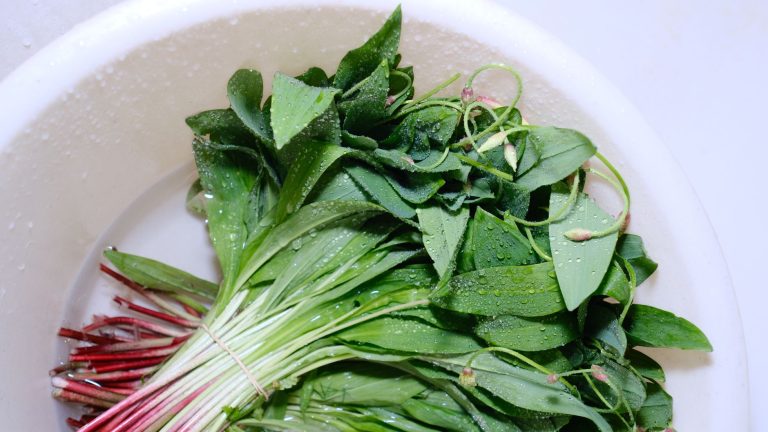
[IMAGE: organic vegetables]
Why Organic Meal Prep Works for Weight Loss
Weight loss is not just about eating less. It is about creating an environment where better choices happen naturally. Organic meal prep helps you do exactly that. By preparing meals in advance, you can control portions, reduce impulsive snacking, and build balanced plates that keep you full longer. That matters because hunger is not just physical; it is also emotional, routine-based, and often triggered by stress or convenience.
Choosing organic food adds another layer of value. Many people prefer organic ingredients because they want to limit unnecessary additives, support cleaner nutrition, and enjoy fresh produce with richer flavor. While no single food can magically burn fat, a kitchen built around whole organic ingredients can make a weight loss plan feel more grounded and satisfying. Would you rather rely on processed convenience foods that leave you hungry again in an hour, or meals that actually support your energy and focus?
Meal prep also helps with consistency, which is often the missing link in healthy diet plans. You do not need the perfect schedule. You need a repeatable rhythm. Once you establish a simple process for planning, shopping, cooking, and storing meals, healthy eating becomes less of a daily decision and more of a default setting.
What makes organic meal prep different?
Traditional meal prep often focuses only on macros or calories. Organic meal prep goes further by emphasizing ingredient quality, freshness, and a more intentional approach to food choices. That may mean using organic vegetables, pasture-raised eggs, organic chicken, sprouted grains, or minimally processed pantry staples. It also means paying attention to how you feel after you eat, not just how many numbers are on a label.
For many readers, this approach feels more sustainable because it combines structure with flexibility. You can prepare meals that support weight loss without eating the same dry chicken and broccoli routine all week. You can build colorful bowls, vibrant salads, nourishing soups, and satisfying snack boxes that fit a clean eating lifestyle and still taste exciting.
Build Your Meal Prep Foundation with the Right Organic Foods
Before you start cooking, your shopping list needs a clear structure. A successful meal prep system usually includes a mix of protein, fiber, healthy fats, and smart carbohydrates. This combination keeps blood sugar steadier, supports digestion, and helps you stay full between meals. When those foods are organic and minimally processed, your meals tend to feel lighter and more nourishing.
Think of your kitchen as a toolkit. Every item should serve a purpose. Do you need ingredients that make breakfast easy? Ingredients that reheat well for lunch? Foods that can be turned into multiple meals? The most effective organic meal prep starts by choosing versatile ingredients that reduce waste and save time.
Best organic foods for a weight loss meal prep routine
Some ingredients are especially helpful because they are filling, flexible, and easy to combine into several meals. Here are smart staples to keep on hand:
- Organic leafy greens such as spinach, kale, arugula, and romaine
- Organic vegetables like broccoli, zucchini, bell peppers, carrots, cucumber, cauliflower, and Brussels sprouts
- Organic fruits such as berries, apples, lemons, and avocado
- Organic proteins including eggs, Greek yogurt, tofu, tempeh, chicken, turkey, salmon, and lentils
- Organic whole grains like quinoa, brown rice, oats, and farro
- Organic legumes such as black beans, chickpeas, and white beans
- Healthy fats from olive oil, seeds, nuts, tahini, and nut butter
- Fresh herbs and spices for flavor without excess sugar or sodium
These ingredients are more than just healthy. They are practical. A container of roasted vegetables can become a lunch bowl today and a dinner side tomorrow. A batch of cooked quinoa can support breakfast, lunch, or a cold salad. A tray of berries can top yogurt, brighten oats, or become a quick snack when you need something sweet but clean.
How to shop smarter for organic food
Organic grocery shopping does not have to be overwhelming. Start with the foods you eat most often and the categories where quality matters most to you. If your budget is limited, prioritize the items that you will use repeatedly during the week. This keeps your healthy lifestyle affordable and reduces food waste.
Some practical shopping tips include:
- Buy seasonal organic produce for better flavor and value
- Choose a few high-impact proteins instead of too many different options
- Use frozen organic vegetables and berries when fresh options are expensive or out of season
- Keep pantry basics simple with olive oil, oats, nuts, seeds, and spices
- Plan meals before you shop so you do not buy random ingredients that never get used
A thoughtful shopping list is not about perfection. It is about reducing friction. The easier it is to gather the right ingredients, the more likely you are to follow through with your clean eating goals.
A Simple Organic Meal Prep System You Can Repeat Every Week
The best meal prep plans are not the ones that look impressive for one week. They are the ones you can repeat without dreading them. If your process is too complicated, it will eventually fall apart. That is why a simple, repeatable system matters more than an elaborate menu. What does your week really look like? When will you cook? How much time do you realistically have? The answers to those questions should shape your prep plan.
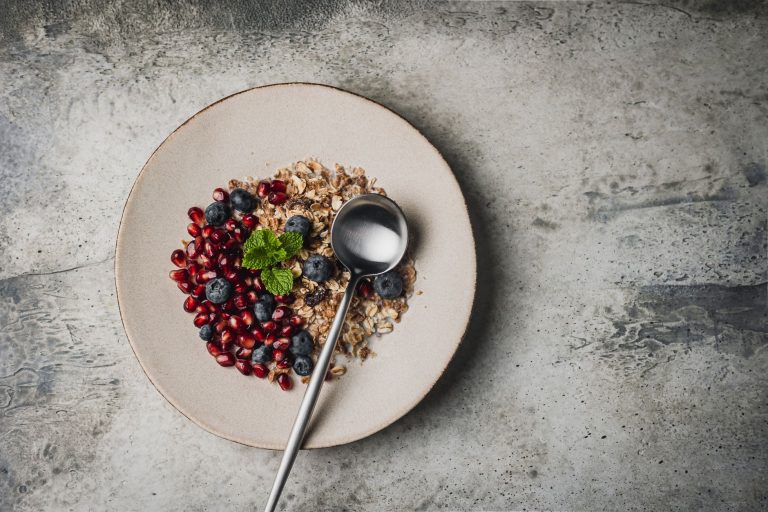
[IMAGE: healthy meal]
The 1-hour prep method
You do not need an entire Sunday in the kitchen to make organic meal prep work. In many cases, one focused hour can be enough to prepare several days of meals. The key is to batch tasks strategically.
Step 1: Start with the oven and stovetop
Preheat the oven, place a tray of vegetables on one rack, and start grains or proteins on the stove. While those cook, you can wash greens, mix dressings, and prep snack containers. This overlapping method saves time and keeps you moving.
Step 2: Build two or three base recipes
Instead of cooking five separate meals, create a few flexible components that can be mixed and matched. For example, roasted vegetables, grilled chicken, and quinoa can become bowls, salads, wraps, or dinner plates depending on how you assemble them.
Step 3: Portion with intention
Use containers that help you visually separate protein, fiber-rich vegetables, and carbohydrates. Proper portions support weight loss because they make it easier to eat enough without overeating. You are not trying to deprive yourself; you are trying to make balanced choices automatic.
Step 4: Add freshness at the end
To keep meals exciting, finish them with herbs, citrus, seeds, or a homemade dressing. A squeeze of lemon or a spoonful of tahini can turn a simple bowl into something that feels restaurant-worthy. This is one of the most underrated secrets of clean eating: flavor keeps you committed.
What a balanced prep plate should look like
Every meal does not have to be identical, but a helpful visual formula can keep you on track:
- Half the plate: organic non-starchy vegetables
- One quarter of the plate: lean protein
- One quarter of the plate: smart carbohydrates or starchy vegetables
- Small amount: healthy fats for satiety and flavor
This simple structure supports better nutrition and makes weight loss feel more manageable. It also works beautifully for lunch and dinner without turning meals into a math problem.
Organic Breakfast Ideas That Set the Tone for the Day
Breakfast often determines how the rest of the day feels. If you begin with a sugar-heavy or highly processed meal, energy tends to spike and crash. But a smart organic breakfast can stabilize appetite, improve focus, and reduce the urge to snack before lunch. For busy people, breakfast prep is a game changer.
Here are a few meal prep-friendly ideas that fit a clean eating approach and work well in a healthy lifestyle plan:
- Overnight oats made with organic oats, chia seeds, unsweetened almond milk, berries, and cinnamon
- Egg muffins with spinach, tomatoes, herbs, and a small amount of goat cheese or feta
- Greek yogurt jars layered with fruit, seeds, and chopped nuts
- Tofu scramble with peppers, onions, kale, and turmeric
- Chia pudding topped with sliced strawberries and pumpkin seeds
These breakfasts are not just convenient. They support satiety, which is critical for weight loss. A balanced morning meal can help you avoid the all-too-common pattern of coffee, hunger, and random snacking. If you have ever wondered why healthy eating feels easier some weeks than others, breakfast may be part of the answer.
How to keep breakfast from becoming boring
Rotate the flavor profile rather than changing the whole meal structure every day. One week you might lean toward cinnamon, berries, and almonds. Another week might feature cocoa, banana, and walnuts. A savory breakfast can be just as satisfying, especially if you are tired of sweet foods. Keeping your routine flexible is what makes organic meal prep sustainable.
Lunch and Dinner Meals That Support Clean Eating
Lunch and dinner are where many people get stuck. These meals need to be satisfying enough to prevent cravings, but simple enough that they can be repeated without much effort. This is where organic meal prep shines. By preparing a few flexible bases, you can mix ingredients throughout the week and still feel like you are eating something fresh.
[IMAGE: fitness lifestyle]
Build-your-own bowl combinations
Bowl meals are one of the easiest ways to create a healthy diet that feels abundant rather than restrictive. Start with greens or grains, then add protein, vegetables, and a flavorful sauce. The result is filling, attractive, and easy to portion for weight loss.
Try combinations like these:
- Quinoa + roasted broccoli + grilled chicken + avocado + lemon-tahini dressing
- Brown rice + black beans + sautéed peppers + salsa + cilantro
- Cauliflower rice + salmon + cucumber + shredded cabbage + sesame-ginger drizzle
- Mixed greens + lentils + roasted beets + carrots + olive oil vinaigrette
Each of these meals supports clean eating while staying satisfying enough for real life. And because they use organic food as the foundation, you are prioritizing quality along with convenience.
Sheet-pan meals for effortless prep
Sheet-pan meals are ideal when you want low effort and big flavor. You can roast vegetables and protein together, then divide them into containers. This method works especially well for weeknight dinners and lunches that need to travel. Season everything well, but keep sauces separate until you are ready to eat so the texture stays fresh.
Great sheet-pan combinations include:
- Chicken, Brussels sprouts, and sweet potatoes with rosemary
- Salmon, asparagus, and zucchini with garlic and lemon
- Tofu, cauliflower, and carrots with tamari and sesame seeds
- Turkey meatballs, peppers, and onions with Mediterranean herbs
The beauty of sheet-pan prep is that it creates order without complexity. You roast, portion, and store. That is a habit you can repeat every week without feeling like you are starting from scratch.
Soups and stews for a detox diet feel
If you like meals that feel soothing and restorative, organic soups and stews can be a valuable part of your prep routine. They fit beautifully into a detox diet style of eating because they emphasize hydration, vegetables, and gentle ingredients. A vegetable-rich soup can be especially helpful when you want something light but nourishing.
Consider making a big batch of one of these:
- Lentil soup with carrots, celery, spinach, and herbs
- Butternut squash soup with ginger and coconut milk
- Chicken vegetable soup with kale and quinoa
- White bean stew with tomatoes, zucchini, and parsley
Soups are also great for meal rotation because they store well and often taste even better the next day. They are a quiet reminder that healthy food can be comforting, not cold or clinical.
Snack Prep That Prevents Impulsive Eating
Healthy snacking is not about constant grazing. It is about having the right options available so you are less likely to reach for ultra-processed foods when energy drops. In a clean eating plan, snacks should support your nutrition rather than sabotage your appetite.
When you prep snacks in advance, you make it easier to stay aligned with weight loss goals without feeling constantly tempted. Think of snacks as small tools that help you bridge the gap between meals.
Organic snack ideas that work
- Apple slices with almond butter
- Carrot sticks with hummus
- Hard-boiled eggs with sea salt and pepper
- Greek yogurt with berries
- Mixed nuts and seeds in portioned containers
- Cucumber rounds with guacamole
- Roasted chickpeas with paprika
If you want your organic meal prep to support weight loss, keep snack portions intentional. That means avoiding giant bags or oversized containers that blur the line between a satisfying snack and mindless eating. Small containers, clear portions, and a plan for when you will eat them can make a remarkable difference.
How to handle cravings without breaking your routine
Cravings are not a sign of failure. They are information. Sometimes they mean you need more protein, more fiber, more water, or simply more food at the right time. Other times they are tied to stress, boredom, or habit. Instead of fighting cravings with guilt, respond with structure.
Ask yourself:
- Have I eaten enough today?
- Did I include protein at my last meal?
- Am I thirsty rather than hungry?
- Do I need a true snack or just a change of pace?
That kind of awareness is what transforms clean eating from a short-term effort into a healthy lifestyle.
How Organic Meal Prep Supports Digestion and Energy
Many people notice that when they eat more whole foods and fewer heavily processed items, they feel lighter, more focused, and less sluggish. That is one reason organic meal prep can be so effective. It often leads to more fiber, fewer artificial ingredients, and better meal balance. Those factors can support digestion, steady energy, and a more comfortable relationship with food.
Fiber-rich vegetables, legumes, seeds, and whole grains are especially useful for keeping meals satisfying. They also help your body process food in a more efficient, predictable way. If your goal includes a gentle detox diet approach, this is where the benefits begin to show up. Hydrating foods, colorful produce, and simple ingredients can help you feel refreshed without resorting to extremes.
Of course, digestion is personal. Everyone responds differently to certain foods. That is why meal prep should be customized rather than copied blindly from someone else’s plan. The best healthy diet is the one your body can tolerate, enjoy, and sustain.
Flavor matters more than people think
A common mistake in healthy meal prep is assuming that food must be plain to be effective. In reality, flavor is one of the biggest drivers of consistency. If your meals taste good, you are much more likely to stick with them. Fresh herbs, citrus, garlic, ginger, toasted seeds, vinegar, and spices can turn simple organic ingredients into memorable meals.
Ask yourself: what would make this meal feel exciting enough to repeat? Maybe it is a smoky seasoning blend, a bright herb dressing, or a creamy sauce made from tahini and lemon. Small upgrades create long-term adherence, and adherence is what drives results.
Common Organic Meal Prep Mistakes to Avoid
Even with the best intentions, many people make the same meal prep mistakes over and over. The good news is that they are easy to correct once you notice them. Avoiding these pitfalls can save money, reduce food waste, and make your weight loss plan much easier to follow.
1. Prepping too much food
More is not always better. Overprepping can leave you with soggy vegetables, freezer burnout, or containers of food you no longer want to eat. Start with a realistic amount and build from there.
2. Using too few ingredients
Some people rely on one protein, one grain, and one vegetable all week. While simplicity is helpful, too little variety can make healthy eating feel monotonous. Add different textures, colors, and sauces to keep meals interesting.
3. Ignoring food storage
Meal prep only works if the food stays fresh. Store wet and dry components separately when possible. Keep dressings in small containers. Use airtight glass or BPA-free containers. Label meals if you are preparing several days at once.
4. Forgetting about your schedule
If you know Wednesdays are hectic, do not plan a complicated lunch that requires extra assembly. Build your prep around your real life, not your ideal life. That shift alone can make clean eating much easier to maintain.
5. Treating meal prep like punishment
Healthy food should support your life, not become another source of stress. If your prep routine feels rigid or joyless, simplify it. The most effective organic meal prep plan is one that feels manageable and even a little enjoyable.
A Sample Organic Meal Prep Blueprint for a Healthy Week
If you are ready to put everything together, this simple blueprint can help you visualize how a week of meals might look. It is not a strict rulebook. Think of it as a flexible template you can adjust to your preferences, calories, and schedule.
Prep day essentials
- 2 proteins: for example, grilled chicken and baked tofu
- 2 vegetables: for example, roasted broccoli and sautéed zucchini
- 1 grain or starch: for example, quinoa or sweet potatoes
- 1 breakfast option: for example, overnight oats or egg muffins
- 2 snack options: for example, yogurt jars and hummus cups
- 1 sauce or dressing: for example, lemon-tahini or herb vinaigrette
Example day one
Breakfast: Chia pudding with berries and pumpkin seeds
Lunch: Quinoa bowl with chicken, roasted vegetables, and lemon-tahini dressing
Snack: Apple slices with almond butter
Dinner: Salmon with asparagus and cauliflower rice
Example day two
Breakfast: Egg muffins with spinach and tomatoes
Lunch: Lentil salad with greens, cucumber, carrots, and herbs
Snack: Greek yogurt with cinnamon and walnuts
Dinner: Sheet-pan tofu with broccoli and sweet potato
Example day three
Breakfast: Overnight oats with blueberries and chia
Lunch: Turkey meatballs with zucchini and brown rice
Snack: Hummus with carrots and cucumber
Dinner: Vegetable soup with a side salad
This kind of flexible structure supports weight loss because it removes guesswork while still leaving room for variety. And because it is built around organic food and clean eating principles, it supports a healthier relationship with food, not just a lower number on the scale.
How to Stay Consistent When Motivation Drops
No matter how elegant your plan looks on paper, there will be days when you do not feel motivated. That is normal. A healthy lifestyle is not built on constant inspiration. It is built on repeatable habits that still work when energy is low.
On those days, lower the bar instead of abandoning the system. Maybe you only prep three lunches instead of five. Maybe you use frozen vegetables instead of cooking everything from scratch. Maybe dinner is a simple soup and salad rather than a more elaborate bowl. Does that mean you failed? Not at all. It means you adapted.
Here are a few ways to keep going when momentum dips:
- Keep a backup meal in the freezer
- Use grocery delivery when time is tight
- Choose repeat recipes that do not require much thought
- Prepare ingredients in stages rather than all at once
- Focus on progress, not perfection
Consistency does not demand perfection. It demands a plan that survives real life.
Why This Approach Feels Better Than a Crash Diet
Crash diets often fail because they are built on urgency, not sustainability. They may produce short-term changes, but they rarely teach the habits needed to maintain results. Organic meal prep offers a different path. It helps you create structure, improve nutrition, and build a way of eating that feels stable rather than extreme.
That is especially valuable if your goal is not just temporary weight loss but a healthier relationship with food over time. When you know how to shop, cook, portion, and store meals, you are no longer dependent on willpower alone. You are using systems. And systems are far more reliable than motivation.
Think about the bigger picture. What would your week look like if healthy food were already waiting for you? How much easier would it be to stay on track if each meal felt planned instead of improvised? That is the quiet advantage of meal prep: it reduces chaos and replaces it with calm, repeatable choices.
Organic food fits beautifully into that vision because it makes the experience feel more intentional. You are not just feeding yourself. You are building a routine that supports energy, focus, digestion, and long-term wellness.
If you want your healthy lifestyle to last, the goal is not to eat perfectly for a few days. The goal is to create a system you trust. That is what makes organic meal prep such a powerful tool for weight loss, clean eating, and better nutrition. And if you are ready to make your kitchen work harder for your goals, keep exploring more practical recipes and wellness ideas on DietOrganic so each week becomes a little easier, a little fresher, and a lot more sustainable.
About the Author