
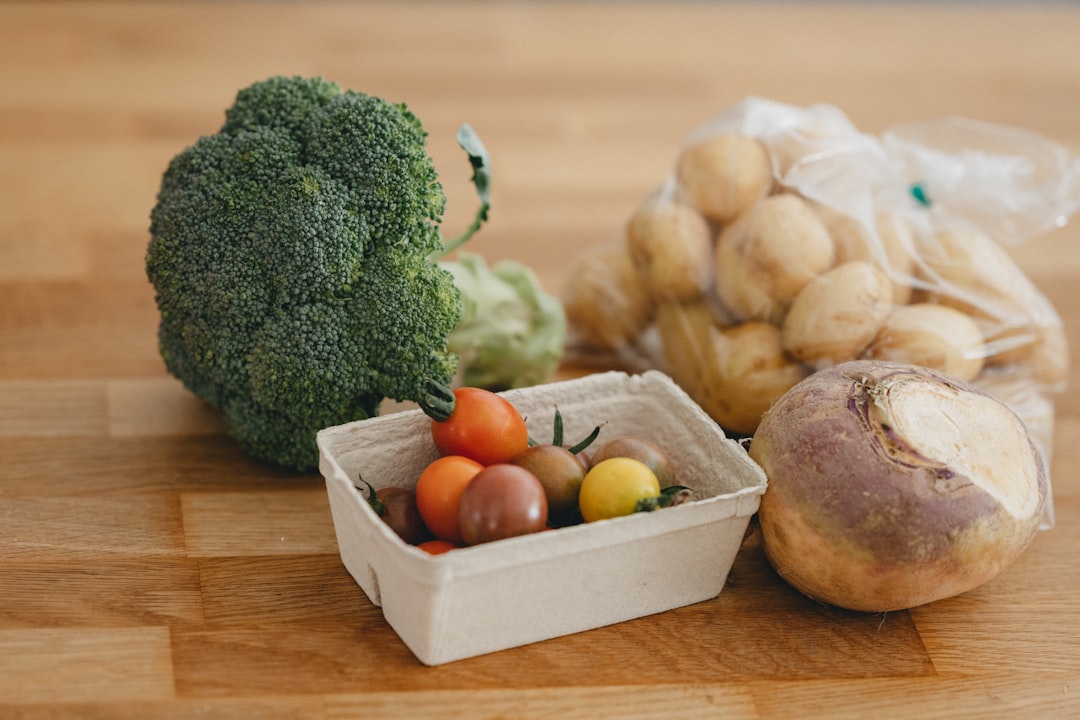
Photo by Annie Spratt on Unsplash
For many people, the hardest part of healthy eating is not knowing what to cook. It is the daily pressure of deciding, shopping, chopping, and hoping that the best intention wins out over the busiest hour of the day. That is exactly why organic meal prep has become such a powerful strategy for anyone who wants a cleaner routine, better nutrition, and steady weight loss without living in the kitchen.
When your fridge is filled with ready-to-eat organic food, clean eating becomes much easier to sustain. You are not scrambling for takeout after a long meeting or reaching for whatever snack is closest. Instead, you have a clear plan, real ingredients, and meals that actually support a healthy lifestyle. What if the simplest way to eat better was not a dramatic detox diet or a complicated set of rules, but a few well-chosen containers in the fridge?
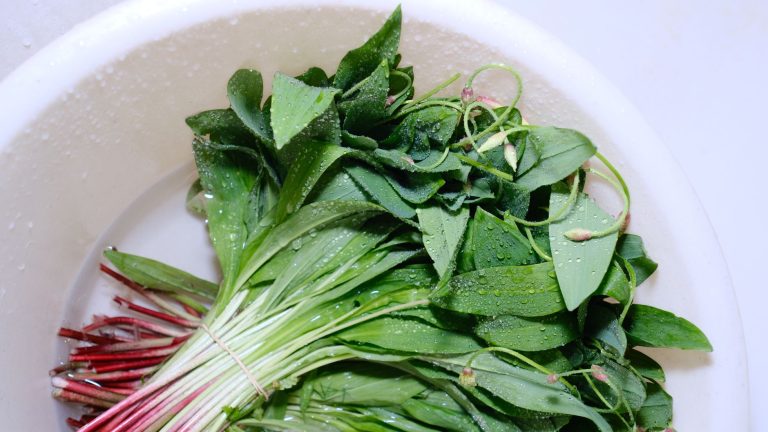
[IMAGE: organic vegetables]
Why Organic Meal Prep Works So Well for Clean Eating
Organic meal prep does more than save time. It changes the way you make decisions around food. When you batch cook with organic ingredients, you remove much of the guesswork that often leads to overeating, energy crashes, and random choices that never quite fit your nutrition goals. The result is not just convenience. It is consistency, and consistency is where progress lives.
There is also a mindset benefit. People often think of weight loss as a strict, temporary effort, but clean eating is far more sustainable when it feels calm and organized. Organic food gives many home cooks a sense of confidence because the ingredients are simpler, the flavors are fresher, and the meals feel more intentional. Why make healthy eating harder than it needs to be?
It turns intention into routine
The real strength of meal prep is that it turns a good idea into a repeatable habit. You no longer need to decide from scratch every time hunger appears. Instead, your meals are already built around the kind of nutrition you want to support.
- Fewer impulsive food choices during busy afternoons
- Better portion control without counting every bite
- More balanced meals with protein, fiber, and healthy fats
- Less dependence on ultra-processed convenience foods
- Greater confidence in your weekly healthy lifestyle routine
That kind of structure is especially useful if your schedule changes from day to day. A strong meal prep system gives you flexibility because your basics are ready. You can mix, match, and personalize meals while still staying aligned with your weight loss and nutrition goals.
It supports a calmer relationship with food
Clean eating works best when it does not feel punishing. Organic meal prep can help reduce the emotional friction around food because there is less last-minute stress. You know what is in your meals, you know how they were prepared, and you know they were designed with purpose.
That sense of calm matters more than people realize. When meals feel predictable in a good way, it becomes easier to listen to hunger cues, avoid mindless snacking, and keep your energy stable. The habit itself starts to feel like part of your healthy lifestyle rather than a separate task you have to force yourself into every week.
How to Build a Weekly Organic Meal Prep System
Successful meal prep does not require a perfect kitchen, a complicated recipe collection, or an entire Sunday spent cooking. It requires a realistic system. The best organic food prep plans are the ones you can repeat on your busiest weeks, not just the ones that look beautiful on social media.
Start by asking a few practical questions. How many meals do you actually need to cover? Which meals cause the most stress in your schedule? Are you trying to support weight loss, simplify clean eating, or create a more structured detox diet approach with lighter, fresher meals? The answer changes the plan, but the basic framework stays the same.
Step 1: Choose your prep window
Pick a time that you can protect every week. For some people, that is Sunday afternoon. For others, it is a quiet Monday night. The exact day does not matter nearly as much as the consistency. Even ninety focused minutes can create a substantial amount of ready-to-eat organic food for the week.
A practical prep window often includes three parts:
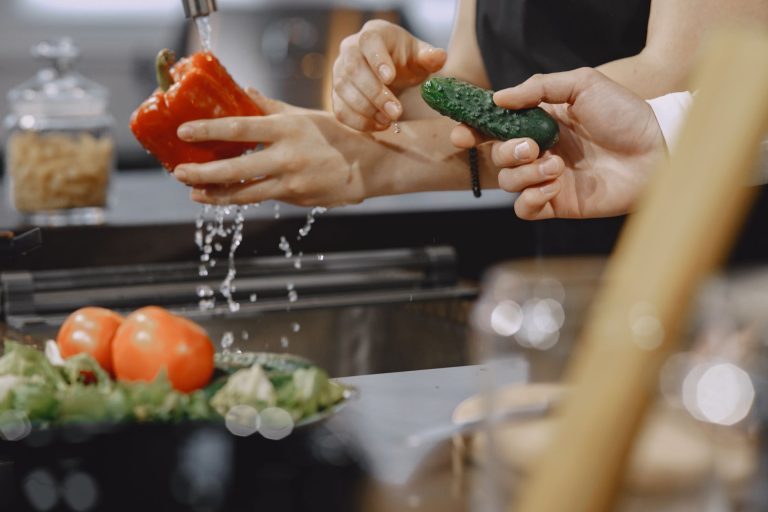
- Washing and chopping produce
- Cooking proteins and smart carbs
- Assembling a few meals or component jars and containers
The goal is not to create every meal in its final form. The goal is to remove barriers so that healthy eating is effortless when it matters most.
Step 2: Use the three-part plate
One of the easiest ways to build a balanced meal is to think in thirds. Most satisfying meals include a quality protein, a generous portion of vegetables or fruit, and a controlled serving of nourishing carbohydrates or fats. This simple structure helps with satiety, energy, and overall nutrition.
Protein
Protein is the anchor that helps meals feel complete. It supports fullness and makes it easier to stay on track with weight loss because you are less likely to feel hungry again shortly after eating.
Produce
Vegetables and fruit bring volume, color, and natural variety. Organic produce is especially appealing in meal prep because it tends to taste fresh and bright, which makes healthy meals feel more enjoyable rather than restrictive.
Smart carbs and fats
Quinoa, oats, sweet potatoes, avocados, nuts, and olive oil all help a meal feel balanced. The right amount depends on your goals and activity level, but removing these foods entirely usually makes clean eating harder to sustain. A healthy lifestyle is not about eliminating every satisfying element. It is about using the right elements in the right proportions.
Step 3: Cook components, not just recipes
Component prep is the secret to flexible meal planning. Instead of cooking three completely different meals, prepare a handful of building blocks that can be combined in different ways.
- One grain, such as quinoa or brown rice
- Two proteins, such as chicken and chickpeas
- Two trays of vegetables, such as broccoli, zucchini, and carrots
- One or two sauces or dressings
- A few fresh toppings, such as herbs, seeds, or sliced avocado
With those basics in place, you can build bowls, wraps, salads, and warm plates without feeling bored by the end of the week. That variety matters. The more flexible your organic meal prep ideas are, the more likely you are to stick with them.
The Best Organic Foods to Prep for Weight Loss
Not all meal prep ingredients perform equally well in the fridge. The best organic foods for prep are the ones that keep their texture, taste good after reheating, and support a balanced calorie intake. If your goal is weight loss, focus on foods that give you strong nutrition without leaving you hungry an hour later.
Protein options that keep you satisfied
Organic protein sources can transform a weekly plan from merely convenient to genuinely effective. They help stabilize appetite, support recovery if you are active, and make your meals feel complete.
- Organic eggs for breakfasts, bowls, and snack boxes
- Organic chicken breast or thighs for grain bowls and salads
- Organic turkey for lettuce wraps, patties, and chili
- Organic salmon for dinner plates and lunch containers
- Organic Greek yogurt for breakfasts and high-protein snacks
- Organic tofu or tempeh for plant-based meal prep
- Organic beans and lentils for fiber-rich clean eating meals
When people ask what makes one meal prep plan more effective than another, protein is often the answer. Do you feel full enough to stay focused? Do your meals carry you through the afternoon without a crash? If not, protein is usually the first place to adjust.
Fiber-rich produce that holds up well
Fiber is one of the most important tools for weight loss because it helps you feel satisfied while supporting digestion. The trick is choosing organic produce that stays pleasant after storage and reheating.
- Broccoli
- Cauliflower
- Zucchini
- Green beans
- Spinach
- Kale
- Bell peppers
- Carrots
- Brussels sprouts
- Blueberries
- Apples
- Pears
Many of these foods are excellent for both hot meals and cold lunches. They bring color to a plate, which is not just visually appealing. A colorful plate often signals a broader range of micronutrients, which supports overall nutrition and long-term healthy eating.
Carbs and fats that work with clean eating
Clean eating is not about fearing every carbohydrate or fat source. It is about choosing real food in forms that support your body rather than drain it. Organic meal prep becomes much more practical when you include satisfying whole-food options instead of trying to survive on raw vegetables alone.
- Quinoa
- Brown rice
- Sweet potatoes
- Old-fashioned oats
- Avocados
- Walnuts and almonds
- Pumpkin seeds
- Extra-virgin olive oil
These ingredients help meals feel complete and enjoyable. They also make it easier to stick with a healthy lifestyle because the food actually satisfies you. That is a critical point for sustainable weight loss: a plan you enjoy is a plan you can repeat.
Organic Breakfast Ideas That Make Mornings Easier
Breakfast is often where good intentions either begin or disappear. If your morning is rushed, the best strategy is to prepare breakfast before the week starts. A prepped breakfast can be the difference between steady energy and an early sugar crash.
Overnight oats with berries and chia
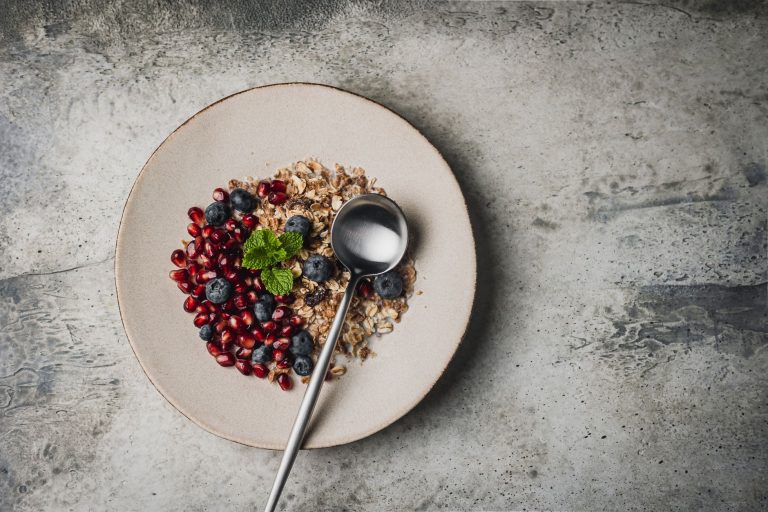
Overnight oats are one of the simplest organic food prep options because they are easy to scale, easy to store, and easy to customize. Combine organic oats, unsweetened yogurt or plant milk, chia seeds, cinnamon, and berries in jars. By morning, you have a ready-to-eat breakfast that supports nutrition and satiety.
- Use organic oats for a wholesome base
- Add chia or flax for extra fiber
- Top with berries for freshness and antioxidants
- Include nuts or seeds for crunch and healthy fats
Could a breakfast be more practical than one you make in advance while listening to a podcast or finishing dinner dishes the night before?
Egg muffins with spinach and herbs
Egg muffins are excellent for people who want a savory, portable option. Whisk organic eggs with chopped spinach, herbs, bell peppers, and a little cheese if desired, then bake in a muffin tin. Store them in the fridge and reheat as needed.
This kind of breakfast works especially well for weight loss because it is protein-forward, portion-controlled, and quick to grab on busy mornings. Pair two egg muffins with fruit or avocado for a balanced start.
Greek yogurt power jars
Layer organic Greek yogurt with berries, pumpkin seeds, and a spoonful of nut butter or granola. The result is a breakfast that feels polished without taking much time. If you follow a dairy-free routine, use a high-protein plant yogurt instead.
Breakfast jars are also useful because they can double as snacks. That flexibility is helpful when your schedule changes unexpectedly and you need more structure without more cooking.
Lunch and Dinner Meal Prep Ideas That Stay Fresh
Lunch and dinner are where meal prep delivers the most visible payoff. These are the meals most likely to be derailed by stress, fatigue, or time pressure. If you can open the fridge and find a complete organic meal already waiting, your chances of sticking to clean eating rise dramatically.
Grain bowls with roasted vegetables
Grain bowls are one of the best organic meal prep ideas because they are easy to build around what you already have. Start with quinoa or brown rice, then add roasted vegetables, a protein of choice, and a flavorful dressing.
- Base: quinoa, rice, or cauliflower rice
- Protein: chicken, tofu, chickpeas, or salmon
- Vegetables: roasted broccoli, carrots, and zucchini
- Finish: tahini dressing, herbs, seeds, or avocado
Want a meal that feels restaurant-worthy but still supports weight loss? A grain bowl can do that when portions are balanced and ingredients are fresh.
Sheet-pan salmon with greens
Sheet-pan meals are a gift to anyone who wants to eat well without making a mess. Place salmon, asparagus, broccoli, or Brussels sprouts on a tray, season with olive oil, lemon, garlic, and herbs, then roast until cooked through. Add a side of sweet potato or quinoa if you want more fuel.
Salmon brings omega-3 fats and rich flavor, which can make clean eating feel more luxurious. This is the kind of organic food that proves healthy meals do not have to be bland or repetitive.
Chickpea and sweet potato bowls
For plant-forward meal prep, chickpea and sweet potato bowls are deeply satisfying and easy to scale. Roast sweet potatoes with cumin and paprika, warm chickpeas with garlic and olive oil, then pair everything with greens, cabbage, or cucumbers for contrast.
Add a yogurt-based sauce or lemon-tahini drizzle to bring the components together. The combination is hearty enough for lunch, but still light enough to align with a detox diet style of eating when you want a reset centered on whole foods.
[IMAGE: healthy meal]
Snack Prep for a Healthy Lifestyle
Snacks are often where meal plans go wrong, especially when people try to wing it. A healthy lifestyle becomes much easier when snacks are planned with the same care as meals. The goal is not to eat less at all costs. The goal is to eat in a way that keeps your energy steady and prevents unnecessary grazing.
Good organic snack prep ideas include:
- Apple slices with almond butter
- Carrot and cucumber sticks with hummus
- Hard-boiled eggs with sea salt and herbs
- Trail mix made with nuts, seeds, and a small amount of dried fruit
- Cottage cheese with sliced berries
- Roasted chickpeas for crunch
- Celery with nut butter
These snacks work because they are simple, portable, and easy to portion. They also help bridge the gap between meals so that you do not arrive at dinner starving. That alone can make a major difference in both weight loss and consistency.
A quick rule for snack success
If your snack is mostly sugar or mostly starch, it may not keep you satisfied for long. Try to pair produce with protein or fat whenever possible. This small habit can improve nutrition and reduce the emotional urge to keep eating just because food is available.
How to Keep Flavor High Without Losing the Clean Eating Focus
One of the most common reasons people abandon meal prep is boredom. The ingredients were fine on day one, but by day four the meals started to feel flat. The solution is not to overhaul your entire system every week. It is to build flavor into the system from the beginning.
Use sauces like a chef, not a shortcut addict
A good sauce can transform a simple organic meal into something you look forward to eating. The best sauces are made from real ingredients and used in moderation.
- Lemon, olive oil, and herbs for a fresh vinaigrette
- Tahini, lemon, garlic, and water for a creamy drizzle
- Greek yogurt, dill, and cucumber for a cooling sauce
- Salsa verde for bowls and wraps
- Avocado-lime mash for extra richness
Flavor is not the enemy of clean eating. In fact, flavor is often what makes healthy eating sustainable. If your meals feel good, you will want to repeat them.
Rotate spices so the same ingredients feel new
Instead of cooking completely different recipes, change the seasoning profile. The same tray of roasted vegetables can taste Mediterranean one week and smoky the next.
- Mediterranean: oregano, lemon, garlic, olive oil
- Warm and earthy: cumin, coriander, paprika
- Bright and fresh: parsley, dill, lemon zest
- Comforting and savory: rosemary, thyme, black pepper
This is an easy way to keep organic food interesting without adding complexity. Why buy more ingredients when better seasoning can create a completely new experience?
The Smart Organic Shopping List
A successful meal prep week begins in the grocery aisle. The right shopping list saves money, reduces waste, and keeps you from standing in the kitchen wondering what to make with three unrelated ingredients. When you shop with intention, your fridge starts to feel like a tool for success rather than a source of stress.
Use this simple organic shopping framework:
- Produce: leafy greens, broccoli, carrots, berries, apples, avocado, sweet potatoes
- Proteins: eggs, chicken, salmon, Greek yogurt, tofu, beans, lentils
- Carbs: oats, quinoa, brown rice, whole-grain wraps, potatoes
- Fats: olive oil, nuts, seeds, nut butters, tahini
- Flavor builders: garlic, ginger, herbs, lemons, vinegar, mustard
Seasonal shopping can make organic food more affordable and more flavorful. When you buy produce that is in season, it often tastes better and lasts longer, which is helpful if you are trying to reduce food waste. Frozen organic vegetables are also excellent for meal prep because they are convenient, nutritious, and easy to store.
If you are using a detox diet approach after a period of heavy eating, focus on food quality rather than restriction. The best reset is one that includes real meals, enough protein, plenty of fiber, and hydration. Clean eating should feel nourishing, not punishing.
[IMAGE: organic vegetables]
Common Meal Prep Mistakes That Undermine Weight Loss
Even the best intentions can go off track if the system is too rigid, too ambitious, or too repetitive. Knowing the common mistakes ahead of time helps you avoid frustration and stay consistent long enough to see results.
Cooking too many new recipes at once
It is tempting to try five different recipes in one prep session, but that usually creates more cleanup than payoff. Start with a few reliable building blocks and repeat them until the process feels natural.
Ignoring texture
Meals can taste good and still fail if the texture becomes unpleasant after storage. Keep a mix of roasted, crunchy, creamy, and fresh elements so the food feels alive throughout the week.
Forgetting to label containers
Labeling may sound small, but it prevents confusion and food waste. Write the date and contents on each container so you know what to eat first. This is especially helpful when you prep multiple meals at once.
Trying to make every meal low-calorie
Weight loss does not require tiny meals that leave you frustrated. If your portions are too small, you may end up overeating later. A balanced organic meal prep plan should be satisfying enough to keep you calm between meals.
Not planning for real life
Some weeks are not average weeks. You may have a late meeting, a family event, or a workout that changes your hunger. Good meal prep accounts for real life with extra snacks, flexible components, and simple backup meals.
A Sample 3-Day Organic Meal Prep Menu
Sometimes the easiest way to get started is to see what a real plan looks like. This three-day sample can be adjusted to your taste, appetite, and goals. Use it as inspiration, not a rigid script.
Day 1
- Breakfast: Overnight oats with berries, chia, and walnuts
- Lunch: Chicken quinoa bowl with broccoli, carrots, and tahini dressing
- Dinner: Sheet-pan salmon with asparagus and sweet potato
- Snack: Apple slices with almond butter
Day 2
- Breakfast: Egg muffins with spinach and herbs
- Lunch: Chickpea and sweet potato bowl with greens and avocado
- Dinner: Turkey lettuce wraps with cucumber salad and brown rice
- Snack: Greek yogurt with pumpkin seeds
Day 3
- Breakfast: Yogurt jar with berries and flaxseed
- Lunch: Salmon grain bowl with cabbage, cucumber, and lemon dressing
- Dinner: Tofu stir-fry with brown rice and mixed vegetables
- Snack: Carrot sticks with hummus
This kind of plan keeps your week organized while still giving you variety. It also makes weight loss feel more practical because the meals are already built around foods that satisfy, fuel, and travel well.
[IMAGE: fitness lifestyle]
How Organic Meal Prep Supports Results Beyond the Scale
It is easy to measure meal prep by the number on the scale, but the real payoff is broader than that. A steady organic food routine can improve how you feel throughout the day, how clearly you think, and how calmly you move through meals. That is the hidden value of a well-designed healthy lifestyle.
What changes when you know lunch is already waiting? Often, the answer is everything from stress levels to afternoon focus. When food is organized, the rest of the day often feels more organized too.
- More stable energy during work hours
- Less reliance on convenience snacks
- Better digestion from fiber-rich foods
- More confidence around food choices
- Greater consistency with exercise and recovery
- Less mental fatigue from constant decision-making
That last point is easy to underestimate. Nutrition is not only about calories and ingredients. It is also about mental bandwidth. When your meals are already planned, you can use your energy for work, family, movement, and rest instead of repeatedly asking yourself what to eat next.
Meal prep can make fitness easier too
If you are active, organic meal prep can be a quiet advantage. Having balanced meals ready after a workout makes it easier to refuel properly and stay consistent with training. The same is true for anyone who enjoys walking, strength training, cycling, or simply staying active in daily life.
A supportive eating pattern often looks simple from the outside, but it is built on small habits repeated many times. A container of roasted vegetables, a portion of protein, a jar of oats, a prepared snack, and a bottle of water may not seem dramatic, yet together they create momentum. That is what a healthy lifestyle really is: a set of practical choices that make the next good choice easier.
When you prepare organic food with a plan, you are not just filling containers. You are making clean eating more realistic, weight loss more manageable, and nutrition more consistent with the life you actually live. If you want more ideas that help you cook smarter, eat cleaner, and build a stronger routine, keep exploring the latest articles on DietOrganic and use each new week as another chance to make healthy living feel natural.
About the Author