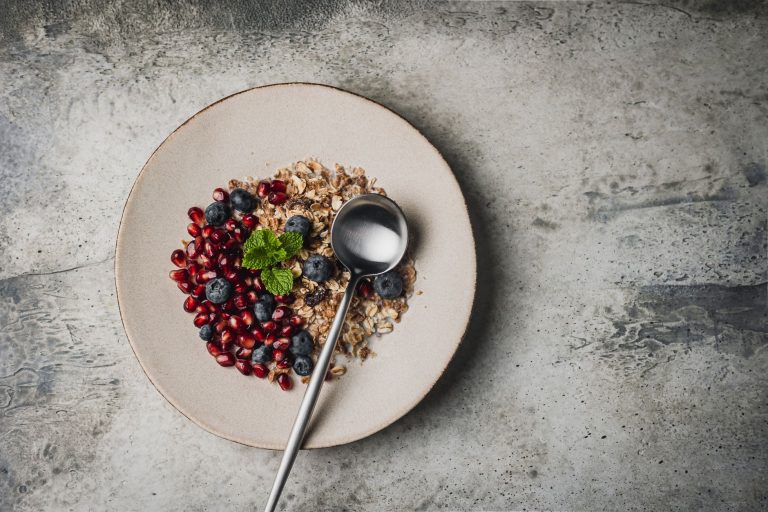


Photo by Douglas Fehr on Unsplash
Gut health has moved from a niche wellness topic to one of the most important foundations of a truly healthy lifestyle. If you have ever felt bloated after meals, sluggish in the afternoon, or strangely hungry even after eating enough, your digestive system may be asking for a different kind of support. That is where organic food and clean eating can make a remarkable difference. When you choose ingredients that are less processed, richer in nutrients, and free from unnecessary additives, you give your body a better chance to digest well, absorb more of what it needs, and naturally support weight loss without extreme rules.
This is not about chasing a perfect diet or buying every trendy product in the health aisle. It is about understanding how food influences the gut, the microbiome, metabolism, and even your daily mood. Could your morning breakfast be helping your digestion instead of fighting it? Could your lunch be lighter, cleaner, and still deeply satisfying? The answer is yes, especially when you build your meals around organic vegetables, fruits, whole foods, and gentle habits that support your body rather than overwhelm it.
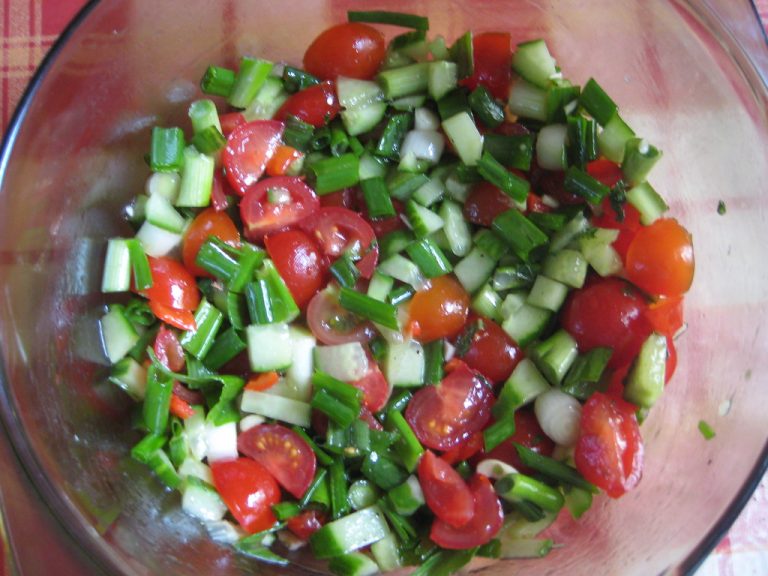
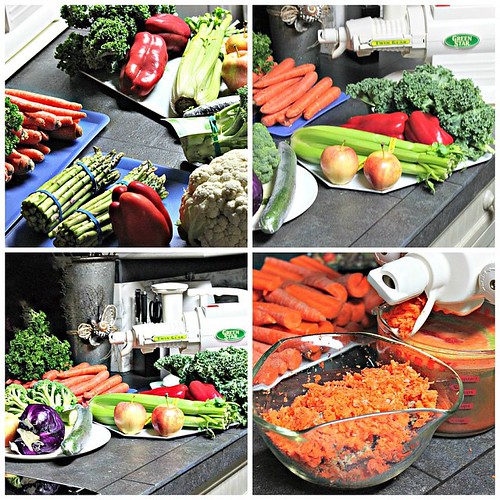
[IMAGE: organic vegetables]
Why Gut Health Shapes Everything from Energy to Weight Loss
Your digestive system does far more than process meals. It helps regulate immunity, influences inflammation, affects appetite, and even plays a role in how steady your energy feels throughout the day. The bacteria in your gut, often called the microbiome, interact with the foods you eat in powerful ways. When those foods are highly processed, low in fiber, and full of artificial additives, the gut can become less balanced. When meals are built from organic food and whole ingredients, the environment inside the digestive system becomes more supportive.
Many people think weight loss is only about calories, but that is too limited. Of course, energy balance matters, yet the quality of food affects satiety, cravings, digestion speed, and blood sugar stability. If your meals keep you full longer and reduce the roller coaster of hunger, healthy weight management becomes much easier. That is why clean eating is often more sustainable than restrictive dieting. It gives your body nourishment instead of deprivation.
The gut-body connection
Have you noticed how stress can make your stomach feel tight, or how certain foods can trigger discomfort almost immediately? The gut and brain communicate constantly. This is why food choices, stress levels, sleep, and movement all influence digestion. A high-quality organic diet is not a magic cure, but it can lower the burden on your system by reducing exposure to excess preservatives, refined sugars, and heavily processed oils. Over time, that kind of support can improve how you feel after every meal.
When your gut is functioning well, you may experience:
- Less bloating after meals
- More stable energy in the afternoon
- Better regularity and smoother digestion
- Improved satiety and fewer cravings
- A lighter, more comfortable feeling overall
What healthy digestion often looks like
A healthy digestive rhythm is not noisy, painful, or unpredictable. It is steady. It allows you to eat a satisfying meal and move on with your day without feeling weighed down. It also helps your body use nutrients more effectively, which matters for everything from skin health to workout recovery. If your current routine leaves you constantly tired or uncomfortable, it may be time to look at your food quality rather than just your portions.
Organic Foods That Nourish the Microbiome
Not all healthy foods are equal in how they support the gut. Some ingredients are especially helpful because they supply fiber, antioxidants, natural enzymes, and plant compounds that feed beneficial bacteria. Choosing organic food adds another layer of value by reducing pesticide residue and making it easier to build a cleaner, more intentional eating pattern.
1. Organic leafy greens
Spinach, kale, arugula, romaine, Swiss chard, and other leafy greens are nutrient-dense, low in calories, and easy to incorporate into everyday meals. Their fiber helps support regular digestion, while their micronutrients help the body function efficiently. A simple salad with olive oil, lemon, avocado, and seeds can become one of the most gut-friendly meals in your week.
Leafy greens are also versatile. You can sauté them with garlic, blend them into a smoothie, or add them to soups and grain bowls. When organic vegetables are available, they are often worth prioritizing, especially for items you eat frequently.
2. Fermented organic foods
Fermented foods are among the most valuable tools for gut health because they introduce naturally occurring beneficial microbes and support digestive balance. Think of plain yogurt, kefir, sauerkraut, kimchi, miso, and fermented vegetables. These foods can be especially helpful if your diet has been heavy in processed items or low in variety.
Start slowly if you are new to fermented foods. A small serving at lunch or dinner may be enough at first. The goal is to support your system, not overwhelm it. Pair them with other clean eating staples so the meal feels balanced, not extreme.
3. Organic berries and polyphenol-rich fruits
Blueberries, raspberries, blackberries, strawberries, and tart cherries deliver fiber and plant compounds that help feed healthy bacteria. They are also naturally satisfying because of their bright flavor and low sugar density compared with many processed snacks. If you want a sweet option that aligns with weight loss goals, berries are one of the most intelligent choices you can make.
Try them in oatmeal, plain yogurt, chia pudding, or as a simple afternoon snack. Their color is not just beautiful; it signals a strong concentration of antioxidants that support overall wellness.
4. Whole grains and legumes, chosen wisely
Oats, quinoa, lentils, chickpeas, and beans provide slow-digesting carbohydrates and fiber that can be excellent for the gut. For some people, these foods need to be introduced gradually, especially if the digestive system is sensitive. But when tolerated well, they are powerful allies for satiety and metabolic support. They help stabilize blood sugar and may reduce the urge to snack impulsively later in the day.
So, are carbs the enemy? Not at all. The real question is whether your carbohydrates are refined and stripped of fiber, or whole and beneficial. That difference matters far more than many people realize.
How to Build a Gut-Friendly Plate
One of the simplest ways to create consistency is to use a repeatable formula. You do not need a complicated detox diet or a pantry full of supplements. You need a structure that makes each meal easier to plan and more supportive to digest. A balanced plate built with organic food can help you feel satisfied while keeping your intake aligned with clean eating and weight loss goals.
[IMAGE: healthy meal]
The clean plate method
Use this basic framework:
- Half the plate: organic vegetables or a generous salad
- One quarter: quality protein such as eggs, fish, poultry, tofu, or legumes
- One quarter: slow-digesting carbohydrates like quinoa, sweet potato, or brown rice
- Healthy fats: olive oil, avocado, seeds, nuts, or tahini
- Optional support: fermented food or fresh herbs for extra digestive benefit
This pattern works because it is practical. It reduces decision fatigue, keeps meals nutrient-dense, and prevents the all-too-common cycle of eating too little during the day and too much at night. If your meals are built this way, you are more likely to feel steady rather than deprived.
Sample breakfast ideas
Breakfast is where many people either start the day well or set themselves up for a crash. A gut-friendly breakfast should be simple, satisfying, and not overloaded with sugar.
- Plain organic yogurt with berries, chia seeds, and walnuts
- Vegetable omelet with spinach, mushrooms, and herbs
- Overnight oats with flaxseed, cinnamon, and sliced pear
- Green smoothie with leafy greens, cucumber, avocado, and protein
Ask yourself: does your current breakfast keep you energized until lunch, or does it leave you looking for coffee and snacks an hour later? That answer tells you a lot about whether your meal is truly working for your body.
Lunch and dinner combinations
Lunch and dinner should feel grounding, not heavy. The best meals support digestion while keeping blood sugar steady.
- Grilled salmon with roasted vegetables and quinoa
- Chicken salad with mixed greens, cucumber, avocado, and seeds
- Lentil soup with side greens and fermented vegetables
- Stir-fried tofu with broccoli, ginger, and brown rice
- Baked sweet potato with black beans, salsa, and cabbage slaw
These meals are more than healthy in theory; they are realistic, satisfying, and easy to repeat. That matters because the most effective nutrition plan is the one you can actually follow.
Organic Eating Habits That Protect Digestion
Food quality is essential, but eating habits matter too. Even the most nutritious organic meal can feel uncomfortable if it is rushed, poorly timed, or eaten in a stressed state. Clean eating is not only about ingredients; it is also about pace, environment, and consistency.
Slow down at meals
Digestion begins before the first bite. When you sit down calmly, chew thoroughly, and avoid multitasking, you help your body process food more efficiently. Many digestive complaints are made worse by eating too quickly. Why invite bloating and discomfort when a few simple adjustments can change the entire experience?
Try these habits:
- Put your fork down between bites
- Chew until food is soft and easy to swallow
- Pause halfway through the meal and check your fullness
- Eat in a relaxed place whenever possible
Hydrate wisely
Water supports digestion, nutrient transport, and metabolic function. That does not mean drinking large amounts during meals is necessary, but it does mean staying hydrated throughout the day is important. Herbal teas, water with lemon, and mineral-rich broths can also be gentle additions to a healthy lifestyle. If you often feel constipated or fatigued, hydration may be part of the missing piece.
Respect meal timing
Some people feel best eating three structured meals, while others do better with a lighter breakfast and balanced lunch and dinner. What matters most is regularity. Long stretches without food can lead to overeating later, especially if your meals are not filling enough. On the other hand, eating constantly can interfere with digestion and increase mindless snacking. The goal is to find a rhythm that keeps your energy stable and your appetite predictable.
Foods That Can Disrupt Gut Balance
Not every problem requires a strict elimination plan, but being mindful of common triggers can make a major difference. A detox diet should never be about starvation or punishing your body. Instead, think of it as reducing the foods that create the most strain while increasing the foods that help your system recover.
Common foods and habits to limit
- Ultra-processed snack foods with long ingredient lists
- Excess added sugar in drinks, desserts, and packaged items
- Deep-fried foods that are heavy and difficult to digest
- Alcohol in large amounts
- Artificial sweeteners that may upset sensitive digestion
- Very large late-night meals
This is not about perfection. It is about noticing patterns. If a certain food always leaves you bloated, tired, or craving more sugar, your body is giving you feedback. Listening to that feedback is one of the most practical forms of nutrition awareness.
Question your defaults
How often do you eat because a food is convenient rather than because it truly supports you? How often do you reach for a packaged item because you are busy, not because you are actually hungry? These questions matter. Clean eating becomes sustainable when it is integrated into real life, not treated like an all-or-nothing project.
Can Organic Food Support Weight Loss Without Extremes?
Yes, and often more effectively than many trendy diets. Organic food does not automatically cause weight loss, but it can create the conditions that make weight management easier. When your meals are more filling, more nutrient-dense, and less processed, you naturally tend to eat in a way that supports a healthier body composition.
The key is satiety. High-fiber foods, quality protein, and healthy fats help you feel satisfied. That means fewer energy crashes, fewer cravings, and less need for emotional snacking. In other words, the right organic foods can make a healthy diet feel easier to maintain.
Why clean eating helps the scale move
- It reduces empty calories from highly processed foods
- It helps stabilize blood sugar and appetite
- It improves nutrient intake, which supports metabolism
- It encourages more mindful eating habits
- It can reduce bloating and water retention related to excess sodium and additives
That said, healthy weight loss should be measured by more than a number. Better sleep, improved digestion, more stable energy, and a calmer relationship with food are all important signs that your approach is working.
Protein matters more than many people think
People often focus only on vegetables and forget that protein is central to satiety and body repair. Whether you prefer eggs, Greek yogurt, fish, beans, tempeh, or organic poultry, make sure each meal contains enough protein to help you stay full. Without it, even the cleanest meal may leave you hungry soon after eating.
[IMAGE: fitness lifestyle]
A Simple Organic Reset for Better Digestion
If your digestion has felt off lately, you do not need a dramatic cleanse. You need a thoughtful reset that removes friction and brings the body back into balance. Think of it as a short, supportive rhythm rather than a rigid detox diet. The purpose is to make food easier to process and to give your system a break from excess stimulation.
One-day reset structure
- Morning: Warm water, a balanced breakfast, and a short walk after eating
- Midday: A large salad or grain bowl with protein, vegetables, and healthy fat
- Afternoon: Fruit, yogurt, or nuts instead of a sugary snack
- Evening: Lightly cooked vegetables, lean protein, and an early dinner if possible
- All day: Hydration, reduced stress, and fewer packaged foods
This kind of reset can be incredibly helpful after travel, holiday eating, or a stressful week. It is not meant to create guilt. It is meant to restore rhythm. And once rhythm returns, your body often responds quickly.
Three-day sample approach
Day 1: Focus on simple meals with greens, lean protein, berries, and water-rich vegetables.
Day 2: Add fermented foods and a second serving of leafy greens. Keep snacks minimal and intentional.
Day 3: Continue clean eating, emphasize fiber, and pay attention to how your body feels after each meal.
By the end of the third day, many people notice that their appetite feels calmer, their stomach feels lighter, and their cravings are less intense. Isn’t it interesting how quickly the body can respond when it is given the right support?
How to Shop for Gut-Friendly Organic Foods
A strong healthy lifestyle starts in the grocery store. If your kitchen is stocked with dependable basics, clean eating becomes much easier. The challenge is not usually knowledge; it is convenience. When the easiest option at home is also the healthiest one, you are far more likely to stay consistent.
Smart shopping list
- Organic leafy greens and salad vegetables
- Berries, apples, pears, lemons, and avocados
- Plain yogurt, kefir, or other fermented foods
- Eggs, fish, chicken, tofu, tempeh, or legumes
- Oats, quinoa, brown rice, and sweet potatoes
- Seeds, nuts, olive oil, and herbs
- Ginger, turmeric, and garlic for flavor and digestive support
When reading labels, keep an eye out for ingredient lists that are short and recognizable. If a product looks more like a chemistry experiment than food, it is probably not the best choice for a gut-friendly routine.
Meal prep without burnout
You do not need to spend your Sunday cooking all day. A smarter approach is to prep a few useful building blocks: wash greens, roast vegetables, cook one grain, prepare one protein, and wash fruit. From there, meals can be assembled quickly. A simple prep session can save time, reduce stress, and make healthy eating far more manageable during the week.
Common Clean Eating Mistakes to Avoid
Many people start with the right intentions and still struggle because of a few preventable mistakes. Clean eating should feel supportive, not complicated. If it becomes too restrictive, too expensive, or too obsessive, it loses its long-term value.
Mistake 1: Eating too little
Some people cut portions so aggressively that they become tired, irritable, and prone to cravings. Undereating can slow progress and create a rebound effect. A healthy diet should nourish you enough to function well, exercise, and focus clearly.
Mistake 2: Ignoring protein and fat
Vegetables are essential, but they are not enough on their own. If meals are mostly greens with little protein or fat, hunger may return too quickly. Balanced meals are more sustainable and better for weight loss over time.
Mistake 3: Treating organic as a substitute for balance
Organic cookies are still cookies. Organic chips are still chips. The word organic matters, but overall nutrition matters more. The best results come from whole-food patterns, not from using the organic label to justify poor habits.
Mistake 4: Expecting instant results
Digestive health improves with consistency. Some people feel better within days, while others need more time. Stay patient. Your body is not a machine you can reset overnight. It is a living system that responds to repeated choices.
What a Healthier Routine Actually Feels Like
When an organic food pattern starts working, the benefits are often subtle before they become obvious. You may notice that your jeans fit more comfortably, your energy is more stable, and your meals feel satisfying rather than heavy. You may even find that you are thinking less about food because your body is getting what it needs.
That is one of the great values of clean eating. It reduces friction. It gives you a practical framework that supports digestion, metabolism, and overall nutrition without forcing you into an extreme plan. And when the right foods become part of your everyday rhythm, healthy habits feel less like effort and more like identity.
Ask yourself: if your current routine is not helping you feel your best, what would change if you built your next week around organic vegetables, steady protein, fiber-rich meals, and simpler ingredients? The answer might be more powerful than any supplement or shortcut.
Organic food is not about chasing perfection; it is about choosing nourishment that your body can use well. When you combine that with calm routines, mindful portions, and a realistic approach to clean eating, you create a foundation that supports digestion, energy, and weight loss in a way that feels sustainable. If you want more expert strategies for a healthier lifestyle, explore more articles on DietOrganic and keep building a routine your body can truly thrive on.
About the Author