
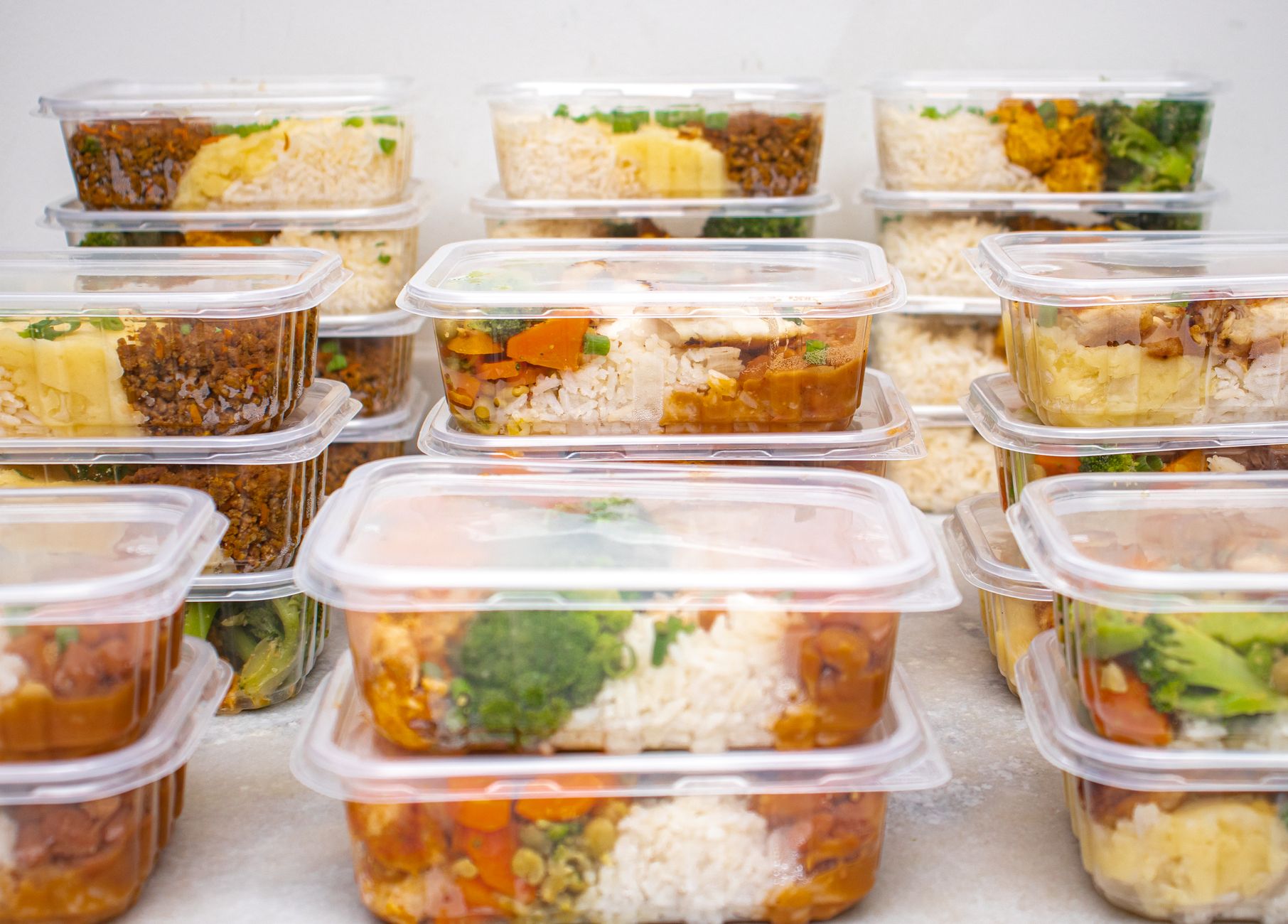
Photo by IARA MELO on Pexels
What if the difference between another chaotic week of takeout and a week that genuinely supports your goals came down to a few hours of thoughtful planning? That is the quiet power of organic meal prep. It is not about perfection, and it is not about eating the same bland container of food every day. It is about building a clean eating routine that saves time, supports weight loss, and gives your body the kind of nutrition it can actually use.
For many people, the hardest part of maintaining a healthy lifestyle is not motivation in January or discipline on Monday morning. It is the daily decision fatigue that follows: What should I eat? Is this healthy enough? Do I have time to cook? Organic meal prep answers those questions before they become excuses. By choosing high-quality organic food, preparing meals in advance, and designing a realistic system around your schedule, you create a week that feels easier, lighter, and far more intentional.
This guide takes a practical look at organic meal prep ideas through the lens of weight loss and clean eating. You will learn how to stock your kitchen, how to plan meals that support steady energy, how to prep without spending your entire Sunday in the kitchen, and how to build meals that taste fresh instead of repetitive. Along the way, you will see how simple habits can improve nutrition, reduce stress, and make a detox diet feel natural rather than restrictive.
[IMAGE: organic vegetables]
Why Organic Meal Prep Works So Well for Weight Loss
Meal prep has a reputation for being strict, but the truth is far more flexible. When you prepare organic food ahead of time, you are removing barriers that often lead to overeating, skipped meals, and impulsive choices. Weight loss is rarely about one dramatic decision; it is about many smaller decisions made consistently. Meal prep makes those decisions easier.
Organic ingredients also bring an important advantage to a healthy diet: they often encourage more whole-food choices. When you shop the produce aisle with a plan, you naturally build meals around vegetables, legumes, whole grains, nuts, seeds, and clean protein sources instead of packaged products that may be high in sugar, sodium, or refined fats. This shift can improve satiety, support better digestion, and help you stay on track without feeling deprived.
Another overlooked benefit is mental clarity. A messy food routine creates subtle stress. A clear plan creates calm. Imagine opening your refrigerator and seeing balanced meals already portioned and ready to go. Would you be more likely to choose a nourishing lunch or reach for whatever is easiest? Most people make the better choice when the better choice is visible.
The real connection between prep and results
People often think weight loss depends on extreme restriction, but consistent nutrition matters more. Organic meal prep supports that consistency in several ways:
- It helps you control portions without obsessing over every bite.
- It reduces the chance of impulsive snacking when you are hungry and rushed.
- It makes it easier to include fiber, protein, and healthy fats in every meal.
- It saves money by reducing waste and limiting last-minute food delivery.
- It gives structure to your clean eating plan without forcing a rigid diet culture mindset.
When your meals are planned in advance, you do not have to wonder whether your lunch will support your goals. You already know it will. That certainty is powerful.
What Makes Organic Meal Prep Different from Ordinary Meal Prep
Not all meal prep systems are created equal. A standard prep routine might focus only on convenience, but an organic meal prep approach adds a deeper layer of quality. It is about choosing ingredients that fit a clean eating philosophy and a more mindful healthy lifestyle. That does not mean every item must be expensive or hard to find. It means making intentional choices that prioritize freshness, simplicity, and nourishment.
Organic food is often valued for how it is grown and processed, which matters to many people who want a more natural approach to nutrition. When meal prep is built around organic produce, organic dairy, pasture-raised eggs, responsibly sourced protein, and whole grains, the result feels more vibrant and less processed. The meals may look simple, but they taste alive.
There is also a psychological shift. Organic meal prep encourages you to slow down and ask better questions. Which ingredients will help me feel energized? What foods support digestion? How can I make this week easier without sacrificing quality? That mindset can be more transformative than any short-term detox diet.
Food quality affects meal quality
The flavor of a meal often depends on the ingredients themselves. Fresh herbs, ripe vegetables, quality olive oil, and naturally sweet fruit can make even basic recipes feel restaurant-worthy. If you have ever eaten a tomato that tasted like it was grown for real flavor rather than shipment, you already understand the difference.
For weight loss, this matters because satisfaction influences adherence. If your meals taste good, you are more likely to stay consistent. And if your meals are satisfying, you are less likely to chase snacks every two hours.
[IMAGE: healthy meal]
How to Build an Organic Meal Prep System That Actually Lasts
The best meal prep system is not the most complicated one. It is the one you can repeat week after week. Instead of trying to prep an entire gourmet menu on your first attempt, start with a framework. A simple structure keeps the process efficient and prevents burnout.
Think in terms of components rather than recipes. A balanced meal typically includes a protein, a fiber-rich carbohydrate, healthy fats, and vegetables. Once you understand that formula, you can mix and match ingredients in countless ways. This is where clean eating becomes practical rather than abstract.
Step 1: Choose your weekly goal
Before you shop, decide what you want your week to accomplish. Do you want to lose weight by reducing snacking? Do you want more energy in the afternoon? Are you trying to simplify breakfast so you stop skipping it? A clear goal shapes your prep choices.
For example, if your priority is steady energy, you might emphasize oats, chia, berries, eggs, lentils, salmon, and leafy greens. If your focus is weight loss, you might increase volume through vegetables and keep calorie-dense extras in moderate portions. The point is not to obsess, but to align your organic food choices with your real-life needs.
Step 2: Select 2 to 3 proteins
Protein is the backbone of a satisfying meal prep routine. It supports fullness, muscle maintenance, and stable blood sugar. A strong organic meal prep week usually includes a few dependable protein options so you do not get bored.
- Organic eggs or egg whites
- Organic Greek yogurt or plain kefir
- Organic chicken breast or thighs
- Wild-caught salmon or other fish
- Organic tofu or tempeh
- Lentils, chickpeas, or black beans
- Turkey or lean grass-fed beef in moderate portions
If you follow a plant-forward healthy diet, legumes and tofu can create plenty of variety. If you prefer animal protein, rotating sources across the week helps prevent flavor fatigue. The key is to keep the process realistic. Ask yourself: what will you still enjoy on day four?
Step 3: Build around vegetables
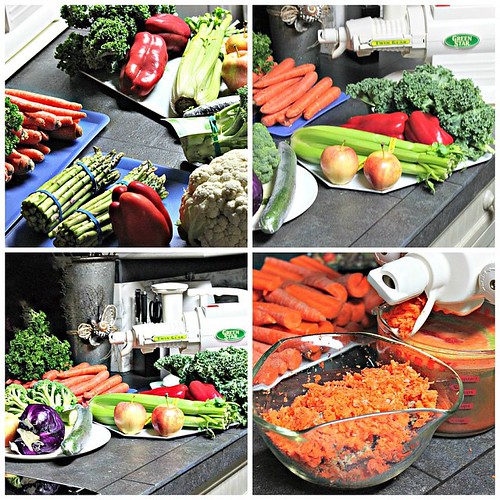
Vegetables should be the centerpiece of an organic meal prep plan. They bring fiber, vitamins, minerals, and volume, which is especially helpful for weight loss. They also give your meals color and texture, making clean eating feel more appealing.
Choose a mix of raw and cooked vegetables so your meals feel dynamic. Some of the best options for prep include:
- Broccoli
- Cauliflower
- Zucchini
- Bell peppers
- Spinach
- Kale
- Carrots
- Cucumbers
- Green beans
- Brussels sprouts
Roasting a tray of vegetables at the start of the week can instantly improve your meal prep results. Their natural sweetness deepens in the oven, making them easier to enjoy even if you are not usually a vegetable enthusiast.
Step 4: Include smart carbs and healthy fats
Clean eating does not mean eliminating carbohydrates or fats. In fact, both are essential for a healthy lifestyle. The secret is choosing sources that deliver nutrition and satiety instead of quick crashes.
Smart carbs for organic meal prep include quinoa, brown rice, oats, sweet potatoes, barley, and fruit. Healthy fats may come from avocado, olive oil, tahini, nuts, seeds, and olives. These ingredients make meals more satisfying and help your body absorb fat-soluble vitamins from vegetables.
When combining carbs and fats, portion awareness matters. A weight loss plan can still include both; it simply uses them with intention. That is one reason meal prep works so well. It removes guesswork and allows you to keep balance without stress.
The Best Grocery List for an Organic Clean Eating Week
Shopping with a list is one of the easiest ways to protect your nutrition goals. It keeps you from wandering into the store hungry and filling your cart with random items that do not support your plan. A well-designed grocery list should be simple, not overwhelming.
Produce
- Leafy greens such as spinach, arugula, kale, and romaine
- Cruciferous vegetables such as broccoli, cabbage, and cauliflower
- Bright vegetables such as peppers, tomatoes, carrots, and beets
- Fresh herbs like cilantro, parsley, basil, and dill
- Fruit such as berries, apples, citrus, kiwi, and bananas
Protein
- Organic eggs
- Plain Greek yogurt
- Organic chicken or turkey
- Tofu or tempeh
- Beans and lentils
- Salmon or sardines
Pantry staples
- Quinoa
- Brown rice
- Old-fashioned oats
- Chia seeds
- Hemp seeds
- Almond butter or peanut butter
- Olive oil
- Apple cider vinegar
- Low-sodium broth
- Spices such as cinnamon, turmeric, cumin, paprika, black pepper, and garlic powder
With this list, you can assemble breakfasts, lunches, dinners, and snacks without buying dozens of specialty products. You are not trying to create a museum of ingredients. You are building a living, usable system.
A Practical Sunday Prep Routine for Real People
Many meal prep plans fail because they assume you want to spend four hours cooking everything at once. Most people do not. A better approach is to break the work into focused steps. You can prep efficiently in about 90 minutes if you know what to do first.
Phase 1: Wash, chop, and sort
Begin with the ingredients that need the most immediate attention. Wash greens, chop vegetables, portion fruit, and place ingredients into visible containers. This alone makes healthy choices much easier during the week. When your fridge looks organized, clean eating feels more natural.
Phase 2: Cook the anchors
Cook your core proteins and grains simultaneously where possible. Roast chicken, bake tofu, simmer lentils, cook quinoa, or steam sweet potatoes. While those are cooking, prepare a tray of vegetables. This multitasking approach saves time and reduces cleanup.
Phase 3: Assemble modular meals
Instead of forcing every lunch into a complete recipe, assemble component-based containers. For example:
- Chicken, roasted broccoli, quinoa, and lemon-tahini dressing
- Lentils, spinach, sweet potato, and avocado
- Salmon, green beans, brown rice, and cucumber salad
When meals are modular, you can swap items throughout the week without feeling like you are eating the same thing. That flexibility keeps organic meal prep from becoming boring.
Phase 4: Prep snacks and breakfast boosters
Snacks are where many diets fall apart. If you plan them in advance, you reduce the chances of reaching for ultra-processed options. Try portioning nuts, washing berries, making chia pudding, or preparing hard-boiled eggs. These small tasks can prevent bigger problems later.
Breakfast often deserves special attention because hectic mornings lead to poor decisions. Overnight oats, egg muffins, yogurt parfaits, and smoothie packs can all be prepared ahead of time. Would your morning feel different if breakfast were already waiting in the fridge?
Organic Meal Prep Ideas for Breakfast, Lunch, and Dinner
The most effective meal prep plans are useful from morning to night. Below are ideas that balance convenience, flavor, and nutrition while supporting a healthy diet and weight loss.
Breakfast ideas
Breakfast should be easy to assemble and rich in protein or fiber so that energy lasts. A few smart options include:
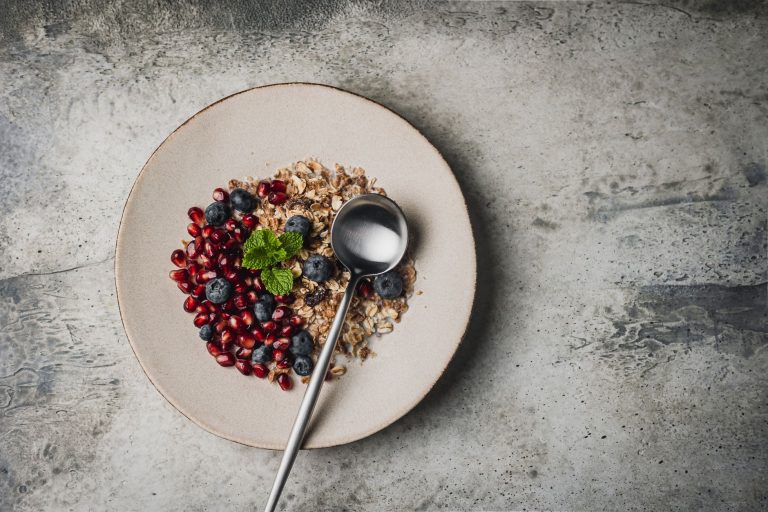
- Overnight oats with chia seeds, blueberries, and almond butter
- Egg muffins with spinach, tomato, and herbs
- Greek yogurt with berries, flaxseed, and pumpkin seeds
- Smoothie packs frozen with kale, banana, and protein powder
- Quinoa breakfast bowls with cinnamon, walnuts, and apple slices
These breakfast choices are satisfying without being heavy. They can also be adjusted for your calorie needs, which makes them practical for a weight loss plan.
Lunch ideas
Lunch is the meal that often gets sacrificed when work gets busy. A prep-friendly lunch should travel well and still taste fresh by midday.
- Grilled chicken with roasted vegetables and quinoa
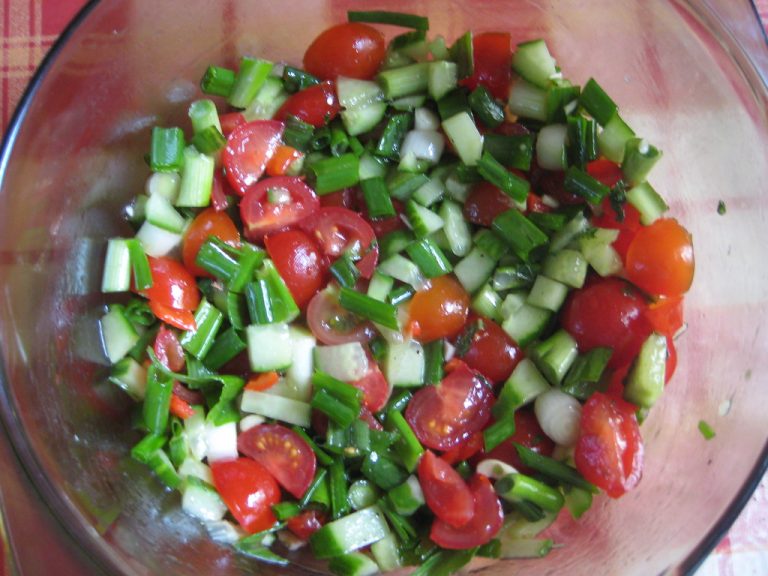
- Chickpea salad with cucumber, herbs, and olive oil
- Salmon with greens, sweet potato, and avocado
- Turkey lettuce wraps with shredded carrots and hummus
- Lentil bowls with kale, beets, and tahini dressing
Ask yourself: does your lunch leave you energized or sleepy? A smart meal prep container should not weigh you down. It should support productivity and reduce afternoon cravings.
Dinner ideas
Dinner is where many people overcompensate after a long day. Meal prep gives you a gentler path.
- Sheet-pan salmon with Brussels sprouts and carrots
- Stir-fried tofu with broccoli and brown rice
- Chicken zucchini skillet with herbs and lemon
- Bean chili with tomatoes, peppers, and spices
- Turkey meatballs with roasted cauliflower and marinara
These dinners work because they are comforting without being excessive. They deliver a strong nutrition profile and can be reheated quickly after work or the gym.
[IMAGE: fitness lifestyle]
How to Make Meal Prep Taste Fresh All Week
One of the biggest complaints about meal prep is boredom. Nobody wants to eat dry chicken and plain rice five days in a row. The solution is not abandoning meal prep. The solution is designing flavor strategically.
Use sauces wisely
A good sauce can transform a basic container into something you look forward to eating. Try simple, clean options such as:
- Lemon-tahini dressing
- Greek yogurt herb sauce
- Avocado-lime cream
- Olive oil with balsamic vinegar
- Cashew dressing with garlic and herbs
Keep sauces separate until serving if possible. That preserves texture and freshness.
Rotate seasonings
Spices are a meal prep secret weapon. A tray of roasted vegetables can taste entirely different depending on the seasoning blend. Try Mediterranean herbs one day, cumin and paprika another, and turmeric with black pepper later in the week.
Small changes create a sense of variety without requiring a whole new recipe. That is important because consistency is easier when food still feels interesting.
Add crunch and contrast
Many healthy meals fail because everything is soft. A few crunchy elements can make a dish more satisfying. Consider toasted seeds, sliced cucumbers, shredded cabbage, chopped nuts, or crisp greens. Texture matters more than people realize.
Organic Meal Prep for Detox Diet Support Without Extremes
The phrase detox diet is often misunderstood. Your body already has natural detox systems through the liver, kidneys, lungs, and digestive tract. What you can do through food is support those systems with nutrient-dense choices that reduce strain and increase hydration, fiber, and antioxidant intake.
Organic meal prep can be a gentle, practical way to support this process. Instead of relying on juice cleanses or severe restriction, focus on ingredients that help your body do its job well. Fresh vegetables, berries, herbs, lemon, water-rich foods, and fiber-rich plants all fit naturally into this approach.
Foods that support a lighter feel
- Cucumbers and celery for hydration
- Leafy greens for fiber and micronutrients
- Beets for earthy flavor and variety
- Lemon and ginger for bright, refreshing meals
- Berries for antioxidants and natural sweetness
- Garlic and onions for depth and flavor
Instead of chasing dramatic detox claims, ask a better question: how can my meals make me feel calmer, cleaner, and more energized? That question leads to better food choices every time.
How to Prevent Common Meal Prep Mistakes
Even a good plan can go wrong if it is too ambitious. The most successful clean eating routines are realistic, not idealized. Watch out for these common mistakes:
- Prepping too much variety: Too many recipes can create unnecessary work. Limit your weekly menu to a few core meals.
- Ignoring storage: Use quality containers and store ingredients correctly to keep food fresh longer.
- Underseasoning food: Healthy food should taste good. Use herbs, spices, citrus, and sauces generously but thoughtfully.
- Skipping snacks: If you go too long without eating, you are more likely to overeat later.
- Making meals too low in protein: Protein helps with fullness and stable energy.
- Trying to be perfect: A sustainable healthy lifestyle allows flexibility. One off-plan meal does not ruin anything.
The best meal prep habit is one you can recover from when life gets busy. That is the real test. Not whether you can prep flawlessly for one week, but whether you can get back on track the next.
How to Keep Organic Meal Prep Budget-Friendly
Many people assume organic food must be expensive. While some items cost more, a smart plan can make organic meal prep very manageable. The key is to prioritize where quality matters most and buy strategically.
Spend where it counts
If you are working within a budget, focus your organic spending on items you eat often or items that matter most to your routine. For example, you might choose organic leafy greens, apples, berries, eggs, and dairy while buying some pantry staples in larger formats. This balanced strategy can make a real difference over time.
Buy seasonal produce
Seasonal fruits and vegetables are often more affordable and more flavorful. In-season produce also tends to need less intervention to taste good, which makes your healthy meals better from the start. When berries are abundant, use them in breakfasts and snacks. When squash or root vegetables are plentiful, roast them in big batches.
Use all parts of what you buy
Waste is one of the fastest ways to make meal prep feel expensive. Turn leftover vegetables into soups, use herbs in dressings, and freeze fruit before it goes bad. Meal prep is not only about what you cook. It is about how you manage ingredients wisely.
A Sample 5-Day Organic Meal Prep Flow
If you like structure, a sample flow can help you visualize the system. Here is one example of a balanced week built around organic food, clean eating, and weight loss support.
Monday
- Breakfast: Overnight oats with chia and berries
- Lunch: Chicken quinoa bowl with broccoli and lemon dressing
- Dinner: Salmon with green beans and sweet potato
- Snack: Apple with almond butter
Tuesday
- Breakfast: Egg muffins and citrus fruit
- Lunch: Lentil salad with spinach and avocado
- Dinner: Tofu stir-fry with brown rice
- Snack: Greek yogurt with seeds
Wednesday
- Breakfast: Yogurt parfait with berries and flaxseed
- Lunch: Turkey lettuce wraps with cucumber salad
- Dinner: Bean chili with roasted peppers
- Snack: Carrot sticks and hummus
Thursday
- Breakfast: Smoothie with kale, banana, and protein
- Lunch: Salmon salad with avocado and greens
- Dinner: Chicken with cauliflower and herbs
- Snack: Handful of walnuts and a pear
Friday
- Breakfast: Quinoa bowl with cinnamon and apple
- Lunch: Chickpea bowl with roasted vegetables
- Dinner: Turkey meatballs with zucchini and marinara
- Snack: Berries and coconut yogurt
This pattern is simple enough to repeat and flexible enough to adapt. You can swap proteins or vegetables based on seasonality, appetite, and schedule.
How Clean Eating Supports a Healthy Lifestyle Beyond the Scale
Weight loss may be the goal that gets attention, but the real reward of an organic meal prep routine often goes beyond the number on the scale. People frequently notice better digestion, steadier energy, improved focus, and a calmer relationship with food. Those changes matter because they make healthy habits feel rewarding rather than punishing.
Clean eating also helps reduce the sense of mental clutter around meals. When you know what you will eat, you spend less energy negotiating with yourself. That extra mental bandwidth can go toward work, family, exercise, and rest. In that sense, meal prep is not just a food strategy. It is a lifestyle strategy.
And what about your confidence? Preparing nourishing food for yourself builds self-trust. Each meal becomes evidence that you can care for your body with intention. That matters more than any trend.
Questions to Ask Yourself Before Starting Next Week
Before you begin, pause and reflect on a few honest questions. These can help you shape a meal prep routine that fits your life instead of fighting against it.
- What is the biggest obstacle to healthy eating in my week?
- Which meal do I struggle with most: breakfast, lunch, dinner, or snacks?
- What organic foods do I already enjoy and eat regularly?
- How much time can I realistically spend prepping?
- Do I want a detox diet style reset or simply a cleaner daily routine?
- What would make my meals more satisfying and less repetitive?
Honest answers to those questions will make your plan better than any generic template. After all, nutrition only works when it fits real life.
If you have ever felt that healthy eating requires too much effort, organic meal prep offers a more compassionate path. It creates structure without rigidity, flavor without confusion, and progress without extremes. Start with one protein, two vegetables, one grain, and a few smart snacks. Build from there. Small systems grow into lasting habits, and lasting habits change the way your body feels, the way your week flows, and the way you show up for yourself day after day.
For more ideas that support weight loss, clean eating, organic food planning, and practical nutrition, keep exploring the latest articles on DietOrganic and make your next week the one that finally feels organized, nourishing, and truly sustainable.
About the Author