
Photo by Anna Pyshniuk on Pexels
If you have ever tried to eat better and felt confused by all the advice, you are not alone. The truth is that a healthy lifestyle does not begin with restriction or punishment. It begins with choosing food that your body can actually recognize, digest, and use well. That is why organic food is such a powerful foundation for clean eating, gut support, and sustainable weight loss. When meals are built around real ingredients, fewer additives, and more nutrient-dense produce, the body often responds with better energy, steadier appetite, improved digestion, and a lighter, more balanced feeling overall.
Gut health is one of the most overlooked parts of nutrition, even though it influences everything from bloating and cravings to immunity and mood. Ask yourself this: if your digestion is off, how easy is it to stay consistent with a healthy diet? If your meals leave you sluggish, how likely are you to move your body, sleep deeply, or avoid mindless snacking? The foods you eat every day can either support your microbiome or work against it. And when those foods are organic, you may reduce unnecessary chemical exposure while increasing the quality of what lands on your plate.
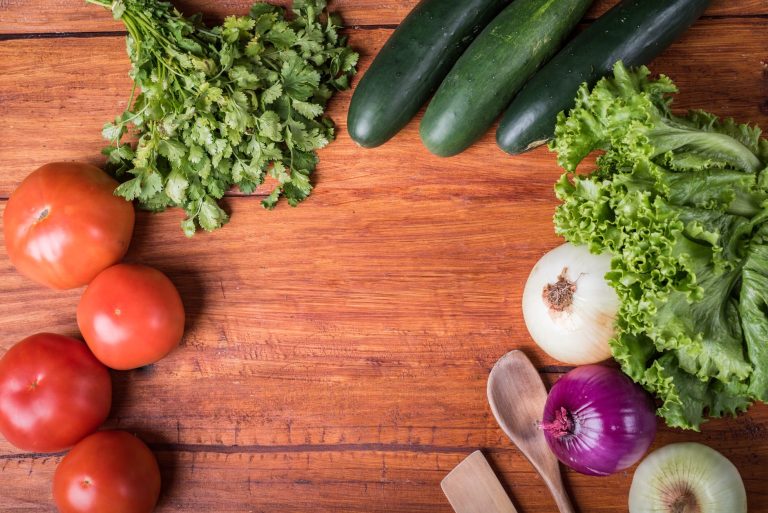
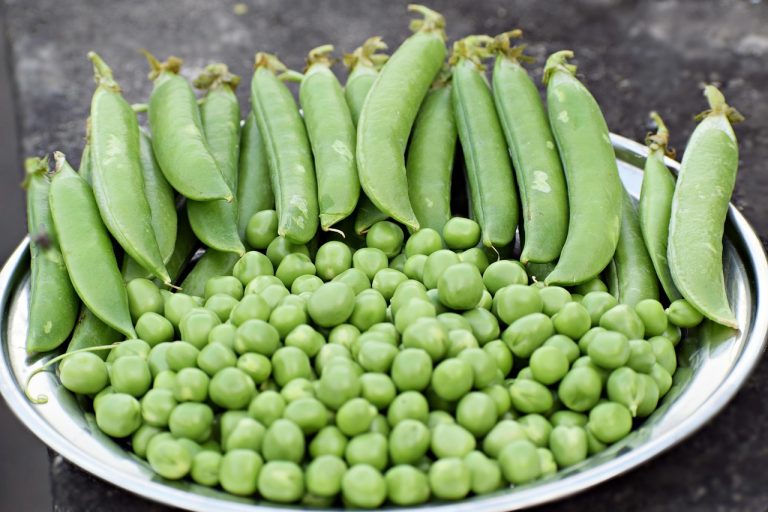
This article explores how organic food can fit into a clean eating routine that supports gut health and healthy weight loss without turning meals into a rigid program. You will find practical guidance, expert-backed ideas, and realistic ways to build a detox diet style of eating that feels nourishing rather than extreme. [IMAGE: organic vegetables]
Why Gut Health Should Be the First Goal of Any Healthy Diet
Many people chase weight loss before they address digestion, but the two are closely connected. Your gut is not just a tube for processing food; it is an active system that influences how well you absorb nutrition, how full you feel after meals, and how your body regulates inflammation. When the gut is calm and well-fed, the rest of your healthy lifestyle becomes easier to maintain.
The gut microbiome, which is the community of bacteria and other microorganisms living in your digestive tract, plays a major role in how your body handles food. A diverse microbiome tends to support better digestion, more regular bowel movements, and even better metabolic health. When that balance is disrupted by stress, low-fiber meals, too much sugar, or highly processed food, people often notice bloating, cravings, fatigue, and more difficulty managing body weight.
How the microbiome affects appetite, cravings, and energy
Your gut and brain communicate constantly. That is why digestive discomfort can affect your mood, and why stress can affect your stomach. A healthy microbiome helps break down fiber, produce useful compounds, and support stable blood sugar. Those actions may sound small, but together they influence how hungry you feel and how likely you are to overeat.
When your meals are built around organic food such as vegetables, berries, legumes, whole grains, seeds, and fermented foods, you give the microbiome the kind of fuel it prefers. The result is often more steady energy and fewer dramatic swings in appetite. For many people, that stability is the missing piece in their weight loss journey.
Signs your gut may need more support
If you are wondering whether your current diet is working for your digestion, look for patterns rather than isolated bad days. Persistent symptoms often point to a deeper imbalance.
- Frequent bloating after meals
- Irregular bowel movements
- Cravings for sugar or refined carbohydrates
- Feeling uncomfortably full after small portions
- Low energy shortly after eating
- Skin flare-ups linked to food choices
- Brain fog or poor concentration
Do these symptoms sound familiar? If so, changing the quality of your meals is often more effective than simply eating less. A clean eating plan that focuses on organic food can help create a better internal environment before you ever count calories.
Why Organic Food Fits So Well Into Clean Eating
Organic food is not a magic solution, and it does not replace a balanced diet. Still, it can be a valuable part of a nutrition strategy that aims to reduce unnecessary additives and emphasize whole foods. Clean eating is about simplifying your food choices, and organic products often align beautifully with that principle.
One of the biggest reasons people choose organic food is to lower exposure to synthetic pesticides and herbicides. While the long-term effects of these exposures are still studied, many health-conscious shoppers prefer to minimize them when possible. That choice can feel especially meaningful when you are already working on a detox diet or trying to reset your habits with a healthier routine.
Less processing, more real ingredients
It is important to remember that organic food is still food. A bag of organic cookies is not the same thing as a box of vegetables or a bowl of lentils. The real advantage comes when organic ingredients are used in their simplest form. Think fresh produce, plain yogurt, oats, eggs, beans, nuts, and seeds. These are the kinds of foods that can support digestion, keep meals satisfying, and make weight loss more sustainable.
Clean eating becomes easier when you start noticing what your body actually feels like after a meal. Do you feel clear-headed and energized, or heavy and tired? Organic food often helps create a cleaner baseline because it encourages whole, minimally processed choices rather than packaged convenience foods.
Why ingredient quality matters more than people think
Nutrition is not only about macros and calories. Ingredient quality influences satiety, inflammation, and digestive comfort. For example, a salad made with organic greens, olive oil, avocado, and seeds will often feel and function differently in the body than a salad drenched in sugary dressing and topped with processed croutons. Both may look healthy at first glance, but their effects are not the same.
When the goal is weight loss, the most effective meals are usually the ones that are simple, satisfying, and easy to repeat. Organic food helps many people stay consistent because it removes some of the mental friction around shopping and meal planning. You know what you are buying, and you know how to turn it into nourishing food.
The Best Organic Foods for Gut Health
Not all organic foods are equally beneficial for digestion, so it helps to know where to focus. If your priority is gut health, the most valuable foods are usually the ones that provide fiber, natural fermentation, prebiotics, and balanced nutrients. These foods help feed beneficial microbes and support regularity without overwhelming the digestive system.
Fermented organic foods that add beneficial bacteria
Fermented foods have become popular for a reason: they can support microbial diversity and are often easy to incorporate into everyday meals. Choose organic versions when possible to keep the ingredient list cleaner.
- Organic yogurt with live cultures
- Organic kefir
- Sauerkraut
- Kimchi
- Miso
- Tempeh
Start slowly if fermented foods are new to you. A small spoonful or a few bites is enough at first. Why? Because the goal is to support the gut, not shock it. Over time, gentle and consistent intake often works better than dramatic changes.
Fiber-rich organic produce that keeps digestion moving
Fiber is one of the most important nutrients for gut health and weight management. It helps support bowel regularity, feeds beneficial bacteria, and increases fullness after meals. Organic fruits and vegetables are especially useful because they can be eaten in generous amounts with very little effort.
- Leafy greens such as spinach, kale, and arugula
- Cruciferous vegetables such as broccoli and Brussels sprouts
- Apples and pears
- Berries
- Carrots and beets
- Artichokes
- Chia seeds and flaxseeds
Try to include at least one high-fiber food at every meal. A breakfast of oats and berries, a lunch salad with lentils, or a dinner plate with roasted vegetables can all make a meaningful difference over time.
Prebiotic staples that feed your microbiome
Prebiotics are not the same as probiotics. Instead of adding live bacteria, they feed the bacteria already living in your gut. That makes them essential for long-term digestive balance. Organic food choices that naturally contain prebiotics are excellent additions to a clean eating plan.
- Onions
- Garlic
- Leeks
- Asparagus
- Bananas that are slightly green
- Oats
- Cooked and cooled potatoes or rice
Notice how many of these foods are inexpensive and widely available. Gut health does not have to be complicated or expensive. It often begins with a few thoughtful ingredients added consistently.
Clean proteins and healthy fats that calm the system
While fiber gets most of the attention in gut conversations, protein and healthy fats also matter. They help stabilize blood sugar and support the body’s repair processes. When you choose organic sources, you are often choosing fewer additives and a more transparent food chain.
- Organic eggs
- Plain organic Greek yogurt
- Organic tofu and tempeh
- Wild-caught fish when available
- Organic chicken or turkey
- Avocados
- Extra virgin olive oil
- Nuts and seeds
These foods help meals feel complete. That sense of completeness matters when you are trying to avoid grazing or late-night snacking. A meal that truly satisfies you is one of the strongest tools for weight loss.
How to Build a Clean Eating Routine Without Feeling Restricted
One of the biggest mistakes people make is assuming that healthy eating has to be strict, repetitive, or bland. In reality, the best routines are flexible and enjoyable. Clean eating is not about fear. It is about choosing foods that make you feel strong, comfortable, and well-fed.
Start with a simple plate structure. If every meal contains protein, fiber, healthy fat, and a source of hydration, you already have a strong foundation. This approach helps reduce decision fatigue and makes your routine feel more natural.
The balanced plate method
Use this easy formula to build meals that support gut health and healthy weight loss:
- Half the plate: non-starchy vegetables
- One quarter: protein
- One quarter: smart carbohydrates such as oats, quinoa, or beans
- Add a small portion of healthy fat
This structure works because it promotes satiety while keeping the meal nutrient-dense. It is also easy to apply whether you are cooking at home or assembling lunch at work.
Smart swaps that improve nutrition immediately
You do not need to overhaul your entire kitchen overnight. Start by replacing a few low-quality staples with better options and let those changes build momentum.
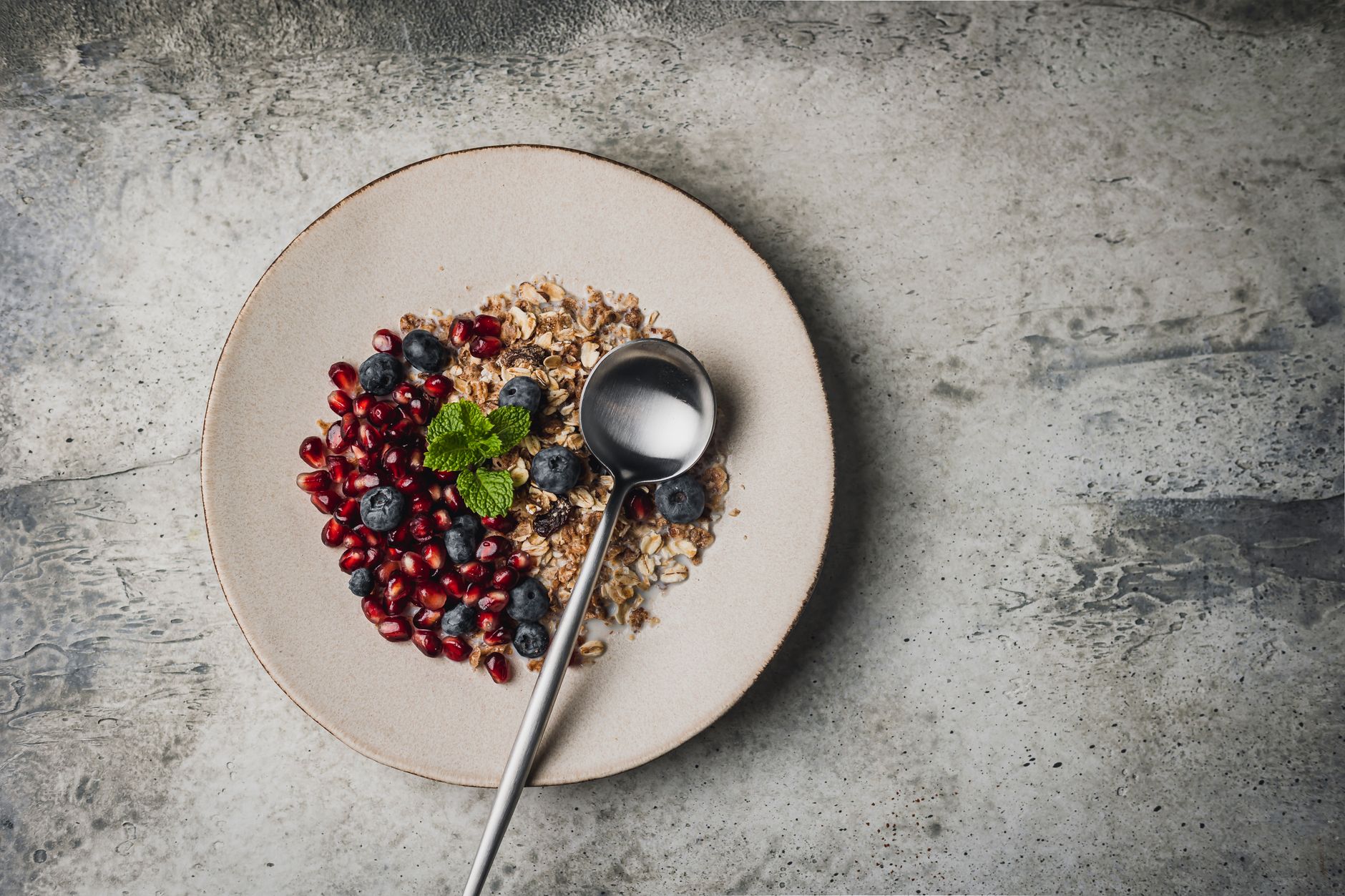
- Swap sugary cereal for organic oats with berries
- Swap refined crackers for hummus with sliced vegetables
- Swap sweetened yogurt for plain organic yogurt with cinnamon
- Swap soda for sparkling water with lemon
- Swap fried snacks for roasted chickpeas or nuts
Would these swaps solve every nutrition challenge? Of course not. But they reduce noise in the diet and make room for better habits to take root.
What to buy first on a budget
If your budget is limited, prioritize the foods you eat most often and the items most likely to be consumed raw. A thoughtful organic food budget can still be realistic.
- Leafy greens
- Berries
- Apples
- Milk or yogurt if you use them frequently
- Eggs
- Oats
- Beans and lentils
Frozen organic vegetables can also be a smart choice. They are convenient, often more affordable, and usually just as nutritious as fresh produce that has spent time in transit.
[IMAGE: healthy meal]
How Gut-Friendly Organic Food Can Support Weight Loss
People often think weight loss depends only on eating less. In practice, it is much more nuanced. Hunger, cravings, digestion, sleep quality, stress, and nutrient intake all affect whether a healthy plan can be maintained. This is exactly where a gut-friendly organic food approach can help.
When meals are rich in fiber and protein, they tend to keep you fuller for longer. When those meals are also made with clean ingredients, they are often easier to digest and less likely to trigger the sluggish feeling that leads to snacking. Over time, this can support a healthier calorie balance without the sense of deprivation that drives so many people off track.
Better blood sugar stability means fewer cravings
Sharp spikes and drops in blood sugar can make it difficult to stay on track with any healthy diet. If you have ever felt ravenous an hour after eating, you already know how frustrating that can be. Whole organic foods such as oats, beans, vegetables, nuts, and yogurt tend to release energy more gradually than highly processed foods.
That steadier energy curve can help reduce impulsive eating, especially in the afternoon and evening. It is much easier to make thoughtful choices when you are not constantly fighting hunger.
Digestion affects how light or heavy you feel
Weight loss is not only a number on the scale. Many people also want to feel less bloated, less puffy, and more comfortable in their bodies. Digestive function plays a major role in those sensations. Meals that support regular elimination and reduce bloating can make a person feel noticeably better, even before any major body composition changes happen.
Ask yourself a practical question: do your meals help you feel lighter and more energized, or do they leave you sitting still and uncomfortable? That answer often reveals more than a food tracker ever could.
Healthy fats can keep you from overeating later
Some people fear fat because they associate it with weight gain, but the right fats are a crucial part of a healthy lifestyle. Organic avocados, nuts, seeds, olive oil, and fatty fish can all help increase satisfaction. When a meal satisfies you, you are less likely to keep searching for something else an hour later.
This does not mean loading every plate with fat. It means using it strategically so that meals feel complete and enjoyable. That is a much more realistic path to consistent weight loss than trying to survive on tiny portions.
Foods and Habits That Can Quietly Undermine Your Progress
Even a very good routine can be weakened by a few common habits. If your goal is gut health, clean eating, and weight loss, it helps to know what tends to interfere most often. The issue is not perfection; it is awareness.
Highly processed snacks and hidden sugars
Many foods marketed as healthy are still loaded with sweeteners, refined starches, and preservatives. These ingredients can make it harder to control cravings and may not support digestion well. The body often responds best to food that is closer to its natural state.
- Granola bars with syrup-heavy binders
- Flavored yogurt with excessive sugar
- Packaged smoothies with minimal fiber
- Snack foods with long ingredient lists
Reading labels does not have to become obsessive. Just look for patterns. If a product is mostly sugar, oils, and starch, it is probably not helping your gut or your weight loss goals.
Alcohol can slow your recovery rhythm
Occasional alcohol may fit into some lifestyles, but regular drinking can disrupt sleep, increase inflammation, and lead to poor food choices later in the day. If you are trying to improve nutrition, this is worth considering. Even a clean eating plan can be undermined by drinks that lower inhibitions and raise appetite.
If you choose to drink, do so intentionally and keep the rest of the day balanced with water, vegetables, and protein-rich meals. Small adjustments can make a noticeable difference.
Eating too quickly is a real problem
Digestive discomfort is not always about what you eat. Sometimes it is about how you eat. When meals are rushed, you may swallow more air, miss satiety signals, and fail to enjoy the food in front of you. That can lead to overeating before the body has a chance to say it is full.
Try setting down your fork between bites. Drink water slowly. Give your body time to register what is happening. A calm meal is often a better meal.
[IMAGE: fitness lifestyle]
A One-Day Organic Menu for Gut Health and Healthy Weight Loss
Sometimes the easiest way to make healthy eating feel doable is to see what it looks like in real life. This sample day is not a strict detox diet. It is simply a balanced, organic food-based template you can adapt to your preferences.
Breakfast
- Organic Greek yogurt with blueberries, chia seeds, and cinnamon
- Or oats cooked with unsweetened almond milk, flaxseed, and sliced banana
- Herbal tea or water with lemon
Mid-morning option
- An apple with almond butter
- Or a small handful of walnuts and a few raspberries
Lunch
- Salad with organic greens, cucumber, carrots, chickpeas, avocado, pumpkin seeds, and olive oil dressing
- A side of sauerkraut or fermented vegetables
Afternoon option
- Carrot sticks with hummus
- Or kefir with a few crushed seeds
Dinner
- Organic salmon or tofu
- Roasted broccoli, zucchini, and sweet potato
- Quinoa or brown rice
Evening wind-down
- Peppermint tea
- Or warm water with a slice of ginger
This style of eating is simple, satisfying, and easy to repeat. More importantly, it gives your gut a break from constant novelty and lets your body settle into a steady rhythm.
Meal Prep Ideas That Make Healthy Eating Easier All Week
Meal prep does not have to mean spending your entire Sunday in the kitchen. In fact, the smartest version of meal prep is often the most modest. Prepare the parts of meals that save you the most time during the week, and keep everything else flexible.
Prep these basics ahead of time
- Wash and chop vegetables
- Cook a batch of grains
- Roast a tray of mixed vegetables
- Prepare a protein source such as eggs, beans, tofu, chicken, or fish
- Make a simple dressing with olive oil, lemon, and herbs
- Portion out snacks like fruit, nuts, and seeds
With those items ready, you can assemble a healthy lunch or dinner in minutes. That convenience makes clean eating much more realistic on busy days.
Build three flexible meal templates
Instead of deciding every meal from scratch, create three formulas you enjoy and rotate them.
- Breakfast bowl: yogurt, fruit, seeds, and oats
- Lunch bowl: greens, protein, grains, and dressing
- Dinner plate: vegetables, protein, and a starch
These templates reduce decision fatigue and help you stay consistent even when work, family, or travel gets hectic. That consistency is where results begin to show up.
Common Myths About Organic Food and Gut Health
Misinformation can make healthy eating feel more complicated than it needs to be. Let us clear up a few ideas that often hold people back.
Myth: Organic automatically means healthy
Organic food is not always healthy just because it is organic. Organic candy is still candy, and organic chips are still snacks. The healthiest benefits come when organic ingredients are used in whole-food meals that support nutrition, digestion, and energy.
Myth: You need to buy everything organic
That is not realistic for most people. A better approach is to focus on the foods you eat often and the produce you consume raw. Even a partial shift toward organic choices can improve the overall quality of your diet.
Myth: Gut health requires expensive supplements
Supplements can have a place, but they are not the foundation. The foundation is food. A well-planned diet with fiber, hydration, fermented foods, and balanced meals often does more than any trendy product. If you build the basics well, supplements become optional rather than necessary.
Myth: Detox diet plans need to be extreme
Real detoxification is handled by the body every day through the liver, kidneys, skin, lungs, and digestive system. Your job is to support those systems, not punish them. A gentle detox diet style approach might simply mean fewer processed foods, more vegetables, better hydration, and adequate sleep.
How to Make This Approach Sustainable
Sustainability matters more than intensity. A plan you can follow for six months is more valuable than one you can tolerate for six days. The best healthy lifestyle is one that fits your real life, tastes good, and feels supportive rather than obsessive.
Start with one consistent habit
Choose one action and repeat it daily for two weeks. For example, add a serving of vegetables at lunch, eat organic yogurt with breakfast, or replace afternoon snacks with fruit and nuts. Small wins create momentum.
Track how you feel, not just what you eat
Pay attention to digestion, energy, sleep, cravings, and mood. These signals tell you whether your nutrition strategy is working. If your body feels calmer and more balanced, you are moving in the right direction.
Keep your environment supportive
Healthy habits are easier when your kitchen is set up for success. Store cut vegetables at eye level, keep filtered water nearby, and make the most nourishing foods the easiest ones to reach. The environment should make clean eating feel natural.
Let your routine evolve
Your needs may change with the seasons, stress levels, activity, or schedule. A good organic food plan adapts. You may eat more warm cooked meals in winter, more hydrating produce in summer, or larger portions on active days. Flexibility is not a weakness; it is what makes a healthy lifestyle last.
When you stop chasing extreme fixes and start building meals around organic food, gut-friendly ingredients, and thoughtful preparation, you create a routine that supports more than just weight loss. You support clearer digestion, steadier energy, and a more confident relationship with food. If you are ready to keep refining your habits, explore more articles on DietOrganic and use them as a guide for turning clean eating into something enjoyable, practical, and deeply sustainable.
About the Author