
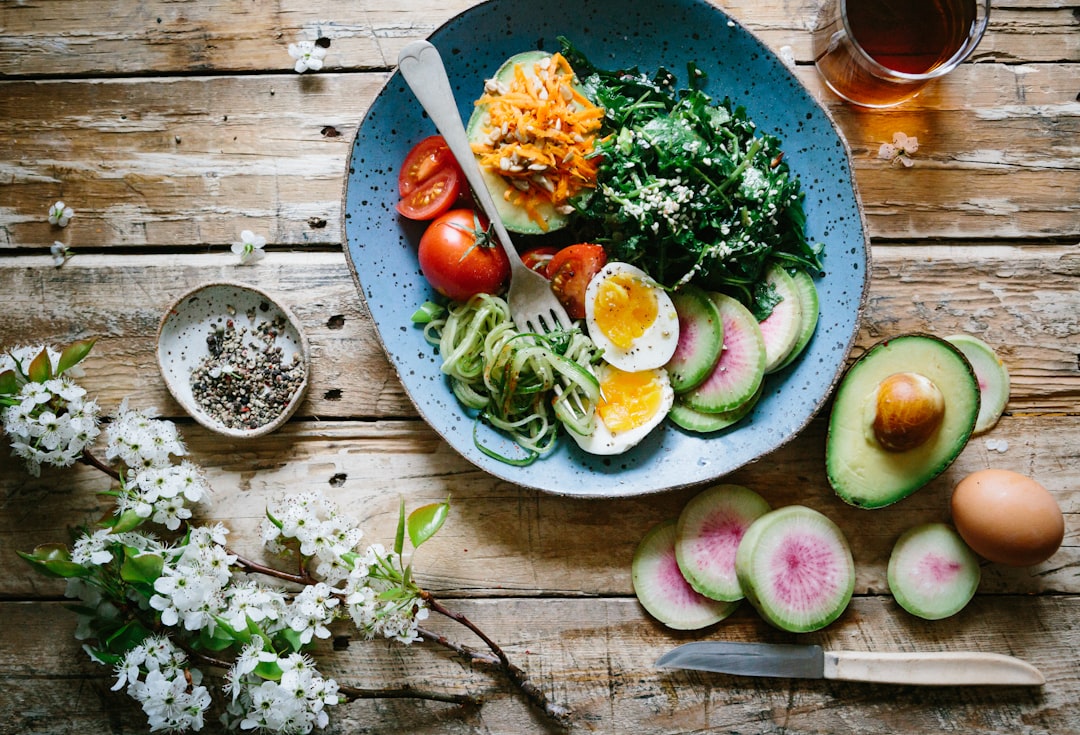
Photo by Brooke Lark on Unsplash
If you have been trying to lose weight without turning your life upside down, organic food can be a smart place to start. Not because it is magical, and not because every organic product is automatically healthy, but because it often makes clean eating simpler, more intentional, and easier to sustain. When your kitchen is stocked with fresh organic food, your meals tend to look more colorful, more filling, and more aligned with a healthy lifestyle. That matters more than most people realize. After all, what does a weight loss plan really need to work: perfection, or consistency?
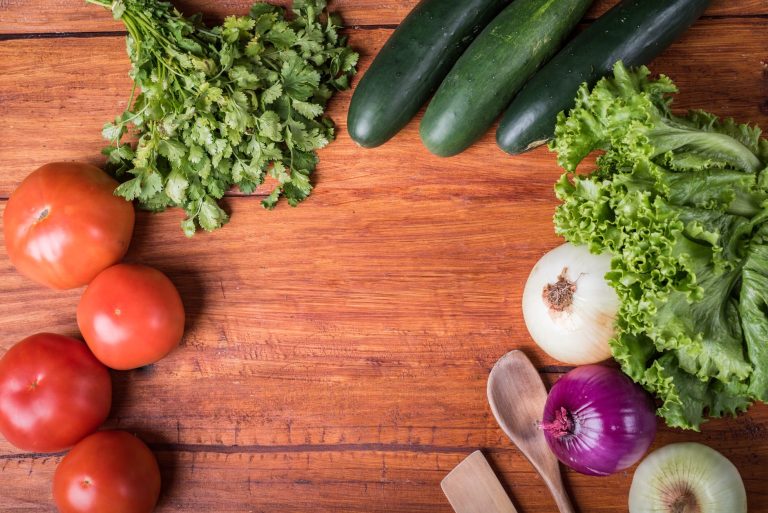
This guide takes a practical look at how organic food can support a healthy diet, how to choose the best options for weight loss, and how to build meals that keep you satisfied rather than deprived. You will also find simple grocery ideas, meal prep strategies, and realistic advice for anyone who wants clean eating to feel natural instead of restrictive. [IMAGE: organic vegetables]
Why organic food can make weight loss feel easier
Many people approach weight loss as if it were only about eating less. In reality, lasting progress usually comes from eating better, feeling fuller, and making choices that fit real life. That is where organic food can help. When you focus on whole, minimally processed ingredients, you naturally reduce the number of highly refined foods that often lead to overeating. The result is not just fewer empty calories, but better nutrition and steadier energy throughout the day.
Organic food is especially attractive for people who want a cleaner kitchen environment. Fresh vegetables, fruits, whole grains, legumes, eggs, dairy, nuts, seeds, and lean proteins can all fit into an organic diet. These foods supply fiber, vitamins, minerals, and protein, which are all important for appetite control. If your meals are built around these basics, you are far less likely to end up relying on snacks that leave you hungry an hour later.
What organic does and does not mean
Organic is not a shortcut to weight loss. A box of organic cookies is still a cookie. An organic frozen dessert is still a dessert. The label matters, but the food itself matters more. If you want a healthy diet that supports weight loss, ask a better question: does this food help me feel full, energized, and satisfied without pushing me into mindless eating?
That shift in thinking is powerful. It moves the focus away from guilt and toward nutrition. It also helps you build a clean eating routine that you can actually maintain. So yes, choose organic food when it makes sense. But keep your eyes on the bigger picture: balanced meals, smart portions, and a lifestyle you can repeat tomorrow.
Why clean eating and weight loss pair so well
Clean eating is not about chasing an overly strict diet. It is about emphasizing real food that looks close to the way it does in nature. When you eat more organic food in this style, you usually end up with more fiber, fewer additives, and better control over your hunger cues. That combination supports weight loss because it lowers the chances of energy crashes, emotional snacking, and late-night cravings.
Ask yourself: how often do you eat because you are truly hungry, and how often do you eat because the food is convenient, salty, sweet, or simply sitting in front of you? Clean eating helps you notice those patterns. Once you notice them, it becomes much easier to change them.
The best organic foods for a weight loss plan
Not all foods deserve equal attention when your goal is weight loss. Some organic foods offer far more satiety and nutritional value than others. The trick is to build meals around ingredients that deliver volume, fiber, protein, and healthy fats in the right balance. That way, your healthy diet feels generous instead of punishing.
1. Leafy greens
Spinach, kale, arugula, romaine, and mixed greens are the backbone of many clean eating meals. They are low in calories, high in volume, and rich in micronutrients. That means you can eat a satisfying amount without going overboard. Leafy greens are also incredibly versatile. You can use them in salads, smoothies, omelets, soups, grain bowls, and wraps.
Organic leafy greens are popular with people who want a detox diet approach, but the real advantage is simpler than that. Greens help you build a bigger plate while keeping calories under control. That is a useful combination when weight loss is the goal.
Easy ways to use leafy greens
- Add a large handful to scrambled eggs or tofu at breakfast.
- Layer them under protein and grains in a lunch bowl.
- Blend spinach into a smoothie with berries and chia seeds.
- Use romaine or butter lettuce as a wrap for chicken, tuna, or beans.
2. Cruciferous vegetables
Broccoli, cauliflower, Brussels sprouts, cabbage, and bok choy are some of the most valuable foods in a healthy lifestyle plan. They are filling, nutrient-dense, and naturally high in fiber. Organic versions are especially popular among clean eating enthusiasts because they are easy to roast, steam, or stir-fry in large batches.
If you are someone who gets hungry soon after dinner, cruciferous vegetables can help. They add bulk to meals without adding much energy density, which is one reason they show up so often in weight loss meal plans. Try roasting cauliflower with olive oil and garlic, or tossing broccoli with lemon and herbs for a bright, satisfying side dish.
3. Berries and high-fiber fruit
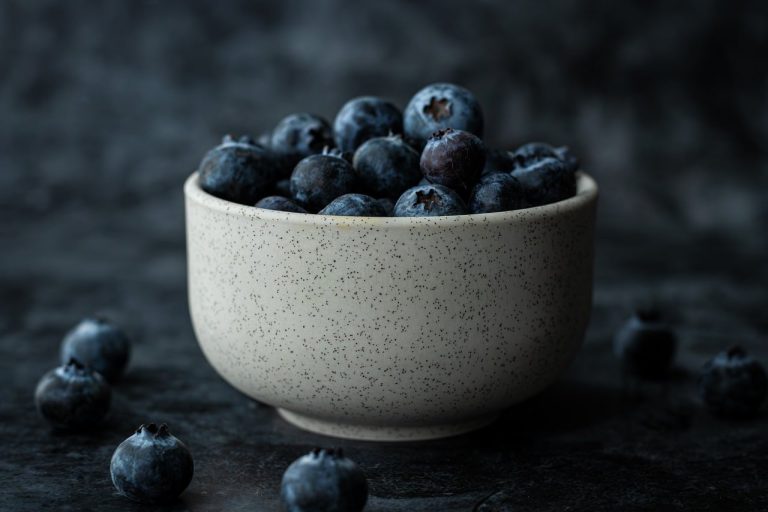
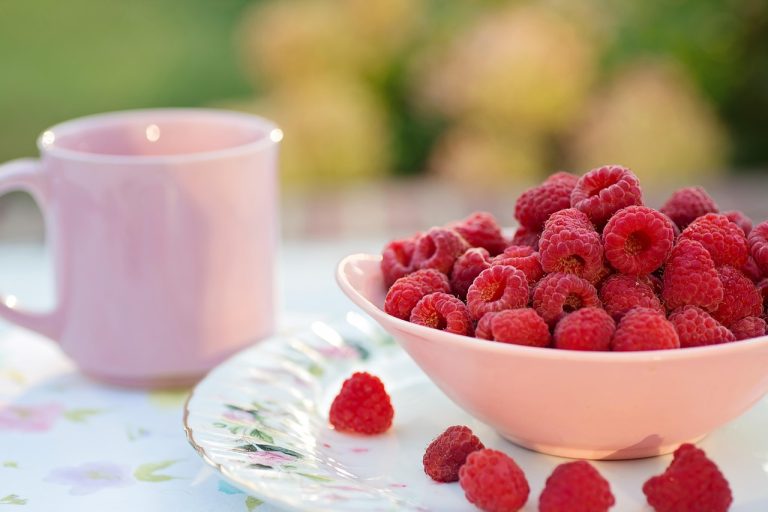
Blueberries, strawberries, raspberries, blackberries, apples, and pears are ideal when you want sweetness without a sugar crash. They fit naturally into an organic food approach because they are easy to snack on, easy to portion, and rich in fiber and antioxidants. Berries, in particular, are excellent for clean eating because they satisfy a sweet craving while keeping the calorie load moderate.
Fruit is often misunderstood in weight loss conversations. The issue is rarely fruit itself. The issue is portion size, context, and what you pair it with. Organic fruit can be part of a healthy diet when it is eaten alongside protein or healthy fat. Think apple slices with almond butter, berries on Greek yogurt, or pears with cottage cheese. These combinations help keep blood sugar steadier and make meals more filling.
4. Organic eggs and lean proteins
Protein is one of the strongest tools you have for weight loss because it supports fullness, muscle maintenance, and meal satisfaction. Organic eggs, chicken, turkey, fish, tofu, tempeh, and legumes can all play a role in your healthy diet. When protein is missing from meals, people often end up grazing later in the day. That grazing is what quietly slows progress.
Organic eggs are especially useful because they are quick, affordable, and adaptable. You can poach them, scramble them, bake them, or hard-boil them for snacks. Organic chicken breast or thighs can anchor lunch bowls and dinner plates. If you prefer plant-based options, organic tofu, tempeh, lentils, and chickpeas give you protein plus fiber, which is a strong combination for appetite control.
Protein pairings that support clean eating
- Eggs with spinach and tomatoes.
- Grilled chicken with roasted vegetables.
- Greek yogurt with berries and chia.
- Lentils with quinoa and cucumber salad.
- Tofu stir-fry with broccoli and mushrooms.
5. Whole grains that keep you satisfied
Organic oats, quinoa, brown rice, buckwheat, and whole-grain bread can absolutely fit into a weight loss plan. The problem is not carbohydrates as a category. The problem is choosing refined versions that digest too quickly and leave you hungry. Whole grains are different. Their fiber content slows digestion and helps create a steadier release of energy.
For many people, the key to a healthy lifestyle is not cutting carbs to zero. It is choosing better carbs and eating them in smart portions. A half cup of oats with berries and nuts can make a far better breakfast than a pastry that tastes good for five minutes and leaves you searching for snacks by 10 a.m.
6. Healthy fats in the right amount
Avocados, olive oil, walnuts, almonds, flaxseeds, chia seeds, and pumpkin seeds are essential in any clean eating pattern. They help with satiety, support hormone health, and make food taste satisfying. Just remember that healthy fats are calorie-dense, so portion awareness matters. The goal is not to fear fat. The goal is to use it wisely.
A drizzle of olive oil on vegetables, a tablespoon of chia in yogurt, or a small handful of nuts with fruit can make a meal much more satisfying. That extra satisfaction is often what prevents later overeating. In other words, a little fat can help you eat less overall because it keeps you content longer.
7. Fermented foods for digestion support
Kefir, plain yogurt, sauerkraut, kimchi, and other fermented foods can help support a healthy gut environment. Digestion matters during weight loss because uncomfortable bloating and irregularity can make healthy eating feel frustrating. While fermented foods are not a magic fix, they can improve the overall quality of your nutrition plan.
If you want a healthy diet that feels good from the inside out, consider adding small amounts of fermented foods regularly. A spoonful of sauerkraut with lunch or a bowl of plain yogurt with berries can fit beautifully into a clean eating routine.
[IMAGE: healthy meal]
How to build a satisfying organic plate
One of the biggest mistakes people make with weight loss is focusing too much on individual foods and not enough on meal structure. A plate built from organic food can still leave you hungry if it is missing protein, fiber, or healthy fat. On the other hand, a simple plate assembled with intention can keep you full for hours and make your healthy lifestyle feel easy.
The three-part plate formula
A good starting point is to think in thirds. Fill half your plate with vegetables, one quarter with protein, and one quarter with whole grains or starchy vegetables. Then add a small amount of healthy fat. This is not a rigid rule, but it is a reliable framework for clean eating and weight loss.
- Half the plate: non-starchy vegetables such as greens, broccoli, peppers, zucchini, asparagus, and cucumber.
- One quarter: protein such as eggs, fish, chicken, tofu, beans, or yogurt.
- One quarter: whole grains or starchy vegetables such as quinoa, oats, sweet potato, or brown rice.
- Finish with fat: avocado, olive oil, seeds, nuts, or tahini.
This structure makes decision-making easier. Instead of wondering whether your meal is healthy enough, you are simply checking whether it has the right balance. That small shift can reduce stress around food, which is important because stress often drives overeating.
What a clean eating day can look like
Breakfast might be oats with berries, cinnamon, and seeds. Lunch could be a quinoa bowl with greens, roasted vegetables, and grilled chicken. Dinner might be salmon with broccoli and sweet potato. Snacks could include apple slices, yogurt, or carrots with hummus. Notice how each meal feels complete? That is the point. Weight loss is easier when your meals are satisfying enough that you do not spend the afternoon hunting for something else to eat.
Healthy eating should not feel like a punishment. It should feel like a practical rhythm. If your current meals leave you tired, hungry, or constantly thinking about food, the problem may not be your willpower. The problem may be the structure of your meals.
Portion control without obsession
Portion control does not need to turn into measuring every bite forever. Start by learning the look of balanced servings. Use your hands if you need to. A palm of protein, a fist of whole grains, a thumb of fat, and two fists of vegetables is a simple reference point that works for many people. You may adjust portions depending on activity level, hunger, and personal goals, but this visual method is often enough to get started.
Ask yourself: are you eating enough to feel energized, but not so much that you feel sluggish? That question is more useful than counting every calorie when you are trying to build a sustainable healthy diet.
[IMAGE: fitness lifestyle]
A practical organic food grocery list for weight loss
Shopping with intention is one of the easiest ways to support clean eating. If your kitchen is filled with organic food that already fits your goals, it becomes much easier to stay on track when life gets busy. The grocery list below is not about perfection. It is about creating enough variety to make healthy meals simple and enjoyable.
Produce
- Spinach, kale, romaine, arugula
- Broccoli, cauliflower, cabbage, Brussels sprouts
- Carrots, cucumbers, zucchini, peppers
- Blueberries, strawberries, raspberries, apples, pears
- Sweet potatoes, tomatoes, onions, garlic, lemons
Protein
- Organic eggs
- Chicken breast or thighs
- Salmon, tuna, sardines, or other oily fish
- Plain Greek yogurt or kefir
- Tofu, tempeh, lentils, chickpeas, black beans
Whole grains and starches
- Organic oats
- Quinoa
- Brown rice
- Buckwheat
- Whole-grain bread or wraps
Healthy fats and extras
- Extra-virgin olive oil
- Avocados
- Almonds, walnuts, pistachios
- Chia seeds, flaxseeds, pumpkin seeds
- Tahini, nut butter, herbs, and spices
The best grocery list is the one you will actually use. If you buy six healthy ingredients but cook none of them, the plan will not work. Choose foods that match your schedule, budget, and cooking confidence. That is how a healthy lifestyle becomes realistic instead of aspirational.
Meal prep ideas that save time and support clean eating
Meal prep is not only for fitness enthusiasts. It is for anyone who wants weight loss to feel easier during a busy week. When healthy food is already prepared, you are far less likely to order something random because you are tired. A little planning can protect your nutrition goals when your energy is low.
Prep once, assemble all week
You do not need to cook every meal from scratch. Instead, build a few components that can be mixed and matched. Roast a tray of organic vegetables, cook a batch of quinoa, prepare grilled chicken or tofu, and wash your greens. With those basics in the fridge, lunch and dinner become assembly work rather than cooking work.
Simple prep formula
- 1 protein source
- 2 vegetable options
- 1 grain or starchy side
- 1 sauce or dressing
- 1 snack ingredient like fruit or yogurt
That formula gives you enough flexibility to avoid boredom. One day your bowl might taste Mediterranean, the next day Mexican-inspired, and the next day like a simple herb-and-lemon plate. Variety matters because people are more likely to stick with a healthy diet when it still feels interesting.
Batch-cook three meals, not ten
Many people overcomplicate meal prep by trying to make the entire week before Sunday night is over. That approach can be exhausting. A better method is to prepare three base meals and reuse the components with minor changes. For example, roasted vegetables can go into a salad, a wrap, or a grain bowl. Chicken can be served warm one day and cold the next. Berries can become a breakfast topping or a snack with yogurt.
Isn’t it easier to eat well when most of the thinking is already done for you?
Flavors that keep things exciting
Healthy food does not have to be bland. In fact, flavor is one of the best tools you have for staying consistent. Use herbs, lemon, vinegar, garlic, ginger, cumin, paprika, cinnamon, and fresh chili to make organic food taste vibrant. A satisfying meal does not need heavy sauces. It needs smart seasoning.
When your meals are delicious, weight loss stops feeling like a temporary challenge and starts feeling like a style of eating you may want to keep. That is the kind of shift that lasts.
Common clean eating and organic diet mistakes to avoid
Even a well-intentioned healthy diet can stall if you fall into a few predictable traps. The good news is that most of these mistakes are easy to fix once you see them clearly. If weight loss has felt inconsistent, check whether one of these patterns sounds familiar.
1. Eating organic processed foods as if they were health food
Organic chips, cookies, frozen meals, and snack bars may have a better label, but they are still processed. If they dominate your pantry, your nutrition may not be as strong as you think. Use them occasionally, not as the foundation of your clean eating routine.
2. Skipping protein
Many people eat a salad and call it a meal, then wonder why they are hungry again an hour later. Vegetables are important, but protein is what makes a meal stay with you. If weight loss is your goal, do not leave protein as an afterthought.
3. Overdoing healthy fats
Avocado, nuts, seeds, and oils are nutritious, but they can also push calories up quickly. A handful of nuts is helpful. Three handfuls without noticing is another story. Learning portion awareness is part of intelligent nutrition, not a sign of restriction.
4. Treating organic food as permission to eat endlessly
Organic food can support a healthy lifestyle, but it does not eliminate the need for portion control. A large serving of organic granola may still be high in sugar and calories. A giant organic smoothie can still be more dessert than meal. Ask yourself whether the food is truly helping your goals.
5. Trying to be perfect
One less-than-ideal meal does not destroy progress. The most effective weight loss plans are the ones you can return to quickly after a busy day, a social event, or a holiday. If you chase perfection, you may burn out. If you chase consistency, you make progress.
Where a detox diet fits into a real-life healthy lifestyle
The phrase detox diet is often used in ways that can be misleading. Your body already has natural detox systems, especially the liver, kidneys, digestive tract, and skin. You do not need extreme cleanses or starvation protocols to support them. What you do need is nourishment, hydration, and a steady intake of organic food that helps your body do its job well.
That is why the most practical detox diet is not a short-term reset. It is a clean eating pattern that emphasizes vegetables, fiber, hydration, and whole foods. When you reduce alcohol, ultra-processed snacks, excess sugar, and heavy takeout meals, you may feel lighter and more energized. But the purpose is support, not punishment.
Foods that naturally support your system
- Leafy greens for micronutrients and fiber
- Cruiciferous vegetables for variety and volume
- Fruit for hydration and antioxidants
- Water-rich foods like cucumber and celery
- Fermented foods to support digestion
- Herbs and spices for flavor without excess sodium
If you want a detox diet style that makes sense, think in terms of what you can add rather than what you must eliminate. More vegetables. More water. More whole foods. More rest. More movement. That is a healthier and more sustainable approach than chasing a dramatic cleanse that leaves you drained.
How organic food supports a healthy lifestyle beyond weight loss
Weight loss is often the reason people start, but it should not be the only benefit. Organic food can improve your daily routine in small but meaningful ways. Better breakfasts may help you focus at work. Balanced lunches may prevent the afternoon slump. A lighter dinner may help you sleep better. These everyday wins are what create momentum.
Energy, mood, and consistency
When your nutrition is more stable, your mood often becomes more stable too. That is not a guarantee, of course, but food quality can absolutely influence how you feel. A healthy lifestyle is built on habits that make you feel capable. Clean eating can do that when it is done with flexibility and common sense.
People often imagine that healthy living requires constant discipline. In practice, it usually depends on systems. Do you have enough food in the fridge? Are your meals easy to assemble? Are your snacks chosen before hunger gets extreme? If the answer is yes, you are already ahead of the game.
Movement and nutrition work best together
Organic food is only one part of the picture. Gentle activity, strength training, walking, and adequate sleep all support weight loss and well-being. The combination is what matters. A nourishing meal after a workout can help you recover. A balanced breakfast can make movement feel easier later in the day. A good night of sleep can reduce cravings and improve food decisions the next morning.
Healthy lifestyle habits reinforce one another. When one improves, the others often become easier too. That is why a complete approach works better than a single focus on calories.
Organic meal ideas that feel fresh, not restrictive
Below are a few simple combinations to help you picture what clean eating can look like in real life. These are not strict rules. They are ideas you can adapt based on your preferences, schedule, and appetite.
Breakfast ideas
- Organic oats with blueberries, chia seeds, and cinnamon
- Egg scramble with spinach, tomatoes, and avocado
- Greek yogurt with berries, walnuts, and flaxseed
- Smoothie with kale, banana, protein, and almond butter
Lunch ideas
- Quinoa bowl with roasted vegetables, chickpeas, and tahini
- Chicken salad with mixed greens, cucumber, apple, and seeds
- Turkey wrap with lettuce, tomato, hummus, and sprouts
- Lentil soup with a side of greens and whole-grain toast
Dinner ideas
- Salmon with broccoli and sweet potato
- Tofu stir-fry with bok choy, mushrooms, and brown rice
- Chicken and cauliflower tray bake with herbs
- Bean chili topped with avocado and fresh herbs
Snack ideas
- Apple with nut butter
- Carrots with hummus
- Plain yogurt with berries
- Pepitas or almonds in a small portion
- Cucumber slices with sea salt and lemon
Notice the pattern here. The foods are simple, but they are not boring. That is the sweet spot for a healthy diet: enough structure to support weight loss, enough flexibility to enjoy what you eat, and enough flavor to keep you coming back.
What to do when motivation fades
At some point, almost everyone loses motivation. The key is not to wait until you feel inspired again. Instead, lower the barrier to action. Buy the groceries. Wash the produce. Cook one batch of grains. Make one salad. Build one good breakfast. Momentum often returns after the first small step.
Ask yourself a few honest questions: Is my kitchen set up to make good choices easy? Am I trying to do too much at once? Would a simpler plan help me stay consistent? These questions often reveal the real obstacle. The answer is usually not a lack of discipline. It is a lack of systems.
That is why organic food can be so useful. It gives you a fresh start, but it also gives you a framework. You know what belongs in the cart, what belongs on the plate, and what should remain an occasional treat. That clarity reduces decision fatigue, which is an underrated part of weight loss.
If you keep returning to whole foods, smart portions, and balanced meals, you do not need a perfect week to make progress. You only need enough repeatable choices to keep moving forward. That is how clean eating becomes a healthy lifestyle rather than a short-lived experiment. And when you are ready for more practical ideas, more organic recipes, and more nutrition guidance that fits everyday life, keep exploring DietOrganic for fresh ways to make healthy living feel both achievable and enjoyable.
About the Author