
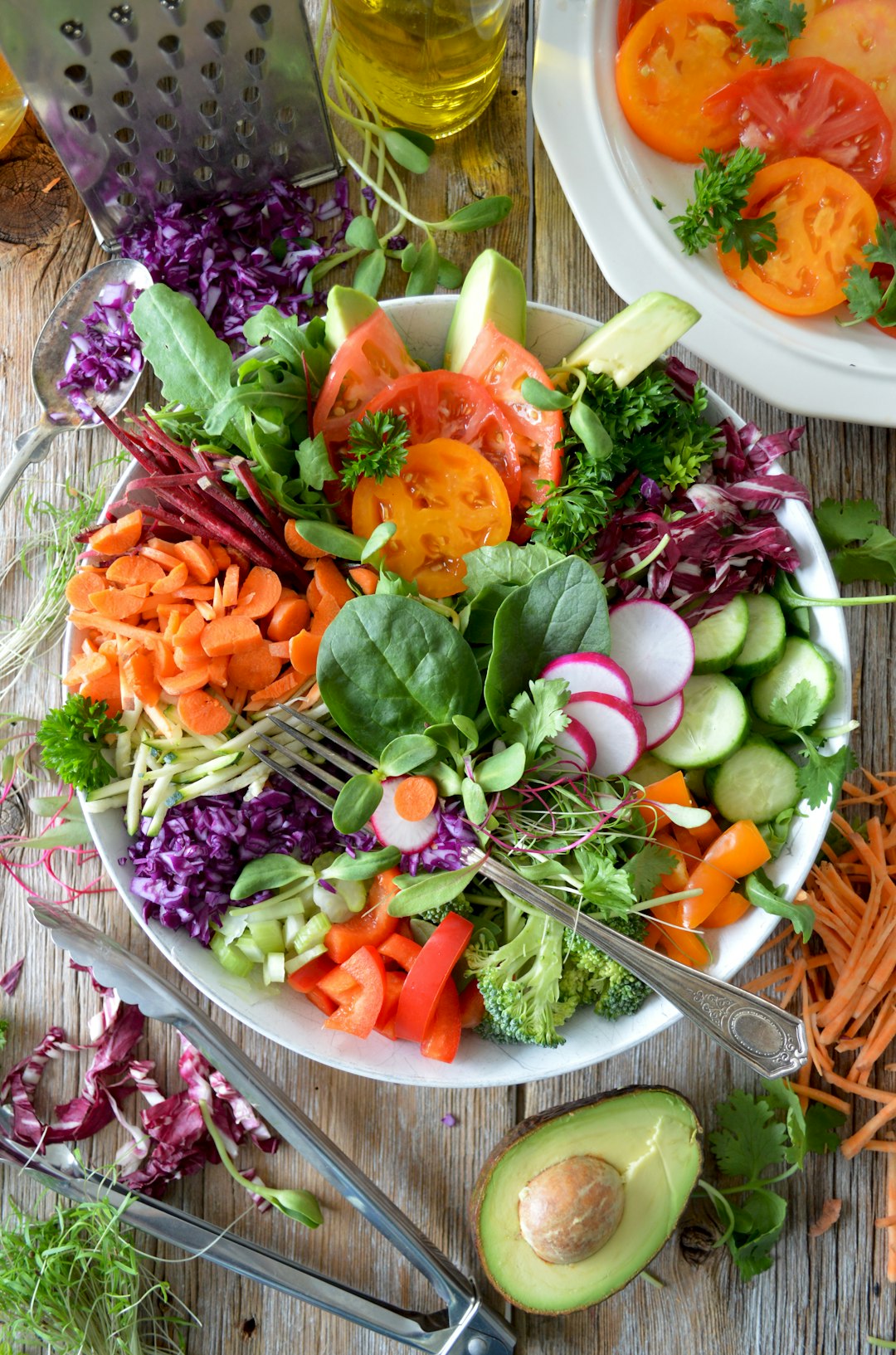
Photo by Nadine Primeau on Unsplash
Your gut is more than a place where food is broken down. It is a living ecosystem that influences energy, cravings, immunity, skin clarity, mood, and even how easily your body manages weight. That is why more people are turning to organic food and clean eating not as a trend, but as a practical way to feel better every day. When digestion is sluggish or bloated, even the healthiest intentions can feel complicated. But when your meals begin to support your microbiome instead of stressing it, nutrition starts to work with your body instead of against it.
This is where an organic diet can make a real difference. By choosing foods that are closer to their natural state, you reduce unnecessary additives while increasing the quality of the nutrients you eat. The result is not just a cleaner plate. It is often a calmer stomach, steadier appetite, and a more sustainable path to weight loss. Have you ever noticed how some meals leave you energized while others make you feel heavy or inflamed? The answer is often hidden in the relationship between fiber, freshness, fermentation, and food quality.
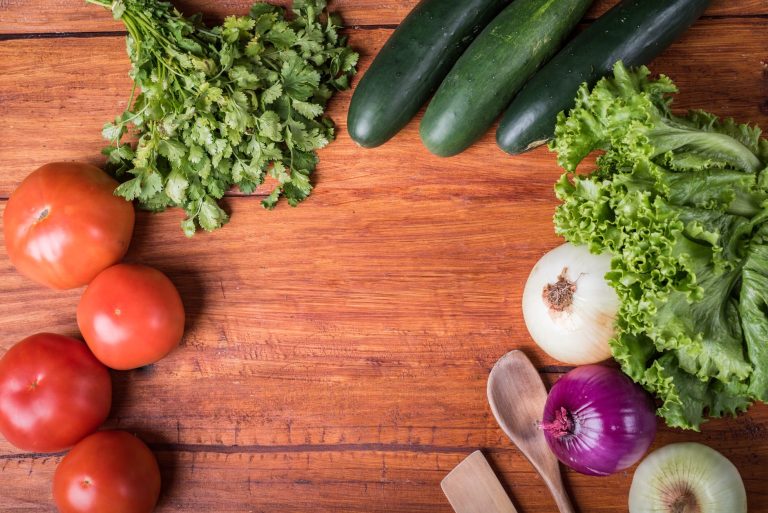
If you want a healthy lifestyle that feels elegant instead of restrictive, gut-focused clean eating is one of the smartest places to start. It does not demand perfection. It asks for consistency, thoughtful choices, and a little curiosity about how your body responds. In the following guide, you will discover which organic foods support digestion, how to build meals that nourish the microbiome, and why a better gut can be one of the most effective tools for long-term weight loss. [IMAGE: organic vegetables]
Why Gut Health Deserves a Place at the Center of Your Healthy Diet
Gut health has become a popular phrase, but it is much more than a wellness buzzword. Inside your digestive system lives a complex community of bacteria, fungi, and other microorganisms that help regulate digestion, immunity, nutrient absorption, and inflammation. When this internal community is balanced, your body tends to process food more efficiently. When it is disrupted, even a generally healthy diet can feel off. Bloating, sluggishness, irregular digestion, and unpredictable cravings are often signs that the gut needs more support.
This matters for weight loss because the gut influences appetite signals and the way your body handles energy. A digestive system that is overwhelmed by processed foods, excess sugar, or poor sleep may trigger stronger cravings and a less stable blood sugar response. A cleaner, more organic food pattern can help restore a sense of rhythm. Does every person need the same foods? Of course not. But most people benefit from meals that are easier to digest, more nutrient-dense, and less inflammatory.
The Microbiome Plays a Bigger Role Than Most People Realize
Your microbiome helps communicate with the rest of your body through hormones, immune pathways, and metabolic signals. That means the health of your gut may influence everything from how quickly you feel full to how often you reach for snacks. If you have ever felt hungry shortly after eating a meal that looked large but was low in fiber or protein, your gut may have been asking for something more balanced. Clean eating with organic ingredients can help close that gap.
A healthier microbiome tends to thrive on variety. Different plants feed different beneficial microbes, which is one reason a colorful organic food pattern is so valuable. The more diverse your produce, herbs, seeds, and fermented foods, the more support you give your digestive system. Variety is not just visually appealing. It is biologically meaningful.
Why Clean Eating Changes the Terrain
Clean eating is often described in overly simple terms, but at its best, it is a thoughtful way of reducing the burden on your system. It focuses on real ingredients, fewer additives, and more meals that resemble their original form. That does not mean every bite must be homemade or every convenience item must be banned. It means being selective. A healthy lifestyle is easier to maintain when your body feels good enough to keep going.
For many people, the shift begins with small decisions: a better breakfast, a simpler lunch, or a snack that contains actual nutrients instead of empty calories. When those choices become routine, digestive comfort often improves. From there, weight loss can feel less like a battle and more like a natural side effect of better nutrition.
The Best Organic Foods for Gut Health
Not all organic foods serve the gut in the same way, but certain categories stand out because they feed beneficial bacteria, support regularity, and help calm digestive irritation. The goal is not to chase the latest superfood. The goal is to build a plate that works with your biology. A well-designed organic diet makes that easier because it prioritizes freshness, quality, and whole-food nutrition.
Fermented Foods That Bring Beneficial Bacteria to the Table
Fermented foods are some of the most valuable additions to a gut-friendly healthy diet. They contain live cultures or fermentation byproducts that can help diversify the microbiome and improve the digestive environment. If you are new to fermented foods, begin slowly. A tablespoon or two can be enough to start.
Organic yogurt and kefir
Choose unsweetened versions made from organic milk or plant-based alternatives with live cultures. These can provide protein, calcium, and probiotics without the excess sugar that often appears in flavored products. A bowl of plain organic yogurt with berries and chia seeds is a simple, nourishing breakfast that supports clean eating and weight loss.
Sauerkraut and kimchi
These fermented vegetables add flavor, texture, and beneficial microorganisms. Look for refrigerated versions made without unnecessary preservatives. A small serving alongside eggs, grain bowls, or roasted vegetables can improve both taste and digestion. Have you ever noticed how a tangy side dish can make a meal feel more satisfying? That is flavor doing its work.
Miso and tempeh
Miso soup and tempeh are excellent options for people who want more plant-based protein in an organic diet. They are rich in umami, easy to incorporate into meals, and often gentler on the stomach than heavier protein sources. When used wisely, they can support energy without feeling overly dense.
Fiber-Rich Organic Produce That Keeps Digestion Moving
Fiber is one of the most important nutrients for gut health, yet many people do not get enough of it. Organic fruits and vegetables provide soluble and insoluble fiber, which help support bowel regularity, feed beneficial bacteria, and keep you feeling full longer. That last part matters for weight loss. A meal that includes enough fiber is often more satisfying than one that relies on refined starches.
Best fiber-rich organic foods include:
- Leafy greens such as spinach, kale, and arugula
- Cruciferous vegetables such as broccoli, Brussels sprouts, and cauliflower
- Root vegetables such as carrots, beets, and sweet potatoes
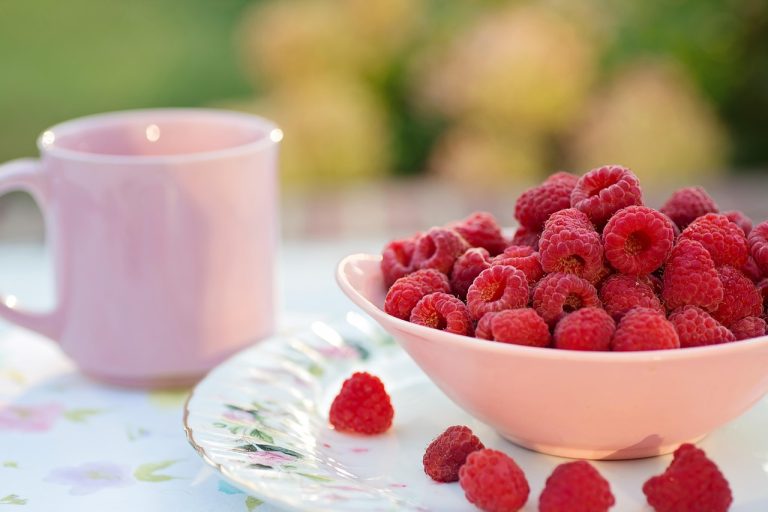
- Fruits such as apples, pears, berries, and kiwi
- Legumes such as lentils, chickpeas, and black beans
- Whole grains such as oats, quinoa, and brown rice
Many people find that the easiest way to increase fiber is to make produce the foundation of the plate, not a side note. Imagine the color and texture of a meal built around organic vegetables instead of highly processed fillers. That simple change can alter not only digestion, but also your desire to overeat later in the day.
[IMAGE: healthy meal]
Prebiotic Foods That Feed the Good Bacteria
Prebiotics are a type of fiber that feeds the beneficial bacteria already living in your gut. Unlike probiotics, which introduce live cultures, prebiotics help create the conditions those cultures need to thrive. A healthy lifestyle often depends on this two-part strategy. You need to bring in the good bacteria, and you need to feed them well.
Strong prebiotic organic food choices include garlic, onions, leeks, asparagus, artichokes, oats, green bananas, and slightly underripe bananas. These foods can be easy to add to soups, stir-fries, smoothies, and breakfast bowls. Even a few servings a week can make a noticeable difference over time.
One practical tip: if your digestive system is sensitive, introduce prebiotic foods gradually. Too much fiber too quickly can cause discomfort. Clean eating should make you feel supported, not overwhelmed.
Polyphenol-Rich Foods That Help Create a Calmer Gut Environment
Polyphenols are plant compounds found in colorful fruits, vegetables, herbs, tea, cocoa, and olive oil. They act as antioxidants and may also support microbial diversity. In simple terms, they help protect your cells while contributing to a healthier digestive environment. Organic berries, pomegranates, red cabbage, green tea, and extra-virgin olive oil are all smart additions to a gut-friendly nutrition plan.
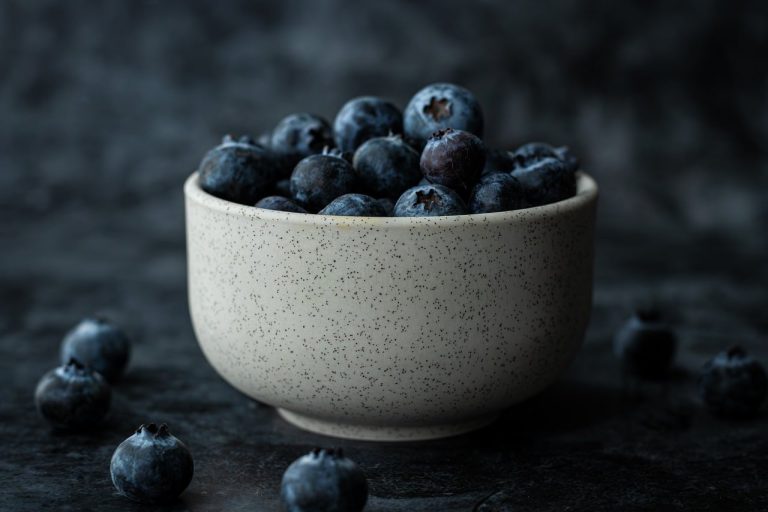
These foods are especially useful when your goal is both digestive comfort and weight loss because they tend to be nutrient-dense without being overly caloric. A handful of organic blueberries or a salad dressed with olive oil and lemon can be a small decision with a large impact.
Healthy Fats That Support the Gut Lining
Healthy fats are not the enemy of clean eating. In fact, they can help you feel satisfied and support the integrity of the gut lining. Avocados, walnuts, flaxseeds, chia seeds, olive oil, and fatty fish are valuable parts of a balanced diet. When consumed in appropriate portions, they can help stabilize meals and reduce the urge to snack constantly.
If your diet has been low in fat for a long time, you may be surprised by how much better balanced meals feel when you include them. Energy becomes steadier, cravings become less dramatic, and your body may respond more calmly to meals throughout the day.
How Organic Food Supports Clean Eating and a Healthier Lifestyle
People often choose organic food for different reasons: taste, ingredient quality, environmental values, or the desire to feel better physically. For a healthy lifestyle, the practical benefit is simple. Organic choices often encourage more whole foods and fewer ultra-processed products. That alone can make a meaningful difference in digestion, nutrition, and long-term weight loss.
Less Noise, More Nutrition
When your pantry is full of highly processed items, eating becomes reactive. You snack because the food is there. You finish meals that do not satisfy. You crave sugar because your body is chasing quick energy. Clean eating changes that pattern by bringing more intention into your routine. Organic vegetables, fresh fruit, nuts, seeds, legumes, and simple proteins help make meals more purposeful.
Does organic automatically mean healthy? Not always. Organic cookies are still cookies. But organic ingredients often make it easier to choose foods that resemble their natural form. That shift can have a real effect on how your body feels after eating.
Better Habits Start with Better Ingredients
Healthy habits are easier to maintain when the ingredients you keep at home are supportive by default. If you stock a kitchen with washed greens, organic eggs, roasted chickpeas, plain yogurt, berries, and herbs, a nutritious meal becomes the path of least resistance. If instead your kitchen is full of low-nutrient snacks, clean eating becomes much harder.
This is one reason meal prep matters so much. Preparation removes friction. It also gives you control over texture, flavor, and portion size. That control can be especially helpful for people trying to lose weight without feeling deprived.
Organic Food and Digestive Comfort
Some people report feeling lighter and less bloated when they shift toward organic food, especially when that shift is paired with fewer artificial sweeteners, emulsifiers, and additives. While everyone is different, a cleaner food supply often means fewer compounds that may irritate sensitive digestion. For people with a delicate stomach, this can be a major advantage.
Of course, the most important factor is still the overall pattern. Organic potatoes will not automatically improve your gut if they are fried and covered in heavy sauces. But baked, roasted, steamed, or lightly sautéed organic foods create a very different nutritional landscape.
Clean Eating Habits That Help the Gut Heal
Food quality matters, but so does the way you eat. Many digestive issues are made worse by rushed meals, poor hydration, irregular schedules, and constant grazing. A clean eating approach works best when it becomes a lifestyle rather than a short-term challenge. Here are the habits that can make the biggest difference.
Eat Slowly and Without Distraction
When you eat too quickly, your digestive system has less time to register fullness. This can lead to overeating, bloating, and that uncomfortable feeling of having eaten too much even when the meal was reasonable. Try setting your fork down between bites. Chew thoroughly. Ask yourself: do you actually taste the food, or are you just moving through it?
Mindful eating is not about perfection. It is about giving your body a fair chance to process what you put into it. In many cases, this alone can reduce the need for extra snacks and support healthier weight loss.
Increase Fiber Gradually
Fiber is a hero nutrient, but suddenly doubling your intake can backfire if your gut is not ready. Start with one or two additional servings of vegetables a day. Add a spoonful of chia seeds to breakfast. Choose a bowl of oats instead of refined cereal. Small increases are easier to tolerate and more likely to become permanent.
If you are drinking less water while increasing fiber, digestion may still feel sluggish. Fiber needs fluid. Think of them as partners rather than separate goals.
Stay Hydrated and Keep Moving
Hydration is one of the most underrated parts of a healthy diet. Water helps move fiber through the digestive tract and supports overall metabolism. Pair that with regular movement and your gut may respond more efficiently. You do not need intense exercise to help digestion. A brisk walk after meals, gentle stretching, or a short bike ride can be enough.
[IMAGE: fitness lifestyle]
- Start the day with a large glass of water
- Include water-rich produce such as cucumbers, melons, and citrus
- Walk for 10 to 20 minutes after eating when possible
- Limit excessive alcohol and sugary drinks that disrupt digestion
- Keep herbal teas on hand for a calming daily ritual
Make Sleep Part of Your Nutrition Plan
Sleep is not separate from gut health. Poor sleep can influence hunger hormones, cravings, and the way your body handles stress. If you are eating well but still feeling off, sleep may be part of the issue. A stable bedtime, reduced late-night snacking, and a calmer evening routine can improve digestion more than many people expect.
Think of sleep as the quiet partner of clean eating. It gives your body the space to repair, regulate, and reset.
How to Build an Organic Gut-Friendly Plate
One of the easiest ways to keep an organic diet practical is to use a simple plate formula. Instead of counting every calorie or obsessing over trends, focus on balance. A well-built meal can support digestion, provide lasting energy, and help you stay on track with weight loss goals without feeling deprived.
A Simple Plate Formula
- Half the plate: organic vegetables or a mix of vegetables and salad greens
- One quarter of the plate: lean protein such as eggs, fish, tofu, tempeh, chicken, or legumes
- One quarter of the plate: whole grains or starchy vegetables such as quinoa, brown rice, sweet potatoes, or oats
- One to two teaspoons of healthy fats such as olive oil, seeds, avocado, or nuts
This pattern works because it naturally combines fiber, protein, and healthy fats. That combination helps stabilize appetite and gives the microbiome more of what it needs. When meals are structured this way, you are less likely to need constant snacks or rely on heavily processed convenience foods.
Meal Timing Can Help Too
Some people digest better when they eat at consistent times each day. Others feel best with a lighter dinner and a more substantial breakfast. There is no single perfect schedule, but consistency often helps the digestive system settle into a rhythm. If your meals are erratic, the gut may stay in a reactive state.
Ask yourself: when do you feel your best? In the morning after a nourishing breakfast, or late at night after a rushed dinner? Your answer can guide how you structure your organic food routine.
Smart Snack Ideas That Support Nutrition
Healthy snacks can be useful when they are intentional instead of impulsive. Choose options that combine fiber and protein whenever possible. That helps prevent blood sugar swings and keeps hunger manageable.
- Apple slices with almond butter
- Plain organic yogurt with berries
- Carrot sticks with hummus
- Roasted chickpeas with herbs
- Walnuts and a few dried apricots
- Cucumber slices with avocado and sea salt
If snacks consistently make you feel worse instead of better, the issue may be timing, portion size, or food quality. Sometimes the healthiest move is not more snacking, but better-balanced meals.
Organic Foods for Weight Loss Without Deprivation
Weight loss does not require a harsh or punishing approach. In fact, the most successful plans tend to be the most sustainable. Organic food can support that sustainability by making meals more satisfying and less processed. When your plate has enough fiber, protein, and healthy fat, hunger becomes easier to manage.
Why Satiety Matters More Than Starvation
If a diet leaves you constantly hungry, it is unlikely to last. A cleaner, more nutrient-dense approach can support weight loss by improving satiety. This is one reason organic vegetables, legumes, eggs, fish, and whole grains are so powerful. They provide volume and nutrition without excessive empty calories.
Many people mistake irritation, fatigue, or cravings for a lack of willpower when the real issue is undernourishment. Once the body gets the nutrients it needs, the urge to overeat often decreases. That is not magic. That is biology.
How to Reduce Calories Naturally
Instead of counting every bite, consider where you can improve food quality:
- Replace sugary drinks with water, sparkling water, or herbal tea
- Choose roasted or steamed organic vegetables instead of fried sides
- Use smaller amounts of cheese, dressings, and sauces while increasing herbs and spices
- Build meals around protein and produce before adding starches
- Keep ultra-processed snacks out of easy reach
These changes often reduce calorie intake automatically because the foods are more filling and less engineered to override fullness cues.
Weight Loss Works Better When Digestion Is Calm
When digestion is stressed, it can be harder to make consistent food choices. A bloated or sluggish person is more likely to reach for comfort food and less likely to move much. That is why a gut-friendly organic diet can indirectly support fat loss. The better your digestion feels, the easier it is to walk, exercise, prepare meals, and stay committed.
A healthy lifestyle becomes more realistic when you are not constantly battling discomfort. That is the real value of clean eating: it makes good decisions easier to repeat.
A Sample Organic Day of Eating for Gut Health
Sometimes the best way to make a healthy diet feel practical is to see it on the plate. This sample day is not a rigid prescription. It is a model you can adapt based on your preferences, schedule, and energy needs. The goal is to combine organic food, clean eating, and nutrition in a way that feels calm and satisfying.
Breakfast
Organic yogurt topped with blueberries, chia seeds, ground flaxseed, and a small handful of walnuts. Add cinnamon for flavor and a cup of green tea or warm water with lemon.
Lunch
A large salad with organic mixed greens, roasted beets, cucumber, chickpeas, avocado, pumpkin seeds, and olive oil dressing. Add a side of quinoa or a slice of whole-grain sourdough if you want more energy.
Snack
Carrot sticks with hummus or an apple with almond butter. Keep the snack simple and satisfying rather than oversized.
Dinner
Grilled salmon or tofu with steamed broccoli, roasted sweet potatoes, and a spoonful of sauerkraut on the side. Finish with a bowl of berries if you want something sweet.
Notice how this pattern gives you fiber, protein, healthy fats, and a mix of raw and cooked vegetables. It is comforting without being heavy. It feels like food that supports the body instead of distracting it.
Common Organic Diet Mistakes That Can Slow Progress
Even the best intentions can be undermined by a few common mistakes. If your organic diet has not been helping as much as you hoped, it may not be the concept that is failing. It may simply need better structure.
Choosing Organic Junk Food Too Often
Organic chips, cookies, frozen desserts, and sweet snacks may look healthier, but they can still work against your goals if they dominate your routine. Organic ingredients do not cancel out excess sugar, low fiber, or poor satiety. Clean eating is about more than a label.
Not Eating Enough Protein
Protein is essential for maintaining muscle, supporting appetite control, and keeping meals satisfying. If your plates are mostly vegetables and carbohydrates, you may end up hungry again too soon. Organic eggs, Greek yogurt, tofu, tempeh, legumes, fish, and poultry can all help balance meals.
Forgetting That Stress Affects Digestion
Your gut does not exist in isolation. Stress can change how you digest food and how you interpret hunger. If you eat well but live in a constant state of pressure, your body may still feel unsettled. Deep breathing, walking, journaling, and slower meals can help bring the nervous system into a more digestible state.
Expecting Instant Results
Real nutrition changes often show up gradually. You may notice more energy first, then less bloating, then better appetite control, and eventually improved body composition. Sustainable weight loss is not always dramatic in the early stages, but the progress tends to last longer when it is built on good habits.
What to Look for When Buying Organic Foods
Buying organic food can feel overwhelming if you are trying to balance quality, budget, and convenience. The good news is that you do not need to buy everything organic to build a strong clean eating routine. Focus on the foods you eat most often and the produce you are least likely to peel or cook thoroughly.
Prioritize the Foods You Eat Repeatedly
If you eat apples, berries, spinach, eggs, yogurt, or oats every week, those are good candidates for organic purchases. The idea is to reduce exposure where it matters most and to keep your diet aligned with your values and health goals.
Shop Seasonally When Possible
Seasonal organic produce is often more flavorful and more affordable. It also encourages variety, which matters for the gut. If you buy the same vegetables all year, you may be missing some of the nutritional diversity your microbiome thrives on.
Check Labels with a Clear Eye
Organic labels can be useful, but they are not a substitute for reading ingredients. Look for shorter ingredient lists and fewer additives. Choose foods that support your goals rather than simply looking healthy on the shelf. A smart shopper is not just buying organic food. They are buying food that actually nourishes.
How to Make This Style of Eating Sustainable
The best healthy diet is the one you can keep doing. That means making your routine realistic, flexible, and pleasant enough to repeat. If your plan feels too strict, it will eventually break. If it feels too vague, it will never become a habit. The middle ground is where sustainable progress lives.
Start with Two or Three Anchor Meals
You do not need to overhaul every meal at once. Pick two breakfasts, two lunches, and two dinners that you genuinely enjoy and can prepare without stress. Repeat them while slowly adding new ingredients or flavors. Simplicity reduces decision fatigue and makes clean eating easier to sustain.
Keep the Kitchen Ready for Success
Wash the greens. Roast the vegetables. Cook the grains. Portion the snacks. Keep fermented foods visible in the fridge. When healthy choices are ready before hunger arrives, you are more likely to stay on track. Preparation is one of the quiet secrets of weight loss.
Allow Room for Flexibility
A healthy lifestyle is not built on perfection. It is built on returning to good habits after a meal, a day, or even a week that went off track. One indulgent dinner will not ruin your progress. What matters is the pattern that follows. Can you return to organic food, whole ingredients, and a calm routine without guilt? That ability is what makes the difference over time.
[IMAGE: fitness lifestyle]
The Bigger Picture: Gut Health, Nutrition, and a More Balanced Life
When people begin focusing on gut health, they often think they are only fixing digestion. In reality, they are usually improving much more. A gut-friendly organic diet can support clearer thinking, steadier energy, better workouts, fewer cravings, and a more peaceful relationship with food. That is why clean eating can feel so transformative when it is done well. It is not just about losing weight. It is about living in a body that feels easier to trust.
The beauty of this approach is that it does not ask you to chase extremes. You are not cutting out whole categories of nourishment or living on a list of rigid rules. You are learning how to use organic food in a way that respects your body. That is a much more intelligent path to wellness, and one that tends to hold up in the real world where work, family, stress, and cravings all exist at the same time.
If you are ready to make your meals more healing, start with one small shift today. Add a fermented food. Swap one processed snack for organic fruit and nuts. Build one plate with more vegetables than starch. These little acts may seem ordinary, but over time they can transform how you feel, how you eat, and how naturally your body moves toward balance. Keep exploring DietOrganic for more expert articles on organic food, clean eating, healthy diet strategies, and weight loss ideas that fit a modern, elegant lifestyle.
About the Author