
Photo by Couleur on Pixabay
Have you ever noticed that some meals leave you feeling light, focused, and satisfied, while others seem to trigger bloating, cravings, and an energy crash within hours? That difference is not always about calories. More often, it is about the quality of your nutrition, the state of your digestion, and how well your gut can process the food you give it. When you build your meals around organic food, you are doing more than choosing a cleaner ingredient list. You are giving your body a better chance to absorb nutrients, calm inflammation, and support a healthy lifestyle that feels sustainable rather than restrictive.
For people interested in clean eating, weight loss, and a smarter detox diet, gut health is one of the most important places to begin. A healthy gut helps regulate appetite, supports immunity, influences mood, and plays a major role in how efficiently your body uses energy. That is why organic food has become such a powerful part of modern nutrition. It is not a trend; it is a practical way to reduce exposure to unnecessary additives while filling your plate with foods that genuinely support your body. What if the secret to feeling better is not eating less, but eating in a way your gut can actually recognize and use?
Why Gut Health Matters More Than Most Diets Admit
Your gut does far more than digest dinner. It is home to trillions of microorganisms that interact with your immune system, your hormones, your metabolism, and even your cravings. When this ecosystem is balanced, digestion tends to feel easier, meals are more satisfying, and your body is better equipped to maintain steady energy. When it is out of balance, you may notice constipation, irregular appetite, bloating, poor nutrient absorption, or the frustrating feeling that healthy eating still does not seem to be working.
This is where organic food can make a meaningful difference. Many organic foods are naturally rich in fiber, antioxidants, and phytonutrients, all of which support a stronger digestive environment. Clean eating is not just about avoiding junk food; it is about choosing ingredients that help your body function more efficiently. If you are trying to lose weight, support digestion, or simply feel more comfortable after meals, your gut deserves attention before you start chasing the next diet shortcut.
The gut microbiome as a metabolic ally
Think of your microbiome as a living partner in your nutrition. The bacteria in your digestive tract help break down certain fibers, produce helpful compounds, and influence how your body responds to food. When the microbiome is fed well, it tends to produce more short-chain fatty acids, which support the gut lining and may help regulate appetite. Isn’t it interesting that the foods you choose today can influence how hungry, calm, and energized you feel tomorrow?
A diet built on organic food can encourage a more diverse and resilient microbiome, especially when it includes vegetables, fruits, legumes, seeds, and fermented foods. Diversity matters because different beneficial microbes thrive on different types of fiber. The more variety you include, the more balanced your internal ecosystem is likely to become.
When digestion is off, weight loss gets harder
Many people approach weight loss by cutting calories aggressively, but that strategy often ignores the digestive system. If your gut is inflamed or sluggish, you may feel hungrier, retain more water, or experience stronger cravings for sugar and refined carbohydrates. Digestive discomfort can also make it harder to stay consistent with exercise, sleep, and meal planning. In other words, poor digestion can quietly sabotage a healthy lifestyle.
Clean eating helps because it removes a lot of the noise from the diet. When meals are built from organic food and minimally processed ingredients, the body often has less trouble processing them. That does not mean every organic item is automatically healthy, but it does mean that the foundation of the diet becomes more nutrient-dense and less irritating to the digestive system. If weight loss has felt complicated, could your gut be asking for a simpler approach?
Best Organic Foods to Feed a Healthy Gut
Not every healthy-looking food supports digestion in the same way. Some foods feed beneficial gut bacteria, some soothe the digestive tract, and others help reduce inflammation so your body can absorb nutrients more comfortably. The smartest organic diet combines all three. When you know which foods do what, clean eating becomes less confusing and much more effective.
Fiber-rich vegetables and fruits
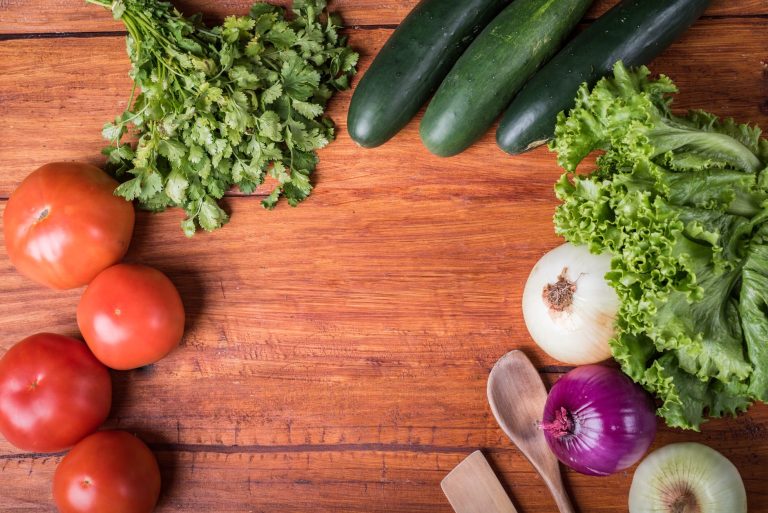
Fiber is one of the most valuable nutrients for gut health. It helps keep things moving, supports regularity, and feeds beneficial bacteria in the colon. Organic vegetables and fruits are especially helpful because they are often the backbone of a high-quality clean eating plan. Aim for a colorful mix rather than repeating the same produce every day.
- Leafy greens such as spinach, kale, and arugula
- Cruciferous vegetables like broccoli, cabbage, and Brussels sprouts
- Root vegetables such as carrots, beets, and sweet potatoes
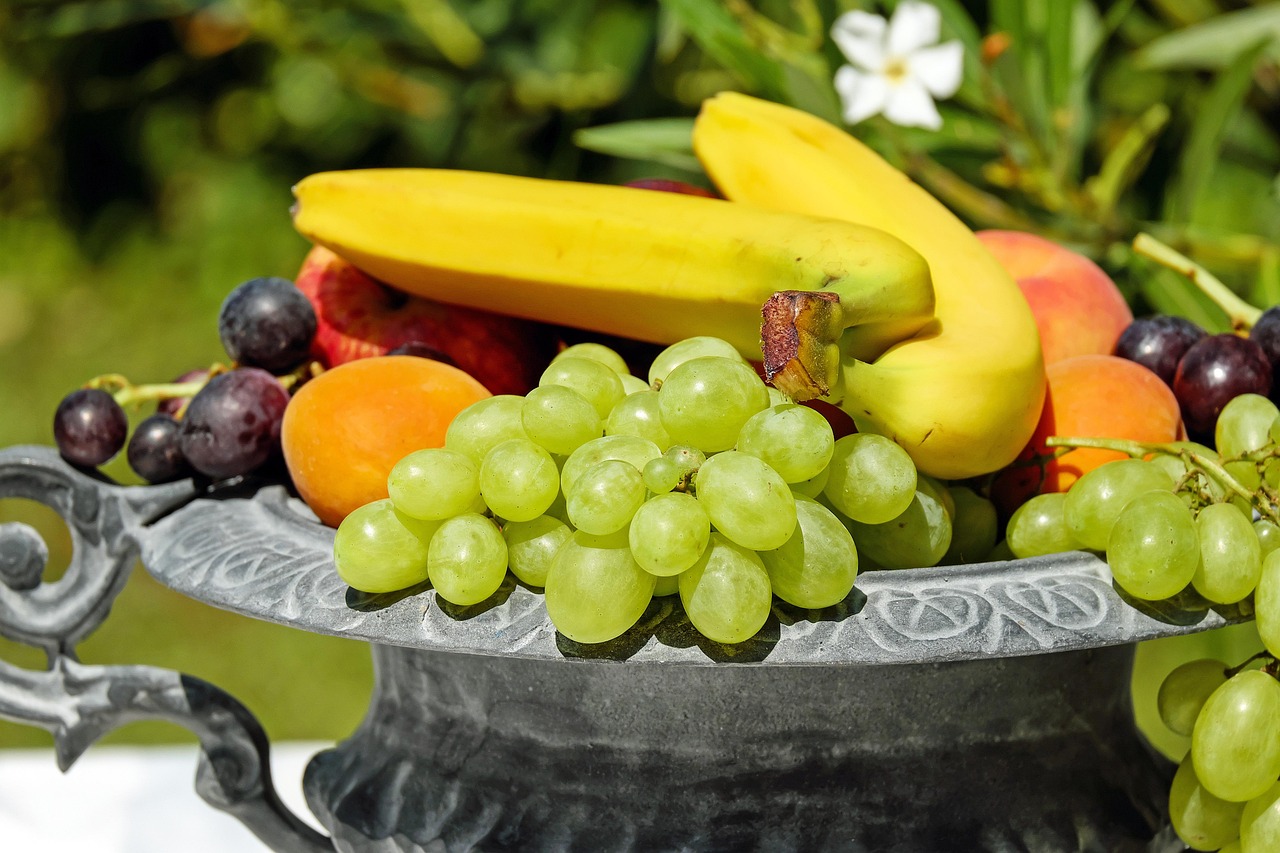
- Berries, apples, pears, and citrus fruits
- Avocados, which offer fiber and healthy fats in one package
These foods help support a more regular digestive rhythm and can make meals more satisfying. If your current diet is low in fiber, increase intake gradually and drink enough water so your gut can adapt comfortably.
Fermented foods that add beneficial bacteria
Fermented foods have a long history in traditional nutrition because they can support microbial diversity. Organic versions can be a particularly smart choice when you want a cleaner, more intentional diet. Fermented foods do not replace fiber, but they can complement it beautifully.
- Organic plain yogurt or kefir
- Sauerkraut
- Kimchi
- Miso
- Tempeh
Start small if you are new to them. A tablespoon of sauerkraut or a small serving of kefir can be enough to begin with. Too much too soon may be uncomfortable, especially if your gut is sensitive. The key is consistency, not intensity.
Gentle proteins and healthy fats
Protein and fat help stabilize blood sugar and keep you full, both of which matter for weight loss and clean eating. For some people, a meal that is too low in protein leaves them chasing snacks all afternoon. Organic eggs, wild fish, pasture-raised poultry, tofu, tempeh, seeds, and nuts can all play a role in a gut-friendly plan.
Healthy fats also help the body absorb fat-soluble vitamins, which are essential for overall nutrition. Choose foods such as olive oil, chia seeds, flaxseed, walnuts, avocado, and small portions of nut butters. These ingredients make meals more satisfying without overwhelming digestion.
[IMAGE: organic vegetables]
How Organic Food Supports Weight Loss Without Extreme Rules
Weight loss often becomes miserable when people focus only on restriction. The better question is not, How do I eat as little as possible? but rather, How do I eat in a way that keeps my body nourished, calm, and satisfied? Organic food can help answer that question because it encourages a cleaner baseline of nutrition without forcing you into deprivation.
Satiety, cravings, and blood sugar
One of the biggest reasons organic food can support weight loss is simple: it often leads to more whole, minimally processed meals. When your plate includes fiber, protein, and healthy fats, your blood sugar tends to stay more stable, which can reduce cravings and mindless snacking. Have you ever noticed that ultra-processed foods make it easy to overeat, even when you are not truly hungry?
Whole organic foods are also easier to portion in a realistic way. A bowl built from roasted vegetables, quinoa, greens, and grilled salmon feels satisfying in a way a package of refined snacks rarely does. That sense of satisfaction matters. People who feel nourished are more likely to maintain a healthy lifestyle over the long term.
Inflammation, bloating, and water retention
Some people think weight loss is always about body fat, but it is often also about how inflamed or bloated the body feels. Highly processed foods, excess sodium, and low-fiber eating patterns can make the body hold onto water and feel swollen. By contrast, a diet focused on organic food, fresh produce, and clean eating can help reduce the daily burden on digestion.
This does not mean organic food is a magic solution. It does mean that when your meals are built from fewer additives and more natural ingredients, your body may respond with greater ease. Less bloating, more regularity, and better energy can make the entire process of weight loss feel less frustrating.
A better kind of detox diet
The phrase detox diet is often used in extreme ways, but your body already has built-in detoxification systems through the liver, kidneys, lungs, and digestive tract. Instead of chasing juice cleanses or starvation plans, think of detox support as giving your body what it needs to do its job well. That means hydration, fiber, micronutrients, sleep, and consistent nutrition.
Organic food can fit naturally into this approach. Leafy greens, cruciferous vegetables, herbs, citrus, and berries all support a cleaner, more nutrient-dense pattern of eating. The result is not a dramatic reset in a weekend. It is a steady improvement in how your body feels day after day.
Build a Clean Eating Plate That Your Gut Will Love
Healthy eating becomes much easier when you stop overcomplicating it. A gut-friendly plate does not need to be perfect; it just needs balance. When each meal includes fiber, protein, and color, your body receives the kind of nutrition that supports digestion and steady energy.
The three-part formula
Use this simple framework when building meals:
- Fiber: vegetables, fruits, legumes, or whole grains
- Protein: eggs, fish, chicken, yogurt, tofu, tempeh, beans
- Healthy fat: olive oil, avocado, nuts, seeds, or tahini
When these three elements are present, meals tend to digest more smoothly and keep you full for longer. If you are working toward weight loss, this structure can help you avoid the energy roller coaster that often leads to overeating later in the day.
What a balanced breakfast can look like
Breakfast is one of the easiest places to start with clean eating because it sets the tone for the rest of the day. Instead of grabbing something sugary and refined, choose a meal that supports your gut from the first bite.
- Organic Greek yogurt with berries, chia seeds, and walnuts
- Vegetable omelet cooked in olive oil with avocado on the side
- Overnight oats with flaxseed, cinnamon, and sliced pear
- Smoothie with spinach, kefir, banana, and almond butter
These meals are simple, but they are not boring. They are nutrient-dense, satisfying, and easy to prepare even on busy mornings.
Lunch and dinner made practical
For lunch and dinner, think in terms of bowls, plates, and trays rather than complicated recipes. Simplicity often works best for digestion. A meal of roasted vegetables, protein, and whole grains can be just as elegant as a more elaborate dish, and it may leave you feeling better afterward.
- Grilled chicken with quinoa, cucumber, greens, and olive oil
- Baked salmon with roasted broccoli and sweet potato
- Tempeh bowl with brown rice, cabbage, carrots, and sesame dressing
- Lentil soup with a side salad and pumpkin seeds
Do you really need a complicated cleanse when a well-built plate can do so much more? In many cases, the answer is no.
[IMAGE: healthy meal]
Foods and Habits That Quietly Disrupt Digestion
Just as important as knowing what to eat is knowing what tends to interfere with a healthy gut. Some foods are obvious culprits, but others are less obvious. You may be eating something that appears healthy on the surface while quietly triggering bloating, cravings, or poor energy.
Common trigger foods to watch
- Highly processed packaged snacks
- Excess sugar and refined flour
- Deep-fried foods
- Artificial sweeteners for sensitive individuals
- Large amounts of alcohol
- Very high-fat meals eaten too quickly
Not everyone reacts the same way, but if your digestion feels sluggish, these are worth paying attention to. The goal is not to create fear around food. It is to become aware of patterns.
Behavioral habits that matter more than people think
Digestive discomfort is not always caused by food alone. Habits matter too. Eating while distracted, rushing through meals, drinking too little water, and sleeping poorly can all affect the way your body handles nutrition. Even the cleanest organic food may not feel great if it is eaten in a stressed, hurried state.
Try this instead:
- Sit down for meals without scrolling
- Chew each bite thoroughly
- Drink water throughout the day, not only at meals
- Leave a little space between dinner and bedtime
- Take a short walk after eating when possible
These are small changes, but they have a surprisingly large effect on digestion and energy.
A Simple Organic Detox Diet Approach Without Extremes
If you hear the phrase detox diet and immediately think of juices, fasting, and exhaustion, it may be time to redefine the idea. A smarter detox approach is about reducing the burden on your body while increasing the nutrients it receives. It is a clean eating strategy, not a punishment.
What detox really means in daily life
Your body detoxifies naturally all the time. What you can do is support that process. Choosing organic food when possible helps reduce unnecessary exposure to certain pesticides and additives, while nutrient-rich vegetables, fruits, and herbs provide the raw materials your body uses every day.
Instead of asking how to cleanse faster, ask a better question: How can I make my normal meals support my body more effectively? That shift in mindset is often the difference between a temporary detox trend and a sustainable healthy lifestyle.
Daily habits that support natural detoxification
- Eat a variety of colorful vegetables every day
- Include fiber at most meals
- Stay hydrated with water and herbal teas
- Sleep enough to allow the body to recover
- Move your body regularly with walking, stretching, or strength training
- Limit ultra-processed foods that add strain without offering much nutrition
These habits may sound basic, but basics work. In fact, they often work better than dramatic resets because they are easier to repeat.
One-Day Organic Gut-Reset Template
Sometimes the easiest way to start is to see a full day laid out in a practical format. This is not a rigid meal plan. It is a template you can adapt based on your preferences, appetite, and schedule.
Morning
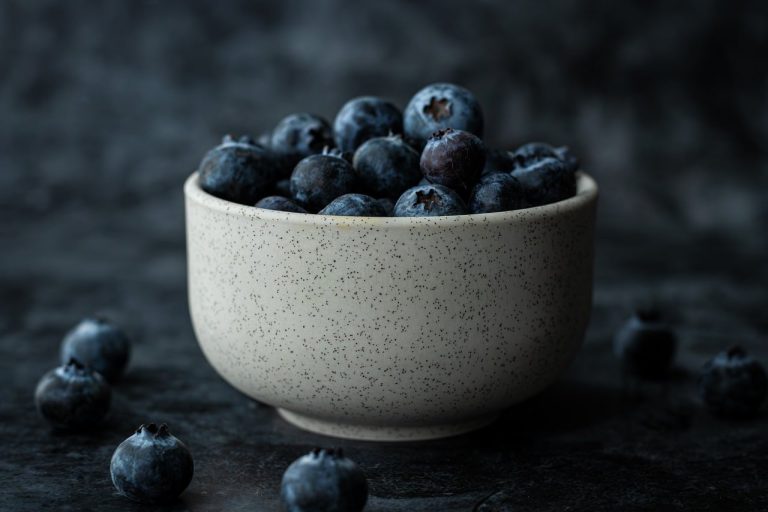
Breakfast: Organic yogurt with blueberries, chia seeds, and ground flaxseed. Add a sprinkle of cinnamon for flavor and a few walnuts for crunch.
Drink: Water or warm lemon water if that feels good to you.
This kind of breakfast supports both gut health and weight loss because it combines protein, fiber, and healthy fats in one easy meal.
Midday
Lunch: A large salad made with leafy greens, cucumber, carrots, roasted chickpeas, avocado, and grilled chicken or tofu. Use olive oil and lemon as a simple dressing.
Optional snack: An apple with almond butter or a small handful of pumpkin seeds.
This lunch delivers color, crunch, and balance. It also helps prevent the afternoon slump that can lead to grazing on refined snacks.
Evening
Dinner: Baked salmon or tempeh with roasted broccoli, zucchini, and sweet potato. Add a side of sauerkraut if you enjoy fermented foods.
Drink: Unsweetened herbal tea after dinner, especially if you are trying to wind down and improve sleep.
Dinner does not need to be complicated to be effective. In fact, simpler meals are often easier on the digestive system at night.
Why this template works
Every part of the day has a purpose. The breakfast stabilizes appetite. Lunch provides fiber and protein. Dinner supports recovery without overloading the gut. When your meals are this balanced, clean eating becomes less about willpower and more about rhythm.
How to Shop for Organic Food on a Realistic Budget
One of the most common objections to organic food is cost. That concern is understandable, but there are practical ways to make it more affordable. You do not need to buy everything organic all at once. You just need to prioritize wisely.
What to prioritize first
Start with the foods you eat most often and the produce you are more likely to eat raw. Those items usually give you the most value. For many shoppers, that means buying organic versions of:
- Berries
- Leafy greens
- Apples
- Milk and yogurt
- Eggs
- Oats
Frozen organic vegetables and fruits can also be a smart budget choice. They are convenient, often less expensive, and still support a nutrient-rich diet.
Smart swaps that make clean eating easier
- Buy seasonal produce instead of out-of-season items
- Choose store-brand organic staples when available
- Cook grains and legumes in batches
- Use herbs and spices to add flavor without heavy sauces
- Keep a few reliable meals on repeat so groceries stay manageable
Healthy eating should not feel elite or unreachable. With a little planning, organic food can fit into a realistic budget and still support digestion and weight loss.
Common Mistakes to Avoid on a Clean Eating Plan
Even good intentions can go off track. A clean eating lifestyle works best when it is balanced, flexible, and grounded in nutrition rather than obsession. Some of the most common mistakes are surprisingly easy to fix once you notice them.
Eating too little fiber
People often focus on protein and forget fiber, but fiber is essential for gut health. Without enough of it, the digestive system can slow down, and beneficial bacteria may have less fuel to work with. Try to include vegetables or fruit at every meal, and add seeds, legumes, or whole grains where appropriate.
Over-restricting in the name of health
Clean eating is not supposed to feel punishing. If you remove too many foods too quickly, stress hormones may rise, cravings may become stronger, and your relationship with food may suffer. Ask yourself: Is this plan helping me feel more grounded, or is it making food feel like a problem to solve?
A better strategy is to add more nutrient-dense organic food before obsessing over what must be eliminated. That approach is more sustainable and usually more effective for long-term weight loss.
Ignoring sleep, movement, and stress
No nutrition plan works in isolation. Poor sleep can increase hunger hormones and make cravings more intense. A sedentary routine can slow digestion. Chronic stress can affect the gut-brain connection and make even healthy meals feel harder to tolerate. This is why a true healthy lifestyle includes more than food.
Try to build support around your meals with regular movement, enough sleep, and a little daily breathing space. A ten-minute walk can do more for digestion than another strict rule ever will.
[IMAGE: fitness lifestyle]
How to Make This Lifestyle Feel Natural
The best nutrition plan is the one you can actually repeat. That is why the most successful approach to organic food and clean eating is not perfection; it is consistency. You do not need to buy every item organic, cook elaborate meals daily, or eliminate every food you enjoy. You need a dependable structure that helps your gut feel calm and your mind feel clear.
Start with one meal. Then one grocery list. Then one week. Replace one processed snack with fruit and nuts. Swap one heavy takeout meal for a homemade bowl. Add a fermented food a few times a week. These choices look small in isolation, but together they change the way your body experiences food. Over time, your energy improves, your digestion becomes more predictable, and weight loss can happen in a way that feels far less forced.
If you are ready to make clean eating feel elegant instead of complicated, let organic food be the simple foundation that supports your nutrition, your confidence, and your healthy lifestyle. And if you want more practical guidance on gut-friendly meals, detox diet ideas, and balanced weight loss strategies, explore more articles on DietOrganic and keep building the version of healthy eating that actually works for your life.
About the Author