
Photo by ka_re on Pixabay
Gut health has become one of the most important conversations in modern nutrition, and for good reason. When digestion is working well, everything feels easier: meals sit lighter, energy stays steadier, cravings become more manageable, and a healthy lifestyle feels far more sustainable. If you have ever wondered why one eating pattern seems to leave you refreshed while another leaves you bloated, sluggish, or constantly hungry, the answer often starts in the gut. That is where organic food, clean eating, and mindful nutrition can make a real difference.
There is no magic food that transforms digestion overnight, but there are smart choices that support the body in powerful ways. Organic foods can be a valuable part of a gut-friendly routine because they often align with a cleaner plate, a simpler ingredient list, and a lower exposure to unnecessary additives. When your meals focus on fiber, antioxidants, healthy fats, and naturally fermented options, your digestive system gets the support it needs to function at its best. Could the right organic foods help you feel lighter, reduce discomfort, and even make weight loss more achievable? For many people, the answer is yes.
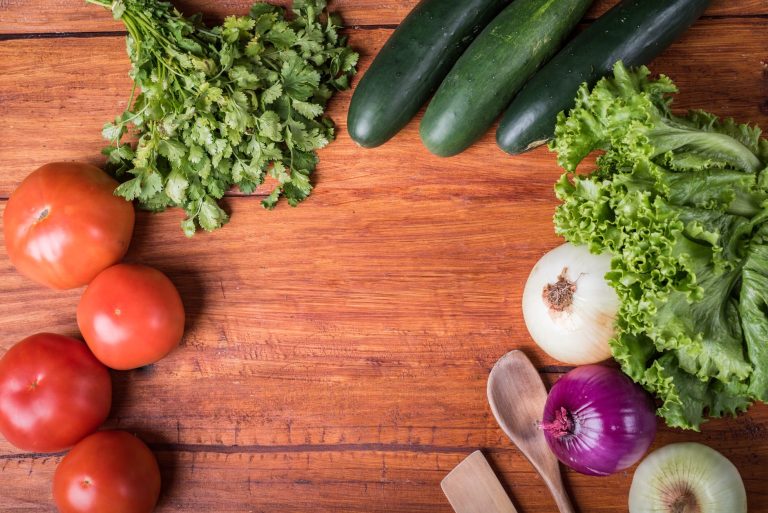
[IMAGE: organic vegetables]
Why Gut Health Matters in a Clean Eating Lifestyle
The digestive system does much more than process food. It helps absorb nutrients, supports the immune system, influences metabolism, and even affects mood and appetite. A healthy gut can make a noticeable difference in everyday life, especially if you are trying to maintain weight loss, reduce bloating, or build a more energized healthy lifestyle. When the gut is balanced, digestion tends to be smoother and nutrient absorption improves, which means your body can better use the foods you eat.
Clean eating is especially valuable here because the gut often responds better to simple, whole foods than to heavily processed products. Highly refined ingredients, excess sugar, artificial additives, and low-fiber meals can all challenge digestion. Organic food does not automatically make every meal healthy, but it often helps people move toward more whole-food eating patterns that naturally benefit the gut. Isn’t it easier to stay on track when your food already tastes like nature intended?
What a Healthy Gut Supports
A well-fed digestive system can influence many parts of health, including:
- Regular digestion: More consistent bowel movements and less sluggishness after meals.
- Nutrient absorption: Better use of vitamins, minerals, and antioxidants from food.
- Craving control: More stable appetite signals and fewer sugar crashes.
- Immune support: A significant portion of immune activity is linked to the gut environment.
- Weight management: A balanced digestive system can support healthy metabolism and satiety.
When these systems work together, nutrition feels less like restriction and more like intelligent self-care.
The Best Organic Foods for Gut Health
Not all foods affect digestion in the same way. Some nourish the beneficial bacteria in your gut, while others simply move through the body without offering much support. If your goal is better digestion, less bloating, and a more effective detox diet style of eating, focus on organic foods that are rich in fiber, fermentation, hydration, and plant diversity.
1. Organic Fermented Foods
Fermented foods are among the most valuable choices for gut support because they contain naturally occurring beneficial bacteria. These foods can help diversify the gut microbiome, which is important for digestion and immune health. Look for organic versions when possible to keep the ingredient list as clean as possible.
Examples include:
- Organic sauerkraut
- Organic kimchi
- Organic unsweetened yogurt
- Organic kefir
- Miso made from simple organic ingredients
A small serving can be enough to begin. If you are new to fermented foods, start slowly and observe how your body responds. Some people feel better introducing them gradually, especially if they are not used to probiotic-rich foods.
2. Organic Leafy Greens and Cruciferous Vegetables
Leafy greens and cruciferous vegetables are the backbone of a clean eating approach. They provide fiber, plant compounds, and essential nutrients that can support digestion and overall wellness. Organic spinach, kale, arugula, broccoli, cauliflower, Brussels sprouts, and cabbage all belong on a gut-friendly plate.
Why do they matter so much? Fiber helps move food through the digestive tract, while certain plant compounds may support healthy microbial diversity. Broccoli and cabbage also fit beautifully into a detox diet because they are naturally rich in compounds associated with the body’s detoxification pathways. That does not mean they
About the Author