
Photo by thebittenword.com on Openverse
When people talk about improving their health, they often begin with calories, workout plans, or the latest supplement trend. Yet the real starting point for lasting change is usually far simpler: the food you eat every day and how that food supports your digestion. A gut-friendly approach built around organic food can help create a healthier relationship with eating, make clean eating feel more natural, and support weight loss in a way that feels steady rather than extreme. Isn’t that the kind of nutrition plan most people are truly looking for?
Digestive comfort affects almost everything. Energy, skin clarity, appetite control, mood, and even motivation can shift when your gut is in a better place. That is why so many people are turning toward a healthy diet built on organic food, fresh produce, and less processed ingredients. When your meals are easier to digest and more nutrient-dense, your body can spend less time fighting against food and more time using it well.
The best part is that this does not require a perfect lifestyle or a pantry filled with hard-to-find products. A practical gut-health routine can be simple, satisfying, and realistic. It can include everyday organic vegetables, fermented foods, fiber-rich fruits, and balanced meals that support a healthy lifestyle without feeling restrictive. If you have ever wondered why some diets leave you bloated, tired, and frustrated while others seem to create a calm, energized rhythm, the answer often starts in the gut.
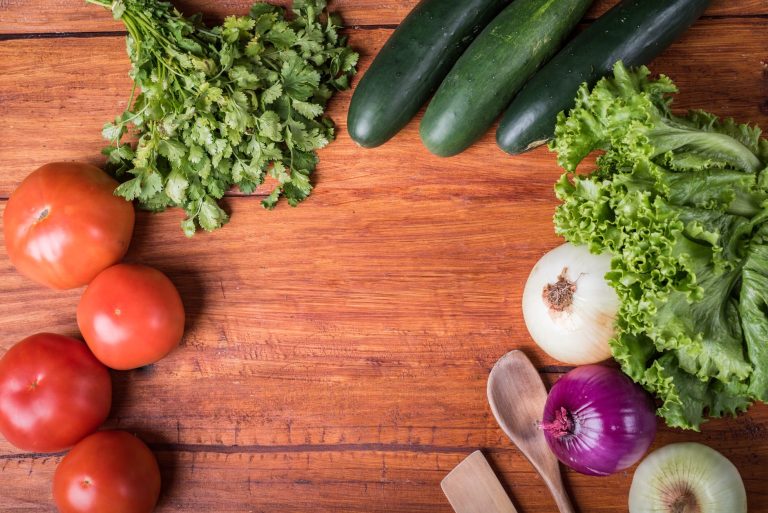
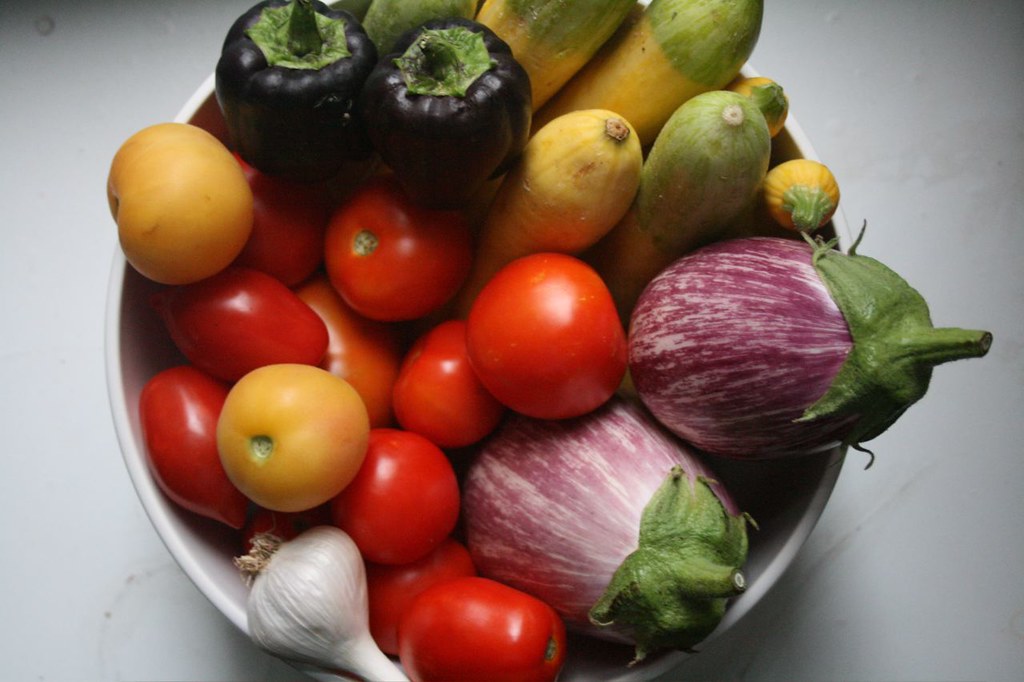
[IMAGE: organic vegetables]
Why Gut Health Changes the Way You Experience Food
Your digestive system is not only responsible for breaking down meals. It also interacts with your immune system, hormone balance, and appetite signals. In practical terms, that means your gut can influence how full you feel after eating, how quickly cravings return, and how much energy you have throughout the day. When digestion is sluggish or irritated, even a healthy diet can feel uncomfortable. When it is supported, organic food and clean eating habits often feel easier to maintain.
A balanced gut microbiome, the community of bacteria living in your digestive tract, helps process fiber, produce beneficial compounds, and protect the lining of the intestines. This is why nutrition experts often speak about gut health as the foundation of overall wellness. It is not a trend. It is a core part of how your body manages nourishment. And yes, it can also play a role in weight loss because a healthier digestive system often makes it easier to stay satisfied and less likely to reach for random snacks out of fatigue or discomfort.
What Happens When Digestion Is Working Well?
When digestion is in a better rhythm, people often notice that meals feel lighter, bloating decreases, and energy becomes more stable. They may also find that their hunger cues are easier to trust. Instead of feeling pulled into an endless cycle of cravings, they can build a more intuitive relationship with food. That is one reason organic food is so often linked with clean eating and long-term healthy lifestyle habits. The goal is not only to eat less, but to eat better and feel better after each meal.
- More regular digestion and better bowel movement consistency
- Reduced bloating after meals
- Improved satiety and fewer sugar crashes
- Better energy for work, exercise, and daily routines
- A calmer approach to weight loss and nutrition
These changes may sound subtle at first, but over time they shape how sustainable your healthy diet becomes. Have you ever noticed that when your breakfast feels too heavy, the rest of your day begins to unravel? Gut-friendly meals can help prevent that pattern.
Why Organic Food Can Be a Smart Choice
Organic food is not magic, and it is not the only way to eat well. Still, it offers several advantages that make it appealing for people focused on clean eating. Organic produce is grown without many of the synthetic pesticides commonly used in conventional farming, and organic packaged foods typically contain fewer artificial additives. That can matter if you are trying to simplify your diet and reduce the number of ingredients your body must process.
Many people also find that organic food encourages more mindful shopping. Once you start choosing fresher ingredients, reading labels carefully, and cooking at home more often, your healthy lifestyle improves in ways that go beyond the plate. You are not just buying food. You are building a routine. And a routine is what turns nutrition goals into real habits.
The Organic Foods That Support a Happier Gut
If you want to build a gut-friendly plate, start with a few reliable categories rather than chasing the most expensive superfoods. The most effective foods for digestion are often the ones that provide fiber, beneficial bacteria, hydration, and balanced energy. Organic food shines here because many of these items are simple, fresh, and easy to prepare.
Fermented Foods That Bring Beneficial Cultures to the Table
Fermented foods are among the most valuable additions to a gut-focused healthy diet. They contain naturally occurring or added live cultures that may help maintain a balanced microbiome. The key is to choose versions with quality ingredients and minimal added sugar. If you are new to fermented food, start slowly. A small serving can be enough at first, especially if your digestive system is sensitive.
- Organic plain yogurt with live cultures
- Organic kefir, especially unsweetened varieties
- Sauerkraut made with simple ingredients
- Kimchi with low sugar and no unnecessary additives
- Miso in soups or dressings
- Tempeh as a protein-rich fermented option
What to Look for on the Label
When shopping for fermented foods, look for live and active cultures, short ingredient lists, and little to no added sugar. If a product contains more sweeteners than beneficial ingredients, it may not support your clean eating goals as well as you expect. Ask yourself: is this food working with your body, or simply tasting healthy on the surface?
Fiber-Rich Organic Produce That Feeds Good Bacteria
Fiber is one of the most important nutrients for gut health because it helps move food through the digestive tract and feeds the bacteria that support your microbiome. Organic vegetables and fruits are especially helpful here because they can be eaten in generous portions and prepared in countless ways. The best fiber strategy is not to force huge changes overnight, but to add more variety gradually.
Some of the most reliable organic food choices for digestion include leafy greens, carrots, beets, apples, pears, berries, artichokes, asparagus, and sweet potatoes. These foods provide both soluble and insoluble fiber, which work differently but complement each other beautifully. Soluble fiber can help create a more stable digestive environment, while insoluble fiber adds bulk and helps keep things moving.
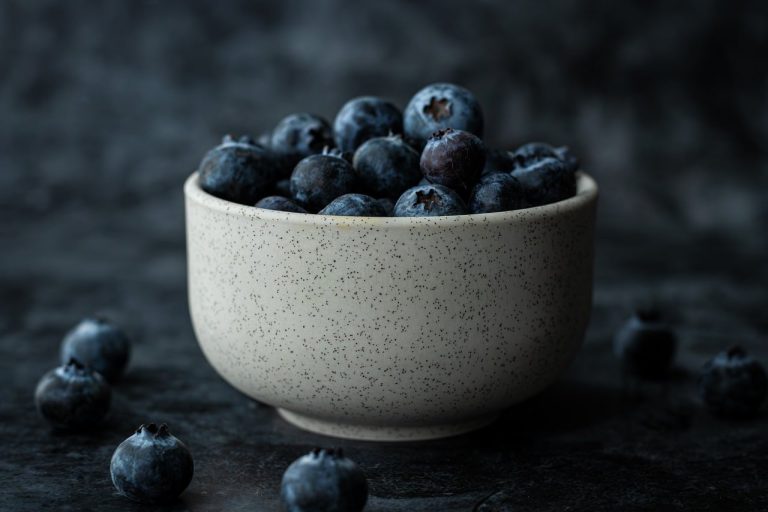
- Berries for antioxidants and gentle fiber
- Apples for pectin and natural sweetness
- Leafy greens for minerals and volume
- Carrots and beets for easy roasting and meal prep
- Asparagus and artichokes for prebiotic support
- Sweet potatoes for comforting, steady energy
If you are following a clean eating plan for weight loss, these foods are especially useful because they add volume without creating the heavy feeling that often comes from ultra-processed meals. They help you feel fed, not stuffed.
Prebiotic Foods That Nourish the Microbiome
Prebiotics are not the same as probiotics. While probiotics are the live beneficial cultures found in fermented foods, prebiotics are the fibers and compounds that feed those cultures. In other words, if probiotics are the seeds, prebiotics are the fertilizer. Without both, your gut health plan may feel incomplete.
Common organic prebiotic foods include onions, garlic, leeks, oats, flaxseed, chia seeds, green bananas, and Jerusalem artichokes. These foods are easy to add to everyday cooking. A handful of oats at breakfast, a spoonful of flax in a smoothie, or a garlicky vegetable soup at dinner can quietly support digestion all day long.
A Simple Prebiotic Habit
Instead of trying to overhaul your pantry, build one prebiotic habit each week. Maybe it is oats in the morning, roasted onions at lunch, or chia in an afternoon snack. Small changes are easier to keep, and consistency matters more than perfection.
Healthy Fats and Proteins That Keep Meals Balanced
Gut health is not only about fiber. Your digestive system also benefits from meals that include enough protein and healthy fats to stabilize blood sugar and prevent energy dips. Organic eggs, plain Greek yogurt, organic tofu, tempeh, chia seeds, avocados, walnuts, and extra-virgin olive oil can all fit comfortably into a clean eating routine.
Why does this matter for weight loss? Because meals built from balanced nutrition are more satisfying. When you feel satisfied, you are less likely to graze on snacks between meals or reach for sugar to keep yourself going. A thoughtful organic food plate can help you feel both nourished and in control.
How to Build a Clean Eating Plate That Supports Digestion
A gut-friendly meal does not need to be complicated. In fact, the best meals are often the simplest. Think fresh ingredients, gentle cooking methods, and smart combinations of protein, fiber, and healthy fat. If you are trying to maintain a healthy diet while managing a busy schedule, this approach can make everyday eating much more manageable.
The Easy Formula for Every Main Meal
A reliable structure helps remove the guesswork from clean eating. One of the most practical methods is to build each meal around a simple balance of vegetables, protein, and smart carbohydrates. It keeps energy steady and supports digestion without requiring you to count every bite.
- Half the plate: organic vegetables or a mixed salad
- One quarter: protein such as eggs, tofu, tempeh, yogurt, beans, or chicken
- One quarter: slow-digesting carbohydrates such as oats, quinoa, brown rice, or sweet potatoes
- Include a small amount of healthy fat like avocado, olive oil, seeds, or nuts
This is where clean eating becomes practical rather than restrictive. You do not need a list of forbidden foods to build better habits. You need a formula that works when life is busy.
Breakfast Ideas for Better Morning Digestion
Breakfast sets the tone for the day. If your first meal is too sugary or too heavy, you may feel scattered, hungry, or sluggish within a few hours. Organic breakfast ideas that support gut health are usually simple, warm, and satisfying. They also work beautifully for people focused on weight loss because they help reduce mindless snacking later on.
- Organic oatmeal with chia seeds, berries, and cinnamon
- Plain organic yogurt with flaxseed, kiwi, and walnuts
- Vegetable omelet with spinach, herbs, and avocado
- Green smoothie made with organic greens, banana, ginger, and protein
A question worth asking is this: does your breakfast leave you energized, or does it force your body into a sugar roller coaster before the day has even begun?
Lunch Ideas That Feel Light but Satisfying
Lunch should be satisfying enough to carry you through the afternoon without creating that heavy, sleepy feeling many people know too well. A balanced organic lunch can be a grain bowl, a soup, a salad with protein, or a simple wrap loaded with vegetables and healthy fats.
- Quinoa bowl with roasted vegetables, chickpeas, and tahini
- Chicken or tofu salad with mixed greens, cucumber, seeds, and olive oil
- Lentil soup with carrots, celery, garlic, and herbs
- Brown rice bowl with kimchi, avocado, and steamed greens
[IMAGE: healthy meal]
Notice how these meals rely on real food rather than packaged shortcuts. That is often what makes a clean eating pattern feel so different. You are no longer trying to decode a label. You are simply eating ingredients that look like food.
Dinner Choices That Support Nighttime Digestion
Dinner is a useful place to keep things especially gentle. Large, greasy meals late at night can disrupt sleep and leave you feeling heavy the next morning. Instead, choose organic foods that are cooked simply and paired thoughtfully. Roasted vegetables, soups, sautéed greens, and lean proteins are all helpful options.
- Roasted salmon or tofu with steamed broccoli and carrots
- Vegetable soup with lentils and herbs
- Stir-fried greens with garlic, mushrooms, and brown rice
- Sweet potato with Greek yogurt, seeds, and sautéed spinach
If your evenings are often stressful, a lighter dinner can also support a calmer nervous system. And that matters, because digestion and stress are closely connected. Have you ever noticed that tense days seem to settle in your stomach? Food choices and stress management often work hand in hand.
Organic Foods and the Weight Loss Connection
Weight loss becomes much more achievable when meals are satisfying, easy to digest, and consistent. Organic food does not automatically create fat loss, but it can make the process more natural by reducing unnecessary additives, supporting fullness, and helping you build a repeatable routine. That is a very different experience from crash dieting, where energy drops and hunger rises.
Gut health plays an important role in this process because a comfortable digestive system helps people stay on track. When bloating, sugar cravings, and irregular eating patterns are less intense, it is easier to make decisions that support progress. In other words, the digestive side of nutrition can influence the emotional side too.
Why Gut-Friendly Meals Can Support Fat Loss
Many people find that once they increase fiber, protein, and water-rich organic produce, their appetite becomes easier to manage. This is because these foods tend to be more filling without being calorie-dense in the same way that processed snacks are. They also encourage slower eating, especially when the meals are cooked at home and eaten mindfully.
- Higher satiety from fiber and protein
- Fewer spikes and crashes in blood sugar
- Less reliance on convenience foods
- Better portion awareness
- More stable energy for movement and exercise
[IMAGE: fitness lifestyle]
Weight loss is often framed as a discipline problem, but many people are actually dealing with inconsistent meals, poor digestion, and low energy. Once those pieces improve, healthier choices start to feel less forced. That is one reason a gut-focused clean eating plan can be so effective.
A Healthier Relationship with Snacks
Snacking is not the enemy. The issue is usually what, when, and why you snack. If you are reaching for food because you are tired, stressed, or undernourished, your body may be asking for a more balanced meal rather than another quick bite. Organic snacks can fit beautifully into a healthy lifestyle when they are used intentionally.
- Apple slices with almond butter
- Carrots with hummus
- Organic yogurt with berries
- A handful of walnuts and pumpkin seeds
- Roasted chickpeas
These options are more likely to support nutrition rather than simply occupy the moment. They can also keep you from arriving at dinner ravenous, which is often when overeating happens.
What to Limit When You Want Better Digestion
Part of clean eating is knowing what to reduce, not in a punitive way, but in a thoughtful one. Certain foods can make digestion harder, especially if they are eaten frequently or in large portions. The good news is that you usually do not need to eliminate everything. You simply need to become more aware of patterns and triggers.
Foods That Can Quietly Disrupt the Gut
- Ultra-processed snacks with long ingredient lists
- Very high amounts of added sugar
- Artificial sweeteners that upset sensitive stomachs
- Deep-fried foods eaten often
- Alcohol in excess
- Large servings of highly refined grains with little fiber
Some people also react to foods that are generally considered healthy when they are introduced too quickly. For example, a sudden jump in fiber can cause gas or bloating. That does not mean fiber is a problem. It means the body needs time to adapt.
When Healthy Foods Are Too Much Too Fast
This is one of the most overlooked aspects of gut health. A person can eat excellent organic food and still feel uncomfortable if the transition is too abrupt. More vegetables, more fermented foods, and more whole grains can all be beneficial, but the digestive system often prefers gradual change. If you are making a clean eating shift, increase one thing at a time.
Gentle Progress Works Better
Try adding one extra serving of vegetables per day first. Once that feels easy, add a fermented food a few times a week. Later, increase fiber or adjust meal timing. This measured approach is more sustainable than a dramatic detox diet that leaves you feeling deprived.
A Gentle Detox Diet Mindset Without Extreme Rules
The phrase detox diet can mean many things, and not all of them are helpful. Your body already has built-in systems for detoxification, especially through the liver, kidneys, gut, and skin. What you can do is support those systems with better food choices, adequate hydration, and enough rest. That is far more effective than a harsh cleanse.
A sensible detox-style reset focuses on organic food, high-quality hydration, and simpler meals. The goal is not to starve the body into submission. It is to remove some of the noise and give digestion a calmer environment. That approach fits clean eating beautifully because it emphasizes nourishment over restriction.
What a Supportive Reset Looks Like
- Choose organic vegetables and fruits at most meals
- Drink water regularly throughout the day
- Include fermented foods in small portions
- Cook simply with olive oil, herbs, and spices
- Reduce packaged snacks and sugary drinks
- Get enough sleep to support recovery
A reset like this can be especially useful after travel, holiday eating, or a stretch of stress. It helps restore rhythm without guilt. And who does not need a reset occasionally?
A One-Day Organic Reset Menu
If you want something practical, try this structure for a day centered on gut comfort and clean eating. It is not a strict detox diet. It is simply a cleaner, calmer day of nutrition.
- Morning: Warm water, then organic oatmeal with berries and chia seeds
- Midday: Salad with leafy greens, cucumber, avocado, chickpeas, and olive oil
- Snack: Plain yogurt with flaxseed or a small apple with nuts
- Evening: Vegetable soup with lentils and a side of steamed greens
This is the kind of routine that often feels surprisingly satisfying. There is enough food to feel nourished, but not so much complexity that the digestive system becomes overwhelmed.
Organic Meal Prep Ideas for a Busy Week
Healthy habits are much easier to maintain when the food is ready to use. Meal prep can be one of the most effective tools for anyone trying to keep a healthy diet, support digestion, and stay consistent with weight loss goals. A little preparation on Sunday or Monday can make the rest of the week feel almost effortless.
Prepare These Staples in Advance
- A tray of roasted organic vegetables
- A pot of quinoa, brown rice, or oats
- Washed and chopped leafy greens
- A simple homemade dressing with olive oil and lemon
- Protein sources such as boiled eggs, baked tofu, or grilled chicken
- Small containers of fermented foods for easy portions
With these basics in the fridge, you can build meals quickly without relying on takeout or processed convenience foods. That alone can improve digestion, reduce stress, and make clean eating far less intimidating.
Batch-Cook in a Way That Actually Helps You
Meal prep should feel supportive, not exhausting. Choose two or three recipes that share ingredients so shopping stays simple. For example, one batch of roasted carrots, zucchini, and onions can work in salads, soups, and grain bowls. One container of cooked lentils can become soup one night and a salad topper the next.
The less decision fatigue you feel, the easier it is to maintain your healthy lifestyle. Food should serve your life, not complicate it.
Common Gut Health Mistakes to Avoid
Many people start with enthusiasm and then wonder why they still feel uncomfortable or do not see the results they expected. Often, the issue is not the idea of organic food or clean eating. It is the way the plan is executed. Here are some of the most common mistakes that can slow progress.
Skipping Protein Because You Are Focused on Vegetables
Vegetables are essential, but meals built only around produce can leave you hungry and unstable later. Protein helps with fullness, muscle maintenance, and steadier blood sugar. If you are working toward weight loss, do not overlook it.
Changing Everything at Once
Your body appreciates rhythm. Switching to a new detox diet, adding lots of fiber, cutting sugar, and increasing exercise all in the same week can create too much stress. Which change matters most right now? Start there.
Ignoring Sleep and Stress
Gut health is not only about food. Stress can affect digestion just as strongly as a poor meal can. Sleep helps regulate appetite and support recovery, while chronic stress may increase bloating and cravings. If your routine is chaotic, even the best nutrition plan may feel harder than it should.
Assuming Expensive Means Better
Not every premium product is better for your body. A simple bowl of organic oats with berries can be more supportive than a costly snack bar loaded with syrups and oils. Good nutrition often comes from the basics done consistently.
How to Make Organic Food Sustainable Instead of Restrictive
One of the biggest mistakes in healthy eating is turning it into a temporary project. A truly healthy lifestyle is not built on constant rules, but on habits that fit your reality. Organic food should make your life feel clearer, calmer, and more enjoyable, not more complicated.
So how do you keep it sustainable? Buy the organic items that matter most to you, cook in ways you enjoy, and leave space for flexibility. That could mean choosing organic produce for the foods you eat most often while being more flexible with others. It could mean focusing on local markets, seasonal ingredients, or simple recipes you actually want to repeat.
- Prioritize produce that you use frequently
- Build repeatable meals instead of chasing novelty
- Keep a few quick snacks on hand for busy days
- Allow room for imperfect meals without guilt
- Pay attention to how foods make you feel, not just how they look on paper
When people ask what the best healthy diet is, the honest answer is often the one they can continue. That is what gives organic food its lasting value. It can be simple, nourishing, and adaptable enough to support you through different seasons of life.
Bringing It All Together on the Plate
Imagine your meals as a series of small decisions that either support or stress your digestive system. A breakfast with fiber and protein, a lunch built around organic vegetables, a dinner that is lighter and easier to digest, and a few smart snacks during the day can create a surprisingly powerful shift. You do not need perfection. You need consistency.
That consistency is where the benefits of clean eating begin to show up. Better digestion often leads to better energy. Better energy supports more movement. More movement can help with weight loss. And when all of those pieces start to align, your healthy lifestyle feels less like a project and more like a natural part of who you are.
That is the real value of organic food for gut health. It is not simply about buying a different label. It is about choosing a way of eating that respects your body, supports your nutrition, and makes daily life feel lighter. If you are ready to keep refining your clean eating routine, explore more DietOrganic articles for practical meal ideas, thoughtful nutrition guidance, and fresh inspiration that helps healthy living feel both elegant and achievable.
About the Author