
Photo by thebittenword.com on Openverse
If you have ever wondered why some people seem to feel lighter, more energized, and more comfortable in their own bodies after switching to a cleaner way of eating, the answer often begins in the gut. Digestive health influences far more than digestion alone. It affects immunity, mood, appetite, energy, skin clarity, and even how your body manages weight. That is why a thoughtful organic food routine can feel so transformative: it supports the gut while also encouraging a more sustainable healthy lifestyle.
In a world full of quick-fix diets and noisy nutrition trends, gut-focused clean eating offers a calmer, smarter approach. Instead of stripping meals down to the bare minimum, it emphasizes nutrient-dense organic foods that nourish your microbiome, reduce unnecessary additives, and help your body do what it was designed to do. Can food really change how you feel within days? For many people, the answer is yes. The difference may begin with less bloating, steadier digestion, and fewer energy crashes, then grow into better weight loss results and a more balanced relationship with food.
In this guide, you will discover which organic foods best support gut health, how to build meals that are easy to digest, and how a clean eating routine can naturally align with weight loss without becoming restrictive. You will also learn why a gut-friendly detox diet should focus on nourishment rather than punishment, and how small daily choices can create meaningful improvements in nutrition and overall wellness.
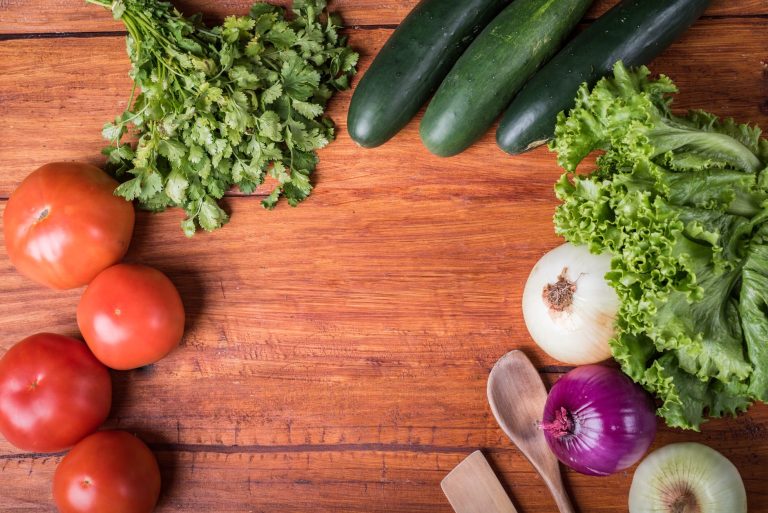
[IMAGE: organic vegetables]
Why Gut Health Deserves More Attention in a Healthy Diet
The gut is home to trillions of microorganisms that help break down food, produce certain vitamins, support immunity, and communicate with the brain. When this ecosystem is well balanced, digestion tends to feel smoother and energy levels become more stable. When it is under strain, you may notice bloating, irregularity, discomfort, cravings, or a general sense that your body is out of sync.
Organic food can play an important role here because it often means fewer synthetic pesticides, fewer artificial additives, and a more natural path to eating whole ingredients. While organic status alone does not make a food magical, it can reduce the number of unnecessary chemicals your body has to process and can encourage a more mindful, clean eating mindset. That shift matters. The more naturally you eat, the easier it becomes to build a healthy diet that supports gut function rather than irritating it.
Think about your current routine for a moment. Are most of your meals built around whole foods, or do they rely heavily on ultra-processed products that are low in fiber and high in sugar, salt, and stabilizers? The gut tends to thrive when meals contain fiber, hydration, probiotics, and a wide variety of plant compounds. Organic foods often make this easier because they invite more vegetables, fruits, legumes, and minimally processed staples onto the plate.
How Organic Food Supports Digestion and a Healthier Weight
There is a reason gut health and weight loss are often discussed together. A sluggish digestive system can make you feel heavier, more inflamed, and more likely to overeat. Poor food choices may disrupt blood sugar, increase cravings, and create the kind of discomfort that discourages movement. By contrast, a gut-friendly organic food plan can support natural satiety, better metabolism signaling, and more efficient nutrient absorption.
One of the most practical benefits of organic foods is that they often encourage whole-food habits. If you are shopping for organic berries, leafy greens, oats, eggs, yogurt, or beans, you are more likely to build meals that are rich in nutrition and fiber. Those foods can help regulate appetite, support digestion, and make weight loss feel less like deprivation and more like balance.
Of course, weight loss is not just about eating less. It is about eating in a way that allows your body to function well. That is why a gut-focused clean eating approach works so well for many people: it prioritizes nourishment first. When digestion improves, you may naturally feel less bloated, more satisfied, and more motivated to move your body. And when your meals are truly satisfying, sticking to healthy choices becomes much easier.
Here is a useful question to ask yourself: are you trying to force weight loss, or are you creating the conditions that help your body release excess weight naturally? The second approach is usually more sustainable, and organic food can be a powerful part of that strategy.
The Best Organic Foods for Gut Health
A well-designed gut-friendly menu does not need to be complicated. In fact, simplicity often works best. Focus on foods that are easy to digest, rich in fiber, and naturally supportive of the microbiome. The following organic foods deserve a regular place in your kitchen.
1. Organic leafy greens
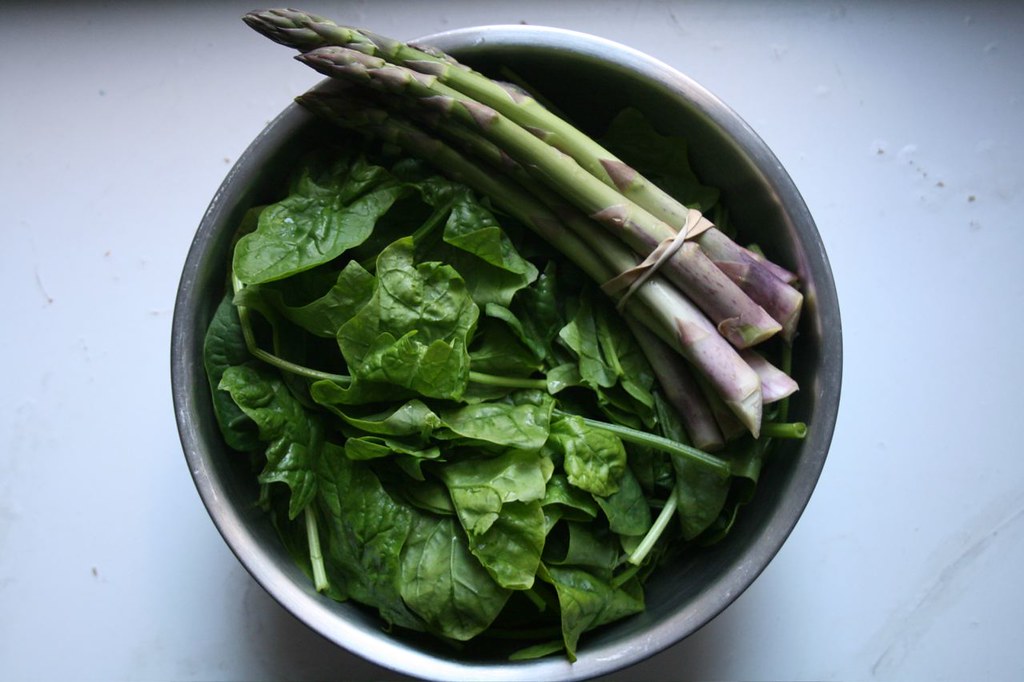
Spinach, kale, arugula, romaine, and Swiss chard are excellent choices. They provide fiber, folate, magnesium, and plant compounds that support overall nutrition. Leafy greens are easy to add to smoothies, omelets, soups, and salads, making them one of the simplest clean eating upgrades available.
2. Organic berries
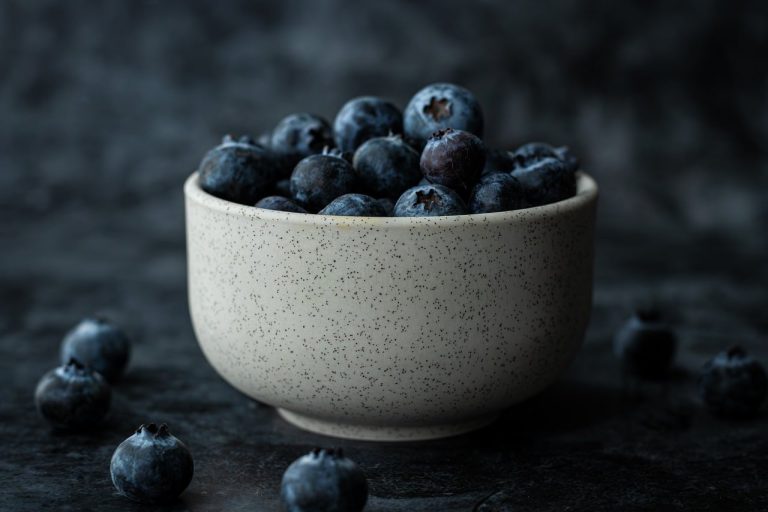
Blueberries, raspberries, strawberries, and blackberries are rich in antioxidants and naturally sweet without being overwhelming. Their fiber content makes them especially useful for digestion, and they fit beautifully into weight loss-friendly meals because they satisfy sweet cravings with far fewer calories than processed desserts.
3. Organic fermented foods
Plain yogurt, kefir, sauerkraut, kimchi, and miso can provide beneficial bacteria that help support a healthy gut environment. If you are new to fermented foods, start slowly. A small serving is often enough to begin with, especially if your digestive system is sensitive.
4. Organic oats and whole grains
Oats, quinoa, brown rice, and buckwheat provide steady energy and soluble fiber, which can be especially helpful for digestion and satiety. Oats are a gentle breakfast option for many people and can be combined with chia seeds, berries, and yogurt for a complete meal.
5. Organic root vegetables
Carrots, beets, sweet potatoes, and turnips are nourishing, versatile, and easy to prepare. They offer fiber, potassium, and natural sweetness, making them ideal for a healthy diet that does not feel bland or restrictive.
6. Organic legumes
Lentils, chickpeas, black beans, and other legumes are excellent sources of plant protein and fiber. For many people, they are among the most effective foods for supporting regular digestion and long-lasting fullness. If beans tend to cause discomfort, introduce them gradually and rinse canned organic legumes well before using them.
7. Organic herbs and spices
Ginger, turmeric, mint, fennel, cinnamon, and parsley do more than add flavor. They can support digestion, reduce the need for excess salt or sugar, and elevate the overall quality of your meals. A good detox diet does not need to rely on extremes when herbs and spices already offer so much support.
8. Organic healthy fats
Avocados, extra virgin olive oil, walnuts, chia seeds, and flaxseeds help keep meals satisfying while supporting nutrient absorption. Adequate healthy fats can also help stabilize blood sugar and reduce the urge to snack impulsively.
[IMAGE: healthy meal]
Foods That Can Undermine Gut Comfort Even in a
About the Author

About the Author