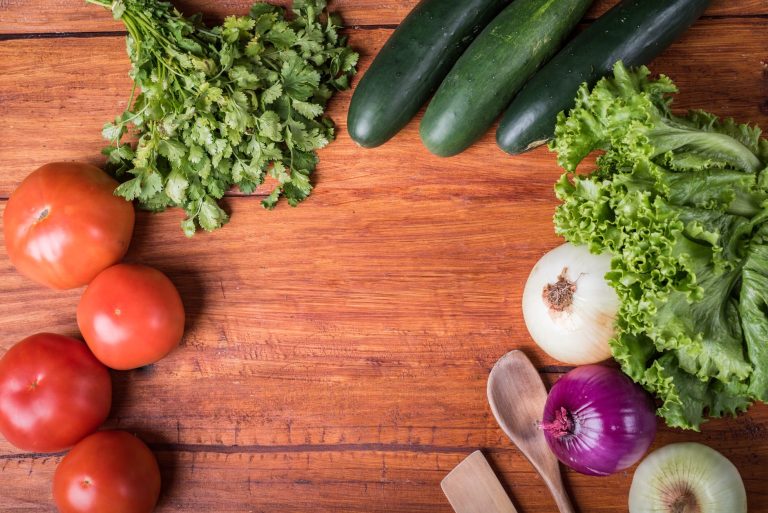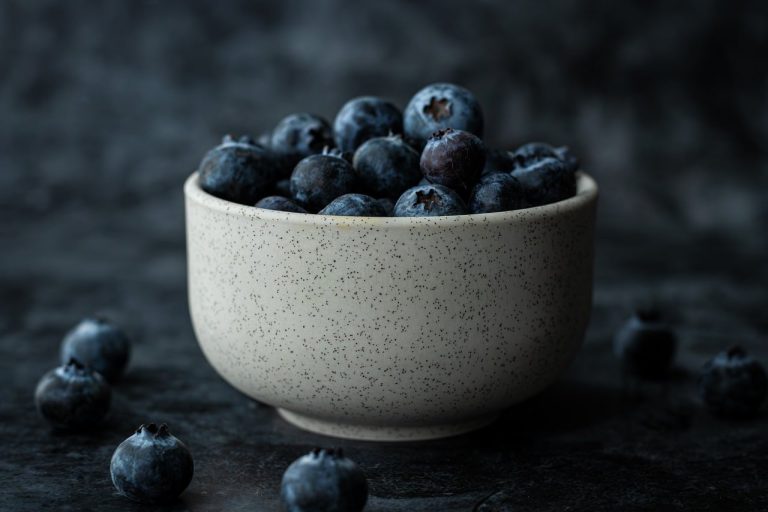


Photo by NoName_13 on Pixabay
Your gut does far more than process lunch. It influences how you absorb nutrients, how steady your energy feels, how clearly you think, and even how easily your body manages weight. That is why so many people who begin a clean eating journey eventually ask the same question: which organic foods actually help the gut work better? The answer is not about chasing trends or cutting everything out. It is about choosing foods that nourish the microbiome, reduce unnecessary irritation, and support a healthy lifestyle that feels realistic every day.
[IMAGE: organic vegetables]
Organic food has become a cornerstone of many wellness routines because it often aligns with a more intentional way of eating. When you combine organic produce, fiber-rich meals, naturally fermented foods, and balanced nutrition, you create the kind of daily rhythm that supports digestion rather than stressing it. And when digestion improves, many people notice something else too: fewer cravings, more consistent energy, and a smoother path toward weight loss without the harshness of a restrictive detox diet.
This article takes a practical look at how organic food can support gut health, which ingredients are worth prioritizing, and how to build a clean eating routine that is both nourishing and enjoyable. Have you ever felt bloated after meals, sluggish in the afternoon, or stuck in a cycle of cravings that seems to come out of nowhere? Your gut may be sending a message, and the way you shop, cook, and combine foods can make a real difference.
Why gut health sits at the center of nutrition
The gut is often called the body’s second brain, and for good reason. It is home to trillions of microorganisms that influence digestion, immunity, metabolism, and even mood. When the gut environment is balanced, food tends to move through the system more comfortably, nutrients are absorbed more efficiently, and inflammation stays more controlled. When that balance is disrupted, people can experience bloating, irregularity, fatigue, skin flare-ups, and stronger cravings for highly processed foods.
Good nutrition is not only about calories or macros. It is about how food interacts with your body over time. A clean eating approach that includes high-quality organic food can support the gut by delivering more fiber, more natural plant compounds, and fewer artificial additives that may confuse the digestive system. For many people, this is where true sustainable weight loss begins, because a well-fed gut tends to support more stable appetite signals.
What happens when digestion is out of sync?
When digestion is not functioning smoothly, the effects can show up in multiple ways at once. You may feel full for too long, hungry too soon, or unusually tired after eating. Some people notice that even healthy meals seem to sit heavily, while others experience swings in blood sugar that leave them reaching for snacks every hour. These are not just inconveniences; they are clues that your diet may need more support from gut-friendly organic foods.
- Bloating or abdominal discomfort after normal meals
- Irregular bowel movements
- Low energy after eating
- Cravings for sugar or refined carbs
- Poor tolerance for rich, greasy, or highly processed foods
If these symptoms sound familiar, the solution is rarely extreme. In most cases, the body responds best to a steady, food-first approach built around clean eating, hydration, and digestion-friendly ingredients.
Why organic food can be a smart choice for the microbiome
Organic food is not a magic cure, but it can be a meaningful part of a gut-supportive plan. Organic farming standards typically limit synthetic pesticides, herbicides, and certain additives that people who follow a healthier diet often prefer to reduce. For some individuals, this matters because the goal is not only to eat fewer processed ingredients, but to create a more natural food environment overall.
There is also a practical reason organic produce often fits well into gut health goals: people who buy organic food are frequently making more meals from scratch. That means more vegetables, more whole grains, more legumes, more herbs, and fewer ultra-processed packaged foods. In other words, the benefit is not only the label on the produce; it is the eating pattern that usually comes with it.
How organic foods fit into clean eating
Clean eating is built on simple, recognizable ingredients. Organic food supports that mindset by making it easier to focus on whole foods that retain their natural structure and flavor. Think crisp greens, deeply colored berries, earthy roots, fermented vegetables, plain yogurt, oats, seeds, herbs, and legumes. These foods work together to feed beneficial gut bacteria while keeping meals satisfying and nutrient-dense.
For anyone trying to improve nutrition without falling into an all-or-nothing detox diet, organic choices can also offer a sense of clarity. They make it easier to build meals around food that feels intentional. And that sense of intention often changes how people eat, shop, and cook throughout the week.
The best organic foods for gut health
Not every healthy food has the same effect on digestion. Some ingredients feed the microbiome directly, while others help reduce irritation or improve regularity. The following organic foods deserve a permanent place in a gut-friendly kitchen because they offer the greatest return for digestion, comfort, and long-term wellness.
1. Organic leafy greens
Spinach, arugula, kale, romaine, and Swiss chard are rich in fiber, water, and plant compounds that support digestive balance. They are also easy to include in salads, soups, smoothies, and sautéed side dishes. Their gentle bulk helps keep things moving without relying on heavy, processed fillers.
Try building at least one meal each day around a generous serving of greens. A bowl of mixed organic greens with avocado, pumpkin seeds, cucumber, and a simple olive oil dressing can be both light and satisfying. When was the last time a salad actually left you feeling energized rather than deprived?
2. Organic fermented foods
Fermented foods are among the most valuable tools in a gut-health focused organic diet. They bring beneficial microbes and natural acids that can help create a more supportive digestive environment. Options like plain organic yogurt, kefir, sauerkraut, kimchi, miso, and tempeh can be powerful additions when used regularly.
How to use fermented foods wisely
Start with small amounts if your digestive system is sensitive. A spoonful of sauerkraut with lunch or a small serving of kefir with breakfast is often enough to begin. The key is consistency, not excess. Fermented foods are best treated as a steady habit rather than a one-day cleanse.
- Add plain kefir to smoothies
- Use yogurt as a creamy breakfast base
- Serve kimchi or sauerkraut with protein bowls
- Choose miso for light soups and dressings
[IMAGE: healthy meal]
3. Organic berries
Berries are some of the best organic foods for nutrition because they provide fiber, antioxidants, and natural sweetness with relatively little digestive burden. Blueberries, raspberries, strawberries, and blackberries are especially helpful for people who want a clean eating plan that still feels vibrant and satisfying.
The fiber in berries supports regularity, while their color-rich compounds may help protect the gut lining from oxidative stress. They are easy to pair with yogurt, chia pudding, or overnight oats, making them a smart choice for breakfast or a snack.
4. Organic oats and other whole grains
Oats are a classic gut-friendly food because they contain soluble fiber, which can help support a healthier stool pattern and feed beneficial bacteria. Organic oats, quinoa, brown rice, and buckwheat can all be part of a balanced diet that supports digestion without overcomplicating meals.
For many people, a warm bowl of oats in the morning is far more effective than a sugary breakfast bar or a coffee-only routine. Add chia seeds, flax, walnuts, cinnamon, and berries, and you have a breakfast that supports both satiety and steady energy. If your goal includes weight loss, this kind of breakfast can help reduce snacking later in the day.
5. Organic legumes
Lentils, chickpeas, black beans, and white beans are excellent sources of fiber and plant-based protein. They help feed gut bacteria and make meals more satisfying. Because legumes can feel heavy for some people at first, it is wise to introduce them gradually and prepare them well.
Rinsing canned organic beans, soaking dried beans properly, and pairing legumes with herbs like cumin, ginger, and fennel can make them easier to digest. A lentil soup or chickpea salad is not just affordable and filling; it also supports a cleaner digestive routine than many refined convenience foods.
6. Organic root vegetables
Carrots, beets, sweet potatoes, parsnips, and turnips offer gentle fiber, complex carbohydrates, and natural sweetness. They are especially useful for anyone who wants a nourishing detox diet without harsh restrictions. Root vegetables are grounding, versatile, and easy to digest when cooked properly.
Roast them with olive oil, steam them, or blend them into soups. The natural sweetness of root vegetables can also help reduce the urge for dessert after meals, which makes them useful in a weight loss plan that still feels generous and humane.
7. Organic herbs and spices
Herbs and spices do more than improve flavor. Ginger, turmeric, fennel, mint, cinnamon, coriander, and rosemary can all support a healthier digestive experience. They help turn simple meals into something more satisfying while adding compounds that fit beautifully into a nutrition-focused lifestyle.
Ginger tea after meals, turmeric in roasted vegetables, mint in salads, and cinnamon in oats are easy ways to use food as daily support. The best organic diet is rarely built on complicated rules; it is built on small choices that repeat with ease.
Organic foods that may help with weight loss through better digestion
Weight loss is not only about eating less. It is also about helping the body function in a way that supports appetite control, stable energy, and fewer digestive ups and downs. A gut-friendly organic food plan can assist with this by improving meal satisfaction and reducing the urge to overeat later.
When the gut is calmer, many people experience less bloating, fewer cravings, and more predictable hunger. That means organic food can support weight loss indirectly by helping you feel more in tune with your body. The result is not a harsh detox diet; it is a smarter rhythm of eating.
Smart food combinations that work
Pairing fiber, protein, and healthy fats is one of the simplest ways to create a meal that supports digestion and appetite balance. This combination slows digestion enough to keep energy steady without making you feel overly full.
- Oats + chia + berries + yogurt
- Leafy greens + salmon + avocado + olive oil
- Lentils + roasted vegetables + herbs
- Apple slices + nut butter + seeds
- Brown rice + tofu + fermented vegetables
These meals are not trendy for the sake of trends. They work because they give the body what it actually needs: nutrient density, fiber, and enough satisfaction to make clean eating sustainable.
Foods that may work against gut comfort, even in a healthy kitchen
When people switch to an organic diet, they sometimes assume that every organic product is automatically gut-friendly. That is not always true. Organic cookies are still cookies. Organic sweetened drinks are still sweetened drinks. A healthy lifestyle depends on the overall pattern, not just the label.
To support digestion more consistently, it helps to notice which foods seem to trigger discomfort or cravings. Are you eating organic products that are still highly processed? Are you relying on snacks that keep you full for only a short time?
Common culprits to limit
- Organic packaged desserts with lots of added sugar
- Large portions of fried foods
- Alcohol, especially in excess
- Very refined gluten-free products with little fiber
- Sweetened yogurts and flavored drinks
None of these foods are forbidden, but they should not dominate a gut-focused plan. Clean eating works best when the majority of your plate comes from whole ingredients that support nutrition from the inside out.
How to build a gut-friendly organic plate
One of the easiest ways to stay consistent is to use a simple plate formula. Instead of overthinking every meal, choose a balanced structure that helps your digestion and keeps you satisfied. This approach is especially useful when your schedule is busy and you need healthy meals that do not require elaborate planning.
The plate formula
- Half the plate: non-starchy organic vegetables or leafy greens
- One quarter: protein from eggs, fish, poultry, tofu, tempeh, beans, or yogurt
- One quarter: whole grains or starchy vegetables
- One small addition: healthy fats such as avocado, seeds, nuts, or olive oil
This pattern supports steadier blood sugar and makes meals more filling without being heavy. It is also flexible enough to work with a detox diet mindset, as long as that mindset stays focused on nourishment rather than deprivation.
Example of a balanced lunch
A bowl of quinoa with roasted carrots, spinach, chickpeas, sauerkraut, and a lemon-tahini dressing is a strong example of clean eating done well. It brings together fiber, texture, acidity, protein, and healthy fat in a way that supports both gut health and energy.
[IMAGE: fitness lifestyle]
Breakfast ideas that support digestion and energy
Breakfast can set the tone for the rest of the day. If you start with sugar-heavy foods or skip breakfast entirely and then overeat later, your gut and appetite may feel unsettled. A breakfast built around organic food can help you begin with stability.
Better breakfast choices
- Organic yogurt with berries, chia, and flax
- Warm oats with cinnamon, walnuts, and sliced pear
- Vegetable omelet with herbs and avocado
- Smoothie with kefir, spinach, berries, and ginger
- Whole-grain toast with nut butter and seed toppings
These choices offer a far better foundation for clean eating than pastries, sweet cereal, or a rushed coffee-only morning. They also help the body feel fed without the mid-morning crash that often leads to unnecessary snacking.
Snacks that keep the gut calm between meals
Healthy snacking is not about eating constantly. It is about choosing small, nourishing options that prevent you from arriving at your next meal ravenous. For people focused on weight loss, smart snacks can reduce overeating. For people trying to improve digestion, they can prevent the stomach from swinging between empty and overloaded.
Gut-friendly organic snacks
- Apple slices with almond butter
- Carrot sticks with hummus
- Plain yogurt with berries
- Small handful of walnuts and pumpkin seeds
- Rice cakes with avocado and sea salt
If you are reaching for snacks because your meals are not balanced, it may be time to revisit your nutrition basics. Sometimes the solution is not more willpower; it is better meal composition.
Hydration, herbs, and the quiet habits that support the gut
Food matters, but digestion also depends on daily habits that often go unnoticed. Water intake, sleep, movement, and stress management all affect how well the gut functions. If you are drinking too little water, sleeping too little, or rushing through meals, even the best organic diet may not feel as effective as it should.
Simple habits worth keeping
- Drink water consistently throughout the day
- Include herbal teas such as ginger, mint, or fennel
- Eat slowly and chew thoroughly
- Walk after meals when possible
- Keep mealtimes predictable
These habits may seem small, but they can transform the experience of clean eating. A digestive system that feels supported is usually more responsive than one that is constantly under stress.
Can a gut-friendly organic diet support a detox diet approach?
Many people use the term detox diet to mean a short reset, but the body already has natural detoxification systems that work through the liver, kidneys, skin, lungs, and gut. What the body needs most is support, not punishment. That is why a gentle, organic food approach is more effective than extreme restriction.
Instead of trying to force your body into a cleanse, focus on making the digestive environment calmer and more efficient. That means fewer processed ingredients, more hydration, more fiber, and more meals you can repeat without stress. In that sense, a gut-friendly organic diet functions like a sustainable detox diet, but one that respects the body’s natural rhythms.
What support looks like in practice
Support can be as simple as swapping sugary drinks for water with lemon, replacing a processed snack with berries and yogurt, or adding a side of vegetables to a usual meal. These changes may not feel dramatic, but they create an internal environment that is easier for your body to manage.
Organic meal prep ideas for a calmer digestive routine
Meal prep is one of the best ways to make clean eating realistic. When healthy food is already prepared, you are less likely to reach for whatever is easiest in the moment. That matters on busy weekdays, during travel, or any time motivation is low.
Weekly prep ideas
- Roast a tray of organic vegetables
- Cook a batch of quinoa or brown rice
- Prepare a pot of lentils or bean soup
- Wash and dry leafy greens
- Make a simple dressing with olive oil, lemon, and herbs
With a few staples ready, it becomes easy to assemble bowls, salads, wraps, and soups in minutes. That convenience is often what turns a good intention into a lasting healthy lifestyle.
What a full day of gut-friendly clean eating can look like
It helps to see how these ideas fit together in real life. A gut-supportive day does not need to be exotic or expensive. It simply needs to be consistent, colorful, and balanced.
Morning
Start with warm water or herbal tea, then eat yogurt with berries, chia, flax, and oats. This gives your body fiber, protein, and steady energy before the day accelerates.
Midday
Choose a large salad with organic greens, chickpeas, cucumber, avocado, roasted vegetables, and a light olive oil dressing. Add sauerkraut or a spoonful of fermented vegetables if you tolerate them well.
Afternoon
If you need a snack, keep it simple: an apple with nut butter, carrots with hummus, or a handful of walnuts and pumpkin seeds. This keeps hunger under control without creating digestive strain.
Evening
Dinner can be a comforting bowl of salmon or tofu with brown rice, steamed broccoli, and ginger-turmeric vegetables. If you want a lighter option, a vegetable soup with lentils and herbs is just as effective.
The pattern is easy to follow because it does not depend on perfection. It depends on structure, and structure is what makes nutrition sustainable long term.
How gut health can influence cravings and weight loss
One of the most overlooked benefits of a healthier gut is the way it can reshape cravings. When meals are balanced and the microbiome is better supported, you may notice less obsession with sugar and fewer moments of urgent hunger. This is not a psychological trick; it is part of the way digestion, blood sugar, and satiety signals interact.
That is why weight loss often becomes more manageable when someone shifts to a cleaner organic food routine. The goal is not to eat as little as possible. The goal is to eat in a way that makes your body feel secure enough to stop sending constant signals for quick energy.
Questions worth asking yourself
- Am I eating enough fiber at each meal?
- Do I rely on snacks because my meals are unbalanced?
- Are my cravings connected to stress, dehydration, or boredom?
- Would a more regular meal pattern help my digestion?
These questions can reveal more than a strict diet chart ever will. Sometimes the smartest nutrition strategy is simply listening closely.
Common mistakes people make when switching to organic eating
It is easy to assume that moving toward organic food automatically means better health. In practice, people often make a few predictable mistakes that slow down progress or create frustration. Avoiding them can make your clean eating plan far more effective.
1. Replacing processed foods with oversized portions
Organic snacks and desserts can still be calorie-dense. If your goal includes weight loss, portion awareness still matters.
2. Ignoring protein
Vegetables are essential, but they are not enough on their own. Protein helps stabilize appetite and support muscle health, especially for those pursuing a fitness lifestyle.
3. Expecting overnight results
Gut health changes gradually. You may feel lighter or less bloated within days, but deeper changes take time and consistency.
4. Overdoing supplements and cleanses
Many people jump from one detox diet idea to another. Yet a straightforward organic food pattern is often more effective than aggressive products or extreme rules.
5. Forgetting enjoyment
Healthy eating is easier to maintain when meals taste good. Fresh herbs, good texture, and thoughtful seasoning matter far more than people realize.
A simple grocery list for a gut-friendly organic kitchen
If you want to start without overwhelm, begin with the essentials. A strong pantry and refrigerator make clean eating easier and reduce the temptation to order food that does not support your goals.
- Leafy greens: spinach, kale, arugula, romaine
- Vegetables: carrots, broccoli, zucchini, beets, sweet potatoes
- Fruits: berries, apples, pears, citrus
- Proteins: eggs, plain yogurt, kefir, tofu, tempeh, beans, lentils
- Whole grains: oats, quinoa, brown rice, buckwheat
- Healthy fats: olive oil, avocado, walnuts, chia, flax, pumpkin seeds
- Flavor boosters: ginger, turmeric, mint, cinnamon, fennel, rosemary
- Fermented foods: sauerkraut, kimchi, miso
With these ingredients on hand, you can build breakfasts, lunches, dinners, and snacks that support nutrition without requiring constant decision-making.
What progress often feels like when gut health improves
Not every sign of progress appears on the scale. In fact, for many people, the earliest changes are more subtle and far more meaningful. Bloating may lessen. Energy may feel steadier. Meals may feel more satisfying. The need to graze all afternoon may fade. Sleep may improve. Even skin may begin to look calmer.
These changes matter because they signal that your daily food choices are working with your body instead of against it. That is the deeper promise of a thoughtful organic diet. It is not just about looking healthier; it is about feeling more comfortable living in your own body.
And perhaps that is the real value of clean eating. It is not a short-term performance or a rigid detox diet. It is a way of eating that respects the gut, supports nutrition, and makes healthy living feel natural enough to repeat tomorrow, next week, and long after the novelty fades.
When you choose organic food with intention, keep your meals balanced, and let your digestive system guide your habits, you build a lifestyle that is quietly powerful. If this approach resonates with you, explore more articles on DietOrganic and keep discovering how small, thoughtful changes can shape a healthier, stronger, and more energized life.
About the Author