
Photo by congerdesign on Pixabay
If you have ever tried to eat better and still felt bloated, sluggish, or constantly hungry, you are not alone. Many people focus on calories first, then wonder why their energy drops and cravings keep returning. The missing piece is often gut health. When digestion works well, everything feels easier: meals are more satisfying, nutrition is absorbed more efficiently, and a healthy lifestyle becomes much more realistic to maintain.
This is where organic food can make a meaningful difference. A thoughtful organic diet is not about perfection or expensive rules. It is about choosing cleaner ingredients, supporting a balanced microbiome, and making clean eating feel natural instead of restrictive. The right organic foods can also support weight loss by improving fullness, stabilizing blood sugar, and reducing the cycle of overeating that often comes from poor digestion. Could your body be asking for a gentler way to eat?
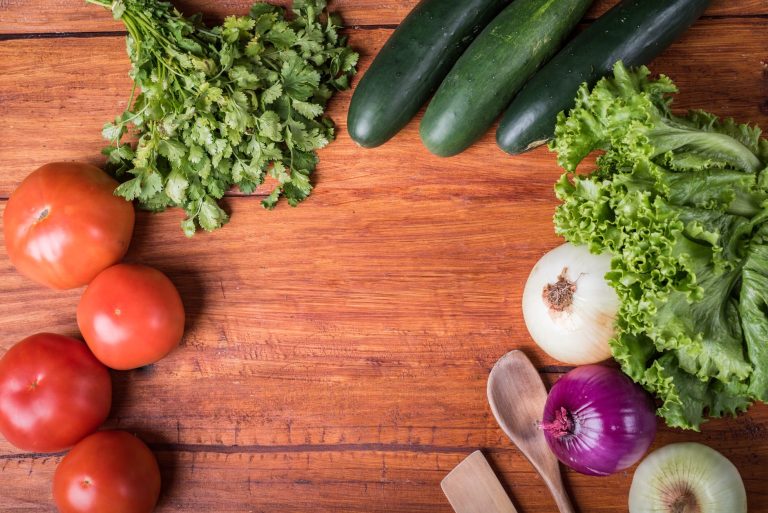
In this guide, you will learn which organic foods are most helpful for gut health, how they fit into a practical healthy diet, and how to build meals that support digestion without turning your kitchen into a science project. [IMAGE: organic vegetables]
Why Gut Health Deserves a Place in Every Healthy Diet
The gut does far more than process food. It influences nutrient absorption, immune function, mood, and the way your body responds to stress. When digestion is smooth, you tend to feel lighter, more focused, and more satisfied after meals. When it is off, even healthy food can feel uncomfortable. That is why a clean eating plan should not just be about what looks healthy on paper. It should also support the systems that help your body actually use that food.
Modern nutrition often celebrates extremes, but the gut usually responds best to consistency. Regular meals built from organic food, enough fiber, hydration, and a mix of plant and protein sources can help create a more stable internal environment. For many people, that stability shows up as less bloating, steadier energy, fewer cravings, and better appetite control. If weight loss has felt frustrating, ask yourself: are you giving your digestive system the support it needs?
The microbiome, digestion, and daily energy
Your microbiome is the community of bacteria and other microorganisms living in your digestive tract. Some of these microbes help break down fiber, produce helpful compounds, and support the gut lining. Others can become less balanced when the diet is low in variety or high in heavily processed foods. Organic food can help improve the quality of what reaches the gut because it often starts with fresher produce, fewer additives, and more emphasis on whole ingredients.
That does not mean every organic product is automatically gut-friendly. A bag of organic cookies is still a cookie. The real advantage comes from choosing foods that are naturally rich in fiber, polyphenols, and live cultures. These ingredients feed the beneficial bacteria that help your digestive system do its job.
Why weight loss often starts in the gut
Many people think weight loss is only about eating less. In reality, it is also about feeling satisfied enough to stop eating without a struggle. A healthy gut can influence hunger hormones, blood sugar stability, and how efficiently you absorb nutrients. If meals are leaving you hungry an hour later, your body may be signaling that something is missing.
Organic food can support weight loss when it helps you build meals around vegetables, legumes, fruit, seeds, healthy fats, and quality protein. Those foods are often more filling per calorie and more nourishing per bite. Clean eating becomes easier when your plate is full of food that actually works for you instead of against you.
Clean eating vs restrictive eating
Clean eating should feel calm, not punishing. The goal is not to cut everything out and hope willpower carries you through. The goal is to eat in a way that supports digestion, energy, and long-term health. Restrictive eating tends to create rebound cravings and a preoccupation with food. A balanced organic diet, by contrast, focuses on what to add: more vegetables, more fiber, more variety, and more meals that leave you truly nourished.
That shift matters. When food feels safe and satisfying, you are more likely to stay consistent. And consistency is where the real results happen.
The Best Organic Foods for Gut Health
Not all organic food serves the same purpose, so it helps to know which categories matter most. Some foods add beneficial bacteria. Others feed the bacteria you already have. Some reduce inflammation, while others support healthy digestion simply by being easier on the system. A strong gut-friendly plan usually combines all of them.
Fermented foods that deliver live cultures
Fermented foods are some of the most valuable additions to a healthy diet because they contain natural cultures formed during fermentation. These foods can help diversify the microbes in your gut and may support regular digestion when eaten consistently. The best organic options are usually simple, unsweetened, and minimally processed.
- Organic plain yogurt with live cultures
- Organic kefir
- Sauerkraut made with live cultures
- Kimchi with minimal additives
- Miso and tempeh
A small serving is often enough to start. You do not need to eat fermented food at every meal to see benefits. In fact, introducing it gradually can be easier on sensitive digestion. If you have never used fermented food before, begin with a tablespoon of sauerkraut or a small glass of kefir and observe how your body responds.
Prebiotic foods that feed good bacteria
Prebiotics are fibers and plant compounds that act like fuel for beneficial microbes. Think of them as the support system behind a strong microbiome. Organic food is especially helpful here because prebiotic-rich produce is often eaten whole, skin and all, with fewer concerns about residue or added chemicals.
- Organic garlic
- Organic onions
- Leeks
- Asparagus
- Bananas that are slightly green
- Oats
- Apples
These foods are easy to build into everyday meals. Add garlic and onions to soups, roast asparagus with dinner, or stir oats into a breakfast bowl with fruit and seeds. Small additions matter. The microbiome is shaped by repeated habits, not one dramatic cleanse.
Fiber-rich produce for smoother digestion
One of the most direct ways to support digestion is to increase fiber from organic vegetables, fruit, beans, and whole grains. Fiber helps move food through the digestive tract and can also make meals more satisfying, which is helpful for weight loss. People who eat enough fiber often report fewer cravings and more predictable appetite.
Excellent organic choices include leafy greens, broccoli, carrots, beets, berries, pears, lentils, and chickpeas. Variety matters because different fibers feed different microbes. If you eat the same three vegetables every week, your gut may not get the broad support it needs. Why not rotate colors and textures?
Here are a few easy ways to increase fiber without overthinking your meals:
- Add spinach or kale to smoothies and omelets
- Serve berries with breakfast instead of processed sweets
- Use lentils in soups, stews, or salads
- Choose roasted vegetables as a standard side dish
- Snack on pears, apples, or carrots with hummus
Healthy fats and proteins that keep meals steady
Digestive comfort is not only about fiber. Healthy fats and quality protein help slow digestion, stabilize blood sugar, and create the feeling of fullness that supports weight loss. Many people who switch to a clean eating plan accidentally remove too much fat, then wonder why they feel unsatisfied. A better approach is to choose smart fats in balanced amounts.
Organic eggs, wild fish, plain Greek yogurt, chia seeds, flaxseeds, avocado, walnuts, almonds, olive oil, and pumpkin seeds can all work well in a gut-friendly organic diet. These foods are especially useful when paired with vegetables or whole grains. A salad with olive oil, seeds, and salmon will usually support satiety better than a bowl of vegetables alone.
[IMAGE: healthy meal]
How to Build a Gut-Friendly Organic Plate
Once you understand which foods help, the next step is to turn them into meals you can repeat. A useful rule is to build each plate around three elements: a fiber-rich base, a source of protein or probiotics, and a dose of healthy fat. This pattern works for breakfast, lunch, dinner, and even snacks.
Instead of asking whether a meal is perfectly clean, ask something more useful: does this meal help me feel calm, nourished, and satisfied? That is the kind of nutrition that supports long-term healthy lifestyle habits.
A breakfast that supports digestion
Breakfast is often where people go wrong by starting the day with sugar, refined flour, or a heavily processed convenience food. That can lead to a quick energy spike and a stronger crash later. A better organic breakfast should be filling enough to reduce mindless snacking and gentle enough to feel good early in the day.
- Organic oats with chia seeds, walnuts, and berries
- Plain organic yogurt with flaxseed and sliced apple
- Vegetable omelet with spinach, onions, and avocado
- Smoothie with greens, kefir, banana, and almond butter
If mornings are hectic, prepare overnight oats or a breakfast bowl the night before. Clean eating does not need to be elaborate. It needs to be realistic.
Lunch and dinner combinations that work
A strong lunch or dinner usually includes at least one cruciferous or leafy vegetable, one protein source, and one high-fiber carbohydrate if needed. That balance helps digestion while keeping meals satisfying enough to reduce later snacking. For people focused on weight loss, this structure can be especially useful because it creates fullness without relying on ultra-processed food.
- Salmon, roasted broccoli, and quinoa
- Chicken or tempeh with brown rice and sautéed greens
- Bean and vegetable soup with olive oil and herbs
- Lentil salad with cucumbers, tomatoes, parsley, and avocado
- Baked sweet potato with kefir-based dressing and side salad
Notice how these meals are simple, not trendy. That is often the secret to a sustainable organic diet. You do not need a new recipe every night. You need a few dependable meals that feel good in your body.
Smart snacks between meals
Snacking is not the enemy, but random snacking often is. If digestion is already sensitive, grazing all day can keep your system from fully settling. A better strategy is to choose snacks that truly add nutrition rather than simply fill time.
- Apple slices with almond butter
- Carrots and hummus
- Organic yogurt with cinnamon
- A handful of walnuts and pumpkin seeds
- Fermented vegetables with a small protein source
These choices support a clean eating pattern while helping you avoid the blood sugar dips that can lead to overeating later.
Organic Foods to Limit When Your Gut Feels Off
Even in an organic diet, not every food is equally supportive of digestion. Some foods may be fine occasionally but less helpful when your gut is already irritated. The idea is not to fear food. It is to notice patterns. Which meals leave you energized, and which ones leave you heavy, bloated, or unsatisfied?
Common items to limit include highly sweetened organic snacks, refined grains that replace whole foods, large amounts of alcohol, and foods with long ingredient lists. Some people also feel better when they reduce excess dairy, very spicy meals, or fried foods, at least for a time. Your body may not react the same way as someone else’s, which is why paying attention matters.
- Organic desserts with high sugar content
- Packaged snacks that seem healthy but are highly processed
- Sweetened beverages, even if they are labeled natural
- Large portions of fried or greasy foods
- Alcohol-heavy routines that strain digestion
Remember, an organic label is not a pass for excess sugar or low nutrition. The healthiest approach is to treat organic food as a tool for better quality, not a reason to overconsume.
Can a Detox Diet Be Healthy?
The phrase detox diet gets used in many different ways, and that is part of the problem. Your body already has a built-in detox system through the liver, kidneys, lungs, skin, and digestive tract. No juice fast can replace that. What an organic food plan can do is reduce the burden on those systems and make it easier for your body to do its natural work.
A healthier version of a detox diet is really a clean eating reset: more vegetables, more water, more fiber, fewer ultra-processed ingredients, and more rest. If you want to feel lighter and more balanced, focus on support rather than deprivation.
What your body already does naturally
Your body filters, processes, and eliminates waste every day. The goal of nutrition is to support that process, not to force it with extreme measures. Fiber helps move waste through the digestive tract. Water helps transport nutrients and keep digestion moving. Antioxidants from organic produce help reduce oxidative stress. These are practical, evidence-aligned ways to support a gentle detox diet without chasing dramatic promises.
It is worth asking: if your body is already designed to detoxify, why not make that job easier with better food?
A safer organic detox approach
Instead of fasting for days or relying on supplements, try a short reset built around whole organic food. This approach can be used for a few days or as a starting point for longer-term healthy habits.
- Eat vegetables at most meals
- Choose fruit instead of sugary snacks
- Drink enough water throughout the day
- Include fermented foods in small amounts
- Avoid alcohol and heavily processed items for a few days
- Keep meals simple and consistent
This style of detox diet feels less like punishment and more like nourishment. It can leave you more in tune with hunger, fullness, and energy instead of more confused than before.
Common Organic Diet Mistakes That Slow Progress
People often start with the best intentions and still miss the mark. The problem is rarely a lack of motivation. It is usually a lack of structure. A healthy lifestyle becomes easier when you know what not to do as clearly as what to do.
Buying organic but ignoring balance
Some people fill the kitchen with organic food but still build meals around snacks, sweets, or too little protein. Organic is better than non-organic in many situations, but the label alone does not create nutrition. Balance matters more than branding. A plate of organic chips is still not the same as a plate of vegetables, beans, and salmon.
Eating too many raw foods at once
Raw salads and vegetable bowls can be wonderful, but too much raw food can overwhelm some digestive systems, especially if you are already bloated or sensitive. Lightly steamed or roasted vegetables may actually be easier to digest. Variety is more valuable than rigid rules. If your gut feels better after cooked vegetables, trust that response.
Overdoing juice, snacks, and supplements
It is easy to think more is better, especially in the wellness world. But too much juice can spike sugar intake, too many supplements can create confusion, and too many snacks can keep digestion working nonstop. Clean eating is most effective when meals are spaced sensibly and built from whole ingredients.
A few questions can keep you honest: Am I eating because I am hungry, or because I am bored? Does this product help my nutrition, or just make my routine feel busy?
Lifestyle Habits That Support Digestion
Food matters, but it is only one part of the picture. If you want better gut health, you also need habits that help the digestive system work without unnecessary stress. That means water, movement, sleep, and a pace of life that allows meals to be properly digested.
Hydration and meal timing
Water is a simple but powerful part of nutrition. It helps move food through the digestive tract and supports every stage of metabolism. Many people notice that digestion improves when they stop skipping water and start drinking consistently through the day. That does not mean chugging huge amounts at once. It means sipping regularly, especially around meals.
Meal timing also matters. Eating in a rushed state can make the gut work harder. Sitting down, chewing well, and giving yourself time to eat are small habits that can improve the entire experience. Your stomach is not a machine that prefers speed. It responds best to calm.
Sleep, stress, and the gut-brain connection
The gut and brain communicate constantly. When stress is high, digestion often slows or becomes less comfortable. Sleep deprivation can also increase cravings and make it harder to choose nourishing food. That is why a healthy lifestyle is never just about the grocery list.
To support digestion, consider simple routines such as:
- Eating dinner at a consistent time
- Avoiding heavy meals right before bed
- Taking a short walk after eating
- Creating a screen-free window before sleep
- Using deep breathing when stress rises
These habits may seem small, but together they can make a noticeable difference in how the gut responds to food.
Movement that helps the digestive system
Exercise supports digestion in more ways than one. It can encourage bowel regularity, help with blood sugar control, and make weight loss feel more attainable. The key is to choose movement that you can repeat. You do not need to destroy yourself in the gym to support your health.
[IMAGE: fitness lifestyle]
Walking after meals, gentle strength training, yoga, or a few structured workout sessions each week can all support a healthy diet plan. Movement is not a punishment for eating. It is part of the system that helps your body use food well.
Practical Shopping and Meal Prep Tips for Busy People
The best nutrition plan is the one you can maintain on a normal week. If every healthy choice feels complicated, it will be difficult to stay consistent. The following strategies keep organic food and clean eating simple enough for real life.
Build a grocery list that does the heavy lifting
Start with a short list of repeatable staples rather than dozens of recipes. For gut health, a strong grocery list should include vegetables, fruit, protein, healthy fats, and a few fermented or prebiotic foods. Think less about meals you will never make and more about ingredients you will actually use.
- Leafy greens
- Broccoli, carrots, zucchini, and beets
- Apples, berries, bananas, and pears
- Organic eggs, yogurt, kefir, tofu, beans, or salmon
- Oats, quinoa, and brown rice
- Olive oil, avocado, nuts, and seeds
- Sauerkraut or kimchi
Keep it realistic
If you only have time to cook three times per week, plan around that reality. Roast a tray of vegetables, cook a grain, prepare a protein, and mix and match from there. A smart organic diet is built on systems, not motivation alone.
Prep once, eat well all week
Meal prep does not need to mean containers stacked to the ceiling. It can be as simple as washing greens, chopping vegetables, boiling eggs, and cooking one soup or grain dish in advance. This saves time and reduces the odds that you will default to convenience food when you are tired.
How to choose organic food without overspending
Budget concerns stop many people from trying organic food consistently. The good news is that you do not need to buy everything organic to make progress. Prioritize items you eat often, especially fruits and vegetables with thinner skins. Frozen organic produce can also be a smart option because it is often picked at peak freshness and lasts longer.
- Buy organic for foods you eat daily
- Choose frozen vegetables and berries when fresh is expensive
- Use pantry staples like oats, beans, and lentils
- Shop seasonally for better value
- Focus on overall quality rather than perfection
You may be surprised by how much easier clean eating feels when your pantry is built around simple staples instead of specialty products.
A Sample Day of Clean Eating for Gut Health
Sometimes the easiest way to understand an idea is to see it in action. Here is what a practical organic food day might look like for someone who wants better digestion, steady energy, and support for healthy weight loss.
- Breakfast: Organic oats with chia seeds, blueberries, and plain yogurt
- Midmorning: Water, then an apple with almond butter if hungry
- Lunch: Lentil salad with mixed greens, cucumber, avocado, olive oil, and herbs
- Afternoon: Kefir or a handful of walnuts with a pear
- Dinner: Salmon, roasted broccoli, and quinoa with sauerkraut on the side
This day is not flashy, but it covers the basics well: fiber, protein, healthy fats, hydration, and fermented food. That combination can be more effective than a dramatic cleanse because it is sustainable. And sustainability is where real nutrition begins.
Why This Approach Works for Long-Term Weight Loss
Weight loss is easier to maintain when the body feels nourished. That is one reason organic food and clean eating can be so effective together. Meals built for gut health tend to be more filling, more nutrient-dense, and less likely to trigger the blood sugar swings that fuel cravings. When digestion improves, people often find they are less interested in constant snacking and more able to trust normal hunger signals.
It is important to remember that healthy weight loss is not about forcing the body into a state of stress. It is about creating conditions where the body can function efficiently. That includes adequate nutrition, regular meals, movement, sleep, and enough variety to keep eating enjoyable. A healthy diet should support your life, not dominate it.
Ask yourself this: if your food left you energized, calm, and satisfied most of the time, how different would your habits look?
The most powerful change you can make is often the simplest one: choose organic food that feels real, build meals that support digestion, and let clean eating become a steady rhythm rather than a short-term project. When you focus on gut health, the rest of your healthy lifestyle has a much better chance of falling into place, and if you want more practical ideas, recipes, and nutrition guidance, there is always another useful article waiting for you on DietOrganic.
About the Author