

Photo by woodleywonderworks on Openverse
If you have ever looked at your kitchen and wondered why healthy eating still feels complicated, you are not alone. The truth is that weight loss rarely comes from one dramatic change. It usually comes from a series of small, repeatable choices that make your meals more satisfying, your habits more consistent, and your nutrition more intentional. That is where organic food can play a powerful role. When your plate is built around fresh, minimally processed ingredients, clean eating becomes less of a trend and more of a sustainable lifestyle.
Organic food is often associated with quality, freshness, and a more mindful approach to nutrition, but it can also be surprisingly practical for people focused on weight loss. Why? Because organic fruits, vegetables, grains, proteins, and pantry staples often encourage a simpler way of eating. They invite you to cook more at home, rely less on ultra-processed snacks, and choose foods that actually keep you full. Have you noticed how a meal built around vegetables, lean protein, and healthy fats feels very different from one built around refined carbs and sugar? That difference matters.
This article explores the best organic foods for weight loss, how they support a clean eating routine, and how to turn them into meals that feel satisfying instead of restrictive. You will also find smart shopping tips, sample meal ideas, and a realistic look at how organic food fits into a healthy lifestyle. Think of this as a practical guide, not a fad diet. The goal is not to eat less of everything. The goal is to eat better, feel better, and build a routine you can actually maintain.
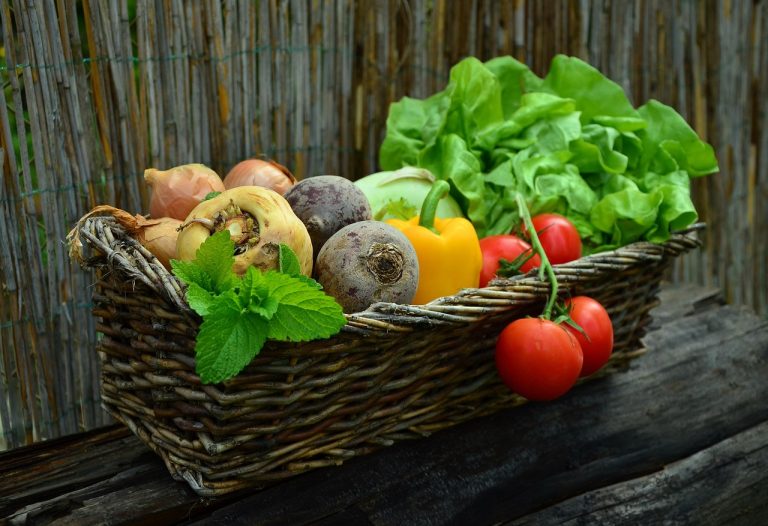
[IMAGE: organic vegetables]
Why organic foods can support weight loss without making eating feel restrictive
Weight loss is often framed as a battle of willpower, but that is usually the wrong lens. Food choices become easier when your environment supports good decisions. Organic food can help create that environment because it often shifts your habits toward whole ingredients, simpler preparation, and more nutrient-dense meals. In other words, the benefit is not just what organic food contains. It is also what it helps you avoid: excess additives, unnecessary sugar, and the constant pull of packaged convenience foods.
That does not mean organic food is magically lower in calories or guaranteed to make weight come off faster. An organic cookie is still a cookie. A bag of organic chips is still a processed snack. But when people start choosing organic ingredients more often, they tend to cook more, snack more thoughtfully, and pay better attention to portion size. Those behaviors support long-term weight loss far more reliably than extreme diets do.
Less ultra-processed food, more real nutrition
Many people struggle with weight because their diet is built around foods that are easy to overeat and hard to feel satisfied by. Ultra-processed items are often designed to be hyper-palatable, which means they encourage you to keep eating even after you are no longer hungry. Organic meals, when planned well, usually move in the opposite direction. They emphasize fiber, water-rich produce, quality protein, and healthy fats that help you recognize fullness sooner.
That is why a clean eating approach often feels more natural than a strict calorie-counting plan. Instead of obsessing over every bite, you begin to notice how different foods affect your appetite, energy, and cravings. Have you ever eaten a vegetable-rich lunch and realized you were not hunting for snacks an hour later? That is the kind of quiet success that keeps people on track.
Organic choices often encourage better habits
For many households, buying organic means making a more deliberate shopping list. That list usually includes ingredients like greens, berries, eggs, beans, yogurt, fish, oats, and nuts. These foods are useful because they can be combined in countless ways, which makes healthy eating less repetitive. The more flexible your meals are, the easier it becomes to stay consistent.
Organic food can also make it easier to cook at home, and home cooking is one of the strongest predictors of healthier eating. When you prepare meals yourself, you control oil, salt, portions, and added sugar. You decide whether your dinner is built around a generous salad or a small pile of fries. That kind of control is one of the quiet advantages of a healthy lifestyle.
- Helps reduce reliance on ultra-processed convenience food
- Supports higher fiber intake from fruits, vegetables, and legumes
- Encourages more home cooking and portion awareness
- Can improve meal satisfaction through better ingredient quality
- Fits naturally into clean eating and sustainable nutrition habits
The best organic foods for weight loss and steady energy
Not all organic foods are equal when it comes to weight loss. Some are ideal because they are filling, nutrient-dense, and easy to build into everyday meals. Others are healthy in moderation but easy to overconsume. The best strategy is to focus on foods that work for your appetite, your schedule, and your cooking style. Below are the organic foods that deserve a place in a balanced weight loss plan.
Leafy greens that add volume without adding excess calories
Leafy greens are one of the most reliable foods for weight loss because they are nutrient-dense, low in calories, and versatile. Organic spinach, kale, arugula, romaine, chard, and mixed spring greens can make meals feel larger and more satisfying without pushing your calorie intake too high. Volume matters. When your plate looks generous, you are less likely to feel deprived.
Greens are also rich in fiber, folate, vitamin K, magnesium, and plant compounds that support overall wellness. Use them in smoothies, salads, soups, omelets, grain bowls, and wraps. If you want a simple upgrade, add a handful of greens to foods you already eat. Could your breakfast scramble use a little spinach? Could your lunch bowl hold more arugula?
Cruciferous vegetables for fullness and fiber
Broccoli, cauliflower, Brussels sprouts, cabbage, and bok choy are all excellent organic foods for clean eating. They deliver a satisfying crunch, a lot of fiber, and a substantial texture that can make meals feel more complete. Because these vegetables take time to chew and digest, they help slow down eating and support appetite control.
One of the best things about cruciferous vegetables is how adaptable they are. Roast cauliflower with olive oil and garlic, steam broccoli for a quick side, shred cabbage into slaws, or use cauliflower rice as a base for grain-free bowls. They are simple, affordable, and easy to prepare in batches. In a weight loss plan, those qualities are gold.
Berries for sweetness without a sugar overload
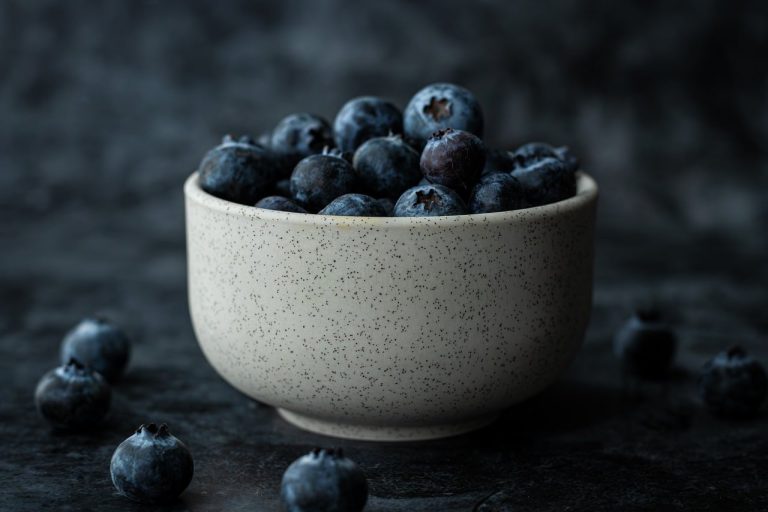
If you crave something sweet, organic berries are among the smartest choices you can make. Blueberries, strawberries, raspberries, and blackberries offer natural sweetness along with fiber and antioxidants. They are satisfying enough to curb dessert cravings while still aligning with a healthy diet.
Berries are also useful because they can make plain foods taste better. Add them to Greek yogurt, chia pudding, overnight oats, or a smoothie bowl. Use them as a topping for cottage cheese or a salad with nuts and greens. The goal is not to eliminate sweet flavors. The goal is to choose sweetness that supports nutrition instead of undermining it.
Apples, pears, and citrus for portable clean eating
Whole fruits make excellent snacks because they are naturally portioned and easy to carry. Organic apples and pears are especially useful for weight loss because they are filling, hydrating, and rich in fiber. Citrus fruits like oranges, grapefruits, and mandarins bring freshness and brightness to your day while offering vitamin C and water content.
If you often reach for packaged snacks between meals, keep a bowl of fruit where you can see it. Visual cues matter. A clean eating routine is easier when healthy choices are convenient. Ask yourself: if a fruit is already washed and ready to eat, how much more likely are you to choose it over a processed snack?
Avocados for healthy fat and satisfaction
Avocados are calorie-dense, so portion awareness matters, but they can absolutely fit into an organic weight loss plan. They provide monounsaturated fats, fiber, and a creamy texture that makes meals feel indulgent without becoming unhealthy. A few slices on toast, a spoonful in a salad, or half an avocado in a grain bowl can go a long way.
The key is using avocado strategically. Pair it with protein and vegetables rather than combining it with other heavy fats in the same meal. When balanced well, avocado can help reduce cravings later in the day because it adds richness and staying power.
Organic legumes for protein, fiber, and long-lasting fullness
Beans, lentils, chickpeas, and split peas are some of the most underrated foods for weight loss. They are inexpensive, rich in plant protein, and loaded with fiber. That combination is powerful because it supports stable blood sugar and helps you feel full for longer periods. Whether you are building a vegetarian routine or simply want to eat more clean meals, legumes are a smart staple.
Try lentil soup, chickpea salads, black bean tacos on lettuce wraps, or hummus with cut vegetables. These foods are especially helpful for people who want a healthy lifestyle without constantly relying on meat for protein. They also fit naturally into a detox diet framework when the goal is gentle nourishment rather than extreme restriction.
Organic eggs, yogurt, tofu, and lean protein sources
Protein is essential for weight loss because it supports satiety, preserves lean muscle, and helps stabilize your meals. Organic eggs are easy to prepare and work well at breakfast, lunch, or dinner. Organic Greek yogurt can be a high-protein snack or breakfast base, especially when paired with berries and seeds. Tofu and tempeh are excellent plant-based options, while organic chicken and wild-caught fish can fit into a balanced omnivorous plan.
Protein is especially important if you are trying to lose weight without feeling weak or constantly hungry. A protein-rich meal often reduces grazing later in the day. The mistake many people make is eating salads that are too light to satisfy. Add protein, and that same salad becomes a real meal.
- Organic eggs for quick breakfasts and post-workout meals
- Plain organic Greek yogurt for high-protein snacks
- Organic tofu or tempeh for plant-based bowls and stir-fries
- Organic chicken breast for simple lunch and dinner plates
- Wild-caught salmon for omega-3 fats and lasting fullness
Nuts and seeds in controlled portions
Almonds, walnuts, pumpkin seeds, chia seeds, and flaxseeds are nutrient-dense foods that can support a healthy diet when used in moderation. They offer healthy fats, fiber, and minerals, but because they are calorie-rich, portion size matters. A small handful can improve satisfaction and texture. A large bowl can easily become more than you intended.
Use nuts and seeds as accents rather than the main event. Sprinkle chia on yogurt, flax on oatmeal, or pumpkin seeds on salad. That small addition can improve crunch, flavor, and nutrient density without overwhelming your calorie target.
Whole grains that support energy without excess
Organic oats, quinoa, brown rice, barley, and buckwheat can absolutely belong in a weight loss plan. The trick is choosing the right portion and pairing them with fiber and protein. Whole grains offer slow-release energy, which can help reduce cravings and make it easier to stay active throughout the day.
If you fear carbs, consider this: the right carbs are not the enemy. In fact, many people fail on restrictive plans because they cut too much and then rebound later. A clean eating approach works best when it is balanced, not extreme. Whole grains can keep that balance intact.
[IMAGE: healthy meal]
How to build an organic plate that supports fat loss
One of the easiest ways to stay consistent is to stop thinking in terms of diets and start thinking in terms of meals. A balanced plate makes weight loss easier because it gives you a framework. You do not need to calculate every bite if your meals are built with intention. The formula is simple: fill most of the plate with vegetables, include a solid protein source, and add a moderate portion of healthy fats and smart carbs.
The simple plate method
For lunch and dinner, try this structure:
- Half the plate: organic vegetables, especially leafy greens and colorful produce
- One quarter of the plate: lean protein such as eggs, tofu, chicken, fish, yogurt, or legumes
- One quarter of the plate: whole grains or starchy vegetables such as quinoa, sweet potato, or brown rice
- Small addition: healthy fats from avocado, olive oil, seeds, or nuts
This structure works because it naturally boosts fiber and protein while keeping portions of more calorie-dense foods in check. It also gives your meal visual balance, which can be surprisingly important. When food looks balanced, eating feels calmer and more satisfying.
Breakfast ideas that keep hunger under control
Breakfast is where many healthy plans fall apart. Too little food can lead to energy crashes, while too much refined carbohydrate can trigger a midmorning slump. A better approach is to combine protein, fiber, and a small amount of healthy fat.
- Organic Greek yogurt with berries, chia seeds, and a sprinkle of oats
- Egg scramble with spinach, tomatoes, and mushrooms
- Overnight oats made with organic milk or a plant-based alternative, topped with fruit and flax
- Smoothie with greens, berries, protein, and nut butter
Lunch and dinner ideas that feel satisfying
Lunch and dinner should make you feel nourished, not sleepy or deprived. The best meals often combine textures: something crisp, something soft, something savory, and something fresh. That combination helps meals feel complete.
- Grilled salmon, roasted broccoli, and quinoa with lemon
- Chicken salad with avocado, cucumber, greens, and pumpkin seeds
- Lentil soup with a side of mixed greens and olive oil dressing
- Tofu stir-fry with cabbage, peppers, and brown rice
- Turkey or chickpea lettuce wraps with salsa and sliced fruit on the side
When meals are this balanced, you are less likely to need constant snacks. You also spend less time battling cravings because your body is actually getting what it needs.
[IMAGE: fitness lifestyle]
Smart shopping habits for an organic weight loss routine
A healthy lifestyle starts long before dinner is on the table. It starts in the grocery aisle. If you shop without a plan, even the best intentions can get sidetracked by impulse buys and convenience foods. The good news is that a smart organic grocery routine does not need to be expensive or complicated. It just needs to be focused.
Buy what you will actually use
The biggest mistake people make is buying organic food they do not know how to cook. A fridge full of wilted produce is not a weight loss strategy. Start with foods you can turn into multiple meals. Spinach can become a salad, an omelet filling, or a smoothie ingredient. Chicken can become lunch bowls, soup, or wraps. Berries can work in breakfast, snacks, or dessert.
Ask yourself before you buy something: will I eat this within the next few days, and do I know at least two ways to use it?
Focus on seasonal produce
Seasonal food often tastes better and costs less. Organic strawberries in spring, tomatoes in summer, squash in fall, and citrus in winter all bring variety to a weight loss plan without requiring expensive specialty items. Seasonal eating also keeps clean eating from becoming boring, which is important if you want your routine to last.
Use frozen organic foods when needed
Frozen vegetables and fruit are often overlooked, yet they are some of the most practical tools for healthy eating. They are picked at peak ripeness, easy to store, and perfect for busy days. Frozen organic broccoli, cauliflower rice, spinach, berries, and edamame can save time without sacrificing nutrition.
If your schedule is hectic, frozen foods can keep you from reaching for takeout. That alone can make a huge difference in weight loss progress.
Shop the perimeter, then fill in the center
In many grocery stores, the perimeter holds the most minimally processed foods: produce, dairy, eggs, meat, and seafood. The center aisles contain pantry items, which can still be useful, but they require more selective shopping. Begin with fresh foods, then add a few pantry staples like oats, beans, olive oil, and nuts.
- Start with produce, proteins, and dairy or dairy alternatives
- Add whole grains and legumes for lasting energy
- Choose simple condiments with short ingredient lists
- Skip snacks that are marketed as healthy but act like candy
- Buy only what aligns with your meal plan for the week
How an organic approach fits into a detox diet without extremes
The word detox gets used in so many different ways that it can lose meaning. Your body already has an incredible detox system through the liver, kidneys, lungs, skin, and digestive tract. You do not need a severe cleanse to support it. What you do need is a diet that reduces the burden of excess sugar, alcohol, deep-fried food, and heavily processed ingredients. That is where organic food can help.
A thoughtful detox diet is not about starvation or liquid-only meals. It is about choosing clean eating habits that leave you feeling lighter, more energized, and more in control. Organic vegetables, fruit, legumes, herbs, clean protein, and plenty of water support that process in a realistic way. Instead of promising dramatic overnight change, this approach helps your system return to balance.
What a gentle reset looks like
If you want to give your body a cleaner, more restorative routine, focus on what to add rather than what to punish yourself for eating. Add water-rich produce. Add fiber. Add protein. Add sleep. Add movement. These habits do more for your energy and digestion than any extreme cleanse ever could.
- Drink water throughout the day, especially with meals
- Prioritize vegetables at every lunch and dinner
- Keep added sugar low and avoid sugary drinks
- Include protein to support steady energy
- Limit alcohol if you want better recovery and appetite control
The idea is not to punish your body. It is to support it. When your meals are built around organic food and clean eating principles, your body can focus on energy, digestion, and recovery instead of constantly processing excess.
Common organic diet mistakes that can stall weight loss
Even the healthiest ingredients can lead to frustration if the overall plan is off. Many people assume that choosing organic automatically means choosing better, but the bigger picture matters. Are your portions reasonable? Are you still eating enough protein? Are you replacing snacks with balanced meals, or just buying expensive versions of the same old processed foods?
Buying organic versions of ultra-processed foods
An organic label does not turn a highly processed food into a weight loss food. Organic cookies, chips, frozen desserts, and sweetened cereals can still derail your nutrition if they appear too often. They may be a little better in ingredient quality, but they are not the foundation of a healthy diet.
Use the label as one factor, not the deciding factor. The most important question is still: how does this food affect my hunger, energy, and long-term goals?
Eating too little protein
If your meals are mostly produce and grains, you may end up hungry again very quickly. Protein is what helps meals stick. It supports muscle, satiety, and more stable energy. Many people think they are eating healthy while actually eating in a way that sets them up to snack all day.
Make protein visible on your plate. That small shift can change your entire routine.
Underestimating portion sizes for healthy fats and grains
Healthy foods can still add up fast. Nuts, seeds, oil, avocado, nut butter, quinoa, and oats all belong in a balanced plan, but portions matter. If weight loss is your goal, you need enough food to feel satisfied without accidentally going over your target. Mindful portions are part of clean eating, not a sign of restriction.
Trying to be perfect instead of consistent
Perfection is the enemy of progress. One unplanned meal does not ruin your healthy lifestyle, and one off day does not erase your effort. The people who succeed long term are usually not the ones with the most rigid rules. They are the ones who can return to balance quickly. Would you rather be perfect for three days or consistent for three months?
- Do not rely on organic packaged snacks as your main diet
- Do not skip meals and then overeat at night
- Do not fear all carbohydrates or all fats
- Do not assume organic means automatically low in calories
- Do not aim for all-or-nothing thinking
Sample day of organic clean eating for weight loss
Sometimes the fastest way to understand a food strategy is to see it in action. Here is what a balanced day might look like when organic food, weight loss goals, and everyday practicality come together. This is not a strict template. It is a flexible example you can adapt to your own preferences and calorie needs.
Morning meal
Start with an organic vegetable omelet made with eggs, spinach, mushrooms, and tomatoes. Add a side of berries and a small portion of oats or whole-grain toast. If you prefer something cold, choose Greek yogurt with chia seeds, blueberries, and sliced almonds. Both options give you protein, fiber, and a steady energy release.
Midday meal
For lunch, build a large salad with mixed greens, cucumber, shredded cabbage, carrots, chickpeas, avocado, and grilled chicken or tofu. Dress it with olive oil and lemon rather than heavy creamy dressing. If you want something heartier, swap the salad base for quinoa and add roasted vegetables.
Snack ideas
Choose one or two snacks based on hunger, not habit. A snack should help you stay balanced, not become a second lunch.
- Apple slices with almond butter
- Plain Greek yogurt with cinnamon
- Carrot sticks with hummus
- Handful of walnuts and a mandarin
- Cottage cheese with berries
Evening meal
Dinner could be roasted salmon, broccoli, and sweet potato, or a tofu stir-fry with cabbage, peppers, and brown rice. If you want a lighter night, make a vegetable soup with lentils and serve it with a small side salad. The goal is to end the day feeling satisfied, not stuffed.
Notice how none of these meals depend on deprivation. They are built around nourishment, flavor, and balance. That is what makes them sustainable.
How to make this approach work long term
Weight loss is easier to maintain when your routine fits your real life. You do not need a perfect pantry or a personal chef. You need a few repeatable meals, reliable staples, and the willingness to make small improvements over time. Organic food becomes especially powerful when it helps you simplify decisions rather than complicate them.
Keep a short list of go-to meals
When you are busy, decision fatigue can derail healthy choices. Create a list of five breakfasts, five lunches, and five dinners that you can rotate. That way, you always have an answer to the question, What should I eat today?
Pair clean eating with movement and sleep
Nutrition is important, but it works best alongside movement, hydration, and rest. A 20-minute walk after meals, a consistent bedtime, and a few minutes of strength training each week can all support better metabolism and appetite regulation. A healthy lifestyle is never just about food. It is about the system around food.
Track how food makes you feel, not just what the scale says
Energy, digestion, sleep quality, cravings, and mood all matter. If a meal leaves you satisfied for hours, that is useful information. If another meal makes you sluggish or hungry again too soon, that matters too. Over time, these observations become a form of personal nutrition wisdom.
When you choose organic food with purpose, you are not simply trying to lose weight. You are creating a cleaner, calmer relationship with eating. That shift can change everything, from your grocery cart to your energy levels to the way you feel in your own body. And if you want more practical guidance on clean eating, nutrition, and a healthier lifestyle, keep exploring the latest articles on DietOrganic for fresh ideas you can actually use.
About the Author