
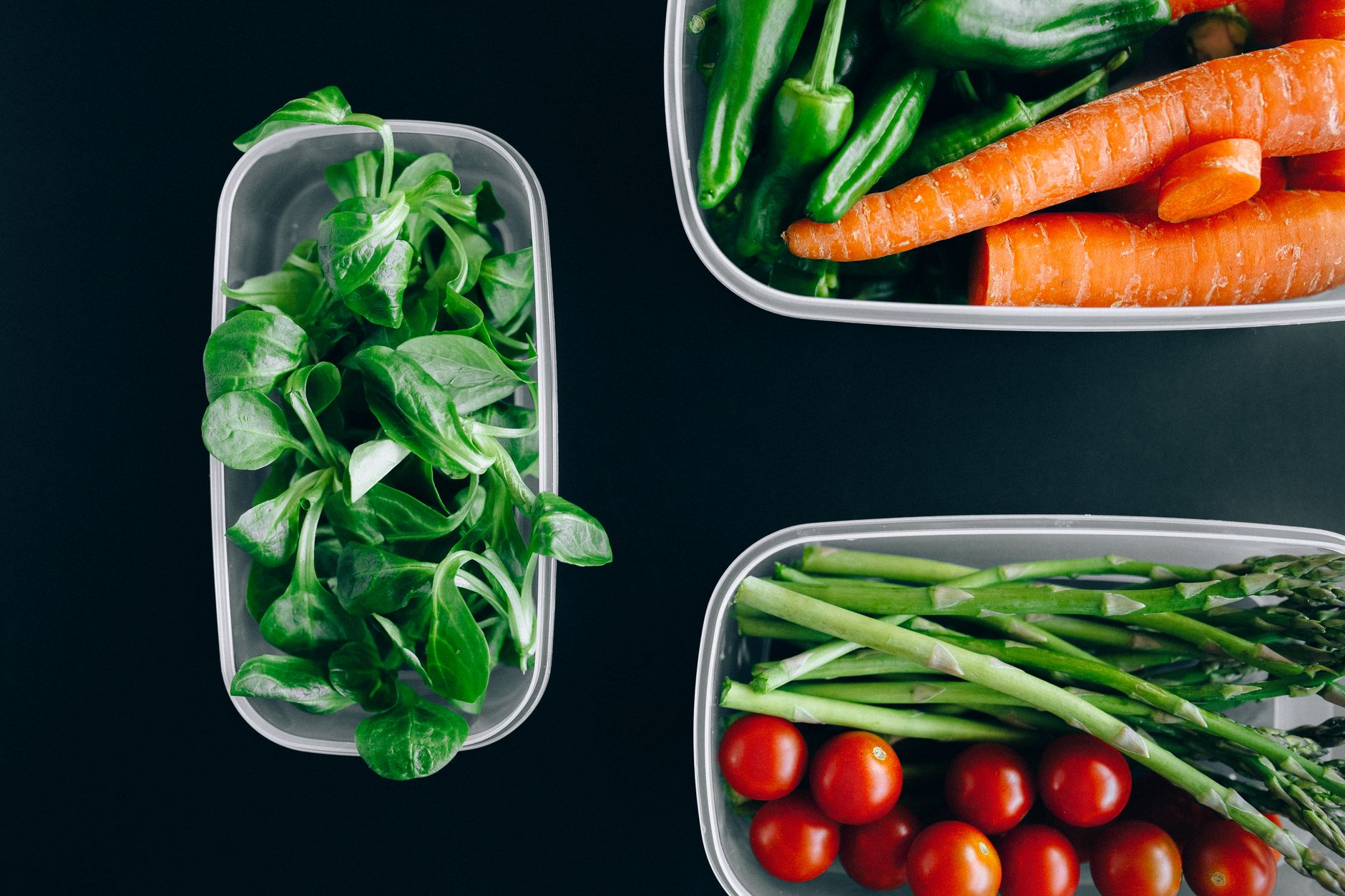
Photo by Nataliya Vaitkevich on Pexels
There is a quiet kind of confidence that comes from opening the refrigerator and seeing a week of nourishing meals already prepared. No frantic takeout decisions, no vending machine compromises, no last-minute panic when hunger hits after a long day. That is the real power of organic meal prep: it turns healthy intention into an everyday habit. If your goals include weight loss, cleaner ingredients, steadier energy, and a more organized relationship with food, meal prep can become one of the simplest tools in your healthy lifestyle toolkit.
Organic food has a special place in this conversation because it often feels closer to the way food should be eaten: fresh, seasonal, minimally processed, and packed with natural flavor. When you build a clean eating routine around organic produce, quality proteins, whole grains, and smart snacks, you create meals that are satisfying without being heavy. The result is not a restrictive detox diet or a temporary fix. It is a sustainable rhythm that supports nutrition, portion control, and long-term weight loss without draining your time or energy.
But meal prep does not need to be a rigid Sunday ritual that leaves you bored by Tuesday. What if it could feel flexible, stylish, and even a little luxurious? What if your lunch looked like something from a premium health magazine, but took less than an hour to prepare? That is exactly what this guide is designed to help you do. With the right strategy, organic food meal prep can be elegant, practical, and surprisingly enjoyable.
Why Organic Meal Prep Supports a Healthier Body and Mind
Meal prep works because it removes uncertainty from the equation. When your meals are ready before hunger becomes urgent, you are less likely to make impulsive choices that derail your nutrition goals. Organic ingredients add another layer of value by encouraging you to focus on whole foods rather than ultra-processed options that are high in sodium, refined sugar, and hidden oils.
For anyone trying to lose weight, this matters. Sustainable weight loss is rarely about eating less and suffering more. It is about eating better, more consistently, and with less mental friction. A well-planned organic meal prep routine helps you do exactly that. You can portion meals more accurately, reduce food waste, and build dishes that are rich in fiber, protein, and color. Isn’t that a better way to approach healthy eating than guessing your way through every meal?
Cleaner ingredients make decision-making easier
One of the biggest challenges in modern nutrition is overload. Marketing messages, diet trends, and endless product options can make even a simple grocery trip feel complicated. Organic meal prep cuts through that noise. When your basket is filled with organic vegetables, fruits, legumes, eggs, yogurt, fish, and grains, you naturally prioritize real food over convenience-driven clutter.
This simplicity is powerful. Instead of spending energy decoding ingredient labels every day, you pre-select foods that align with your healthy lifestyle. That means fewer emotional decisions, fewer skipped meals, and more confidence in what you are eating. Clean eating becomes easier when the food already fits your standards.
Portion control becomes effortless
Weight loss often improves when portion sizes become consistent. Meal prep gives you the ability to measure once and enjoy many times. You can portion proteins, grains, and vegetables into containers that visually support balance. This does not mean eating tiny meals or feeling deprived. It means designing meals that are satisfying without overdoing calorie-dense extras.
For example, a lunch bowl with roasted chicken, quinoa, spinach, and avocado can be both filling and supportive of weight loss when the portions are thoughtful. The same ingredients served without structure can easily turn into oversized servings that quietly increase total calories. Meal prep creates gentle guardrails, which is exactly what many people need.
It helps you build consistency, not perfection
Too many people abandon healthy eating because they think they need to do everything perfectly. But consistency matters far more than perfection. You do not need to prep every single meal for seven days straight. You only need a reliable system that keeps you on track most of the time. That is where organic meal prep shines.
Once you know how to prep a few staples, you can repeat the system weekly with small variations. This consistency makes your nutrition more predictable, which can support energy, digestion, and appetite control. If you have ever wondered why some healthy routines feel easy while others feel exhausting, the answer often comes down to simplicity and repetition.
[IMAGE: organic vegetables]
How to Build an Organic Meal Prep Framework That Actually Works
Many people fail at meal prep because they try to make too many dishes at once. They buy ten vegetables, five proteins, three sauces, and a long list of ambitious ingredients, then spend their entire Sunday overwhelmed. A better strategy is to create a repeatable framework. Think of it as a template for healthy diet success rather than a rigid menu.
The goal is to prepare a few versatile components that can be combined in different ways across the week. This keeps your meals interesting while saving time. It also makes organic food more budget-friendly because you use each ingredient more efficiently.
Start with three protein anchors
Protein is essential for fullness, muscle recovery, and steady blood sugar. If weight loss is one of your goals, protein should be one of the first things you prep. Choose three sources you genuinely enjoy so you do not get bored.
- Organic grilled chicken or turkey breast
- Organic eggs or egg muffins
- Organic salmon, tuna, or white fish
- Organic tofu, tempeh, or edamame for plant-based meals
- Organic Greek yogurt or cottage cheese for quick breakfasts and snacks
If you prefer a detox diet style of eating, lean proteins can still be part of the plan. The key is to keep the preparation simple and the seasoning clean, using olive oil, herbs, lemon, garlic, paprika, turmeric, or black pepper instead of heavy sauces.
Choose vegetables that hold up well in the fridge
Meal prep is much easier when you use vegetables that stay crisp, roast beautifully, or reheat well. Freshness matters, but so does structure. Some vegetables lose texture quickly, while others become even better after cooking.
- Broccoli
- Cauliflower
- Carrots
- Zucchini
- Bell peppers
- Green beans
- Spinach
- Arugula
- Brussels sprouts
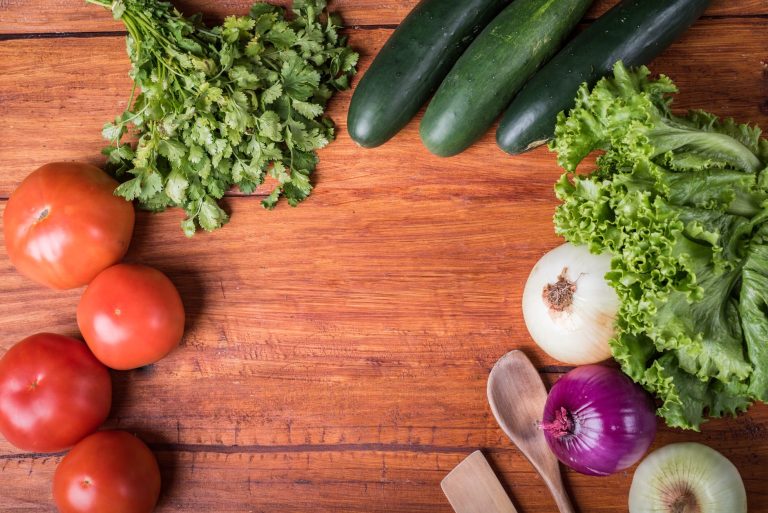
- Cucumber for cold dishes
These vegetables are nutrient-dense, visually appealing, and easy to pair with almost any meal. They also support a clean eating approach because they bring fiber, color, and volume without unnecessary calories. That combination is helpful when you want meals to feel generous but not heavy.
Select smart carbohydrates instead of cutting them completely
Healthy diets often fail when they become too restrictive. Carbohydrates are not the enemy. In fact, the right carbs can improve energy, support workouts, and make your meals more satisfying. The trick is to choose minimally processed, nutrient-rich options that fit your goals.
- Organic quinoa
- Brown rice
- Sweet potatoes
- Oats
- Lentils
- Black beans
- Farro or barley
When your carbs are paired with protein, healthy fats, and vegetables, they are much less likely to cause energy crashes or overeating later. This is one reason organic food meal prep can feel so balanced. It supports weight loss without making you feel like you are constantly fighting hunger.
Add flavor boosters that keep meals exciting
Plain food quickly becomes boring, and boredom is one of the biggest threats to consistency. The good news is that clean eating does not mean bland eating. A few smart flavor boosters can transform the same ingredients into meals that feel new every day.
- Fresh herbs like parsley, basil, cilantro, and dill
- Homemade vinaigrettes with olive oil and lemon
- Greek yogurt-based dressings
- Hummus and tahini
- Mustard, salsa, and fermented toppings like sauerkraut
- Spices such as cumin, chili, turmeric, cinnamon, and smoked paprika
Ask yourself: would you rather eat the same dry chicken every day, or a set of meals that taste different because of one sauce, one herb blend, or one spice profile? Small flavor changes can make your organic meal prep feel much more alive.
A Simple Sunday Prep Routine for Busy People
The most effective meal prep plan is the one you can repeat without stress. You do not need to cook like a restaurant kitchen. You only need a clear process that gets the basics done efficiently. Many people find that one focused hour on Sunday can set up four or five days of eating. If you prefer, you can split that into two shorter sessions during the week.
Here is a practical flow that works well for organic food meal prep.
Step 1: Wash, chop, and sort everything first
Before turning on the oven or stove, wash your produce and separate ingredients by category. Chop your vegetables, portion your greens, and line up your proteins and grains. This small organizational step saves time later because everything is ready to use.
Prepping ingredients in advance also reduces the chance of skipped meals. When the hardest part is already done, healthy eating becomes far easier to follow through on. It is one of the quiet secrets behind a consistent healthy lifestyle.
Step 2: Roast vegetables while cooking proteins and grains
Roasting is one of the best meal prep methods because it brings out natural sweetness and creates great texture. While your vegetables roast, you can cook quinoa, brown rice, lentils, or sweet potatoes on the stovetop or in the oven. At the same time, bake salmon, chicken, tofu, or turkey in a second tray or pan.
This multitasking method allows you to prepare several components without feeling chained to the kitchen. The goal is not to make every dish from scratch every day. The goal is to prepare the building blocks once so the rest of the week is simple.
Step 3: Assemble a few flexible meal combinations
Instead of packing identical meals into every container, consider preparing mix-and-match ingredients. This gives you variety without requiring more cooking. A bowl of roasted vegetables, quinoa, and chicken can become lunch one day and dinner the next with a different sauce or topping. The same base ingredients can support multiple meals.
This flexibility matters for weight loss because it keeps you engaged. When meals feel repetitive, cravings often rise. Variety, even in small doses, helps you stay on course.
Step 4: Make snacks part of the plan
Snacking is not the problem; unplanned snacking is. If you prep a few nutrient-dense snacks, you are less likely to reach for ultra-processed convenience foods when your energy dips. Build snack portions that pair fiber, protein, and healthy fat.
- Apple slices with almond butter
- Carrot sticks with hummus
- Organic Greek yogurt with berries
- Hard-boiled eggs with sea salt
- Pumpkin seeds and walnuts
- Cottage cheese with cucumber or tomatoes
[IMAGE: healthy meal]
Organic Meal Prep Ideas for Breakfast, Lunch, Dinner, and Snacks
Meal prep works best when it covers the entire day, not just one meal. Some people prepare lunches but leave breakfast to chance, then wonder why they start the day with sugar cravings or low energy. Others master dinner but rely on random snacks that undo their progress. A complete plan makes a healthier rhythm easier to maintain.
Breakfast ideas that support energy and satiety
Breakfast should be simple, nourishing, and realistic. If mornings are busy, choose recipes that can be made ahead and assembled quickly.
- Organic overnight oats with chia seeds, berries, and almond butter
- Vegetable egg muffins with spinach, peppers, and onions
- Greek yogurt parfait with walnuts, flaxseed, and blueberries
- Chia pudding with coconut milk and cinnamon
- Whole-grain toast with avocado and poached egg
These breakfast options provide protein, fiber, and stable energy. They are also far more satisfying than a refined pastry or a sugary cereal that leaves you hungry an hour later.
Lunch ideas for workdays and busy afternoons
Lunch is where meal prep often pays off the most. When work gets busy, people tend to choose whatever is fastest. If you already have a balanced lunch prepared, you make a smarter choice almost automatically.
- Quinoa bowl with roasted vegetables, chickpeas, and tahini dressing
- Grilled chicken salad with avocado, cucumber, and pumpkin seeds
- Lentil and brown rice bowl with spinach and lemon vinaigrette
- Turkey lettuce wraps with shredded carrots and hummus
- Tofu stir-fry with broccoli, peppers, and cauliflower rice
Lunch should help you stay focused, not sleepy. A meal built around organic food, lean protein, and fiber can carry you through the afternoon without the crash that often comes from heavy restaurant meals.
Dinner ideas that feel comforting but still clean
Many people struggle most at dinner because they are tired and tempted to overeat. That is why planning dinner in advance is so important. You want meals that feel comforting, but also aligned with your nutrition goals.
- Baked salmon with roasted Brussels sprouts and sweet potato
- Turkey meatballs with zucchini noodles and tomato basil sauce
- Chicken and vegetable sheet-pan dinner with olive oil and herbs
- Tofu and green bean stir-fry with brown rice
- Stuffed bell peppers with quinoa, beans, and vegetables
These dinners support a healthy lifestyle because they provide comfort without the heaviness of fried food or oversized portions. They are also excellent examples of clean eating that still feels satisfying.
Snack ideas that keep cravings under control
Well-chosen snacks can prevent overeating later in the day. The key is to avoid snacks that are mostly refined carbohydrates or added sugar. Instead, aim for a balance of texture and nourishment.
- Celery with almond butter
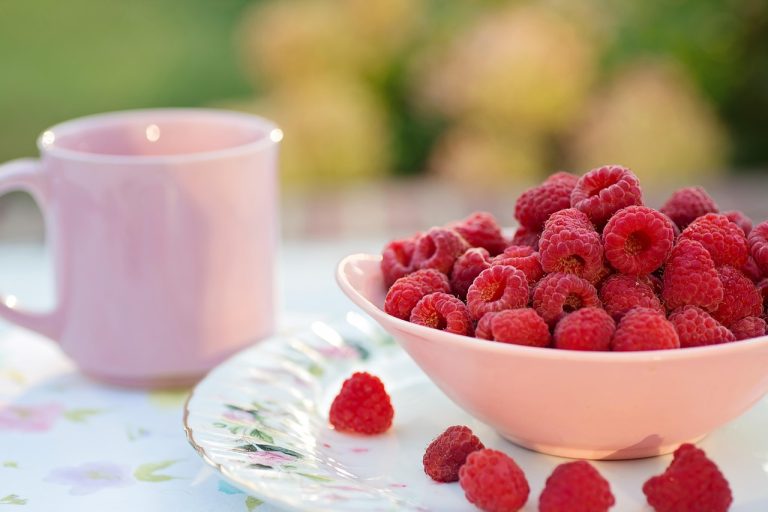
- Organic berries with yogurt
- Roasted chickpeas
- Olives and a small portion of cheese
- Cucumber rounds with guacamole
- Small handful of mixed nuts
When snacks are planned, they stop being a problem and start becoming a tool. That shift alone can make your healthy diet much easier to maintain.
A Grocery List That Makes Organic Meal Prep Easier
Smart grocery shopping is where a lot of success begins. If you go into the store without a plan, you are more likely to buy foods that sound healthy but do not actually work for your week. A strong grocery list keeps your kitchen focused and your budget under control.
Produce
- Spinach, kale, and arugula
- Broccoli, cauliflower, Brussels sprouts
- Bell peppers, cucumbers, zucchini
- Carrots, celery, onions, garlic
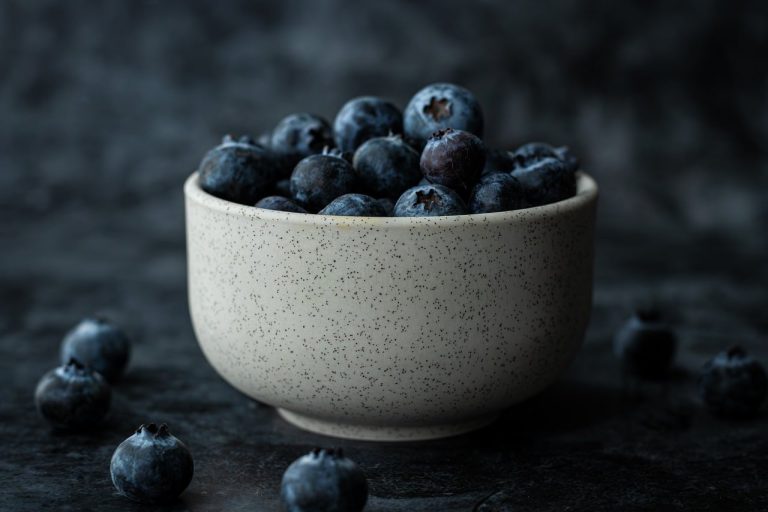
- Blueberries, apples, lemons, avocados
Proteins
- Organic chicken breast
- Organic eggs
- Salmon or tuna
- Tofu or tempeh
- Greek yogurt
- Chickpeas and lentils
Carbs and pantry staples
- Quinoa
- Brown rice
- Oats
- Sweet potatoes
- Black beans
- Olive oil
- Apple cider vinegar
- Herbs and spices
Healthy extras
- Nuts and seeds
- Hummus
- Tahini
- Fermented foods such as sauerkraut or kimchi
- Low-sugar dressings or ingredients for homemade versions
When your pantry is stocked with these essentials, you can build meals quickly without losing sight of nutrition. You also reduce food waste because you are buying ingredients you know how to use.
Common Meal Prep Mistakes That Slow Progress
Even a strong plan can fall apart if it is too complicated or unrealistic. If meal prep has not worked for you in the past, the issue may not be motivation. It may simply be the system.
Making too many different recipes
Trying to prepare five or six separate dishes at once can become exhausting. Instead, choose a few ingredient combinations and reuse them in different ways. Simplicity is one of the secrets to sustainable weight loss.
Ignoring freshness and texture
Some foods taste great on day one but lose appeal by day three. To avoid this, mix hot and cold components, add fresh herbs at the end, and keep dressings separate until serving. These small details keep meals enjoyable.
Overlooking portion sizes
Even healthy ingredients can work against weight loss when portions become oversized. Nuts, cheese, avocado, oils, and grains are nutritious, but they still need structure. Use containers, measuring cups, or a simple plate method to keep portions balanced.
Forgetting about real life
Meal prep should fit your schedule, not punish it. If you know Wednesday is always hectic, prep an extra meal for that day. If mornings are rushed, choose make-ahead breakfasts. Healthy habits last longer when they respect your actual routine.
How Organic Meal Prep Supports Weight Loss Without Feeling Restrictive
People often associate weight loss with dieting rules, but the most effective approach is usually the least dramatic. A stable, well-planned pattern of eating can do more than any short-term cleanse. Organic meal prep supports that pattern by making healthy food easier to access and easier to enjoy.
When meals are balanced, portions are clear, and snacks are planned, your appetite becomes more predictable. That can help reduce overeating, emotional eating, and late-night grazing. The body responds well to consistency. Your mind does too.
Protein helps you feel satisfied longer
Protein is one of the most important nutrients for anyone pursuing weight loss. It helps maintain lean muscle, supports recovery, and keeps meals satisfying. When you include enough protein in each meal, you are less likely to chase extra snacks later in the day.
Fiber improves fullness and digestive comfort
Organic vegetables, fruits, beans, oats, and seeds are rich in fiber, which can support digestion and help you feel full. Fiber also slows the pace of eating, which gives your body more time to recognize fullness. This is a small detail with a big effect.
Healthy fats keep meals enjoyable
Clean eating does not mean avoiding fat. It means choosing better sources in sensible amounts. Olive oil, avocado, nuts, seeds, and fatty fish can improve the flavor and satisfaction of your meals. When food tastes good, adherence improves.
Prepared meals reduce emotional decision-making
When you are tired, stressed, or distracted, it is easy to eat reactively. Meal prep reduces that burden by giving you a ready-made choice. This can be especially valuable during a detox diet phase or a busy work week, when discipline is more difficult to summon on demand.
[IMAGE: fitness lifestyle]
How to Keep Organic Meal Prep Affordable
Many people assume organic food must always be expensive, but that is not necessarily true. With smart planning, you can keep costs reasonable while still prioritizing quality. The goal is not to buy everything organic at all times. The goal is to focus on ingredients that matter most to your routine and your health goals.
Buy seasonal produce
Seasonal fruits and vegetables are often more affordable, more flavorful, and more abundant. They also make your meals feel fresher. When you build your weekly menu around what is in season, you naturally align with a healthier lifestyle.
Choose a few organic priorities
If your budget is limited, start with the foods you eat most often or those that are most likely to carry pesticide residue. Many people choose organic versions of berries, leafy greens, apples, and eggs first. You can then expand gradually as your budget allows.
Use budget-friendly staples
Lentils, beans, oats, rice, eggs, and frozen vegetables can be excellent building blocks for a clean eating routine. They are versatile, nourishing, and easy to prep in bulk. You do not need luxury ingredients to create a premium-feeling meal plan.
Cook once, eat multiple times
Batch cooking is one of the smartest ways to save money. A tray of roasted vegetables can serve as a side dish, bowl base, omelet filling, or salad topping. A large pot of quinoa can be used for lunches, dinners, and snacks throughout the week. The more your ingredients do, the better your value.
A Sample Three-Day Organic Meal Prep Rotation
If you want to begin without overwhelm, start with just three days. This gives you enough structure to feel the benefits of meal prep without demanding too much time. Once the system feels comfortable, you can expand to five or seven days.
Day 1
- Breakfast: Overnight oats with chia seeds, blueberries, and almond butter
- Lunch: Quinoa bowl with roasted broccoli, chicken, and tahini dressing
- Snack: Greek yogurt with walnuts
- Dinner: Baked salmon with sweet potato and green beans
Day 2
- Breakfast: Egg muffins with spinach and tomatoes
- Lunch: Lentil salad with cucumber, herbs, and olive oil vinaigrette
- Snack: Apple slices with almond butter
- Dinner: Turkey lettuce wraps with avocado and carrots
Day 3
- Breakfast: Chia pudding with cinnamon and berries
- Lunch: Tofu stir-fry with brown rice and mixed vegetables
- Snack: Roasted chickpeas
- Dinner: Chicken and vegetable sheet-pan meal with herbs
This rotation is intentionally simple. The goal is not culinary perfection. The goal is to create a dependable healthy diet that supports weight loss, energy, and consistency.
When Organic Meal Prep Becomes a Healthy Lifestyle, Not Just a Task
The most meaningful benefit of meal prep is not the containers in your refrigerator. It is the mindset shift that happens when healthy eating stops feeling complicated. Suddenly, nutrition is not an emergency response to hunger. It is a system that works quietly in the background of your life.
That shift can improve far more than your waistline. It can reduce stress, sharpen focus, make grocery shopping easier, and help you feel more in control of your day. Isn’t that what a healthy lifestyle should feel like? Calm, structured, and supportive rather than chaotic and exhausting?
Organic food contributes to that feeling because it often encourages mindfulness. You pay attention to ingredients. You cook with intention. You become more aware of what actually fuels you. Over time, that awareness can shape better habits everywhere, from breakfast to bedtime.
Practical Tips to Keep Going Even on Busy Weeks
Life will not always be neat, and your meal prep routine does not need to be either. The best systems are flexible enough to survive busy schedules, social plans, and low-energy days. The key is to have a fallback plan.
Keep emergency meals in the freezer
Freeze portions of soups, cooked grains, and proteins so you always have something ready. This can be a lifesaver on weeks when you miss prep day or run out of fresh ingredients.
Use one signature sauce each week
A single sauce can make several meals feel new. Try a lemon herb dressing one week, a yogurt dill sauce the next, or a tahini garlic blend for plant-based bowls. Small changes help prevent boredom.
Prep at the level you can sustain
Some weeks you may prep ten meals. Other weeks, only three. That is okay. The right plan is the one you can continue. Even partial prep can reduce stress and improve food choices.
Respect your hunger cues
Meal prep should support your body, not silence it. If you are consistently hungry, increase vegetables, protein, or healthy fats. If your meals feel too large, reduce portions slightly. A smart plan adapts to real feedback.
When you treat organic meal prep as a tool instead of a rulebook, it becomes easier to stay consistent for the long term. And that consistency is what transforms clean eating from an occasional effort into a natural part of your rhythm. If you are ready to make healthy food feel simpler, start with one batch-cooked protein, two vegetables, and one grain this week, then build from there. You may be surprised how quickly a few organized meals can reshape your energy, your confidence, and your relationship with food.
About the Author