
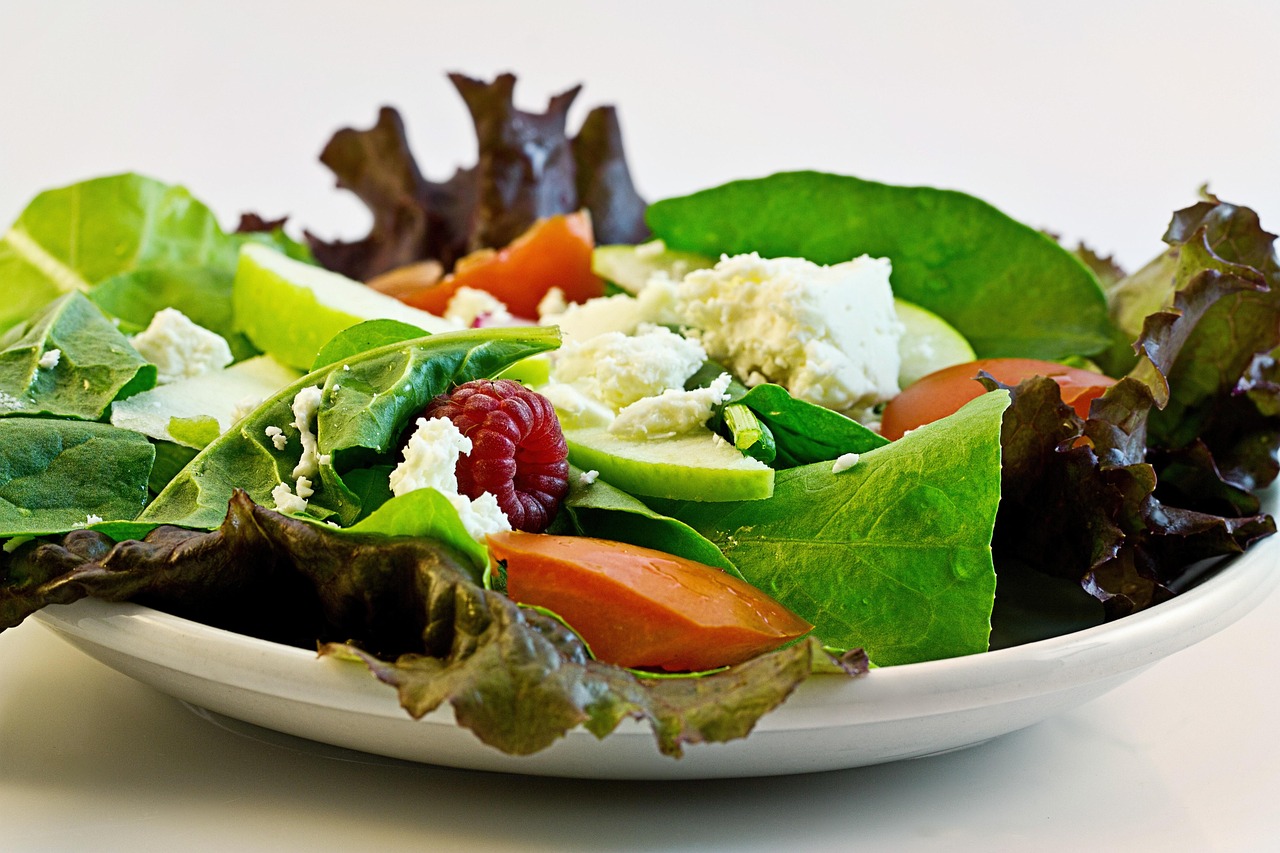
Photo by stevepb on Pixabay
Can organic food really support weight loss, or is it simply a healthier-looking label on the same old plate? The answer is more interesting than a simple yes or no. When organic food is used as part of a clean eating plan, it can make healthy choices easier, more satisfying, and far more sustainable. That matters, because weight loss is rarely about one perfect meal. It is about the habits you repeat every day, the nutrition you give your body, and the environment you create around food.
If you have tried restrictive diets before, you already know how quickly motivation can fade when meals feel bland, rushed, or overly complicated. Organic eating offers a different path. It encourages whole ingredients, smarter shopping, better meal structure, and a calmer relationship with food. Instead of chasing extremes, you build a healthy lifestyle that supports energy, digestion, and steady progress. Isn’t that the kind of plan most people actually want?
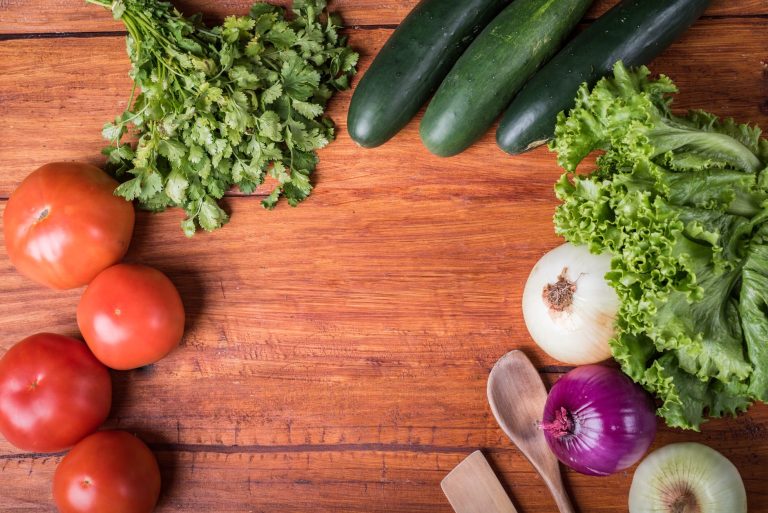
[IMAGE: organic vegetables]
Why Organic Food Fits So Well Into a Weight Loss Plan
Organic food is not a shortcut, and it is not a miracle. What it does offer is a cleaner foundation for nutrition. Organic produce, grains, dairy, eggs, and proteins are often chosen by people who want to reduce exposure to synthetic pesticides, avoid unnecessary additives, and focus on ingredients that taste and feel closer to their natural form. That alone can be powerful for anyone working toward weight loss.
When your meals are built around organic food, you are more likely to eat foods that are naturally rich in fiber, water, vitamins, and minerals. These are the qualities that help you feel full without overdoing calories. A healthy diet based on organic ingredients also tends to limit the ultra-processed foods that quietly push energy intake higher. If clean eating is your goal, organic food can make it easier to stay on track because it reduces decision fatigue. You do not need to wonder what is hiding in the ingredient list.
Clean Eating Works Best When It Is Practical
One of the biggest mistakes people make is treating clean eating like a temporary challenge. They try to eat perfectly for a week, then return to old habits because the plan feels too rigid. Organic food works better when it becomes part of a realistic system. The goal is not perfection. The goal is to create meals you can enjoy, repeat, and adapt.
Ask yourself: would you rather follow a strict program that collapses after ten days, or build a nutrition routine that supports your healthy lifestyle month after month? Sustainable weight loss usually comes from the second choice.
- Choose ingredients you genuinely like, not just ingredients that sound healthy.
- Keep meals simple enough to prepare on busy days.
- Use organic food to improve consistency, not to create pressure.
- Focus on satiety, energy, and long-term habits rather than quick fixes.
Why Nutrition Density Matters More Than Calorie Obsession
Calories matter, but not all calories support your body in the same way. A diet built on nutrient-dense organic food gives you more return for every bite. For example, a bowl of organic greens, avocado, chickpeas, and seeds can provide fiber, healthy fats, protein, and minerals in one meal. That combination is far more satisfying than a snack made from refined flour and added sugar, even if the calories look similar on paper.
This is where nutrition becomes practical. When meals are nutrient-dense, cravings often become easier to manage. You stay fuller longer. You may notice fewer energy crashes. And when you are not constantly fighting hunger, weight loss feels less like a battle and more like a steady rhythm.
The Best Organic Foods for Weight Loss
Not every organic food is automatically a weight loss food, but certain choices are especially helpful. The best options tend to be rich in fiber, protein, water, or healthy fats that support satiety. They also work well in clean eating recipes and can be used across breakfast, lunch, dinner, and snacks.
1. Leafy Greens
Organic leafy greens such as spinach, kale, arugula, romaine, and Swiss chard are weight loss favorites for good reason. They are low in calories yet high in volume, which means they help fill your plate without adding much energy. They also offer fiber and important micronutrients that support overall nutrition.
Leafy greens are especially useful when you want meals that feel generous rather than tiny. Add them to salads, omelets, soups, smoothies, grain bowls, and wraps. A large bowl of organic vegetables can be surprisingly satisfying when paired with protein and a flavorful dressing.
- Use spinach in smoothies for a mild flavor and easy nutrient boost.
- Build salads with arugula, cucumber, tomatoes, and seeds for crunch.
- Sauté kale with garlic and olive oil for a quick side dish.
2. Cruciferous Vegetables
Broccoli, cauliflower, Brussels sprouts, cabbage, and bok choy are excellent organic food choices for a healthy diet. They are dense in fiber and tend to be filling without being heavy. Because they are so versatile, you can roast them, steam them, mash them, or turn them into rice-like bases for lighter meals.
If you want clean eating to feel exciting instead of repetitive, cruciferous vegetables are one of the easiest ways to bring variety to the table. Have you ever noticed how a roasted tray of vegetables can make the whole kitchen smell like a proper meal? That sensory satisfaction matters more than many diets admit.
3. Berries
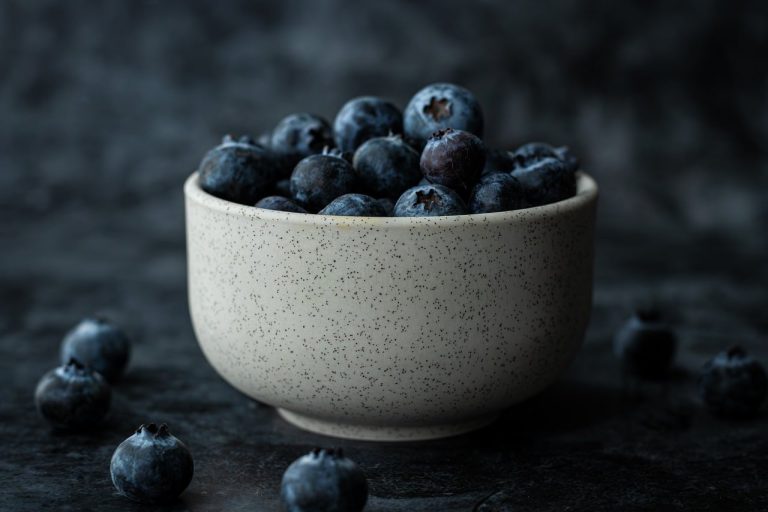
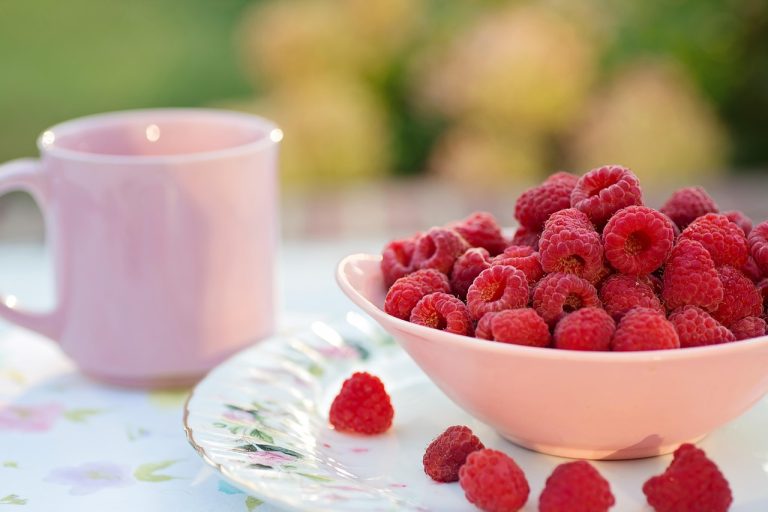
Organic berries such as blueberries, raspberries, strawberries, and blackberries are ideal when you want sweetness without a sugar overload. They are rich in antioxidants, hydrating, and generally lower in sugar than many other fruits. Their fiber content also helps slow digestion, which can support fullness and blood sugar balance.
Enjoy berries with yogurt, oats, chia pudding, cottage cheese, or simply on their own. They can satisfy a sweet craving while still fitting clean eating and weight loss goals.
4. Organic Eggs
Organic eggs, especially when paired with vegetables, are one of the most efficient breakfast foods for weight loss. They provide high-quality protein, which helps support satiety and muscle maintenance. If your goal includes a healthy lifestyle and better body composition, protein matters.
Eggs are quick, adaptable, and easy to prepare in batches. Scrambled eggs with spinach, omelets with mushrooms, or boiled eggs with sliced avocado can all fit beautifully into an organic food plan.
5. Greek Yogurt and Cottage Cheese
Plain organic Greek yogurt and cottage cheese offer protein with minimal added sugar when you choose the right version. They work well for breakfast, snacks, or even savory dishes. Because they are creamy and satisfying, they can help replace less nutritious snack habits that often slow weight loss.
Look for unsweetened options and add your own fruit, seeds, or cinnamon. That way you stay in control of flavor and nutrition at the same time.
6. Legumes
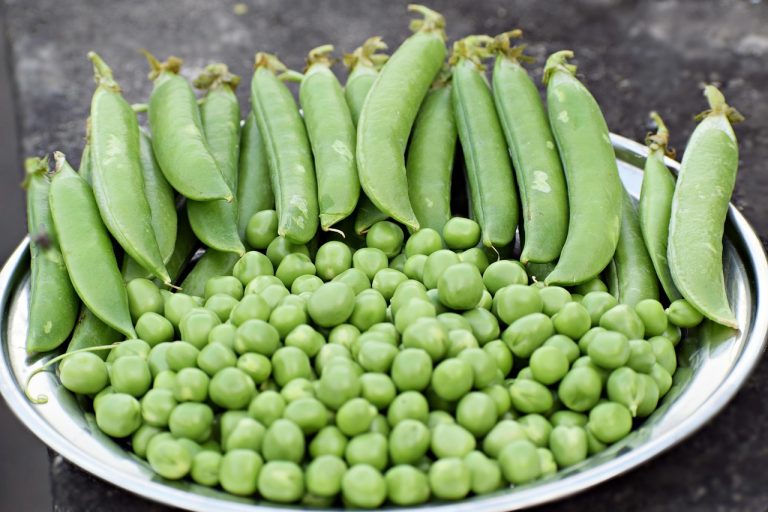
Organic lentils, black beans, chickpeas, and edamame are strong allies for anyone focused on clean eating and nutrition. They deliver a mix of protein, fiber, and complex carbohydrates that help keep energy stable. They are also budget-friendly, which is helpful if you want a healthy diet that lasts.
Legumes work particularly well in salads, soups, stews, and grain bowls. They make meals more substantial without requiring heavy portions.
7. Healthy Fats That Improve Satiety
Avocados, walnuts, chia seeds, flaxseeds, hemp seeds, and almonds are often misunderstood in weight loss conversations. Yes, they are calorie-dense, but they also help you feel satisfied and can reduce the urge to overeat later. In the right portions, these foods are excellent for clean eating.
Healthy fats also support absorption of fat-soluble vitamins and can make meals more enjoyable. A diet that feels too low in fat often becomes difficult to maintain. Why set yourself up for constant cravings when a modest amount of healthy fat can keep your meals balanced?
8. Whole Grains in Smart Portions
Organic oats, quinoa, brown rice, farro, and buckwheat can all fit into a weight loss plan when portions are reasonable. These foods provide steady energy and fiber, which is valuable if you stay active. The key is not to treat grains as the main event. Instead, make them a supportive base for vegetables and protein.
- Use oats for a high-fiber breakfast topped with berries.
- Choose quinoa as a base for roasted vegetables and beans.
- Mix brown rice with cauliflower rice to lighten heavier meals.
How to Build a Plate That Supports Weight Loss
A healthy diet becomes much easier when you have a structure for each meal. You do not need to count every bite if your plate is balanced. In fact, many people find that a simple formula is more effective than calorie obsession because it reduces stress and supports consistency.
The Easy Clean Eating Formula
Think of each meal as a combination of protein, fiber, and smart energy. Start with vegetables, add a protein source, include a moderate portion of complex carbohydrates if needed, and finish with a small amount of healthy fat. This is one of the most reliable ways to stay satisfied while supporting weight loss.
A practical plate pattern
- Half the plate: non-starchy organic vegetables.
- One quarter of the plate: protein such as eggs, beans, yogurt, chicken, tofu, or fish.
- One quarter of the plate: whole grains or starchy vegetables if desired.
- Add a small portion of healthy fat for flavor and fullness.
This pattern is flexible enough for breakfast, lunch, and dinner. It also works with many styles of clean eating, from vegetarian to omnivore. The point is to create balance, not limitation.
Why Portion Awareness Matters More Than Food Fear
Some people assume weight loss means eliminating favorite foods. That mindset often leads to rebound eating. A more effective approach is learning portions. Organic food still contains calories, and even healthy ingredients can slow progress if eaten in excess. But when portions are thoughtful, you get the full benefit of nutrition without the penalty of mindless overeating.
For example, a salad becomes a powerful weight loss meal when it includes enough protein and texture to feel complete. A bowl of steamed vegetables alone may be healthy, but it may not keep you full for long. Build meals that satisfy both your appetite and your goals.
[IMAGE: healthy meal]
Organic Meals That Support a Detox Diet Without Extremes
The phrase detox diet is often used in dramatic ways, but your body already has built-in detoxification systems. Your liver, kidneys, lungs, skin, and digestive system are constantly working to process and remove waste. The real question is not whether you need a miracle cleanse. The question is whether you are giving your body the support it needs through food and hydration.
An organic detox diet, when approached sensibly, can simply mean eating clean, nourishing foods that reduce unnecessary strain. That includes plenty of vegetables, adequate hydration, fiber-rich meals, and fewer ultra-processed products. It can also mean choosing meals that are light but satisfying, so your digestion feels comfortable and your energy stays stable.
Foods That Support a Gentle Reset
If you want a reset week instead of an extreme cleanse, focus on foods that are hydrating, mineral-rich, and easy to digest. Organic food is especially useful here because it keeps the plan simple and ingredient-focused.
- Cucumbers, celery, zucchini, and leafy greens for hydration.
- Blueberries and citrus fruits for freshness and flavor.
- Lentil soup or vegetable soup for warmth and fiber.
- Plain yogurt or kefir for a light protein source if tolerated.
- Herbal teas and water with lemon for variety.
Instead of asking,
About the Author