
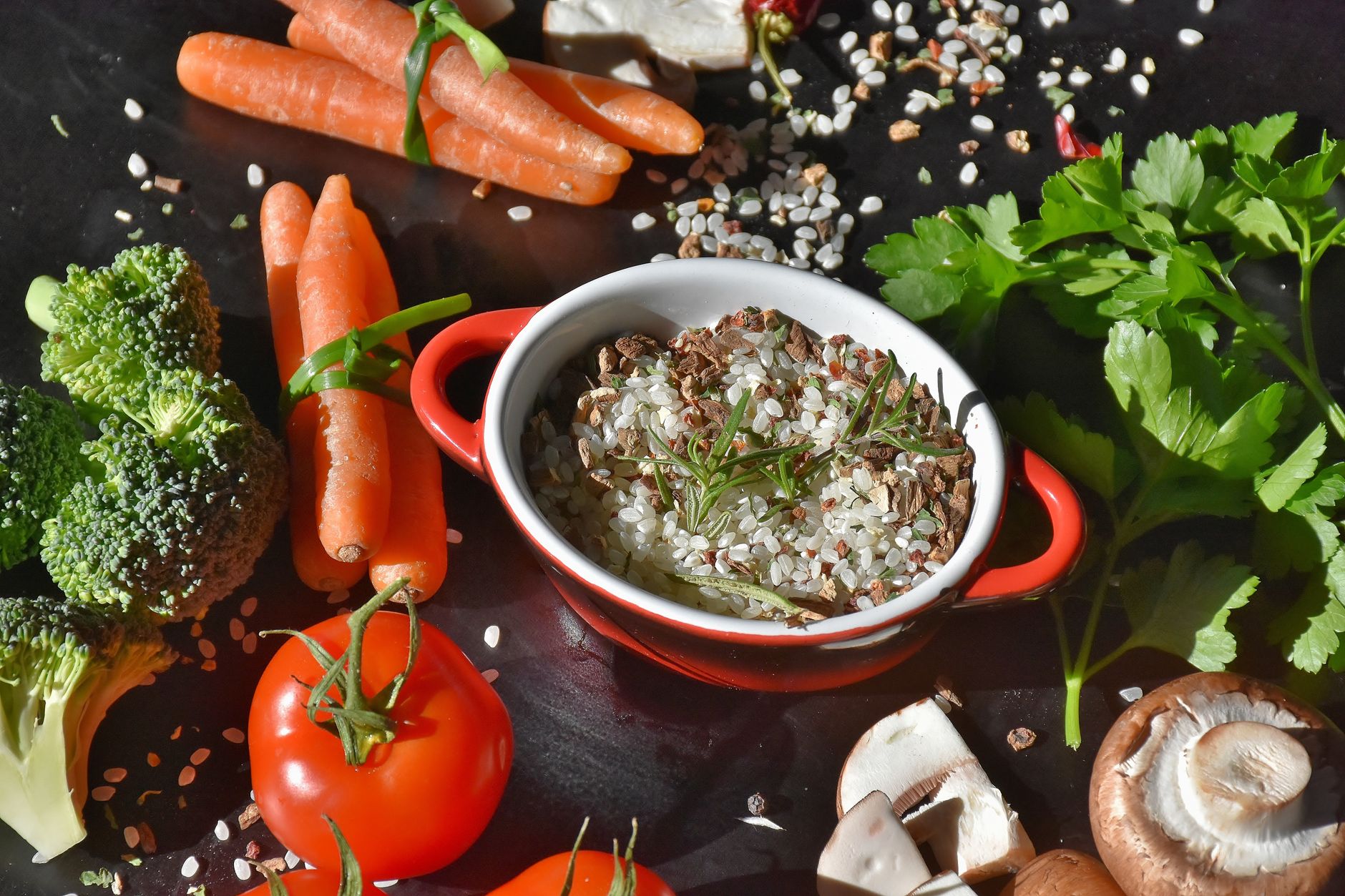
Photo by Pixabay on Pexels
If you have been trying to improve your nutrition, lose stubborn weight, and feel lighter after meals, your gut may be the missing piece of the puzzle. A truly effective healthy diet is not only about cutting calories or chasing trends. It is about choosing organic food that supports digestion, steadies energy, and makes clean eating feel realistic every day. When your meals are built around real ingredients, your body often responds with better digestion, fewer cravings, and more consistent energy. Isn’t that what most people want from a long-term weight loss plan?
Organic food has become more than a label for many health-conscious readers. It represents a shift toward better ingredient quality, fewer unnecessary additives, and a more mindful relationship with food. For people interested in clean eating, a detox diet, or sustainable weight loss, the right organic foods can make an impressive difference. This article explores how to use organic ingredients to support gut health, reduce bloating, and create a healthy lifestyle that feels elegant rather than restrictive.
Why Gut Health Should Matter in Any Healthy Diet
Your digestive system does far more than process breakfast, lunch, and dinner. It influences nutrient absorption, immune function, mood, appetite, and even how efficiently your body uses energy. If digestion is sluggish, you may notice bloating, irregular hunger, low motivation, or stronger cravings for sugar and refined snacks. Have you ever felt tired soon after eating a meal that looked healthy on the plate? Sometimes the issue is not the meal itself, but how well your gut can handle it.
The gut microbiome, which is the ecosystem of beneficial bacteria living in your digestive tract, plays a major role in overall nutrition. When this ecosystem is diverse and balanced, your body often handles food more efficiently. When it is stressed by processed foods, excess sugar, poor sleep, or chronic stress, the results can show up in surprising ways. Clean eating is not just a trend in this context; it is a practical way to reduce strain on digestion and give your body more of what it needs.
How the Gut Can Influence Weight Loss
Many people think weight loss is only about willpower, but biology is a major factor. A healthy gut can support more stable blood sugar, better satiety, and improved nutrient use. That means you may feel satisfied sooner and stay satisfied longer. On the other hand, a disrupted digestive system can make it harder to recognize fullness, which may lead to unnecessary snacking.
Organic food fits into this picture because it often encourages a pattern of eating based on whole ingredients. Instead of ultra-processed meals that can be difficult to digest, organic diets tend to include vegetables, fruits, legumes, seeds, herbs, and quality proteins. That combination naturally supports a healthy lifestyle and can be especially useful for anyone focused on weight loss without extreme restriction.
Signs Your Diet May Need a Gut-Friendly Reset
You do not need a dramatic overhaul to notice the benefits of a cleaner way of eating. In fact, small changes often reveal the most. If several of the following sound familiar, your body may be asking for better nutrition and simpler meals:
- Bloating after ordinary meals
- Cravings for sugar later in the day
- Feeling heavy or sluggish after eating
- Irregular digestion or discomfort
- Low energy despite eating enough
- Difficulty staying consistent with a healthy diet
These symptoms are not proof of a serious issue, but they are often a clue that your food choices, meal timing, or stress levels deserve attention. A gentle detox diet built on organic food can help you move back toward balance without the harshness of extreme cleansing plans.
The Best Organic Foods for Gut Health and Clean Eating
Not every organic ingredient affects the body in the same way. Some foods help feed beneficial bacteria, while others support regular digestion or reduce the load of heavily processed alternatives. The smartest approach is to build meals around a few key categories that work well together. Think of this as a foundation for nutrition rather than a temporary rulebook.
1. Fermented Foods That Bring Beneficial Bacteria
Fermented foods are one of the most valuable additions to a gut-friendly organic food plan. They are known for their live cultures, which can help support microbial diversity in the digestive tract. For people who want a clean eating routine that feels modern and effective, fermented foods offer a simple upgrade.
Best organic options to try
- Organic yogurt with live cultures
- Plain kefir
- Sauerkraut
- Kimchi
- Miso
- Tempeh
Start slowly if your current diet is low in fermented foods. A tablespoon of sauerkraut or a small serving of kefir may be enough at first. The goal is steady support, not overwhelming your system. If you have ever wondered why some people seem to digest meals so easily, regular use of these foods may be part of the answer.
2. Prebiotic Fiber Foods That Feed Good Gut Bacteria
Prebiotics are a type of fiber that serve as food for beneficial bacteria. In other words, they help the good microbes thrive. A healthy diet for weight loss should include enough fiber to keep digestion moving and appetite more stable. Organic vegetables and fruits often make this easier because they are simple, versatile, and naturally rich in plant compounds.
Top organic prebiotic foods
- Garlic
- Onions
- Leeks
- Asparagus
- Artichokes
- Green bananas
- Oats
- Chia seeds
These foods work quietly but effectively. Add them to soups, grain bowls, salads, and morning oats to improve the quality of your daily nutrition. A clean eating plan becomes much easier when meals naturally keep you full instead of leaving you searching for snacks an hour later.
3. Polyphenol-Rich Fruits and Vegetables
Polyphenols are plant compounds that contribute to the color, flavor, and protective qualities of many foods. They also support digestive balance. Organic food choices often shine here because produce is the center of the plate, not a side note. When you build meals around berries, leafy greens, herbs, and vibrant vegetables, you create a more antioxidant-rich pattern of eating.
Excellent organic options include
- Blueberries
- Raspberries
- Red cabbage
- Spinach
- Kale
- Beets
- Parsley
- Green tea
Polyphenol-rich foods are especially useful in a detox diet because they help the body work with natural elimination pathways rather than relying on deprivation. This is a more intelligent form of cleansing: nourishing the body while reducing the foods that create extra digestive work.
4. Healthy Fats and Quality Proteins for Satiety
Many people focus so heavily on vegetables that they forget balance. A healthy lifestyle requires enough protein and fat to stabilize energy and support hormones. Organic food can help here as well, especially when you choose eggs, poultry, tofu, legumes, fish, nuts, and seeds from trusted sources.
Why does this matter for weight loss? Because meals that contain protein and healthy fat tend to keep you satisfied longer. You are less likely to overeat later or reach for quick-fix foods that do little for nutrition. The result is a more practical, sustainable clean eating routine.
- Organic eggs at breakfast for stable energy
- Wild salmon or organic tofu for lunch or dinner
- Avocado, olive oil, and walnuts for healthy fats
- Pumpkin seeds and hemp seeds for additional minerals
Could something as simple as a well-built meal really influence your cravings? Absolutely. The body often responds quickly when it receives the right balance of protein, fiber, and healthy fats.
How to Build a Clean Eating Plate That Supports Digestion
Clean eating does not need to mean complicated recipes or a perfectly organized kitchen. In fact, the simpler your routine becomes, the more likely it is to last. A useful strategy is to build every meal around a visual structure that supports digestion and makes portioning effortless. This is one of the easiest ways to turn organic food into a repeatable healthy diet.
The 3-Part Plate Method
For most meals, aim to include three main components:
- Half the plate: colorful organic vegetables
- One quarter: lean protein or plant protein
- One quarter: fiber-rich carbohydrates or starchy vegetables
- Plus: a small amount of healthy fat
This method keeps meals satisfying without becoming heavy. It also works well for weight loss because it naturally encourages portion awareness while still providing enough nutrition. If you have ever tried a detox diet that felt impossible to maintain, this structure offers a gentler path. Instead of eliminating entire food groups, you are refining the quality of each plate.
Example Meal Combinations
Here are a few clean eating combinations that fit a gut-friendly organic food plan:
- Grilled chicken, roasted broccoli, quinoa, and olive oil
- Tofu, brown rice, kimchi, and sautéed greens
- Salmon, sweet potato, asparagus, and avocado
- Lentils, spinach, beets, and pumpkin seeds
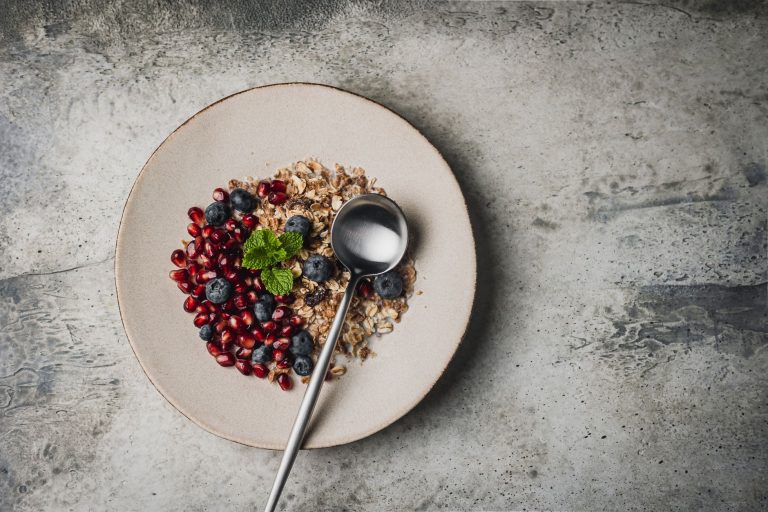
- Organic yogurt, chia seeds, berries, and oats
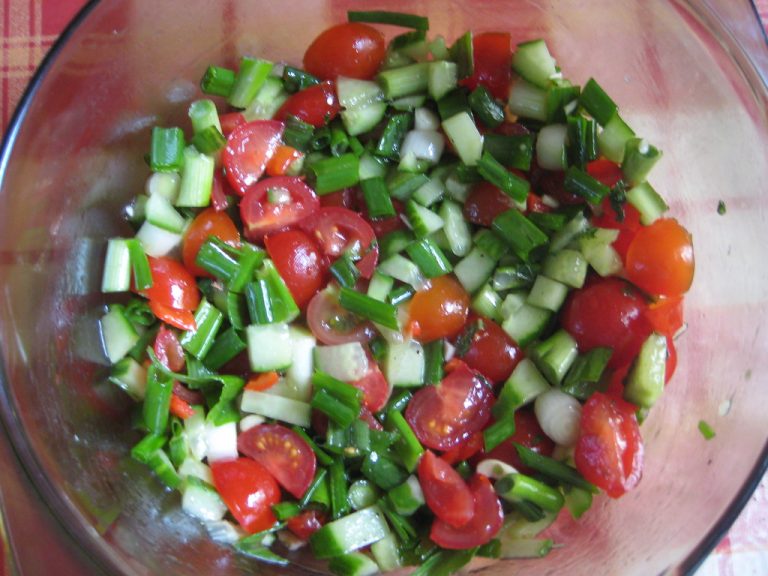
[IMAGE: healthy meal]
These meals are not flashy, but they are effective. They support digestion, help reduce overeating, and create a sense of steady energy that many people associate with a healthy lifestyle. Nutrition becomes easier when you stop chasing perfection and start repeating good choices.
What to Buy: An Organic Food Shopping List for Gut Health
A strong healthy diet starts at the market. If your pantry and refrigerator are filled with convenient but low-quality options, clean eating becomes much more difficult. On the other hand, a thoughtfully chosen shopping list can make healthy food feel like the easiest option in the house. When people ask how to stay consistent with weight loss, this is often the first place to begin.
Seasonal Organic Produce
Seasonal produce usually tastes better, costs less, and encourages variety. Rotating your fruits and vegetables helps prevent food boredom while expanding the range of nutrients in your diet. That variety matters for gut health because different plant foods feed different microbes.
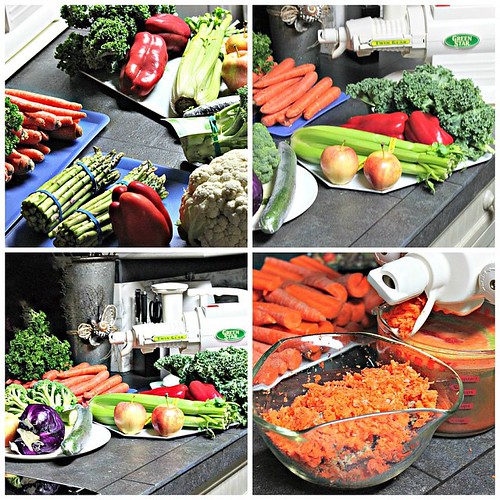
- Leafy greens such as spinach, arugula, and kale
- Cruciferous vegetables such as broccoli, cauliflower, and cabbage
- Root vegetables such as carrots, beets, and sweet potatoes
- Fresh herbs such as parsley, basil, cilantro, and dill
- Seasonal berries and apples
[IMAGE: organic vegetables]
Pantry Staples Worth Keeping on Hand
The pantry matters as much as the produce aisle. A well-stocked kitchen can save time, reduce stress, and keep you from reaching for packaged foods when hunger strikes. Consider keeping these organic food staples available:
- Rolled oats
- Chia seeds
- Flaxseeds
- Brown rice or quinoa
- Canned beans and lentils
- Olive oil
- Raw nuts and seeds
- Herbal teas
- Natural nut butters
With these ingredients, you can assemble breakfast, lunch, dinner, and snacks without relying on last-minute takeout. This is how a clean eating routine becomes part of a real healthy lifestyle rather than a temporary plan.
When a Detox Diet Helps—and When It Doesn’t
The phrase detox diet can be misleading when it is used to promote extreme fasting, juice-only plans, or harsh cleanses. Your body already has detoxification systems working every day. The smarter goal is to support those systems with hydration, fiber, sleep, movement, and nutrient-dense organic food. That approach is more realistic, safer, and easier to sustain.
What a Gentle Detox Diet Looks Like
A healthy detox diet is not about starving yourself. It is about reducing the burden of foods that tend to disrupt digestion and increasing the foods that help the body function smoothly. Here is what that might look like in practice:
- Replace sugary drinks with water, herbal tea, or lemon water
- Choose organic food instead of heavily processed convenience meals
- Add more vegetables to every meal
- Prioritize fiber to support regularity
- Eat at consistent times to reduce digestive stress
- Sleep enough for recovery and appetite regulation
These habits may appear simple, but they can have a significant effect on energy and weight loss. Have you noticed how much better your body feels after a few days of lighter, cleaner meals? That feeling is often a sign that your digestion is being given a break from excess processing.
When to Be Cautious
Not every detox diet is helpful. Very low-calorie plans, long fasts, and extreme restrictions can backfire by increasing stress, slowing energy, and triggering rebound eating. If you are already underweight, pregnant, managing a medical condition, or struggling with a history of disordered eating, it is essential to take a more personalized approach. Clean eating should support your life, not dominate it.
Organic Meal Prep Ideas for Busy People Who Want Better Nutrition
One of the biggest obstacles to healthy eating is not a lack of knowledge. It is a lack of time. That is why meal prep is such a valuable part of any weight loss or clean eating plan. When you prep organic food in advance, you make it easier to choose well even on stressful days. This is especially helpful for professionals, parents, students, and anyone who wants a healthier routine without spending hours in the kitchen.
A Simple 60-Minute Prep Framework
If you are new to meal prep, start with one hour and focus on the basics. You do not need dozens of containers or overly intricate recipes. Try this:
- Wash and chop vegetables
- Cook one grain, such as quinoa or brown rice
- Prepare one or two proteins
- Make a simple dressing with olive oil, lemon, and herbs
- Portion snacks such as berries, nuts, or yogurt
Once these pieces are ready, meals come together quickly. A bowl can become lunch in minutes. A salad can become dinner with one added protein. A snack can stay balanced instead of turning into a sugar crash. That is the kind of practical nutrition that supports long-term results.
How Fitness Lifestyle Habits Reinforce Your Diet
[IMAGE: fitness lifestyle]
Food matters, but movement, hydration, and recovery also shape the outcome. A fitness lifestyle does not have to mean intense exercise every day. Walking, stretching, strength training, or a short yoga session can help support digestion and stress control. When paired with an organic food plan, these habits often make weight loss feel more natural and less forced.
Ask yourself: is your current routine helping your body digest and recover, or is it simply keeping you busy? The best healthy lifestyle practices work together. Good nutrition fuels movement, and movement improves how you feel about food.
Common Clean Eating Mistakes That Can Slow Progress
Even well-intentioned people can make mistakes that limit results. The goal is not to be perfect. It is to notice what is not working and adjust it. If your organic food routine has not produced the changes you hoped for, one of these issues may be involved.
1. Eating Too Little Protein
Many clean eating diets lean heavily on vegetables and healthy grains but forget protein. Without enough protein, meals may not keep you full for long, and muscle support during weight loss may suffer. Add protein to every meal, even breakfast.
2. Assuming Organic Automatically Means Healthy
Organic food is often a better choice, but it is still possible to overeat organic desserts, breads, snack foods, or sweetened drinks. Clean eating is about the whole pattern, not just the label. Nutrition quality still matters.
3. Going Too Low in Calories
Excessive restriction can reduce energy, worsen cravings, and make a healthy lifestyle feel miserable. A sustainable weight loss plan should leave room for enough food, especially from whole organic ingredients.
4. Ignoring Fiber and Hydration
Fiber needs water to do its job well. If you increase vegetables, seeds, and legumes without drinking enough fluids, digestion may become uncomfortable. A detox diet only works when the body has the hydration it needs to process and move waste efficiently.
5. Failing to Plan for Real Life
People often create ideal meal plans that do not match their actual schedules. If your plan requires perfect timing, rare ingredients, or complicated recipes, it will be difficult to maintain. Clean eating works best when it is adaptable, not rigid.
A Practical 3-Day Organic Food Reset
If you want to test the benefits of a healthier, gut-friendly routine, try a simple 3-day reset instead of a strict cleanse. The idea is to focus on organic food, steady meals, and digestion-friendly combinations. This can reveal how much better your body feels with cleaner ingredients and a calmer eating pattern.
Day 1
- Breakfast: Organic yogurt, chia seeds, blueberries, and oats
- Lunch: Quinoa bowl with grilled chicken, spinach, cucumber, and olive oil
- Dinner: Salmon, roasted broccoli, and sweet potato
- Snack: Apple slices with almond butter
Day 2
- Breakfast: Omelet with greens and herbs
- Lunch: Lentil soup with carrots and cabbage
- Dinner: Tofu stir-fry with asparagus and brown rice
- Snack: Sauerkraut with cucumber slices
Day 3
- Breakfast: Overnight oats with flaxseed and raspberries
- Lunch: Turkey or tempeh salad with avocado and pumpkin seeds
- Dinner: Baked fish, cauliflower, and beets
- Snack: Kefir or a handful of walnuts
This is not about perfection. It is about creating a pattern that helps you understand how your body responds when meals are based on real food, a calmer pace, and better balance. Even a few days can teach you a lot about cravings, energy, and digestion.
How to Make Organic Clean Eating Sustainable Long Term
The most successful healthy diet is the one you can repeat without feeling deprived. Sustainability comes from systems, not motivation alone. That means having easy meals on hand, forgiving yourself for imperfect days, and choosing a structure you can actually maintain. Organic food can absolutely fit into this kind of life, even if your schedule is full.
Helpful Habits to Keep in Place
- Plan meals before shopping
- Keep a few go-to breakfasts and lunches
- Use frozen organic vegetables when time is short
- Prepare snacks before hunger becomes urgent
- Balance every meal with fiber, protein, and healthy fats
- Notice how different foods affect your digestion and energy
These habits create consistency, and consistency is where real transformation happens. A healthy lifestyle is not built in one dramatic week. It is built meal by meal, choice by choice, until the pattern becomes second nature.
When organic food, clean eating, and smart nutrition work together, the result is more than a slimmer waistline. You may feel clearer, lighter, and more in control of your daily routine. That is the kind of weight loss journey people can maintain because it respects the body instead of fighting it. If this approach resonates with you, keep exploring more expert articles on DietOrganic and continue building a way of eating that feels both nourishing and lasting.
About the Author