

Photo by RDNE Stock project on Pexels
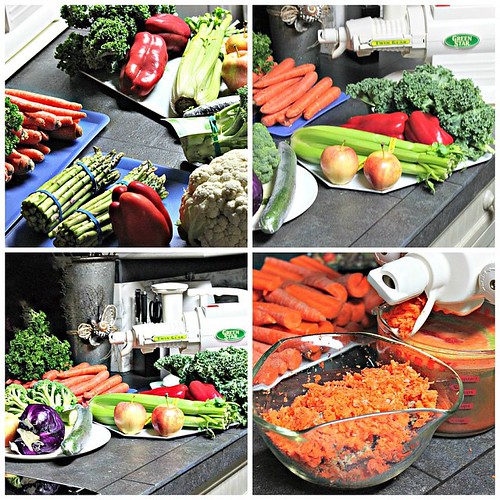
Your digestive system does far more than process meals. It influences energy, cravings, mood, immunity, and even how comfortably you move through the day. That is why the conversation around organic food is no longer limited to farming practices alone. For anyone committed to clean eating, a healthy lifestyle, or sustainable weight loss, gut health is one of the smartest places to start. When you choose nutrient-rich, minimally processed ingredients, you give your body a better chance to absorb what it needs and let go of what it does not. [IMAGE: organic vegetables]
Why Gut Health Belongs at the Center of a Clean Eating Plan
People often think of digestion as a background function, something that only matters when discomfort appears. In reality, the gut is one of the body’s busiest systems. It breaks down food, houses beneficial bacteria, supports the immune system, and helps regulate how well you use nutrients from every meal. If digestion is sluggish, imbalanced, or irritated, even the best nutrition plan can feel underwhelming. Are you eating well but still dealing with bloating, unpredictable hunger, or low energy? Your gut may be asking for more support than you realize.
The microbiome in plain English
The microbiome is the community of bacteria and other microorganisms living in your digestive tract. Some of these microbes help with digestion, produce beneficial compounds, and keep less helpful organisms in check. Others can thrive when the diet is too low in fiber, too high in added sugar, or dominated by ultra-processed foods. A balanced microbiome does not come from a magic supplement or a trendy detox diet. It is built day by day through nutrition choices, hydration, sleep, stress management, and consistent clean eating habits.
Signs your gut may need more attention
The symptoms are not always dramatic. Sometimes they show up in subtle ways that are easy to ignore:
- Bloating after meals
- Frequent gas or abdominal discomfort
- Irregular bowel movements
- Sugar cravings that feel hard to control
- Feeling tired after eating
- Skin flare-ups or unexplained breakouts
- Brain fog and low focus
- A sense that your meals are not satisfying
When these signs become familiar, the goal is not to restrict more aggressively. Instead, it is to nourish more intentionally with organic food, fiber, and whole ingredients that support the gut rather than overwhelm it.
Why Organic Food Can Be a Smarter Choice for Digestion
Organic food is not a cure-all, but it does fit naturally into a gut-friendly eating pattern. Choosing organic produce, grains, dairy, and pantry staples can reduce exposure to certain pesticide residues and often encourages a more mindful approach to food overall. People who prioritize organic eating tend to buy fewer highly processed products, cook more often at home, and pay closer attention to ingredient quality. That shift alone can improve nutrition in a powerful way.
More than avoiding pesticides
Organic food is often discussed only in terms of what it leaves out, but the real value comes from what it helps you add. When your basket fills with vegetables, berries, beans, nuts, seeds, whole grains, and cultured foods, your meals become naturally richer in fiber and micronutrients. This matters because the gut thrives on consistency, not extremes. A steady supply of plant compounds gives beneficial microbes the fuel they need to perform well.
Organic fiber and nutrient density
Fiber is one of the most important nutrients for digestive health, and many organic foods are excellent sources of it. Fiber helps move food through the intestines, supports regularity, and feeds bacteria that produce short-chain fatty acids associated with a healthier colon environment. It also plays a key role in weight loss because it promotes satiety, slows digestion, and helps prevent constant snacking. That means a fiber-rich organic diet can support both gut comfort and a healthier body composition without feeling restrictive.
The Best Organic Foods for Gut Health
If you want to build a gut-friendly kitchen, start with foods that combine fiber, hydration, phytonutrients, and, in some cases, natural fermentation. You do not need a complicated plan. You need reliable ingredients you can enjoy every week.
1. Leafy greens
Organic spinach, kale, arugula, romaine, and Swiss chard are some of the most versatile foods you can keep on hand. They are rich in folate, magnesium, vitamin K, and plant compounds that help reduce oxidative stress. Their fiber content supports bowel regularity, while their high water content makes meals feel light yet nourishing. Add them to smoothies, soups, omelets, grain bowls, or simple sautéed sides. [IMAGE: healthy meal]
Easy ways to use leafy greens
- Blend spinach into a breakfast smoothie
- Toss arugula with olive oil and lemon for a fast salad
- Fold kale into soups during the last few minutes of cooking
- Use romaine leaves as wraps for a clean eating lunch
2. Fermented organic foods
Fermented foods are among the most useful additions to a gut-friendly menu because they can introduce live cultures that support a balanced microbiome. Organic yogurt with live active cultures, kefir, sauerkraut, kimchi, miso, and tempeh are all excellent choices. If you are sensitive to dairy, look for organic coconut yogurt or kefir alternatives with added cultures. Start slowly, especially if your digestion is sensitive, because fermented foods can be powerful.
How to add them without overdoing it
- Use a few spoonfuls of sauerkraut as a side
- Stir miso into warm, not boiling, broth
- Choose plain organic yogurt instead of sweetened varieties
- Pair fermented foods with fiber so they work together
3. Organic oats
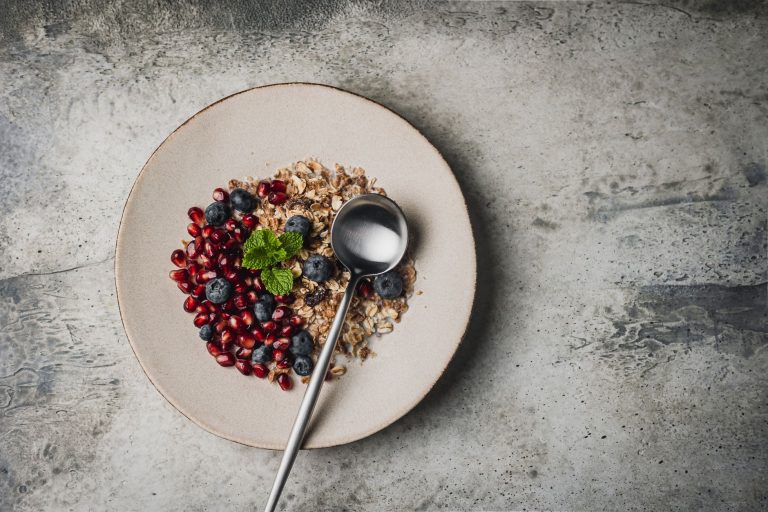
Organic oats are one of the simplest breakfast choices for digestive support. They contain soluble fiber, including beta-glucan, which helps feed beneficial bacteria while keeping you fuller for longer. A bowl of oats can be a steadying meal for anyone trying to improve nutrition while avoiding the blood sugar swings that often drive cravings later in the day. Top oats with berries, chia seeds, and a spoonful of nut butter for a balanced clean eating breakfast.
4. Berries
Blueberries, raspberries, strawberries, and blackberries are rich in fiber and polyphenols, plant compounds that support a healthier gut environment. They are also naturally lower in sugar than many fruits, which makes them a smart option for weight loss and blood sugar balance. Organic berries are especially appealing because they are often eaten with minimal processing, so choosing organic can align well with a cleaner food philosophy.
Best pairings for berries
- With organic yogurt or kefir
- Over oatmeal or chia pudding
- Blended into a smoothie with spinach
- As a fresh dessert after dinner
5. Apples
An apple a day is more than an old saying. Apples contain pectin, a form of soluble fiber that can support digestion and help feed the good bacteria in the gut. They are portable, budget-friendly, and easy to pair with nuts or seeds for a satisfying snack. Eating the skin is important because it contains much of the fiber. When possible, choose organic apples because they are among the fruits people often want to buy with reduced chemical exposure.
6. Legumes
Organic lentils, chickpeas, black beans, and cannellini beans are powerful foods for both gut health and healthy weight management. They supply resistant starch and fiber that help nourish beneficial bacteria while keeping you full. If beans have felt hard to digest in the past, start with smaller portions and rinse canned organic beans thoroughly. Over time, the digestive system often adapts beautifully when legumes are introduced consistently.
Need a simple clean eating formula? Combine legumes with leafy greens, a healthy fat, and a squeeze of lemon for a meal that feels balanced, filling, and light on the stomach.
7. Garlic and onions
These ingredients are flavor heroes in any organic kitchen. Garlic, onions, leeks, and scallions contain prebiotic fibers that help feed the bacteria you want to keep. They also make clean eating meals taste satisfying, which matters more than many people admit. If food feels bland, people usually drift back to convenience snacks. Flavor is not optional; it is part of sustainable nutrition.
Use garlic and onions in soups, stir-fries, sauces, and roasted vegetable dishes. Their natural compounds can support digestive wellness while making healthy food much easier to enjoy.
8. Chia seeds and flaxseeds
Chia and flax are small, but they have an impressive impact. Both are rich in soluble fiber and healthy fats, and flax also provides lignans, plant compounds linked to broader wellness benefits. When soaked, chia seeds create a gel-like texture that can be especially soothing for some people. Ground flax is easier to digest than whole flax, so grind it fresh or buy it pre-ground and store it properly.
Simple ways to use seeds
- Add chia to overnight oats
- Stir ground flax into smoothies
- Sprinkle both over salads or yogurt
- Use chia pudding as a dessert-style breakfast
9. Avocados
Avocados offer creaminess, fiber, potassium, and healthy monounsaturated fats. They help meals feel satisfying while supporting steady energy and smoother digestion. A well-built clean eating plate often includes a small amount of fat to improve satiety, and avocado is one of the easiest ways to get it. Spread it on sprouted toast, cube it into salads, or blend it into a velvety smoothie.
10. Organic ginger
Fresh ginger is a classic digestive ally. It has long been used to help with nausea, sluggish digestion, and general stomach discomfort. While it is not a substitute for medical care, ginger can be a comforting, practical addition to your daily routine. Add it to tea, stir-fries, dressings, and broths. Pair it with lemon and mint for a simple natural detox drink that tastes refreshing rather than extreme.
What a Gut-Friendly Organic Day Can Look Like
One of the most common questions people ask is, what does a realistic day of eating actually look like? The answer does not need to be elaborate. It needs to be nourishing, repeatable, and enjoyable. A gut-friendly routine works best when it fits your schedule rather than demanding perfection.
Breakfast
Start with organic oats cooked in water or milk of choice, then top with blueberries, chia seeds, cinnamon, and plain yogurt. If you prefer savory breakfasts, try scrambled eggs with spinach, sautéed onions, and avocado on the side. Both options deliver fiber, protein, and satisfying fats that set the tone for the day.
Lunch
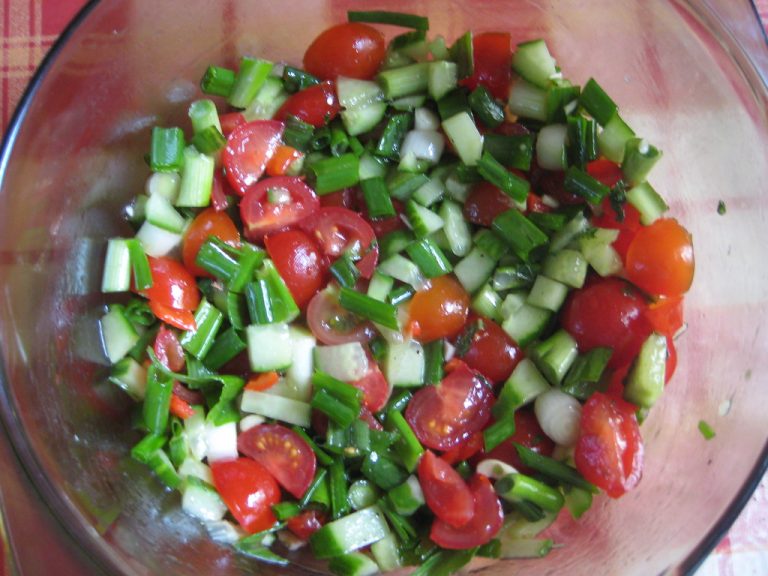
Create a bowl with mixed greens, chickpeas, cucumber, roasted sweet potato, sauerkraut, pumpkin seeds, and a lemon-olive oil dressing. It is colorful, filling, and easy to digest when portions are balanced. A meal like this supports nutrition without feeling heavy, which is exactly what clean eating should do.
Dinner
Try baked salmon or baked tofu with steamed broccoli, garlic, brown rice, and a small serving of fermented vegetables. If you prefer plant-based meals, lentil stew with carrots, celery, kale, and herbs can be equally satisfying. The point is not to eat perfectly. The point is to build meals that your gut can handle comfortably and consistently.
Snacks
- Apple slices with almond butter
- Organic yogurt with berries
- Carrot sticks with hummus
- A handful of walnuts and pumpkin seeds
When snacks are planned, cravings lose some of their power. You are no longer reacting to hunger with random choices. You are supporting your body with purpose.
How Organic Eating Can Support Weight Loss Without Aggression
Gut health and weight loss are closely connected, but not in the superficial way many diet ads suggest. A healthier microbiome can influence how full you feel, how efficiently you digest meals, and how often you crave ultra-processed foods. That does not mean organic food is a shortcut. It means the right foods make the process easier to sustain.
Why fiber changes the game
Fiber slows digestion and helps regulate appetite. When you eat foods like beans, berries, greens, oats, and seeds, you are more likely to feel satisfied with reasonable portions. That naturally supports weight loss without the constant sense of deprivation that causes many diets to fail. If your goal is to lose weight while protecting energy and digestion, fiber-rich organic food should be one of your first priorities.
Stable blood sugar means fewer crashes
Meals built from protein, fiber, and healthy fats help avoid sharp blood sugar swings. Those swings often trigger cravings for sweets, refined carbs, and late-night snacking. A clean eating approach centered on organic food can make your day feel calmer and more predictable. Would it be easier to stay consistent if your meals actually kept you satisfied for hours? For many people, the answer is yes.
Less processed food, less digestive stress
Highly processed foods often contain emulsifiers, added sugars, excess sodium, and artificial flavors that can make digestion feel unpredictable. Replacing even a portion of those foods with organic whole ingredients can create a noticeable difference. This is not about fear. It is about giving your body a more natural rhythm to work with.
[IMAGE: fitness lifestyle]
Building a Clean Eating Pantry for Better Digestion
A healthy lifestyle becomes much easier when your pantry supports your goals. The more prepared your kitchen is, the less you depend on convenience food when you are tired or busy. Think of this as a quiet form of self-respect. You are making it easier to nourish yourself well.
Keep these organic staples on hand
- Organic oats and quinoa
- Lentils, chickpeas, and black beans
- Chia seeds and ground flaxseed
- Olive oil and avocado oil
- Apple cider vinegar and lemon
- Organic frozen berries and vegetables
- Plain yogurt or kefir with live cultures
- Garlic, onions, ginger, and fresh herbs
With these ingredients, you can assemble nourishing meals quickly. A pantry built for digestion is also a pantry built for consistency, and consistency is what leads to long-term results in nutrition, energy, and weight loss.
Common Gut Health Mistakes Even Clean Eaters Make
Many people assume that eating organic automatically solves digestive problems. In practice, several habits can still get in the way. The good news? These mistakes are fixable once you notice them.
1. Not eating enough variety
Your gut bacteria benefit from diversity. If you eat the same five healthy foods every day, you may be missing the broader range of nutrients and fibers that support a resilient microbiome. Aim to rotate vegetables, fruits, grains, legumes, nuts, and seeds throughout the week.
2. Jumping too quickly into high fiber
More fiber is not always better overnight. If your current intake is low, increasing it too fast may cause bloating or discomfort. Build up gradually and drink enough water so your digestive system can adapt.
3. Forgetting fermented foods are powerful
Many people focus only on fiber and overlook the potential value of live-culture foods. A spoonful of sauerkraut, a serving of yogurt, or a little kefir can be a small but meaningful habit. The key is regularity, not excess.
4. Treating detox diet trends like a reset button
A healthy detox diet is not about juice-only rules or punishing restrictions. True detox support comes from high-quality food, hydration, sleep, and liver-friendly ingredients like leafy greens, citrus, garlic, and cruciferous vegetables. Your body detoxes every day. Your job is to make the process easier, not harder.
5. Neglecting stress and eating pace
Digestive health is not only about food. Eating while rushed, distracted, or stressed can affect how well you digest a meal. Try sitting down, breathing deeply, and chewing more thoroughly. Those small habits can make a big difference in comfort and nutrient absorption.
Simple Daily Habits That Make Organic Food Work Better
Sometimes the most effective gut health strategies are the least dramatic. You do not need a six-step cleanse to feel better. You need a few repeatable habits that help your body process food smoothly.
Eat at regular intervals
Long stretches without food can lead to overeating later, while constant grazing can make digestion feel fragmented. Most people do best with a steady rhythm that includes balanced meals and intentional snacks when needed.
Drink water consistently
Hydration supports digestion, nutrient transport, and regular bowel movements. Keep water nearby and sip throughout the day. Herbal teas with ginger, mint, or fennel can also be soothing, especially after meals.
Prioritize sleep
Gut function and sleep quality are closely linked. Poor sleep can increase cravings and make digestion feel less efficient. When you protect your sleep, you are supporting the whole system, not just rest.
Move your body daily
Gentle movement such as walking, yoga, or light strength training can help digestion and circulation. You do not need intense exercise every day. A consistent fitness lifestyle helps the gut by encouraging regularity and reducing stress.
A Simple Organic Grocery List for Gut Support
If you are ready to start, shopping with a plan will save time and reduce decision fatigue. Use this list as a foundation for your next trip to the market.
Produce
- Spinach
- Kale
- Broccoli
- Cauliflower
- Carrots
- Zucchini
- Berries
- Apples
- Avocados
- Lemons
Protein and cultured foods
- Organic yogurt
- Kefir
- Tempeh
- Tofu
- Eggs
- Salmon
- Chicken or turkey if you eat animal protein
Pantry staples
- Oats
- Lentils
- Chickpeas
- Black beans
- Brown rice
- Quinoa
- Chia seeds
- Ground flaxseed
- Extra virgin olive oil
- Herbal teas
When your shopping list supports your goals, healthy choices become easier than unhealthy ones. That shift is one of the most underrated parts of lasting nutrition success.
How to Make This Approach Sustainable for Real Life
The best eating style is not the one that looks perfect for a week. It is the one you can live with calmly for months and years. Organic food for gut health works best when you treat it as a lifestyle, not a temporary fix. That means choosing meals you enjoy, preparing food in ways that fit your schedule, and allowing room for flexibility without guilt.
Start with one upgrade at a time
Pick one habit, not ten. Maybe you begin by replacing one processed breakfast with organic oats and berries. Maybe you add a fermented food to lunch three times a week. Maybe you swap sugary snacks for apples and nut butter. Small wins build confidence, and confidence builds consistency.
Focus on comfort, not punishment
If a detox diet, clean eating plan, or weight loss strategy makes you feel deprived, it will be difficult to maintain. The goal is to feel nourished, light, and clear-headed. That emotional experience matters because food habits are shaped by how a plan feels, not just how it looks on paper.
Listen to your body
Every gut is different. Some people thrive on more fermented foods, while others need to go slowly. Some feel best with smaller meals, while others need larger ones. The smartest nutrition plans are responsive. Notice how your body reacts and adjust with curiosity rather than judgment.
If you want better digestion, steadier energy, and a more natural path to weight loss, organic food offers a practical, elegant place to begin. The most effective healthy diet is rarely extreme; it is the one built on real ingredients, repeatable habits, and respect for how your body works. Keep choosing clean eating patterns that include fiber, cultures, hydration, and variety, and your gut will have the tools it needs to support the rest of your healthy lifestyle. For more expert organic food guides, nutrition ideas, and clean eating inspiration, explore the other articles on DietOrganic and keep building a kitchen that works for you.
About the Author