
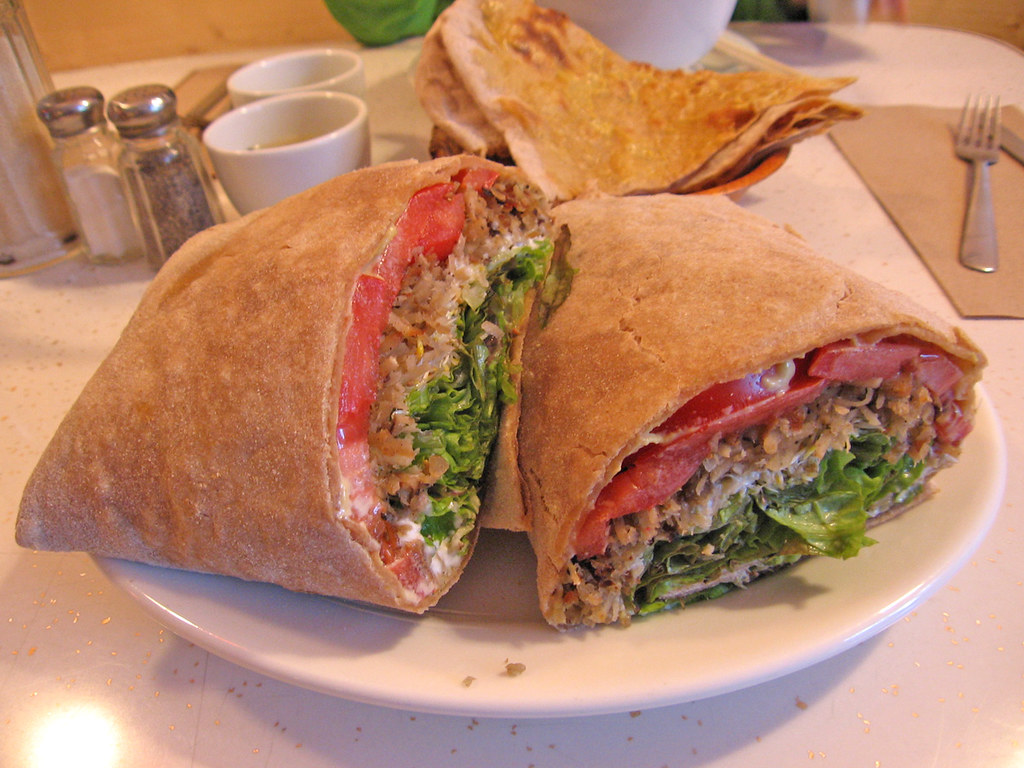
Photo by moriza on Openverse
If you have ever stood in a grocery aisle wondering which foods actually support weight loss, you are not alone. The modern food environment is crowded with convenience items that look healthy, sound healthy, and still leave you hungry an hour later. That is where organic food can change the conversation. Instead of chasing extremes, a clean eating approach built around organic foods can help you eat more whole ingredients, feel more satisfied, and support a healthy lifestyle that is realistic enough to maintain.
What if your next grocery shop could make healthy eating feel simpler instead of harder? What if the foods you choose every day could quietly improve your nutrition, reduce mindless snacking, and make weight loss feel less like punishment and more like progress? The goal is not perfection. The goal is choosing the right organic foods often enough that your meals begin to work with your body, not against it.
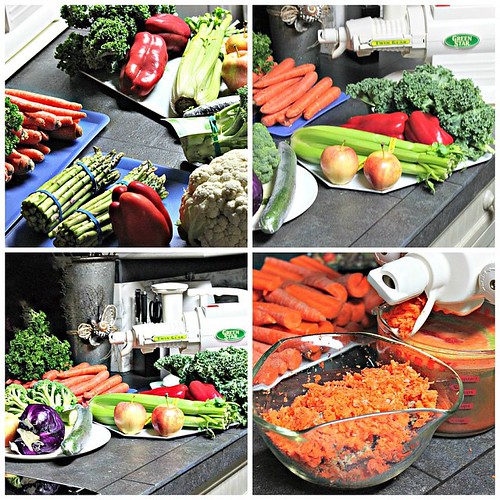
This guide explores the best organic foods for weight loss, how to build meals that keep you full, and how to make clean eating practical even on busy weeks. You will also see how organic food fits into a gentle detox diet mindset, why certain nutrient-dense ingredients deserve a permanent place on your plate, and how to avoid the most common mistakes people make when they try to eat well but still do not see results. [IMAGE: organic vegetables]
Why organic food can support weight loss without extreme dieting
Organic food is not a magic formula, and it does not override calories, portions, or habits. Still, it can create a powerful foundation for weight loss because it usually encourages a more intentional way of eating. When your pantry is built around vegetables, lean proteins, fruit, legumes, and minimally processed staples, you naturally create more satisfying meals and fewer impulse decisions.
Many people think weight loss requires cutting out entire food groups or surviving on tiny portions. That approach often backfires. Hunger grows, cravings intensify, and nutrition suffers. A better strategy is to focus on foods with a high nutrient-to-calorie ratio. Organic produce, quality proteins, healthy fats, and slow-digesting carbohydrates can deliver that balance beautifully.
Cleaner ingredient lists make meals easier to trust
One of the biggest advantages of organic food is simplicity. The shorter and cleaner the ingredient list, the easier it is to understand what you are eating. This matters because weight loss is not only about fewer calories; it is about better decision-making. Foods that are highly processed often contain added sugars, refined oils, and sodium levels that can encourage overeating. Whole organic foods, by contrast, make clean eating feel more natural.
When you can recognize every ingredient on your plate, eating becomes more mindful. That sense of clarity can improve consistency, and consistency is what delivers results over time. Would you rather rely on willpower or build meals that naturally support control and satisfaction?
Nutrition density helps you stay full longer
Weight loss is far easier when meals actually satisfy you. Organic vegetables, fruit, proteins, and fiber-rich staples provide vitamins, minerals, and phytonutrients that help your body function well while keeping hunger in check. This is why a plate of spinach, eggs, berries, and oats often feels far more nourishing than a pastry or a sugar-heavy breakfast bar, even if both have a similar calorie count.
When your meals contain enough protein, fiber, and healthy fat, you are less likely to experience energy crashes that lead to snacking. Good nutrition is not a luxury during weight loss; it is the mechanism that keeps the process sustainable.
The best organic foods for weight loss
The most effective weight loss foods are rarely dramatic. They are usually the ingredients that quietly make your meals more filling, more balanced, and more enjoyable. The list below focuses on organic foods that can help support healthy digestion, stable energy, and better appetite control.
Leafy greens
Spinach, kale, arugula, romaine, Swiss chard, and mixed greens are some of the smartest foods you can buy if your goal is weight loss. They are low in calories, high in volume, and packed with nutrients that support a healthy lifestyle. Because they add bulk to salads, bowls, omelets, soups, and smoothies, leafy greens help you feel as though you are eating more without dramatically increasing energy intake.
Try starting lunch and dinner with greens, not starches. This simple shift can improve satiety and make portion control feel effortless. A bed of organic greens under protein and vegetables creates a plate that looks abundant and tastes fresh.
Cruciferous vegetables
Broccoli, cauliflower, Brussels sprouts, cabbage, and broccoli sprouts deserve a permanent place in a clean eating kitchen. These vegetables are rich in fiber and have a dense, satisfying texture that makes meals feel substantial. They are especially helpful if you often feel hungry soon after eating.
Roast them with a little olive oil and sea salt, steam them for quick side dishes, or shred cabbage into slaws and stir-fries. Organic cruciferous vegetables can support a detox diet style of eating by emphasizing whole ingredients, but the real value is their ability to make everyday meals more filling and nutrient-rich.
Berries
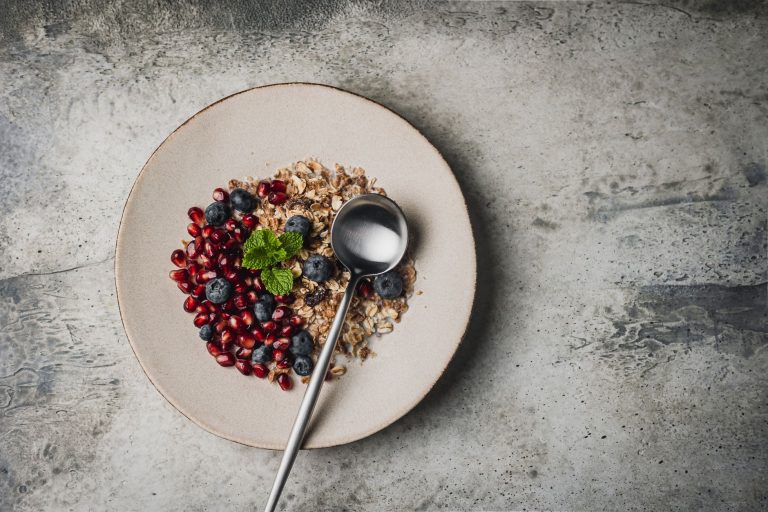
Blueberries, raspberries, blackberries, and strawberries are ideal when you want something sweet without drifting into a sugar spiral. They are naturally lower in sugar than many fruits and rich in antioxidants, fiber, and flavor. A handful of organic berries can transform plain yogurt, overnight oats, or a smoothie bowl into something that feels indulgent yet aligned with weight loss goals.
If your sweet cravings tend to appear in the afternoon or after dinner, berries can be an excellent reset. They offer enough sweetness to satisfy, but not so much that they trigger overeating.
Apples and pears
Apples and pears are classic weight loss fruits for a reason. They are portable, satisfying, and filled with fiber, especially when eaten with the skin on. Their natural crunch helps slow eating, which gives your body more time to register fullness. An organic apple with a spoonful of nut butter can be a smart snack between meals when you need something balanced rather than empty calories.
Do you want a snack that feels fresh instead of processed? Reach for fruit that offers texture, sweetness, and fiber in one simple package.
Organic Greek yogurt or plain unsweetened yogurt
Yogurt can be one of the best organic foods for weight loss when you choose versions without added sugar. Greek yogurt is especially helpful because it is higher in protein, which supports satiety and muscle maintenance. Add berries, chia seeds, cinnamon, or a few chopped nuts to create a breakfast or snack that is creamy, balanced, and satisfying.
Look for plain varieties with minimal ingredients. Many flavored yogurts marketed as healthy are essentially dessert in disguise. Clean eating works better when you know exactly what is in the bowl.
Eggs
Organic eggs are a breakfast staple for good reason. They are rich in protein, easy to prepare, and incredibly versatile. A two-egg omelet with vegetables can keep you full much longer than a refined breakfast pastry. Eggs also pair well with leafy greens, tomatoes, mushrooms, avocado, and herbs, which makes them a powerful building block for simple meals.
If you are trying to lose weight without feeling deprived, start your day with a protein-rich breakfast. It can reduce the urge to graze all morning and help your nutrition stay steady from the first meal onward.
Chicken breast and turkey
Lean organic poultry provides the protein many people need to maintain muscle while reducing body fat. Protein is especially important during weight loss because it helps preserve lean tissue and supports a more stable appetite. Grilled chicken breast, turkey meatballs, or sliced turkey breast can anchor salads, bowls, wraps, and meal prep containers with minimal fuss.
Season poultry with herbs, lemon, garlic, paprika, cumin, and black pepper so your meals stay flavorful without relying on heavy sauces. Clean eating does not have to be bland. In fact, the right seasoning can make healthy food something you look forward to.
Wild salmon and other oily fish
Salmon is one of the most valuable organic and wild-caught protein choices for a healthy diet. It provides high-quality protein along with omega-3 fats that support overall wellness. While salmon is more calorie-dense than some lean proteins, it is also deeply satisfying and can reduce the temptation to overeat later in the day.
Pair salmon with roasted vegetables and a small portion of sweet potato or quinoa for a balanced meal. This type of plate supports weight loss through satiety, not deprivation.
Beans and lentils
Beans, chickpeas, and lentils are often overlooked in modern weight loss discussions, yet they are among the most practical organic foods for clean eating. They combine fiber, protein, and slow-digesting carbohydrates in a way that supports steady energy and improved fullness. They are also budget-friendly, which matters if you want your healthy lifestyle to last beyond a single week.
Try lentil soups, chickpea salads, black bean bowls, or white bean mash with vegetables. These foods can help reduce the sensation of restriction while keeping nutrition high and calories reasonable.
Oats
Organic oats are a smart breakfast or snack base because they digest slowly and pair well with protein, fruit, and seeds. Oats can also help create structure in a routine, and routines matter when weight loss is the goal. A consistent breakfast can reduce the emotional decision fatigue that often leads to less mindful choices later in the day.
Choose plain rolled oats or steel-cut oats and build from there. Add cinnamon, berries, chia seeds, or plain yogurt to make a meal that feels warm, comforting, and aligned with clean eating.
Avocados
Avocados provide healthy fats that help make meals more satisfying. They are not low in calories, but that is exactly why they work so well in moderation. A small portion of avocado can make salads, toast, bowls, and eggs taste richer and more complete. When people remove all fat from their diet, they often end up less satisfied and more prone to overeating later. Avocados help avoid that trap.
Use avocado as a supporting ingredient rather than the entire meal. A few slices can deliver creaminess, flavor, and satiety without overwhelming your calorie balance.
Nuts and seeds
Almonds, walnuts, pumpkin seeds, chia seeds, and flaxseeds are compact sources of healthy fats, fiber, and minerals. Because they are calorie-dense, portion awareness matters. Even so, small amounts can be highly effective for appetite control. A sprinkle of seeds over salad or yogurt can improve both texture and nutrition.
Pre-portion nuts into small containers if you tend to snack unconsciously. This tiny habit can make a surprisingly big difference in weight loss progress.
Herbs, spices, and green tea
Flavor matters more than many people realize. When food tastes satisfying, clean eating becomes easier to repeat. Fresh herbs, garlic, ginger, turmeric, cinnamon, chili flakes, and black pepper can elevate simple organic ingredients. Green tea can also be a useful addition to a healthy lifestyle because it gives many people a calming ritual that replaces less helpful snacking habits.
These are not miracle ingredients, but they are smart support tools. The best weight loss plan is usually the one that makes healthy meals taste good enough to crave again tomorrow.
[IMAGE: healthy meal]
How to build a clean eating plate that supports weight loss
Once you know which organic foods to buy, the next step is learning how to combine them. Weight loss becomes easier when every meal has a clear structure. You do not need complicated tracking or obsessive rules. You need a repeatable formula that helps you feel full, nourished, and in control.
Use the half-plate vegetables rule
For lunch and dinner, make vegetables the largest part of the plate. Half of your plate can be leafy greens, broccoli, zucchini, cauliflower rice, roasted carrots, peppers, or cabbage. This approach increases volume while keeping calories manageable. It also improves fiber intake, which supports digestion and appetite control.
When vegetables take center stage, the rest of the meal naturally becomes more balanced. Protein and carbohydrates are still important, but they do not need to dominate the plate to be satisfying.
Include protein at every meal
Protein is one of the most important nutrients for weight loss because it helps preserve muscle and keeps hunger under control. Whether you choose eggs, yogurt, chicken, turkey, salmon, tofu, beans, or lentils, make sure each meal contains a meaningful protein source. This simple habit can help stabilize energy and reduce grazing between meals.
If breakfast is usually your weakest meal, upgrade it first. The quality of your first meal often shapes the rest of the day.
Choose smart carbohydrates instead of cutting them completely
Organic carbohydrates are not the enemy. In fact, the right carbs can make a healthy diet more sustainable. Think oats, sweet potatoes, quinoa, beans, fruit, and whole grains in sensible portions. These foods provide energy for workouts, support gut health, and make meals feel complete. Extreme carb restriction often leads to cravings and rebound eating, which is rarely helpful for long-term weight loss.
Ask yourself this: are you removing carbohydrates because you need to, or because you have been told to fear them? A better question is whether the carbs you choose are whole, fiber-rich, and portioned with intention.
Add healthy fats in measured amounts
Healthy fats from avocado, seeds, nuts, olive oil, and fatty fish can support satiety, but they still need structure. A little goes a long way. Drizzling olive oil over vegetables or adding a few nuts to yogurt is smart. Free-pouring oils or repeatedly snacking on handfuls of nuts can quietly derail your calorie balance.
The aim is not to eliminate fat. The aim is to use it strategically so meals feel satisfying rather than heavy.
A simple organic grocery list for weight loss
If you want clean eating to feel effortless, your kitchen should be stocked with ingredients that make healthy choices automatic. A well-planned grocery list reduces last-minute takeout, snack raids, and decision fatigue. The more accessible your organic food is, the more likely you are to use it.
- Leafy greens such as spinach, kale, and romaine
- Cruciferous vegetables like broccoli, cauliflower, and Brussels sprouts
- Berries, apples, pears, and citrus fruit
- Eggs, plain Greek yogurt, and cottage cheese if tolerated
- Organic chicken, turkey, salmon, tuna, or plant proteins
- Oats, quinoa, sweet potatoes, and brown rice
- Beans, lentils, chickpeas, and black beans
- Avocados, almonds, walnuts, chia seeds, and flaxseeds
- Herbs, garlic, ginger, turmeric, cinnamon, and green tea
- Olive oil, lemon, vinegar, and mustard for simple dressings
Shopping this way turns your refrigerator into a support system rather than a storage bin for impulse purchases. If your pantry is stocked with clean ingredients, healthy eating becomes the easiest option instead of the hardest one.
Organic meal ideas that feel practical, not restrictive
One reason people abandon a healthy diet is boredom. The good news is that organic food can be simple without being repetitive. When you combine the right ingredients, you can create meals that feel fresh, colorful, and satisfying.
Breakfast ideas
Breakfast does not need to be elaborate to support weight loss. It needs enough protein and fiber to keep hunger in check.
- Greek yogurt with berries, chia seeds, and cinnamon
- Two-egg omelet with spinach, mushrooms, and tomatoes
- Overnight oats with flaxseeds, apple slices, and walnuts
- Avocado toast with a poached egg and arugula
Lunch ideas
Lunch should give you energy for the afternoon without triggering a crash. A balanced lunch often determines whether you reach for something nourishing or something convenient and less helpful at 4 p.m.
- Chicken salad with mixed greens, cucumber, berries, and seeds
- Lentil bowl with roasted vegetables and tahini dressing
- Turkey lettuce wraps with avocado and tomato
- Quinoa bowl with salmon, broccoli, and lemon herbs
Dinner ideas
Dinner is often where intention slips away, especially after a busy day. Keeping dinner simple can protect both your nutrition and your energy.
- Wild salmon with roasted cauliflower and asparagus
- Turkey meatballs with zucchini noodles and tomato sauce
- Grilled chicken with sweet potato and green beans
- Chickpea stew with kale and carrots
Snack ideas
Good snacks do not need to be large. They need to be strategic. The best snacks help you avoid overeating later.
- An apple with almond butter
- Plain yogurt with berries
- Carrot sticks with hummus
- A small handful of nuts and seeds
- Cucumber slices with cottage cheese or guacamole
[IMAGE: fitness lifestyle]
Common organic diet mistakes that slow weight loss
Eating organic is a strong step, but it does not automatically create fat loss. People often make a few predictable mistakes that keep them from seeing the results they want. The encouraging part is that these errors are easy to fix once you spot them.
Overeating healthy foods
Even nutrient-dense foods contain calories. Nuts, seeds, avocado, granola, oils, and organic snacks can add up quickly if portions are not considered. Clean eating should feel abundant, but abundance still benefits from structure. If you have been eating large amounts of healthy food and still not losing weight, portion size may be the missing piece.
Replacing meals with packaged organic snacks
A snack bar made with organic ingredients is still a snack bar. It may be better than a conventional alternative, but it is not a substitute for a balanced meal. Organic food works best when it comes from whole ingredients, not just premium packaging. Ask yourself whether your body needs a real meal or a quick convenience item.
Ignoring protein
Many clean eating plans lean heavily on fruit, salads, and smoothies while leaving out enough protein. That can cause hunger to return quickly and undermine weight loss. If your meals are light but not filling, increase the protein before cutting more calories.
Drinking too many calories
Juices, sweetened coffees, creamy smoothies, and wellness drinks can quietly undermine progress. If you are trying to lose weight, be especially mindful of drinks that feel healthy but function like dessert. Water, herbal tea, and unsweetened green tea are often more supportive than calorie-heavy beverages.
Chasing a detox diet instead of a sustainable routine
A detox diet should never mean starvation or juice-only extremes. Your body already has detoxification systems, and the best way to support them is through nutritious food, hydration, sleep, and regular movement. Organic vegetables, fruit, fiber, and protein can absolutely fit into a gentle detox diet approach, but the real goal is consistency, not deprivation.
Short-term restriction may create dramatic rules, but it rarely creates lasting health. Sustainable nutrition does.
How to use organic food for a gentle detox diet approach
When people hear the phrase detox diet, they often picture fasts, cleanses, or expensive juices. A smarter interpretation is much simpler: eat in a way that reduces the burden on your system and provides the nutrients your body needs to function well. That means more whole food, more water, fewer additives, and steadier meals.
Organic food can support this approach because it often centers fresh produce, lean protein, and cleaner ingredient lists. Fill your plate with vegetables, include hydrating fruit, and keep sodium-heavy processed foods to a minimum. Add herbs, ginger, lemon, and green tea if you enjoy them. These choices will not magically erase weight, but they can help you feel lighter, more comfortable, and more in control.
Support digestion first
Digestion plays a major role in how you feel day to day. Fiber from vegetables, fruit, oats, legumes, and seeds helps keep things moving. Adequate water matters too. If your meals are very low in fiber or your routine leaves you dehydrated, weight loss can feel harder than it needs to.
A healthy gut supports better appetite regulation and more stable energy. That alone can make a clean eating plan more effective.
Make hydration part of the plan
Thirst is often mistaken for hunger. Before reaching for a snack, drink a glass of water and notice whether your body still feels hungry. Add lemon, cucumber, or mint if plain water feels boring. Small hydration habits can improve both energy and food choices.
How to make organic weight loss affordable
Many people assume organic food is always too expensive for regular use, but that is not necessarily true. The key is to buy strategically. If you try to purchase every organic product in the store, the bill may feel overwhelming. If you focus on the foods you eat most often, the system becomes much more manageable.
- Prioritize organic produce from the produce section before specialty packaged items
- Buy frozen organic vegetables and berries for convenience and value
- Choose seasonal produce when possible
- Use beans, lentils, oats, and eggs as budget-friendly staples
- Plan meals around sales and build your week from there
Budget-conscious clean eating is about smart choices, not perfection. A few well-chosen organic foods can support a healthy lifestyle without requiring a luxury budget.
How to stay consistent when motivation fades
Motivation is unreliable. Routines are stronger. That is why the most effective weight loss plans are not the most exciting ones; they are the ones you can repeat when life gets busy, stressful, or boring. Organic food helps when it is available, simple to prepare, and easy to enjoy.
Consistency becomes easier when you remove friction. Wash the greens when you get home. Roast vegetables in batches. Keep yogurt, berries, eggs, and nuts within easy reach. When healthy food is visible and convenient, you are far more likely to choose it.
Use a weekly rhythm
Instead of trying to be perfect every day, build a weekly rhythm. Maybe Monday and Thursday are your prep days. Maybe breakfast is always protein-based. Maybe lunch is usually leftovers, and dinner is a simple protein-and-vegetable plate. A structure like this removes guesswork and supports long-term progress.
That rhythm also makes it easier to enjoy occasional flexibility without losing momentum. A healthy lifestyle is not fragile. It becomes resilient when the basics are already in place.
Track energy, not just the scale
Weight loss is important, but it is not the only sign of progress. Notice your energy, digestion, cravings, mood, and sleep. Do your clothes fit differently? Do you feel less bloated after meals? Are you less dependent on snacks to get through the afternoon? These are meaningful indicators that your nutrition is working.
Sometimes the scale changes slowly while your habits, appetite, and body composition improve in visible ways. That is still progress worth respecting.
What a full day of organic clean eating can look like
If you want a practical example, here is a simple day built around the best organic foods for weight loss. It is not restrictive, and it does not require hard-to-find ingredients. Instead, it focuses on balance, flavor, and steady energy.
Morning
Start with water or green tea. For breakfast, try organic oats with Greek yogurt, berries, cinnamon, and chia seeds. If you prefer savory food, choose eggs with spinach, mushrooms, and half an avocado.
Midday
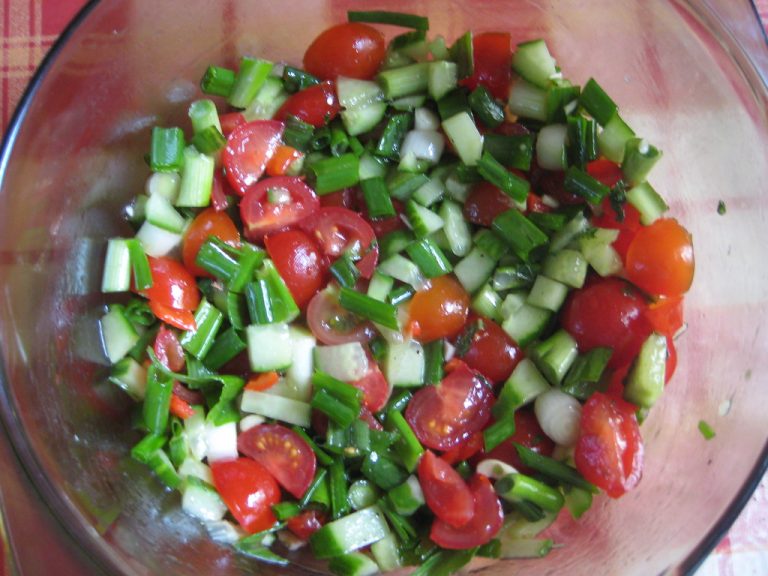
For lunch, make a large salad with mixed greens, grilled chicken, cucumbers, tomatoes, broccoli, seeds, and olive oil-lemon dressing. Add a small serving of quinoa or beans if you need more sustained energy.
Afternoon
If hunger rises, have an apple with almond butter or a small bowl of yogurt with berries. The key is to choose a snack that prevents overeating later, not one that starts another round of cravings.
Evening
Dinner could be salmon with roasted cauliflower and Brussels sprouts, or turkey meatballs with zucchini noodles and tomato sauce. End the meal feeling satisfied, not stuffed. A calm, balanced finish often supports better sleep and better decisions the next day.
The more often your meals look like this, the less effort weight loss tends to require. Clean eating works best when it becomes your default, not a special project you have to restart every Monday.
Organic food is most powerful when it helps you build a life that feels steady, nourished, and enjoyable. If your meals are simple enough to repeat, balanced enough to satisfy, and flexible enough to fit real life, you are far more likely to see lasting weight loss and better nutrition at the same time. Keep exploring more articles on DietOrganic for practical clean eating ideas, smart meal planning, and healthy lifestyle guidance that helps you stay inspired long after the first grocery trip.
About the Author