
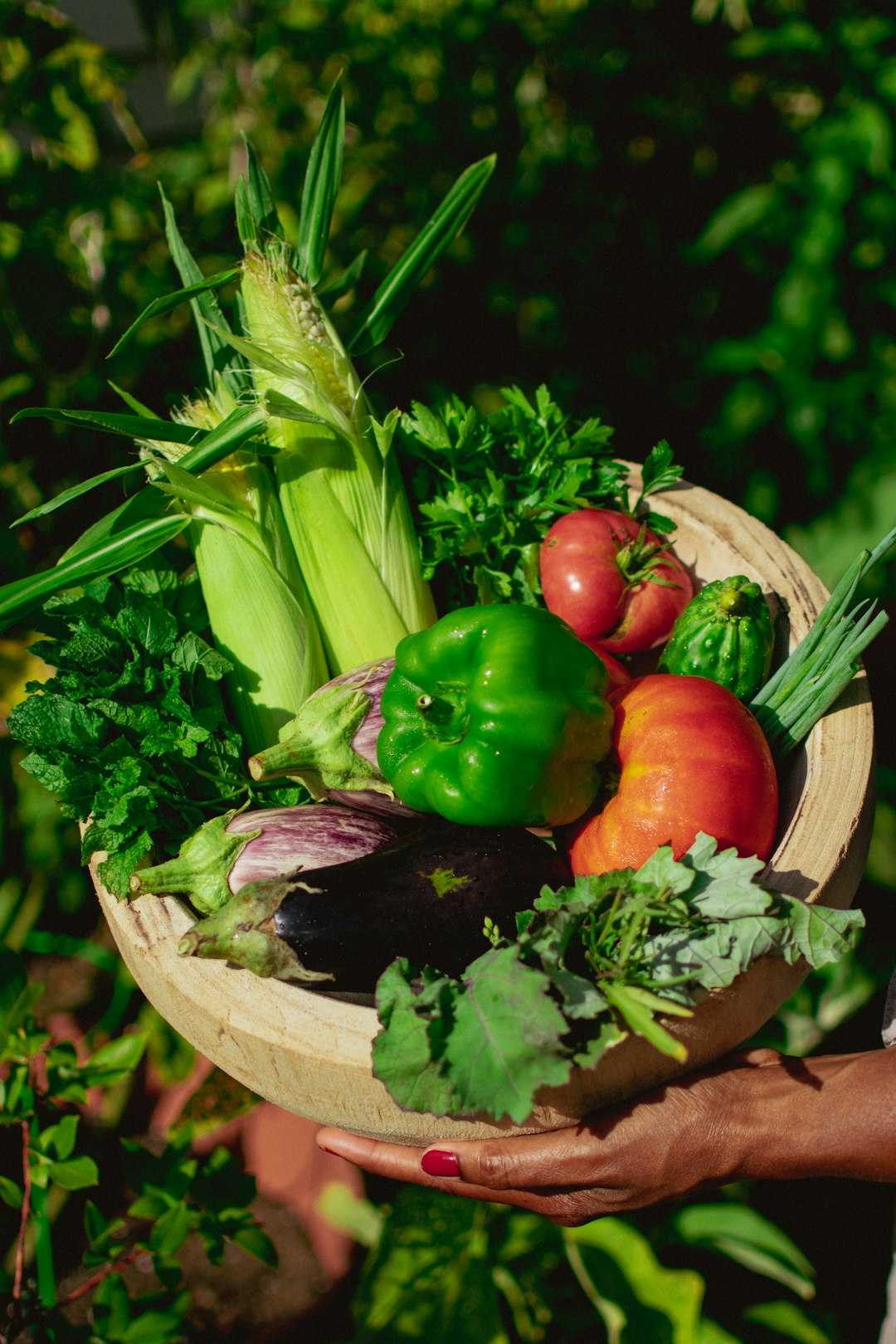
Photo by Elias Morr on Unsplash
If you have ever felt bloated after a meal, sluggish in the afternoon, or strangely hungry even after eating enough, your gut may be telling you something important. Digestive comfort is not just about avoiding discomfort; it shapes energy, mood, immunity, and even how easily your body supports healthy weight loss. That is why so many people are turning to organic food and clean eating as a more thoughtful way to nourish the digestive system. The goal is not perfection. It is to choose foods that work with your body instead of constantly asking it to recover from stress.
Gut health has become one of the most talked-about subjects in nutrition, but the conversation often stays too broad. What should you actually eat? Which ingredients help the microbiome thrive? How can an organic food approach support a healthy lifestyle without becoming complicated or expensive? Those are the questions that matter most, especially if you want a diet that feels sustainable rather than restrictive. The good news is that some of the most effective gut-supporting choices are also simple, delicious, and easy to build into everyday meals.
[IMAGE: organic vegetables]
This guide explores the best organic foods for gut health, why they matter, and how to use them in practical ways that fit real life. You will learn how fermented foods, fiber-rich produce, prebiotic ingredients, and nourishing fats can support digestion and overall wellness. You will also see how clean eating and a gentle detox diet mindset can help reduce the load on your digestive system without falling into extremes. If you are looking for a more balanced path to better digestion, improved nutrition, and steady weight loss support, this is where to begin.
Why Gut Health Deserves a Place at the Center of Your Diet
Your gut is not just a tube that processes food. It is a complex ecosystem filled with trillions of microorganisms that interact with the food you eat every day. This community, often called the gut microbiome, influences how nutrients are broken down, how waste is eliminated, and how the body responds to inflammation. When the microbiome is well nourished, digestion tends to feel smoother, energy becomes more stable, and cravings often become easier to manage.
When gut health is struggling, the signs are not always dramatic. Sometimes they are subtle. You might notice occasional bloating, frequent gas, irregular bowel movements, skin flare-ups, or a feeling that food simply sits too heavily. Some people also experience brain fog or a dip in motivation after meals. Does that sound familiar? If so, your digestion may benefit from a cleaner, more intentional eating pattern built around organic food and whole ingredients.
Clean eating is not about fear or rigid rules. It is about removing as much unnecessary noise as possible so the body can focus on using food well. In practice, that means fewer highly processed products, fewer artificial additives, and more naturally nutrient-dense foods. When those foods are chosen carefully, a healthy diet becomes more than a weight loss tool; it becomes a foundation for daily vitality.
The Microbiome and Why It Needs Care
The microbiome thrives on diversity. Different beneficial bacteria feed on different types of plant fibers, resistant starches, and fermented compounds. A limited diet can leave the gut underfed, while a varied organic food approach can create a more resilient digestive environment. Think of it as feeding a garden. The more diverse the inputs, the more vibrant the growth.
Organic produce may help in this process because it encourages a return to whole foods in their most natural state. Instead of filling the plate with packaged products that are low in fiber and high in additives, organic shopping often leads to more vegetables, fruits, legumes, seeds, and herbs. Those are the very foods the gut tends to love. Isn’t it interesting that a simple shift in shopping habits can improve the quality of an entire diet?
Common Signs Your Gut Could Use More Support
Although only a healthcare professional can diagnose a digestive issue, many people notice patterns that suggest their diet needs a reset. Some of the most common signs include:
- Bloating after ordinary meals
- Constipation or inconsistent bowel movements
- Frequent gas or abdominal discomfort
- Food cravings that feel hard to control
- Low energy after eating
- Skin irritation or frequent breakouts
- A feeling of heaviness, even with moderate portions
If these issues sound familiar, an organic food and clean eating strategy can be a gentle place to start. You do not need an aggressive detox diet to support your system. Often, the best results come from consistency, not intensity.
The Best Organic Foods for Gut Health
Not every healthy food works the same way in the body. Some ingredients provide beneficial bacteria, while others feed those bacteria. The smartest gut-friendly diet includes both. Below are the key categories of organic foods that deserve a place on your plate if digestion, energy, and weight balance are priorities.
1. Fermented Organic Foods
Fermented foods are among the most powerful additions to a gut health routine because they can introduce beneficial live cultures and support microbial diversity. Organic options are especially appealing because they limit unnecessary chemical residue and keep the focus on simple, traditional preparation methods.
Examples include:
- Organic plain yogurt with live cultures
- Organic kefir
- Organic sauerkraut
- Organic kimchi
- Organic miso
- Organic tempeh
These foods are not magic on their own, but they can be incredibly helpful when eaten regularly in modest portions. Start small if you are new to fermented foods. A tablespoon of sauerkraut or a small serving of kefir may be enough at first. Why go slowly? Because the gut often responds best when changes are gradual and steady.
[IMAGE: healthy meal]
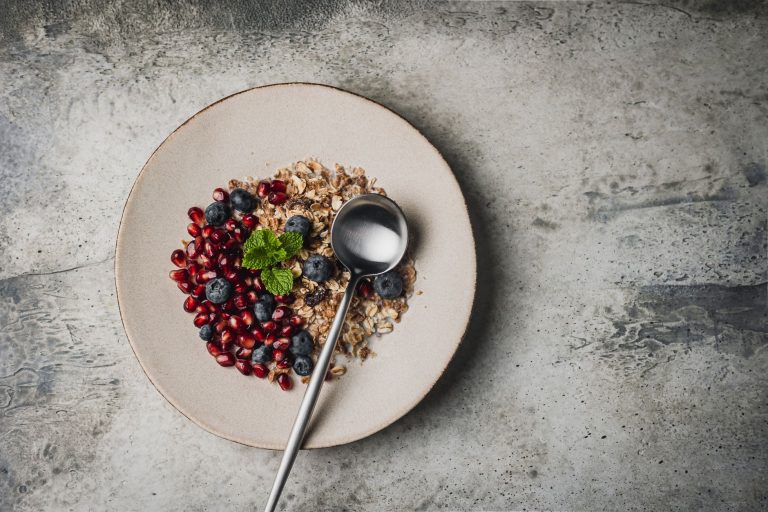
Choose plain and unsweetened versions whenever possible. Added sugar can undermine the very benefits you are trying to achieve. A spoonful of organic yogurt topped with berries and seeds can be a better morning choice than a heavily flavored product that reads more like dessert than nutrition.
2. Fiber-Rich Organic Vegetables
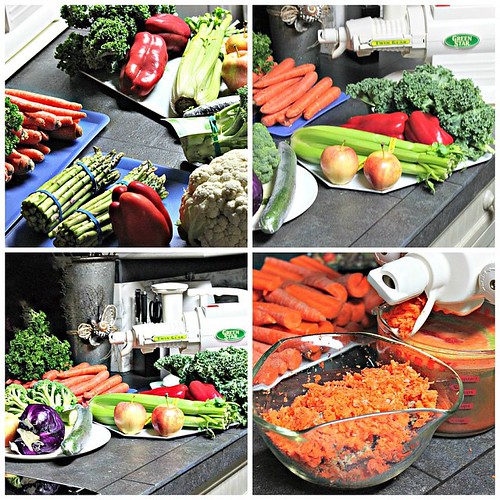
If there is one food group the digestive system loves most, it is vegetables. Organic vegetables are especially useful because they are often easier to build into everyday meals without extra sauces, refined ingredients, or hidden sweeteners. Fiber helps move food through the digestive tract, supports regularity, and feeds beneficial gut bacteria.
Excellent choices include:
- Leafy greens such as spinach, kale, and arugula
- Cruciferous vegetables such as broccoli, cauliflower, and Brussels sprouts
- Root vegetables such as carrots, beets, and sweet potatoes
- Zucchini, cucumbers, and celery
- Artichokes and asparagus
Some people worry that high-fiber vegetables will worsen bloating. That can happen if fiber is introduced too quickly or if meals are not balanced. The key is to build up slowly, drink enough water, and cook vegetables in ways that make them easier to digest. Light steaming, roasting, and simmering can all be gut-friendly choices.
Want a simple rule? Fill at least half your plate with organic vegetables at lunch and dinner. That single habit can improve nutrition and support weight loss without feeling overly restrictive.
3. Prebiotic Organic Foods
Prebiotics are the food source for beneficial gut bacteria. If probiotics are the living organisms, prebiotics are what help them flourish. Think of them as fertilizer for your internal garden. Organic foods rich in prebiotic fibers are essential in any clean eating plan because they help create a more balanced digestive environment.
Look for these organic prebiotic options:
- Onions
- Garlic
- Leeks
- Asparagus
- Bananas, especially slightly green ones
- Oats
- Apples
- Ground flaxseeds
A breakfast bowl with organic oats, sliced banana, flaxseed, and cinnamon is not just comforting. It is practical gut support. A soup base made with organic onions, garlic, and leeks can do more for digestion than many people realize. Why not make the foods that are already common in your kitchen work harder for you?
4. Organic Fruits That Support Digestion
Fruit gets mixed reviews in weight loss conversations, but in the context of gut health, the right organic fruit can be a valuable ally. Many fruits provide water, fiber, enzymes, and polyphenols that support digestion and a healthy lifestyle. The goal is to choose whole fruit rather than juice and to pair fruit with other nourishing ingredients when needed.
Great choices include:
- Berries, especially blueberries, raspberries, and blackberries
- Apples with the skin on
- Pears
- Kiwi
- Pomegranate
- Papaya
Berries are especially valuable because they are rich in antioxidants and relatively low in sugar compared with many other fruits. Kiwi and papaya are often appreciated for their digestive enzymes, while apples and pears offer soluble fiber that helps keep digestion moving. A small bowl of organic mixed berries after lunch can be a smarter choice than a processed sweet snack that disrupts energy and appetite.
5. Healthy Organic Fats for a Calmer Digestive System
Healthy fats are often overlooked in gut health discussions, but they play an important role in satiety, nutrient absorption, and meal satisfaction. When meals include enough quality fat, many people feel fuller for longer and are less tempted by mindless snacking later in the day. That can be helpful for both clean eating and weight loss.
Organic food sources of healthy fats include:
- Avocados
- Extra-virgin olive oil
- Walnuts
- Chia seeds
- Flaxseeds
- Almonds
Healthy fats also make vegetable-based meals more satisfying. A salad with organic greens, avocado, walnuts, and olive oil can be far more digestively friendly than a low-fat meal that leaves you hungry an hour later. The body does not only need fewer calories; it needs adequate nourishment. That distinction matters.
6. Organic Herbs and Spices That Help the Gut
Herbs and spices do more than improve flavor. They can make meals easier to digest and more enjoyable to eat, which matters when you are trying to maintain a healthy diet over time. Organic options help keep the focus on pure ingredients and vibrant taste.
Especially useful choices include:
- Ginger
- Turmeric
- Peppermint
- Fennel
- Cumin
- Chamomile as a tea
Ginger can be soothing for many people, especially when meals feel heavy. Turmeric pairs beautifully with vegetables and soups. Peppermint tea may help some people feel more comfortable after eating. These are simple tools, but sometimes the simplest tools are the most useful.
How Organic Food Supports Clean Eating and Better Digestion
One reason organic food works so well in a gut health approach is that it often encourages cleaner habits naturally. When you buy more produce, whole grains, legumes, and minimally processed proteins, you automatically reduce your exposure to additives, excess sugar, refined oils, and artificial flavors. That can make a noticeable difference in how your digestive system behaves.
Organic eating does not mean every item in your pantry must be certified or expensive. It means prioritizing the foods that matter most, especially those you eat often and those that are more likely to carry pesticide residue when conventionally grown. For many people, a practical strategy is to go organic for the most frequently consumed produce, then build the rest of the diet around whole ingredients.
Another benefit is psychological. Clean eating becomes easier when the foods in your kitchen feel intentional. A bowl of organic berries, a bag of spinach, a carton of kefir, and a bunch of carrots naturally invite better choices. A pantry full of ultra-processed snacks does the opposite. Your environment shapes your habits more than willpower ever will.
What a Gut-Friendly Organic Plate Looks Like
A balanced plate should satisfy both the digestive system and the appetite. A simple structure is:
- Half the plate: organic vegetables and leafy greens
- One quarter: organic protein such as eggs, yogurt, tempeh, beans, or fish if included in your diet
- One quarter: slow-digesting carbohydrates such as oats, quinoa, sweet potato, or brown rice
- One small portion: healthy fats like avocado, seeds, olive oil, or nuts
This model supports stable energy and helps avoid the blood sugar swings that can leave you hungry, irritable, or tired. It is also flexible enough for many dietary styles, including vegetarian, vegan, and omnivorous clean eating plans.
A Simple Daily Rhythm for Digestive Comfort
Rather than obsessing over a strict detox diet, try building a routine that gently supports the body throughout the day. For example:
- Morning: Start with warm water or herbal tea, then eat a fiber-rich breakfast
- Midday: Choose a large vegetable-based lunch with protein and healthy fat
- Afternoon: Reach for a balanced snack instead of sugary processed foods
- Evening: Eat a lighter, well-cooked dinner that is satisfying but not overly heavy
This approach works because digestion is not only about what you eat. It is also about when and how you eat. Slowing down, chewing thoroughly, and avoiding constant grazing can all help the gut perform more efficiently.
Organic Foods That Help with Weight Loss Without Harsh Restriction
Many people come to gut health because they want to feel lighter, less bloated, and more in control of their eating. The connection between digestion and weight loss is real, but it should be approached carefully. A healthy diet should support energy, not drain it. Organic food can make weight loss feel more natural because it emphasizes satiety, nutrient density, and better digestion rather than deprivation.
Fiber-rich organic vegetables and fruits help you feel full on fewer calories. Fermented foods and proteins support a satisfying meal structure. Healthy fats keep cravings calmer. As a result, the body often becomes less interested in constant snacking and more responsive to balanced meals. This is one reason clean eating tends to succeed where crash diets fail.
Have you ever noticed that highly processed foods seem to make you want more of them? That is not an accident. Foods built around sugar, refined starches, and flavor enhancers are designed to be easy to overeat. In contrast, organic whole foods send clearer signals to the brain and body. Hunger and fullness become easier to read, which is one of the quiet advantages of a clean eating plan.
Best Gut-Friendly Foods for Satiety
If your goal includes weight loss, focus on foods that satisfy deeply without causing digestive stress. Good examples include:
- Organic eggs
- Organic Greek yogurt
- Organic oats
- Cooked lentils
- Avocado
- Roasted vegetables
- Chia pudding made with unsweetened milk
These foods tend to be nutrient-dense and filling, which means you can create satisfying meals without needing oversized portions. That is a practical advantage if you want weight loss to happen in a way that feels manageable rather than punishing.
A Note on Detox Diet Thinking
The phrase detox diet is often used in marketing, but the body already has sophisticated detoxification systems in the liver, kidneys, digestive tract, and skin. What your body really needs is support: hydration, fiber, sleep, quality nutrients, and less exposure to heavily processed foods. Organic food fits beautifully into this framework because it encourages a cleaner, more natural intake pattern.
Instead of chasing extreme cleanses, focus on meals that reduce the burden on the gut. A few days of simpler, whole-food eating can often make a person feel much better, but the long-term win comes from creating habits that are repeatable. Would you rather feel temporarily restricted or consistently well nourished?
Foods and Habits That Can Disrupt Gut Health
To support digestion effectively, it helps to know what tends to work against it. You do not need to fear every imperfect ingredient, but becoming more aware of common irritants can help you make smarter choices most of the time. Clean eating is not about avoidance for its own sake; it is about making room for foods that truly support your health.
Foods to Limit or Reconsider
- Highly processed snack foods
- Excess added sugar
- Sweetened beverages
- Refined white flour products
- Fried foods eaten frequently
- Alcohol in excess
- Artificially flavored or heavily preserved foods
These foods can crowd out more nourishing options and may contribute to bloating, unstable energy, or less regular digestion. That does not mean they are forbidden forever. It does mean they should not define the core of a healthy lifestyle.
Everyday Habits That Challenge Digestion
- Eating too quickly
- Skipping meals and then overeating later
- Not drinking enough water
- Eating late at night out of habit
- Ignoring stress, which can affect digestion directly
- Sitting for long periods without movement
Sometimes gut issues are not caused by one dramatic mistake but by a series of small habits that add up. The good news is that the same is true in reverse. Small improvements, repeated daily, can change how your body feels in a meaningful way.
Organic Meal Ideas for a Healthy Lifestyle
The best food plan is one you can actually follow. Instead of obsessing over a perfect menu, build a few reliable meals that support digestion and are easy to repeat. Here are some practical ideas for a clean eating routine centered on organic foods.
Breakfast Ideas
- Organic oatmeal with blueberries, chia seeds, and cinnamon
- Organic Greek yogurt with berries and ground flaxseeds
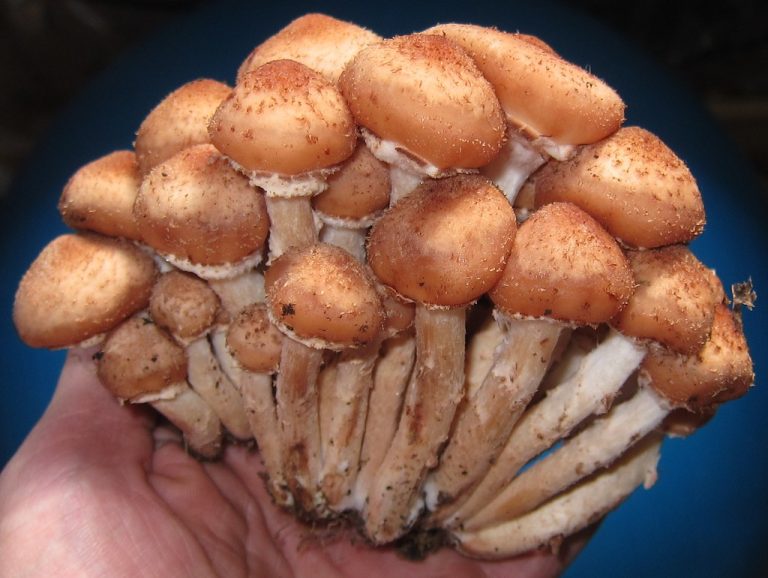
- Vegetable omelet with spinach, mushrooms, and avocado
- Green smoothie with organic kale, kiwi, banana, and unsweetened yogurt
A gut-friendly breakfast should be filling but not heavy. If you often feel hungry by midmorning, add more protein or fiber. If you feel sluggish after breakfast, reduce added sweeteners and simplify the ingredients.
Lunch Ideas
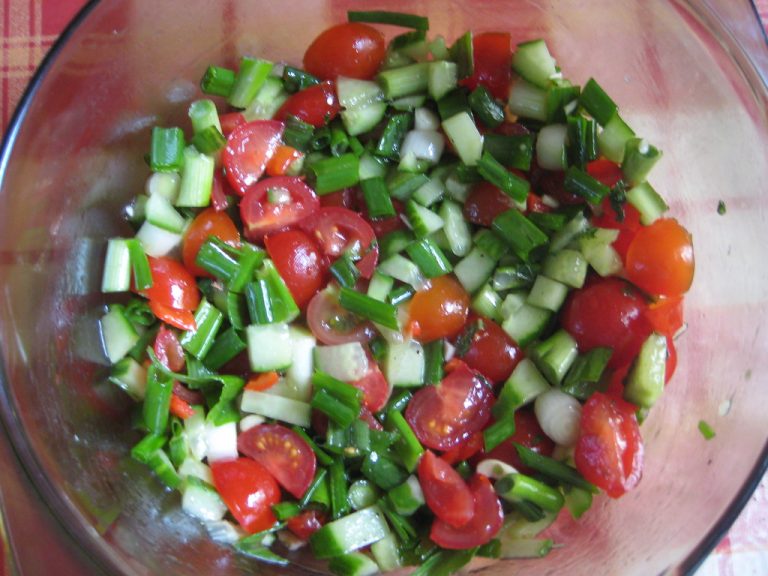
- Big salad with organic greens, chickpeas, cucumber, herbs, and olive oil
- Roasted vegetable bowl with quinoa, avocado, and tahini dressing
- Lentil soup with carrots, celery, garlic, and leafy greens
- Fermented cabbage side served with grilled vegetables and brown rice
[IMAGE: fitness lifestyle]
Lunch is an ideal time to load up on vegetables because the body still has many active hours ahead. A satisfying lunch also helps prevent afternoon snacking that is driven more by fatigue than true hunger.
Dinner Ideas
- Steamed broccoli, baked salmon or tofu, and sweet potato
- Warm vegetable stew with herbs and olive oil
- Tempeh stir-fry with carrots, zucchini, and ginger
- Stuffed peppers with brown rice, black beans, and tomato sauce
For many people, dinner works best when it is nourishing but easy to digest. Cooked vegetables are often better tolerated at night than raw salads, especially if digestion tends to slow down in the evening.
Snack Ideas
- Apple slices with almond butter
- Carrot sticks with hummus
- Plain kefir with cinnamon
- Walnuts and a small bowl of berries
- Cucumber slices with sea salt and lemon
Snacks should support your meals, not replace them. When possible, choose snacks that combine fiber, protein, or healthy fat so blood sugar remains steadier and cravings are easier to manage.
Shopping Tips for Building a Gut-Friendly Organic Kitchen
Many people want to eat better but feel overwhelmed by the shopping process. The key is to simplify. A gut-friendly organic kitchen does not need to be fancy. It needs to be stocked with reliable basics that make healthy choices easy on busy days. That is how clean eating becomes realistic instead of aspirational.
What to Prioritize First
- Leafy greens and versatile vegetables
- Organic berries and apples
- Plain yogurt or kefir with live cultures
- Oats, quinoa, and brown rice
- Beans, lentils, or other legumes
- Olive oil, nuts, seeds, and avocados
- Ginger, garlic, turmeric, and cinnamon
If budget is a concern, start with the foods you eat most often and the produce that tends to be most important for your meals. Frozen organic vegetables and berries can also be excellent choices because they are convenient, affordable, and nutrient-rich.
How to Read Labels Like a Pro
A high-quality clean eating plan depends on more than just the word organic on the package. Read ingredient lists carefully. A good product should have a short, recognizable list of ingredients. If a food contains multiple forms of sugar, artificial flavors, emulsifiers, or long chemical-sounding additives, it may not be the best choice for a gut-friendly diet.
Ask yourself: would I cook this from scratch if I had the time? If the answer is no and the ingredient list looks more like a lab formula than food, it may be worth leaving on the shelf.
Common Organic Diet Mistakes That Can Backfire on Gut Health
Even with the best intentions, some people make mistakes that reduce the benefits of organic food. The point is not to be perfect; the point is to learn quickly and adjust. Here are the most common missteps to avoid.
Relying Too Heavily on Packaged Organic Snacks
Organic cookies, chips, and bars can still be highly processed. They may be cleaner than conventional versions, but they do not automatically support digestion simply because they are organic. If a snack has low fiber, low protein, and a long ingredient list, it may not help your gut much.
Not Eating Enough Fiber
Some people focus on organic protein and forget the vegetables. Others eat plenty of produce but not enough variety. The microbiome loves diversity, so rotate your vegetables, fruits, grains, and legumes regularly. A narrow diet can limit the range of beneficial bacteria you support.
Changing Too Much Too Quickly
A sudden jump to very high fiber, lots of fermented foods, and drastic calorie reduction can overwhelm digestion. A gradual approach is often more effective. Introduce one new habit at a time and give your body time to adapt. That is how a healthy lifestyle becomes sustainable.
Ignoring Stress and Sleep
Nutrition matters, but it is not the whole picture. Stress can affect gut function, appetite, and cravings. Poor sleep can make sugar and refined carbohydrate cravings stronger. If your food is improved but your rest is poor, progress may feel slower than expected. Support the whole system, not just the plate.
A Simple 3-Day Reset to Reboot Clean Eating Habits
If you want a practical starting point, try a short reset that centers on organic food, hydration, and simple meals. This is not a harsh detox diet. It is a gentle recalibration that gives the gut a break from excess processing and helps you reconnect with real hunger and fullness cues.
Day 1
- Breakfast: Oats with berries, flaxseed, and cinnamon
- Lunch: Big salad with mixed greens, chickpeas, cucumber, avocado, and olive oil
- Dinner: Vegetable soup with garlic, onions, carrots, and lentils
- Snack: Plain yogurt or a handful of walnuts
Day 2
- Breakfast: Yogurt with kiwi and chia seeds
- Lunch: Quinoa bowl with roasted vegetables and tempeh
- Dinner: Steamed broccoli, baked sweet potato, and eggs or tofu
- Snack: Apple slices with almond butter
Day 3
- Breakfast: Vegetable omelet with spinach and herbs
- Lunch: Lentil stew with carrots, celery, and leafy greens
- Dinner: Stir-fried zucchini, mushrooms, and brown rice with ginger
- Snack: Kefir, cucumber slices, or berries
Use the reset as a springboard, not a rulebook. Notice how you feel. Are you less bloated? More satisfied? More stable in energy? Those observations matter more than a number on a scale.
How to Make Organic Gut Health Sustainable Long Term
The most effective nutrition strategy is the one you can maintain when life gets busy. That means building around habits, not hype. Instead of trying to overhaul everything at once, identify the few changes that offer the biggest return. Maybe that means replacing a sugary breakfast with oatmeal. Maybe it means adding a vegetable to every lunch. Maybe it means keeping kefir or fermented vegetables in the fridge.
Over time, those small decisions accumulate. Your digestion may become more comfortable. Your cravings may become easier to manage. You may notice that clean eating no longer feels like work because it has become your default. That is the real sign of progress.
Some people find it helpful to create a weekly rhythm: one grocery trip, one batch-cooked grain, two trays of roasted vegetables, one fermented item, and a few easy proteins. With that structure in place, healthy meals become quicker to assemble and far less likely to be replaced by convenience foods.
What makes this approach especially powerful is that it supports more than digestion. It supports a healthy lifestyle overall. When the gut is nourished, the rest of the body often benefits too. Skin can look calmer, energy can feel steadier, and meals can feel more satisfying. In that sense, organic food is not just a trend; it is a practical way to care for yourself with more intention.
True wellness rarely comes from intensity. It comes from consistency, patience, and a willingness to choose better ingredients one meal at a time. If you are ready to feel lighter, clearer, and more at ease after eating, start with the foods that support your gut and keep building from there. Explore more organic diet and clean eating articles on DietOrganic to keep shaping a routine that feels nourishing, realistic, and deeply satisfying.
About the Author