

Photo by Pezibear on Pixabay
If you have ever tried to eat healthier only to feel bloated, tired, or strangely hungrier than before, you are not alone. A truly effective healthy diet is not just about cutting calories or chasing the latest trend. It is about building meals your body can actually use. That is where organic food, clean eating, and gut-friendly nutrition come together in a way that feels both practical and powerful.
The gut is far more than a place where food is broken down. It influences energy, cravings, digestion, immune balance, and even how satisfied you feel after a meal. When your digestive system is calm and well-fed, weight loss becomes less of a battle and more of a steady result of better habits. Have you ever noticed that the days you eat simple, whole foods are also the days you feel lighter, clearer, and more focused? That is not a coincidence.
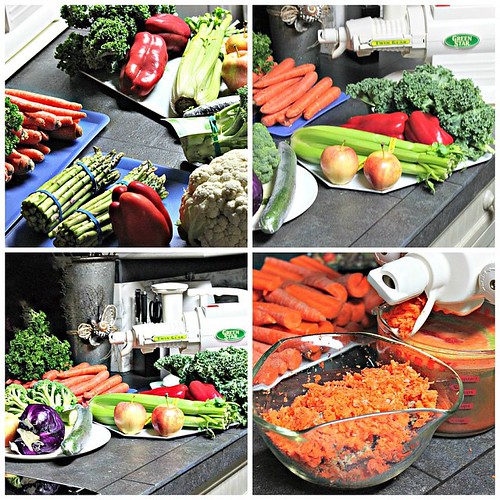
[IMAGE: organic vegetables]
This guide explores how organic food can support gut health, why clean eating often leads to easier weight loss, and how to create a detox diet approach without extreme restriction. Instead of promising miracles, it gives you a realistic way to eat for better digestion, steadier energy, and a more sustainable healthy lifestyle.
Why gut health should shape the way you eat organic food
Most people think of gut health only when something goes wrong: bloating, irregular digestion, discomfort after meals, or cravings that seem impossible to control. But the digestive system deserves attention long before symptoms become obvious. Your gut is where nutrients are absorbed, where a large part of your immune system lives, and where much of your day-to-day comfort is determined.
When you choose organic food as part of a clean eating plan, you are often choosing ingredients that are less processed and closer to their natural form. That matters because the gut tends to respond better to simpler meals built from vegetables, fruit, whole grains, quality protein, and healthy fats. These foods provide the fiber and micronutrients needed to keep digestion moving without overwhelming the system.
The gut, cravings, and appetite control
A balanced digestive system can influence appetite in a surprising way. Meals that are rich in fiber, protein, and natural fats help you feel satisfied longer. That means fewer snack attacks, fewer energy crashes, and less emotional eating. If you are trying to lose weight, this may be one of the biggest advantages of a gut-friendly organic diet.
Instead of relying on willpower, you are working with your body’s natural signals. When blood sugar stays steadier, cravings are easier to manage. When digestion is comfortable, you are less likely to feel the need to overeat just to feel satisfied. That is why gut health deserves a place in any serious conversation about nutrition and weight loss.
Why organic ingredients can make a difference
Organic food is not a magical solution, but it can be a useful foundation. Many people prefer organic produce because it reduces exposure to synthetic pesticides and supports a cleaner approach to food choices. While the research on every ingredient is complex, choosing organic versions of certain fruits, vegetables, and staples can align with a more intentional healthy lifestyle.
For people who are sensitive, simplifying the food environment may also help them notice which ingredients work well and which do not. When your meals are made from recognizable foods rather than long ingredient lists, it becomes easier to identify patterns in your digestion, energy, and weight management.
The best organic foods for a happier digestive system
Building a gut-friendly menu does not require expensive supplements or a dramatic detox diet. In many cases, the most effective foods are already familiar. The difference is in how consistently you use them, how gently you prepare them, and how well they fit into your daily routine.
The goal is to create meals that are nourishing, easy to digest, and satisfying enough to keep you from drifting toward processed options. Below are the organic food groups that tend to support gut health most effectively.
Fiber-rich fruits and vegetables
Fiber acts like a maintenance tool for the digestive system. It helps move food along, supports beneficial gut bacteria, and contributes to fullness after meals. Organic vegetables and fruit can be especially valuable because they make it easy to build meals around natural color, texture, and flavor instead of additives.
Excellent options include:
- Organic leafy greens such as spinach, kale, and arugula
- Cruciferous vegetables like broccoli, cauliflower, and Brussels sprouts
- Apples, pears, and berries
- Carrots, zucchini, cucumber, and bell peppers
- Sweet potatoes and squash for gentle, satisfying carbohydrates
These foods support clean eating because they are versatile, affordable in season, and easy to prepare in batches. If you are new to a healthy diet, start with the vegetables you already enjoy and add one or two new varieties each week.
Fermented foods that support balance
Fermented foods are often discussed in relation to probiotics, and for good reason. They can help diversify your food routine and may support a more balanced digestive environment. If you tolerate them well, they can be a smart addition to an organic meal plan.
- Organic plain yogurt
- Kefir
- Sauerkraut
- Kimchi
- Miso
- Tempeh
These foods do not need to dominate your plate. In fact, small daily servings are often more practical than large portions. A spoonful of sauerkraut beside dinner or a yogurt bowl at breakfast may be enough to keep your routine simple and consistent.
Whole grains, seeds, and legumes
Many people cut carbohydrates too aggressively when trying to lose weight, but the right carbohydrates can be very beneficial for digestion and energy. Whole grains and legumes provide both fiber and steady fuel, which helps prevent the sharp highs and lows that can sabotage clean eating efforts.
Some of the best organic choices include:
- Rolled oats
- Quinoa
- Brown rice
- Lentils
- Chickpeas
- Black beans
- Chia seeds and ground flaxseed
For many readers, seeds are the quiet heroes of nutrition. They add texture, healthy fats, and fiber without requiring much effort. Stir them into yogurt, sprinkle them on salads, or blend them into smoothies for a gentle boost to your daily intake.
A simple portion guide that keeps digestion calm
Too much of even a healthy food can leave you uncomfortable. If your goal is better digestion, think in balanced portions rather than oversized bowls. A helpful structure is to build each meal with one source of protein, one portion of complex carbohydrates, two types of vegetables, and one source of healthy fat. That balance can support satiety without overwhelming your stomach.
Ask yourself before eating: is this meal giving me too much of one thing and not enough of another? A plate that is all raw vegetables, for example, may look virtuous but still leave you bloated or unsatisfied. A more thoughtful combination is usually better for the gut and for weight loss.
What to limit if you want less bloating and better results
Clean eating is not only about what you add. It is also about what you reduce. Many people believe they are eating well while still relying on packaged snacks, sugary drinks, and ultra-processed products that can irritate digestion or encourage overeating. If you want your organic food choices to work for you, it helps to remove some of the common obstacles.
Ultra-processed foods
Foods with long ingredient lists, artificial flavors, and added emulsifiers may be convenient, but they often leave your body undernourished and your appetite confused. These products are designed to be easy to overeat. That is the opposite of what a healthy lifestyle should do.
Examples to limit include:
- Packaged snack cakes and cookies
- Deep-fried convenience foods
- Sweetened breakfast cereals
- Instant meals with excess sodium
- Sugar-heavy drinks and energy beverages
When these foods become routine, they can crowd out the organic ingredients that would otherwise support digestion, energy, and weight management.
Added sugar and liquid calories
Excess sugar can feed cravings and leave you on a blood sugar roller coaster. It is especially easy to consume through drinks, flavored yogurts, dessert-style coffees, and so-called healthy bars that are more candy than nutrition. If you are trying to make clean eating sustainable, one of the easiest upgrades is to choose unsweetened or lightly sweetened options more often.
Try this question: does this food nourish me, or does it merely taste good for a few minutes? Both matters, of course, but the best organic food choices offer pleasure and nourishment at the same time.
Alcohol and highly refined snacks
For many people, alcohol and late-night snacking are overlooked obstacles to better digestion. Even moderate alcohol intake may affect sleep quality, hydration, and digestive comfort. Refined snacks, especially when eaten without hunger, can leave you feeling puffy or sluggish the next morning.
That does not mean you need to become perfectly rigid. It means being honest about which habits help you and which ones make your healthy diet harder to maintain.
A one-day organic meal framework for digestion and energy
Rather than obsessing over a strict meal plan, it is often easier to think in terms of a flexible framework. A gut-friendly day of eating should feel nourishing, satisfying, and realistic enough to repeat tomorrow. The meals below are examples, not rules, and they can be adjusted for your preferences, allergies, or calorie needs.
[IMAGE: healthy meal]
Morning: a grounding breakfast
Breakfast is where many people unintentionally derail their clean eating goals. They either skip it and become ravenous later, or they grab a sugary option that causes a crash by midmorning. A smarter choice is to combine protein, fiber, and a little fat for lasting energy.
Ideas for an organic breakfast include:
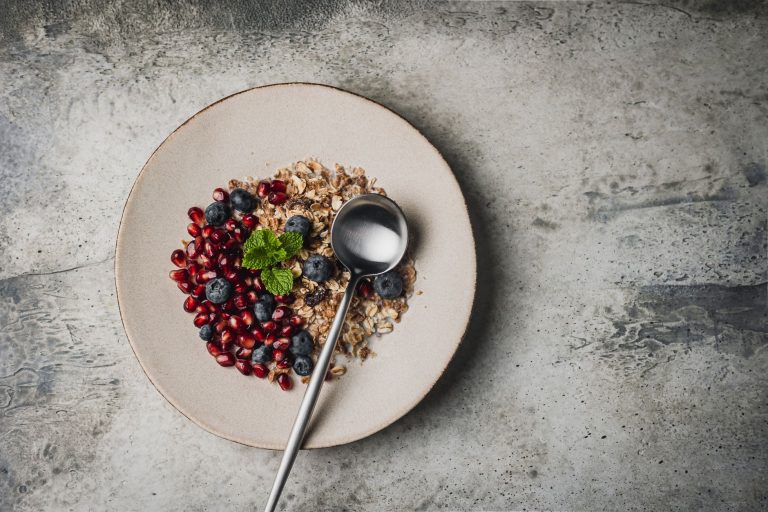
- Plain organic yogurt with berries, chia seeds, and crushed walnuts
- Oatmeal cooked with cinnamon, ground flaxseed, and sliced apple
- Eggs with spinach, mushrooms, and avocado on whole-grain toast
- A smoothie with leafy greens, unsweetened kefir, frozen berries, and nut butter
Have you ever noticed that a breakfast built around sugar leaves you thinking about food again almost immediately? A more balanced start can transform the rest of the day.
Midday: a simple lunch that does not weigh you down
Lunch should leave you satisfied, not sleepy. That means choosing ingredients that are easy to digest while still being substantial enough to prevent grazing later in the afternoon. Salads are excellent when they are not just a pile of leaves. Add protein, grains, and healthy fats to make them feel like a meal.
Examples:
- Quinoa bowl with roasted vegetables, chickpeas, greens, and olive oil
- Turkey or tofu wrap with cucumber, hummus, and sprouts
- Lentil soup with a side salad and seeds on top
- Brown rice bowl with salmon, cabbage, avocado, and lemon
These meals align with organic food and clean eating principles while remaining practical for real life. They also help you avoid the afternoon energy dip that often triggers unnecessary snacking.
Afternoon: a smart snack, not a rescue mission
Snacking is not the enemy. Unplanned snacking is where trouble begins. If there is a long gap between lunch and dinner, a balanced snack can stabilize your appetite and support your weight loss goals.
Good organic snack ideas include:
- Apple slices with almond butter
- Carrot sticks with hummus
- Plain yogurt with cinnamon
- A small handful of nuts and pumpkin seeds
- Cucumber with cottage cheese or a plant-based alternative
Choose snacks that offer substance, not just crunch. If you are still hungry an hour later, the snack was probably too small or too light on protein.
Evening: dinner that supports repair and sleep
Dinner should help you wind down, not send your digestion into overdrive. That is why many people feel best with a meal that is warm, moderate in portion size, and built around easy-to-digest ingredients. Think roasted vegetables, simple grains, quality protein, and a modest serving of healthy fat.
Examples:
- Baked chicken with sweet potato and steamed broccoli
- Tofu stir-fry with rice, ginger, and mixed vegetables
- White fish with zucchini, carrots, and herb quinoa
- Vegetable soup with lentils and whole-grain bread
The evening meal is also a good place to practice gentleness. Instead of eating quickly while distracted, sit down, breathe, and notice the flavors. Digestion begins before the food reaches your stomach. Slow eating is a simple habit with a measurable payoff.
How an organic gut-friendly diet supports weight loss
Many weight loss plans fail because they focus on deprivation rather than nourishment. A gut-friendly organic food pattern works differently. It makes you feel full enough, calm enough, and energized enough to maintain the habits that lead to real change.
Satiety makes consistency easier
Foods rich in fiber, protein, and water naturally increase satiety. That means you are less likely to keep searching for food after meals. When meals are satisfying, calorie control happens more naturally. You are not constantly battling urges, which is one of the reasons clean eating can feel less stressful than a restrictive diet.
Weight loss does not need to mean eating tiny portions and feeling miserable. It can mean eating enough of the right foods so that your hunger feels calmer from morning to night.
Steadier blood sugar supports fewer cravings
Blood sugar swings can create a cycle of energy highs, mood drops, and strong cravings for quick fixes. Whole organic foods, especially when paired with protein and healthy fats, help reduce those spikes. The result is more stable energy and fewer impulse decisions.
That is why a healthy diet based on whole ingredients often leads to better long-term results than a trendy detox diet that strips away entire food groups.
Better digestion can improve daily habits
When you feel bloated or uncomfortable, exercise becomes less appealing, sleep can be interrupted, and motivation slips. By choosing foods that support digestion, you create a positive ripple effect. You move more easily, recover better, and find it simpler to stay active.
[IMAGE: fitness lifestyle]
That is not just about appearance. It is about building a body that feels capable and resilient. What would change if you stopped treating digestion as an afterthought and started seeing it as the engine of your energy?
Does a detox diet help, or is it better to keep things simple?
The phrase detox diet is everywhere, but it is often misunderstood. Your body already has a sophisticated detoxification system built around the liver, kidneys, digestive tract, skin, and lungs. You do not need extreme cleanses to make those systems work. What you do need is adequate nutrition, hydration, and fewer foods that burden the system unnecessarily.
What a realistic detox approach looks like
A sensible detox diet is really a return to basics. It emphasizes water, fiber, colorful produce, quality protein, and limited alcohol and sugar. In other words, it is less about punishment and more about support.
Useful habits include:
- Starting the day with water and a balanced breakfast
- Including leafy greens and cruciferous vegetables regularly
- Choosing organic food when you can, especially for produce you eat often
- Avoiding ultra-processed snacks that crowd out nutrient-dense meals
- Sleeping enough for your body to recover and regulate appetite
This version of detox feels calmer because it is sustainable. It is not a reset button you press for three days and forget. It is a cleaner way of living that your digestive system can actually maintain.
Hydration is part of the detox conversation
People often overlook water, but hydration is essential for digestion and elimination. Fiber needs fluid to move properly through the gut. Without enough water, even the best organic food choices can leave you feeling sluggish or constipated.
Try to keep water nearby throughout the day. Herbal teas, water infused with cucumber or lemon, and broth-based soups can also contribute to hydration without adding much sugar or artificial flavoring.
Organic meal prep ideas for a busier, cleaner week
Meal prep is one of the most effective ways to make a healthy lifestyle feel realistic. When you are hungry and busy, the easiest option usually wins. That is why having a few prepared ingredients in the refrigerator can make the difference between a nourishing dinner and a last-minute delivery order.
Build a mix-and-match prep formula
A simple prep system can include one batch of roasted vegetables, one cooked grain, one protein, one sauce, and one fresh component. From there, you can mix and match bowls, wraps, salads, and warm plates all week.
For example:
- Roasted broccoli, carrots, and cauliflower
- Cooked quinoa or brown rice
- Grilled chicken, baked tofu, or lentils
- Olive oil lemon dressing or tahini sauce
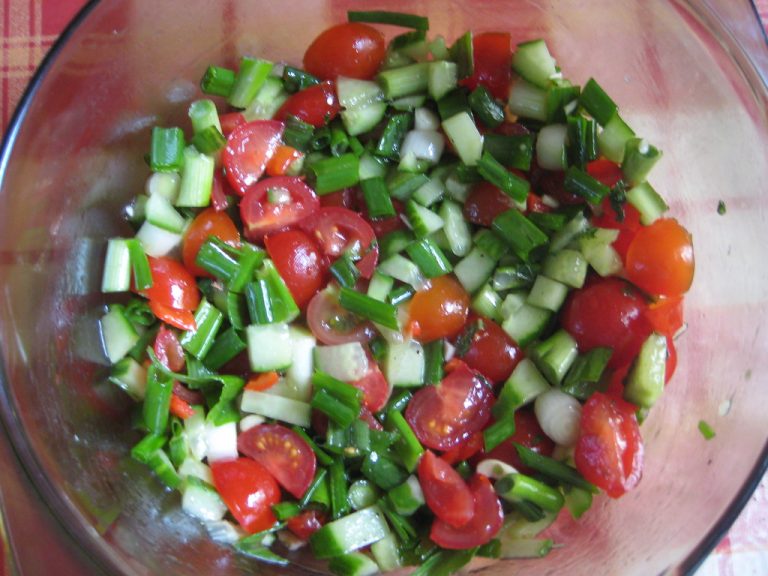
- Fresh herbs, cucumber, or avocado for topping
This approach is particularly useful for anyone trying to lose weight without losing control over their schedule. It saves time, reduces waste, and keeps clean eating from becoming complicated.
Use the refrigerator as your assistant
Think of your fridge as a tool, not just storage. Place cut vegetables at eye level, keep fruit washed and visible, and store ready-to-eat protein in clear containers. If you can see your organic food, you are more likely to eat it.
Small organizational changes can make a surprisingly big difference. Would you rather choose an apple that is ready to go or hunt through a pantry full of packaged snacks? Your environment shapes your nutrition more than most people realize.
Weekend prep that pays off all week
Try dedicating one hour each weekend to simple preparation. Roast two trays of vegetables, cook one grain, wash greens, and make one dressing. That alone can support several meals and prevent the need for decision-making when you are tired.
Remember: the best healthy diet is the one you can repeat when life gets busy, not only when your motivation is high.
Clean eating mistakes that can slow progress
Even with the best intentions, it is easy to make a few common mistakes that get in the way of your results. If you have tried to eat clean before and felt frustrated, one of these may be the reason.
Eating too much fiber too quickly
Fiber is helpful, but the gut may need time to adjust. If you suddenly jump from low-fiber processed meals to huge salads, beans, and seeds all at once, bloating can increase. Introduce high-fiber foods gradually and drink enough water to help them move through your system comfortably.
Under-eating protein
Many people focus heavily on vegetables while neglecting protein. That can lead to weakness, cravings, and a feeling that meals are incomplete. Protein supports satiety and helps preserve lean mass during weight loss. It also makes a clean eating plan more satisfying and stable.
Assuming organic automatically means healthy
Organic cookies are still cookies. Organic chips are still chips. Organic soda is still soda. Organic food is most powerful when it is part of a whole-food pattern that prioritizes nutrition, not when it is used as a marketing shortcut.
Ignoring sleep, stress, and movement
Digestion does not happen in isolation. Poor sleep can increase cravings. Chronic stress can alter appetite and gut comfort. A sedentary routine can slow digestion and lower energy. Healthy lifestyle choices outside the kitchen matter just as much as the food itself.
A short walk after meals, a consistent bedtime, and a few minutes of breathing before lunch can do more for your gut than many expensive products. Why? Because the body responds to rhythm, not just ingredients.
How movement and mindset support digestion and weight loss
Food is central, but it is not the whole picture. Movement helps stimulate digestion, improves insulin sensitivity, and supports a healthy mood. You do not need punishing workouts. Even moderate movement can make a difference.
Gentle movement that works with the body
Try any of the following after meals or during your day:
- A 10 to 20 minute walk
- Light stretching or mobility work
- Yoga focused on breath and gentle core engagement
- Low-impact strength training a few times per week
The goal is to support circulation, calm the nervous system, and encourage consistency. Movement should feel like part of your healthy lifestyle, not a penalty for eating.
A calmer mindset improves consistency
Many people begin a nutrition plan with perfectionistic energy and then burn out. A better strategy is to think like a long-term editor of your habits. What can you improve this week? What can you repeat next week? Which meals make you feel your best?
If you approach clean eating with curiosity rather than criticism, you are much more likely to stay on track. This is especially true when your goal includes both wellness and weight loss. Pressure tends to create resistance; clarity creates momentum.
Where to begin if you want to change your eating habits this week
You do not need a complete overhaul to get started. In fact, the fastest path to success is usually a small number of high-impact changes repeated consistently. Choose one or two priorities and build from there.
Start with these simple steps
- Replace one processed meal a day with a whole-food organic meal
- Add one extra serving of vegetables daily
- Drink more water and reduce sweetened beverages
- Include a protein source at every meal
- Prepare at least one snack in advance
- Take a short walk after dinner
If you try to change everything at once, you may feel overwhelmed. But if you improve one meal, one habit, and one routine, your healthy diet begins to feel manageable very quickly.
Ask better questions before each meal
What would support my digestion right now? What would keep me satisfied for the next few hours? What can I eat that is both nourishing and realistic? Questions like these turn nutrition into a thoughtful practice instead of an impulse-driven habit.
The beauty of organic food and clean eating is that they are not meant to be restrictive. They are meant to simplify your choices so your body gets what it needs more often. And when that happens, the benefits show up in digestion, energy, focus, and yes, even weight loss.
Start where you are, with the meals already in front of you, and make them a little cleaner, a little more organic, and a little more supportive of your gut each day. If you want more practical guidance on organic food, nutrition, clean eating, and a healthier lifestyle, explore more articles on DietOrganic and keep building the kind of routine your body can trust.
About the Author