

Photo by Alyson McPhee on Unsplash
Your digestion affects far more than how comfortable you feel after a meal. It can shape your energy, your cravings, your mood, your immune response, and even how efficiently your body supports weight loss. That is why so many people are turning to organic food as a foundation for a healthier lifestyle. But what does that really look like in everyday life? Can clean eating actually help your gut, or is it just another wellness trend?
The truth is that a thoughtful organic diet can do more than fill your plate with attractive produce. It can reduce your exposure to unnecessary additives, increase your fiber intake, and make it easier to build meals that support a balanced microbiome. When your digestive system is happier, your whole body often feels more settled, more energized, and more resilient. That is a powerful reason to pay attention to the foods you eat every day.
In this guide, we will explore the best organic foods for gut health, why they matter, how they support clean eating, and how they can fit naturally into a healthy diet for weight loss. If you have ever wondered whether a detox diet needs to be extreme to be effective, or whether simple nutrition choices can change the way you feel, this article will give you practical answers you can use immediately.
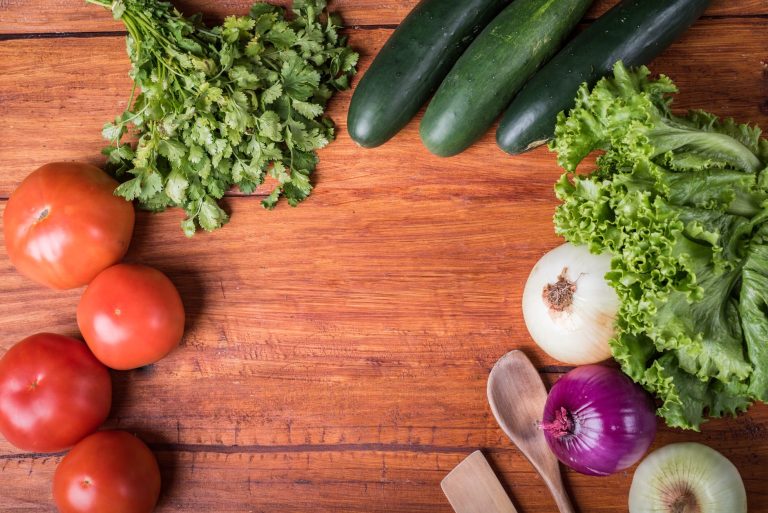
[IMAGE: organic vegetables]
Why Gut Health Deserves a Place at the Center of Your Healthy Diet
Your gut is home to trillions of microorganisms that influence digestion, nutrient absorption, immunity, and metabolic health. This community of bacteria, fungi, and other microbes is often called the gut microbiome. When the microbiome is well nourished, it can help the body function more smoothly. When it becomes imbalanced, people may notice bloating, irregular digestion, cravings, discomfort, or lower energy. Have you ever felt sluggish after a day of processed food and wondered why your body seems out of sync? The answer often starts in the gut.
Organic food can support gut health in several important ways. First, organic produce is often chosen because many people want to reduce exposure to pesticide residues and synthetic additives. Second, a typical organic diet encourages more whole foods, which naturally means more fiber, more plant variety, and more micronutrients. That combination is excellent for the microbiome. Third, clean eating tends to replace highly processed items with simpler meals that are easier to digest and easier for the body to use efficiently.
It is also worth noting that gut health and weight loss are closely connected. Your microbiome can influence satiety, blood sugar stability, inflammation, and the way you respond to certain foods. If you are trying to support weight loss without feeling deprived, choosing gut-friendly organic foods may help you stay satisfied for longer and reduce the urge to snack mindlessly. A steady approach often works better than a restrictive detox diet that leaves you tired and frustrated.
The Best Organic Foods for a Happier Gut
Not every organic food offers the same benefits, but some are especially supportive for digestion and overall nutrition. The goal is not to chase perfection. Instead, focus on foods that supply fiber, beneficial compounds, healthy fats, and natural probiotics. The more variety you build into your healthy diet, the more you can nourish different parts of your gut ecosystem.
1. Organic Leafy Greens
Organic spinach, kale, arugula, romaine, and Swiss chard are rich in fiber, vitamins, and antioxidants. They help feed beneficial bacteria while also supporting regular digestion. Leafy greens are incredibly versatile, which makes them perfect for clean eating. You can blend them into smoothies, sauté them with garlic and olive oil, or add them to soups and grain bowls.
What makes leafy greens especially valuable is their combination of water and fiber. That helps move food through the digestive tract more comfortably while keeping meals light but satisfying. If you are trying to lose weight, leafy greens can add volume to your plate without overloading it with calories. That is one reason they are a staple in many healthy lifestyle meal plans.
2. Organic Fermented Vegetables
Sauerkraut, kimchi, and naturally fermented pickles can bring live cultures to your table. These foods are sometimes overlooked, yet they are among the most gut-friendly options in an organic diet. Fermented vegetables may help support microbial diversity, and diversity matters because different microbes thrive on different types of food.
Choose versions made with simple ingredients and minimal processing. Organic fermented vegetables can be a smart addition to salads, wraps, eggs, and rice bowls. Start with small portions if you are new to them, especially if your digestive system is sensitive. A tablespoon or two can be enough to begin. Why overwhelm your system when a small amount can already support clean eating and better nutrition?
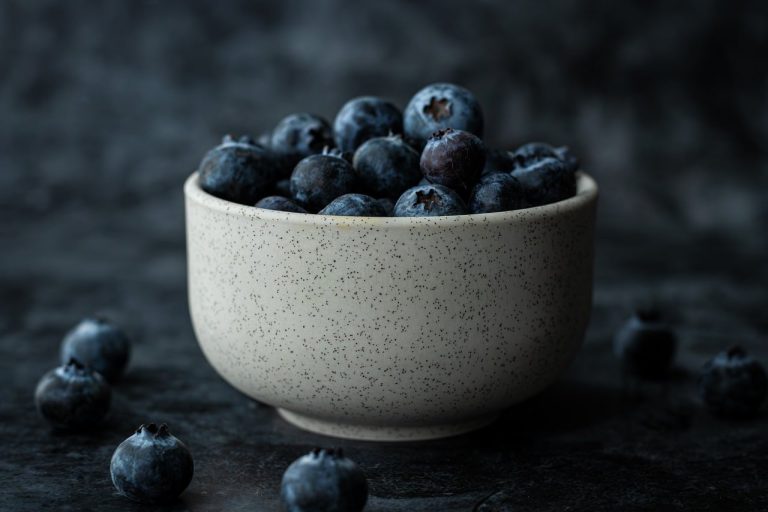
3. Organic Berries
Blueberries, raspberries, blackberries, and strawberries are excellent for gut health because they are packed with polyphenols and fiber. These compounds act like fuel for beneficial microbes, while the fiber helps promote regularity. Berries are also a sweet but balanced choice when you want something satisfying without drifting toward processed sugar.
For weight loss, berries can be especially useful because they offer strong flavor with relatively few calories. Add them to oatmeal, yogurt, chia pudding, or simply eat them as a snack. If you are following a clean eating routine, berries make it easier to enjoy sweetness without sacrificing your healthy diet goals.
4. Organic Oats and Whole Grains
Organic oats, quinoa, brown rice, and buckwheat can help build a more stable digestive routine. Oats are particularly useful because they contain beta-glucan, a type of soluble fiber known for supporting satiety and digestive wellness. Whole grains can also help feed beneficial gut bacteria when they are eaten as part of a balanced plate.
Many people fear carbohydrates when they think about weight loss, but not all carbs are equal. Highly refined products can trigger cravings and leave you hungry again quickly, while whole grains offer slower digestion and more lasting energy. That makes them a valuable part of a healthy diet, especially if you want to stay full between meals and avoid the crash that comes from ultra-processed food.
5. Organic Chia Seeds and Flaxseeds
These tiny seeds are small but powerful. Chia seeds swell when mixed with liquid, which can help create a sense of fullness and support smoother digestion. Flaxseeds provide fiber and plant compounds that can fit beautifully into a clean eating plan. Both are easy to add to smoothies, oatmeal, yogurt, and homemade baked goods.
Because they are so concentrated, a little goes a long way. Start with one tablespoon and increase gradually if your body responds well. For people who are trying to manage weight loss in a healthy way, the natural satiety these seeds provide can make meals more satisfying without adding much volume or complexity.
6. Organic Ginger and Turmeric
Ginger has a long history of use for digestive comfort, and turmeric is widely appreciated for its role in a nutritious, anti-inflammatory-style healthy lifestyle. Both spices can add flavor and warmth to meals while contributing to a more balanced eating pattern. Whether you use them fresh, powdered, or blended into drinks, they can help make organic food taste vibrant and satisfying.
Try ginger in teas, smoothies, stir-fries, and salad dressings. Use turmeric in soups, roasted vegetables, rice dishes, or golden milk made with unsweetened plant milk. When food tastes good, clean eating becomes much easier to sustain. That is what makes a great nutrition strategy practical instead of unrealistic.
7. Organic Plain Yogurt or Kefir
If you tolerate dairy, organic plain yogurt or kefir can be excellent for gut health because they contain live cultures. These probiotic-rich foods may help support a more balanced microbiome and provide protein as well. The key is to choose unsweetened versions. Flavored yogurts often contain more sugar than many people expect, which can work against your healthy diet goals.
Top yogurt or kefir with berries, seeds, and a few chopped nuts for a filling snack or breakfast. This kind of meal supports clean eating because it combines protein, fiber, and beneficial bacteria in a way that feels satisfying and easy to prepare. If you are working on weight loss, a protein-rich breakfast can also help curb late-morning cravings.
8. Organic Apples and Pears
Apples and pears are gentle, fiber-rich fruits that can fit neatly into a detox diet built on real food rather than extreme restriction. Their pectin content supports digestion and can help feed beneficial bacteria. They are also portable, affordable, and easy to enjoy on busy days when clean eating needs to be convenient.
Keep the skin on when possible, especially if you are using organic fruit. The skin contains much of the fiber and many of the beneficial compounds. Pair an apple with nut butter or a pear with a handful of walnuts for a snack that supports both gut health and steady energy.
[IMAGE: healthy meal]
How Clean Eating Supports a More Balanced Microbiome
Clean eating is not about perfection, rules, or guilt. It is about choosing foods that are as close to their natural form as possible and using them to build meals that nourish the body. When you focus on organic food, whole ingredients, and simple preparation methods, you usually end up eating more fiber, fewer additives, and less excess sugar. That matters because the microbiome thrives on consistency and quality.
Think about what happens when your meals are built around packaged snacks, sugary drinks, and heavily processed convenience foods. You may get enough calories, but not enough nourishment. Your body may have to work harder to manage blood sugar swings and low-grade inflammation. By contrast, a clean eating routine gives your digestive system more of what it needs to stay balanced.
Some of the most important benefits of clean eating for gut health include:
- More fiber to support regular digestion
- Fewer artificial ingredients that may irritate sensitive systems
- Better satiety, which supports healthy weight loss
- More plant variety, which helps nourish different microbial species
- Improved meal quality without complicated rules
Clean eating also makes a detox diet more realistic and sustainable. Instead of relying on juice cleanses or extreme fasting, you can support the body with hydration, colorful vegetables, adequate protein, and steady meals. Isn’t that a more intelligent way to approach nutrition? Your body does not need punishment. It needs support.
What a Gut-Friendly Organic Plate Looks Like
If you want organic food to work for your healthy lifestyle, start with the plate. A balanced plate makes nutrition easier because it gives you a visual structure instead of a vague set of rules. That structure can reduce decision fatigue and help you stay on track with weight loss or maintenance goals.
A Simple Formula for Every Meal
Try building meals around these four elements:
- Half the plate: Non-starchy vegetables such as leafy greens, cucumber, broccoli, zucchini, or peppers
- One quarter: Clean protein such as organic eggs, yogurt, lentils, beans, tofu, chicken, or fish
- One quarter: Fiber-rich carbs such as oats, quinoa, sweet potato, or brown rice
- Healthy fats: Avocado, olive oil, seeds, nuts, or tahini
This structure works because it keeps blood sugar more stable and helps you feel full for longer. Stable energy is one of the underrated secrets of a healthy diet. When you are not constantly swinging between hunger and cravings, clean eating becomes much easier to follow.
Breakfast Ideas for Gut Health
Breakfast can be one of the most helpful meals for digestion if it is built thoughtfully. Instead of starting the day with pastries or heavily sweetened cereal, choose a meal that offers protein, fiber, and hydration.
- Organic plain yogurt with berries, chia seeds, and cinnamon
- Overnight oats with flaxseed, walnuts, and sliced pear
- Vegetable omelet with spinach, mushrooms, and avocado
- Smoothie made with greens, ginger, berries, and unsweetened kefir
Ask yourself: does your breakfast help you feel calm and focused, or does it leave you hungry an hour later? That simple question can transform your nutrition choices.
Lunch Ideas for Clean Eating
Lunch should keep you energized without the post-meal slump. A gut-friendly lunch usually combines vegetables, protein, and slow-digesting carbs.
- Quinoa bowl with roasted vegetables, chickpeas, and sauerkraut
- Mixed greens salad with salmon, cucumber, avocado, and olive oil dressing
- Brown rice with tofu, broccoli, carrots, and ginger
- Lentil soup with a side of fermented vegetables and whole-grain toast
Meals like these work beautifully for weight loss because they are filling without being heavy. They also align with a more thoughtful detox diet, where the emphasis is on nourishment rather than restriction.
Dinner Ideas for Better Digestion
Dinner is often where people overeat or rely on convenience foods after a long day. Yet this meal can be simple and nourishing if you keep it balanced.
- Roasted chicken with sweet potato and steamed greens
- Baked salmon with asparagus and quinoa
- Vegetable stir-fry with tofu, ginger, and brown rice
- Bean and vegetable stew with herbs and olive oil
Keep evening meals moderate in size if you find that large dinners affect your sleep or digestion. A lighter, nutrient-dense meal can support a more restorative evening and a healthier morning routine.
Organic Foods That Can Support Weight Loss Without Extreme Restriction
Many people search for the fastest route to weight loss, but sustainable results usually come from habits that are easy to maintain. Organic food helps here because it often encourages more whole-food choices and fewer empty calories. If you want to lose weight while still feeling satisfied, the right foods matter more than the number of rules you follow.
Fiber-rich organic foods can support weight loss by improving fullness and reducing the urge to snack between meals. Protein helps preserve lean mass and keep hunger in check. Healthy fats add flavor and satisfaction, which makes your healthy diet feel less restrictive. Together, these elements can make clean eating feel natural rather than forced.
Some of the most effective organic foods for weight loss support include:
- Leafy greens and cruciferous vegetables
- Berries and apples for smart sweetness
- Yogurt, kefir, eggs, and legumes for protein
- Oats, quinoa, and sweet potatoes for steady energy
- Seeds, nuts, avocado, and olive oil for satiety
A better question than
About the Author