
Photo by thebittenword.com on Openverse
What if the secret to better digestion, steadier energy, and even easier weight loss was not a complicated supplement stack or a trendy detox diet, but the simple food you place on your plate every day? That idea is more powerful than it sounds. A healthy lifestyle rarely begins with extremes; it begins with choices that help the body feel safe, nourished, and balanced. For many people, that starts in the gut.
When your digestion is calm, everything feels easier. Meals sit better. Cravings are less intense. Skin often looks clearer. Energy becomes more stable. And while there is no single magic food, choosing organic food more often can be a meaningful part of a clean eating routine that supports digestive comfort and long-term nutrition. Could your everyday groceries be helping your gut more than you realize? Or are they quietly working against it?
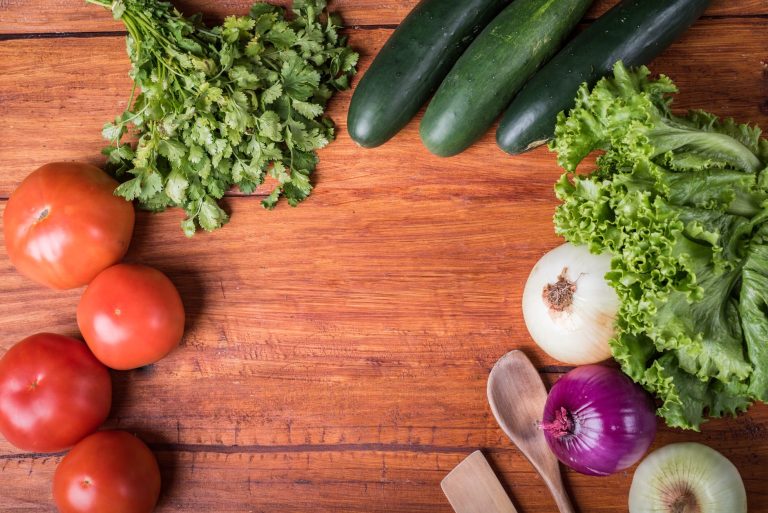
[IMAGE: organic vegetables]
This article takes a practical, evidence-aware look at organic foods for gut health, with an emphasis on real-world habits you can actually keep. You will learn which organic foods are most supportive for digestion, how clean eating can fit into a busy schedule, and why a healthier gut may also support weight loss without harsh restrictions. If you have been searching for a sustainable way to improve wellness, this is where to begin.
Why Gut Health Matters So Much in a Healthy Diet
The digestive system does far more than process meals. It plays a major role in immune function, nutrient absorption, inflammation, mood, and even the way your body regulates hunger and fullness. In other words, gut health is not a side issue. It is central to how your whole body performs.
Inside the intestines lives a vast community of microbes often called the gut microbiome. These bacteria, yeasts, and other organisms help break down food, produce helpful compounds, and influence the environment of the digestive tract. When this ecosystem is balanced, many people notice better regularity, less bloating, and improved comfort after meals. When it is out of balance, symptoms can range from gas and sluggish digestion to cravings, fatigue, and skin flare-ups.
That is why nutrition choices matter so much. A healthy lifestyle built around whole, organic food can give the gut more of what it needs: fiber, antioxidants, polyphenols, and fewer unnecessary additives. Should a healthy diet be complicated? Not necessarily. Often, it is just a matter of eating more foods that feel close to their natural form.
The Gut-Wellness Connection Most People Ignore
Many people think of digestion only when something goes wrong. But if you pay attention, the gut sends daily signals. A heavy feeling after meals, energy crashes, irregular bowel movements, or a constant desire for sugar can all hint that your current eating pattern needs adjustment. You do not need to be perfect. You simply need to notice patterns.
Ask yourself a few honest questions: Do you feel your best after simple meals or highly processed ones? Do certain foods leave you foggy or bloated? Do you start the day with enough protein and fiber, or do you rely on quick carbs that fade fast? The answers can guide your next steps far better than any one-size-fits-all plan.
How Organic Food Can Support Digestive Balance
Organic food is not automatically healthier in every situation, but it can play a valuable role in a clean eating pattern. Organic farming standards typically limit synthetic pesticides, herbicides, and genetically modified ingredients, and that matters because the digestive system is sensitive to what we consume regularly over time. For many people, choosing organic is less about perfection and more about reducing unnecessary exposure while prioritizing food quality.
When your meals are built around vegetables, fruits, legumes, whole grains, seeds, and high-quality proteins, the gut benefits from a steady supply of fiber and micronutrients. Organic versions of these foods can feel like an extra layer of care. They are often chosen by people who want a more intentional approach to nutrition and a cleaner pantry overall.
Could organic food be the entire answer to digestive issues? Of course not. But it can be a practical part of a broader strategy that includes sleep, hydration, movement, stress management, and a sensible detox diet approach that focuses on supporting the body rather than punishing it.
Less Exposure to Unwanted Chemicals
One reason people prefer organic food is the reduced exposure to pesticide residues and certain agricultural chemicals. While regulatory bodies set safety thresholds, many health-conscious eaters simply prefer to minimize the overall load of substances that do not contribute to nourishment. For a gut that already feels sensitive, that preference makes sense.
This is especially relevant for foods eaten frequently, such as leafy greens, apples, berries, oats, and dairy products. If you are building a healthy diet for the long term, repeated small choices can matter more than dramatic short-term efforts.
More Whole-Food Nutrition in Everyday Meals
Organic food shopping often encourages a shift away from packaged snacks and toward meals with simpler ingredients. That shift matters. The gut tends to respond well when meals contain recognizable foods rather than long ingredient lists full of refined oils, sweeteners, and flavor additives. A clean eating pattern is easier to maintain when the fridge and pantry are stocked with ingredients you actually know how to use.
[IMAGE: healthy meal]
Soil Health and Food Quality
There is also a broader nutritional story behind organic farming. Healthy soil supports nutrient-dense crops, and a farming system that values soil biology may contribute to better long-term food quality. While the science on nutrient differences can vary by crop and growing conditions, many consumers appreciate the connection between soil stewardship, food transparency, and overall wellness.
For someone trying to improve digestion, this bigger picture matters. The best nutrition strategy is not only about calories and macros. It is also about the quality of the ingredients that make up those calories and macros.
The Best Organic Foods for Gut Health
If you want to improve digestion naturally, focus on organic foods that nourish beneficial gut bacteria, reduce irritation, and make meals easier to digest. The goal is not to eat a giant list of
About the Author