
When people talk about a healthy diet, the conversation usually jumps straight to calories, carbs, or the latest trend on social media. But real health begins deeper than that, in the gut. If you have ever felt bloated after a seemingly healthy meal, struggled with cravings in the afternoon, or wondered why your energy rises and crashes without warning, your digestion may be asking for more attention. That is where organic food and clean eating can make a meaningful difference. The right foods do not just fill you up; they help support your microbiome, calm inflammation, and create the conditions for sustainable weight loss and better nutrition.
This article takes a practical, expert-led look at how organic food fits into a gut-friendly lifestyle. You will learn which ingredients are worth choosing, how to build meals that support digestion, and how a gentle detox diet can fit naturally into real life without extreme restrictions. Can a simple shift in the way you shop, cook, and combine foods really improve how you feel every day? In many cases, yes. Small changes often create the biggest results when they are done consistently.
Why Gut Health Matters for Weight Loss and Energy
Your gut is not just a place where food is broken down. It is a highly active system that influences immunity, mood, metabolism, and even the way your body stores energy. The trillions of bacteria living in the digestive tract help digest fiber, produce helpful compounds, and communicate with other systems in the body. When the gut is balanced, digestion tends to feel smoother, cravings may become easier to manage, and daily energy can become more stable. When it is out of balance, you may notice gas, discomfort, irregular bowel movements, or a stubborn sense that your body is not responding well to your current nutrition plan.
That is one reason many people see better long-term results with clean eating than with aggressive dieting. A restrictive plan can temporarily reduce scale weight, but if it leaves the gut irritated or the body undernourished, the results often fade quickly. Organic food can support this process by giving you more whole ingredients and fewer additives that may complicate digestion. Instead of chasing the fastest approach, think about the most sustainable one. Would you rather lose weight in a way that leaves you tired and deprived, or build a healthy lifestyle that actually feels good to maintain?
How the gut influences metabolism
Your microbiome helps determine how efficiently you extract nutrients from food. It also affects hormones linked to appetite and fullness. When the digestive system is well supported, your body is better able to respond to hunger cues rather than emotional or environmental triggers. This matters for weight loss because many overeating patterns begin with unstable blood sugar, poor sleep, stress, or low fiber intake. A balanced gut can help keep those patterns from escalating. Healthy nutrition is not only about what you remove; it is also about what you add back in consistently.
Signs your digestion may need support
Many people assume digestive discomfort is normal, but recurring symptoms are often a sign that your routine needs attention. Consider whether you often experience the following:
- Bloating after meals, especially when meals are large or rushed
- Frequent cravings for sugar, refined carbs, or salty snacks
- Irregular bowel movements or a feeling of incomplete digestion
- Low energy in the afternoon even after eating enough food
- Skin flare-ups or foggy thinking that seem tied to your eating habits
None of these signs automatically mean something is seriously wrong, but they do suggest your gut could benefit from a cleaner, simpler approach. That is exactly where organic food, fiber-rich meals, and steady hydration become powerful tools.
Why Organic Food Is a Smart Choice for Clean Eating
Organic food is not a magic solution, and it does not need to be treated like one. Still, choosing organic ingredients can make clean eating easier because it often means fewer synthetic pesticides, fewer unnecessary additives, and more thoughtful food sourcing. For people who want to improve nutrition and reduce the feeling of heaviness that sometimes follows highly processed meals, this matters. When your plate is built around whole, recognizable ingredients, your body usually has a simpler job to do.
Another reason organic food fits beautifully into a healthy lifestyle is the mindset it creates. People who shop more deliberately often cook more often, waste less, and pay closer attention to what they eat. That awareness alone can support weight loss because it slows down impulsive decisions and encourages better portion control. It also makes the idea of clean eating feel practical rather than punishing. Instead of thinking in terms of what you cannot have, you begin focusing on what gives your body genuine nourishment.
What to prioritize when buying organic
If you cannot buy everything organic, start with the foods that tend to matter most to your routine. Many shoppers choose organic versions of the produce they eat frequently or the items more likely to be heavily treated. These commonly include:
- Leafy greens such as spinach, kale, and romaine
- Berries, especially strawberries and blueberries
- Apples, grapes, and peaches
- Root vegetables such as carrots and potatoes
- Herbs, salad greens, and ingredients eaten raw
The goal is not perfection. The goal is to make the most meaningful upgrades first. Even a partial shift toward organic food can improve the quality of your meals and encourage a more mindful relationship with nutrition.
Why organic meals often feel lighter
Many people notice that meals built from whole organic ingredients feel less bloating and more satisfying than packaged alternatives. Why? Because they usually contain more fiber, fewer emulsifiers, fewer hidden sugars, and fewer ingredients that can overwhelm digestion. A bowl filled with vegetables, grains, healthy fats, and lean protein is not just nutritious; it is also structurally simple. The body tends to appreciate that simplicity. And when digestion improves, clean eating becomes easier to sustain.
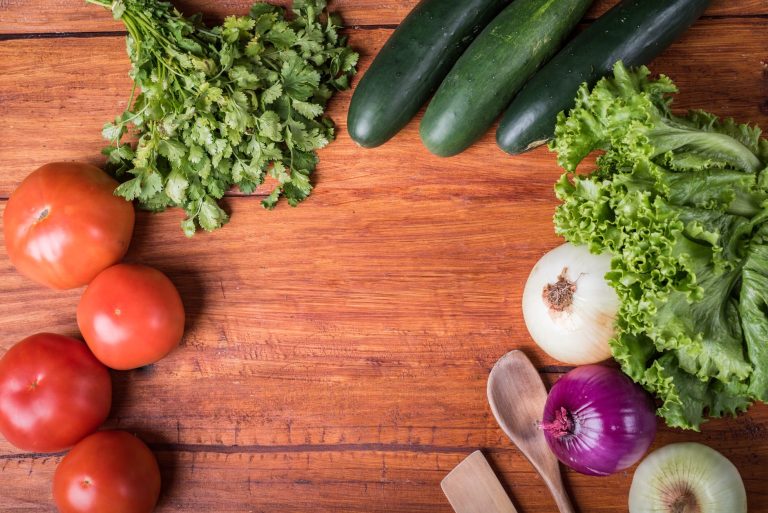
[IMAGE: organic vegetables]
Best Organic Foods for Gut Health
If your goal is to support digestion while moving toward weight loss, the most valuable foods are usually the ones that feed beneficial bacteria, reduce irritation, and help you feel satisfied. Organic food can shine here because many of the best gut-supportive ingredients are produce-based, plant-forward, and naturally rich in nutrients. The key is to combine them in ways that feel realistic. You do not need to redesign every meal from scratch. Start with a few staples and build from there.
1. Fermented foods
Fermented foods are among the most powerful additions to a gut-friendly diet because they contain naturally occurring bacteria that may support the microbiome. Options like plain yogurt, kefir, sauerkraut, kimchi, miso, and tempeh can add complexity to your meals while keeping them interesting. They are especially helpful in a clean eating routine because they bring flavor without requiring heavy sauces or excess sugar. A spoonful of sauerkraut with lunch or a small serving of kefir at breakfast can be an easy upgrade.
How to use them well
Start slowly if you are new to fermented foods. A small amount is often enough to begin with, especially if your digestion is sensitive. Pair fermented ingredients with fiber-rich foods so the beneficial bacteria have the support they need to thrive. For example, plain yogurt with berries and chia seeds can be a smarter breakfast than a sweetened parfait with syrup. The combination is simple, satisfying, and aligned with a healthy lifestyle.
2. Prebiotic-rich vegetables
Prebiotics are fibers that feed good bacteria in the gut. They are found in foods like onions, garlic, leeks, asparagus, artichokes, and slightly green bananas. When you include these regularly, you are not only eating more plants; you are also helping your digestive system become more resilient. This is one of the most overlooked parts of nutrition. People often focus on probiotics, but the bacteria need fuel too. Organic vegetables make this even more appealing because they tend to sit at the center of a clean eating plate.
Practical tip
Add a prebiotic ingredient to one meal each day. A sauté of onion and garlic under roasted vegetables, or a bowl of asparagus with olive oil and lemon, is enough to make a difference over time. Small upgrades stack up.
3. Fiber-dense fruits
Fruits like berries, kiwi, apples, and pears support digestion because they contain fiber and water together. That combination helps move food through the system and can improve satiety, making them useful for weight loss as well. Organic berries are especially popular in healthy diet plans because they are easy to add to breakfast, snacks, and smoothies. They also satisfy a sweet craving without sending sugar levels into a dramatic spike.
4. Whole grains and pseudo-grains
Not all grains behave the same way in the body. Organic oats, quinoa, buckwheat, and brown rice are often better choices for clean eating than heavily refined options because they keep more of their natural structure. That structure matters for digestion and blood sugar balance. Oats, in particular, offer beta-glucan, a type of soluble fiber linked to improved gut function and steadier energy. A warm bowl of oats can be both comforting and strategic when your goal is long-term wellness.
5. Healthy fats with purpose
Gut health is not only about fiber. Healthy fats help you absorb fat-soluble vitamins and keep meals satisfying enough to curb random snacking. Avocados, extra-virgin olive oil, walnuts, chia seeds, and flaxseeds are excellent additions to an organic food routine. They make meals feel complete and contribute to a more stable appetite, which can be helpful for weight loss without the feeling of deprivation.
6. Lean proteins that digest well
Organic eggs, wild-caught fish, plain Greek yogurt, tofu, tempeh, beans, and lentils can all fit into a gut-friendly plan. Protein helps maintain muscle while you work toward a healthier body composition, and that matters if you want to lose weight without feeling weak or drained. The best protein choices are the ones that leave you energized rather than heavy. In many cases, that means balancing protein with vegetables and a moderate amount of healthy fat rather than serving it in oversized portions.
How to Build a Clean Eating Plate That Supports Digestion
One of the easiest ways to simplify nutrition is to use a plate formula. Instead of obsessing over every gram, think in terms of balance. A gut-friendly meal should be filling, colorful, and easy to digest. It should leave you satisfied for hours, not sleepy or searching for a snack fifteen minutes later. If you have ever wondered why some meals seem to energize you while others leave you sluggish, the answer is often found in how the plate is built.
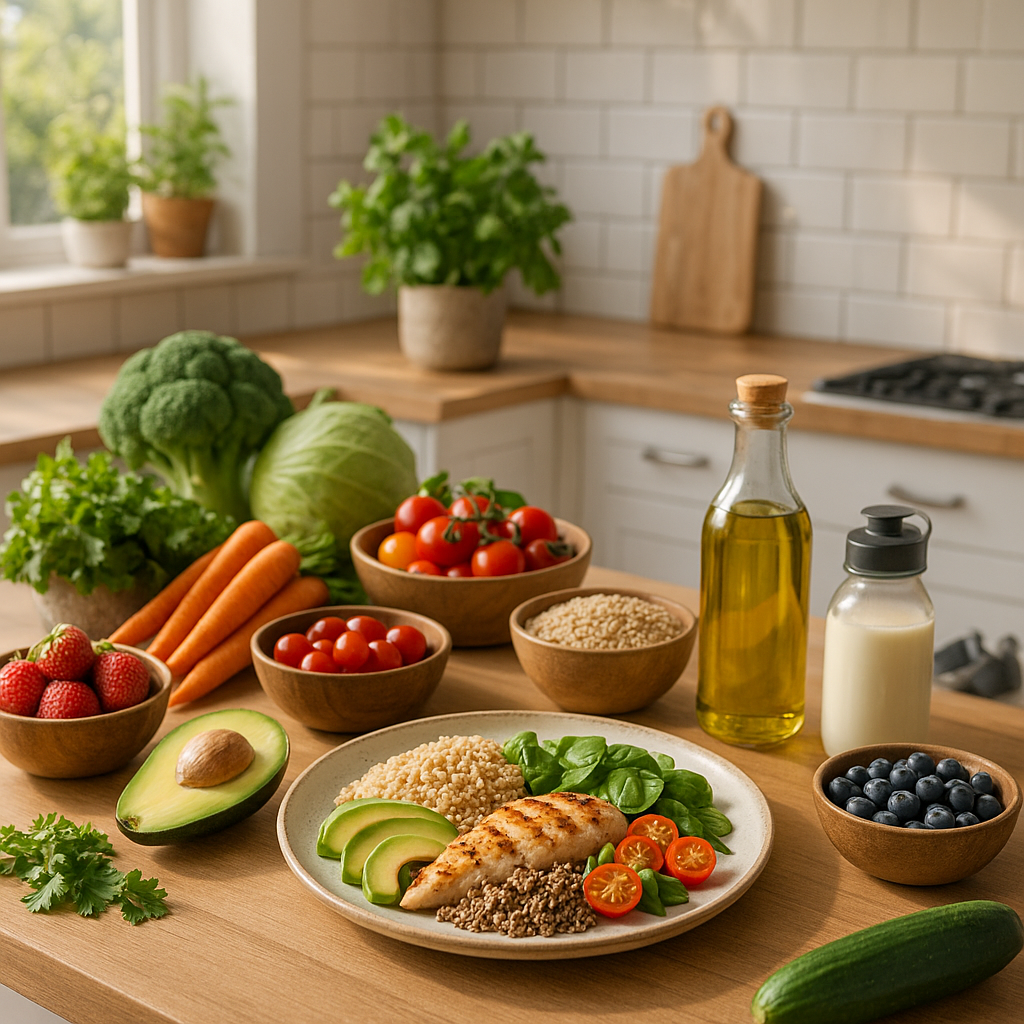
For most people, a clean eating plate that supports digestion includes plenty of non-starchy vegetables, a moderate serving of protein, a smart source of healthy fat, and enough complex carbohydrates to fuel the day. That combination keeps meals from becoming too carb-heavy or too protein-only. The result is a more stable metabolic response, which can support healthy weight loss over time.
A simple formula to follow
- Half the plate: organic vegetables, especially leafy greens, cruciferous vegetables, or cooked carrots and zucchini
- One quarter of the plate: lean protein such as eggs, fish, tofu, beans, or yogurt
- One quarter of the plate: whole grains, root vegetables, or legumes
- One to two teaspoons of healthy fat: olive oil, seeds, avocado, or nuts
This approach works because it naturally supports digestion without requiring complicated tracking. It also creates meals that look and taste satisfying, which is an important part of long-term adherence. A diet only works if you can live with it, right?
Examples of balanced clean eating meals
A breakfast of organic oats with chia seeds, blueberries, and plain yogurt. A lunch of quinoa, roasted vegetables, chickpeas, and olive oil dressing. A dinner of baked salmon, asparagus, and sweet potato. Each meal is simple, yet each one supports a different part of the healthy lifestyle equation: fullness, nutrition, and digestive ease.
[IMAGE: healthy meal]
A Gentle Detox Diet Using Organic Foods
The word detox is often misused. The body already has a sophisticated detoxification system involving the liver, kidneys, skin, lungs, and digestive tract. What most people really need is not a harsh cleanse but a period of support. A gentle detox diet using organic foods focuses on removing the biggest burdens from the menu and replacing them with cleaner, more nourishing options. It is less about punishment and more about relief.
In practice, this means eating more vegetables, drinking more water, choosing organic food when possible, and cutting back on alcohol, sugary drinks, ultra-processed snacks, and heavy late-night meals. You may be surprised by how quickly your digestion responds to these changes. The gut often likes consistency more than intensity. A week of simple meals can feel more revitalizing than a dramatic cleanse that leaves you hungry and frustrated.
What a supportive detox diet includes
- Leafy greens, cucumbers, celery, cabbage, and herbs
- Lemon water, herbal tea, and plenty of plain water throughout the day
- Organic vegetables cooked lightly for easier digestion
- Fermented foods in modest portions
- Whole fruits instead of juice
- Lean proteins and fiber-rich grains for steady energy
What to limit during a reset
Even if you are not trying to be strict, some foods can make a reset feel less effective. Limit deep-fried items, packaged sweets, excessive caffeine, and heavily processed convenience foods. These foods are not simply less healthy; they can also make the gut work harder than it needs to. If your digestion feels inflamed or chaotic, reducing that burden often brings fast relief.
The beauty of a detox diet built around organic food is that it does not need to be extreme. You are not starving your body; you are giving it clearer instructions. And that clarity often shows up in better digestion, fewer cravings, and more stable energy for movement and daily life.
Organic Meal Ideas for Busy People Who Want Real Results
One reason many people abandon healthy eating is that they assume it requires too much time. In reality, the best meals are often the simplest. If your schedule is full, a few repeatable combinations can help you stay consistent without feeling bored. The goal is to make clean eating convenient enough that it wins on the busiest days, not just the calm ones. What can you build in five or ten minutes that still feels nourishing? More than you might think.
Breakfast ideas
- Organic oats with berries, flaxseed, and plain yogurt
- Vegetable omelet with spinach, mushrooms, and avocado
- Smoothie with kefir, banana, chia seeds, and greens
- Chia pudding made with unsweetened milk and topped with fruit
Lunch ideas
- Quinoa bowl with roasted vegetables, chickpeas, and tahini dressing
- Leafy green salad with salmon, cucumber, herbs, and olive oil
- Lentil soup with carrots, celery, and a side of sourdough toast
- Turkey or tofu lettuce wraps with avocado and shredded cabbage
Dinner ideas
- Baked fish with broccoli and sweet potato
- Stir-fried tempeh with ginger, garlic, and mixed vegetables
- Organic chicken, cauliflower rice, and sautéed greens
- Stuffed peppers with beans, grains, and herbs
Snacks that support rather than sabotage
- Apple slices with almond butter
- Plain yogurt with cinnamon
- Carrots and hummus
- A handful of walnuts and berries
- Kefir or unsweetened probiotic yogurt
[IMAGE: fitness lifestyle]
These meals are effective because they do several jobs at once. They supply nutrition, satisfy hunger, and keep blood sugar steadier. That is exactly what a healthy diet should do, especially if your goal is weight loss without burnout.
Common Organic Diet Mistakes That Can Slow Progress
Even a well-intentioned clean eating plan can lose its effectiveness if a few common mistakes creep in. Many people think they are eating healthy when the structure of the diet is actually working against them. The ingredients may look good on paper, but the portions, timing, or combinations may not support digestion. Have you ever switched to healthier foods but still felt stuck? It is often because the details matter more than people realize.
1. Treating organic as automatically low-calorie
Organic cookies are still cookies. Organic sweets still affect blood sugar. Organic labels can be valuable, but they do not make calorie-dense foods disappear from the equation. If weight loss is a goal, the type of food matters, but so does the overall pattern.
2. Eating too little protein
A plant-heavy diet can be wonderful for gut health, but it still needs enough protein. Without it, cravings often rise and energy can drop. Protein helps preserve lean mass during weight loss, keeps meals satisfying, and supports recovery from exercise.
3. Going too hard on raw vegetables
Raw vegetables are healthy, but some people with sensitive digestion do better with a combination of raw and cooked produce. Cooking can make certain foods easier to tolerate. If salads leave you bloated, try steamed, roasted, or sautéed options and notice how your body responds.
4. Ignoring portion size
Clean eating does not mean unlimited eating. Nuts, oils, seeds, and even grains can become excessive if they are not portioned with intention. You do not need to count every bite, but it helps to stay aware of serving sizes and hunger cues.
5. Skipping meals and over-snacking later
When meals are too light or too delayed, the body often pushes back with intense hunger later. This is one of the fastest ways to derail a healthy lifestyle. Build meals that are substantial enough to carry you through the day.
6. Expecting instant results
Gut healing, reduced bloating, and sustainable weight loss rarely happen overnight. The best changes often reveal themselves gradually: better mornings, calmer digestion, less mindless snacking, and more consistent energy. Those small wins matter.
How Lifestyle Habits Multiply the Benefits of Clean Eating
Food is the foundation, but it is not the entire structure. Sleep, movement, stress management, and hydration all shape the way your gut and metabolism respond. If you are eating organic food but sleeping poorly, sitting all day, or living under constant stress, your results may be slower than expected. That is not a failure. It is a reminder that nutrition works best when the whole lifestyle is aligned.
Think of your body as a system that prefers rhythm. Regular meal times, consistent sleep, and daily movement all help the digestive process run more smoothly. Even a short walk after lunch can improve how you feel. Could something as simple as ten minutes of movement really influence digestion and weight loss? Often, yes. The body loves predictable signals.
Daily habits that support gut health
- Drink water steadily instead of waiting until you feel dehydrated
- Take a short walk after meals to support digestion
- Eat at the table, not while distracted by screens
- Get enough sleep so appetite hormones stay balanced
- Use stress-reducing rituals such as breathing, stretching, or journaling
Movement deserves special attention because it improves circulation, supports glucose control, and helps you feel more connected to your body. The goal is not to punish yourself with intense workouts. The goal is to create a fitness lifestyle that feels natural enough to repeat. Consistency, not intensity alone, is what makes the difference.
Hydration also plays a major role in digestion. Fiber can only do its job properly when there is enough fluid in the system. If you are eating more organic vegetables and grains but not drinking enough water, you may still feel backed up or sluggish. That is a common oversight, and thankfully an easy one to fix.
A Smart Organic Shopping List for a Gut-Friendly Kitchen
One of the most useful things you can do for your health is build a kitchen that supports your goals by default. If your pantry and fridge are stocked with quality ingredients, clean eating becomes much easier on busy days. You no longer have to rely on willpower every time hunger strikes. Instead, you are surrounded by options that naturally steer you toward better nutrition.
What to keep on hand
- Organic leafy greens, cucumbers, carrots, broccoli, and zucchini
- Fresh herbs such as parsley, cilantro, dill, and basil
- Fermented foods like yogurt, kefir, kimchi, or sauerkraut
- Whole grains such as oats, quinoa, and brown rice
- Beans, lentils, chickpeas, and tofu
- Avocados, olive oil, walnuts, chia seeds, and flaxseeds
- Fresh fruit, especially berries, kiwi, apples, and pears
When you shop with intention, your meals become easier to assemble and more likely to support weight loss. It is much simpler to create a balanced dinner when the ingredients are already waiting in your kitchen. This is why meal prep is such a powerful part of a healthy lifestyle. It reduces friction. It also makes the better choice the easier choice.
[IMAGE: organic vegetables]
How to prep without spending your whole Sunday cooking
You do not need elaborate containers or a perfect schedule. Try washing greens, roasting a tray of vegetables, cooking one grain, and preparing one protein source at the beginning of the week. That alone can give you the base for several meals. Add a fermented food, a fresh herb, and a simple dressing, and you have a gut-friendly meal in minutes.
How to Keep the Momentum Without Becoming Obsessed
The healthiest approach to organic food and clean eating is the one you can actually live with. Perfection is not the goal. Progress is. If you eat well most of the time, recover quickly when you go off track, and keep returning to simple nourishing habits, you are already doing far better than many people who chase the newest diet every month. Real health is less about intensity and more about rhythm, awareness, and patience.
So start where you are. Choose one meal to upgrade, one shopping habit to change, or one digestion-friendly ingredient to add this week. Maybe it is a bowl of oats in the morning, maybe it is an extra serving of vegetables at dinner, or maybe it is swapping one packaged snack for fruit and nuts. Each step supports your gut, your energy, and your weight loss goals in a practical way. If you want more expert guidance, explore more articles on DietOrganic for fresh ideas on organic food, clean eating, detox diet strategies, and healthy lifestyle habits that make lasting nutrition feel simple and enjoyable.
About the Author