
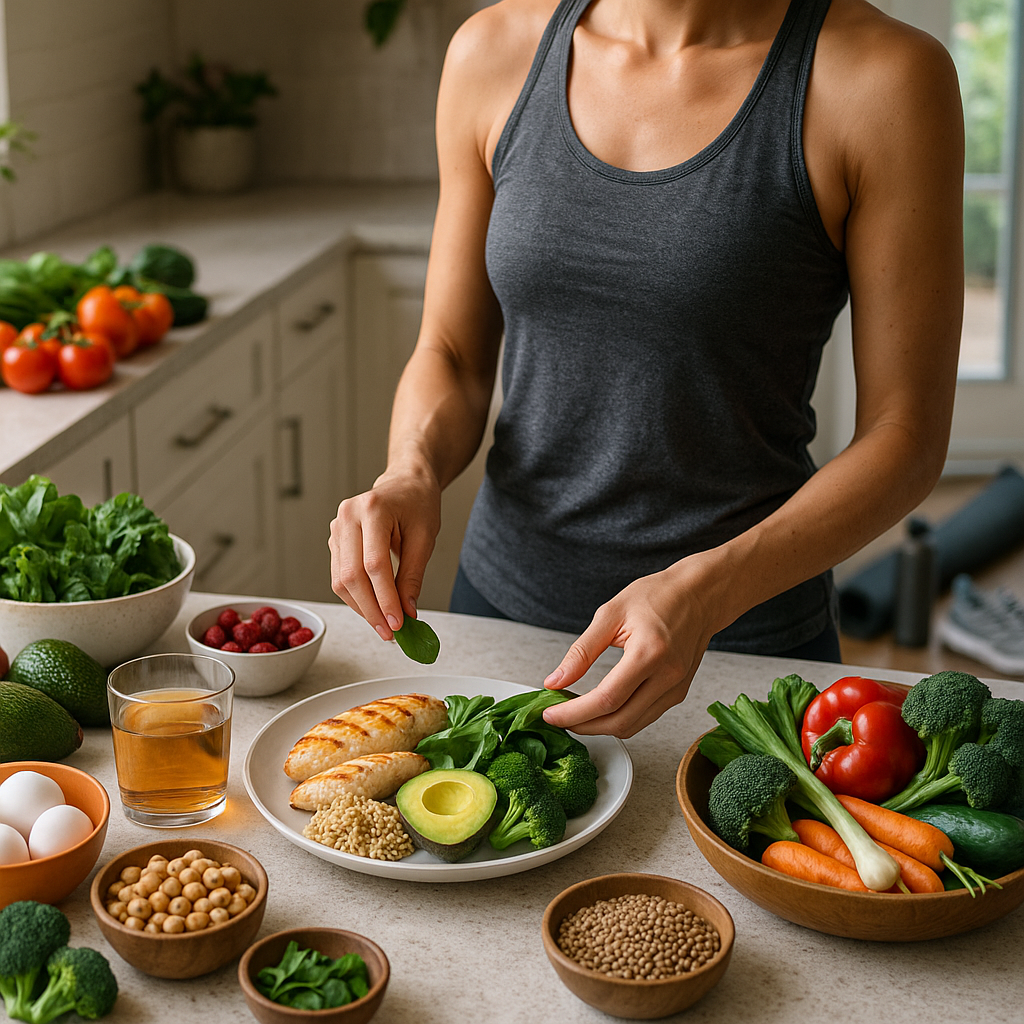
If you have ever tried to lose weight while still wanting to eat well, you already know the challenge: the internet is full of promises, but very few approaches feel sustainable. The good news is that weight loss does not need to be extreme, joyless, or built around deprivation. In many cases, the simplest path is also the most effective: choosing organic food, building a clean eating routine, and focusing on nourishing meals that keep you satisfied for hours instead of minutes.
Organic food has become more than a trend. For many people, it represents a thoughtful way to eat with fewer unnecessary additives, more whole ingredients, and a greater connection to seasonal nutrition. When you pair that mindset with a smart healthy diet, you create a practical framework for weight loss that supports energy, digestion, and long-term consistency. Isn’t that what most people really want—a plan that actually fits real life?
This guide explores the best organic foods for weight loss and explains how to use them in a way that feels realistic, flavorful, and sustainable. You will learn which foods help control appetite, how clean eating can simplify your choices, and why some organic staples may make it easier to stay on track without feeling like you are constantly dieting. Along the way, we will also look at meal ideas, shopping strategies, and the kind of nutrition habits that can quietly transform your healthy lifestyle.
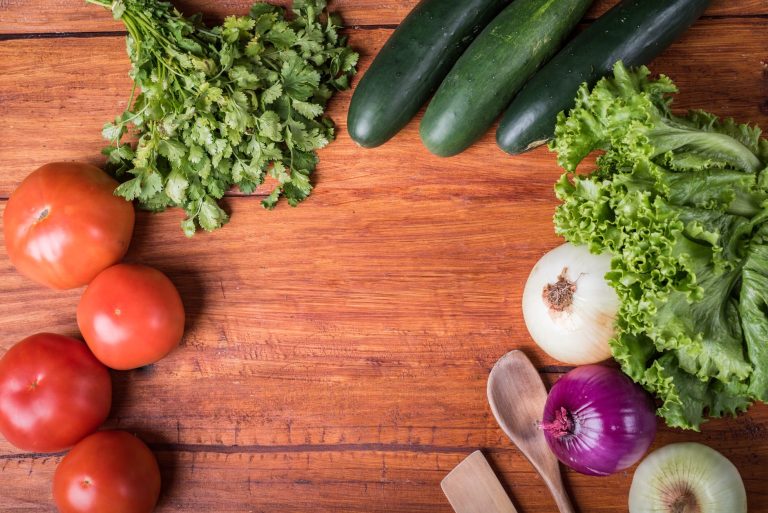
[IMAGE: organic vegetables]
Why Organic Food Can Support Weight Loss
Organic food is not a magic solution, and no single ingredient can guarantee fat loss. Still, organic choices often work well within a weight loss plan because they encourage better food quality, fewer ultra-processed products, and more mindful eating. When meals are built around vegetables, fruits, legumes, lean proteins, and whole grains, they naturally become more filling and nutrient-dense. That combination can make a major difference.
Many people find that a clean eating approach based on organic food reduces the number of decision points throughout the day. You spend less time negotiating with sugary snacks or packaged foods and more time enjoying meals that stabilize hunger. Over time, that shift can support healthier portion control, stronger nutrition habits, and better awareness of what your body actually needs.
The real advantage: satiety and simplicity
Weight loss becomes more manageable when food leaves you satisfied. Organic foods that are high in fiber, water, protein, and micronutrients often help with this because they are naturally more filling. Think of a bowl of organic vegetables with lentils, or Greek yogurt topped with berries and seeds. These meals do not just taste good; they create steady energy and fewer cravings.
Organic options can also reduce your exposure to foods that are engineered to be highly palatable and easy to overeat. While the organic label alone does not make a food healthy, it often nudges people toward less processed patterns. That shift is valuable because a healthy diet is usually built through consistency, not restriction.
How clean eating changes your relationship with food
Clean eating is not about perfection. It is about choosing foods that are closer to their natural state and building meals that are easy to recognize. A plate with roasted vegetables, a protein source, and a whole grain is easier to trust than a highly processed snack disguised as health food. Could your daily meals benefit from fewer ingredients and more whole-food structure?
When that question becomes part of your routine, food decisions become calmer. Instead of chasing the newest diet, you begin creating a pattern that supports weight loss as a byproduct of a healthier lifestyle.
The Best Organic Foods for Weight Loss
Not all foods are equal when it comes to supporting a leaner body and a healthier eating routine. The foods below are especially useful because they help with satiety, nutrition, and meal satisfaction. They also fit beautifully into a clean eating plan.
1. Organic leafy greens
Spinach, kale, arugula, romaine, and Swiss chard are some of the most useful organic food staples for weight loss. They are low in calories but rich in fiber, water, vitamins, and minerals. That means you can eat generous portions without adding many calories.
Leafy greens are especially effective in salads, smoothies, omelets, soups, and grain bowls. They are also one of the easiest ways to improve your healthy diet without dramatically changing your routine.
- Add spinach to eggs for an easy breakfast boost.
- Use kale as a base for hearty salads with protein.
- Blend arugula into green sauces or pesto.
- Stir Swiss chard into soups and stews for extra volume.
2. Organic berries
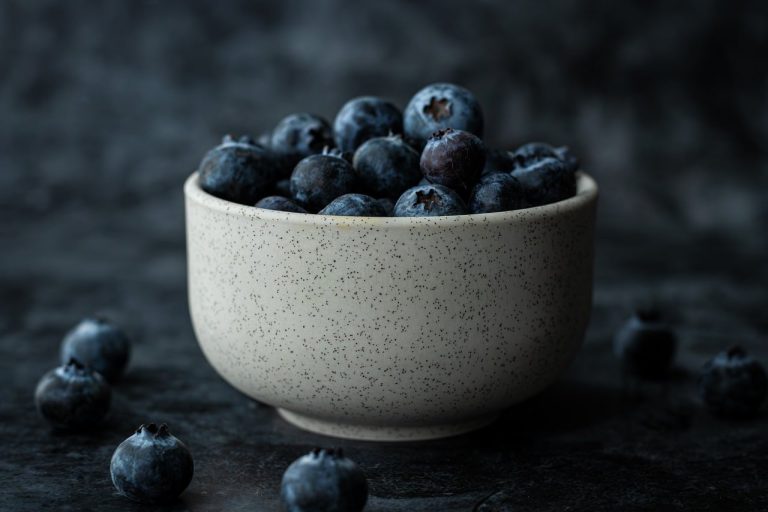
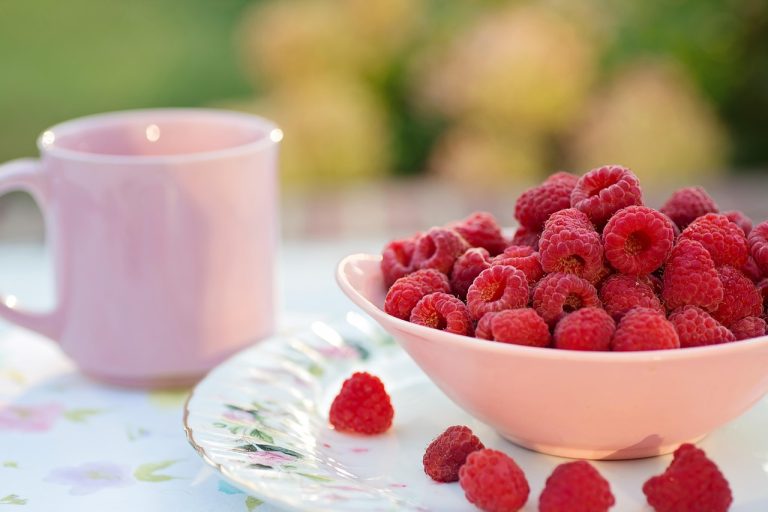
Berries are naturally sweet, satisfying, and rich in fiber. Organic strawberries, blueberries, raspberries, and blackberries can help curb sugar cravings while offering antioxidants that support overall wellness. They are especially helpful if you want a healthier alternative to desserts or sweet snacks.
Because berries have a relatively low sugar load compared with many other fruits, they fit well into a weight loss plan. A bowl of organic berries with yogurt or chia seeds can feel indulgent while still aligning with your nutrition goals.
3. Organic eggs
Eggs are one of the most practical organic protein sources for a healthy lifestyle. They are versatile, filling, and easy to prepare. Protein is important for weight loss because it can help preserve lean mass, reduce hunger, and improve meal satisfaction.
If you are looking for a breakfast that supports clean eating, organic eggs with vegetables are a dependable choice. They can be scrambled, poached, hard-boiled, or baked into a frittata. What matters most is how you combine them with vegetables and wholesome sides.
4. Organic Greek yogurt
Unsweetened organic Greek yogurt offers protein, calcium, and a creamy texture that works well in both sweet and savory meals. It can be used as a breakfast base, a snack, or a sauce ingredient. Because it is high in protein, it may help reduce mid-morning or afternoon hunger.
Choose plain yogurt rather than flavored versions, which often contain added sugar. Add berries, chia seeds, cinnamon, or chopped nuts for flavor without undermining your weight loss efforts.
5. Organic legumes
Lentils, chickpeas, black beans, and kidney beans are some of the strongest weight loss allies in the organic food world. They offer fiber, protein, and slow-digesting carbohydrates that help maintain stable energy. That stability matters because energy crashes often lead to snacking and overeating later in the day.
Legumes are also budget-friendly and easy to batch cook, which makes them ideal for meal prep. You can build soups, salads, curries, and bowls around them without feeling deprived.
6. Organic cruciferous vegetables
Broccoli, cauliflower, Brussels sprouts, and cabbage provide volume, fiber, and important nutrients with very few calories. They are excellent for clean eating because they make meals feel substantial and satisfying. Roasted broccoli with olive oil and herbs can taste luxurious while still supporting your nutrition goals.
These vegetables are especially helpful when you want a filling dinner that does not leave you heavy or sluggish. They also pair well with lean proteins and whole grains.
7. Organic apples and pears
Whole fruit is far more useful for weight loss than juice because it contains fiber and requires chewing, which promotes fullness. Apples and pears are particularly good choices because they are portable and naturally satisfying. Their texture and sweetness can help with cravings in a way that feels steady rather than frantic.
If you are looking for a snack that fits your healthy diet, pair sliced apples with nut butter or enjoy pears with cottage cheese or yogurt.
8. Organic oats
Organic oats are a classic breakfast food for a reason. They contain soluble fiber, which supports fullness and can help slow digestion. A bowl of oats in the morning may reduce the urge to snack before lunch, especially when combined with protein and healthy fats.
For weight loss, the key is portion awareness. Oats are nourishing, but they become even more effective when topped with berries, seeds, or yogurt instead of sugary add-ons.
9. Organic avocado
Avocado is calorie-dense, but it can still support weight loss when used wisely. Its healthy fats help with satiety and can make plant-based meals more satisfying. A small portion of avocado in a salad, breakfast bowl, or whole-grain toast can improve flavor and reduce the urge to seek out less nourishing foods later.
The trick is balance. Avocado is best treated as a supportive ingredient rather than the entire meal.
10. Organic salmon and other clean protein sources
Although not all readers follow the same eating style, organic or responsibly sourced salmon and other lean protein foods can play an important role in weight loss. Protein helps you feel full and can support a stronger body composition over time. When paired with vegetables and whole foods, protein becomes one of the most reliable tools in a clean eating strategy.
Other helpful options include organic tofu, tempeh, turkey, chicken, cottage cheese, and plain yogurt, depending on your preferences.
How to Build a Healthy Diet Around Organic Foods
The mistake many people make is trying to overhaul everything at once. A healthy diet is usually created through a series of practical choices that repeat often enough to become normal. You do not need a perfect menu. You need a pattern that is easy to maintain.
Start with the plate method
A simple way to build meals is to divide your plate into three parts: half vegetables, one-quarter protein, and one-quarter whole carbohydrates or starchy vegetables. Add healthy fats in small amounts. This approach works well for clean eating because it prevents meals from becoming too calorie-heavy while still keeping them satisfying.
- Half the plate: leafy greens, broccoli, cabbage, peppers, zucchini
- One-quarter: eggs, yogurt, legumes, fish, tofu, chicken
- One-quarter: oats, brown rice, quinoa, sweet potatoes
- Small addition: avocado, olive oil, seeds, nuts
That structure is easy to repeat, and repetition is what creates results.
Focus on hunger, not rules
Do you often eat because it is time, or because you are actually hungry? This small question can change everything. Many people mistake boredom, stress, and fatigue for hunger. Organic food can help create a healthier response to these signals because whole foods tend to satisfy the body more completely than processed snacks.
Learning your hunger cues is part of nutrition, not just discipline. It teaches you when to eat, how much to eat, and what type of meal is likely to keep you steady.
Use protein at every meal
Protein is one of the most important ingredients in a weight loss plan. It helps support muscle maintenance, improves satiety, and keeps meals balanced. Whether you prefer animal-based or plant-based foods, make sure each meal includes a meaningful protein source.
- Breakfast: organic eggs, Greek yogurt, chia pudding
- Lunch: lentil salad, tofu bowl, chicken and greens
- Dinner: salmon with vegetables, bean stew, turkey stir-fry
- Snacks: yogurt, hard-boiled eggs, roasted chickpeas
When protein becomes a habit, you are less likely to rely on snacks that do not support your goals.
Organic Meal Ideas That Feel Clean but Not Restrictive
One of the biggest reasons people abandon clean eating is that their meals feel too plain or repetitive. Organic food should not mean bland food. In fact, the best healthy meals are often vibrant, colorful, and deeply satisfying. The goal is not to eat less flavor; it is to use better ingredients.
Breakfast ideas for steady energy
Breakfast can shape your entire day. If you start with sugar-heavy foods, you may feel hungry again quickly. If you start with a balanced meal, you are more likely to stay focused and in control.
- Organic oats topped with berries, chia seeds, and cinnamon
- Scrambled organic eggs with spinach and tomatoes
- Greek yogurt parfait with walnuts and raspberries
- Avocado toast on whole grain bread with a boiled egg
These meals support a healthy lifestyle because they combine protein, fiber, and flavor. [IMAGE: healthy meal]
Lunch ideas that prevent the afternoon crash
Lunch should leave you satisfied, not sleepy. Organic salads, grain bowls, and soups are ideal because they can be customized to your appetite and schedule.
- Quinoa bowl with chickpeas, cucumber, carrots, and tahini
- Large salad with salmon, arugula, avocado, and pumpkin seeds
- Lentil soup with side greens and a piece of fruit
- Turkey wrap with vegetables and hummus on a whole grain wrap
If your lunch usually leaves you hunting for snacks an hour later, that is a sign your meal needs more protein, fiber, or healthy fat.
Dinner ideas for weight loss without feeling deprived
Dinner does not need to be small to be effective. It just needs to be structured. A satisfying dinner can support weight loss better than a tiny meal that leads to late-night cravings.
- Roasted chicken, Brussels sprouts, and sweet potato
- Tofu stir-fry with broccoli, peppers, and brown rice
- Salmon, cauliflower mash, and green beans
- Black bean chili with chopped herbs and avocado
Dinner is also a good place to practice clean eating because it can be flavorful, warm, and comforting without relying on processed ingredients.
Smart Snacking for Organic Weight Loss
Snacks are not the enemy. In fact, strategic snacks can prevent overeating and help you stay consistent between meals. The challenge is choosing snacks that support your healthy diet instead of disrupting it.
What makes a snack work?
A good snack includes at least two of the following: protein, fiber, healthy fat, or water-rich produce. This combination slows digestion and helps you feel satisfied longer. Snacking on organic food also makes it easier to choose options that are simple and recognizable.
- Apple slices with almond butter
- Greek yogurt with berries
- Roasted chickpeas
- Carrot sticks with hummus
- Hard-boiled eggs
- Celery with cottage cheese or nut butter
These snacks are small but meaningful. They are not just about silencing hunger; they are about protecting your energy and preventing impulsive eating later on.
How to avoid snack spirals
Snack spirals happen when food is eaten without structure. One handful becomes three, then a bag disappears, and suddenly your appetite feels out of control. The solution is not more willpower. It is better planning.
Pre-portion snacks into containers, keep nutrient-dense options visible, and avoid eating directly from large packages. These simple habits can have a surprising impact on weight loss because they reduce accidental overeating.
Clean Eating Mistakes That Slow Progress
Even well-intentioned eaters can make mistakes that interfere with progress. If your weight loss has stalled, the issue may not be the amount of food alone. It may be how the food is structured or the assumptions behind your healthy diet.
Thinking organic automatically means low-calorie
Organic food is not always lighter or more weight-loss-friendly by default. Organic cookies, chips, frozen desserts, and sweetened drinks can still be calorie-dense and highly processed. A clean eating mindset should focus on food quality and balance, not labels alone.
Ask yourself: does this food nourish me, satisfy me, and fit into my overall nutrition goals?
Undereating in the name of discipline
Some people cut calories too aggressively and then wonder why they feel tired, irritable, and obsessed with food. Severe restriction often backfires. It can reduce adherence, impair energy, and lead to overeating later. A healthy lifestyle should support your body, not punish it.
If you are constantly hungry, your meals may need more protein, fiber, or healthy fats—not less food overall.
Ignoring hydration
Hydration is often overlooked, yet it matters for appetite regulation, digestion, and energy. Sometimes what feels like hunger is actually dehydration. Drinking enough water throughout the day can make clean eating and weight loss feel more manageable.
Herbal teas, water with lemon, and naturally hydrating foods like cucumbers, berries, and leafy greens can all help. This is one of those simple habits that quietly supports almost everything else.
How Organic Foods Fit Into Detox Diet Thinking
The word detox is often used in confusing ways. Your body already has built-in systems for detoxification through the liver, kidneys, lungs, and digestive tract. Still, a detox diet in the practical sense can mean eating in a way that reduces overload and gives your body the nutrients it needs to function well.
A realistic detox diet is really a reset
Instead of extreme cleanses, think of a reset built around organic food, hydration, fiber, and minimally processed meals. That approach supports digestion and can help you feel lighter, clearer, and more in control of your habits.
Organic vegetables, berries, legumes, greens, and whole grains are all useful in this context because they support regularity and nutrient intake. A reset does not need to be dramatic to be effective.
Helpful foods for a gentle reset
- Leafy greens for fiber and micronutrients
- Cucumbers and celery for hydration
- Lentils and beans for fullness and regularity
- Ginger and lemon for flavor and digestion support
- Berries for antioxidants and natural sweetness
These foods do not magically erase poor habits, but they can help you return to balance after a stretch of indulgence or stress.
Meal Prep Strategies That Make Healthy Eating Easier
Most people do not fail because they lack knowledge. They fail because healthy food is not convenient when life gets busy. Meal prep solves that problem by turning good intentions into ready-to-eat choices. If you want clean eating to stick, make your default options easy.
Prep the building blocks, not just full meals
You do not need to cook every meal from scratch on Sunday. Prepare the ingredients that make fast meals possible during the week.
- Wash and chop vegetables
- Cook a batch of grains such as quinoa or brown rice
- Roast a tray of organic vegetables
- Hard-boil eggs
- Prepare lentils, chickpeas, or beans
- Make a simple dressing or sauce
With these components ready, lunch and dinner come together quickly. That convenience is a major advantage for anyone focused on weight loss.
Use a three-day rotation
Meal prep becomes more sustainable when you do not try to plan for every possible scenario. A three-day rotation gives you structure while still leaving room for flexibility. For example, you might rotate between a salad bowl, a soup-based meal, and a grain bowl. This prevents boredom and reduces the need for constant decision-making.
When food is available before hunger becomes urgent, you are far more likely to make choices that align with your nutrition goals.
Organic Food Shopping Tips for Better Results
Smart shopping is one of the easiest ways to improve your healthy diet. The products you buy shape the meals you end up eating, so the grocery store matters more than many people realize. A little planning can make clean eating feel much less complicated.
Choose organic strategically
If buying all organic food is not realistic, start with the items you use most often or the ones you eat with the skin on. Many people prioritize berries, leafy greens, apples, and peppers. The goal is not perfection. It is reducing friction and making healthier choices more accessible.
Read labels carefully
Organic packaged foods can still be high in sugar, sodium, or refined fats. Look at the ingredient list and the nutrition panel. A short ingredient list usually signals a more straightforward product, but even then, check for added sweeteners and artificial extras. Clean eating is built on awareness, not assumptions.
Build a repeatable grocery list
When your list is consistent, shopping becomes faster and healthier choices become more automatic. A strong list might include:
- Leafy greens
- Cruciferous vegetables
- Berries and apples
- Eggs or Greek yogurt
- Legumes
- Whole grains
- Avocado
- Nuts and seeds
- Herbs and spices
Using a repeatable list removes guesswork and helps create a stable healthy lifestyle.
How to Stay Consistent Without Burning Out
The best weight loss plan is the one you can keep doing. That may sound obvious, but it is easy to forget when social media keeps promoting drastic changes and short-term transformations. Organic food and clean eating work best when they fit your life rather than dominate it.
Set a few non-negotiable habits
Instead of trying to do everything at once, choose a few habits that you can repeat most days. These might include eating vegetables at two meals, drinking enough water, preparing breakfast the night before, or packing a balanced snack.
Small habits feel almost too easy to matter at first, but that is exactly why they work. They reduce resistance and create momentum.
Leave room for real life
No healthy diet survives rigid perfection. Travel happens. Work runs late. Friends invite you out. Holidays arrive. A sustainable approach allows room for flexibility without abandoning the larger pattern.
If one meal is less balanced than you planned, the next one can be better. That mindset keeps you from turning a small detour into a full reset.
Measure progress beyond the scale
Weight loss is only one sign of progress. You might also notice improved energy, better digestion, fewer cravings, more stable moods, or a stronger relationship with food. These changes matter because they often show that your nutrition habits are improving in ways the scale cannot capture.
Ask yourself regularly: do I feel more in control? Am I eating more whole foods? Does my body feel better after meals? Those answers can be more meaningful than a single number.
[IMAGE: fitness lifestyle]
A Day of Clean Eating with Organic Foods
It can help to picture what a full day might look like when everything comes together. Here is a simple example that supports weight loss without feeling extreme.
Morning
Breakfast: organic eggs with spinach, tomatoes, and a slice of whole grain toast. A side of berries and herbal tea. This meal provides protein, fiber, and energy that lasts.
Midday
Lunch: quinoa bowl with chickpeas, roasted vegetables, arugula, cucumber, and a tahini-lemon dressing. The combination of texture and nutrients helps keep hunger under control.
Afternoon
Snack: Greek yogurt with cinnamon and a handful of berries, or apple slices with almond butter. This keeps your energy steady and prevents overeating later.
Evening
Dinner: salmon with broccoli and cauliflower mash, or tofu stir-fry with brown rice and greens. The meal feels complete, flavorful, and supportive of a healthy diet.
Does this sound complicated? It should not. A good organic food plan is often built from simple meals repeated with variation, not from elaborate recipes that require constant effort.
Why This Approach Feels Different from Dieting
Traditional dieting often focuses on what to remove. Clean eating focused on organic food asks a better question: what can you add that makes your body feel stronger, calmer, and more satisfied? That shift changes everything. It moves the conversation away from punishment and toward nourishment.
When your meals are built around real ingredients, the benefits stack up quietly. You may notice fewer sugar cravings, easier digestion, more stable energy, and a better sense of control around food. Those outcomes are often more valuable than rapid weight loss because they are what keep the results alive.
This is where nutrition becomes empowering rather than confusing. Instead of chasing trends, you learn how to assemble meals that serve your body. Instead of fearing food, you begin selecting ingredients that support your goals. And instead of depending on short-lived motivation, you create a healthy lifestyle that can hold up under pressure.
Organic food, clean eating, and a thoughtful weight loss plan do not need to feel trendy or extreme. They can be calm, elegant, and very practical. The more you simplify your choices around whole foods and steady routines, the easier it becomes to stay aligned with your goals without feeling like you are constantly starting over. If you are ready to keep refining your approach, explore more articles on DietOrganic and keep building the kind of nutrition habits that make healthy living feel natural, not forced.
About the Author