
What if the most effective path to weight loss was not another strict plan, but a calmer, more intelligent way of eating that starts in your digestive system? That is the promise of organic food when it is used with purpose. A gut-friendly approach to clean eating is not about punishing yourself with tiny portions or chasing a quick detox diet. It is about choosing foods that help the body do what it was designed to do: digest efficiently, absorb nutrition properly, manage cravings, and support a healthy lifestyle from the inside out.
When digestion works well, everything else feels easier. Energy becomes steadier. Bloating becomes less common. Meals feel satisfying instead of chaotic. Even weight loss can feel less like a battle and more like a natural result of better nutrition. And yes, the quality of the food matters. Organic food can be a powerful ally because it often reduces exposure to pesticides, supports more mindful shopping habits, and encourages a cleaner way of eating overall. But the real magic happens when you combine organic choices with foods that nourish your gut microbiome, calm inflammation, and support daily consistency.
This is not a story about perfection. It is a practical guide for people who want to feel lighter, more focused, and more in control of their health without turning every meal into a math problem. If you have ever wondered why some diets leave you hungry, tired, or stuck, the answer may be hiding in the relationship between your plate and your digestive system. Let us look at how organic food can support gut health, why that matters for weight loss, and how to build a clean eating routine that actually feels sustainable.
Why Gut Health Changes the Way You Feel, Look, and Recover
Your gut is much more than a digestion tube. It is a busy, responsive ecosystem filled with trillions of microbes that influence everything from nutrient absorption to cravings, mood, immunity, and metabolism. When that ecosystem is supported by the right nutrition, the body tends to respond with better regularity, less inflammation, and improved energy. When it is overwhelmed by highly processed foods, excess sugar, and low-fiber eating, the result can be sluggish digestion, unstable appetite, and frustrating weight fluctuations.
That is why gut health is now central to modern nutrition conversations. The most effective healthy lifestyle strategies do not simply aim to reduce calories. They aim to improve how the body processes food. Organic food often fits into this picture because it encourages a cleaner grocery basket and usually leads people toward fresher vegetables, seasonal produce, whole grains, beans, and high-quality proteins. Those are the ingredients the gut loves most.
The Gut-Weight Loss Connection
Have you noticed how some meals leave you satisfied for hours while others seem to trigger grazing, sugar cravings, or a second dinner? That is not just willpower. A balanced gut can improve satiety signals, reduce digestive irritation, and help keep blood sugar more stable. When blood sugar is steadier, energy becomes steadier too. That matters for weight loss because constant spikes and crashes often lead to overeating later in the day.
Good digestion also helps the body use nutrients more efficiently. If your body is not absorbing vitamins, minerals, and amino acids properly, you may feel hungry even when you are technically eating enough. That can create a cycle of restriction and rebound eating. Clean eating built around organic food interrupts that cycle by giving your body more of what it recognizes and can use well.
Signs Your Digestive System Needs Support
Sometimes the body whispers before it shouts. Here are a few common signs that your gut may need more attention:
- Frequent bloating after meals
- Irregular bowel movements or constipation
- Cravings for sugar or refined carbohydrates
- Low energy after eating
- Sensitive digestion after rich or processed foods
- Feeling hungry shortly after a full meal
- Skin issues that seem to flare without a clear reason
If several of those sound familiar, the answer may not be another restrictive diet. It may be a more thoughtful nutrition strategy built around fiber, hydration, fermented foods, and organic ingredients that are less likely to irritate an already sensitive system.
The Best Organic Foods for a Healthier Microbiome
Not every healthy food works the same way in the body. Some foods feed beneficial gut bacteria. Others help sweep waste through the digestive tract. A few calm inflammation or support the gut lining itself. The best organic food plans combine all of these roles so your meals work with your body instead of against it.
Below are the most valuable food groups to keep on hand if you want better digestion, a more balanced appetite, and a cleaner approach to weight loss.
Fermented Foods That Add Friendly Bacteria
Fermented foods are one of the most practical tools in a gut-friendly diet because they introduce live cultures that can support microbial balance. The key is choosing versions with minimal added sugar and simple ingredient lists. Organic options are often especially appealing because they tend to stay closer to their natural form.
- Organic plain yogurt
- Kefir
- Sauerkraut
- Kimchi
- Miso
- Tempeh
Start with small portions if you are new to fermented foods. A spoonful of sauerkraut with lunch or a small cup of kefir at breakfast may be enough to begin. Why small? Because a sensitive gut sometimes needs a gradual introduction rather than a sudden flood of new bacteria.
Fiber-Rich Vegetables That Feed Good Bacteria
Fiber is essential for digestion, satiety, and regularity. It slows the pace of digestion, helps manage blood sugar, and provides fuel for beneficial gut microbes. Organic vegetables are especially useful here because they can be eaten in abundance, cooked simply, and mixed into nearly every meal.
Look for vegetables such as:
- Broccoli
- Cauliflower
- Asparagus
- Artichokes
- Spinach
- Kale
- Fennel
- Zucchini
- Brussels sprouts
These foods offer more than roughage. They deliver vitamins, minerals, and antioxidants that support the healthy lifestyle many people are trying to build. A plate full of vegetables can be deeply satisfying when it is seasoned well and paired with protein and healthy fat.
Prebiotic Foods That Feed the Microbiome
Prebiotics are the fibers and compounds that feed beneficial bacteria. Think of them as the nutrients your probiotics need in order to thrive. Without prebiotics, a gut-supportive diet can feel incomplete.
Examples include:
- Onions
- Garlic
- Leeks
- Asparagus
- Green bananas
- Oats
- Apples
- Chia seeds
- Flaxseeds
These foods are especially helpful in a clean eating plan because they are simple, affordable, and easy to use in everyday meals. A bowl of oats topped with chia, a salad dressed with garlic vinaigrette, or roasted vegetables with onions and leeks can make a real difference over time.
Clean Protein and Healthy Fats That Keep You Satisfied
Digestion is not only about fiber. Protein and fat help stabilize appetite and support hormones, which is one reason they matter so much for weight loss. If your meals are too light on protein, you may become hungry faster. If they are too low in healthy fats, satiety can suffer. Organic eggs, plain Greek yogurt, lentils, beans, tofu, seeds, nuts, avocado, and olive oil are all excellent building blocks.
Healthy fats also help you absorb fat-soluble vitamins such as A, D, E, and K. That means a salad is more nourishing when topped with avocado or olive oil than when eaten dry. Have you ever wondered why a seemingly healthy meal leaves you unsatisfied? Often the missing ingredient is not more calories, but the right balance of protein, fat, and fiber.
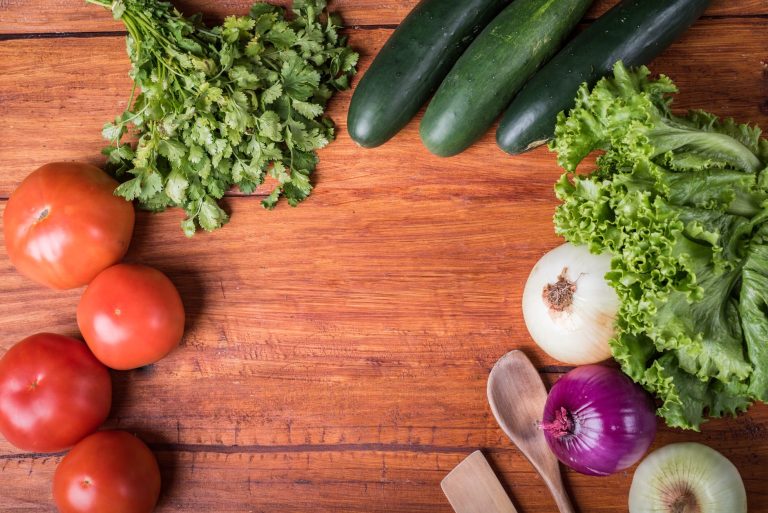
[IMAGE: organic vegetables]
How to Build an Organic Plate for Clean Eating and Weight Loss
The best organic food strategy is simple enough to repeat. Complicated plans might look impressive on paper, but the most effective nutrition habits are the ones you can use on a busy Tuesday. A well-balanced plate supports digestion, keeps you full, and helps control the urge to snack without thinking.
The Simple Plate Formula
A useful rule is to build your meals around three core elements:
- Half the plate: colorful vegetables, mostly non-starchy
- One quarter: lean protein or plant-based protein
- One quarter: smart carbohydrates or starchy vegetables
- Plus: a small amount of healthy fat for satiety and flavor
This formula is flexible, which is why it works. You can apply it to breakfast bowls, lunch salads, warm dinners, and even snacks. It supports clean eating without making every meal feel like a separate project.
Why Balance Matters More Than Restriction
A lot of people approach weight loss by slashing food groups, but that often backfires. When meals are too small or too one-sided, the body may respond with stronger cravings later. A balanced organic meal, on the other hand, helps the body feel safe and nourished. That safety matters. It lowers the likelihood of impulsive eating and supports a steadier mood.
Think of your meals as messages. A plate with fiber, protein, and healthy fats says, I am fed. A plate built on refined carbs alone often says, I need more. Which message do you want your body to hear?
Smart Meal Ideas That Fit a Busy Life
Organic food does not need to be fussy. In fact, some of the best gut-friendly meals are simple combinations you can assemble in minutes:
- Eggs, sautéed spinach, and avocado on sprouted toast
- Quinoa bowl with roasted vegetables, chickpeas, and tahini
- Salmon with broccoli and sweet potato
- Plain yogurt with berries, flax, and walnuts
- Turkey or tofu lettuce wraps with cucumber and herbs
These meals are practical, colorful, and rich in nutrition. They also help create the structure people often need when trying to lose weight without feeling deprived.
What a Good Organic Plate Actually Feels Like
After a balanced meal, you should feel comfortable, not heavy. You should be energized, not sleepy. You should feel able to focus on your day rather than immediately searching for a snack. That feeling is one of the clearest signs that your nutrition is supporting your gut health.
A One-Day Organic Gut-Friendly Menu You Can Use Immediately
To make this more concrete, here is a simple day of eating that blends clean eating, organic food, and digestion-friendly nutrition. It is not a rigid detox diet. It is a realistic template you can adapt to your preferences, schedule, and appetite.
Breakfast: Gentle Energy Without a Crash
Start with a warm or room-temperature meal that is easy to digest. Cold, sugary breakfasts often spike energy and then drop it quickly. A better option might be:
- Organic plain yogurt with berries, chia seeds, and cinnamon
- Or scrambled eggs with spinach and tomatoes
- Or oatmeal topped with flax, walnuts, and sliced apple
Why does this matter? Because a balanced breakfast can help stabilize appetite for the rest of the day. If mornings are rushed, prepare overnight oats or boiled eggs the night before. Small planning choices often make the biggest difference in nutrition quality.
Lunch: Color, Protein, and Fiber
For lunch, aim for a bowl or salad that feels abundant rather than skimpy. A gut-friendly lunch might include grilled chicken, lentils, or tofu over leafy greens with cucumber, carrots, roasted beets, avocado, and a simple olive oil dressing. Add sauerkraut or fermented vegetables on the side if you tolerate them well.
Lunch should help you avoid the afternoon crash that sends many people into the pantry. If your current lunch leaves you hungry within two hours, it is probably not built with enough protein or fiber.
Dinner: Satisfying, Calm, and Digestible
Dinner is where many people either nourish themselves well or undo the day with oversized portions and convenience foods. A better choice is a balanced, calming meal such as baked salmon, roasted carrots, and steamed broccoli with olive oil and herbs. If you prefer plant-based meals, try tempeh with stir-fried vegetables and brown rice.
Keep dinner moderate, not because you need to fear food at night, but because a heavy, highly processed dinner can interfere with sleep and digestion. The goal is comfort and ease.
Smart Snacks and Drinks
Snacks are not a failure. They are a useful tool when chosen well. In a clean eating plan, they can keep blood sugar stable and prevent overeating later. Good options include:
- Apple slices with almond butter
- Carrot sticks with hummus
- Plain kefir or yogurt
- Handful of walnuts or pumpkin seeds
- Cucumber with sea salt and lemon
For hydration, choose water, herbal tea, or infused water with mint and citrus. Many people think they are hungry when they are actually dehydrated. That simple distinction can transform a day of mindless eating into a day of steady energy.
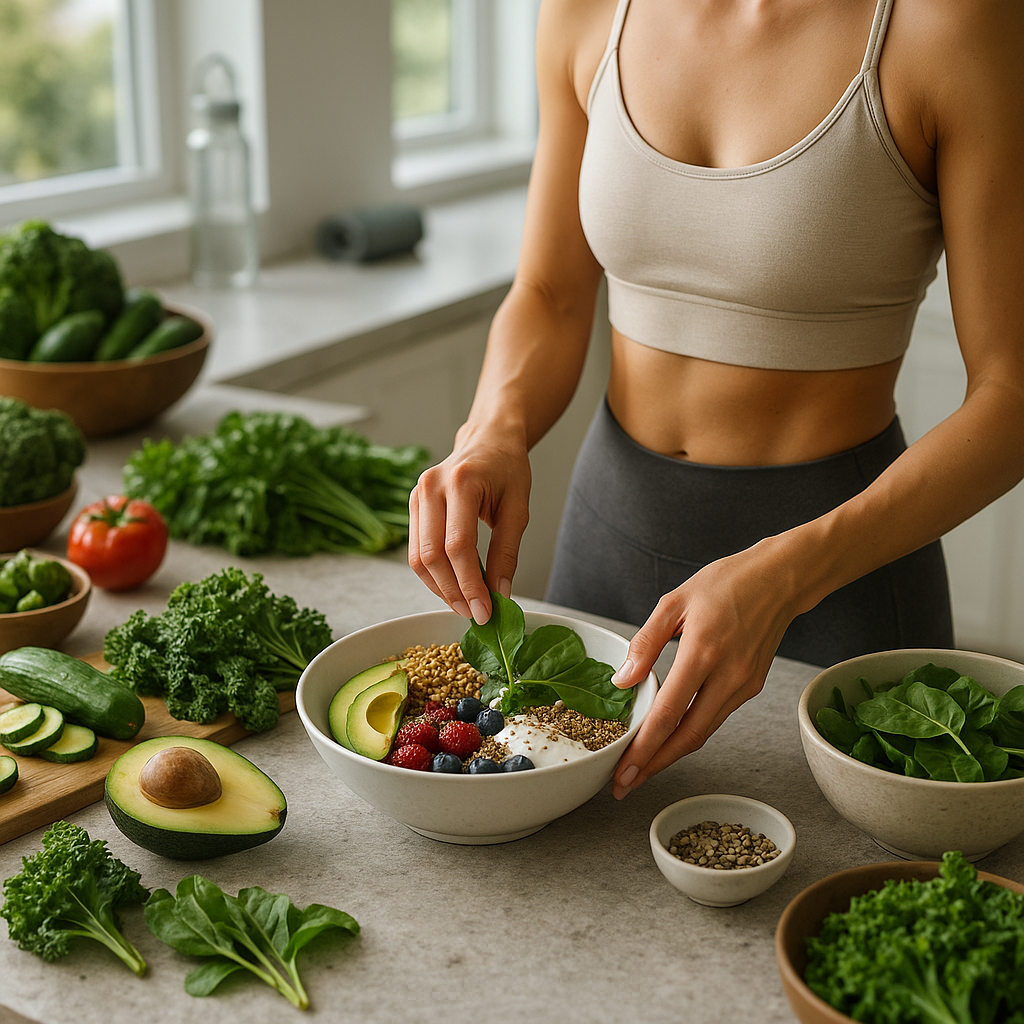
[IMAGE: healthy meal]
Detox Diet Habits That Actually Help the Body
The word detox gets used so often that it can lose meaning. In practice, your body already has sophisticated detox systems, especially through the liver, kidneys, digestive tract, lungs, and skin. What it needs from you is not punishment. It needs support. A detox diet should be understood as a lifestyle that reduces burden and increases the nutrients required for natural elimination.
What Detox Really Means
A sensible detox diet is less about extreme juice cleanses and more about removing the things that tax the body: excess alcohol, ultra-processed foods, low-fiber meals, poor sleep, and chronic stress. At the same time, it increases the nutrients that help the body perform its own maintenance work.
That is where organic food fits beautifully. Fresh vegetables, whole fruits, herbs, legumes, nuts, seeds, and high-quality proteins all help the body function more efficiently. When you remove junk and add nourishment, you are not shocking the system. You are giving it room to recover.
The Daily Habits That Make the Biggest Difference
Food matters, but daily habits shape how well that food is used. If you want better digestion and more reliable weight loss, focus on these habits:
- Eat slowly and stop before you feel stuffed
- Drink enough water throughout the day
- Chew thoroughly to reduce digestive strain
- Take a short walk after meals when possible
- Keep sleep regular and protect your bedtime
- Reduce highly processed snacks that trigger cravings
None of these choices are dramatic, but together they create a powerful shift. Clean eating works best when it is supported by a calm, consistent lifestyle.
Stress Management Is a Digestive Strategy
Stress can slow digestion, increase cravings, and influence how the body stores fat. That is why stress management is not a luxury. It is part of nutrition. Deep breathing, stretching, journaling, quiet walks, and time away from screens can all support a healthier gut-brain connection.
Have you ever eaten a meal while stressed and barely tasted it? The body notices that state. Creating space around meals, even for a few minutes, can improve digestion more than many people realize.
[IMAGE: fitness lifestyle]
How to Shop for Organic Food Without Overspending
One of the biggest myths about organic eating is that it has to be expensive. Yes, some products cost more, but smart shopping can make organic food far more accessible. The key is to spend where it matters most and simplify everything else.
Start with the Foods You Eat Most Often
If you are new to organic shopping, do not try to replace every item in your kitchen at once. Start with the foods you buy repeatedly. For many people, that includes eggs, milk, yogurt, apples, berries, spinach, lettuce, potatoes, oats, and coffee. Upgrading your most frequently eaten items gives you the biggest return.
You can also use a practical hierarchy. Buy organic for produce that tends to have thinner skins and higher pesticide residue, and be more flexible with foods that have thick peels. That approach makes a clean eating budget stretch farther without creating unnecessary pressure.
Read Labels Like a Pro
Organic labels are useful, but the ingredient list matters too. A product can be organic and still be highly processed. Look for short ingredient lists, minimal added sugar, and recognizable foods. If a yogurt is loaded with sweeteners or a snack bar reads more like a science project than a food, it may not fit your health goals even if it is organic.
A Quick Grocery Checklist
- Fresh organic vegetables
- Organic fruits that are in season
- Organic eggs or plant proteins
- Fermented foods with live cultures
- Whole grains such as oats, quinoa, or brown rice
- Nuts, seeds, olive oil, and avocado
This list is not glamorous, but it is effective. A well-stocked kitchen often creates better nutrition than any temporary diet plan ever could.
Batch Prep to Make Good Choices Easier
Meal prep is one of the simplest ways to stay consistent with a healthy lifestyle. Wash vegetables, cook a pot of grains, roast a tray of roots, and portion proteins for a few days ahead. When your refrigerator contains ready-to-eat ingredients, you are far less likely to default to takeout or packaged convenience food.
You do not need a perfect Sunday routine. Even thirty minutes of preparation can reshape your week. The goal is not to become a meal-prep influencer. The goal is to make clean eating realistic.
Common Organic Diet Mistakes That Can Slow Progress
Even the best intentions can be undermined by a few common mistakes. If your clean eating plan is not giving you the energy or weight loss results you expected, one of these may be the reason.
- Eating too little protein: This can increase hunger and make meals less satisfying.
- Overloading on fruit smoothies: Healthy ingredients still need balance; a smoothie can become a sugar-heavy meal if it lacks protein or fiber.
- Choosing organic junk food: Organic cookies are still cookies. Organic chips are still chips.
- Skipping meals all day and overeating at night: This pattern often backfires and makes digestion less stable.
- Ignoring sleep and stress: Nutrition works best when the nervous system is calm.
- Not drinking enough water: Poor hydration can make constipation and fatigue worse.
It is easy to assume that organic automatically means healthy, but the body responds to balance, not branding. The best results come from thoughtful food choices, not from chasing labels alone.
Another Mistake: Trying to Be Perfect
Perfection creates pressure. Pressure creates inconsistency. And inconsistency often leads to giving up. A better mindset is to build a pattern you can live with for months, not days. If you eat well most of the time, enjoy a flexible social meal now and then, and keep returning to your basics, you are already doing it right.
Clean eating is not about proving discipline. It is about creating a life that feels easier to maintain because your meals are working with your body rather than against it.
How Long Until You Notice a Difference?
People often ask how quickly organic food can change digestion or help with weight loss. The honest answer is that it depends on the starting point, but many people notice small improvements within days of cleaning up their meals. Less bloating, better regularity, and more stable energy are common early signs.
What You Might Feel in the First Week
In the early phase of a gut-friendly nutrition shift, you may notice:
- Fewer afternoon energy dips
- Less desire for sugary snacks
- More comfortable digestion after meals
- A lighter feeling after eating balanced portions
These changes happen because the body is no longer dealing with the same level of digestive noise. When meals are simpler and more nutrient-dense, the system has less to work through.
What Builds Over a Few Weeks
Longer-term changes often include steadier appetite, improved skin, more reliable bowel movements, and a better relationship with food. Weight loss may begin to feel more natural because your meals are supporting satiety and reducing excess snacking. This is the kind of progress that lasts.
It is worth remembering that digestion and metabolism are deeply connected. When one improves, the other often follows. That is why a carefully chosen organic food plan can be more effective than a short-lived detox diet or a rigid calorie cut.
When Organic Food Becomes a Lifestyle, Not a Rulebook
The strongest nutrition plans are the ones that fit into real life. You should be able to travel, work, cook at home, eat out, and still return to your habits without feeling lost. Organic food becomes powerful when it is part of a larger pattern of clean eating, regular movement, stress management, and mindful choices.
That is what makes this approach so sustainable. It does not ask you to live in constant deprivation. It asks you to prioritize the foods that help you feel calm, clear, and supported. Over time, that creates a healthy lifestyle that looks and feels different from dieting. It becomes less about control and more about care.
If you want one simple principle to carry forward, let it be this: choose foods that make your body feel better after you eat them. That standard is practical, honest, and much more useful than chasing the latest trend. When your plate reflects that principle, you are not just feeding hunger. You are building digestion, energy, and long-term wellness one meal at a time.
And if this way of eating speaks to you, keep exploring more expert guides on DietOrganic. The more you learn about organic food, nutrition, and clean eating, the easier it becomes to create a routine that supports weight loss, healthy digestion, and a lifestyle you can genuinely enjoy.
About the Author