
Few things influence daily comfort, energy, and even body composition as much as the gut. When digestion feels smooth, clean eating becomes easier, cravings feel quieter, and healthy habits begin to feel natural instead of forced. That is why a thoughtful organic food routine is more than a trend; it is a practical way to support the microbiome, steady blood sugar, and make a weight loss plan feel less like punishment and more like a rhythm you can live with. If you have ever wondered why some people seem to glow from the inside out, the answer often begins in the digestive tract.
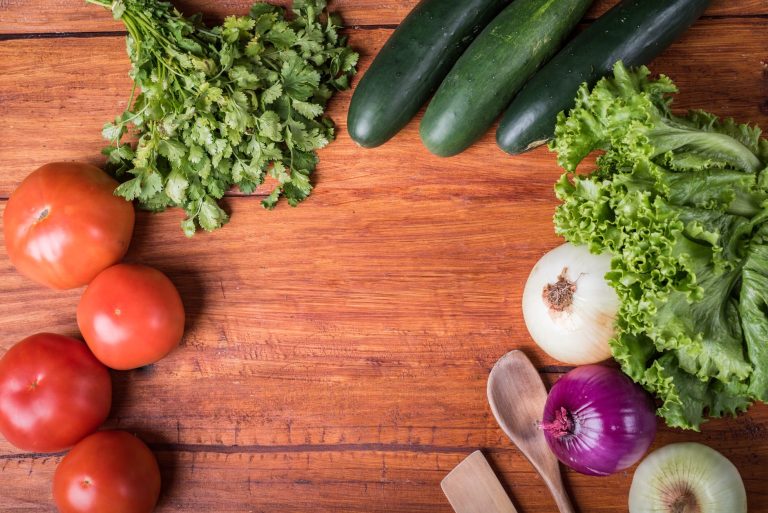
A gut-friendly lifestyle does not require extreme rules or a perfect pantry. It starts with choosing foods that are grown with care, prepared with intention, and eaten consistently enough to create real change. In this guide, we will look at how organic food can support digestion, which ingredients deserve a place on your plate, and how to build a clean eating routine that feels satisfying instead of restrictive. [IMAGE: organic vegetables]
Why Gut Health Is the Quiet Center of a Healthy Lifestyle
Your gut does far more than process meals. It helps absorb nutrients, regulates parts of the immune system, influences mood, and plays a surprising role in how your body stores or burns energy. When digestion is off, everything can feel off. You might notice bloating after meals, sluggish mornings, sugar cravings in the afternoon, or that frustrating sense that your healthy diet is not working as well as it should. Have you ever eaten what seemed like a balanced meal and still felt tired, puffy, or hungry again an hour later?
The gut microbiome, which is the community of bacteria and other microorganisms living in your digestive tract, thrives when it is fed the right mix of fiber, plant compounds, hydration, and rest. It does not need perfection. It needs variety and consistency. This is where organic food can be especially helpful, because many organic ingredients are easy to turn into everyday meals that are naturally rich in nutrients and gentler on a clean eating plan.
The Gut Weight Loss Connection
Weight loss is often discussed in terms of calories, but digestion deserves a larger seat at the table. A balanced gut can help regulate hunger hormones, improve nutrient absorption, and reduce the cycle of overeating that often follows unstable blood sugar. When the digestive system is under stress, the body may crave quick energy from sugary or ultra-processed foods. When the gut is fed well, it is easier to stay full, focused, and steady.
That does not mean organic food is a magic shortcut. It means the right foods can create the internal conditions that make weight loss feel more sustainable. If your meals support digestion, you are more likely to stay consistent. And consistency, not intensity, is what changes results over time.
Common Signs Your Gut Needs More Support
Many people assume digestive discomfort is normal, but frequent symptoms are often a sign that the body wants better support. If these sound familiar, it may be time to simplify your routine:
- Bloating after meals
- Irregular bowel movements
- Brain fog in the afternoon
- Frequent cravings for sweets or refined carbs
- Feeling heavy or sluggish after eating
- Skin flare-ups that seem linked to food choices
- Low energy even when sleep seems adequate
These are not always caused by the same issue, but they do suggest that your nutrition, stress level, hydration, and food quality deserve a closer look.
Why Organic Food Can Make Clean Eating Easier
Choosing organic food is not only about avoiding pesticides. It is also about building a kitchen around ingredients that are closer to their natural form. A clean eating pattern built on organic vegetables, fruit, grains, legumes, dairy, and protein sources can help reduce your exposure to additives while increasing the nutrients that support digestion and energy.
For many people, organic food makes healthy eating feel more appealing. The flavors can be brighter, the meals more colorful, and the cooking process more intentional. When food tastes good and makes your body feel good, a healthy lifestyle becomes easier to repeat. That is the real advantage: not perfection, but repeatability.
What Organic Offers Beyond the Label
Organic choices can support a detox diet in a practical, non-extreme way. Instead of relying on juice cleanses or one-week fads, you are giving your body a steady supply of whole foods that help the liver, gut, and kidneys do their natural jobs. The goal is not to force detoxification. The goal is to stop overloading the system with ingredients it has to work too hard to process.
When you choose organic food consistently, you often end up eating more plants, fewer ultra-processed products, and simpler ingredient lists. That shift alone can improve nutrition and digestion in a meaningful way.
Organic Food and Food Quality
One reason people feel better on an organic diet is that they often become more selective overall. A cart full of organic food tends to lean toward produce, whole grains, healthy fats, and minimally processed proteins. What happens when your kitchen begins to look like that? Meals stop revolving around snacks and start revolving around nourishment.
This is especially important for clean eating beginners. If you want to make healthy choices easier, do not start with rules. Start with better ingredients.
The Best Organic Foods for Gut Health
The best gut-supportive foods are not exotic. Many of them are simple staples you can find at a local market or grocery store. The key is to combine fiber, plant diversity, probiotics, and hydration in a way that feels realistic.
Fermented Foods That Bring Friendly Bacteria to the Table
Fermented foods can be valuable because they contain live cultures or compounds that may support a healthy microbiome. If your digestion tends to feel slow or heavy, a little fermented food can go a long way. Start with small portions and pay attention to how your body responds.
- Organic yogurt with live cultures
- Organic kefir
- Sauerkraut with no added sugar
- Kimchi made with simple ingredients
- Miso in warm soups or dressings
How to Start Without Overdoing It
You do not need large servings to see benefits. A spoonful of sauerkraut next to dinner or a small bowl of yogurt with berries at breakfast can be enough. If you are new to fermented foods, introduce them gradually. The gut likes consistency more than drama.
Fiber-Rich Vegetables That Keep Digestion Moving
Fiber is one of the most underrated tools for better digestion and weight loss. It helps keep bowel movements regular, supports satiety, and feeds beneficial gut bacteria. Organic vegetables are especially useful because they can be built into every meal without much effort.
- Leafy greens such as spinach, kale, and arugula
- Cruciferous vegetables such as broccoli, cauliflower, and Brussels sprouts
- Root vegetables such as carrots, beets, and sweet potatoes
- Alliums such as garlic, onions, and leeks
- Zucchini, cucumber, celery, and asparagus for easy volume and hydration
These foods are ideal for a clean eating plan because they add bulk, flavor, and micronutrients without relying on heavy sauces or refined ingredients.
Organic Fruit That Supports the Microbiome
Fruit can absolutely belong in a healthy diet, especially when the goal is better gut function and more stable energy. Certain organic fruits provide fiber, polyphenols, and hydration that support digestion while satisfying a sweet tooth in a more balanced way.
- Berries for antioxidants and lower sugar load
- Apples for pectin, a fiber that supports gut bacteria
- Pears for gentle digestion and hydration
- Kiwi for digestive support and a refreshing taste
- Citrus for vitamin C and bright flavor
If sugar cravings are intense, fruit can be a smart bridge away from desserts. The goal is not to eliminate sweetness. The goal is to choose sweetness that comes with nutrients.
Whole Grains, Legumes, and Seeds
Organic oats, quinoa, lentils, chickpeas, chia seeds, and flaxseed can be powerful additions to a gut-friendly menu. They support fullness, help stabilize energy, and give the microbiome different forms of fiber to work with. A varied gut tends to be a healthier gut, and plant diversity is one of the simplest ways to encourage that variety.
- Steel-cut oats for a nourishing breakfast base
- Quinoa for easy lunches and bowls
- Lentils for soups, salads, and stews
- Chickpeas for roasting or blending into spreads
- Chia and flaxseed for fiber-rich smoothies or puddings
These foods are especially helpful if you want a healthy lifestyle that supports energy without constant snacking.
Healthy Fats That Soothe and Satisfy
Do not underestimate fats in a clean eating plan. When used well, healthy fats can improve the taste of meals, support hormone balance, and help you stay satisfied long enough to avoid random grazing. Organic avocado, olive oil, nuts, seeds, and olives are all excellent options.
Think of healthy fats as the finishing touch that makes a meal feel complete, not the main event. A salad without fat can feel sparse. A salad with avocado, olive oil, and seeds can feel nourishing and memorable.
How to Build Meals That Support Digestion
Healthy meals do not need to be complicated. In fact, the simpler the structure, the easier it is to repeat. One of the best strategies for clean eating is to create a basic formula that works for breakfast, lunch, and dinner.
The Gut-Friendly Plate Formula
Use this as a starting point:
- Half the plate with colorful vegetables
- One quarter with quality protein
- One quarter with slow-burning carbohydrates
- A small amount of healthy fats for balance
This formula works because it naturally supports satiety, blood sugar balance, and digestive comfort. It also removes the guesswork that often leads people to abandon a healthy diet midweek.
Breakfast Ideas for Energy and Ease
Breakfast is often where gut health either starts strong or gets derailed. A pastry and coffee may feel convenient, but it usually does little for digestion or lasting energy. What if your first meal could calm hunger instead of intensifying it?
Try these organic breakfast combinations:
- Organic yogurt with berries, chia seeds, and cinnamon
- Oatmeal topped with flaxseed, walnuts, and sliced pear
- Eggs with sautéed spinach, tomatoes, and avocado
- A green smoothie with kefir, banana, cucumber, and organic greens
These meals are simple, satisfying, and aligned with a nutrition plan that supports both digestion and weight loss.
Lunch That Feeds Without Weighing You Down
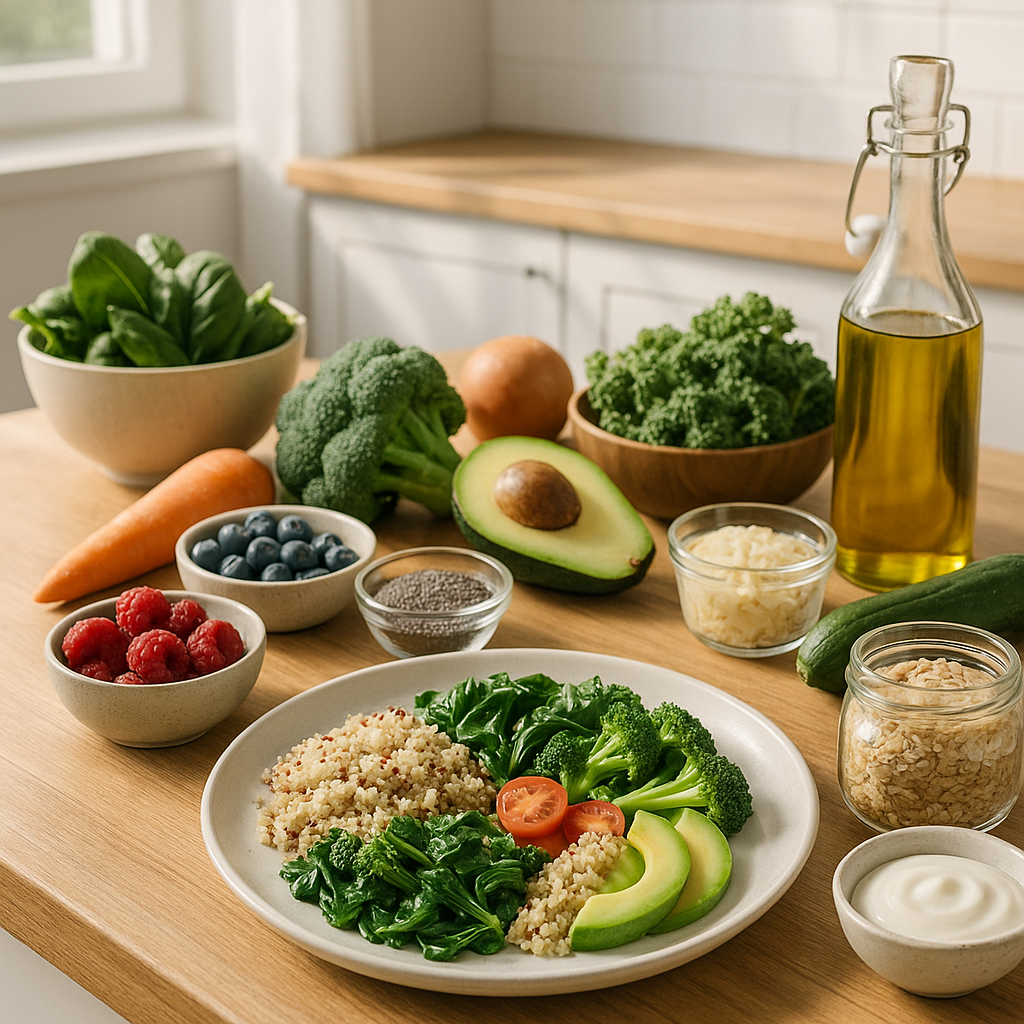
Lunch should energize you for the afternoon, not push you into a food coma. The most effective organic food lunches combine fiber, protein, and flavor in one bowl or plate. [IMAGE: healthy meal]
- Big salad with leafy greens, chickpeas, cucumber, carrots, pumpkin seeds, and olive oil dressing
- Quinoa bowl with roasted vegetables, grilled chicken or tofu, and sauerkraut on the side
- Lentil soup with herbs and a small slice of whole-grain bread
- Brown rice bowl with avocado, steamed broccoli, and salmon
When lunch is balanced, the rest of the day often becomes easier. Cravings soften. Focus improves. Energy feels steadier.
Dinner That Supports Recovery
Dinner is the perfect place to lean into warm, comforting, gut-friendly meals. Think roasted vegetables, simple proteins, and easy-to-digest starches. Keep the meal flavorful, but not overly heavy.
- Roasted sweet potato, green vegetables, and baked fish
- Vegetable stir-fry with tofu and ginger over quinoa
- Turkey or bean chili with peppers, onions, and tomatoes
- Soup made with carrots, celery, garlic, and lentils
A calm dinner can also support better sleep, which in turn helps digestion and appetite regulation. The connection between food and rest is stronger than most people realize.
Smart Snacks That Fit a Clean Eating Plan
Snacking is not the enemy. Unplanned snacking is the problem. Choose organic snacks that add nourishment instead of creating a sugar spike and crash.
- Apple slices with almond butter
- Carrot sticks with hummus
- Plain yogurt with cinnamon
- A handful of walnuts and berries
- Cucumber with guacamole
These options can help you stay on track without making healthy eating feel sparse or boring.
A Simple Organic Day of Eating for Gut Support
If you like structure, a sample day can make healthy habits much easier to follow. This is not a rigid meal plan. It is a realistic example of how organic food can work from morning to night.
Morning
Start with water and a breakfast that combines protein, fiber, and fruit. For example, oatmeal with chia seeds, blueberries, and a spoonful of yogurt can deliver both comfort and stability. If you prefer savory food, eggs with greens and avocado are equally effective.
Midday
Choose a lunch that feels colorful and complete. A quinoa bowl with roasted vegetables, leafy greens, olive oil, and lentils can keep you satisfied for hours. Notice how this kind of meal does not rely on distraction or deprivation. It simply works.
Afternoon
If you need a snack, choose something that actually contributes to your nutrition. Fruit with nuts, hummus with vegetables, or yogurt with seeds can prevent the late-day energy crash that often leads to overeating at dinner.
Evening
At dinner, favor warm, digestible meals. A bowl of vegetable soup with protein, or roasted vegetables with salmon and a small portion of brown rice, can help you feel nourished without heaviness. [IMAGE: fitness lifestyle]
When a day of eating looks this balanced, it becomes easier to notice real hunger, real fullness, and the difference between nourishing yourself and mindlessly filling time.
How to Use Organic Food for a Gentler Detox Diet
The word detox is often overused, but the principle behind it is valid. Your body is constantly working to clear waste, process nutrients, and maintain balance. A smart detox diet supports those natural systems instead of overwhelming them. That means more water, more fiber, more plants, and fewer highly processed foods.
Organic food can fit beautifully into this approach because it often encourages simpler meals and cleaner ingredient lists. Rather than chasing dramatic detox promises, focus on foods that help the body do what it already knows how to do.
Detox Diet Foods That Actually Make Sense
- Leafy greens for chlorophyll and fiber
- Cruciferous vegetables for plant compounds
- Citrus and berries for hydration and antioxidants
- Garlic and onions for flavor and prebiotic support
- Water-rich foods like cucumber and celery
- Herbal teas that support a calming routine
These foods will not force a dramatic overnight reset, but they can help your body feel lighter, clearer, and less burdened by excess sugar, sodium, and additives.
What a Gentle Reset Looks Like
A one-day or three-day reset does not need to be extreme. It can simply mean replacing convenience foods with nourishing meals, drinking more water, and eating at regular intervals. Ask yourself this: if your next three days were built around digestion rather than convenience, how different would you feel?
A gentle reset might include:
- A vegetable-heavy breakfast or smoothie
- Two colorful meals built around protein and fiber
- At least one fermented food each day
- Plenty of water and unsweetened herbal tea
- Less alcohol, less added sugar, and fewer packaged snacks
This approach is realistic, sustainable, and much more likely to create lasting changes than a harsh cleanse.
Common Organic Diet Mistakes That Can Slow Progress
Even a healthy diet can miss the mark if the details are off. Some people buy organic food but still struggle with bloating, fatigue, or stalled weight loss because the overall pattern is unbalanced. A few small mistakes can have a surprisingly large effect.
Relying Too Much on Packaged Organic Snacks
Organic does not always mean optimal. A box of organic crackers, bars, or cookies may still contain refined starches, added sugars, and oils that do little for digestion. These products can fit into a lifestyle now and then, but they should not replace real food.
When in doubt, choose foods that look more like ingredients than products.
Not Eating Enough Fiber
Many people think they are eating healthy when they are actually under-eating fiber. Without enough vegetables, legumes, fruit, and seeds, the gut has less material to work with. This can contribute to sluggish digestion and more intense hunger later in the day.
A simple check: if most of your meals are protein-focused but color-light, you probably need more plant variety.
Forgetting Protein at Every Meal
Protein helps with satiety, muscle maintenance, and balanced energy. Whether you eat fish, eggs, yogurt, tofu, legumes, or poultry, make sure each meal has a dependable source. A plate full of vegetables is wonderful, but without protein it may not keep you satisfied long enough to support weight loss or stable energy.
Using Organic Food as Permission to Overeat
Organic food is not automatically low-calorie. Nut butters, granola, cheese, dried fruit, and oils can all be nourishing, but they still require portion awareness. Clean eating works best when quality and quantity are aligned. Ask yourself: am I eating because I am hungry, or because the food is labeled healthy?
Shopping Smart for a Gut-Friendly Kitchen
Great meals begin before cooking starts. If your kitchen is stocked with the right ingredients, healthy choices become far less effortful. A well-prepared pantry is one of the best tools for maintaining a healthy lifestyle during busy weeks.
What to Buy First
- Organic leafy greens and cruciferous vegetables
- Organic berries, apples, pears, and citrus
- Organic oats, quinoa, brown rice, and lentils
- Organic yogurt or kefir with live cultures
- Organic garlic, onions, ginger, and herbs
- Seeds, nuts, avocado, and olive oil
These basics make it easy to build breakfast, lunch, dinner, and snacks without reaching for convenience foods.
How to Read Labels Quickly
A long ingredient list is usually a warning sign. Look for products with short, recognizable ingredients and minimal added sugar. If a food claims to be healthy but reads like a chemistry experiment, leave it on the shelf. Better yet, shop the perimeter of the store first, where whole foods are usually easier to find.
A Simple Pantry Rule
If you would not recognize most of the ingredients in a package, it probably does not belong at the center of your clean eating plan.
Beyond Food: Habits That Help Your Gut Thrive
Nutrition matters, but it is not the only factor. The gut responds to sleep, stress, movement, hydration, and meal timing. If you want organic food to work harder for you, support it with a few simple lifestyle habits.
Hydration Matters More Than Most People Think
Water helps fiber do its job. Without it, even the healthiest high-fiber meal can feel uncomfortable. Keep a water bottle nearby, add lemon or cucumber if you enjoy flavor, and notice how often thirst disguises itself as hunger.
Movement Supports Digestion
You do not need an intense workout to help the gut. A 10-minute walk after meals can support digestion, reduce that overly full feeling, and contribute to a healthy lifestyle that feels manageable. Gentle movement is especially useful if you spend much of the day sitting. A little activity after eating can make a big difference over time.
Sleep and Stress Are Digestive Factors Too
Chronic stress can disrupt digestion and increase the urge to reach for comfort foods. Poor sleep can do something similar by affecting hunger and fullness signals. That is why a nutrition plan works best when it is paired with a calmer daily rhythm. Aim for a consistent bedtime, fewer late-night snacks, and some quiet time without screens.
Can a healthy diet fix everything by itself? Not usually. But paired with enough rest and a calmer nervous system, it can change much more than people expect.
When Organic Food Is Not Enough
It is important to say this clearly: food can support the gut, but persistent symptoms deserve proper attention. If you have ongoing pain, severe bloating, blood in the stool, unexplained weight loss, or a digestive issue that keeps getting worse, talk to a qualified healthcare professional. Organic food can be part of wellness, but it is not a replacement for medical care.
For many readers, though, the real opportunity is simpler. It is the chance to stop treating meals as an afterthought and begin using them as a foundation. When you choose organic vegetables, steady protein, fiber-rich carbohydrates, fermented foods, and healthy fats, you are not just following another diet trend. You are building an environment in which digestion can calm down, energy can stabilize, and weight loss can happen in a way that respects the body.
The most powerful version of clean eating is rarely flashy. It is a breakfast you can repeat, a lunch that keeps you focused, a dinner that feels soothing, and a pantry that makes the next good choice easy. If you want more practical guidance on organic food, nutrition, detox diet ideas, and weight loss strategies that support real life, keep exploring DietOrganic for more expert articles designed to help you eat well and feel better every day.
About the Author