
When people talk about healthy living, the conversation often turns to calories, workouts, or trendy detox diet plans. But there is another foundation that quietly influences everything from energy and mood to immunity and weight loss: your gut. If your digestion feels sluggish, your cravings are unpredictable, or your energy crashes after meals, your body may be asking for a different kind of nourishment. That is where organic food and clean eating can make a real difference.
Organic foods for gut health are not a passing trend. They are a practical, nourishing way to support digestion with fewer synthetic pesticides, fewer unnecessary additives, and more whole ingredients that your body can recognize. Have you ever noticed how some meals leave you light, energized, and satisfied, while others feel heavy and draining? The difference is often not just the ingredients, but the quality of those ingredients and the way they interact with your digestive system.
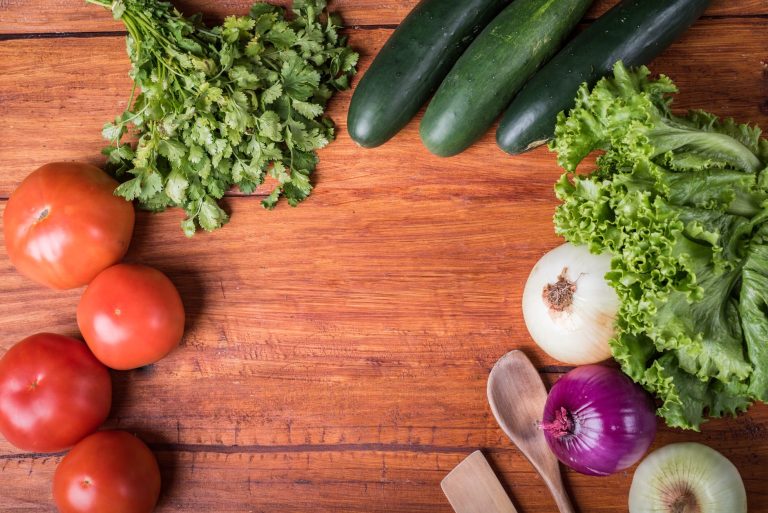
[IMAGE: organic vegetables]
In this article, we will explore how organic food supports gut health, which foods deserve a place on your plate, and how to build a clean eating routine that feels realistic instead of restrictive. Whether your goal is better digestion, a healthier lifestyle, or steady weight loss, the gut-friendly approach can help you create results that last. And if you have been searching for an approach that feels both indulgent and disciplined, this is one of the most sustainable ways to eat well.
Why Gut Health Deserves More Attention
Your digestive system does far more than break down food. It helps absorb nutrients, supports hormone balance, protects immune function, and even communicates with the brain through what researchers often call the gut-brain axis. That is why gut health is linked not only to bloating or discomfort, but also to stress, sleep quality, skin clarity, and energy levels.
A healthy gut usually functions quietly in the background. You eat, digest, absorb, and move on with your day. But when the balance is off, the signs can appear quickly. Gas, constipation, loose stools, irregular appetite, sugar cravings, and fatigue can all be clues that your digestion needs support. For many people, shifting toward organic food and clean eating reduces some of the common dietary triggers that can irritate the gut.
It is also worth remembering that gut health is personal. What supports one person may not suit another. Still, whole, minimally processed organic foods are often a safe and powerful starting point because they emphasize fiber, micronutrients, and natural food structures that help the body work efficiently. Isn’t that what a healthy diet should do in the first place?
What Makes Organic Food Different for Digestion?
Organic food is grown and produced according to standards that restrict many synthetic pesticides, herbicides, and genetically modified ingredients. For gut health, this matters because your digestive tract is constantly interacting with what you consume. While no single food guarantees perfect digestion, cleaner ingredient profiles can reduce the load of unwanted additives and support a more balanced eating pattern.
There is another advantage too: people who choose organic foods often end up eating more whole foods overall. That means more vegetables, fruits, legumes, nuts, seeds, and fermented foods, all of which can support nutrition and digestive wellness. In other words, the shift to organic is not just about what you avoid; it is also about what you begin to include.
Why clean eating pairs so well with organic food
Clean eating usually means choosing foods that are minimally processed, closer to their natural state, and easier for the body to use. When paired with organic food, clean eating becomes a practical lifestyle rather than a short-term detox diet. It encourages you to think about quality, simplicity, and consistency.
- Fewer ultra-processed ingredients can mean fewer digestive irritants.
- Whole organic foods often contain more natural fiber, which supports bowel regularity.
- Cleaner meal choices tend to stabilize blood sugar and reduce cravings.
- Meals built on vegetables, protein, and healthy fats can help you feel full longer, which supports weight loss.
The goal is not perfection. It is to choose foods that are gentler on your system more often, so your gut has a better environment in which to thrive.
Best Organic Foods for Gut Health
If you are building a gut-friendly routine, the best place to start is with foods that bring fiber, beneficial bacteria, prebiotic compounds, and anti-inflammatory nutrients to the table. These are the ingredients that help nourish the microbiome and support smooth digestion.
1. Organic leafy greens
Spinach, kale, Swiss chard, arugula, and romaine are rich in fiber, magnesium, and plant compounds that support detox pathways and healthy digestion. Leafy greens are also versatile, making them easy to add to smoothies, salads, soups, and omelets. If your meals often feel heavy, adding more greens is one of the simplest clean eating upgrades you can make.
Try lightly sautéing organic spinach with garlic and olive oil, or combine mixed greens with avocado, cucumber, and pumpkin seeds for a fresh meal that feels vibrant and satisfying.
2. Fermented organic foods
Fermented foods can be a game changer for gut health because they may contain live cultures that support microbial diversity. Organic versions are often preferable when available, especially if you want to keep your healthy lifestyle as natural as possible.
- Organic plain yogurt with live cultures
- Organic kefir
- Sauerkraut
- Kimchi
- Miso
- Tempeh
These foods should be introduced gradually if you are new to them. Start with small portions and pay attention to how your body responds. A little can go a long way when it comes to fermented foods.
3. Organic berries
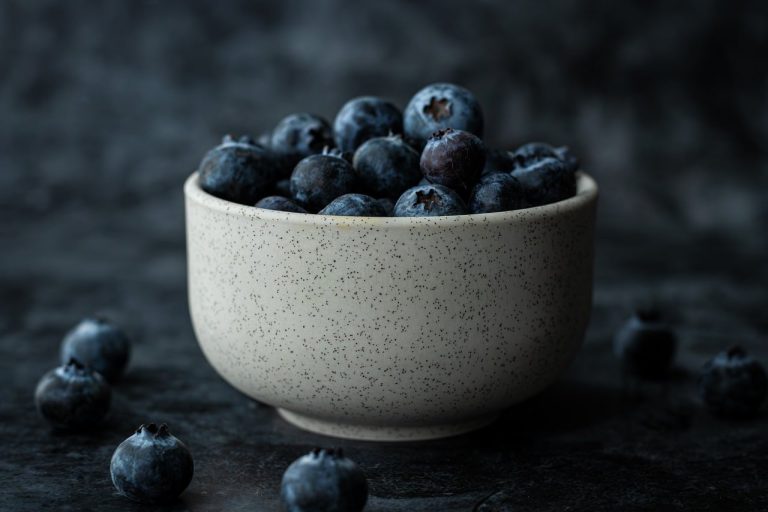
Berries are among the best organic foods for both gut health and weight loss because they are naturally sweet, high in fiber, and rich in antioxidants. Blueberries, raspberries, blackberries, and strawberries can help satisfy dessert cravings without sending blood sugar soaring.
Because berries are often grown with higher pesticide exposure, many people prefer buying them organic. They work beautifully in breakfast bowls, smoothies, snack plates, and simple yogurt parfaits. Could a more colorful breakfast be the easiest way to improve your nutrition before noon?
4. Organic oats and whole grains
Soluble fiber is a major ally for healthy digestion, and oats are one of the easiest organic staples to keep on hand. Organic oats, quinoa, brown rice, and buckwheat can help support regular bowel movements and longer-lasting fullness. That makes them valuable for anyone focusing on weight loss without feeling deprived.
For best results, pair grains with protein and fat. For example, organic oatmeal topped with walnuts, chia seeds, and berries creates a more balanced meal than oats alone. This is clean eating at its most practical.
5. Organic legumes
Lentils, chickpeas, black beans, and white beans are rich in both fiber and plant protein. They also feed beneficial gut bacteria through prebiotic starches. If you are transitioning from a low-fiber diet, introduce legumes slowly to avoid discomfort.
Simple options include lentil soup, chickpea salads, bean-based veggie bowls, or hummus with organic vegetables. When prepared well, legumes can be one of the most affordable and satisfying tools for a gut-friendly healthy diet.
6. Organic garlic, onions, and leeks
These aromatic vegetables contain prebiotic compounds that help feed the microbes in your gut. They also add depth of flavor to meals, making clean eating feel more enjoyable and less repetitive. A diet built around bland meals rarely lasts, but one that tastes good naturally supports consistency.
Use them in soups, stir-fries, roasted vegetables, and sauces. If your digestion is sensitive, cook them thoroughly to make them easier to tolerate.
7. Organic seeds and nuts
Chia seeds, flaxseeds, pumpkin seeds, walnuts, almonds, and hemp seeds provide fiber, healthy fats, and minerals such as magnesium and zinc. These nutrients support digestion, regularity, and inflammation control. They also make convenient snacks when you want something nourishing between meals.
A tablespoon of chia in yogurt or oatmeal can improve texture and fiber content. Ground flaxseed can be blended into smoothies or sprinkled over salads. Small additions often create meaningful improvements.
8. Organic citrus and hydrating fruits
Oranges, lemons, limes, kiwi, and watermelon contribute water, vitamin C, and digestive support. Kiwi, in particular, is often praised for its ability to encourage regularity. Hydrating fruits can be especially helpful if your digestion feels sluggish or if you are increasing fiber intake and need more fluids to keep things moving smoothly.
Some people enjoy starting the day with lemon water, while others prefer sliced citrus in a salad or fruit bowl. The key is to make hydration feel flavorful and consistent.
How Organic Food Supports Weight Loss Without Extreme Rules
Weight loss is often framed as a battle of willpower, but sustainable results usually come from better food quality, better digestion, and better habits. Organic food does not magically burn fat, yet it can support a metabolism-friendly environment when it replaces processed meals and snacks that are low in fiber and high in added sugars.
Think of it this way: when your meals are built from real food, your body often gets stronger signals about hunger and fullness. You are less likely to overeat when your plate includes vegetables, protein, healthy fats, and enough fiber to keep digestion steady. That is one reason clean eating works so well for people who want lasting weight loss without obsessive dieting.
Why gut health can influence body weight
The gut microbiome plays a role in how the body extracts energy from food, how it stores fat, and how it responds to inflammation. While weight is influenced by many factors, improving digestion and reducing inflammation can make healthy habits easier to maintain. When you feel less bloated, less fatigued, and more satisfied after meals, your progress tends to become more consistent.
Organic foods for gut health may also reduce the temptation to snack on highly processed items. Better ingredients often lead to better satiety. That is a quiet but powerful advantage for anyone building a healthier lifestyle.
Foods to Limit if You Want a Happier Gut
Adding nourishing foods matters, but so does reducing the things that can work against your progress. A healthy diet does not have to be rigid, but paying attention to certain triggers can help a lot. If you are trying to improve digestion, reduce bloating, or support a detox diet style of eating, notice how your body responds to the following categories.
- Highly processed snacks with long ingredient lists
- Excess added sugar
- Deep-fried foods
- Artificial sweeteners that may upset digestion for some people
- Frequent alcohol intake
- Large portions eaten too quickly
Do you need to eliminate everything at once? Not necessarily. In many cases, the most effective approach is to reduce these foods gradually while making your organic food choices more consistent.
Simple Clean Eating Habits That Support Digestion Daily
Good digestion is not just about what is on your plate. It also depends on how you eat, when you eat, and how your body moves through the day. The following habits are simple, but when practiced regularly, they can create real change.
Eat slowly and stop multitasking
Digestion begins before food even reaches your stomach. Chewing thoroughly and eating without rushing gives your body a better chance to process meals well. If you regularly eat while scrolling, driving, or working, try creating at least one calm meal each day. Your gut may thank you more than you expect.
Balance every meal
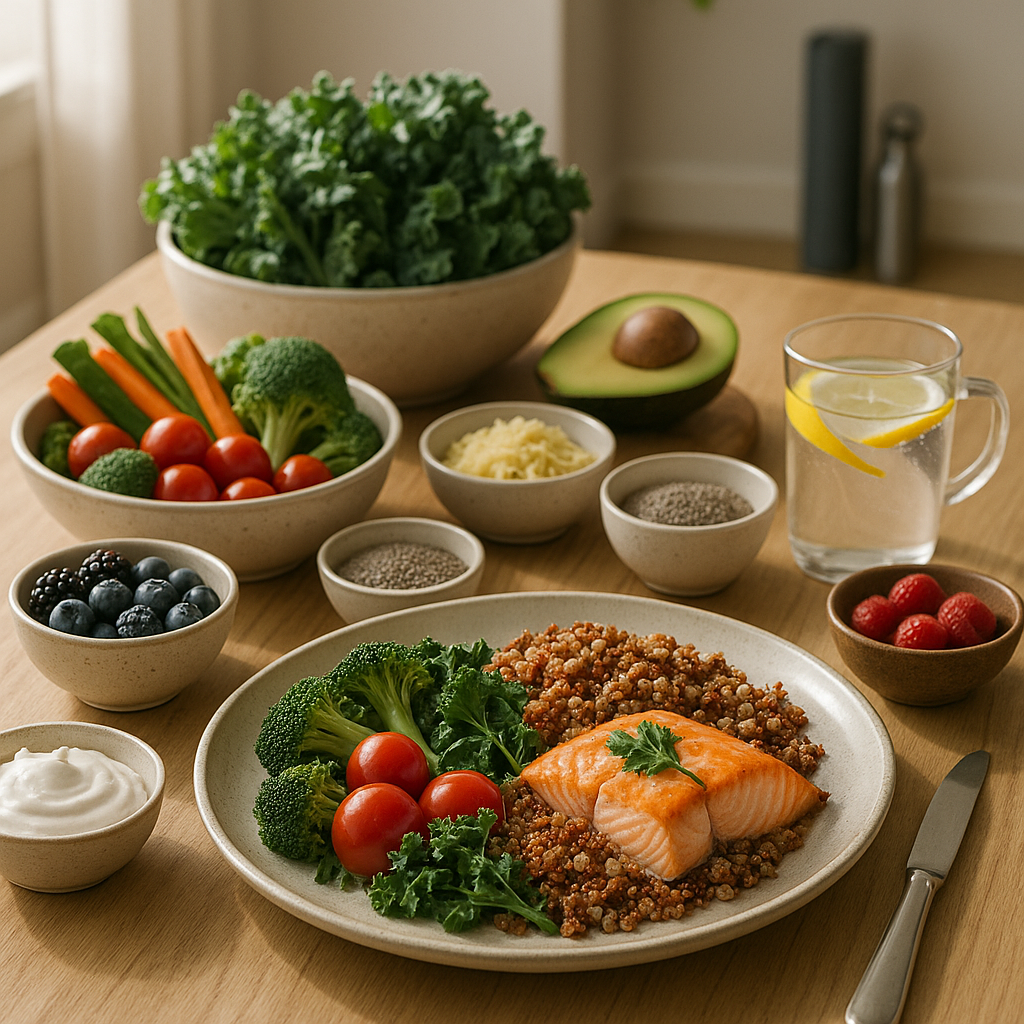
A balanced plate often includes fiber, protein, and healthy fat. This combination supports stable energy and reduces the chance of overeating later. For example, organic roasted vegetables with salmon and quinoa deliver more satiety than a plain salad alone.
Hydrate consistently
Water helps move fiber through the digestive system and supports detox pathways naturally. Herbal teas, sparkling water with lemon, and water-rich fruits can also contribute to hydration. If you are increasing your fiber intake, make hydration a priority so the transition feels comfortable.
Move your body daily
Gentle movement supports intestinal motility and can reduce bloating. A walk after meals, a morning stretch, or a short yoga session can all improve digestion. [IMAGE: fitness lifestyle] does not have to mean intense workouts; sometimes the best support is a daily rhythm that keeps your body circulating and relaxed.
A Practical Organic Meal Structure for Better Gut Health
If you want clean eating to become a lifestyle instead of a temporary challenge, structure matters. Many people do best when they keep a few reliable meal formulas on repeat. That does not mean eating the same thing every day. It means building a flexible framework that makes healthy choices easier.
Breakfast ideas
- Organic oatmeal with chia seeds, blueberries, and almond butter
- Plain yogurt with kiwi, flaxseed, and walnuts
- Vegetable omelet with spinach, onions, and avocado
- Smoothie with kefir, berries, spinach, and hemp seeds
Lunch ideas
- Quinoa bowl with roasted vegetables, chickpeas, and tahini dressing
- Large salad with leafy greens, grilled chicken, pumpkin seeds, and sauerkraut
- Lentil soup with a side of cucumber and tomato salad
- Brown rice bowl with tofu, broccoli, carrots, and sesame seeds
Dinner ideas
- Baked salmon with sweet potato and sautéed kale
- Tempeh stir-fry with ginger, garlic, and mixed vegetables
- Organic turkey lettuce wraps with avocado and beans
- Vegetable stew with white beans and fresh herbs
Snack ideas
- Apple slices with almond butter
- Carrots with hummus
- Pumpkin seeds and berries
- Kefir smoothie
- Plain yogurt with cinnamon
[IMAGE: healthy meal]
When your meals are built around these kinds of combinations, clean eating stops feeling complicated. You spend less time wondering what to eat and more time enjoying food that actually supports your goals.
Common Organic Diet Mistakes That Can Still Hurt Gut Health
Choosing organic food is a smart move, but even the healthiest ingredients can become less effective if the overall approach is off. Some people become so focused on buying organic that they forget the bigger picture: digestion depends on balance, variety, and portion awareness.
1. Eating too little fiber too quickly
Suddenly increasing fiber can lead to bloating and discomfort. If your current diet is low in plants, build up gradually. Start with one additional serving of vegetables or fruit at a time.
2. Forgetting protein
Some clean eating plans become too carb-heavy or too light overall. Protein helps with satiety, muscle maintenance, and blood sugar stability. Include eggs, yogurt, fish, chicken, legumes, tofu, or tempeh in a way that suits your preferences.
3. Relying on packaged organic snacks
An organic label does not automatically make a food gut-friendly. Cookies, chips, and bars can still be high in sugar or low in fiber. Read the ingredient list and ask yourself: is this nourishing, or just convenient?
4. Ignoring stress and sleep
Even the best nutrition plan can struggle if stress is high and sleep is poor. The gut is highly responsive to your nervous system. That is why a healthy lifestyle must include rest, movement, and recovery, not just meal planning.
Can Organic Foods Be Part of a Detox Diet?
Yes, but the word detox deserves a sensible definition. Your body already has built-in detoxification systems involving the liver, kidneys, skin, and digestive tract. What organic foods can do is support those systems by reducing unnecessary exposure and increasing nutrient density.
A thoughtful detox diet is not about starvation, juice-only days, or punishing rules. It is about eating more whole foods that help the body function well. Organic vegetables, herbs, fruits, fiber-rich grains, and clean protein sources can all play a role in that approach.
If you want to support natural detox pathways, focus on habits such as:
- Eating cruciferous vegetables like broccoli and cabbage
- Drinking enough water throughout the day
- Choosing high-fiber foods to support regular elimination
- Reducing excess alcohol and ultra-processed foods
- Including herbs and spices like ginger, turmeric, and parsley
That is far more effective than any dramatic cleanse, and it is much easier to maintain.
How to Shop for Organic Foods Without Overcomplicating It
Many people want to eat better but feel overwhelmed by shopping decisions. The solution is to simplify. Create a short list of foundational foods and build around them each week. When your kitchen is stocked with gut-friendly ingredients, healthy choices become automatic rather than aspirational.
Smart organic grocery priorities
- Leafy greens and mixed vegetables
- Berries and citrus fruits
- Oats, quinoa, brown rice, and legumes
- Plain yogurt, kefir, or other fermented foods
- Nuts, seeds, and healthy fats like olive oil and avocado
- Fresh herbs, garlic, onions, and ginger
A useful question to ask while shopping is simple: will this ingredient help me build a meal that supports digestion and energy? If the answer is yes, it likely belongs in your cart.
Sample Day of Eating for Gut Support and Steady Energy
Sometimes the easiest way to understand clean eating is to see how it looks in real life. Here is a simple day that brings together organic food, nutrition, and satisfaction without extreme restriction.
Morning
Start with water or herbal tea. Then enjoy organic oatmeal with chia seeds, blueberries, and a spoonful of almond butter. This combination offers fiber, antioxidants, and staying power.
Midday
For lunch, try a quinoa bowl with roasted vegetables, chickpeas, leafy greens, and tahini dressing. Add a side of sauerkraut if you enjoy fermented foods.
Afternoon
Choose a snack such as kefir with cinnamon, or apple slices with nut butter. This helps prevent the late-day energy dip that often leads to overeating.
Evening
Enjoy baked salmon, sweet potato, and sautéed kale, or a plant-based dinner with tempeh and vegetables. End the day with a relaxing walk if possible.
What stands out in this style of eating? It is not dramatic. It is steady, balanced, and deeply supportive of a healthy lifestyle.
Who Benefits Most from an Organic Gut-Friendly Approach?
Almost anyone can benefit from eating more whole foods, but certain people may notice the impact more quickly. If you often experience bloating, irregular digestion, sluggish mornings, or intense cravings, a shift toward organic foods for gut health may be especially useful. People focused on weight loss, skin clarity, or more stable energy often appreciate the added consistency as well.
It may also help anyone who wants a cleaner relationship with food. Instead of chasing short-lived fixes, you begin building habits that nourish your body every day. That is a more mature and lasting way to approach nutrition.
Of course, if you have a medical condition, food sensitivities, or persistent digestive symptoms, it is wise to consult a qualified health professional. Organic food supports wellness, but it is not a substitute for personalized care.
Building a Routine That Actually Lasts
The best eating plan is the one you can repeat with confidence. If your routine is too strict, too expensive, or too complicated, it probably will not survive a busy week. Sustainable clean eating depends on repeatable choices, not perfect ones.
Start with one or two habits. Maybe you begin by adding a serving of vegetables to lunch and choosing an organic breakfast three days a week. Then you might swap one processed snack for berries and yogurt. Over time, those small changes become the architecture of a healthier life.
Consistency also matters more than intensity. A moderate organic diet practiced most days will usually outperform an extreme plan that lasts only a week. That is true for gut health, weight loss, and overall nutrition.
And if your schedule is demanding, remember this: healthy living does not require elaborate meals every day. Sometimes it is simply a bowl of oats, a handful of seeds, a large salad, or a soup made with good ingredients. The body responds well to regularity, especially when the food is real and the stress around it is low.
Why This Approach Feels Different From Diet Culture
Many diets focus on restriction first and nourishment second. That often creates frustration, rebound eating, and a sense that healthy living is a punishment. An organic, gut-friendly approach works differently. It encourages you to add more of what helps, rather than obsess over what to eliminate. That shift is often what makes clean eating finally stick.
It also respects the connection between food and how you feel. When digestion improves, people often notice more stable moods, better focus, and fewer afternoon crashes. Those benefits can be just as motivating as changes in body composition. Who would not want more energy, fewer cravings, and meals that leave them feeling satisfied instead of weighed down?
[IMAGE: fitness lifestyle]
The deeper value of organic food is not just that it looks healthier on paper. It often helps create a lifestyle in which your meals, your schedule, and your goals begin to work together. That harmony is what many people are really searching for when they say they want to eat better.
When you build your plate around organic vegetables, fermented foods, fiber-rich grains, and clean proteins, you are not just feeding hunger. You are supporting digestion, improving nutrition, and making weight loss more achievable without harsh rules. That is the kind of healthy lifestyle that can grow with you, season after season, meal after meal, and if you want more expert guidance on organic food, clean eating, and practical wellness strategies, there is much more to explore on DietOrganic.
About the Author