
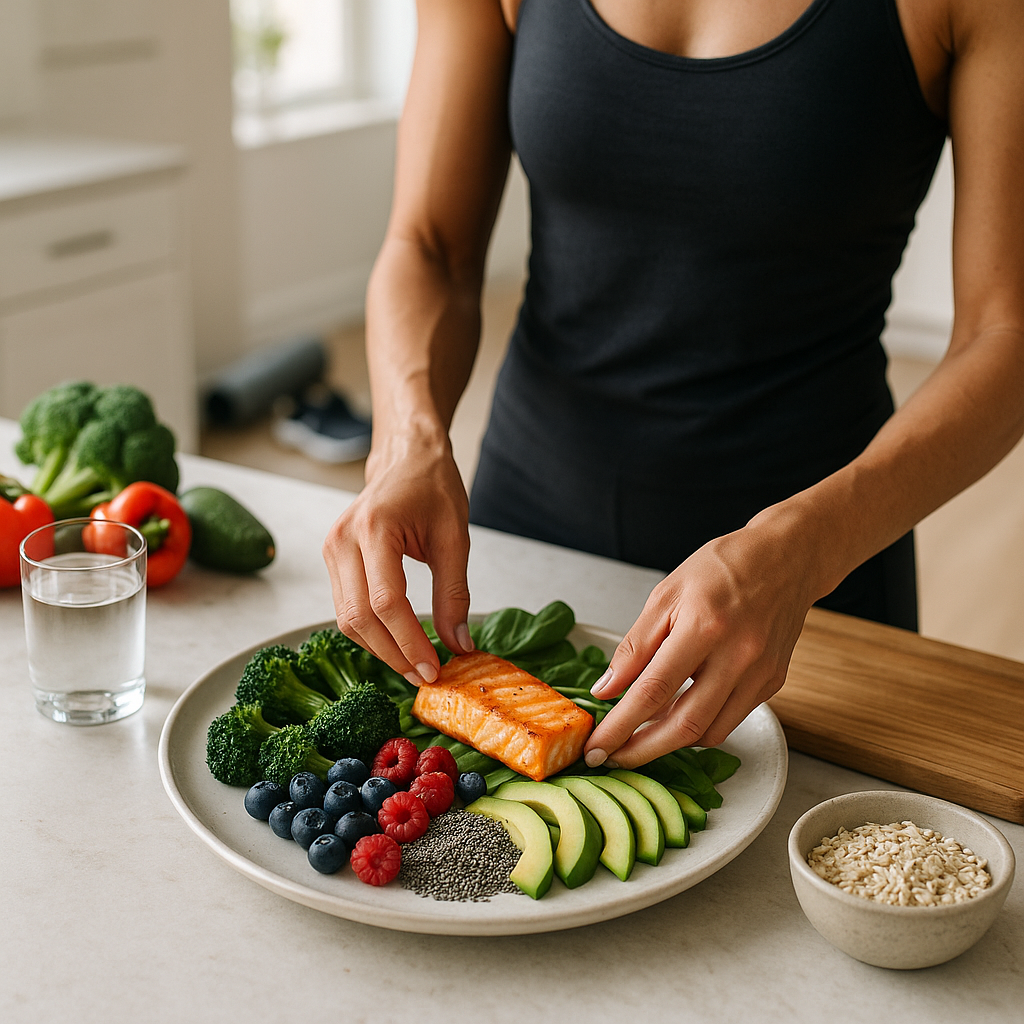
Organic food can be a powerful part of a weight loss strategy, but not because it performs magic. The real advantage is simpler: it helps you build a cleaner, more nutrient-dense plate that supports steady energy, better appetite control, and fewer processed ingredients. When your healthy diet is built around organic vegetables, fruits, proteins, and whole grains, clean eating becomes easier to maintain and much easier to enjoy. Are you looking for a plan that feels realistic rather than restrictive? That is exactly where organic food shines. This guide explores the best organic foods for weight loss, how to choose them, and how to turn everyday nutrition into a healthy lifestyle that lasts.
Why Organic Food Can Support Weight Loss
It is important to be honest about what organic food can and cannot do. An organic apple is not automatically lower in calories than a conventional apple, and organic granola can still be loaded with sugar. Weight loss still depends on total energy intake, nutrient balance, movement, sleep, and consistency. So why does organic food matter at all? Because it often makes clean eating easier. When people switch to more whole, minimally processed foods, they usually eat more fiber, more water-rich produce, and fewer refined products that encourage mindless snacking. That shift can quietly improve nutrition and reduce overeating without the feeling of being on a strict diet.
Cleaner ingredient lists, simpler choices
One of the biggest advantages of organic food is that it often pushes your meals back toward the basics. Instead of ultra processed products with long ingredient lists, you are more likely to choose vegetables, fruit, beans, eggs, yogurt, oats, seeds, and lean proteins in their most natural form. That matters because the less processed a food is, the easier it tends to be to portion, digest, and pair with other nutrient-dense ingredients. Have you noticed how much easier it is to stop eating when a meal is built around whole foods instead of packaged snacks?
More fiber, more fullness, better nutrition
Fiber is one of the most underrated tools in weight loss. Organic vegetables, beans, berries, apples, pears, oats, and seeds all help slow digestion and support fuller meals. This means you are less likely to crash between meals or reach for quick fixes that do not serve your body. A clean eating approach that emphasizes organic produce can help stabilize your appetite, which is often the hidden key to long-term weight loss. The goal is not to eat less in a miserable way; the goal is to eat better in a way that naturally supports satiety.
Less noise, more awareness
When your diet becomes simpler, your body becomes easier to read. You can notice hunger, fullness, energy, and cravings with more clarity. That awareness is valuable because many people think they need a more aggressive detox diet when what they really need is better food quality and more consistent nutrition. Organic food does not replace healthy habits, but it can help remove some of the noise that makes healthy lifestyle changes harder to sustain.
The Best Organic Foods for Weight Loss
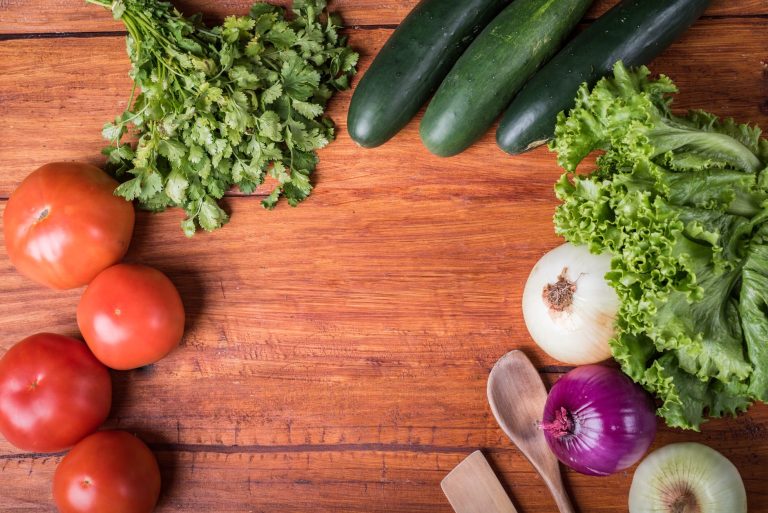
If your goal is weight loss, the best organic foods are usually the ones that give you the most volume, fiber, protein, and micronutrients for the least number of empty calories. Think of them as foods that work with your metabolism, not against it. They support energy, digestion, and satisfaction without making you feel weighed down. [IMAGE: organic vegetables] The following categories are especially useful if you want clean eating to feel practical rather than complicated.
- Organic leafy greens: Spinach, kale, arugula, romaine, and Swiss chard are extremely low in calories but rich in fiber, folate, magnesium, and antioxidants. They add volume to meals and make it easier to eat more without overeating.
- Organic cruciferous vegetables: Broccoli, cauliflower, Brussels sprouts, and cabbage offer a satisfying texture and help create hearty meals with very little calorie density. They are excellent roasted, steamed, or mixed into soups and grain bowls.
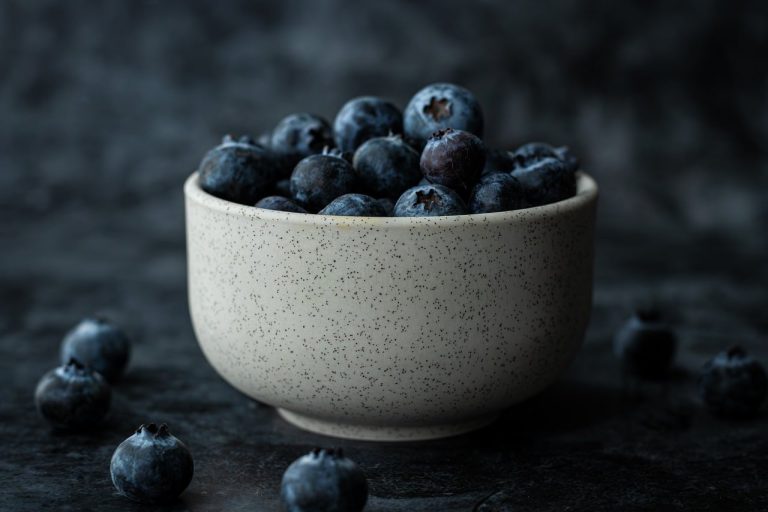
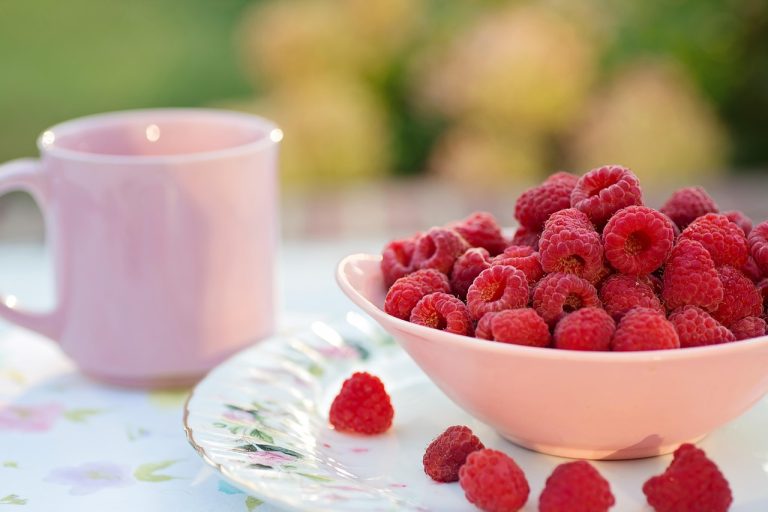
- Organic berries: Blueberries, raspberries, strawberries, and blackberries provide natural sweetness with a strong nutrient profile. They are a smart choice for breakfast, snacks, or dessert when you want flavor without a sugar crash.
- Organic apples and pears: These fruits are portable, filling, and easy to pair with nut butter or yogurt. Their fiber content supports fullness and helps reduce the urge to snack too often.
- Organic beans and lentils: Chickpeas, black beans, lentils, and kidney beans offer a rare combination of protein, fiber, and slow-digesting carbohydrates. They are excellent for steady energy and are a major asset in a healthy diet.
- Organic eggs: Eggs are one of the easiest high-quality protein foods to use in a weight loss routine. They help anchor breakfast, reduce cravings later in the day, and pair well with vegetables.
- Organic Greek yogurt or plain yogurt: Unsweetened yogurt gives you protein and probiotics, both of which can support a balanced eating pattern. Always check labels and choose plain versions when possible.
- Organic oats: Oats are a satisfying breakfast base that digests slowly and supports stable energy. They work well with berries, seeds, cinnamon, and yogurt.
- Organic avocados: Although calorie-dense, avocados provide healthy fats and a creamy texture that can make meals more satisfying. A small portion often goes a long way in clean eating.
- Organic seeds and nuts: Chia seeds, flaxseeds, pumpkin seeds, almonds, and walnuts can help with fullness and nutrient intake. They are best used in measured portions, not eaten casually from the bag.
Notice a pattern? The foods that help with weight loss are not necessarily exotic superfoods. They are often the simplest organic foods, prepared with intention. That is encouraging, because it means healthy eating does not need to be dramatic to be effective.
How to Build a Weight Loss Plate with Organic Food
Meal composition matters as much as food choice. A plate that includes organic food, enough protein, enough fiber, and a reasonable portion of healthy fat is much more likely to keep you satisfied than a random mix of snacks. This is where clean eating becomes a system rather than a short burst of motivation. If you want a healthy diet that actually works, build your meals with structure.
The plate method made simple
For most meals, try to imagine your plate in three parts. Half should come from non-starchy vegetables, one quarter should come from protein, and one quarter should come from slow-digesting carbohydrates such as quinoa, beans, sweet potatoes, or brown rice. Add a modest amount of healthy fat from avocado, seeds, olive oil, or nuts. This balance helps you feel full without creating the energy swings that can make weight loss frustrating.
Half the plate for fiber
Vegetables are the anchor of a successful clean eating routine. They deliver volume, hydration, and nutrients with very few calories. If you are trying to reduce hunger, make vegetables the most visible part of your meal instead of an afterthought. Salads, stir-fries, roasted trays, soups, and raw vegetable bowls are all easy ways to do this.
A quarter for quality protein
Protein is essential for satiety and for protecting lean tissue during weight loss. Organic eggs, yogurt, tofu, tempeh, beans, lentils, fish, chicken, and turkey can all fit into a healthy lifestyle if they align with your preferences. Without enough protein, even the healthiest organic meal can leave you hungry soon after eating.
A quarter for smart carbohydrates
Carbohydrates are not the enemy. In fact, the right carbohydrates can make your diet more sustainable. Organic oats, quinoa, sweet potatoes, beans, and fruit support energy for work, exercise, and recovery. When people remove too many carbs in the name of clean eating, they often end up exhausted and more likely to binge later. Balance is better than extremes.
A Sample Day of Clean Eating with Organic Food
One of the easiest ways to understand organic food for weight loss is to see it in action. A full day of clean eating does not have to feel like a punishment or a detox diet. It simply needs structure, flavor, and enough nutrition to keep you steady from morning to evening. [IMAGE: healthy meal]
Breakfast: Organic oats cooked with cinnamon, chia seeds, and blueberries, plus a boiled egg or a spoonful of plain Greek yogurt for added protein. This gives you fiber, steady energy, and a satisfying start that can reduce mid-morning cravings.
Lunch: A large salad bowl with organic leafy greens, roasted broccoli, chickpeas, cucumber, tomatoes, avocado, pumpkin seeds, and a simple olive oil and lemon dressing. If you need more protein, add grilled chicken, salmon, or tofu. This type of meal is high in volume and easy to digest.
Snack: An apple with almond butter, or plain yogurt with raspberries. Snacks should support your day, not derail it. If your snack leaves you hungrier than before, it is probably too low in protein or too high in sugar.
Dinner: Baked salmon or tofu, roasted Brussels sprouts, and quinoa with herbs. A meal like this supports recovery, satiety, and a calmer evening appetite. You are much less likely to reach for processed foods later when dinner is balanced.
Optional evening support: Herbal tea and sliced cucumber or a small bowl of berries if you truly need something light. Many people think they need a strict detox diet at night, but what they really need is a reliable dinner and a consistent routine.
How to Shop Smart Without Overspending
One of the biggest myths about organic food is that it is always too expensive for a healthy diet. In reality, a smart grocery strategy can make clean eating quite manageable. The trick is to prioritize the foods that matter most and avoid wasting money on organic versions of items that do not meaningfully change your nutrition.
What to buy organic first
If your budget is limited, start with produce that you eat often and that tends to have thinner skins or higher pesticide exposure. Leafy greens, berries, apples, and certain herbs are often good priority items. If you can only buy some foods organic, focus on the ingredients you use daily rather than trying to make every item perfect. Consistency is more valuable than perfection in weight loss.
Frozen can be just as useful
Frozen organic vegetables and fruit are often just as nutritious as fresh options, and they can be a budget saver. In fact, frozen produce makes it easier to keep a healthy lifestyle going because it lasts longer and reduces waste. Keep frozen broccoli, spinach, cauliflower, berries, and mixed vegetables on hand so you always have a clean eating backup plan.
Seasonal shopping makes a difference
Seasonal produce usually costs less and tastes better. When organic zucchini, tomatoes, berries, squash, or leafy greens are in season, build your meals around them. Seasonal shopping supports variety, which matters because a varied diet provides a broader range of nutrition. It also helps prevent boredom, which is one of the fastest ways to abandon a healthy diet.
Read labels like a pro
Not every package with the word organic is actually weight-loss friendly. A box of organic cookies is still a dessert, and an organic smoothie can still contain a lot of sugar. Look at the fiber, protein, and added sugar numbers. If a food is mostly refined flour, syrup, or oils, it is not a smart choice for clean eating just because it has an organic label.
Foods to Limit Even When They Are Organic
Here is a helpful truth: organic does not automatically mean slimming. If a food is calorie dense, highly processed, or low in protein, it can still slow progress. This does not mean you should never enjoy it, but it does mean you should be realistic about what helps weight loss and what simply feels healthy on the surface.
- Organic baked goods: Muffins, cookies, cakes, and pastries are still desserts.
- Organic chips and crackers: They can be easy to overeat because they are crunchy, salty, and not very filling.
- Organic sweetened yogurt: Added sugar can turn a smart food into a dessert-like snack.
- Organic juices and smoothies: These may lack the fiber that whole fruit provides, which makes them less satisfying.
- Organic granola: It can be nutrient-rich, but it is often calorie dense and easy to overportion.
This is where mindful eating becomes essential. Ask yourself: is this food helping me feel full, energized, and supported, or am I choosing it because it sounds healthy? That question alone can improve food decisions dramatically.
Why Clean Eating Beats a Trendy Detox Diet
Many people search for a detox diet when they want fast results, but the body already has its own detox systems through the liver, kidneys, digestive tract, lungs, and skin. The smarter approach is to support those systems with hydration, fiber, protein, sleep, and consistent nutrition. Organic food is useful here because it helps you build meals that are more natural and less processed, but the real win comes from routine. Clean eating is not flashy, yet it is far more sustainable than a short-lived cleanse. If you want weight loss that lasts, the goal should be to nourish, not punish.
Instead of chasing rapid fixes, focus on habits that reduce inflammation, improve digestion, and keep cravings under control. Whole organic foods can help, especially when they replace sugary drinks, refined snacks, and heavy takeout meals. Over time, that shift is often enough to improve energy, digestion, and body composition without making life feel overly restricted.
How to Make Organic Weight Loss Meals More Satisfying
Many people give up on healthy eating because they assume it has to be bland. It does not. The best organic meals are flavorful, textured, and satisfying. If food feels enjoyable, you are more likely to keep using it as part of a healthy lifestyle. Think about taste, not just calories.
Use herbs, acid, and texture
Fresh herbs, lemon juice, vinegar, garlic, ginger, pepper, and chili flakes can completely transform simple organic food. A bowl of vegetables can feel vibrant instead of dull when it has the right balance of salt, acidity, crunch, and aroma. This matters because satisfying meals reduce the urge to snack for emotional reasons.
Do not fear healthy fats
Avocados, nuts, seeds, olive oil, and fatty fish are not the enemy of weight loss. In sensible portions, they can improve satiety and make vegetables more enjoyable. The mistake is not eating fats; the mistake is adding them without awareness. A teaspoon or tablespoon can be enough to transform a meal.
Pair carbs with protein
If you eat fruit, oats, rice, potatoes, or quinoa on their own, you may feel hungry faster. Pairing carbohydrates with protein helps slow digestion and stabilize blood sugar. That is one reason why an apple with yogurt feels different from an apple alone. The first option supports a more balanced healthy diet.
Movement, Sleep, and Hydration Still Matter
Even the best organic food plan will struggle if your lifestyle is out of balance. Weight loss is influenced by how much you move, how well you sleep, and how hydrated you stay. Clean eating works best when it is part of a broader healthy lifestyle, not a standalone fix.
Walking, resistance training, and daily movement improve how your body uses nutrients. Sleep affects hunger hormones, cravings, and recovery. Hydration supports digestion and helps you distinguish true hunger from thirst. These may sound basic, but basic habits often create the biggest changes. [IMAGE: fitness lifestyle]
- Walk daily: Even a brisk 20 to 30 minute walk can support energy and digestion.
- Lift weights or do bodyweight exercises: Muscle helps your body look and function better during weight loss.
- Sleep 7 to 9 hours: Poor sleep can increase cravings and make portion control harder.
- Drink water consistently: Start the day with water and keep a bottle nearby.
- Eat on a schedule: Predictable meals can reduce impulsive snacking.
The connection between organic food and fitness is more powerful than many people realize. When you nourish your body well, you are more likely to feel like moving. When you move regularly, you are more likely to crave foods that support you. That positive cycle is what makes a healthy lifestyle sustainable.
Common Mistakes to Avoid
Organic food can absolutely support weight loss, but only if you avoid some common traps. These mistakes are easy to make because they hide behind the appearance of healthy eating. If you can spot them early, you can save yourself a lot of frustration.
Assuming organic means low calorie
Organic peanut butter, organic dark chocolate, organic trail mix, and organic baked goods can all be calorie dense. They are not bad foods, but they do require portions. If weight loss is your goal, keep an eye on serving sizes even when a product looks premium or natural.
Building meals with too little protein
A salad full of organic vegetables is healthy, but it may not be satisfying enough on its own. If meals leave you hungry, you will eventually look for more food. Protein is one of the strongest tools for fullness, so include it on purpose.
Drinking too many calories
Smoothies, juices, sweetened coffees, and even some health drinks can quietly add up. Whole fruit is usually more filling than fruit juice, and a bowl is often better than a bottle. When in doubt, choose foods you can chew.
Trying to be perfect
People often quit clean eating because they think one imperfect meal means failure. It does not. A healthy diet is built over weeks and months, not hours. If you enjoy an unplanned meal, simply return to your usual routine at the next opportunity. Progress matters more than perfection.
Expecting a detox diet to do the work for you
Short detox plans can create a burst of motivation, but they rarely teach the habits needed for lasting weight loss. Organic food works best as a steady pattern of eating, not as a temporary reset. Sustainable change is less dramatic and far more effective.
Simple Ways to Start This Week
You do not need a complete kitchen overhaul to begin. Start with a few smart changes that make clean eating easier. The best plan is the one you can repeat when life gets busy. Rather than chasing a perfect pantry, create a few reliable meals and snacks that keep you on track.
- Swap one packaged breakfast for organic oats with berries and seeds.
- Add one extra serving of vegetables to lunch and dinner.
- Keep washed greens, cucumbers, and carrots ready in the fridge.
- Choose one protein source for the week and build meals around it.
- Replace one sugary snack with fruit and yogurt or nuts in a measured portion.
- Drink water before meals and notice whether your appetite changes.
These small actions may not feel dramatic, but they build momentum. Weight loss often comes from repeated simple choices, not from one big decision. The more your environment supports good nutrition, the less willpower you need.
What an Organic Weight Loss Routine Really Looks Like
A realistic routine is not rigid. It allows for variety, social life, and personal preference while keeping the overall direction clear. Some days you may eat more carbohydrates because you exercised harder. Other days you may keep meals lighter and more vegetable-focused. The point is to stay anchored in whole food choices and to treat organic food as a tool that supports your healthy lifestyle, not as a set of rules meant to control you.
When people succeed with clean eating, they usually stop asking how to eat perfectly and start asking how to eat consistently. That subtle shift changes everything. You begin to focus on grocery lists, meal structure, and simple nutrition habits instead of constantly searching for the next quick fix.
The most effective weight loss foods are often the ones you can prepare quickly, enjoy regularly, and combine in many ways. Organic vegetables, berries, eggs, yogurt, beans, oats, fish, tofu, and seeds can become the backbone of meals that feel fresh, modern, and satisfying. That is what makes this approach different from a fad. It is practical, adaptable, and rooted in everyday life.
When organic food becomes the foundation of your plate, clean eating stops feeling like effort and starts feeling like a natural part of your day. If you are ready to keep building a healthier routine, explore more DietOrganic articles for more meal ideas, smart nutrition strategies, and simple habits that make weight loss feel achievable instead of overwhelming.
About the Author