
Your gut does far more than process food. It influences how you absorb nutrients, how steady your energy feels, how comfortably you digest meals, and even how easily you maintain a healthy weight. That is why a thoughtful organic food routine can be so powerful: it supports clean eating, reduces unnecessary chemical exposure, and gives your digestive system the kind of nourishment it can actually use. If you have been looking for a natural way to improve digestion without jumping into extreme detox diet trends or restrictive eating rules, this is where a smarter strategy begins.
The connection between gut health, nutrition, and weight loss is stronger than many people realize. When your digestive system is irritated, sluggish, or imbalanced, you may notice bloating after meals, irregular appetite, cravings, low energy, or a sense that healthy choices are not delivering results. That is not a sign of failure. It often means your body needs a more supportive food environment. Organic food, especially when combined with a clean eating routine, can help create that environment by emphasizing real ingredients, fiber-rich produce, fermented foods, and healthy fats that promote balance rather than stress.
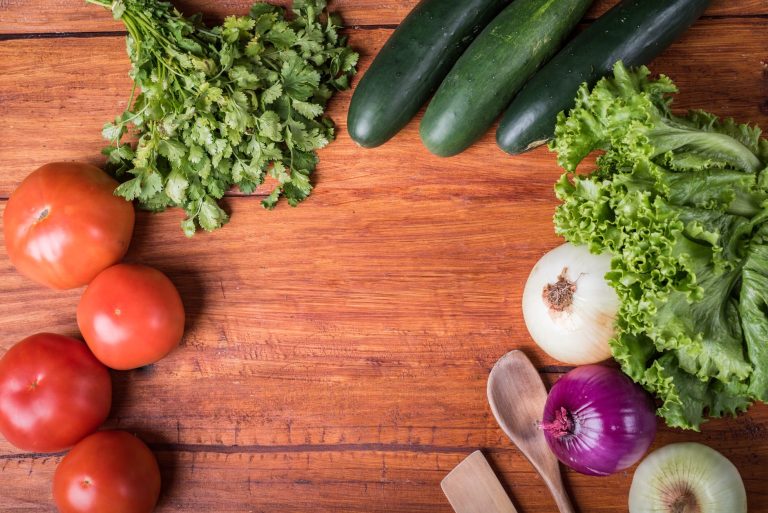
[IMAGE: organic vegetables]
Why Gut Health Matters More Than You Think
Your gut is home to trillions of microorganisms, often called the microbiome, and they play a major role in digestion, immunity, mood, and metabolism. When this internal ecosystem is well fed, your body tends to respond with better regularity, fewer cravings, and improved nutrient absorption. When it is not, you may feel the effects in ways that seem unrelated at first: fatigue, skin flare-ups, digestive discomfort, or difficulty losing weight despite eating less.
What does this have to do with organic food? Quite a lot. The quality of the food you eat shapes the quality of the environment inside your gut. Organic produce is grown without most synthetic pesticides and fertilizers, and that matters because your digestive system is already working hard to manage stressors from modern life. Choosing a clean eating pattern centered on organic food may reduce your exposure to residues that some people prefer to avoid while increasing the intake of nutrients that support a thriving microbiome.
The gut-weight connection
Healthy digestion and sustainable weight loss often go hand in hand. When the gut is functioning well, hunger and fullness signals tend to feel clearer. You are less likely to chase sugar for a quick energy boost or overeat in response to discomfort. A healthy lifestyle built around better digestion is not a shortcut; it is a foundation. The more balanced your gut feels, the more naturally your eating habits can support your goals.
Ask yourself: are your meals helping you feel nourished and satisfied, or are they leaving you bloated, foggy, and hungry again soon after eating? That question can reveal whether your current diet is supporting your body or merely filling space.
What Makes Organic Food So Valuable for Digestion?
Organic food is not magic, but it can make clean eating easier and more intentional. The real benefit comes from the quality of ingredients and the way organic choices often encourage whole-food habits. People who prioritize organic food usually end up eating more vegetables, more fiber, fewer ultra-processed snacks, and fewer artificial additives. That shift alone can be transformative for gut health.
There is also the simple fact that many organic foods taste fresher and more vibrant, which can make healthy eating more satisfying. If a healthy meal feels delicious, you are more likely to repeat it. And repetition matters. Gut health improves when nourishing foods become a regular part of life, not a temporary detox diet experiment.
How clean ingredients support the digestive process
Digestion works best when the meal is easy to break down and rich in nutrients. Organic vegetables, fruits, legumes, seeds, and whole grains often provide the fiber, enzymes, and phytonutrients your gut needs to function smoothly. These foods can help feed beneficial bacteria, support regular bowel movements, and promote a more stable blood sugar response, which is important for both energy and weight management.
Here are a few ways organic food can help support digestion:
- It often increases overall produce intake, which boosts fiber and micronutrients.
- It encourages meals built around whole ingredients instead of heavily refined products.
- It helps reduce reliance on additives that may bother sensitive digestive systems.
- It makes clean eating feel more intentional and less like a compromise.
None of this means every non-organic item is harmful. But if your goal is to improve gut health while also supporting weight loss and a healthy lifestyle, organic food gives you a strong starting point.
The Best Organic Foods for a Healthy Gut
Not all organic foods play the same role in digestive wellness. Some feed beneficial bacteria, some help move things along, and others calm inflammation or keep meals more balanced. The smartest approach is to combine several types of gut-friendly foods rather than focusing on a single so-called superfood.
1. Organic fermented foods
Fermented foods introduce live cultures or encourage microbial diversity in the gut. They can be particularly helpful if your diet has been low in variety or high in processed food. Organic options are ideal because they keep the clean eating theme consistent and avoid unnecessary additives.
Examples include:
- Organic plain yogurt or kefir
- Sauerkraut made with simple ingredients
- Kimchi with minimal sugar
- Miso and tempeh
- Water kefir or kombucha in moderation
Start slowly. If you are not used to fermented foods, a small serving is often enough at first. Too much too quickly may cause temporary bloating, especially if your gut is sensitive.
2. Organic leafy greens and cruciferous vegetables
Spinach, kale, arugula, broccoli, cauliflower, Brussels sprouts, and cabbage are rich in fiber and protective plant compounds. They support detox pathways in a natural, food-based way and can help you feel satisfied without loading your plate with excess calories. If you are aiming for weight loss, this is one of the simplest organic food strategies available.
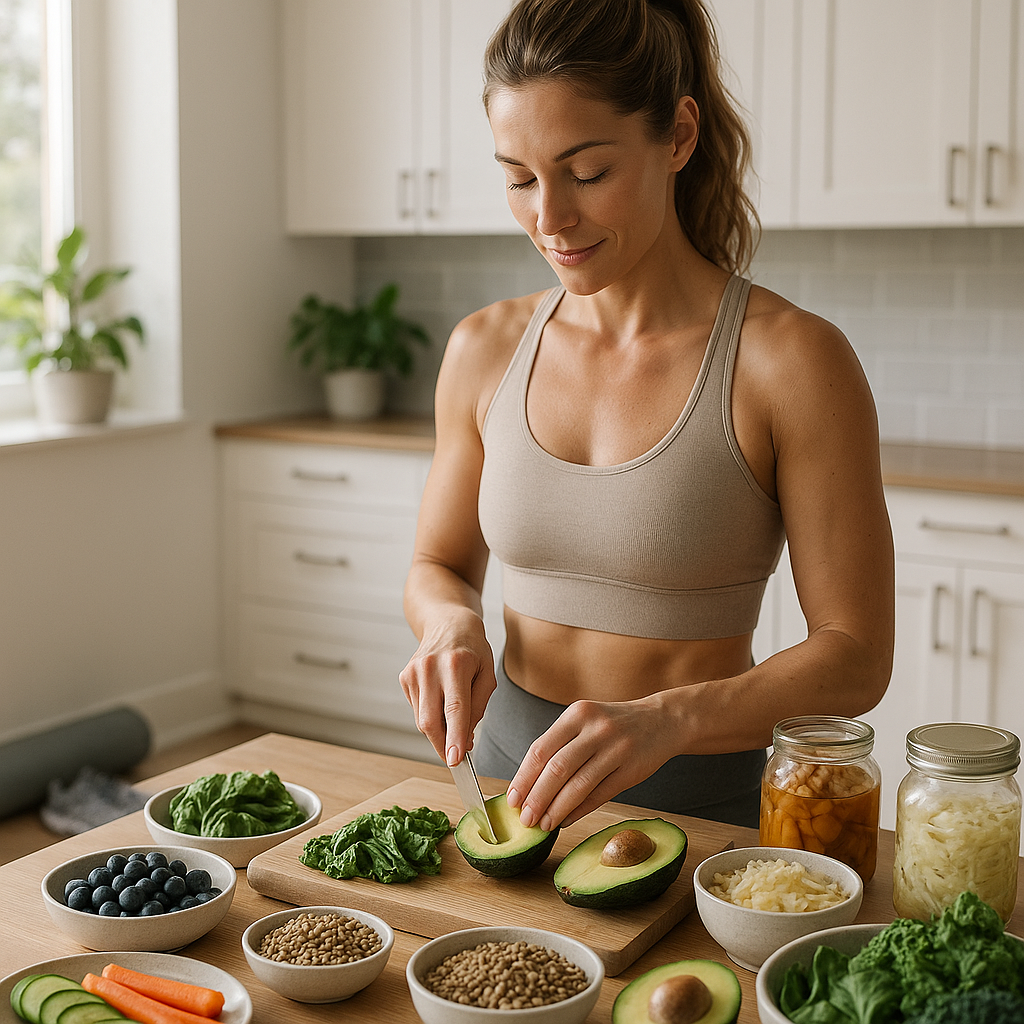
[IMAGE: healthy meal]
Try building meals around these vegetables in ways that feel enjoyable:
- Roasted broccoli with olive oil and lemon
- Spinach folded into eggs or a grain bowl
- Cabbage slaw with seeds and a light vinaigrette
- Cauliflower rice under grilled protein and herbs
3. Organic berries
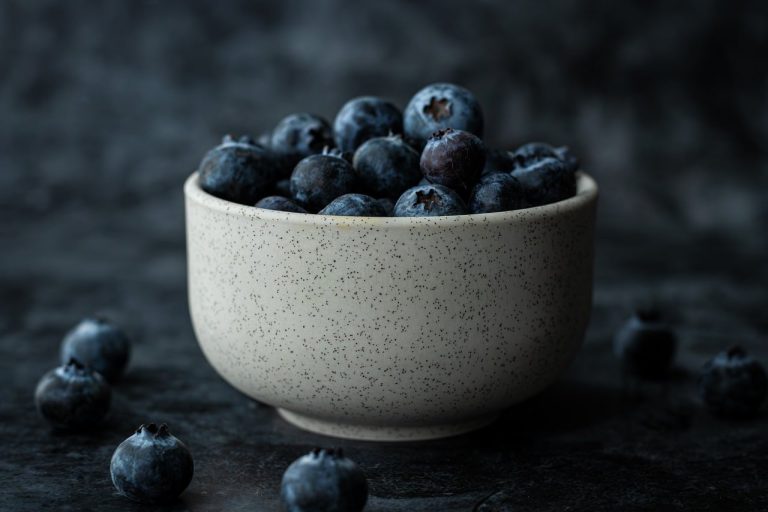
Berries are a standout choice in any nutrition-forward clean eating plan. They are naturally sweet, relatively low in sugar compared with many fruits, and packed with antioxidants. Blueberries, raspberries, blackberries, and strawberries can support gut health by providing polyphenols that beneficial bacteria love.
A bowl of berries can be a smart snack, a breakfast topping, or a dessert alternative when you want something sweet without derailing your goals. Are you looking for an easy way to cut back on refined sugar while still enjoying flavor? Berries make that transition much easier.
4. Organic oats, legumes, and seeds
Fiber is one of the most important nutrients for digestive health, and these foods deliver it in generous amounts. Organic oats, lentils, chickpeas, chia seeds, flaxseeds, and hemp seeds provide both soluble and insoluble fiber, which help regulate bowel movements and feed the microbiome.
Benefits include:
- Improved satiety between meals
- Better blood sugar stability
- Support for regular digestion
- Longer-lasting energy for a healthy lifestyle
If weight loss is one of your goals, fiber-rich organic foods can be especially useful because they help you feel full without pushing calories too high. They also make it easier to stay on track without feeling deprived.
5. Organic ginger, turmeric, and herbs
Fresh herbs and warming spices can make a healthy meal more appealing while also supporting digestion. Ginger is traditionally used for nausea and stomach discomfort, turmeric is known for its anti-inflammatory properties, and herbs like mint, parsley, cilantro, and dill can add freshness without relying on heavy sauces.
Think of these ingredients as quiet helpers. They do not overpower your meal, but they elevate it in ways that matter. A clean eating routine is much easier to sustain when flavor is part of the plan.
6. Organic healthy fats
Avocados, extra-virgin olive oil, walnuts, almonds, chia seeds, and ground flax can make meals more satisfying while supporting nutrient absorption. Many vitamins in vegetables are fat-soluble, which means your body absorbs them more effectively when you include healthy fats. This matters for gut health because adequate nutrient absorption is part of the broader digestive picture.
Healthy fats also help reduce the temptation to snack constantly. If your meals never feel complete, your body may be asking for more balance rather than more restriction.
How Clean Eating Supports the Microbiome
Clean eating is often misunderstood as a rigid list of forbidden foods. In reality, the most successful clean eating approach is flexible, practical, and rooted in whole ingredients. For gut health, clean eating matters because it reduces the dominance of ultra-processed foods that may crowd out fiber, beneficial nutrients, and naturally occurring plant compounds.
When your meals are centered on organic food, the shift tends to be even more noticeable. Instead of asking, “What should I cut out?” a better question is, “What should I add to make my body feel better?” That mindset supports consistency, which is essential for digestion, weight loss, and long-term wellness.
Foods that may crowd out gut balance
You do not need to fear every packaged food, but it helps to notice patterns. Diets high in refined sugar, highly processed oils, artificial sweeteners, and low-fiber snacks can make it harder for your gut to thrive. These foods may also encourage overeating because they are engineered to be highly palatable without providing much satiety.
If you want better digestion, consider reducing the frequency of:
- Sugary cereals and pastries
- Deep-fried snack foods
- Flavored drinks with little nutritional value
- Processed desserts with long ingredient lists
- Convenience meals that rely heavily on refined starches
This is not about perfection. It is about creating enough space in your diet for organic food to do its job.
What a gut-friendly plate looks like
A balanced plate for digestive support usually includes protein, fiber-rich plants, healthy fats, and enough flavor to make the meal satisfying. For example:
- Grilled salmon, roasted carrots, quinoa, and a side of fermented vegetables
- Organic lentil bowl with greens, avocado, pumpkin seeds, and olive oil
- Eggs with spinach, tomatoes, mushrooms, and sourdough toast
- Tofu or tempeh stir-fry with broccoli, ginger, and brown rice
This type of meal supports both gut health and weight loss because it nourishes the body without creating a heavy, sluggish feeling after eating.
Organic Food Strategies for Weight Loss Without Deprivation
One of the biggest myths in nutrition is that weight loss requires extreme restriction. In reality, long-term success usually comes from better food quality, better appetite control, and better digestion. Organic food can play a major role here because it naturally steers you toward nutrient-dense meals that are more satisfying and less likely to trigger mindless eating.
If your digestive system is calm and your meals are built from real ingredients, your body is more likely to cooperate. That is a much better environment for healthy weight management than the cycle of crash dieting and rebound cravings.
Why organic food may help you stay full
When meals are rich in fiber, protein, and healthy fats, they tend to keep you satisfied longer. Organic vegetables and fruits add volume with relatively few calories, while seeds, legumes, eggs, fish, and yogurt provide staying power. This combination can make a noticeable difference if your goal is weight loss without feeling restricted.
Ask yourself: are you trying to eat less, or are you trying to eat better? The second option is almost always the more sustainable path.
Smart swaps that support fat loss
If you want to use organic food as part of a weight loss plan, focus on swaps that feel realistic and repeatable:
- Swap sugary breakfasts for oats with berries, yogurt, and chia seeds
- Swap large pasta portions for grain bowls with vegetables and protein
- Swap packaged snacks for apples, nuts, or hummus with vegetables
- Swap creamy bottled dressings for olive oil, lemon, and herbs
- Swap dessert-heavy evenings for fruit with yogurt or cinnamon tea
These changes may look small, but they add up. Better digestion often leads to fewer cravings, steadier energy, and more consistent habits throughout the day.
A Simple Organic Gut-Health Day of Eating
If you are wondering how to put all of this into practice, the answer is usually simpler than you think. A healthy lifestyle does not require elaborate recipes or endless rules. Start with one well-structured day, then repeat the patterns that work.
Breakfast
Try organic oats cooked with cinnamon, topped with blueberries, chia seeds, and a spoonful of almond butter. Or choose eggs with sautéed spinach, tomatoes, and avocado. Both options offer fiber, healthy fats, and enough protein to prevent a mid-morning crash.
Lunch
A grain bowl works beautifully here. Combine leafy greens, roasted vegetables, chickpeas or grilled chicken, pumpkin seeds, and a simple olive oil dressing. If you tolerate fermented foods well, add a small spoonful of sauerkraut or kimchi on the side.
Snack
Keep it simple: an apple with walnuts, plain kefir with berries, or sliced cucumbers with hummus. The key is to choose snacks that stabilize energy rather than spike it.
Dinner
Think of a healthy meal that is warm, colorful, and easy to digest. Baked salmon, roasted broccoli, sweet potatoes, and a herb sauce made with parsley and olive oil is one strong example. If you prefer plant-based meals, lentil stew with carrots, celery, kale, and turmeric can be equally nourishing.
[IMAGE: fitness lifestyle]
Common Gut-Health Mistakes People Make on a Clean Eating Plan
Even with the best intentions, it is easy to make choices that backfire. Sometimes people turn to a detox diet that is too restrictive, too low in calories, or too heavy on juicing without enough fiber. Other times they eat plenty of “healthy” food but ignore balance, timing, or portion size.
1. Going too hard too fast
Adding a huge amount of fiber overnight can cause gas and discomfort. Your digestive system often needs gradual changes, especially if you are moving from a low-fiber diet to a high-fiber organic food routine. Build up slowly and drink enough water.
2. Relying too much on raw vegetables
Raw salads are wonderful, but some people digest cooked vegetables more easily. If your stomach is sensitive, try steaming, roasting, or sautéing more of your produce. A healthy lifestyle should feel supportive, not punishing.
3. Skipping protein
Many people focus on fruit and vegetables but forget protein. Without enough protein, hunger tends to return quickly, making weight loss harder. Include eggs, yogurt, fish, poultry, tofu, tempeh, beans, or lentils in each meal when possible.
4. Overdoing trendy detox routines
Detox diet marketing can be seductive, but your body already has built-in detoxification systems. The liver, kidneys, skin, and digestive tract do this work continuously. Your job is to support them with hydration, fiber, nutrients, rest, and consistent organic food choices—not to force a dramatic reset that is hard to maintain.
5. Ignoring stress and sleep
Gut health is not only about food. Stress can change digestion, appetite, and food choices. Poor sleep can intensify cravings and make it harder to stick with clean eating. If you want meaningful results, treat recovery as part of your nutrition strategy.
How to Build a Gut-Friendly Organic Pantry
If your kitchen is set up well, healthy eating becomes far easier. You do not need a gourmet pantry; you need a practical one that helps you assemble meals quickly and consistently. This is especially useful if you are trying to balance work, family, and a healthy lifestyle at the same time.
Must-have staples
Consider stocking the following organic food basics:
- Organic oats, quinoa, brown rice, and whole-grain pasta
- Canned organic beans and lentils
- Olive oil, avocado oil, and nut butters
- Chia seeds, flaxseeds, pumpkin seeds, and walnuts
- Garlic, ginger, turmeric, cinnamon, and herbs
- Plain yogurt, kefir, or plant-based fermented alternatives
- Frozen organic vegetables for quick meals
- Fresh seasonal produce that you will actually eat
Make the healthy choice the easy choice
When your fridge and pantry support your goals, you spend less time negotiating with yourself. That is a quiet but important advantage. The more accessible your organic food routine becomes, the more likely you are to stick with it long enough to notice changes in digestion, energy, and body composition.
Practical Tips for a Sustainable Routine
Sustainability matters because a plan that works for two days but collapses by Friday is not really a plan. The most effective nutrition strategy is the one you can live with comfortably. If you want organic food to support gut health and weight loss, keep your system realistic.
Try these habits for better results
- Build meals around plants first, then add protein and healthy fats.
- Chew slowly and stop eating before you feel overly full.
- Drink water consistently throughout the day.
- Eat at roughly regular times when possible.
- Choose mostly whole foods, but do not aim for perfection.
- Notice which foods make you feel energized versus sluggish.
These habits may sound basic, but basic is often what works. A balanced organic diet does not need to be dramatic to be effective.
How to know your routine is working
You may notice less bloating, more regular digestion, steadier hunger, better focus, and fewer energy crashes. Clothes may fit more comfortably. You may feel lighter after meals without being hungry an hour later. These are subtle signs that your body is responding well to your new food environment.
That said, if you experience ongoing digestive issues, severe bloating, pain, or unexplained weight changes, it is important to speak with a qualified health professional. Food can support healing, but it should not replace medical advice when you need it.
Why This Approach Works Long Term
The most successful healthy diet is not the one that relies on willpower alone. It is the one that aligns with how your body actually feels and functions. Organic food can be a useful anchor because it simplifies choices and encourages a cleaner, more nutrient-rich way of eating. Instead of chasing quick fixes, you build a routine that supports digestion, weight loss, and daily energy at the same time.
That is the real power of clean eating done well. It does not ask you to be perfect. It asks you to be consistent enough to let your body respond. When you feed your gut with fiber, fermented foods, colorful produce, and balanced meals, you are not just eating better for today—you are shaping the way your body feels tomorrow.
The best part? You do not have to overhaul everything at once. Start with one breakfast, one lunch, or one snack and make it more organic, more balanced, and more supportive of your digestion. Build from there. If you keep showing up for your body in that way, the results often feel less like punishment and more like relief. And if you want more ideas for clean eating, organic food, weight loss, and a healthier lifestyle, keep exploring the DietOrganic articles that are designed to make nutritious living feel practical, inspiring, and completely doable.
About the Author